Visit New Orleans

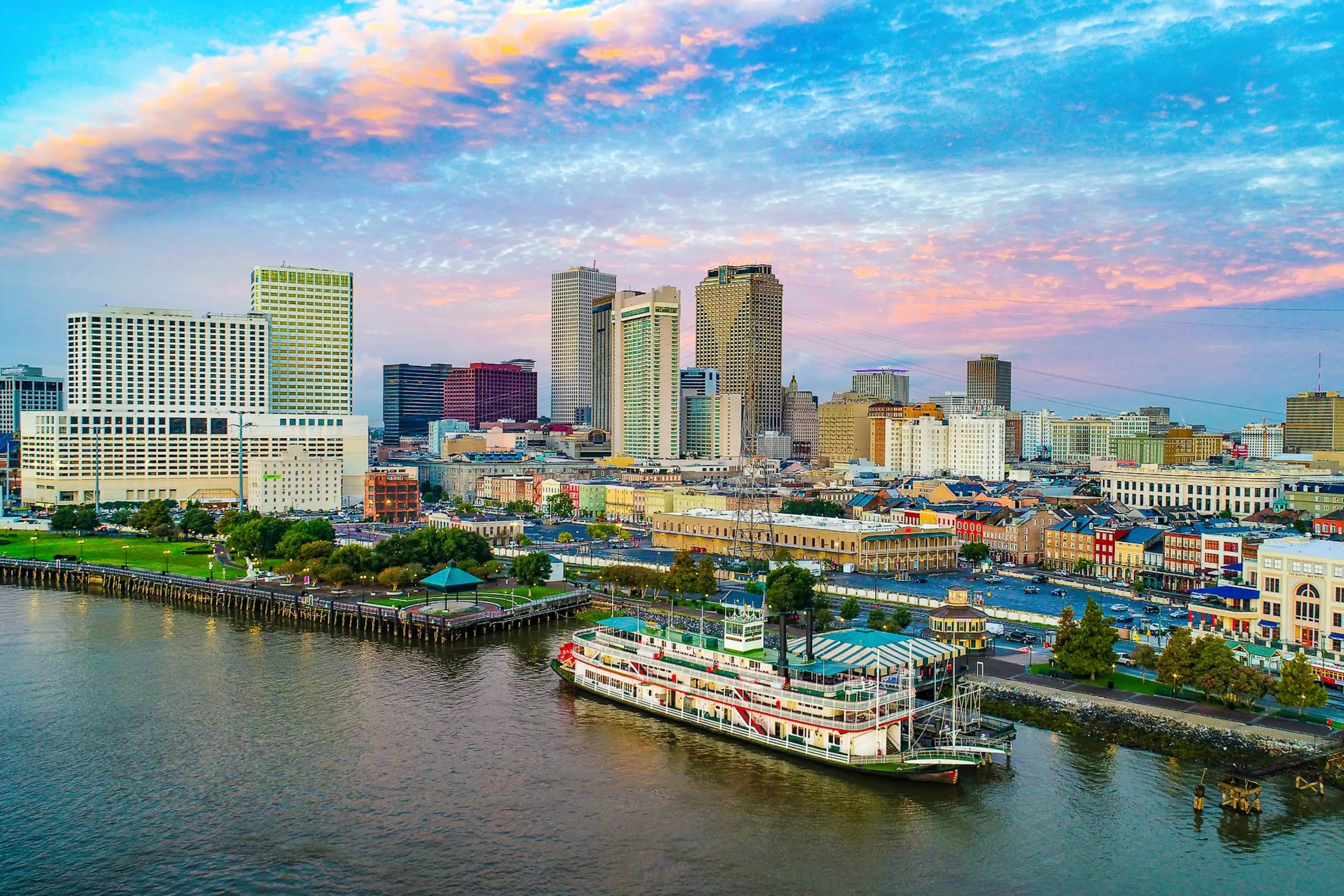
The birthplace of jazz and a crossroads of French, Spanish and African influences, New Orleans radiates an atmosphere unlike anywhere else in the United States. Between the French Quarter's wrought-iron balconies, live music and Creole cuisine, the city invites a constant sensory immersion.

Why visit New Orleans?

New Orleans is recognized as the birthplace of jazz and for its unique Creole cultural heritage, blending French, Spanish and African influences. The city stands out for its French Quarter architecture, renowned cuisine and celebrations such as Mardi Gras.

Highlights

The sites that made New Orleans famous.

French Quarter

Historic neighborhood with wrought-iron balconies, the cultural and festive heart of the city.

Bourbon Street

Lively street known for its nightlife, live music and festive atmosphere.

St. Louis Cathedral

One of the oldest cathedrals still in use in the United States, on Jackson Square.

Jazz Clubs

Numerous live music venues carrying on the jazz heritage born in the city.

St. Charles Streetcar

Historic streetcar line running past 19th-century mansions.

Creole Cuisine

Local specialties like gumbo and jambalaya, inherited from the city's cultural blend.
Discover New Orleans

What to discover in New Orleans?

The French Quarter, the city's historic heart, is recognizable by its wrought-iron balconies, flower-filled courtyards and the constant buzz of Bourbon Street. St. Louis Cathedral, overlooking Jackson Square, is among the oldest cathedrals still in use in the United States.
New Orleans is inseparable from jazz, born in its clubs and streets in the early 20th century, and still discovered today in numerous live music venues. Creole and Cajun cuisine, with specialties like gumbo and jambalaya, holds a central place in local culture. The historic St. Charles Avenue streetcar, lined with 19th-century mansions, rounds out a journey marked by the annual Mardi Gras celebration.

Practical Information

State

Louisiana

Country

United States

Population

About 380,000 inhabitants (city), over 1.2 million (metro area)

Language

English (French Creole heritage)

Currency

US Dollar (USD)

Time zone

UTC-6 (Central Time)

Climate

Humid subtropical, hot summers and mild winters

Best season

February to May and October to November

New Orleans in pictures

Frequently Asked Questions

What is the best time to visit New Orleans?
February to May, which includes Mardi Gras, as well as October to November offer pleasant weather, with summer being hot and humid.
How do you get around New Orleans?
The French Quarter is easy to explore on foot, while the historic streetcar connects to residential neighborhoods like the Garden District.
How much time should you plan for a visit to New Orleans?
Three days allow you to explore the French Quarter, catch live jazz and enjoy Creole cuisine at a comfortable pace.
Is Mardi Gras a must for experiencing the city?
It's an iconic, very busy event, but New Orleans keeps its festive, musical atmosphere all year round.
Do you need a visa to visit New Orleans?
Entry into the United States depends on the visitor's nationality; travelers from certain countries qualify for the ESTA program, but it is recommended to check requirements beforehand.
What day trips can you take from New Orleans?
The historic plantations along the Mississippi River and the surrounding bayous are among the popular day trips accessible from the city.

Plan your trip to New Orleans

Build your day-by-day itinerary and manage budget, bookings and packing in PlanTripNow.
Aperçu de l'application PlanTripNow