Skip to content

Visit Tokyo : districts, when to go and itineraries

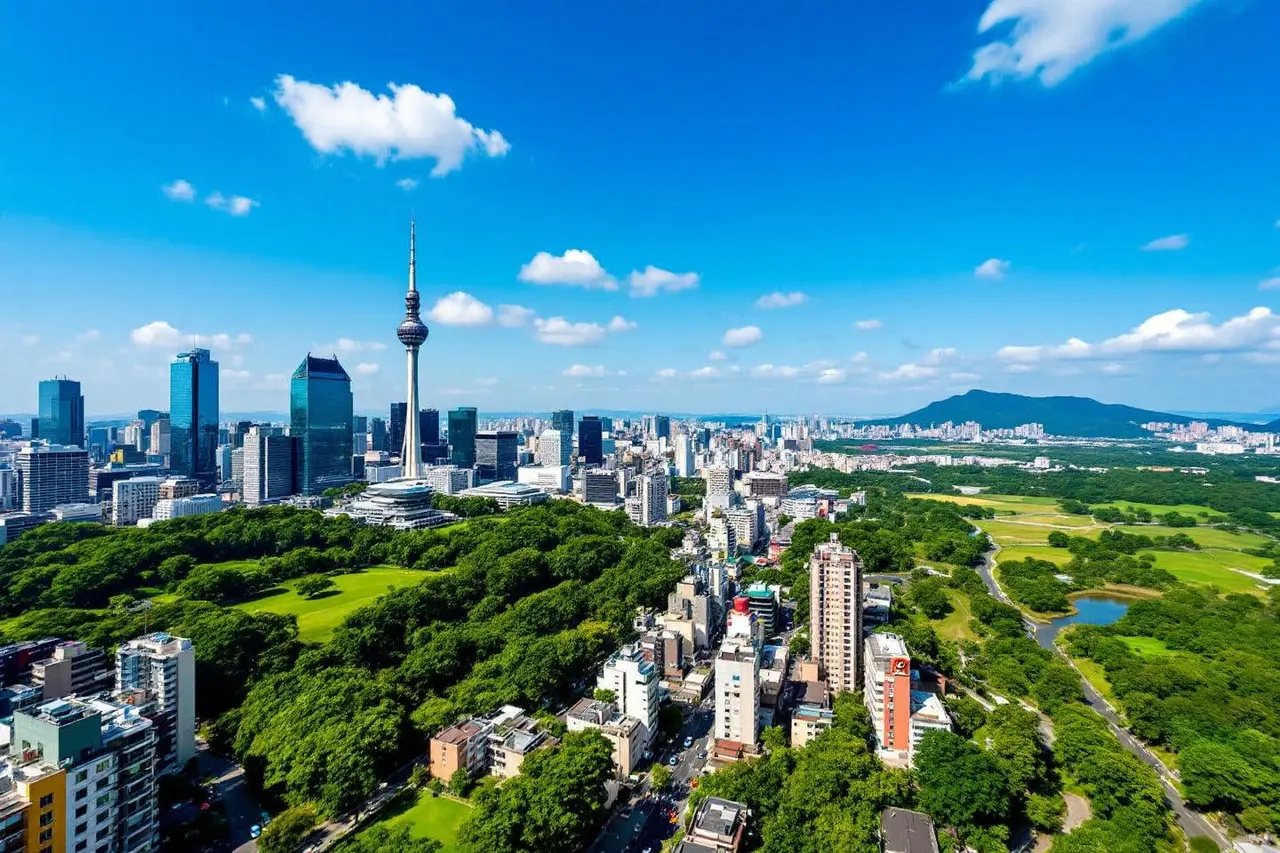
Tokyo is best approached not as one city but as a constellation of districts, each with its own hour and scale. A ten-minute metro ride takes you from the saturated crossings of Shibuya to the lanes of Asakusa, from a silent imperial garden to an izakaya two metres wide. Three days give you a glimpse, a week barely the outline.

At a glance

Visa
None
Tourist stay of up to 90 days
7-day budget
€1,071
Per person, comfort profile, excluding international flights.

Why visit Tokyo?

Tokyo is the largest urban area in the world and the gateway to Japan, under 12 hours' direct flight from Paris. Its transport is utterly reliable, its safety among the highest anywhere, and the city rewards a first visit as much as a tenth.

When to visit Tokyo

Temperatures, rainfall and crowds month by month, to pick your window.
When to visit Tokyo
MonthTemperaturesRainCrowdsVerdict
January2 to 10 °C5 dModerateDry cold and very clear skies after the domestic New Year peak: from mid-January the city is calm and bright.
February3 to 11 °C6 dModerateThe coldest-feeling month, but the plum blossoms at Yushima and the short queues more than make up for it.
March5 to 14 °C10 dBusyThe cherry bloom, due around 25 March, triggers an immediate surge in prices and bookings.
April10 to 19 °C11 dPackedSakura in the first week, then Golden Week approaching: one of Tokyo's two absolute tourism peaks.
May15 to 24 °C11 dBusyOnce early-May Golden Week is past, the weather turns ideal, dry and mild: the best window for walking everywhere.
June19 to 26 °C13 dModerateThe tsuyu rainy season brings drizzle and humidity, offset by the Kamakura hydrangeas and softer rates.
July23 to 30 °C12 dBusyThe rain stops around mid-July and festival season kicks off, led by the Sumida fireworks, under a muggy 30°C.
August24 to 31 °C9 dBusyThe hottest, heaviest month, with the big Obon domestic exodus in mid-August and rising typhoon risk.
September21 to 28 °C12 dModerateStill hot and typhoon-exposed until the equinox, then the air cools and visitor numbers stay reasonable.
October15 to 22 °C12 dBusyClear skies and 22°C: perfect walking conditions make October a sought-after month despite a few showers.
November10 to 17 °C8 dPackedThe red-maple peak at Rikugien and Meiji Jingu Gaien fills the city: hotels at their highest in late November.
December5 to 12 °C6 dModerateDry cold and spectacular illuminations; crowds stay moderate until the Japanese rush of the very last days.
Source: Moyennes climatestotravel.com (station de Tokyo) recoupées avec les normales JMA 1991-2020 ; température de mer laissée vide, le centre de Tokyo n'étant pas une destination balnéaire ; relevé septembre 2026

Tokyo's must-sees

Landmark sites and places to book, split between the historic east and the modern west.

Senso-ji Temple

Tokyo's oldest temple, founded in the 7th century, fronted by the Kaminarimon gate and its 700-kilo red lantern.

Meiji-jingu Shrine

Dedicated to Emperor Meiji, set in a forest of 100,000 trees donated from across the country, next to Harajuku.

Shibuya Sky

Open-air rooftop deck on the 47th floor above the crossing; timed ticket to book for sunset.

Tokyo Skytree

A 634-metre broadcasting tower, the tallest in Japan, with observation decks at 350 and 450 metres.

Tokyo Tower

A red-and-white silhouette inspired by the Eiffel Tower, 333 metres, lit every evening; a closer view of the city than the Skytree.

teamLab Planets

An immersive digital museum in Toyosu where you walk barefoot through water and projections; online booking required.

Imperial Palace East Gardens

The former grounds of Edo Castle, lawns, moats and keep foundations; free entry, closed Monday and Friday.

Tokyo National Museum

In Ueno, Japan's largest art and archaeology collection: swords, prints, ceramics, across six buildings.

Shinjuku Gyoen

A 58-hectare park blending Japanese, French and English gardens; one of the best cherry-blossom spots, paid entry.

Toyosu Market

The successor to Tsukiji: tuna auction visible from 5:30am through a gallery, sushi restaurants open at dawn.

Nezu Shrine

A 1705 shrine spared by the wars, famous for its tunnel of small red torii gates and its April azaleas.

Omoide Yokocho

A warren of postwar yakitori bars near Shinjuku Station, six or seven stools per place.

What to discover in Tokyo, district by district?

Shibuya and Harajuku

This is the Tokyo of the photographs: the crossing where up to 3,000 people cross on a single green light, the giant screens, the Hachiko dog statue. Just north, Harajuku sets the narrow, noisy Takeshita Street against Omotesando Avenue and its architect-designed flagships. Allow half a day for both, keeping Shibuya Sky, the open-air rooftop on the 47th floor, for sunset: the slot must be booked online several days ahead.

Shinjuku

Around the world's busiest station, Shinjuku packs office towers to the west, the neon and tiny bars of Kabukicho and Golden Gai to the east, and Shinjuku Gyoen park to the south, one of the few that charges admission (500 yen, closed Monday). The free city hall observatory stays open until 10pm. Omoide Yokocho, a smoky skewer alley, serves stand-up dinners from 5pm.

Asakusa and old Tokyo

Asakusa keeps the grain of the old low city: Senso-ji, Tokyo's oldest temple, its Nakamise shopping street and the rickshaws. Visit early, before 8am, to photograph the Kaminarimon gate without crowds. From there a Sumida river cruise runs down to the Hamarikyu gardens in 40 minutes, or you can walk to Ueno and its park of museums in 25 minutes.

Ueno and Yanaka

Ueno Park holds the Tokyo National Museum, the country's largest collection of Japanese art, the Le Corbusier-designed National Museum of Western Art and a zoo. Most close on Monday and cost 1,000 to 1,500 yen. To the west, Yanaka escaped the bombing and the earthquakes: artisan workshops, a tree-lined cemetery, cats, and Yanaka Ginza, a 170-metre shopping street whose western staircase fills with photographers at sunset.

Ginza, Marunouchi and the Imperial Palace

Ginza lines up department stores and luxury boutiques; on Sunday afternoons the main avenue is pedestrianised. Next to it, Marunouchi links Tokyo Station, restored to its 1914 brickwork, with the Imperial Palace. The palace itself is not open, but its East Gardens are free and closed on Monday and Friday. A walk or cycle around the moats is 5 km.

Akihabara and pop culture

Akihabara stacks electronics shops, second-hand manga stores, arcades and themed cafes over several floors. Prices are barely negotiable, but tax-free shopping applies from 5,000 yen on showing your passport, and many shops open only from late morning. For old books and prints, the neighbouring Jimbocho district has close to 180 bookshops within a few blocks. Nakano Broadway, twenty minutes west, is its quieter version for collectors.

The bay: Odaiba and Toyosu

On reclaimed islands linked by the elevated Yurikamome line, the bay holds the Toyosu wholesale market, which replaced Tsukiji in 2018: the tuna auction can be watched from a glass gallery from around 5:30am, no booking needed, and the sushi counters upstairs open by 6:30am. At Toyosu and Odaiba, the teamLab Planets and teamLab Borderless digital museums must be booked online with a timed ticket that often sells out days ahead.

Day trips from Tokyo

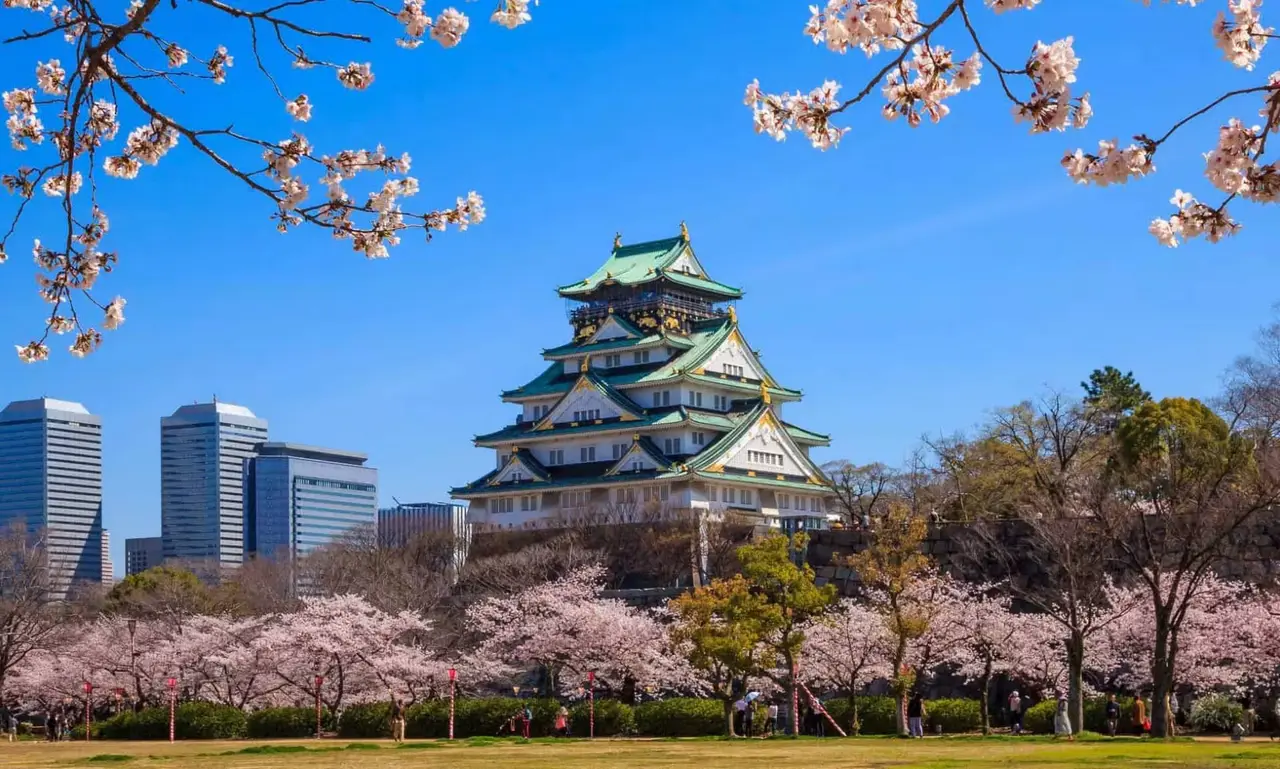
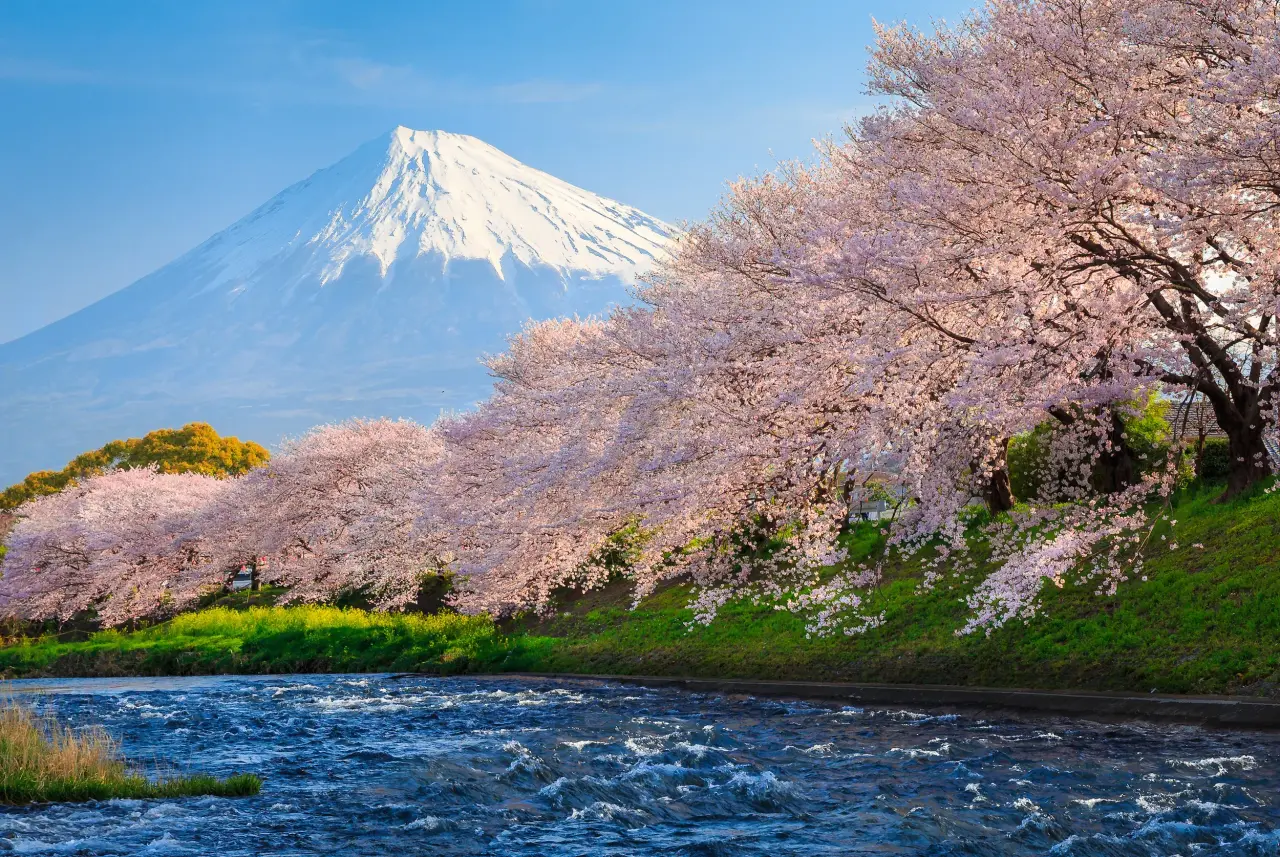
Kamakura and its Great Buddha are an hour away by train, Nikko and its baroque shrines two hours, Hakone and its onsen facing Fuji a little more. Mount Fuji itself can be seen up close on a day trip to the fifth stations in summer, but climbing it means a night in a mountain hut. For a real detour, Osaka is 2h30 by bullet train.
How much it costs

Per person per day, excluding international travel.
Budget
61 €/ day
2 254 € for 2 people, 7 days, return flights included
Accommodation
22 €
Food
22 €
Local transport
7 €
Sights and activities
10 €
Comfort
153 €/ day
3 542 € for 2 people, 7 days, return flights included
Accommodation
78 €
Food
45 €
Local transport
10 €
Sights and activities
20 €
Premium
345 €/ day
6 230 € for 2 people, 7 days, return flights included
Accommodation
180 €
Food
90 €
Local transport
25 €
Sights and activities
50 €
Prices checked: Prix relevés en septembre 2026, hors sakura (fin mars-début avril) et Golden Week : fourchettes recoupées entre tokyotourism.org, radicalstorage et machupicchu.org, conversion au taux d'environ 160 JPY pour 1 EUR, tarifs hôteliers Booking. Occupation : lit en dortoir ou capsule pour backpacker, chambre double partagée à deux pour comfort et premium. Vol A/R Paris-Tokyo inclus dans le total semaine, estimé 1400 EUR pour deux en épaule (500 EUR/pers en basse saison, jusqu'à 1000 EUR en haute).

Getting there

Airports serving Tokyo, from main hubs to secondary ones.
  • AKJAsahikawa AirportHigashikaguraSecondary
  • ASJAmami AirportAmamiSecondary
  • AXJAmakusa AirportAmakusaSecondary
  • AXTAkita AirportAkitaSecondary
  • FKJFukui AirportFukuiSecondary
  • FKSFukushima AirportSukagawaSecondary

Entry, health and safety

For FR travellers

Entry requirements

No visa for a tourist stay

Aucun visa pour un séjour touristique de 90 jours maximum. Passeport en cours de validité exigé (les titres périmés, endommagés ou signalés perdus ou volés sont refusés à l'embarquement comme à l'arrivée). Chaque mineur doit disposer de son propre passeport. Le formulaire en ligne Visit Japan Web, facultatif mais conseillé, permet de préenregistrer immigration et douane.

Stay allowed for up to 90 days.

Health

Advised: Vaccinations françaises à jour. Selon la durée du séjour : hépatites A et B, encéphalite à tiques pour les zones rurales ou forestières.

Bon niveau de soins, avec des médecins parlant français ou anglais dans les grandes villes, mais coûts élevés : assurance médicale et rapatriement obligatoire. Attention aux médicaments soumis à autorisation (stupéfiants, certains décongestionnants courants en France sont interdits). Tokyo est exposée aux séismes et aux typhons de fin d'été : repérez les consignes d'évacuation de votre hébergement.

Safety

Normal precautions

Emergency

110 (police) / 119 (secours)

Checked in septembre 2026 against the official source. Entry rules change: check the official source before you travel, it alone is authoritative.

Tokyo travel basics

Transport

A rechargeable Suica or Pasmo card, or its mobile version on a phone; it works across the whole metro, buses and konbini. The Japan Rail Pass is not worth it for a trip limited to Tokyo.

Japan Rail Pass

Only useful if you add Kyoto or Osaka: a single bullet-train return trip already costs almost as much as the 7-day pass.

Cash

More and more shops take cards, but keep cash: small restaurants, temples and markets are often cash only. The ATMs in 7-Eleven konbini accept foreign cards.

Power sockets

Type A, 100 V: an adapter is needed for French plugs, and some heating appliances work poorly at 100 V.

Tipping

Not practised and can cause awkwardness; leaving change on a table reads as something forgotten.

Konbini

24-hour convenience stores (7-Eleven, FamilyMart, Lawson): decent meals, cash withdrawals, concert tickets, luggage forwarding.

Rubbish

Almost no public bins: you carry your rubbish or leave it at a konbini. Sorting is strict.

Shoes

To be removed in ryokan, some temples, tatami restaurants and fitting rooms; bring decent socks.

Tattoos

Often banned in public onsen and sento; some places allow a cover patch or have private baths.

Wifi

Public wifi is rare and slow; a pocket router or eSIM is booked before departure or picked up at the airport.

Earthquakes

Frequent, usually minor tremors; accommodation posts the instructions, the NHK World app sends alerts in English.

Time difference

UTC+9 all year, 7 or 8 hours ahead of France; Japan does not change its clocks.

Tokyo in pictures

Photo credits : Benh LIEU SONG ( Flickr ), CC BY-SA 2.0, Wikimedia Commons ; Tokuzo in Edomura, CC BY-SA 4.0, Wikimedia Commons ; David Kernan, CC BY 4.0, Wikimedia Commons ; Martin Falbisoner, CC BY-SA 3.0, Wikimedia Commons ; KimonBerlin, CC BY-SA 2.0, Wikimedia Commons

Similar destinations

Other cities you might like as much as Tokyo.

Tokyo: frequently asked questions

How many days do you need to visit Tokyo?
Three full days cover the historic east, the modern west and a trip to Kamakura. Four to five days let you add Nikko, the bay and teamLab, and wander districts like Yanaka or Shimokitazawa without rushing from sight to sight.
Where should you stay in Tokyo: Shinjuku, Shibuya or Asakusa?
Shinjuku for train connections and nightlife, Shibuya for a young and central feel, Asakusa for gentler prices and a traditional atmosphere, at the cost of a slightly longer trip to the rest of the city. Tokyo Station and Ueno also work well.
Is the Japan Rail Pass worth it for a trip only to Tokyo?
No. The pass only covers the JR network, a minority of Tokyo's lines, and its price is only recouped by bullet-train journeys. For Tokyo alone, a Suica or Pasmo card topped up day by day works out far cheaper.
Can you still see the tuna auction in Tokyo?
Yes, but at Toyosu rather than Tsukiji, which kept only its outer street-food market. At Toyosu the auction is watched for free from a glass gallery from around 5:30am, with no booking needed.
teamLab Planets or teamLab Borderless, which should you pick?
Planets, in Toyosu, is walked barefoot through water and takes about an hour; Borderless, in Azabudai, is larger, more maze-like and has no set route. Both need a timed ticket booked online, often sold out at weekends.
Can you do Mount Fuji as a day trip from Tokyo?
You can see Fuji up close in a day: the Five Lakes, Hakone or the fifth stations by bus in summer. Climbing to the summit, though, means leaving the day before and sleeping in a hut to aim for sunrise.
Do you need to book Shibuya Sky in advance?
For sunset, yes: late-afternoon slots sell out days ahead. In the daytime or late evening, a ticket bought on the day usually works. In strong wind the outdoor deck closes with no refund of the supplement.
How do you pay on the Tokyo metro?
The easiest way is a Suica or Pasmo card, physical or added to a phone, tapped on the gate. Paper tickets require you to work out the fare by distance from a map above the machines, which is less convenient.
Is Tokyo more expensive than Kyoto or Osaka?
Accommodation is a little pricier, especially in Shinjuku and Shibuya, but food and transport cost the same across Japan. A Tokyo trip runs on the same daily budgets as the rest of the country, aside from hotel nights.
What can you do in Tokyo during the rainy season?
June and early July alternate showers and bright spells. The Ueno museums, the Ginza department stores, teamLab, the Roppongi galleries and the hydrangeas of Kamakura or Hakusan shrine all suit wet days.
Are tattoos a problem in Tokyo's baths?
In many public onsen and sento, yes. Some newer places accept tattoos, others provide cover patches for small designs, and a private bath in a ryokan sidesteps the issue entirely.

Plan your trip to Tokyo

Build your day-by-day itinerary and manage budget, bookings and packing in PlanTripNow.
Aperçu de l'application PlanTripNow