Germany

From Berlin to Munich, from the Bavarian castles to the Black Forest, Germany blends history, culture and nature. Dynamic cities, Christmas markets and heritage make it a rich and accessible destination.

Why visit Germany?

Germany appeals with its dynamic cities, heritage and preserved nature. History, romantic castles, forests and beer culture make it a varied destination, ideal for city breaks as well as outdoor itineraries.

What to discover in Germany?

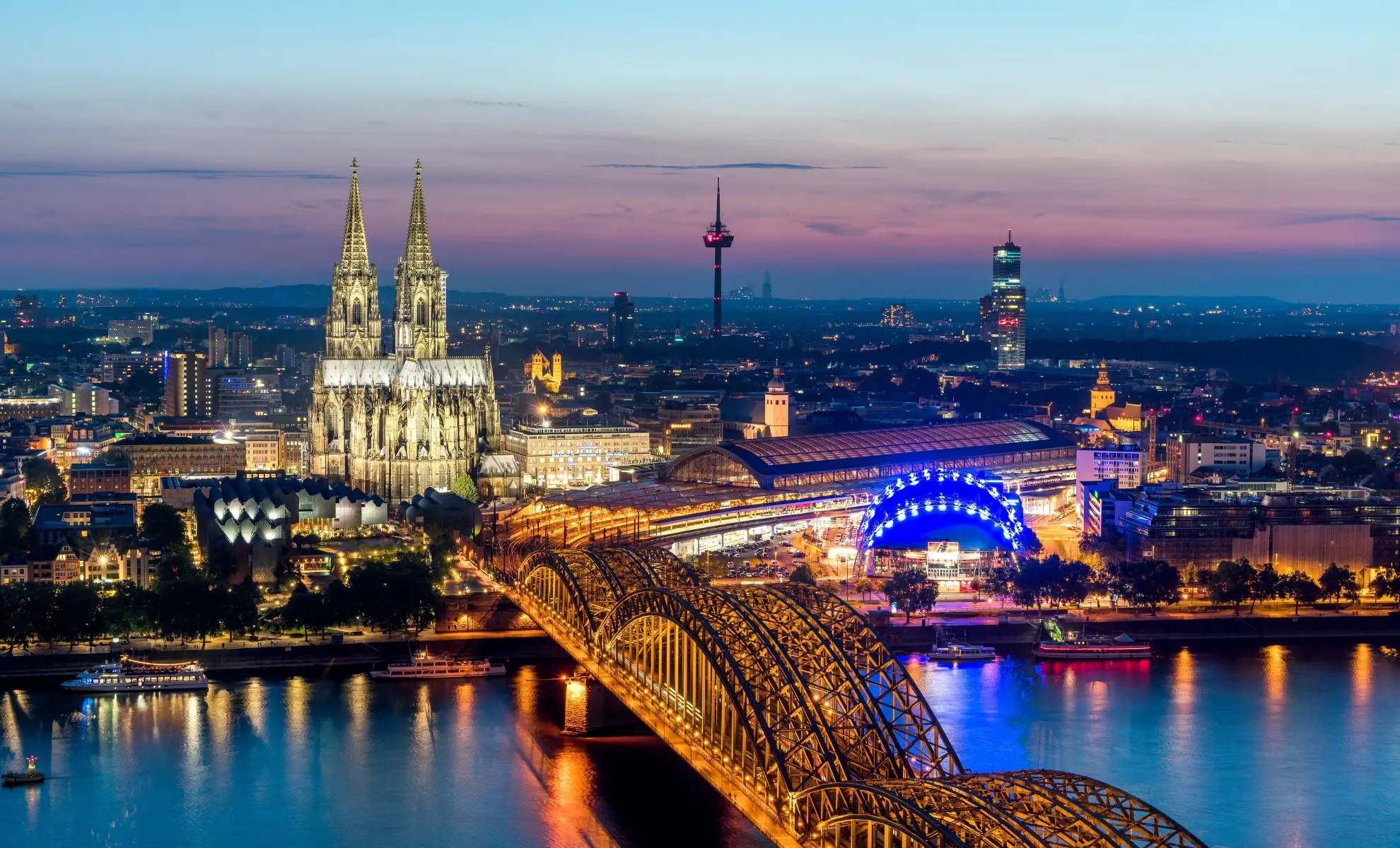
Germany offers a rare balance between urban dynamism and preserved nature. Berlin, a creative capital steeped in history, contrasts with Munich and its Bavarian atmosphere, Hamburg and its port, or Cologne and its cathedral. Each region has its own character, traditions and cuisine.
The country also appeals through its landscapes: romantic castles such as Neuschwanstein, the Rhine Valley and its vineyards, the Black Forest and Alpine lakes. Outdoor lovers enjoy hiking, cycling and winter sports. Culture is alive, between museums, festivals and renowned Christmas markets. The generous cuisine highlights sausages, beers and regional specialities. Well served by an efficient rail network, Germany suits short city breaks as well as road trips across its regions and UNESCO-listed sites.

Cities to visit in Germany

Featured destinations appear first.
Coming soon.

Germany in pictures

Germany's highlights

Germany combines dynamic cities, castles, nature and living culture.

Dynamic cities

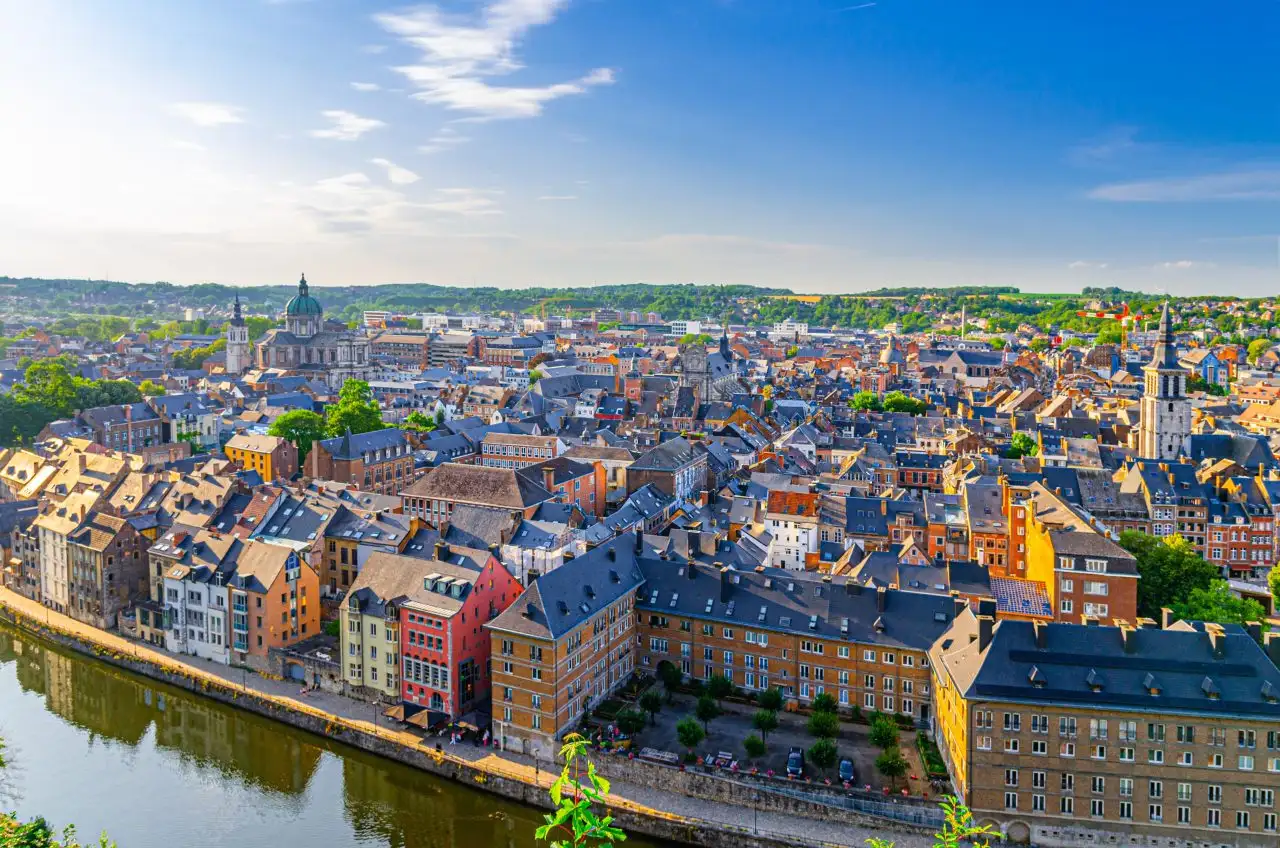
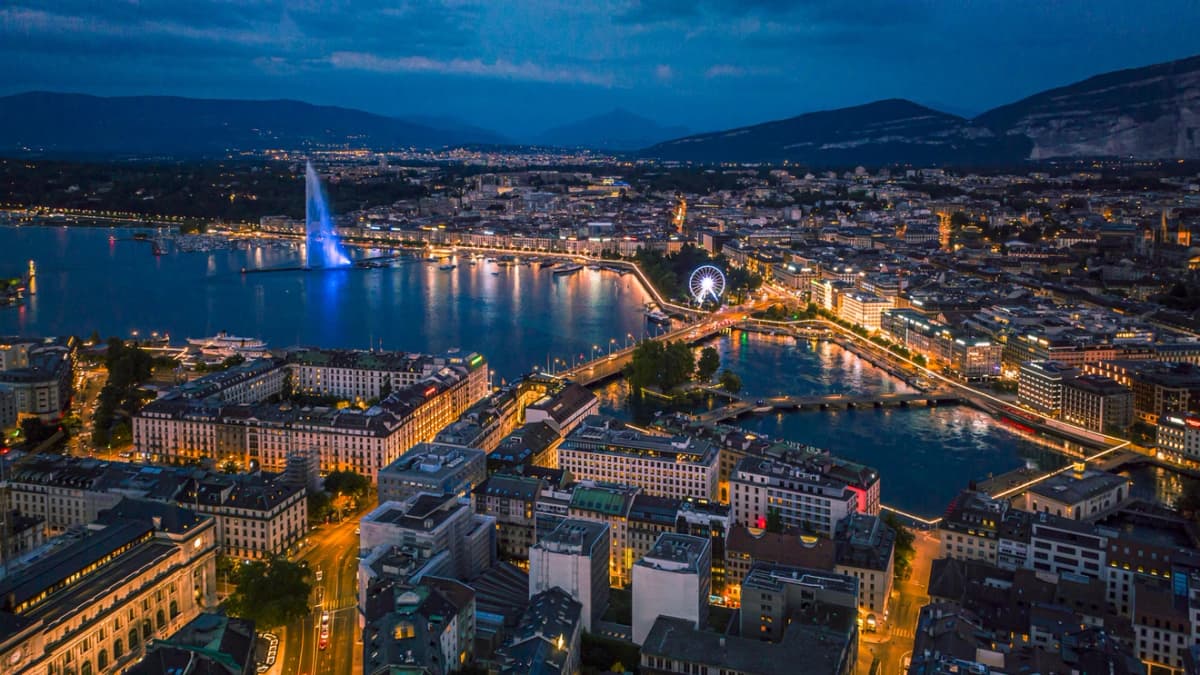
Berlin, Munich, Hamburg and Cologne combine history, culture, nightlife and architecture, in contrasting and creative settings.
Romantic castles

Neuschwanstein, Heidelberg and the Rhine Valley castles embody spectacular heritage, at the heart of preserved landscapes.

Nature and outdoors

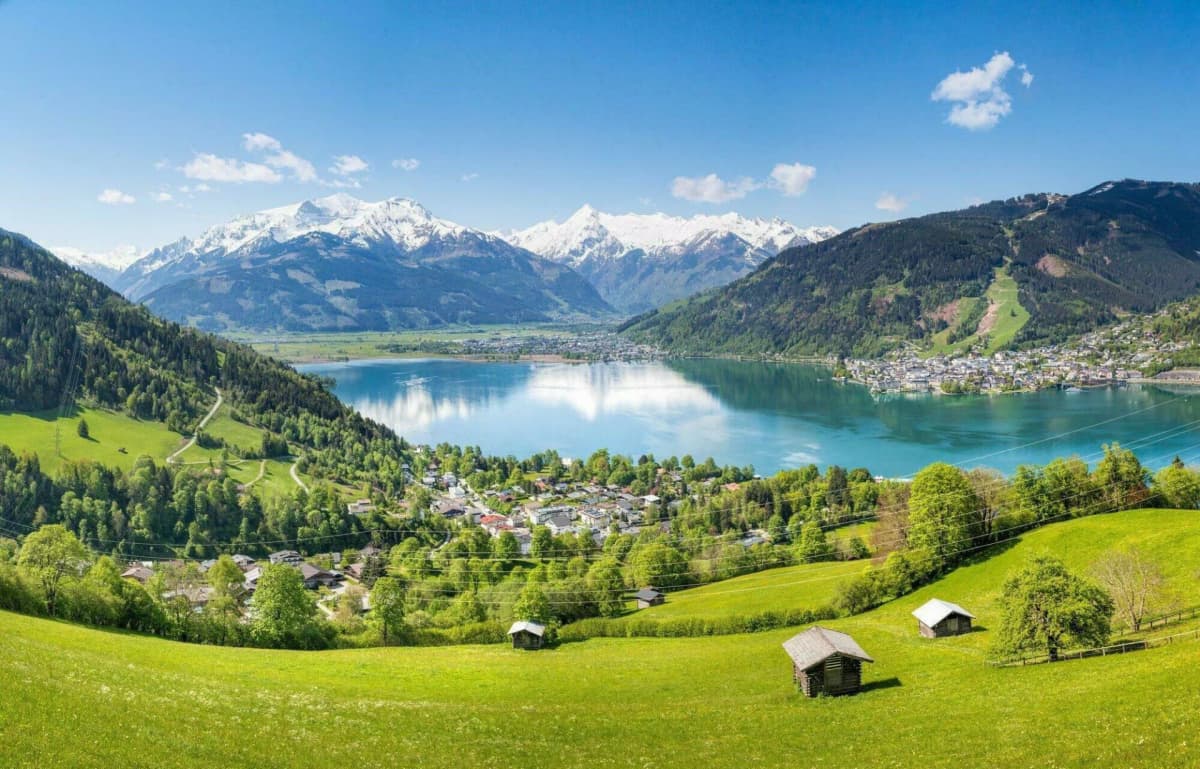
The Black Forest, Rhine Valley, Alpine lakes and national parks offer hiking, cycling and winter sports in varied settings.

Culture and history

Museums, memorials, festivals and UNESCO-listed heritage reflect a rich history and an intense cultural life.

Christmas markets

World-renowned, the Christmas markets light up the cities in winter, between crafts, mulled wine and a magical atmosphere.

Beers and cuisine

Brewing traditions, sausages, pretzels and regional specialities make the table a convivial moment, notably during Oktoberfest.

Practical information about Germany

Capital
Berlin
Area
About 357,592 km²
Population
About 84 million inhabitants
Official language
German
Currency
Euro (€)
Time zone
UTC+1
Dominant climate
Temperate, oceanic and continental
Best season
May to September; December for Christmas markets

Frequently asked questions about Germany

When is the best time to visit Germany?
May to September for pleasant weather and outdoor activities. December is ideal for Christmas markets, while autumn offers beautiful colours.
Do I need a visa to travel to Germany?
Germany is part of the Schengen Area: EU nationals move freely. Non-EU travellers should check entry requirements depending on nationality.
What are the must-sees in Germany?
Berlin, Munich, Neuschwanstein Castle, the Black Forest and the Rhine Valley are among the country's most iconic destinations.
What budget should I plan for a trip to Germany?
The budget is moderate for Western Europe. Munich and the big cities are more expensive, but accommodation, transport and dining remain reasonable.
How do I get around in Germany?
The rail network (Deutsche Bahn) is efficient and connects the whole country. Long-distance buses are economical, and the motorway lets you explore regions by car.
When can I visit the Christmas markets in Germany?
From late November to late December. Nuremberg, Dresden, Cologne and Munich are among the most renowned, best discovered in the evening for the illuminated atmosphere.

Plan your trip to Germany

Day-by-day itinerary, budget, bookings and packing in a single app.
Aperçu de l'application PlanTripNow