

Switzerland Travel Guide: When to Go, Budget and Itineraries
- 5 cities
At a glance
- Currency
- Swiss Franc
- Time difference
- UTC+1
- Visa
- None
- Tourist stay of up to 90 days
- 7-day budget
- €2,576
- Per person, comfort profile, excluding international flights.
Why visit Switzerland?
Switzerland packs train-accessible Alps, four distinct language regions and a rail network that reaches mountain summits into one compact country. Landscapes and languages shift within just a few hours of travel.
When to visit Switzerland
| Month | Temperatures | Rain | Crowds | Verdict |
|---|---|---|---|---|
| January | -1 to 4 °C | 10 d | Busy | Peak ski season in the Alps, but fog is common on the Plateau and prices stay high after the holidays. |
| February | -1 to 5 °C | 9 d | Busy | School winter break across several cantons: alpine resorts fill up, book well ahead. |
| March | 2 to 10 °C | 10 d | Moderate | Ski season winds down at altitude while Zurich and Geneva see their first mild days, still few city visitors. |
| April | 5 to 15 °C | 11 d | Quiet | Quiet, affordable month for the cities, but high alpine passes are still closed and snow remains possible up top. |
| May | 9 to 19 °C | 13 d | Moderate | Waterfalls swollen by snowmelt and alpine meadows turning green, but this is the wettest month of the year. |
| June | 13 to 22 °C | 12 d | Busy | High-altitude hiking trails open and the lakes warm enough for a swim, just before the July-August rush. |
| July | 15 to 24 °C | 12 d | Packed | Absolute peak season: trains need booking well ahead and alpine lodging hits its highest prices. |
| August | 14 to 24 °C | 12 d | Packed | Late-afternoon summer storms are common in the Alps, but long daylight hours keep the high trails clear. |
| September | 11 to 19 °C | 10 d | Moderate | The best trade-off of the year: autumn light, summer crowds gone, and mountain trails still open. |
| October | 7 to 14 °C | 10 d | Quiet | Grape harvest in Valais and Ticino, though the first snow can already close mountain passes by month's end. |
| November | 3 to 8 °C | 10 d | Very quiet | The quietest, cheapest month of the year: persistent fog on the Plateau, with Christmas markets not yet open. |
| December | 0 to 4 °C | 11 d | Busy | Christmas markets and opening ski slopes drive crowds from mid-December, with prices rising sharply. |
What to see in Switzerland?
Zurich and German-speaking Switzerland
The Bernese Oberland and the Alps
Graubünden and the Engadine
Ticino, Switzerland's Italian side
Food and rural traditions
Cities to visit in Switzerland
How much it costs
- Accommodation
- 44 €
- Food
- 32 €
- Local transport
- 18 €
- Sights and activities
- 7 €
- Accommodation
- 210 €
- Food
- 74 €
- Local transport
- 42 €
- Sights and activities
- 42 €
- Accommodation
- 360 €
- Food
- 148 €
- Local transport
- 69 €
- Sights and activities
- 116 €
Getting there
- GVAGeneva International AirportGenevaMain
- ZRHZürich AirportZurichMain
- ACHSankt Gallen Altenrhein AirportSt. GallenSecondary
- BRNBern AirportBernSecondary
- EMLEmmen Air BaseEmmenSecondary
- LUGLugano AirportAgnoSecondary
Entry, health and safety
For FR travellersEntry requirements
No visa for a tourist stay
Aucun visa pour un séjour touristique. La Suisse fait partie de l'espace Schengen : carte nationale d'identité valide, ou périmée depuis moins de 5 ans si délivrée entre le 1er janvier 2004 et le 31 décembre 2013, ou passeport valide.
Stay allowed for up to 90 days.
Health
Vaccinations à jour recommandées comme partout en Europe ; hausse des cas de rougeole signalée en 2026 par France Diplomatie. Les frais de secours non couverts par l'assurance (hélicoptère Rega, sauvetage en montagne) sont à la charge du blessé et peuvent atteindre plusieurs milliers d'euros : une assurance rapatriement/accident est fortement conseillée, en particulier pour la randonnée et le ski.
Safety
Normal precautions
Emergency
112
Switzerland in pictures
Switzerland's must-sees
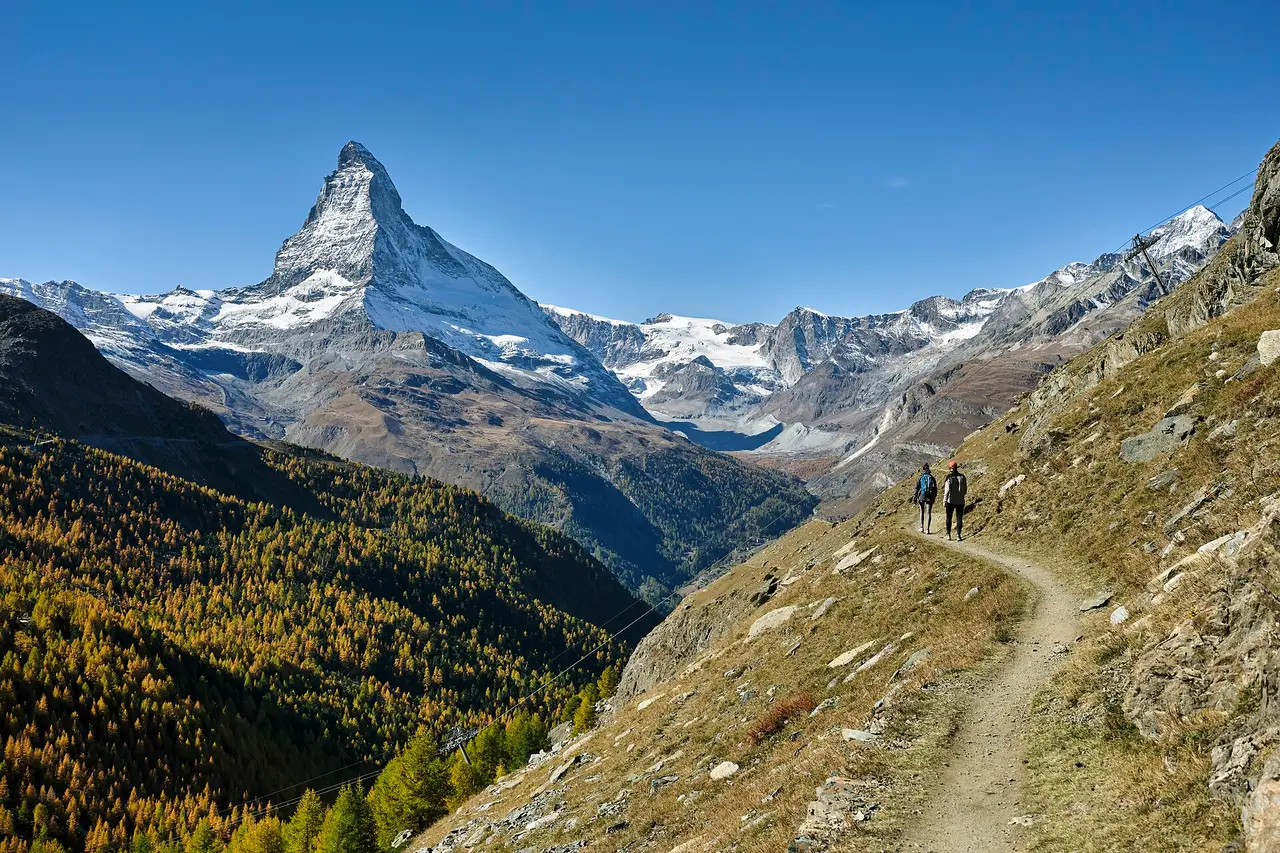
The Matterhorn
The Jungfraujoch
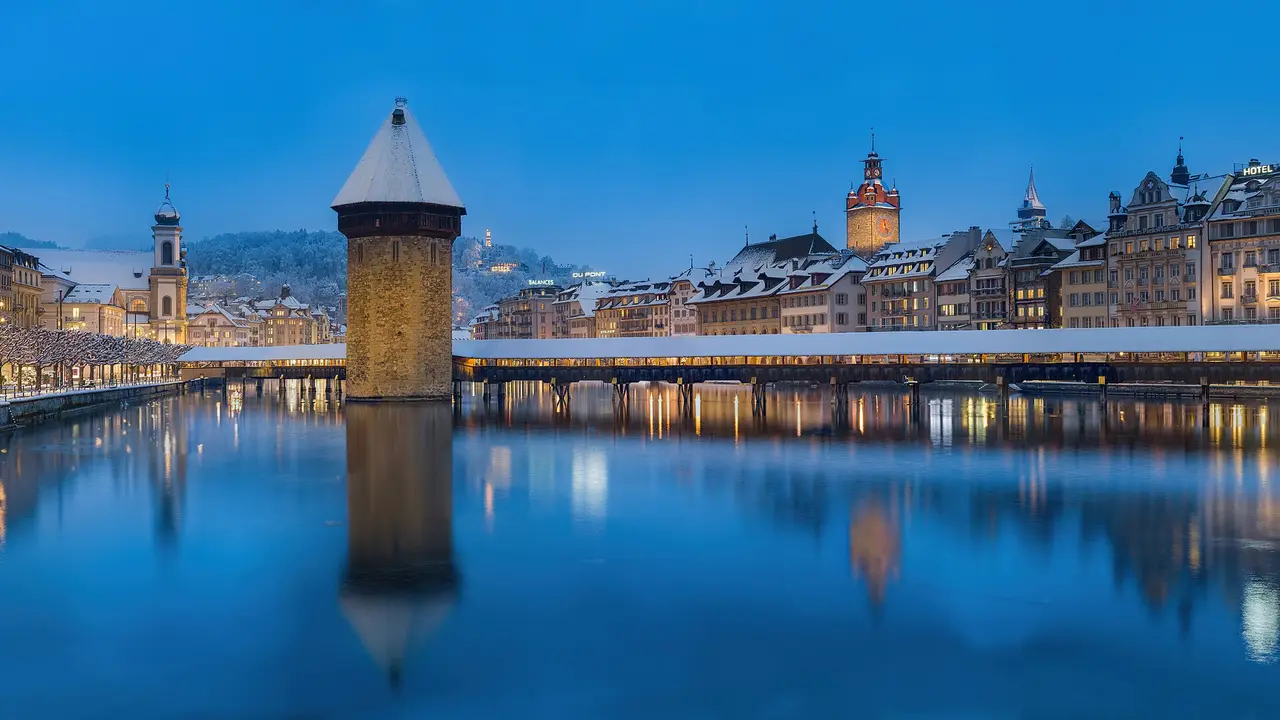
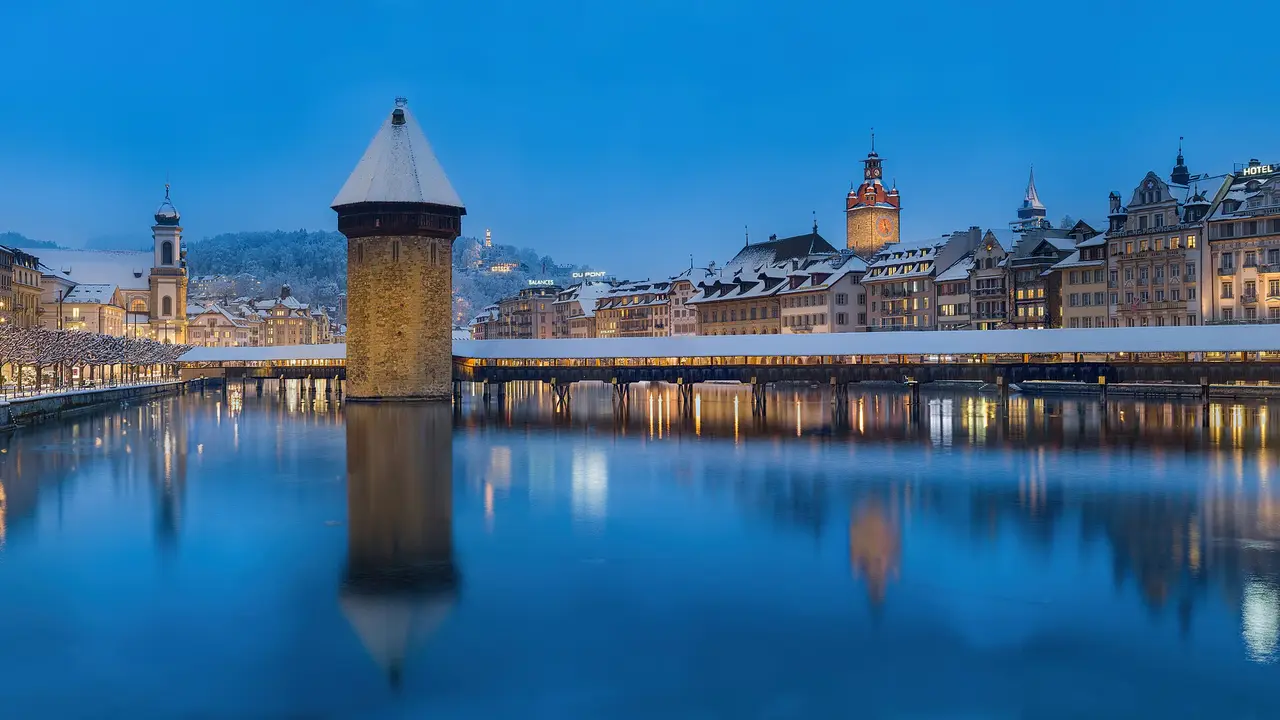
The Chapel Bridge
Chillon Castle
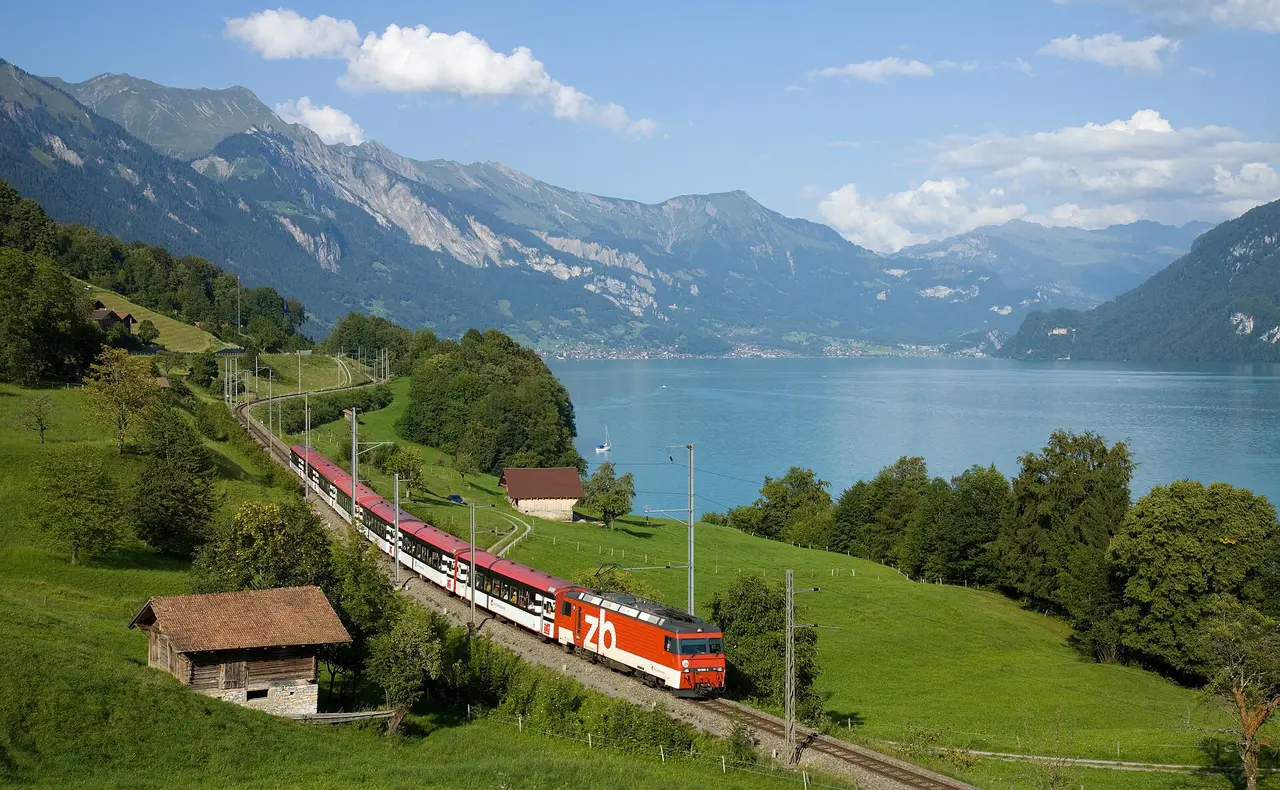
The Glacier Express
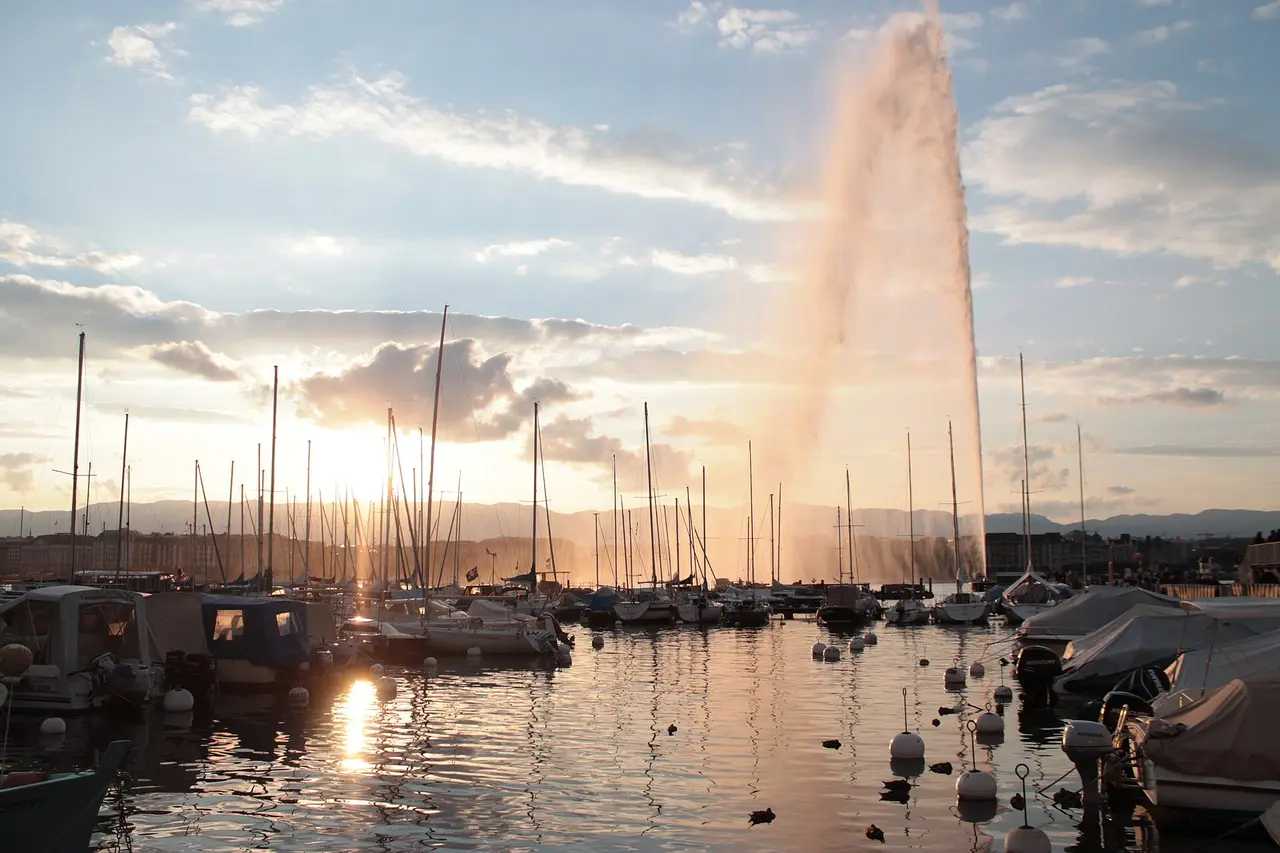
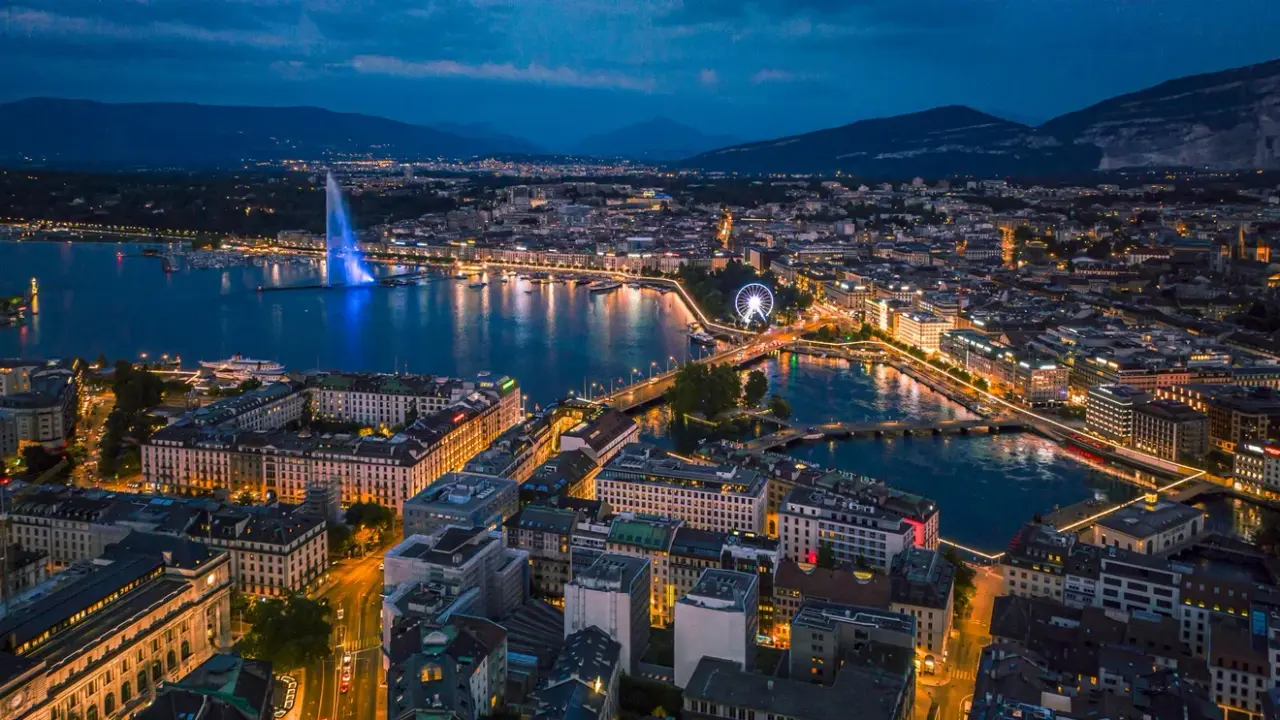
Geneva's Jet d'Eau
The Rhine Falls
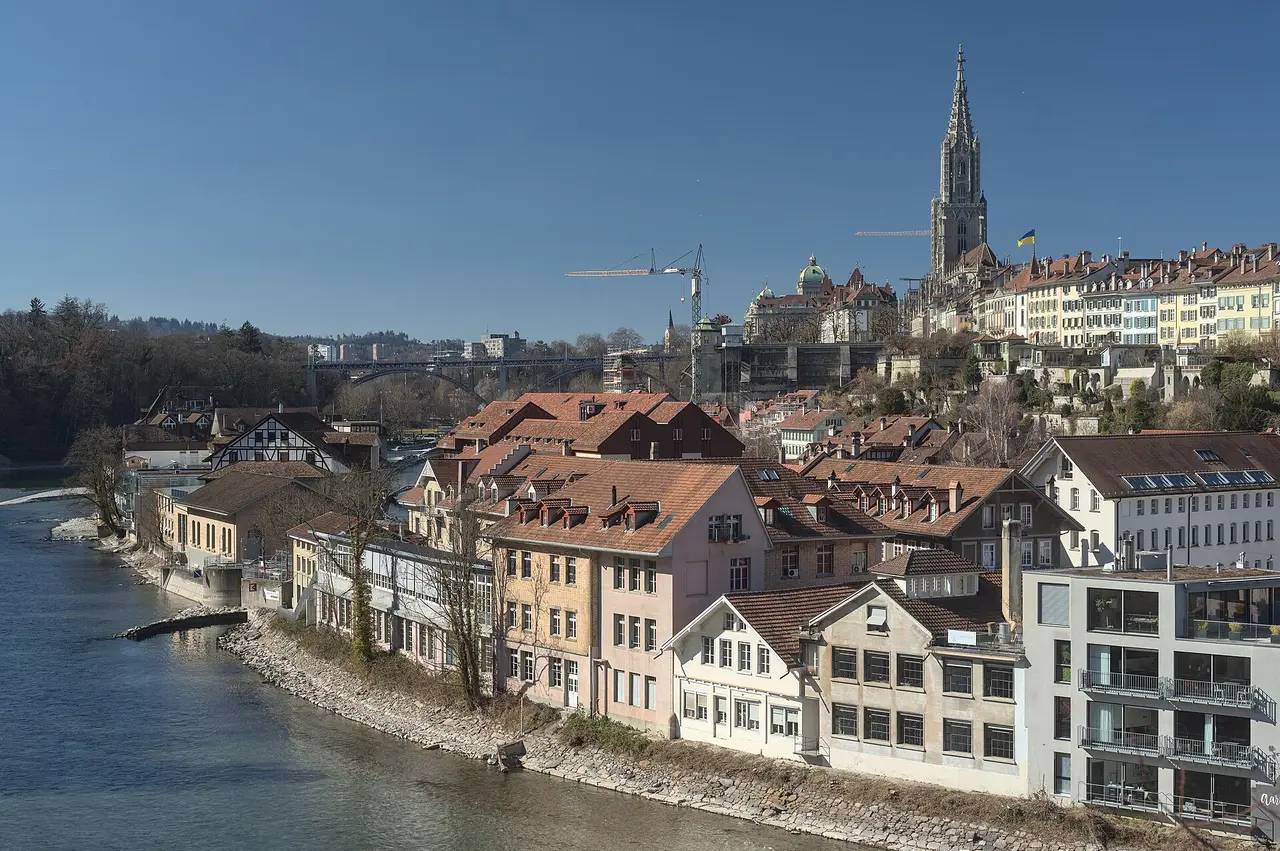
Bern's old town
Lugano and Monte San Salvatore
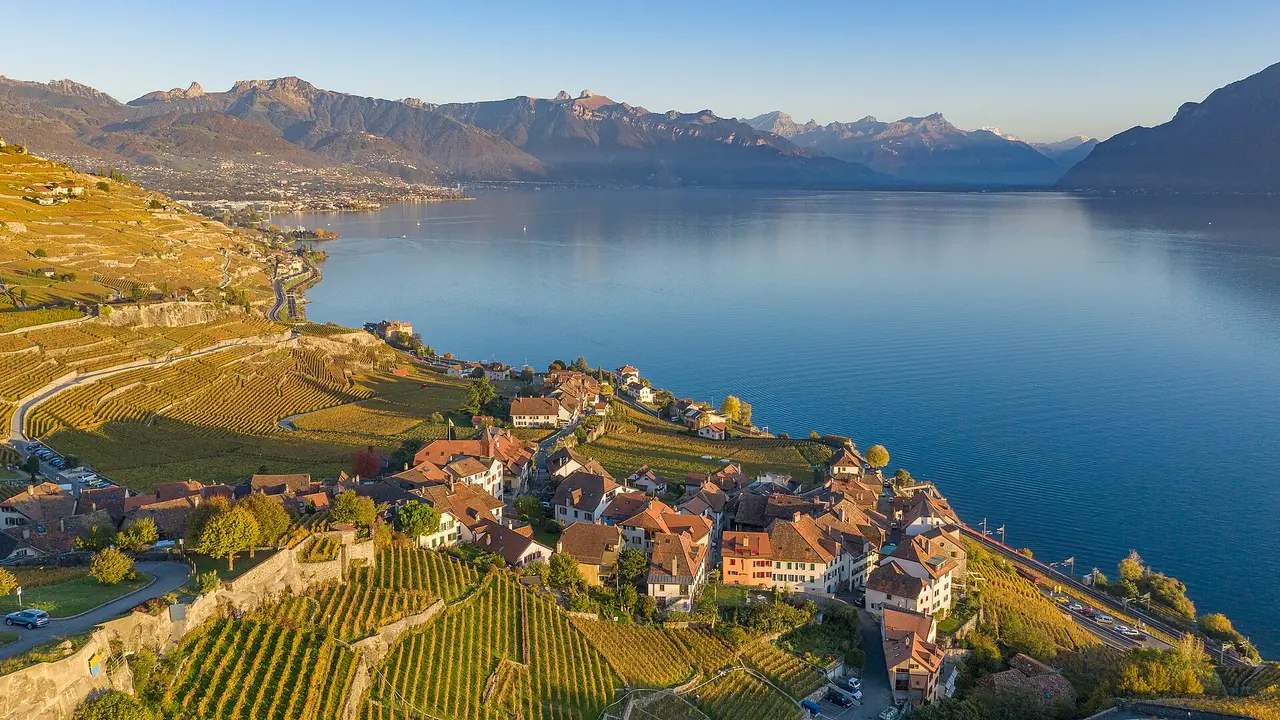
The Lavaux vineyards
Practical information
- Currency
- Swiss franc (CHF); despite its central location, the country is not in the eurozone
- Tipping
- Service is included by law; rounding up is appreciated but never expected
- Power outlets
- Type J (3 round pins), 230V; an adapter is needed for most non-Swiss plugs
- Payments
- Cards and Twint are accepted almost everywhere, even for a coffee or a bus ticket
- Tap water
- Safe to drink nationwide, including from the many public fountains in towns
- Languages
- Four national languages depending on the region: German, French, Italian and Romansh
- Trains
- One of the world's most punctual rail networks; a Swiss Travel Pass pays off quickly on a multi-city trip
- Mountain insurance
- Strongly recommended: uncovered mountain rescue costs, helicopter included, are billed to the injured party
- Closing day
- Many museums close on Mondays, worth checking before a short city trip
Similar destinations
Similar regions
Frequently asked questions
Do I pay in Swiss francs or euros?
Do I need to book the Glacier Express well ahead?
Can Switzerland be visited on a tight budget?
Is the Matterhorn visible year-round from Zermatt?
How many days for Geneva and Lake Geneva?
Is Switzerland really more expensive than its neighbours?
Do I need a car to see the country?
Plan your trip to Switzerland