At 2200 metres, San Cristobal is a colonial town of cobbled streets and coloured facades, cool by day and cold at night. It is the base for the Tzotzil villages: San Juan Chamula, whose church blends candles, pine needles and Maya rites, and Zinacantan, a village of weavers. Allow two to three days for the town, the villages and a trip to the Montebello lakes or the Rancho Nuevo cave, with cold nights to plan for.
An hour from San Cristobal, dropping 1000 metres into the heat, the Sumidero canyon is travelled by lancha on the Grijalva river: two hours round trip between walls rising 1000 metres, with crocodiles, spider monkeys and a Christmas-tree-shaped waterfall. You can also see it from above, from five roadside viewpoints, combining it with the colonial town of Chiapa de Corzo and its Mudejar fountain.
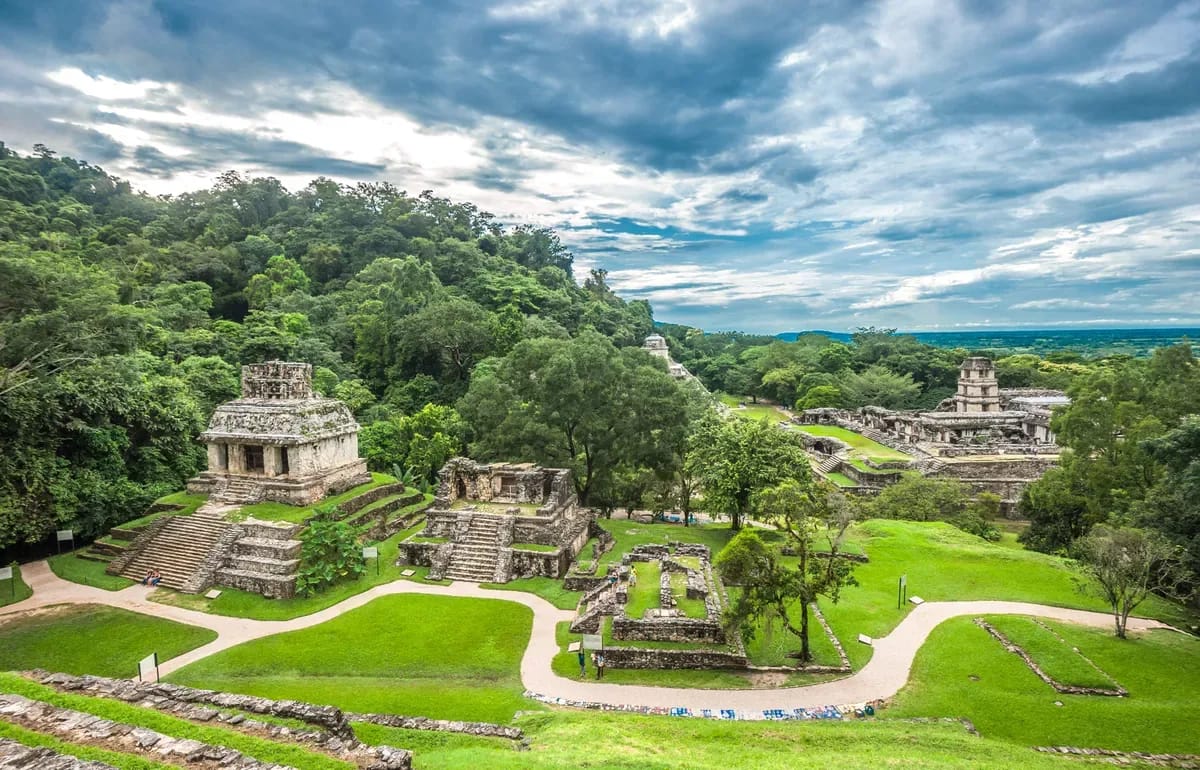
Palenque is one of the finest Maya sites: the Temple of the Inscriptions holds the tomb of king Pakal, and the jungle wrapped around the ruins rings with howler monkeys at dawn. Visit at the 8am opening, before the heat and the coaches. Further off, on the Usumacinta, Yaxchilan is reached only by boat and Bonampak preserves some of the best kept Maya murals, but this border zone calls for caution.
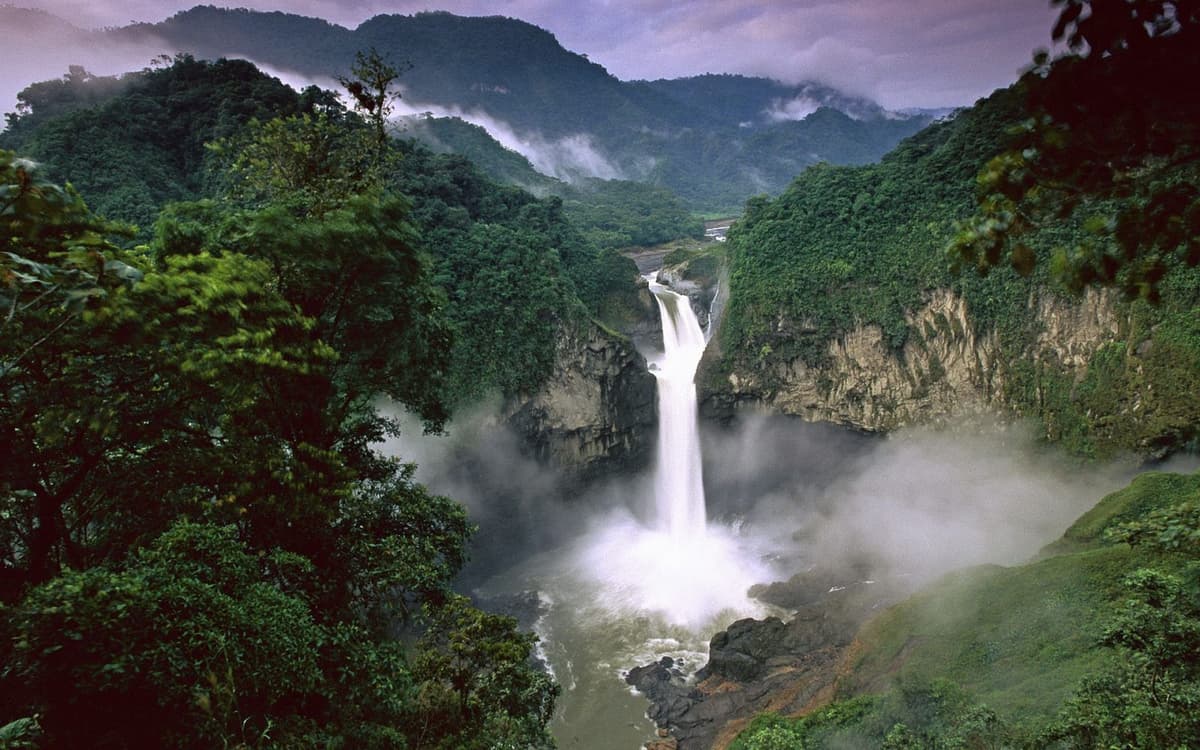
The road between San Cristobal and Palenque, five hours, passes the stepped turquoise falls of Agua Azul and the single drop of Misol-Ha, best in late dry season when the water is clear. To the south, the 59 Montebello lagoons, in varying shades, stretch along the Guatemalan border, and the blue El Chiflon waterfall drops 70 metres to the west.
The highlands produce a well-known high-altitude coffee, tasted in the roasteries of San Cristobal, often run by indigenous cooperatives and open late into the evening. Textiles are everywhere: embroidered huipiles from Zinacantan, Chamula wool, local amber set as jewellery in the Santo Domingo market. On the table, tamales wrapped in banana leaf, sopa de pan and the stringy queso Chiapas; a full meal costs 8 to 15 euros in town, less at a market stall.
The dry season, November to April, is best for getting around: passable roads, clear waterfalls, open trails. The rainy season, May to October, greens everything but degrades the mountain tracks. On safety, San Cristobal, Palenque and Tuxtla are at enhanced vigilance; the Guatemalan border and the Lacandon jungle are advised against, and travel between sites should be done by day, with professional transport.