Corfu

The northernmost of the Ionian Islands, Corfu charms visitors with its Venetian old town, a UNESCO World Heritage site, and its lush landscapes washed by the Ionian Sea. Blending mixed European heritage with generous nature, the island offers a distinctive side of the Greek islands.

Why visit Corfu?

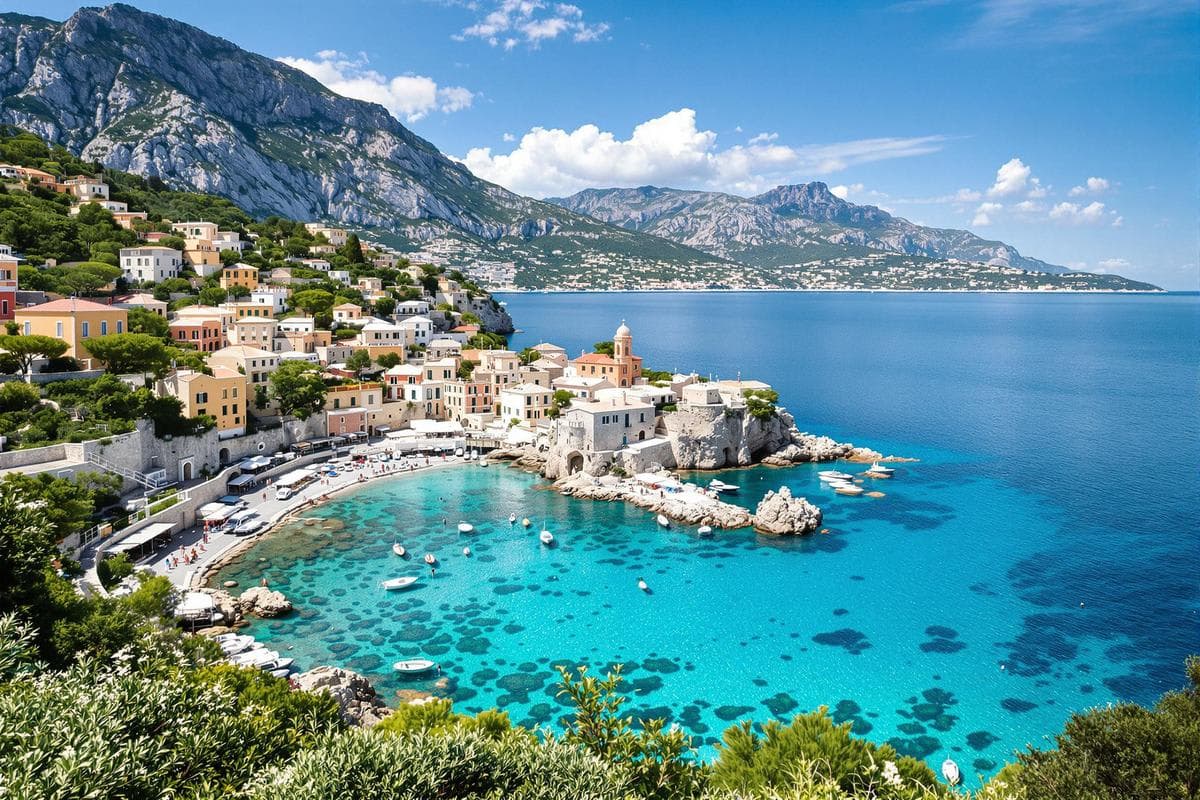
Corfu is known for its old town, a UNESCO World Heritage site, which blends Venetian, French and British influences rare elsewhere in Greece. The island also stands out for its lush landscapes, centuries-old olive groves and varied beaches, from rocky coves to long stretches of sand.

What to discover in Corfu?

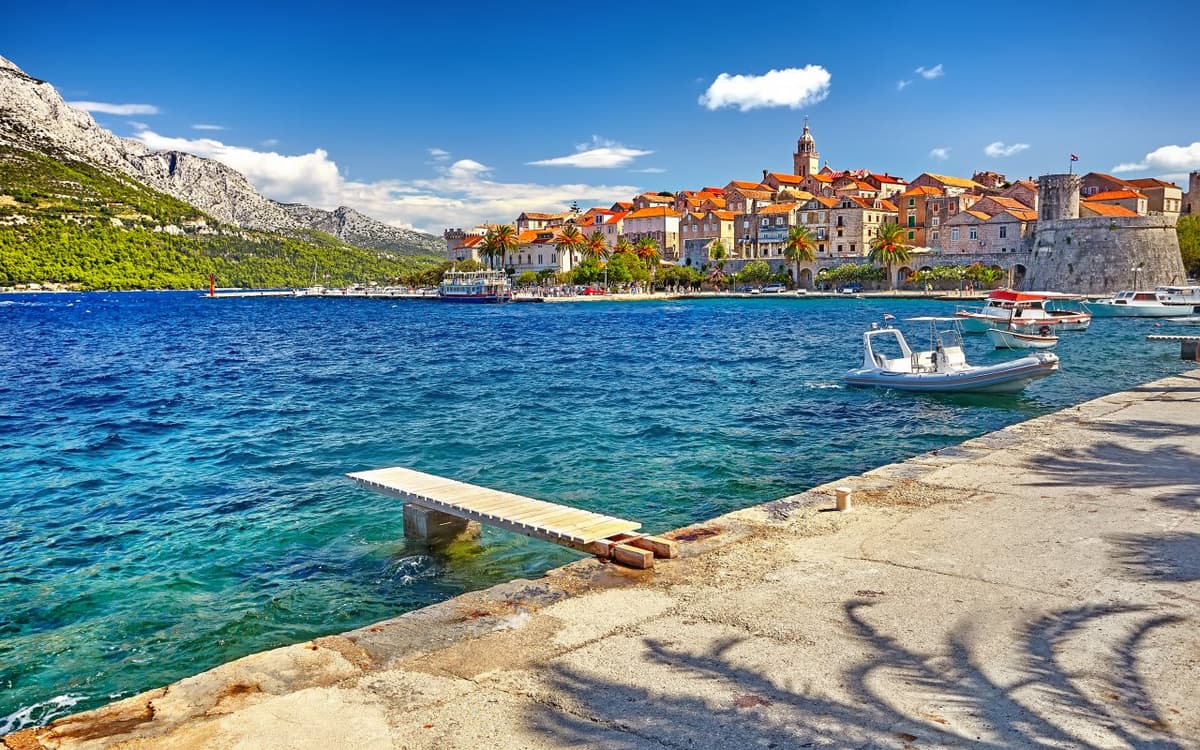
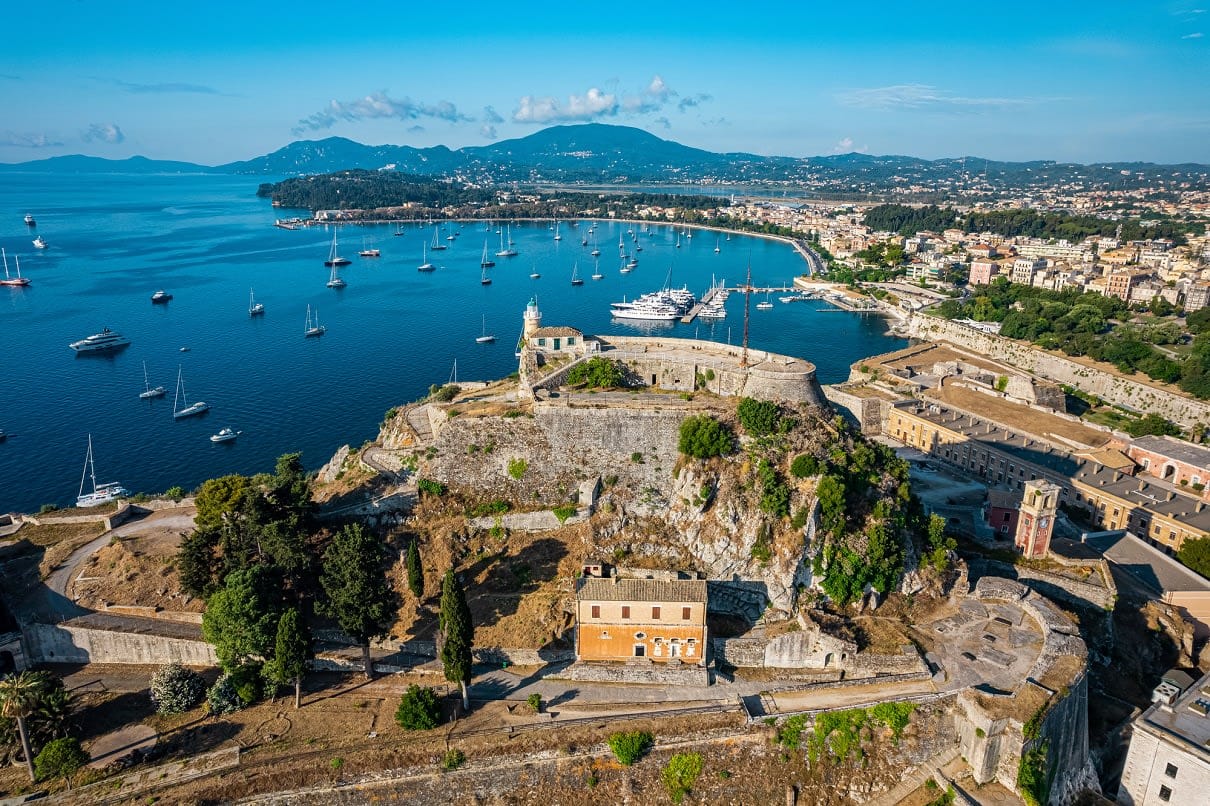
Corfu's old town, a UNESCO World Heritage site, stands out for a rare blend of Venetian, French and British architectural influences, inherited from the various powers that ruled the island over time. The two fortresses framing the historic center, the Spianada esplanade and the narrow lanes lined with colorful buildings make up a particularly dense urban heritage.
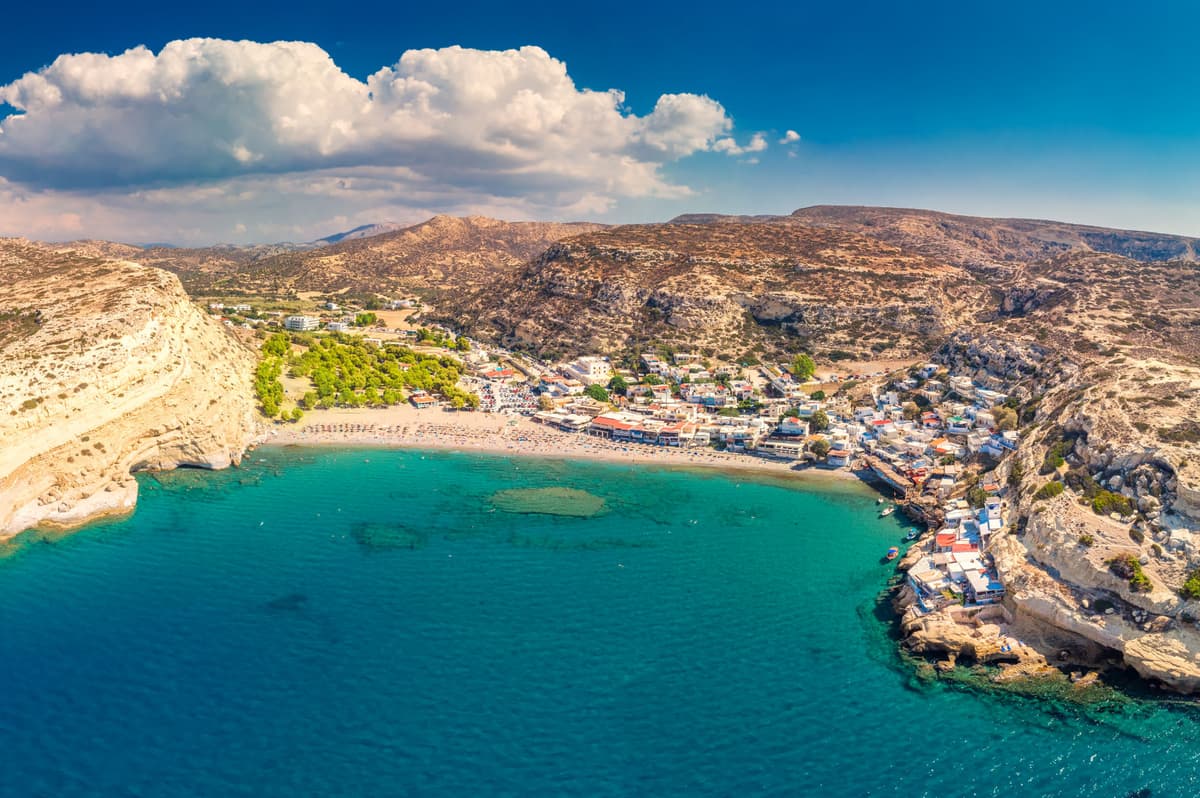
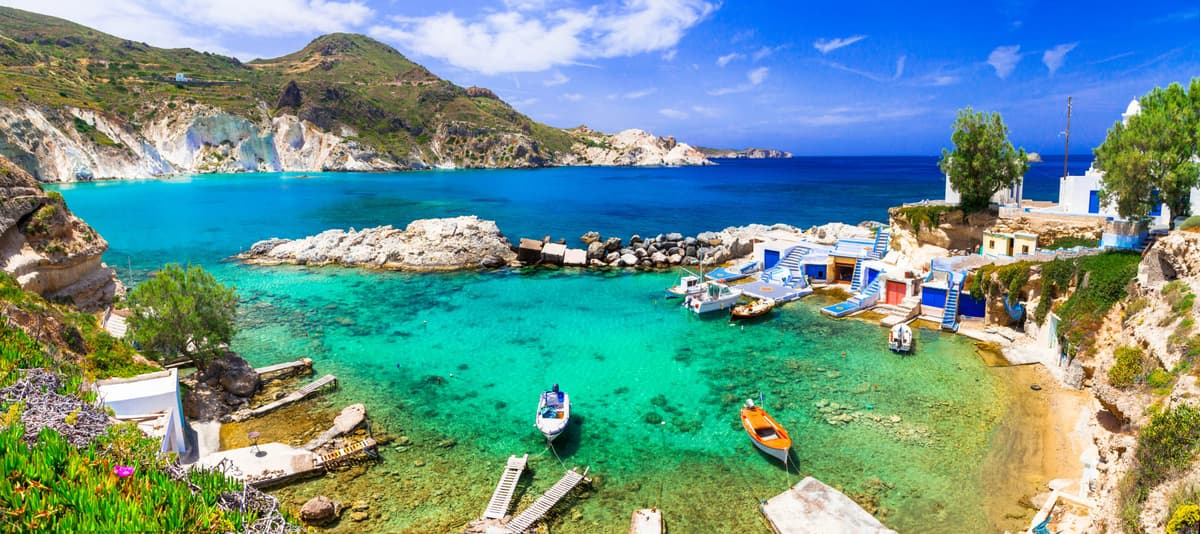
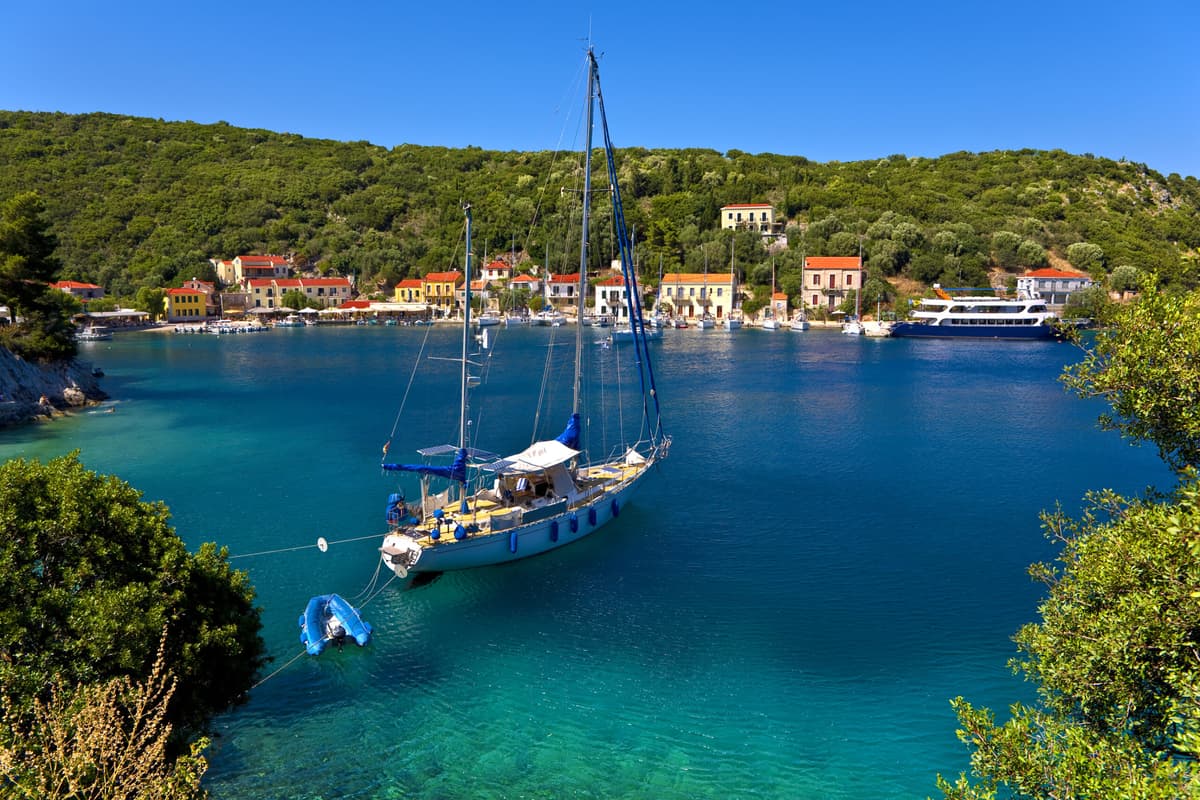
Beyond its capital, the island stands out for lush landscapes, marked by old olive groves and hillier terrain than most Greek islands. The Achilleion Palace, a summer residence built for Empress Sisi, bears witness to the island's appeal to European aristocracy. The coastline offers a wide diversity of beaches, from rocky coves in the north to long sandy beaches in the south, rounding out an island that is both heritage-rich and natural.

Cities to visit in Corfu

Featured destinations appear first.
Coming soon.

Corfu in pictures

Corfu's must-see experiences

A few experiences that shape a discovery of the island.

Corfu old town

This historic center, a UNESCO World Heritage site, blends Venetian, French and British architecture.

Venetian fortresses

The Old and New Fortresses frame the historic center and offer panoramic views over the town and the sea.

Achilleion Palace

This residence built for Empress Sisi bears witness to the island's appeal to 19th-century European aristocracy.

Spianada esplanade

This vast arcaded square forms the heart of the town's social life, lined with cafes and promenades.

Village of Paleokastritsa

This coastal site of rocky coves and turquoise water ranks among the island's most photographed landscapes.

Centuries-old olive groves

The hilly hinterland, planted with olive trees sometimes centuries old, invites exploration of traditional villages.

Practical information

Region
Ionian Islands, Greece
Area
About 610 km²
Population
About 104,000 residents
Language
Greek
Currency
Euro (EUR)
Time zone
UTC+2 (UTC+3 in summer)
Climate
Mediterranean, more humid than the Aegean
Best season
May to October

Frequently asked questions about Corfu

When is the best time to visit Corfu?
May through October offers pleasant weather, with higher visitor numbers in July and August on the main beaches.
How do you get to Corfu?
The island has an international airport and a harbor with regular connections to the mainland and Italy.
How much time should I plan for the old town?
A full day allows for exploring the fortresses, the esplanade and the lanes of the historic center.
Why is the Achilleion Palace famous?
This summer residence was built for Empress Sisi of Austria, who was charmed by the island in the 19th century.
Is Corfu suitable for families?
Yes, the island offers many family-friendly sandy beaches along with varied activities for all ages.
Which beaches should I choose in Corfu?
The north offers rocky coves such as Paleokastritsa, while the south offers long, busier sandy beaches.

Plan your trip to Corfu

Day-by-day itinerary, budget, bookings and packing in a single app.
Aperçu de l'application PlanTripNow