Corsica

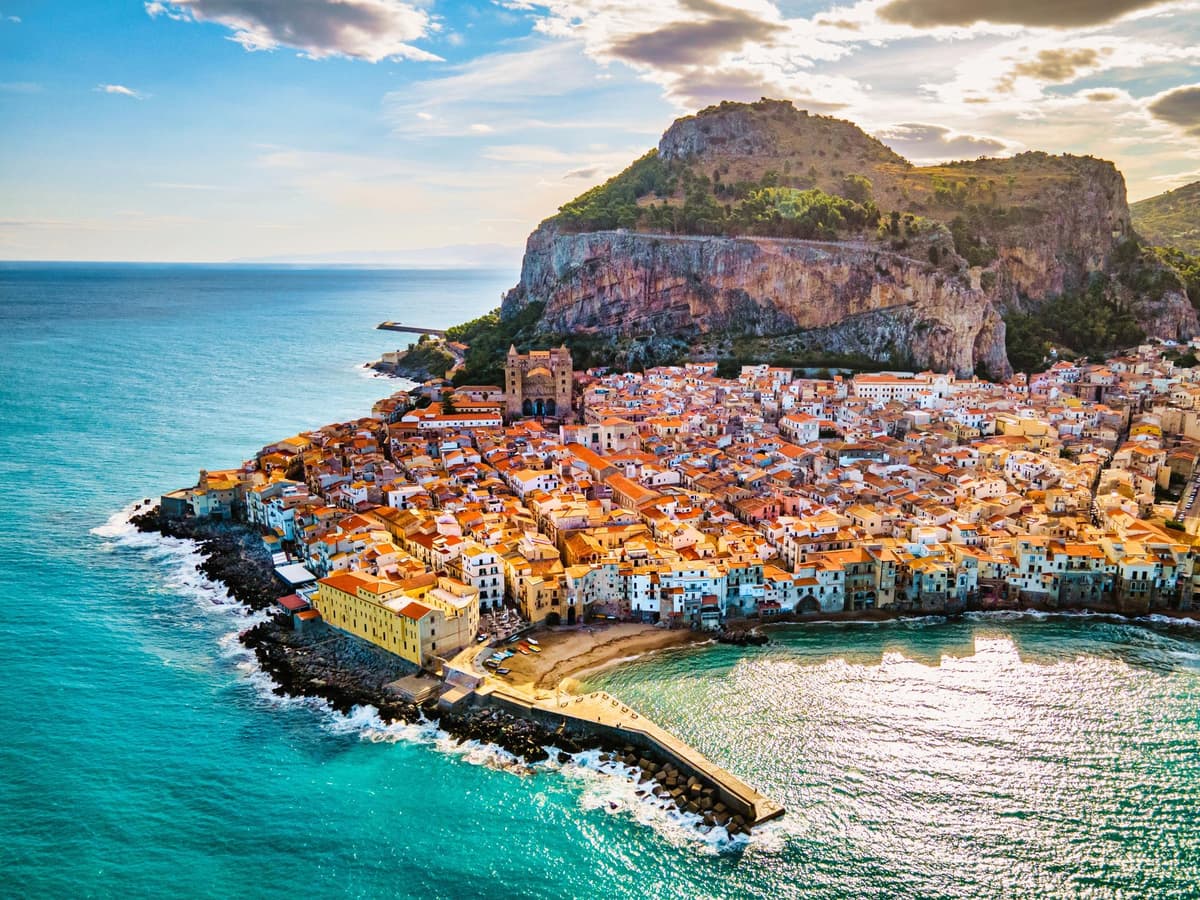
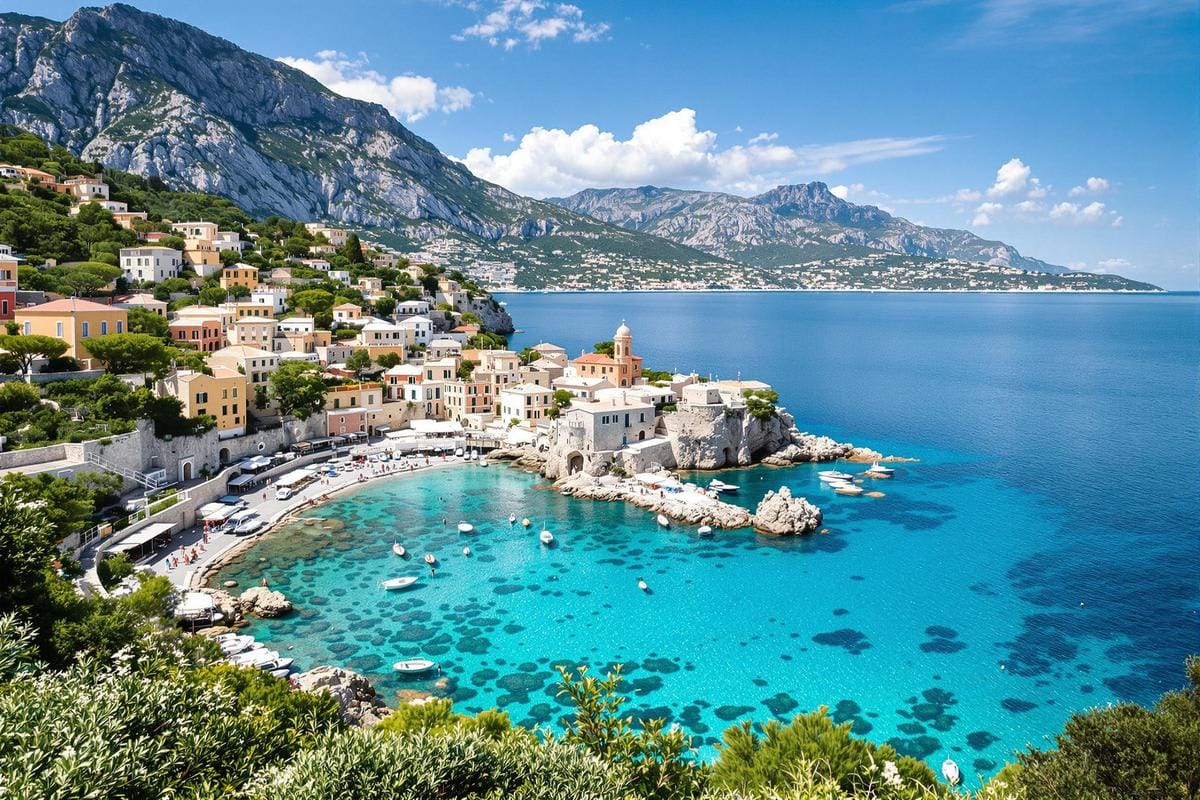
Known as the Island of Beauty, Corsica blends turquoise-water beaches, fragrant maquis scrubland and mountains that plunge straight into the Mediterranean. Between red calanques, hilltop villages and hiking trails, the island reveals remarkably varied landscapes.

Why visit Corsica?

Corsica combines a Mediterranean coastline and mountainous terrain within a compact territory, with peaks over 2,700 meters just a few kilometers from the sea. The island is known for its beaches, pink granite calanques, fragrant maquis scrubland and strong cultural identity.

What to discover in Corsica?

The Corsican coastline alternates wide sandy beaches, such as those around Porto-Vecchio, with spectacular inlets, notably the pink granite calanques of Piana, listed as a UNESCO World Heritage site. The coastal towns of Ajaccio, Bastia and Bonifacio round out this maritime front, each with its own character.
Inland, Corsica reveals rugged mountain terrain, crossed by the GR20 hiking trail, considered one of the most demanding in Europe. Hilltop villages, deep valleys and fragrant maquis make up a hinterland where Corsican culture, language and cuisine remain strongly present.

Cities to visit in Corsica

Featured destinations appear first.
Coming soon.

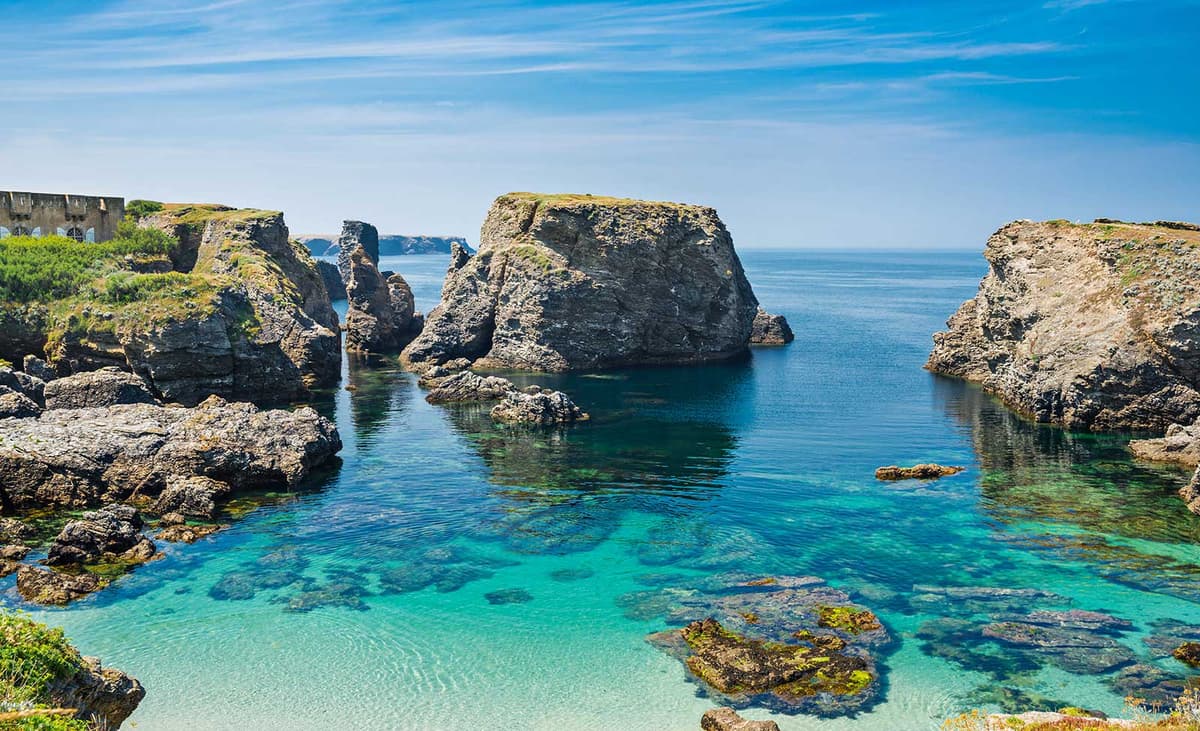
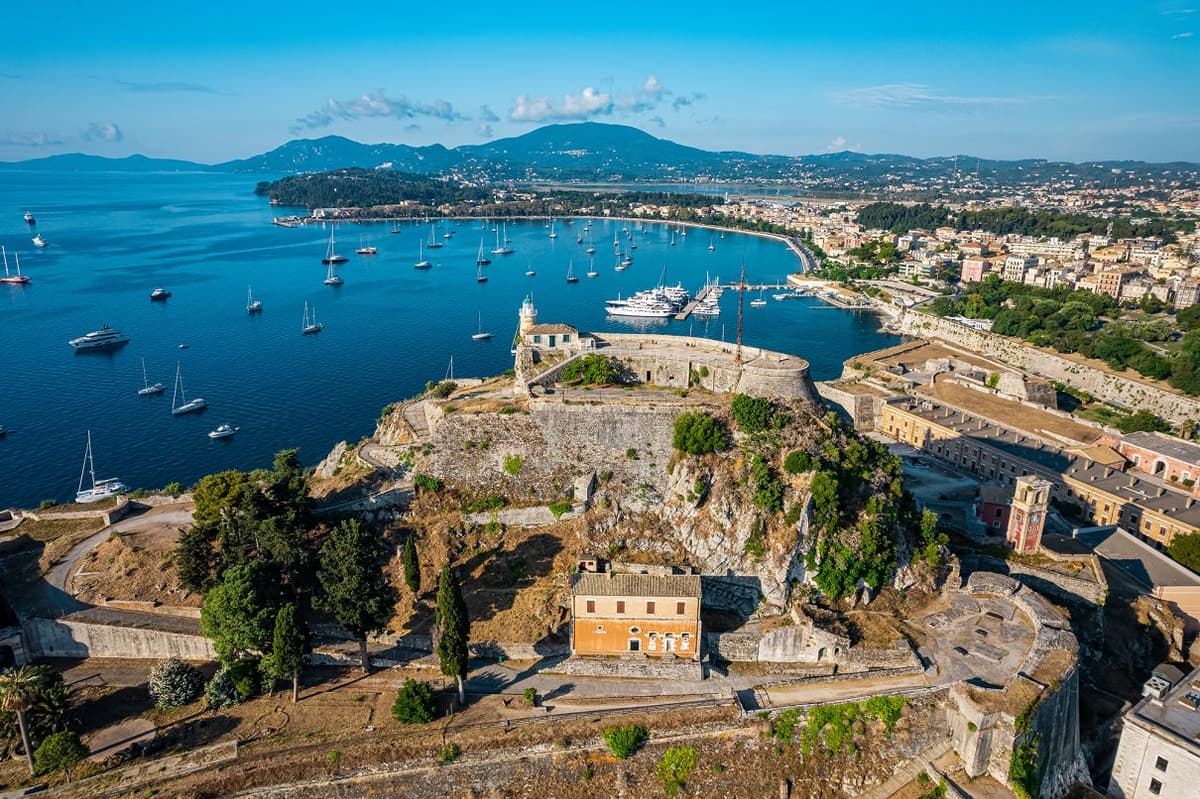
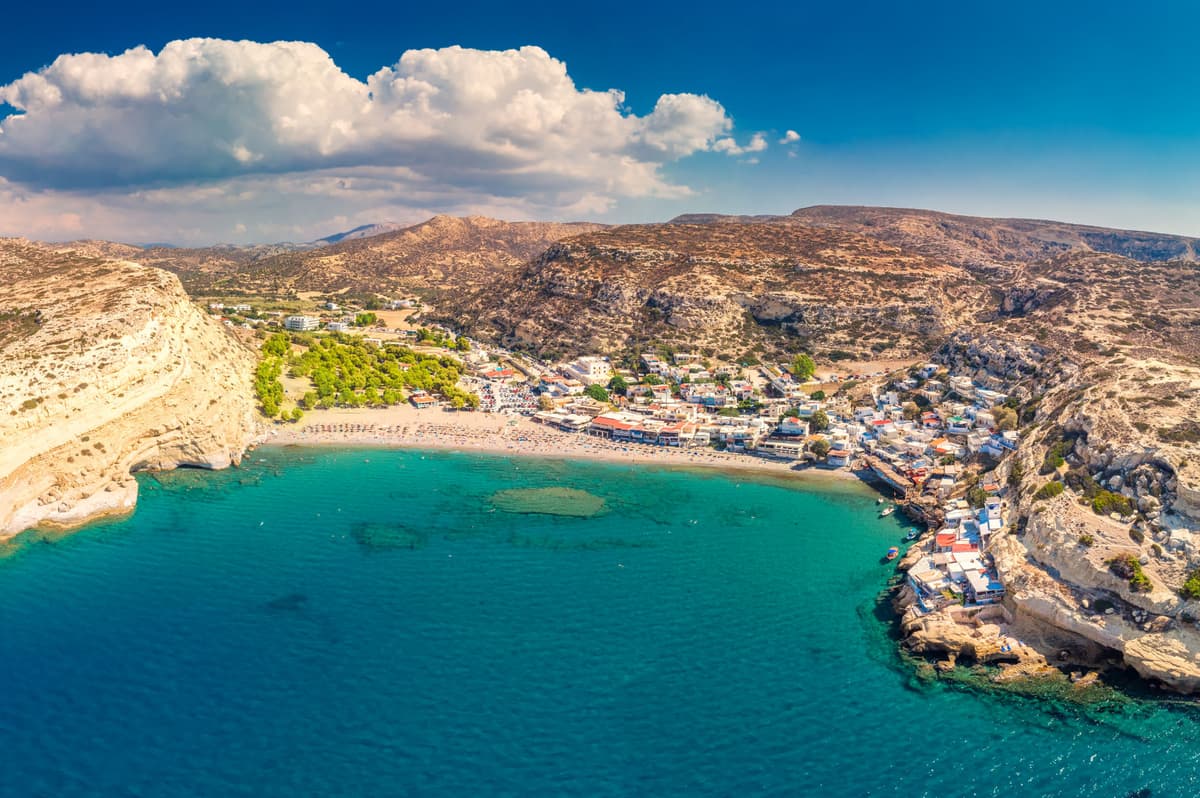
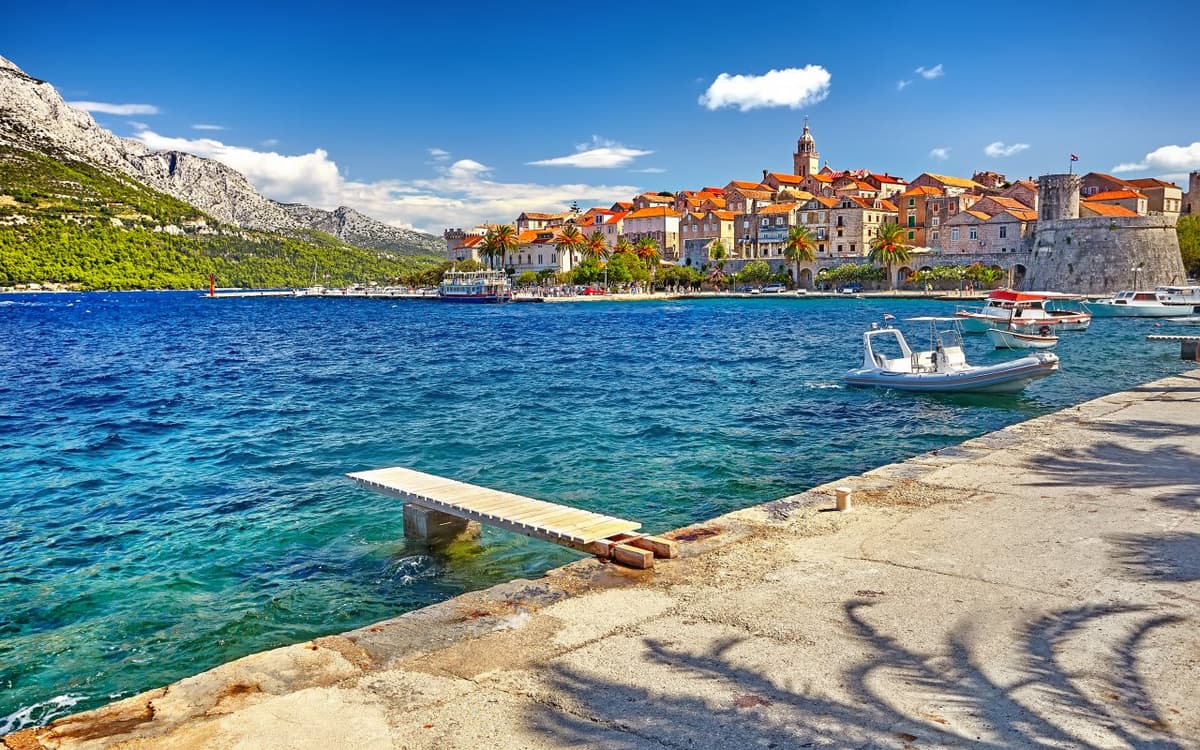
Corsica in pictures

Highlights of Corsica

Beaches, mountains and villages between sea and maquis.

Calanques de Piana

Pink granite formations plunging into the sea, listed as a UNESCO World Heritage site.

Porto-Vecchio beaches

White sand beaches with turquoise water, renowned in the south of the island.

GR20 trail

A long-distance hiking route crossing the island north to south, considered one of Europe's most demanding.

Bonifacio

A citadel perched on limestone cliffs, overlooking the strait separating Corsica from Sardinia.

Ajaccio

The birthplace of Napoleon Bonaparte, the island's capital and a gateway to the Sanguinaires islands.

Cap Corse villages

Fishing villages and Genoese towers along a wild peninsula at the island's northern tip.

Practical information

Country
France
Status
Corsican territorial collectivity
Area
About 8,680 km²
Population
About 350,000 residents
Languages
French, Corsican
Currency
Euro (€)
Time zone
UTC+1 (UTC+2 in summer)
Best season
May to September

Frequently asked questions about Corsica

How long should I spend visiting Corsica?
A week allows time to explore several regions of the island, between coastline and mountains, at a reasonable pace.
Is the GR20 suitable for beginners?
No, this trail is considered physically demanding and is better suited to experienced hikers.
How do you get to Corsica?
The island is reachable by air from several French cities, or by ferry from Marseille, Nice or Toulon.
What is the best season to visit Corsica?
Spring and early autumn bring pleasant weather, while July and August see the highest number of visitors.
Can you get around Corsica without a car?
A network of trains and buses serves the main towns, but a car remains useful for exploring villages and the island's interior.
Does Corsica have its own cultural identity?
Yes, the island has its own language, Corsican, along with musical and culinary traditions distinct from mainland France.

Plan your trip to Corsica

Day-by-day itinerary, budget, bookings and packing in a single app.
Aperçu de l'application PlanTripNow