Skip to content

A stay in Gran Canaria: from Maspalomas sand to the summits

Almost round, Gran Canaria makes sense as you climb: from the dunes and harbours of the south, a single day takes you to the pine forests, sacred rocks and mountain villages of the centre. In the north the island changes again, greener, more lived-in, turned towards its capital.
  • 1 city

At a glance

Currency
Euro (€)
Time difference
UTC+0 (UTC+1 en été)
Visa
None
7-day budget
€917
Per person, comfort profile, excluding international flights.

Why choose Gran Canaria?

Gran Canaria brings together, on 1,560 km², protected dunes, a large seaside city and summits close to 1,950 m. It is the right choice for combining beach and hiking without constant transfers. The south provides the sun, while the centre and north hold the landscapes and the island's pre-Hispanic heritage.

When to visit Gran Canaria

Temperatures, rainfall and crowds month by month, to pick your window.
When to visit Gran Canaria
MonthTemperaturesRainCrowdsVerdict
January15 to 21 °C3 dPackedHigh season in the south: 21 °C in the afternoon on the coast, and the mild winter draws northern Europe.
February15 to 21 °C3 dPackedAlmond blossom around Tejeda and carnival in some years: book early, the sea stays cool.
March16 to 22 °C2 dPackedLonger days and pleasant summit trails, but the winter season is still in full swing.
April16 to 23 °C1 dBusyRare rain and ideal hiking, with a busy Easter week before the lull.
May17 to 24 °C0 dQuietOne of the quietest and cheapest months, dry and bright: excellent for a tour of the island.
June19 to 25 °C0 dQuietThe south stays sunny and affordable, while clouds often cling to the north coast.
July21 to 27 °C0 dModerateLively beaches and possible fire alerts: high-altitude tracks and trails may then close.
August22 to 28 °C0 dBusyThe hottest month and the summer price peak in the south, above all in the first half.
September21 to 27 °C1 dModerateThe sea at its warmest and prices falling: a good beach window, but check fire alerts.
October20 to 26 °C2 dBusyWater still at 23 °C, gentle warmth and the first showers: the winter season slowly restarts.
November18 to 24 °C4 dPackedHigh season returns to the south, with more changeable skies and more frequent showers in the north.
December16 to 22 °C5 dPackedThe wettest month at the station, yet often 22 °C on the coast: prices peak over the holidays.
Source: Températures et jours de pluie (1 mm ou plus) : normales 1981-2010 de la station de l'aéroport de Gran Canaria (AEMET, via Wikipedia, lu le 30/10/2026). Température de la mer : moyennes mensuelles sur 10 ans à Maspalomas, seatemperature.info, arrondies au degré. Alertes incendie : Cabildo de Gran Canaria via RTVC (alerte de juillet 2026). Affluence et prix : estimation éditoriale, appuyée pour l'été sur les prévisions Mabrian pour le Patronato de Turismo (Maspalomas24h, avril 2026). La station est sur la côte est : le nord est plus nuageux, les sommets nettement plus frais.

What to discover in Gran Canaria, from coast to summit?

Choosing a base: a dry south, a lived-in north

The first decision is where to sleep. The south, around Maspalomas and Playa del Inglés, has the large hotels and the clearest skies; it is the logical base for a beach stay. The north lives differently, around Las Palmas de Gran Canaria, with real urban life and more frequent cloud. For a week, splitting the nights between the two avoids long days on the road and shows you two islands in one.

The Maspalomas sand, a reserve to respect

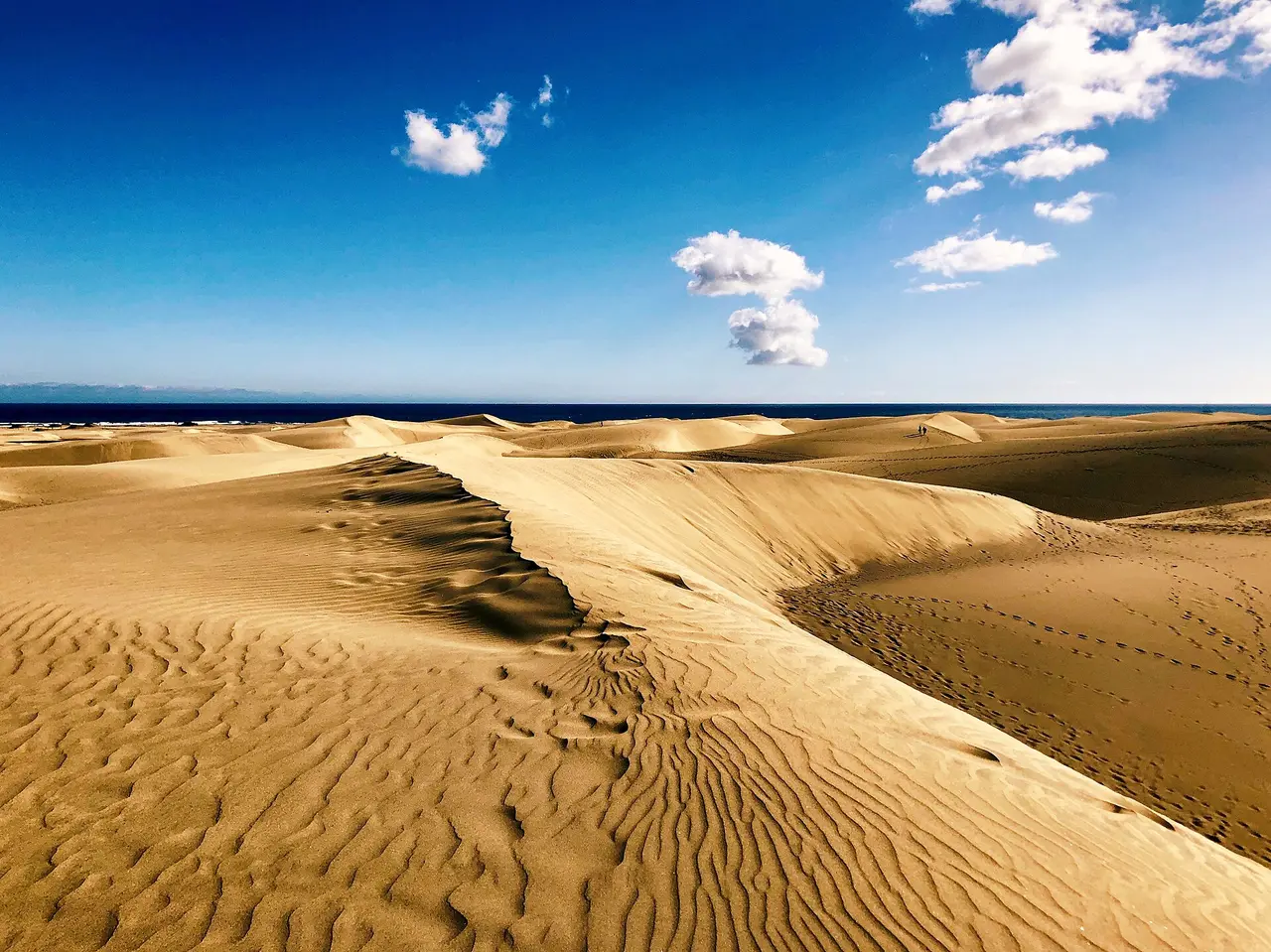
At the end of the south coast, the Maspalomas dunes form a 404-hectare nature reserve, protected since 1987. The wind-driven sand creates a desert-like landscape between the ocean and the resort hotels. Walking remains the best way to explore, ideally early in the morning, when the heat and the light are gentler. The lighthouse marks the end of the beach and the starting point for strolls along the seafront.

Westwards to Mogán and its canals

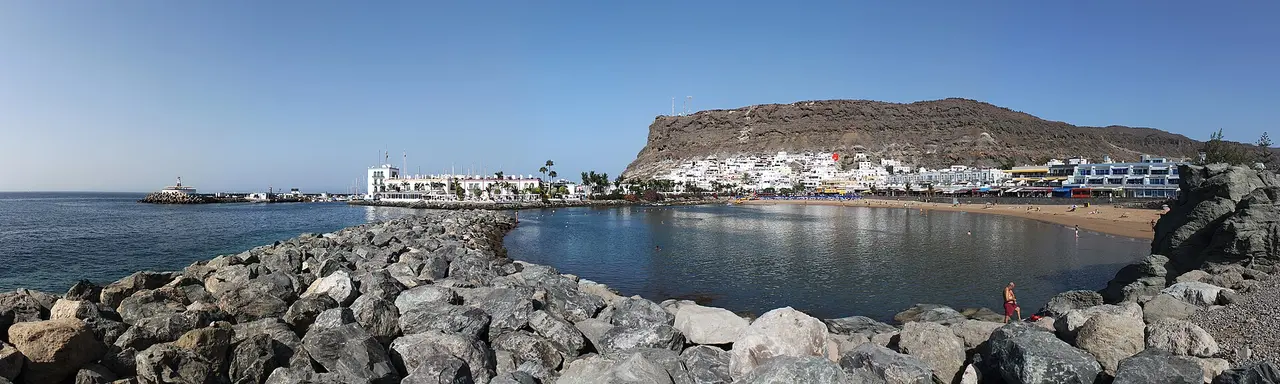
Beyond Maspalomas the coast grows steeper and the resorts give way to dry cliffs. Puerto de Mogán stands out for its small harbour, its canals and its white houses covered in bougainvillea, far from the architecture of the large complexes. Its sheltered bay suits a quiet day of swimming and terraces. Arrive early on market day, as parking soon becomes difficult and the village is often very busy.

Las Palmas, the island's other face

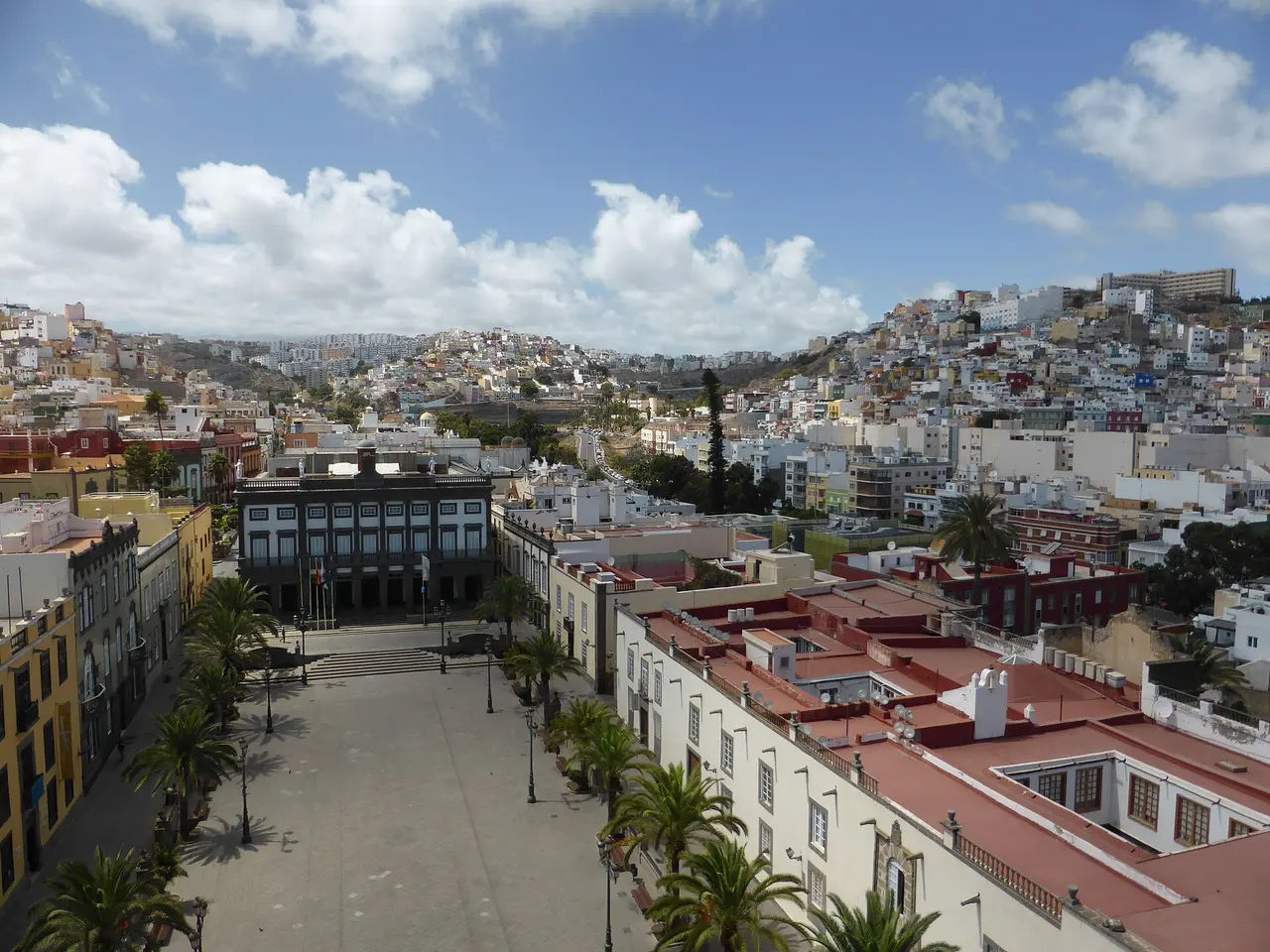
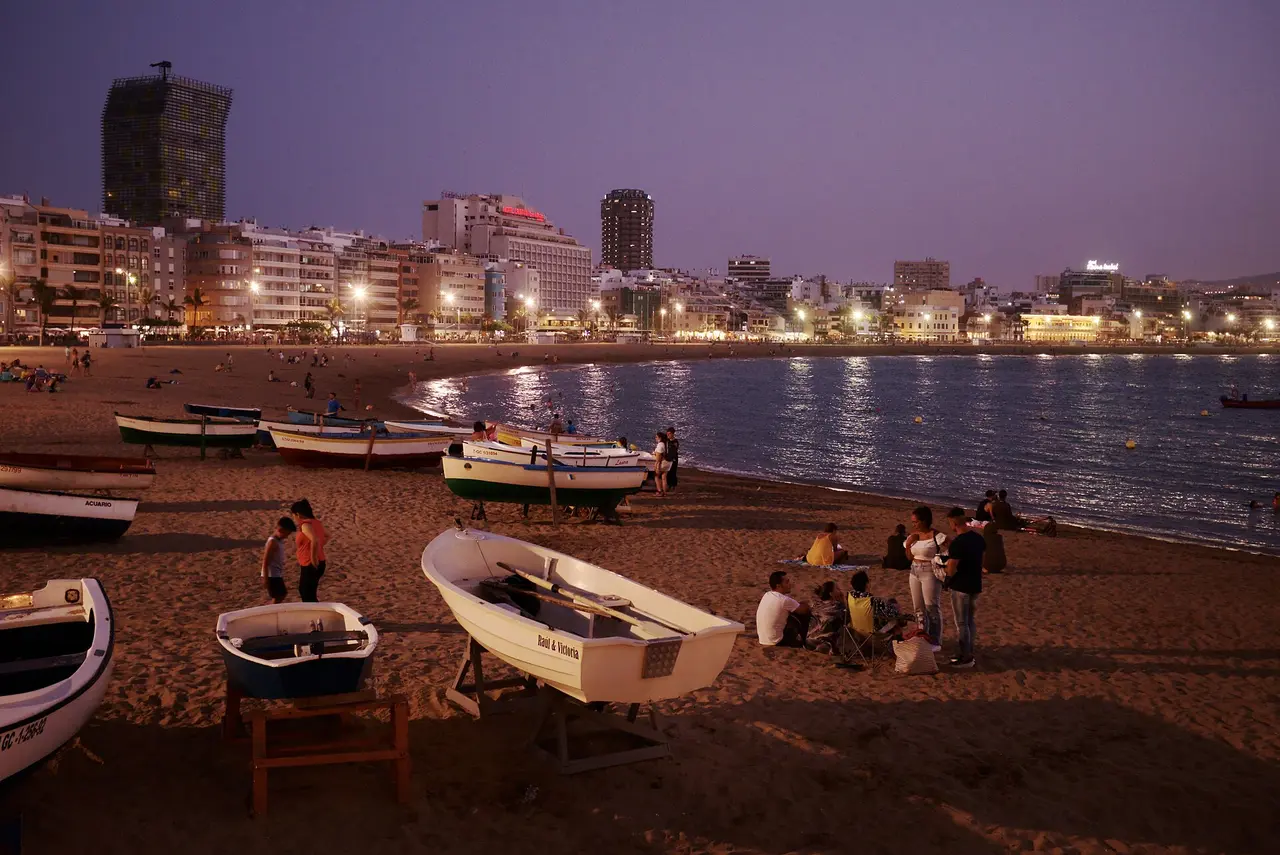
The capital is a reminder that Gran Canaria is more than a beach destination. Vegueta, its historic quarter, is explored on foot around Santa Ana cathedral and its lanes, while Triana gathers the shops and old façades. On the other side of the city, Las Canteras beach stretches along a long seafront used mostly by locals. Two days are enough, and bus 60 runs directly between the airport and the city.

The farming north: Arucas, Teror, Gáldar and Agaete

The northern roads cross the banana groves and the greenest valleys on the island. Arucas is known for its great dark stone church, Teror for its basilica and wooden balconies. In Gáldar, the Cueva Pintada preserves a painted cave and a pre-Hispanic village, to be booked ahead. The road ends at Agaete and Puerto de las Nieves, a small harbour with ferries to Tenerife. Allow two days so you are not rushing from stop to stop.

The summits, between pine forests and volcanic rock

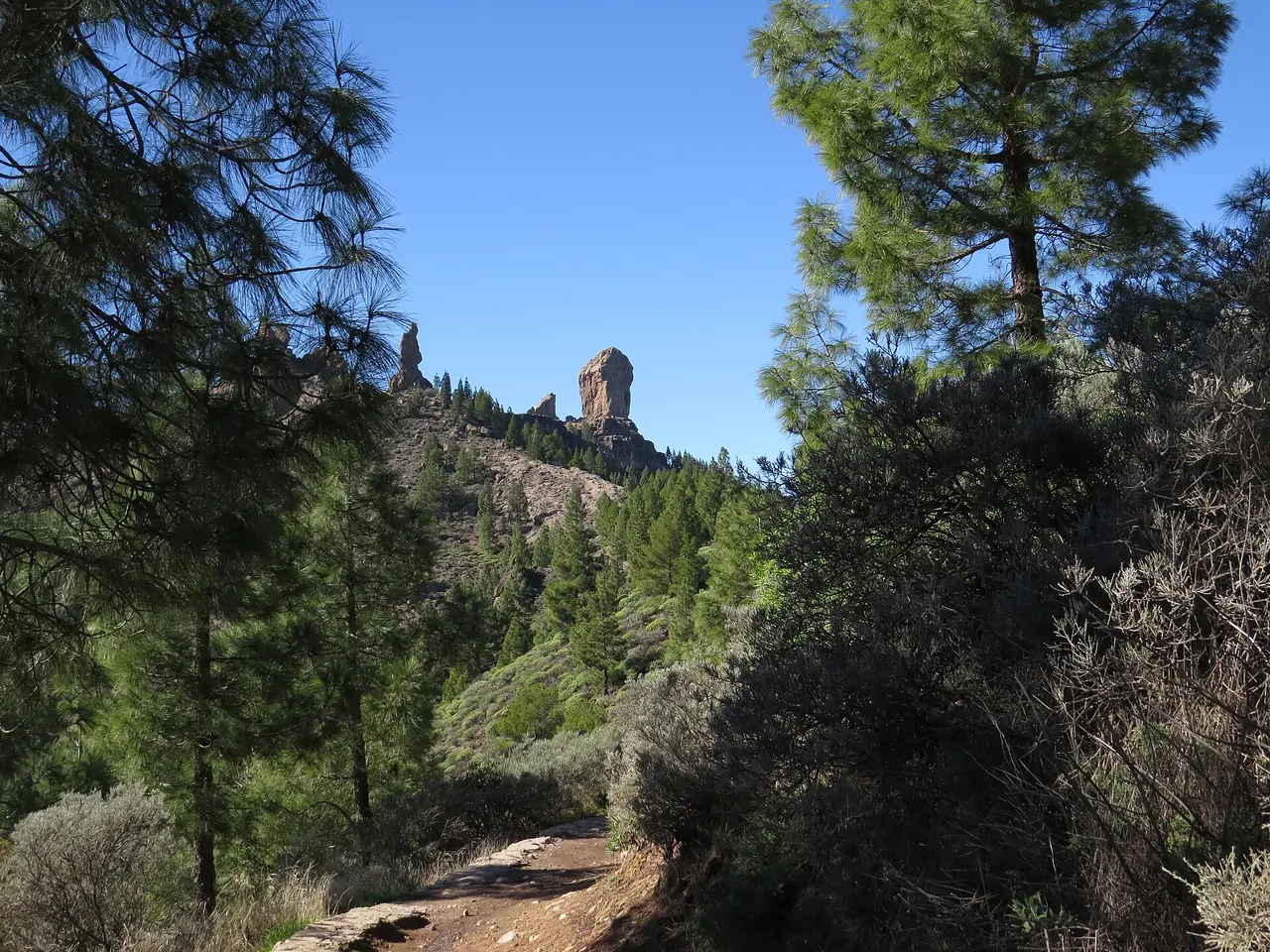
In the centre, the land peaks at 1,956 m at Morro de la Agujereada, just ahead of Pico de las Nieves at 1,949 m. Roque Nublo, an 80 m monolith whose top reaches 1,813 m, is the emblem. Since February 2025, visits between 9 am and 5 pm are booked on grancanariasenderos.com, and the nearby car park has been removed: you leave from Tejeda or Cruz de los Llanos by shuttle. During fire alerts, trails and tracks may close.

Risco Caído and the memory of the early Canarians

The sacred mountains of Gran Canaria joined the UNESCO World Heritage list in 2019. The Risco Caído cultural landscape, covering 9,425 hectares, brings together cave dwellings, granaries and temples carved before the Castilian conquest. It offers another reading of the summits, around Artenara and Roque Bentayga. For travellers curious about this history, it also makes a counterpoint to Lanzarote, whose identity rests more on its recent volcanoes.

Cities to visit in Gran Canaria

Featured destinations appear first.

How much it costs

Per person per day, excluding international travel.
Budget
69 €/ day
1 406 € for 2 people, 7 days, return flights included
Accommodation
35 €
Food
22 €
Local transport
6 €
Sights and activities
6 €
Comfort
131 €/ day
2 274 € for 2 people, 7 days, return flights included
Accommodation
60 €
Food
38 €
Local transport
15 €
Sights and activities
18 €
Premium
285 €/ day
4 430 € for 2 people, 7 days, return flights included
Accommodation
140 €
Food
70 €
Local transport
30 €
Sights and activities
45 €
Prices checked: Relevé 30/10/2026. Hôtels du sud (prévisions Mabrian pour le Patronato de Turismo, Maspalomas24h, avril 2026, été 2026) : 3 étoiles environ 100 €/nuit, 4 étoiles 140-160 €, 5 étoiles plus de 260 € en pointe ; ces tarifs sont des prévisions, l'hiver est plus cher. Le poste backpacker est une estimation : pas de moyenne fiable pour un lit en dortoir (HotelsCombined, Las Palmas : dès 34 €/nuit, mai 2026) ni d'auberge relevée dans le sud. Repas : Numbeo Las Palmas (maj 28/10/2026, 341 relevés de 26 contributeurs, source non officielle) repas bon marché 12 €, repas pour deux 60 €. Transport : guagua Maspalomas-Las Palmas 5,60-6,25 € à bord (gran-canaria-beaches.com, page non datée, source non officielle) ; voiture 16 à 29 €/jour à l'aéroport (momondo, non daté), estimation partagée à deux avec carburant. Activités estimées ; Palmitos Park 35-37 € (revendeurs, non officiel, non daté), Cueva Pintada 6 € (guide non officiel, non daté). Vol A/R Paris-Las Palmas estimé 220 €/pers (momondo : 162-361 € habituels depuis Orly, moyenne Transavia 208 € ; Kayak : 164 € en janvier ; pages lues le 30/10/2026). Chambre double partagée pour comfort et premium. weekTwoPax = 14 x dailyTotal + 2 vols.

Entry, health and safety

For FR travellers

Entry requirements

No visa for a tourist stay

Aucun visa : l'Espagne est membre de l'Union européenne et Gran Canaria en fait partie. Entrée avec un passeport ou une carte nationale d'identité française en cours de validité ; France Diplomatie indique que le passeport reste préférable et conseille d'emporter la notice multilingue du ministère de l'Intérieur si l'on voyage avec la seule CNI. Après une perte ou un vol, certaines compagnies refusent la déclaration de police et exigent un laissez-passer consulaire.

Health

Advised: Vaccins du calendrier français à jour ; France Diplomatie signale une hausse des cas de rougeole (alerte du 10 septembre 2026).

Demandez la carte européenne d'assurance maladie au moins 20 jours avant le départ et souscrivez une assurance couvrant soins, hospitalisation et rapatriement ; les cliniques privées sont très coûteuses. France Diplomatie place toute l'Espagne en vigilance normale, évalue la menace terroriste à 4 sur 5 et rappelle pour les Canaries le risque volcanique, les intempéries, les feux de forêt et les accidents de surf. Pendant les alertes incendie du Cabildo, l'accès aux pistes et sentiers de montagne peut être interdit (RTVC, juillet 2026).

Safety

Normal precautions

Emergency

112

Checked in octobre 2026 against the official source. Entry rules change: check the official source before you travel, it alone is authoritative.

Gran Canaria in pictures

Photo credits : Marcela Střelcová, CC BY-SA 4.0, Wikimedia Commons ; Basotxerri, CC BY-SA 4.0, Wikimedia Commons ; H. Zell, CC BY-SA 3.0, Wikimedia Commons ; CARLOS TEIXIDOR CADENAS, CC BY-SA 4.0, Wikimedia Commons ; Bengt Nyman, CC BY-SA 4.0, Wikimedia Commons ; Markus G. Klötzer, CC BY-SA 4.0, Wikimedia Commons ; Gerda Arendt, CC BY-SA 4.0, Wikimedia Commons ; Rvr, CC BY-SA 4.0, Wikimedia Commons

Must-sees in Gran Canaria

Five places that capture the island's diversity.

The dunes at sunrise

The wind reshapes the sand of the Maspalomas reserve, best walked before the heat sets in.

Roque Nublo

The island's emblematic monolith, reached by a trail from the road, with a booking at peak hours.

The Vegueta quarter

The historic heart of Las Palmas, with its lanes and cathedral, is best seen on foot.

Cueva Pintada

A cave with geometric paintings and a pre-Hispanic village in the centre of Gáldar.

The harbour at Mogán

Canals, flowers and white façades at the foot of the south-western cliffs.

Practical information for Gran Canaria

Airport
Bus 60 runs to Las Palmas and bus 66 to Faro de Maspalomas.
Car
Advised for the centre and north; mountain roads are slow and winding.
Roque Nublo
Book on grancanariasenderos.com between 9 am and 5 pm; shuttles leave from Tejeda and Cruz de los Llanos.
Budget
From 69 to 285 € per person per day depending on the profile, excluding flights.
Sea
Between 19 and 23 °C depending on the season at Maspalomas; respect the swimming flags.
Emergencies
Dial 112.

Frequently asked questions about Gran Canaria

What is the best time to visit Gran Canaria?
Spring and early autumn offer the best balance. May and June are quiet and affordable, while September and October combine a 23 °C sea with fewer people. Winter stays mild, with highs close to 21 °C on the coast, but it is the most expensive period.
Where should I stay in Gran Canaria on a first visit?
Maspalomas and Playa del Inglés suit a beach stay and make trips to the south-west easy. Las Palmas is better for those who enjoy city life, restaurants and buses. For a week, the simplest option is to split the nights between the two, with a stop in the mountains.
Do I need to book Roque Nublo?
Yes between 9 am and 5 pm: visits are booked on grancanariasenderos.com, which issues a QR code. The Cabildo says access is free of restriction outside those hours. The old car park has been removed, so you reach the trail by shuttle from Tejeda or Cruz de los Llanos.
Can I visit Gran Canaria without a car?
Yes for a stay between Las Palmas and the south, since Global buses serve the whole island. For mountain villages and for linking several sites in one day, a car becomes far more practical. Check timetables ahead on the Global website, especially for routes to the centre of the island.
What budget should two people plan for a week?
Allow about 1,406 € on an economy profile, 2,274 € on a comfort profile and 4,430 € on a premium profile, flights included. These estimates use a flight estimated at 220 € and summer hotel rates; prices rise sharply in winter in the southern resorts.
How many days should I stay in Gran Canaria?
Three days are enough for the dunes, Roque Nublo and Puerto de Mogán from the south. Five days let you focus on Las Palmas and the north. A week gives you time to cross the whole island, adding two nights in the mountains around Tejeda and Artenara.
Is Gran Canaria safe for travellers?
France Diplomatie places Spain at normal vigilance, with no advised-against area reported in the Canaries. Its page still mentions volcanic risk, severe weather, forest fires and theft in tourist areas. During a fire alert, access to mountain tracks and trails may be prohibited, so check before heading up.
What documents do French citizens need?
A valid passport or national ID card is enough, with no visa, since Spain belongs to the European Union. France Diplomatie says the passport remains preferable and advises carrying the Interior Ministry's multilingual notice when travelling with an ID card alone.

Plan your trip to Gran Canaria

Day-by-day itinerary, budget, bookings and packing in a single app.
Aperçu de l'application PlanTripNow