Lanzarote

A volcanic island shaped by intense 18th-century eruptions, Lanzarote offers spectacular lunar landscapes, elevated by the work of artist César Manrique, whose vision shaped the island's entire visual identity.

Why visit Lanzarote?

Lanzarote stands out for its unique volcanic landscapes, shaped by 18th-century eruptions and preserved within Timanfaya National Park. The island is also known for its harmonious integration of art and architecture into the landscape, a legacy of artist César Manrique.

What to discover in Lanzarote?

Lanzarote owes its striking landscape to major volcanic eruptions in the 18th century, which covered much of the island in lava fields and black ash. Timanfaya National Park, at the heart of this volcanic activity, offers near-lunar panoramas and demonstrations of the heat still present beneath the surface.
The island is inseparable from artist and architect César Manrique, who worked throughout his life to preserve harmony between human construction and the natural landscape, notably enforcing a ban on tall buildings. His creations, such as the Jameos del Agua and the Mirador del Río, have become must-see sites. The La Geria wine region, where vines grow in craters of volcanic ash to capture nighttime humidity, completes this island landscape unlike any other in Europe.

Cities to visit in Lanzarote

Featured destinations appear first.
Coming soon.

Lanzarote in pictures

Must-see highlights

Essential experiences to discover Lanzarote's uniqueness.

Timanfaya National Park

Explore these spectacular volcanic landscapes, witnesses to the 18th-century eruptions.

Jameos del Agua

Discover this volcanic cave transformed by César Manrique, blending nature and architecture.

Mirador del Río

Admire the view over the Chinijo archipelago from this viewpoint designed by the artist.

La Geria vineyards

Visit this unusual wine region where vines grow in craters of black volcanic ash.

Volcanic beaches

Relax on black or golden sand beaches, framed by volcanic rock formations.

César Manrique's legacy

Discover the work of the artist who shaped the island's architectural and artistic identity.

Practical information

Region
Canary Islands
Main city
Arrecife
Language
Spanish
Currency
Euro (EUR)
Time zone
UTC (Canary Islands time)
Climate
Arid, mild year-round
Best season
Year-round
Entry requirements
ID card or passport (EU)

Frequently asked questions

When is the best time to visit Lanzarote?
The island can be visited year-round thanks to its mild, dry climate, with stable temperatures even in winter.
Why does Lanzarote have such a unique landscape?
Major volcanic eruptions in the 18th century covered much of the island in lava and black ash.
Who was César Manrique?
An artist and architect born on the island who worked to preserve harmony between the natural landscape and human construction.
How do La Geria's vines grow?
They are planted in craters dug into volcanic ash, which captures nighttime humidity to nourish the plants.
Can Timanfaya Park be visited freely?
Access is regulated, notably through bus tours or camel rides, to preserve this fragile volcanic environment.
How much time should I spend in Lanzarote?
Five to seven days allow time to see the island's main natural and artistic sites at a comfortable pace.

Plan your trip to Lanzarote

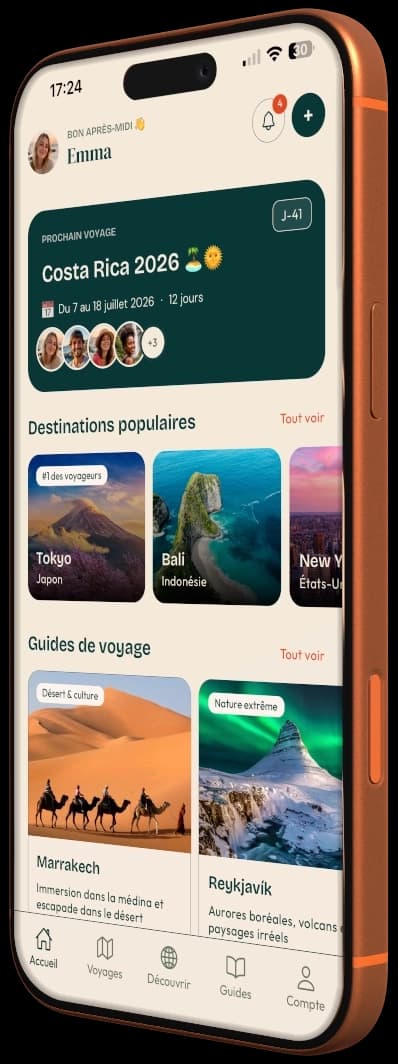
Day-by-day itinerary, budget, bookings and packing in a single app.
Aperçu de l'application PlanTripNow