Tenerife

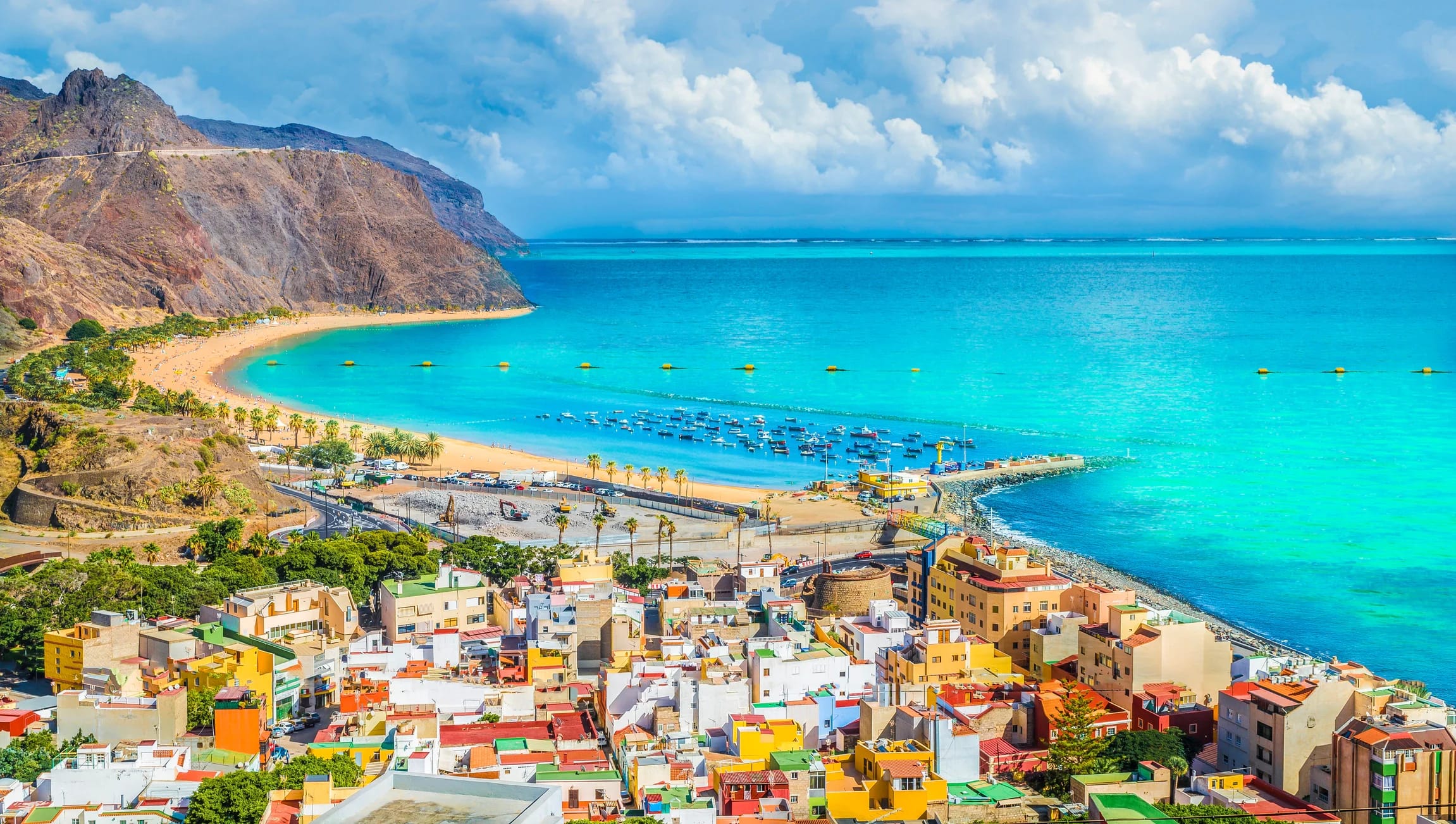
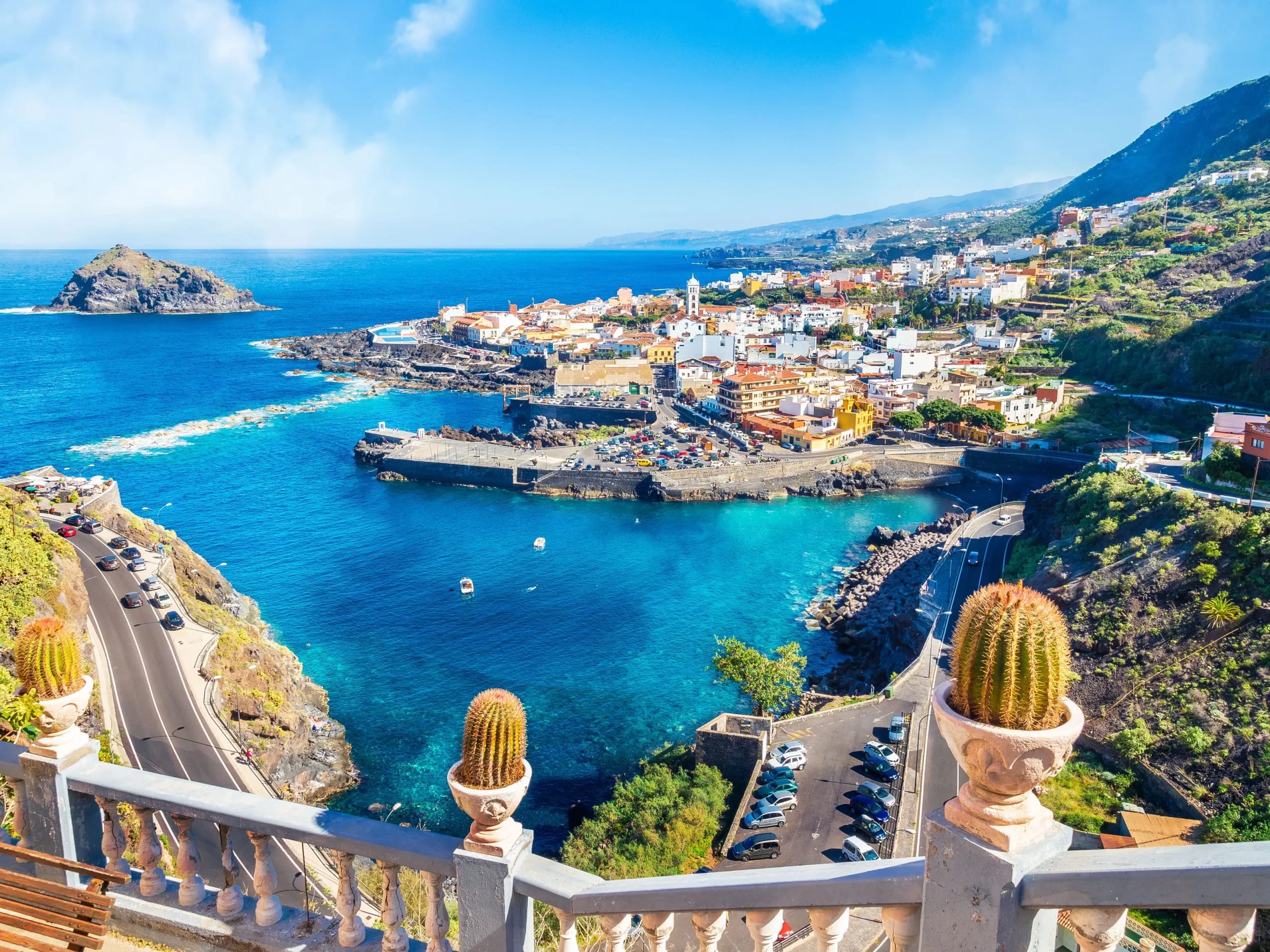
Known as the island of eternal spring, Tenerife rises to over 3,700 meters at its volcanic peak and offers black-sand beaches alongside preserved colonial towns. Between the Atlantic Ocean and lunar landscapes, the island enjoys a mild climate that can be enjoyed at any time of year.

Why visit Tenerife?

Tenerife is home to Mount Teide, Spain's highest peak and a UNESCO World Heritage site, as well as the colonial town of San Cristóbal de La Laguna, also listed as World Heritage. Its stable subtropical climate makes it a pleasant destination year-round, in winter as in summer.

What to discover in Tenerife?

Teide National Park occupies the center of the island around its volcano, Spain's highest peak at 3,715 meters, offering lunar landscapes unique in Europe and listed as UNESCO World Heritage. Nearby, La Orotava's historic center showcases Canarian colonial architecture, while San Cristóbal de La Laguna, also a UNESCO World Heritage site, preserves a street layout dating back to the Spanish Renaissance.
The south of the island holds the most developed beach resorts, around Costa Adeje and Playa de las Américas, with their landscaped beaches and notably dry climate year-round. To the north, Puerto de la Cruz and its botanical gardens offer a more authentic atmosphere, while the Los Gigantes cliffs and the village of Masca attract fans of dramatic, spectacular scenery and hiking. This range of landscapes, packed into a fairly compact island, makes it easy to combine several very different moods within a single, well-rounded trip lasting anywhere from a few days to two weeks.

Cities to visit in Tenerife

Featured destinations appear first.
Coming soon.

Tenerife in pictures

Highlights

Six experiences that capture the essence of a stay in Tenerife, between volcano, coastline and colonial heritage.

Teide National Park

Volcano rising to 3,715 meters, Spain's highest point, surrounded by lunar landscapes reachable by cable car or marked hiking trails.

La Laguna

Former capital of the island, San Cristóbal de La Laguna, UNESCO-listed for its Renaissance street layout and colorful colonial houses.

Costa Adeje

Southern beach resort area, known for its landscaped beaches, notably dry climate and modern oceanfront hotel complexes built along the coast.

Los Gigantes Cliffs

Impressive rock walls dropping straight into the Atlantic Ocean, ideal for whale and dolphin watching trips by boat offshore all year-round.

Masca Village

Isolated hamlet tucked into a dramatic ravine, the starting point for a well-known hike down to the rocky coastline far below.

Puerto de la Cruz

Northern coastal town with renowned botanical gardens, offering a more authentic atmosphere and a less touristy feel than the south.

Practical Information

Capital
Santa Cruz de Tenerife
Area
About 2,034 km²
Population
About 970,000 residents
Language
Spanish (Castilian)
Currency
Euro (EUR)
Time zone
UTC+0 (Canary Islands Time)
Climate
Subtropical, mild all year round
Best season
Year-round, especially good in autumn and winter

Frequently Asked Questions

How many days are needed in Tenerife?
A week allows time to combine a hike up the Teide, exploring the historic north and several beach days in the south, without feeling rushed or missing the key sights.
Should the Teide cable car be booked in advance?
Yes, booking online is strongly recommended, especially during high season, since the number of visitors allowed at the summit each day is strictly limited year-round without any exception at all.
What is the best time to visit Tenerife?
Tenerife can be visited year-round thanks to its mild climate, with autumn and winter especially popular as an escape from the cold and rain of continental Europe during those months.
Is Tenerife suitable for a family trip?
Yes, the south of the island offers beach resorts and theme parks well suited to families, with a dry climate and landscaped, easily accessible beaches nearby year-round for all ages.
Is renting a car recommended in Tenerife?
A car is recommended for exploring the Teide, the historic north and isolated villages, though the touristy south can be visited very well without one at all year-round, even in winter.
What is the weather like in Tenerife in winter?
Coastal temperatures stay mild in winter, typically between 18 and 22 degrees, while snow can fall at higher altitude near the summit of the Teide during the day and night.

Plan your trip to Tenerife

Day-by-day itinerary, budget, bookings and packing in a single app.
Aperçu de l'application PlanTripNow