Skip to content

Visit the Canary Islands: which islands to combine and when to go

From one island to the next, the scenery changes completely: lava fields and pale sand in the east, peaks and misty forests in the west. Each island has its own character, and the archipelago is best enjoyed by choosing two neighbours rather than trying to see everything.
  • 1 city

At a glance

Currency
Euro (€)
Time difference
UTC+0 (UTC+1 en été)
Visa
None
7-day budget
€1,001
Per person, comfort profile, excluding international flights.

Why visit the Canary Islands?

The Canaries are a Spanish Atlantic archipelago about 100 kilometres off northwest Africa, made up of seven large volcanic islands plus La Graciosa. They offer mild weather all year, with 21 °C in January and 28 °C in August on Gran Canaria, and four national parks.

When to visit Canary Islands

Temperatures, rainfall and crowds month by month, to pick your window.
When to visit Canary Islands
MonthTemperaturesRainCrowdsVerdict
January15 to 21 °C3 dBusyEurope's winter fades here: 21 °C in the afternoon, but the southern resorts are already full.
February15 to 21 °C3 dPackedCarnival in Las Palmas and Santa Cruz: peak atmosphere, top prices, so book early.
March16 to 22 °C2 dBusyHikers, go now: little rain and 22 °C, though the sea stays cool at 19 °C.
April17 to 23 °C1 dModerateOutside Holy Week, a good balance of flowering trails, clear skies and falling prices.
May18 to 24 °C0 dQuietOur favourite month: few crowds, 24 °C and hotels that are finally affordable.
June20 to 26 °C0 dQuietJune stays quiet and good value, despite often grey skies on the north coasts.
July21 to 27 °C0 dModerateNot a drop of rain, cooling trade winds, but high fire risk on upland trails.
August22 to 28 °C0 dBusyThe hottest month draws Spanish and European families: book ferries and hire cars ahead.
September22 to 27 °C1 dQuietIdeal swimming in a 23 °C sea, once the August holidaymakers have gone home.
October20 to 26 °C2 dModerateThe last great beach month: the water holds its warmth and the air turns mild.
November18 to 24 °C4 dBusyThe winter season restarts: 24 °C, the first real showers and prices climbing again.
December17 to 22 °C5 dBusyThe wettest month stays mild, but Christmas sends prices soaring.
Source: Archipel cadré sur la station de l'aéroport de Gran Canaria (Gando), île centrale. Températures : normales provisoires 1991-2020 (AEMET OpenData, via Wikipedia), recoupées avec Santa Cruz de Tenerife, écart de moins de 1 °C sur la moyenne mensuelle. Jours de pluie : jours à 1 mm ou plus, normales 1981-2010 AEMET, station Gran Canaria Aeropuerto. Mer : seatemperature.org et Weather Atlas via Wikipedia, sans période de référence. Relevé le 30 octobre 2026. Niveaux d'affluence et de prix : estimations éditoriales. Les îles de l'est sont plus sèches, les versants nord de l'ouest plus humides, et les sommets nettement plus froids.

Which Canary Islands should you choose?

The dry east: volcanoes and big beaches

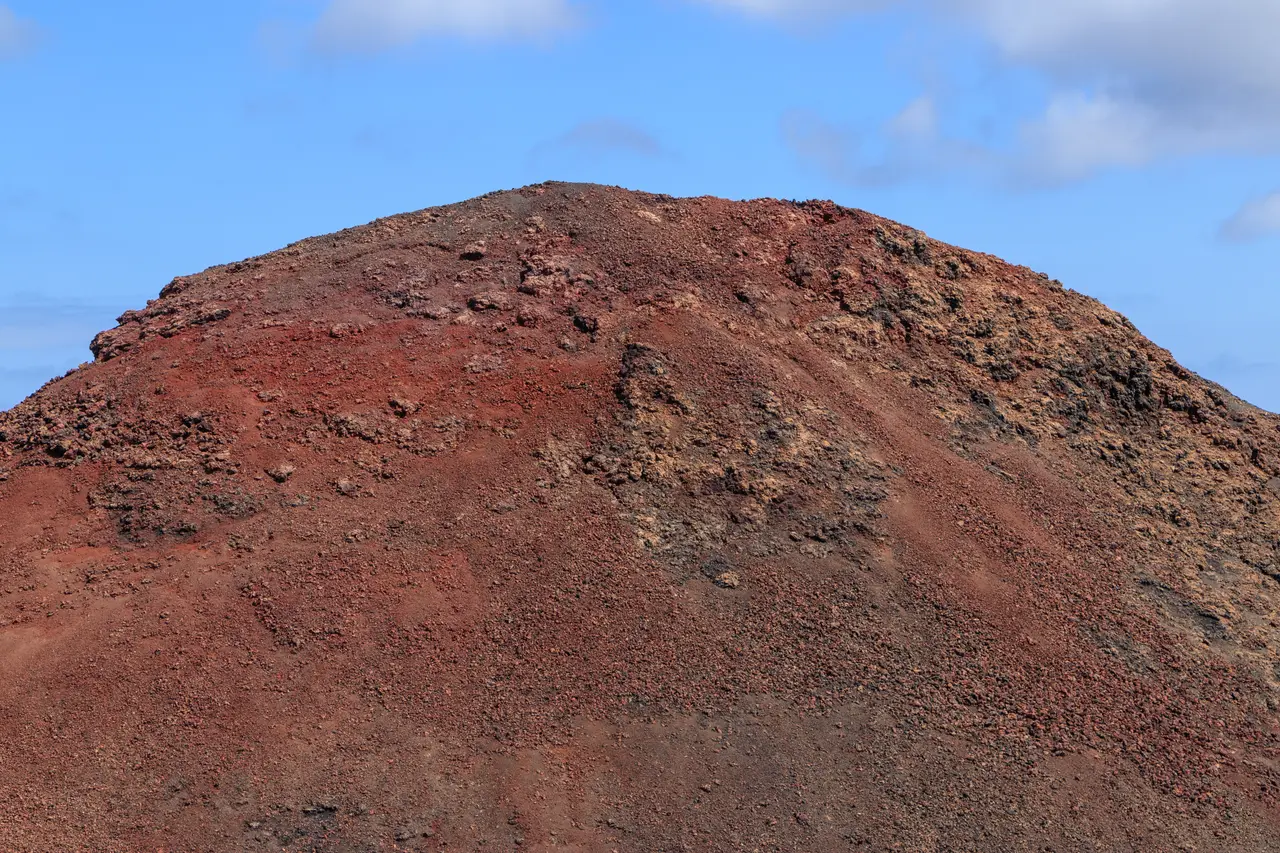
Lanzarote and Fuerteventura pair easily: a ferry of 25 to 35 minutes links Playa Blanca and Corralejo. The first revolves around its volcanoes, its vines in the ash and the work of Cesar Manrique; the second around dunes, lagoons and wind. It is the best choice for a beach week, provided you hire a car and accept that there are no forests or high mountains.

Gran Canaria, an island of two speeds

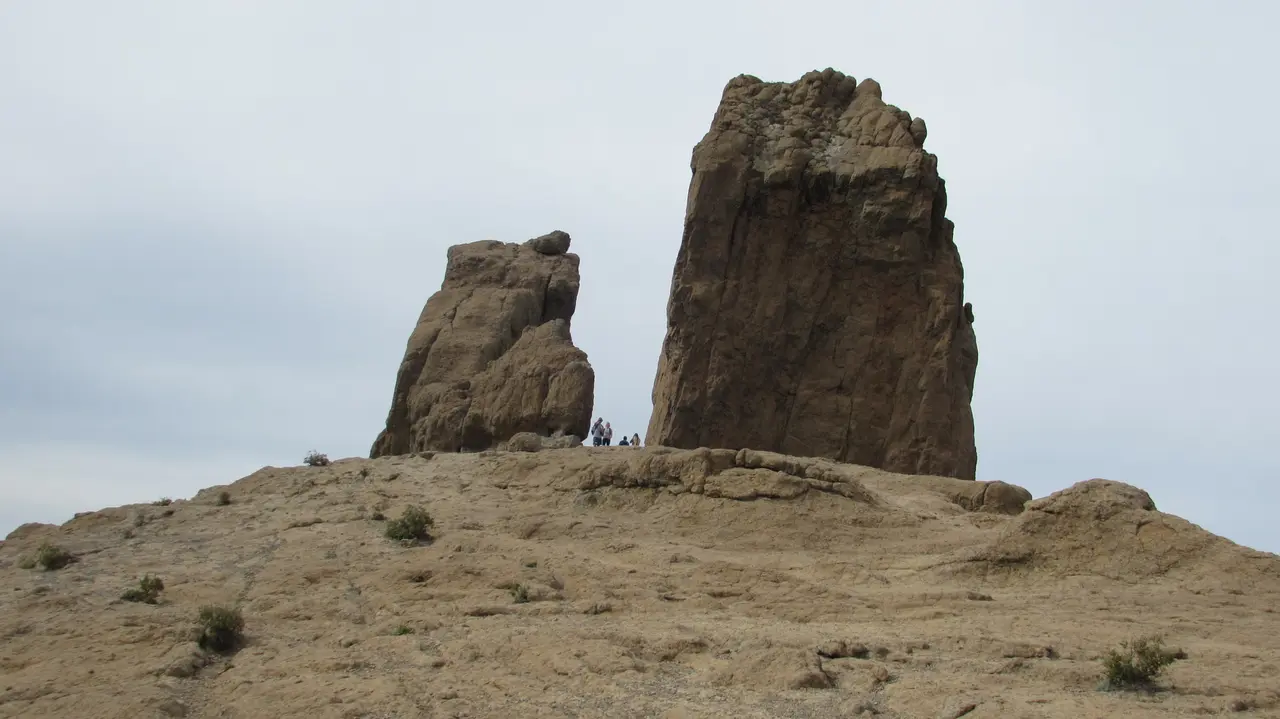
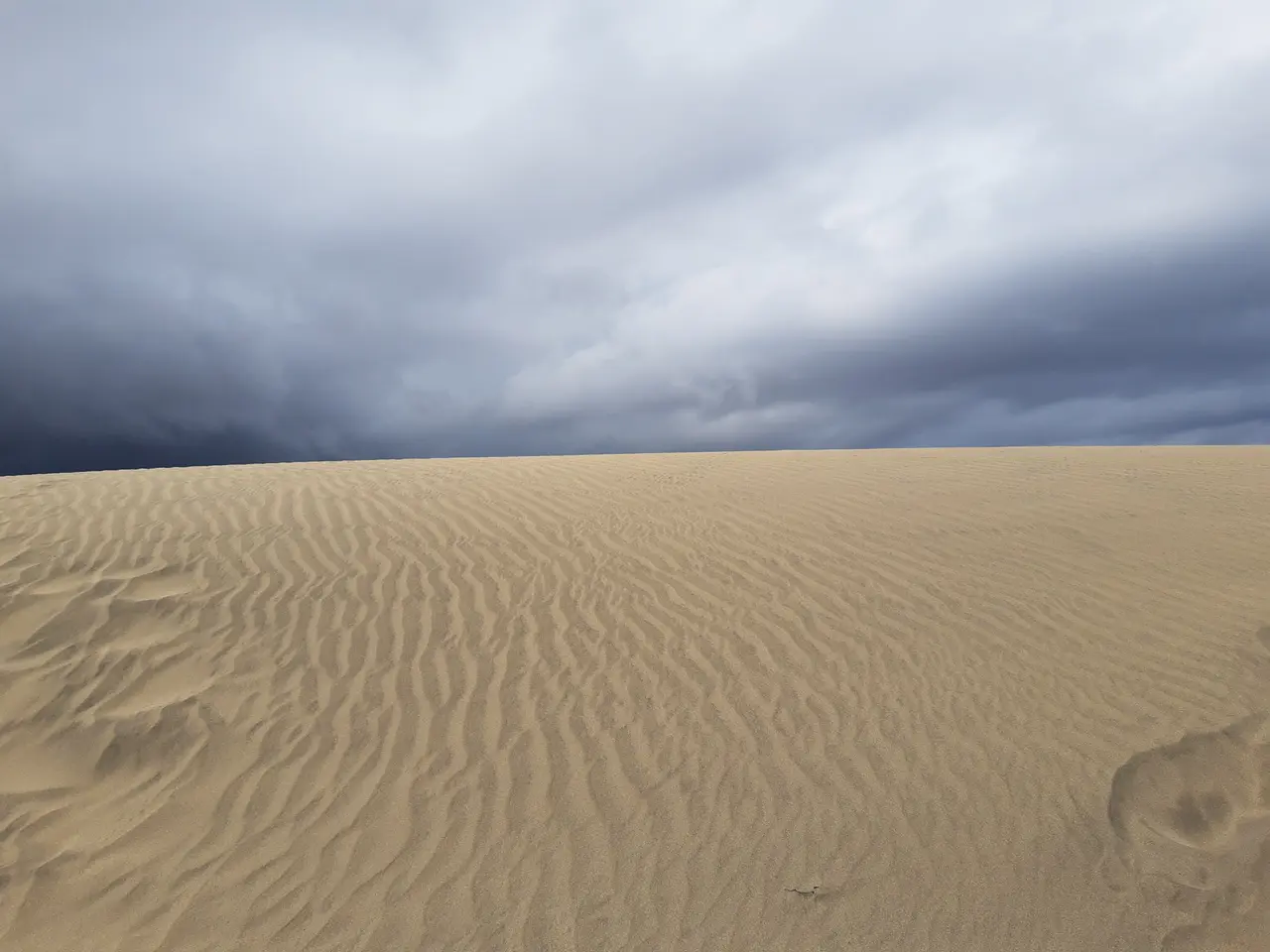
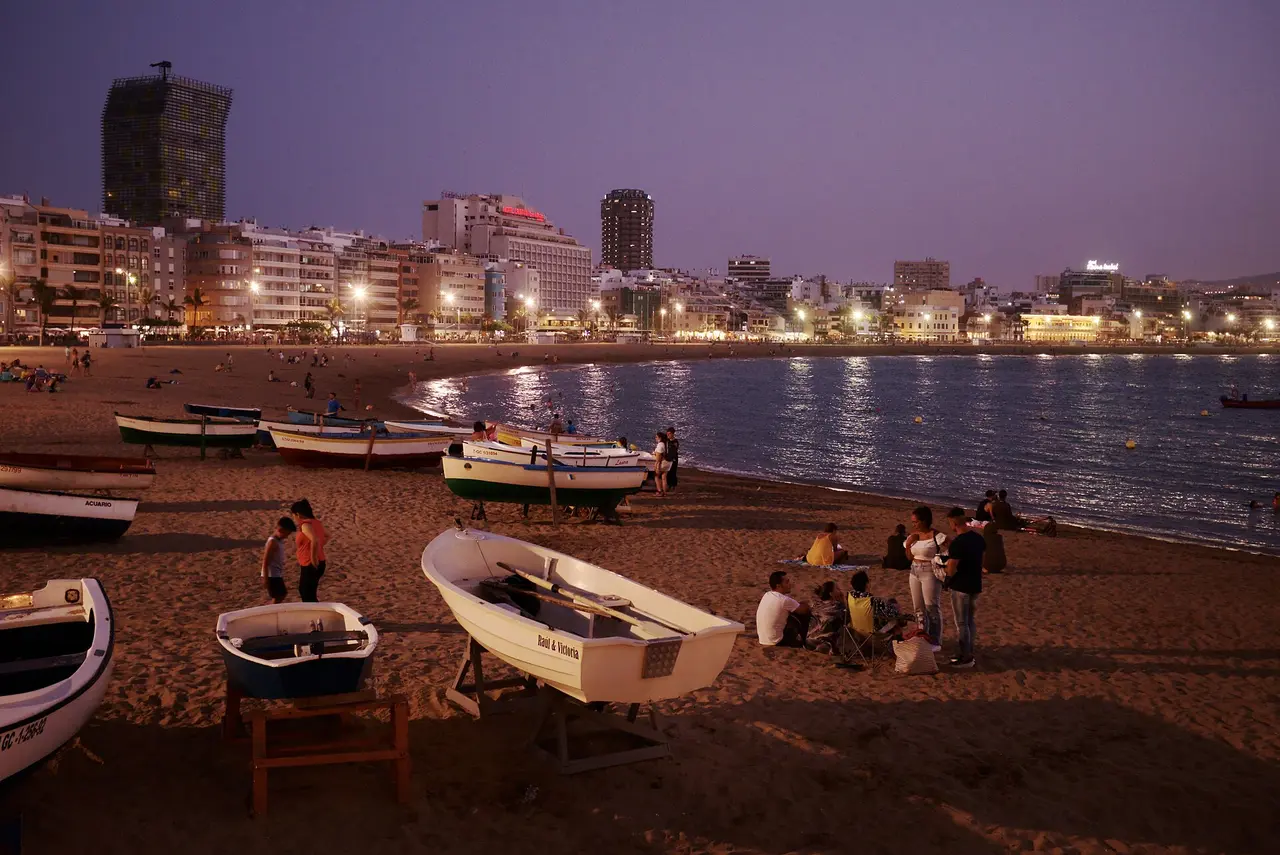
The resort south and its Maspalomas dunes turn their back on a mountainous centre, where Roque Nublo towers over hilltop villages. In the north, Las Palmas adds real city life, between the old Vegueta quarter and Las Canteras beach. Three days are enough for a first look: a city, a beach and a day's drive to the peaks. Leave early, as mountain roads are slow.

Tenerife, from ocean to high mountain

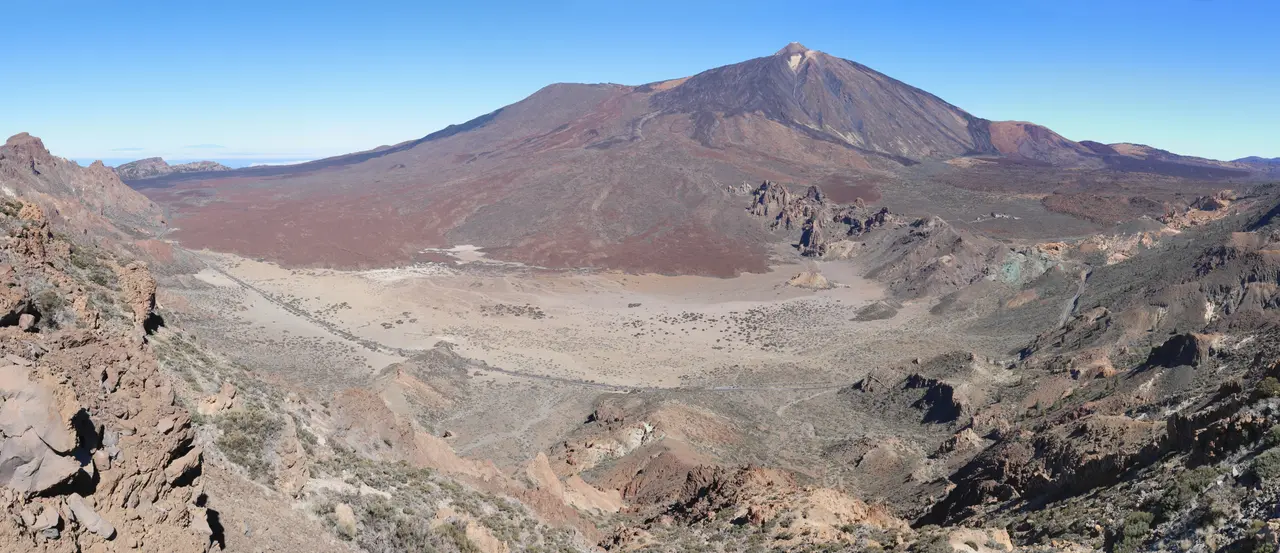
Within a few hours by car, Tenerife takes you from the beach to the highest peak in Spain. Reaching the summit of Teide requires a free permit booked in advance, and France Diplomatie reports thefts on the park's roads, so leave nothing in the vehicle. The south is the handiest base for reaching La Gomera. Allow at least three nights to see the national park without rushing.

La Gomera and El Hierro, the slow pace

A 50-minute ferry from Los Cristianos, La Gomera appeals to walkers: the laurel forest of Garajonay National Park covers the heights of the island and was World Heritage listed even before Teide. Two nights is the minimum to enjoy it, because a day trip leaves little time on the trails. El Hierro, more isolated, deserves its own stay: check connections before adding it to a route.

La Palma, an island still marked by 2021

The Caldera de Taburiente makes it a hiking destination, but the 2021 eruption left its mark. In late October 2026, La Palma was the only island in the archipelago on a yellow volcanic traffic light, because of indoor gases in Puerto Naos and La Bombilla, according to the regional press. The risk remains localised: do not plan a stay in these two places, which are not in our itineraries, and choose another base on the island.

Combining islands without wasting time

The longest ferry mentioned here, between Agaete and Santa Cruz de Tenerife, takes 80 minutes. The simplest plan is to stay within one group of islands, booking a return flight from a different island to the one you landed on. In a week, two islands are enough; beyond that, each change costs half a day between luggage, port and road. August and the Christmas holidays mean booking cars and crossings ahead.

Cities to visit in Canary Islands

Featured destinations appear first.

How much it costs

Per person per day, excluding international travel.
Budget
75 €/ day
1 508 € for 2 people, 7 days, return flights included
Accommodation
40 €
Food
22 €
Local transport
5 €
Sights and activities
8 €
Comfort
143 €/ day
2 460 € for 2 people, 7 days, return flights included
Accommodation
75 €
Food
38 €
Local transport
12 €
Sights and activities
18 €
Premium
285 €/ day
4 448 € for 2 people, 7 days, return flights included
Accommodation
150 €
Food
70 €
Local transport
25 €
Sights and activities
40 €
Prices checked: Relevé du 1er novembre 2026, montants estimés à partir de sources non officielles. Hôtels : combien-coute.net (maj 05/10/2026, d'après hotels.com et Booking) : 3 étoiles 102 €/nuit à Las Palmas, 169 € à Maspalomas, 186 € en moyenne sur Gran Canaria ; 5 étoiles 196 € à Las Palmas, 309 € sur Gran Canaria. Auberges : momondo.es, lu le 01/11/2026, moyenne 47 €/personne à Las Palmas, dès 17 € ; les 40 € backpacker sont une estimation. Repas et transports : Numbeo, Santa Cruz de Tenerife (maj 26/10/2026, 318 relevés, 29 contributeurs) repas bon marché 18 €, dîner pour deux 55 €, ticket 1,25 € ; Las Palmas (maj 31/10/2026, 361 relevés, 26 contributeurs) repas 12 €, dîner pour deux 60 €, ticket 1,40 €. Postes transport et activités estimés, sans ferry inter-îles. Vol A/R Paris-Tenerife : 229 €/pers, bas de la fourchette habituelle Kayak (229-398 €, moyenne 298 € sur 12 mois, lue le 30/10/2026). Chambre double partagée à deux pour comfort et premium, lit en dortoir pour backpacker. Hors carnaval, Noël et août ; les prix varient fortement selon l'île et la station.

Entry, health and safety

For FR travellers

Entry requirements

No visa for a tourist stay

Aucun visa. Entrée avec un passeport ou une carte nationale d'identité français en cours de validité, l'Espagne étant membre de l'Union européenne. France Diplomatie conseille un passeport valide plutôt qu'une CNI dont la date inscrite est dépassée.

Health

Advised: Vaccins du calendrier français à jour, notamment diphtérie, tétanos, polio, coqueluche et rougeole.

Assurance couvrant soins et rapatriement impérative ; demander la CEAM au moins 20 jours avant le départ. L'ensemble de l'Espagne est en vigilance normale (zones mises à jour le 05/03/2026), menace terroriste évaluée à 4 sur 5. L'archipel est la seule région espagnole exposée au risque volcanique : suivre les consignes locales. France Diplomatie signale des vols sur les routes du parc du Teide et des incidents récurrents en surf. Hors source France Diplomatie : La Palma en semáforo volcánico jaune pour des gaz à Puerto Naos et La Bombilla (presse régionale, 22/10/2026).

Safety

Normal precautions

Emergency

112

Checked in octobre 2026 against the official source. Entry rules change: check the official source before you travel, it alone is authoritative.

Canary Islands in pictures

Photo credits : Ingo Mehling, CC BY-SA 4.0, Wikimedia Commons ; Joergsam, CC BY-SA 4.0, Wikimedia Commons ; Gerda Arendt, CC BY-SA 4.0, Wikimedia Commons ; H. Zell, CC BY-SA 3.0, Wikimedia Commons ; Tamara Kulikova, CC BY-SA 4.0, Wikimedia Commons ; Stefan Koehler MD, CC BY-SA 4.0, Wikimedia Commons ; imehling, CC BY-SA 3.0, Wikimedia Commons ; Benjamín Núñez González, CC BY-SA 4.0, Wikimedia Commons ; Bengt Nyman, CC BY-SA 4.0, Wikimedia Commons ; Abhay Kumar from San Francisco, CA, USA, CC BY-SA 2.0, Wikimedia Commons

Sites not to miss

Five places that sum up the archipelago's varied landscapes, from east to west.

The Maspalomas dunes

A landscape of sand beside the ocean in southern Gran Canaria, best walked early in the morning or late in the day for the light.

Roque Nublo

This basalt monolith towers over central Gran Canaria and is reached by a short trail from the mountain road, with open views to Tenerife on clear days.

Garajonay forest

On the heights of La Gomera, a laurel forest often lost in mist, crossed by shady trails that contrast with the archipelago's dry coasts.

Caldera de Taburiente

A huge wooded cirque at the heart of La Palma, protected as a national park and suited to strong walkers who take time to descend.

La Geria vineyards

On Lanzarote, every vine grows in a hollow of black ash, sheltered from the wind by a low dry-stone wall.

Good to know before you go

Time difference with Paris
One hour behind all year: UTC+0 in winter, UTC+1 in summer, against UTC+1 and UTC+2 on mainland Spain.
Daily budget
About 75 € in a hostel, 143 € in comfort and 285 € in premium per person, estimated without flights in November 2026, with wide gaps between islands and resorts.
Flights from Paris
A usual range of 229 to 398 € return to Tenerife, read on Kayak on 30 October 2026.
Fred. Olsen ferries
50 minutes between Tenerife and La Gomera, 25 to 35 minutes between Lanzarote and Fuerteventura, 80 minutes between Gran Canaria and Tenerife.
Teide permit
Free but must be booked in advance to reach the summit: do not leave it until the last minute.
Timanfaya
The Ruta de los Volcanes is done by coach, included in the ticket. 2026 guides report online sales with timed slots: check before you go.
Calima
Saharan dust can fill the air: the Canary Islands government declared a pre-alert on all islands on 26 October 2026.
Fire season
High danger from 1 June to 30 September 2026 across the archipelago, according to the Canary Islands government; bans affected Gran Canaria's peaks in July.
Surfing and swimming
France Diplomatie reports recurring surf incidents: watch sea conditions and the flags.
Papers for French citizens
A valid ID card or passport: no visa, but apply for the European Health Insurance Card at least 20 days ahead.
Emergencies
Dial 112, the number given by France Diplomatie for Spain, including the archipelago.

Your questions about the Canaries

Tenerife or Gran Canaria for a first trip to the Canaries?
Tenerife for Teide and its high mountain scenery, Gran Canaria for a real city, the Maspalomas dunes and shorter distances. An 80-minute ferry links them between Santa Cruz and Agaete, but one island is plenty for a trip of less than a week.
Can you do Lanzarote and Fuerteventura on the same trip?
Yes, it is the easiest combination in the archipelago. The ferry links Playa Blanca and Corralejo in 25 to 35 minutes depending on the boat, so you can land on one island and leave from the other, without backtracking, in a week.
Is La Palma dangerous after the 2021 eruption?
Spain remains on normal vigilance according to France Diplomatie, but La Palma was still on a yellow volcanic traffic light in late October 2026, for localised gases in Puerto Naos and La Bombilla. Do not stay in these two places, and check official guidance before you travel.
Could Teide erupt during my trip?
In August 2026, the PEVOLCA committee kept Tenerife's volcanic traffic light on green and ruled out an eruption in the short term, despite repeated seismic swarms. The archipelago remains the only Spanish region exposed to volcanic risk: follow local guidance before heading up.
Which Canary Islands are best for swimming in winter?
The sea drops to around 19 °C from February to April, which stays cool even in the sun. To swim without a shiver, aim for September and October, at 23 °C. In winter, the sheltered southern beaches of Gran Canaria and Tenerife are the most pleasant.
Is December really sunny in the Canaries?
Often, but not always: on Gran Canaria, December reaches 22 °C in the afternoon with about five rainy days, making it the wettest month. It is mild for Europe rather than summery, and Christmas pushes prices up. Bring a jacket for altitude and the evenings.
Should you visit La Gomera on a day trip or stay overnight?
Stay at least two nights. The 50-minute ferry from Los Cristianos makes a return day possible, but time melts away between the port, the winding roads and the Garajonay trails. Once there, mornings are quieter for walking.
When are the Canary Islands cheapest?
May and June are the most affordable months, away from carnival, Christmas and August, according to our crowd estimates. For flights, Kayak showed January as the cheapest month to Tenerife on 30 October 2026, with a median of about 201 € return.

Plan your trip to Canary Islands

Day-by-day itinerary, budget, bookings and packing in a single app.
Aperçu de l'application PlanTripNow