Skip to content

Visit Kansai: what to see around Kyoto and Osaka, and when to go

From Osaka to Kyoto, less than an hour by train separates the neon of Dotonbori from the temples of the old capitals. Further on, Himeji's white castle, the monasteries of Koyasan and the pilgrim trails of Kumano take the journey beyond the big cities.
  • 4 cities

At a glance

Currency
Japanese Yen (¥)
Time difference
UTC+9
Visa
None
Tourist stay of up to 90 days
7-day budget
€805
Per person, comfort profile, excluding international flights.

Why visit Kansai?

Kansai brings together, within one or two hours by train, the old imperial capitals of Nara and Kyoto, Himeji Castle and its big city, Osaka. It is the part of Japan with the most historic stops that are easy to link up, plus the sacred Kii mountains for those who want to walk.

When to visit Kansai

Temperatures, rainfall and crowds month by month, to pick your window.
When to visit Kansai
MonthTemperaturesRainCrowdsVerdict
January3 to 10 °C6 dQuietThe coldest month on the Osaka plain: temples are quiet after New Year, with 10 degrees in the afternoon.
February3 to 11 °C7 dQuietStill cool and uncrowded: the last quiet month before cherry-blossom season, with prices among the lowest of the year.
March6 to 14 °C10 dBusyCherry trees open around the 26th in Kyoto and the 27th in Osaka on average: book the last week very early.
April11 to 20 °C10 dPackedFull bloom around the 4th in Kyoto, Osaka and Nara, the peak of the year; Golden Week pushes prices up again late in the month.
May16 to 25 °C10 dBusyAfter Golden Week, 25 degrees and green everywhere: a very good month to walk the Kumano Kodo before the rains.
June20 to 28 °C12 dQuietThe month with the most rainy days, with heavy humidity: rates fall and temples are less crowded.
July25 to 32 °C11 dModerateMuggy heat of 32 degrees in the afternoon once the rains have passed: visit early in the morning and take air-conditioned breaks.
August26 to 34 °C8 dModerateThe hottest month, 34 degrees in Osaka with typhoon risk: avoid walking in the daytime, the sea is at 27 degrees.
September22 to 30 °C11 dModerateStill 30 degrees and typhoon season: leave some slack on rail journeys to the Kii Peninsula.
October16 to 24 °C9 dBusyThe heat falls to 24 degrees, with typhoon risk until the end of the month: a good balance of comfort and crowds.
November10 to 18 °C7 dPackedKyoto's maples turn red in the second half of the month: the year's second peak, with scarce rooms and top prices.
December5 to 12 °C7 dModerateA few late colours in Kyoto early in the month, then dry cold; crowds return at New Year.
Source: Normales 1991-2020 de la Japan Meteorological Agency, station d'Osaka (températures) ; jours de pluie et température de la mer d'après Climates to Travel, page Osaka. Dates moyennes de floraison JMA via japan-guide.com (page du 5 mars 2026), couleurs d'automne japan-guide.com, saison des typhons France Diplomatie. Affluence et prix : estimation éditoriale. Cadre : plaine d'Osaka, les monts de Kii et Koyasan sont plus frais. Relevé 1er novembre 2026.

What to discover in Kansai?

The Osaka, Kyoto and Nara triangle

Three cities, three moods, and less than an hour by train between them. From Osaka, the JR special rapid reaches Kyoto in about 30 minutes for under 600 yen, while Nara takes 45 minutes. Budget travellers often stay in Osaka, where hotels generally cost less than in Kyoto, and make day trips. That works for three or four days. Beyond that, sleep in Kyoto: shrines are best visited early in the morning, and the trip back no longer eats into your evenings.
Nara and the cradle of Japanese Buddhism

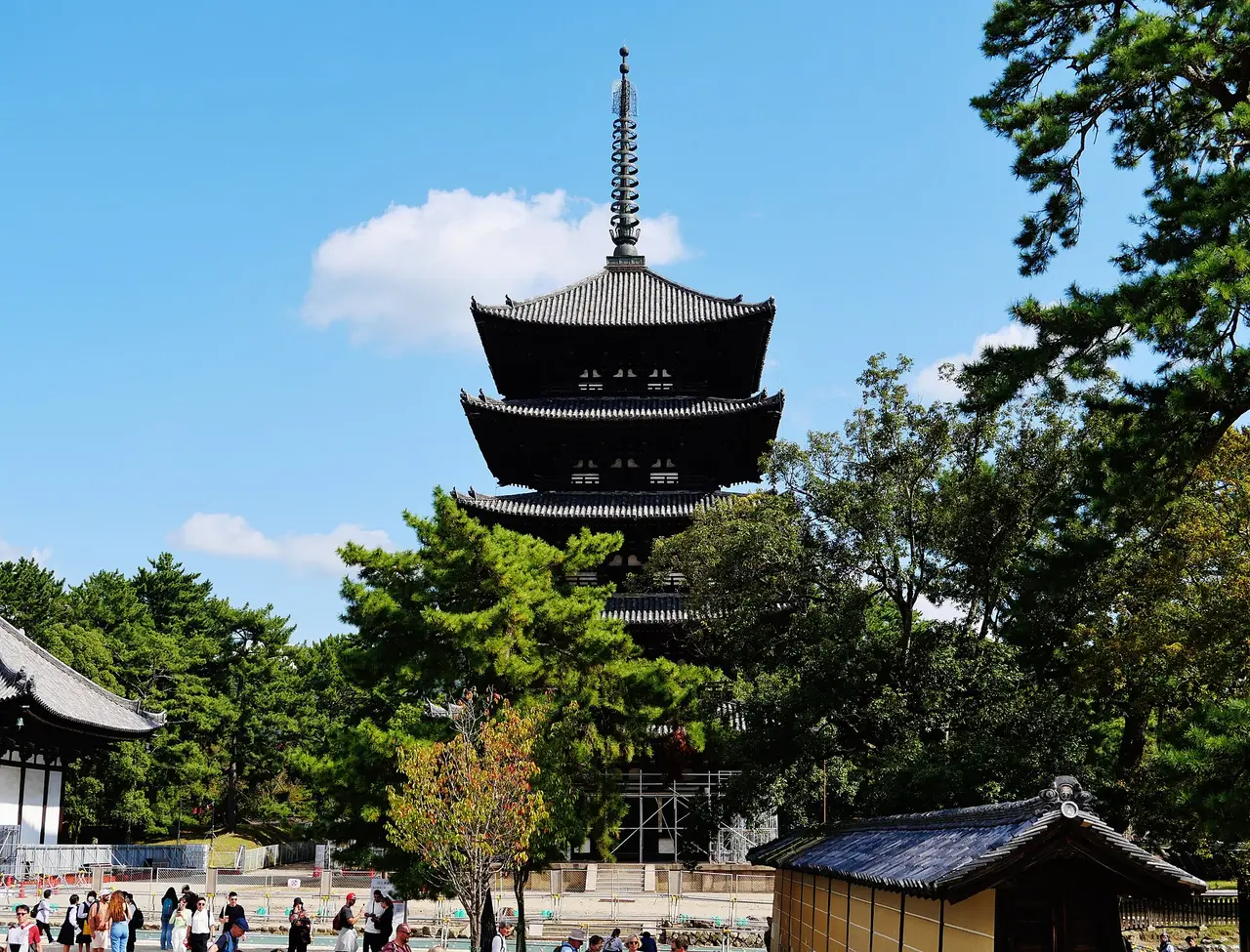
Capital of Japan from 710 to 784, Nara fills one busy day: Todai-ji, the deer park and Kasuga Taisha shrine are all within walking distance. Its monuments have been on the UNESCO list since 1998. A second site, listed in 1993, the Buddhist monuments of the Horyu-ji area, lies outside the city and deserves another half day. Leave early from Osaka or Kyoto, or sleep in town to enjoy the park once the day visitors have left.

The coast from Kobe to Himeji

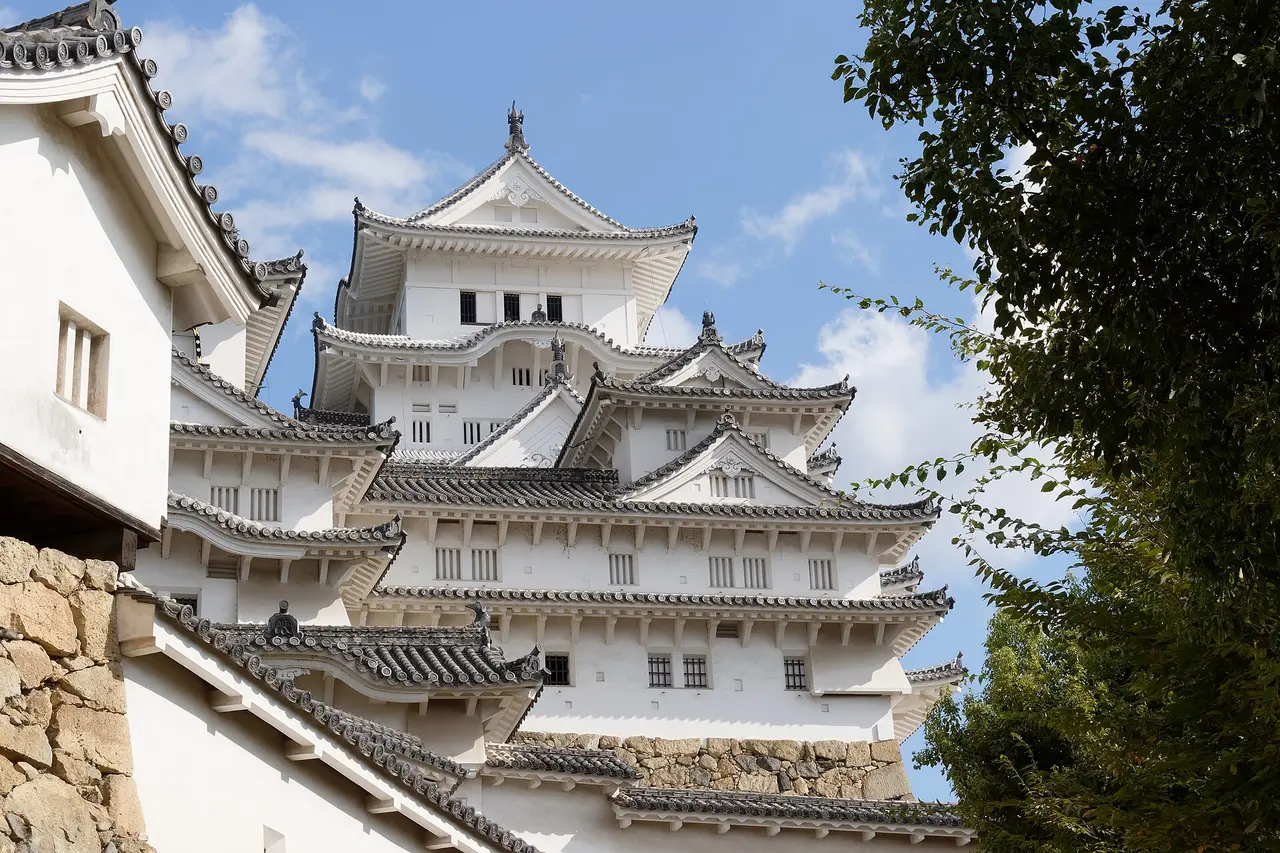
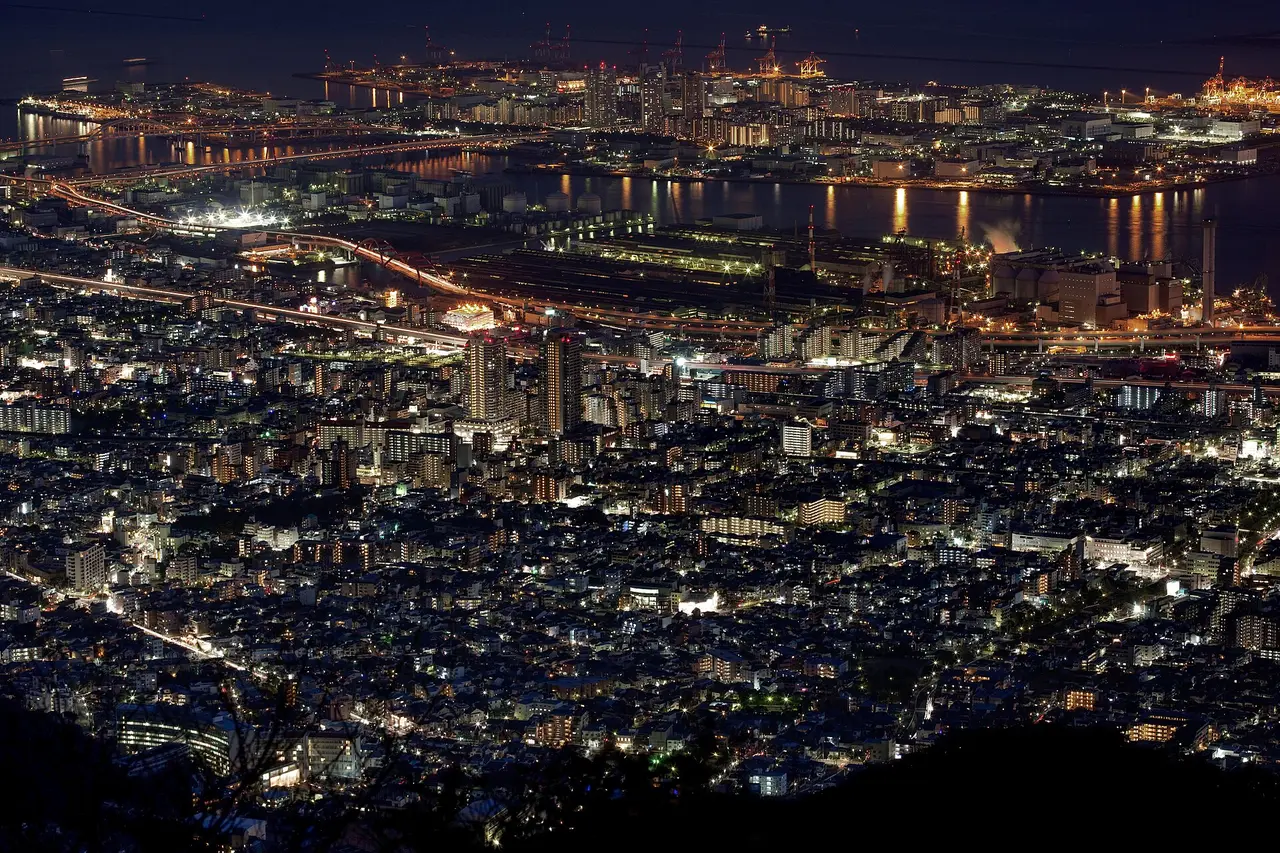
West of Osaka, the railway follows the sea to Himeji. Kobe is 20 minutes away by JR special rapid and makes a base for Arima Onsen, about 25 minutes by express bus from Sannomiya: over a thousand years of history and two types of water, gold and silver. Himeji is an hour from Osaka and 90 minutes from Kyoto; its castle, completed in 1609, takes half a day. From Himeji the shinkansen continues to Hiroshima, which makes it a good stop if you are leaving Kansai westwards.

The Kii mountains, from Koyasan to Kumano

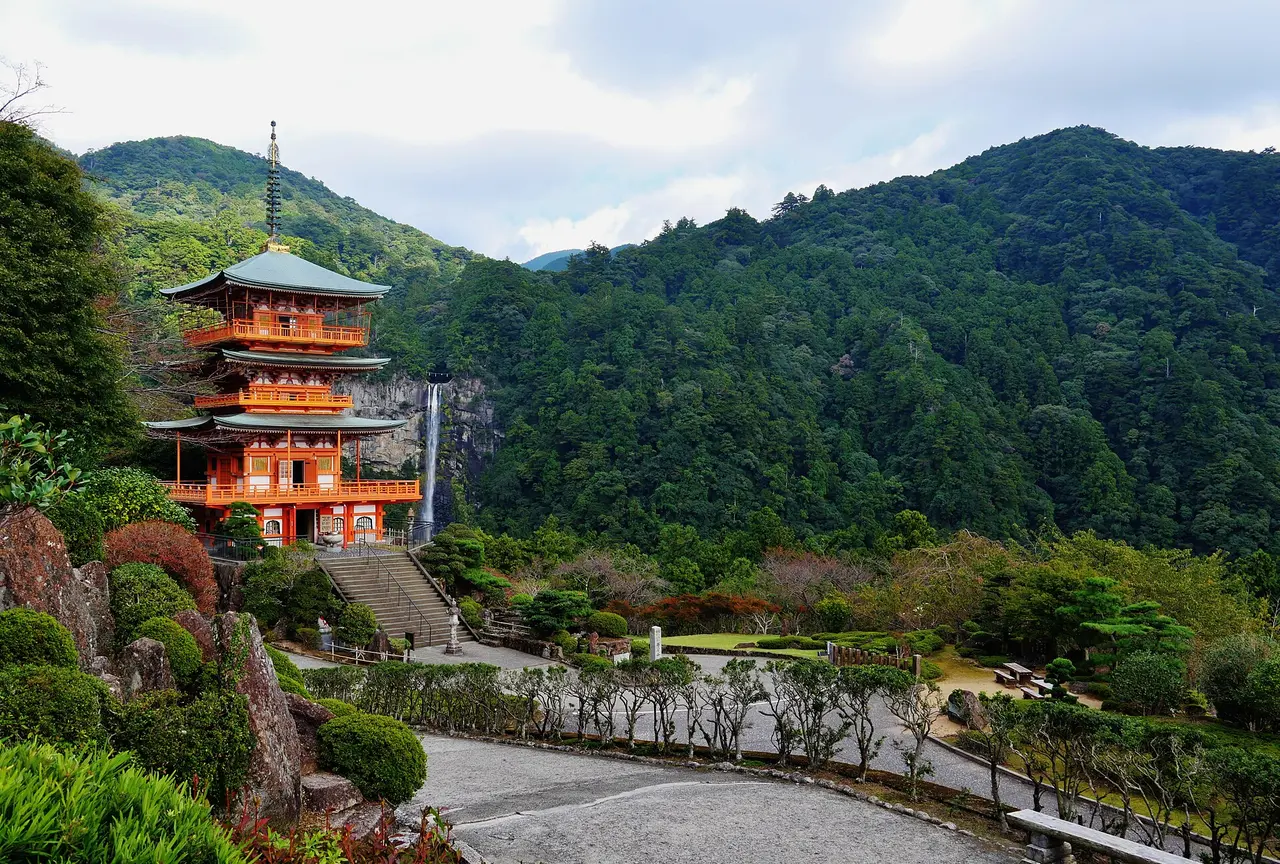
Southern Kansai changes the pace: cedar forests, shrines and pilgrim trails inscribed by UNESCO in 2004. Koyasan, founded by the monk Kukai, is about 2 hours from Osaka by the Nankai line, cable car and bus; around fifty temples host travellers overnight. Kumano needs more time: 2 hours by train to Kii-Tanabe, then 2 hours by bus to Hongu. Allow at least three days, and do not plan on going straight from Hongu to Nachi: everything runs via Shingu.

Ise, the great Shinto shrine

East of the peninsula, in Mie Prefecture, Ise is the country's most sacred Shinto site and a full day in itself. From Kyoto, the Kintetsu limited express takes 2 hours to 2 h 45, often with a change at Yamato-Yagi. Start at the Geku outer shrine, close to the station, then reach the Naiku inner shrine in 15 minutes by bus. Entry is free, and both complexes are rebuilt from scratch every 20 years: you come for the forest and the rituals more than for old buildings.

Cherry blossom and maples, the calendar that decides everything

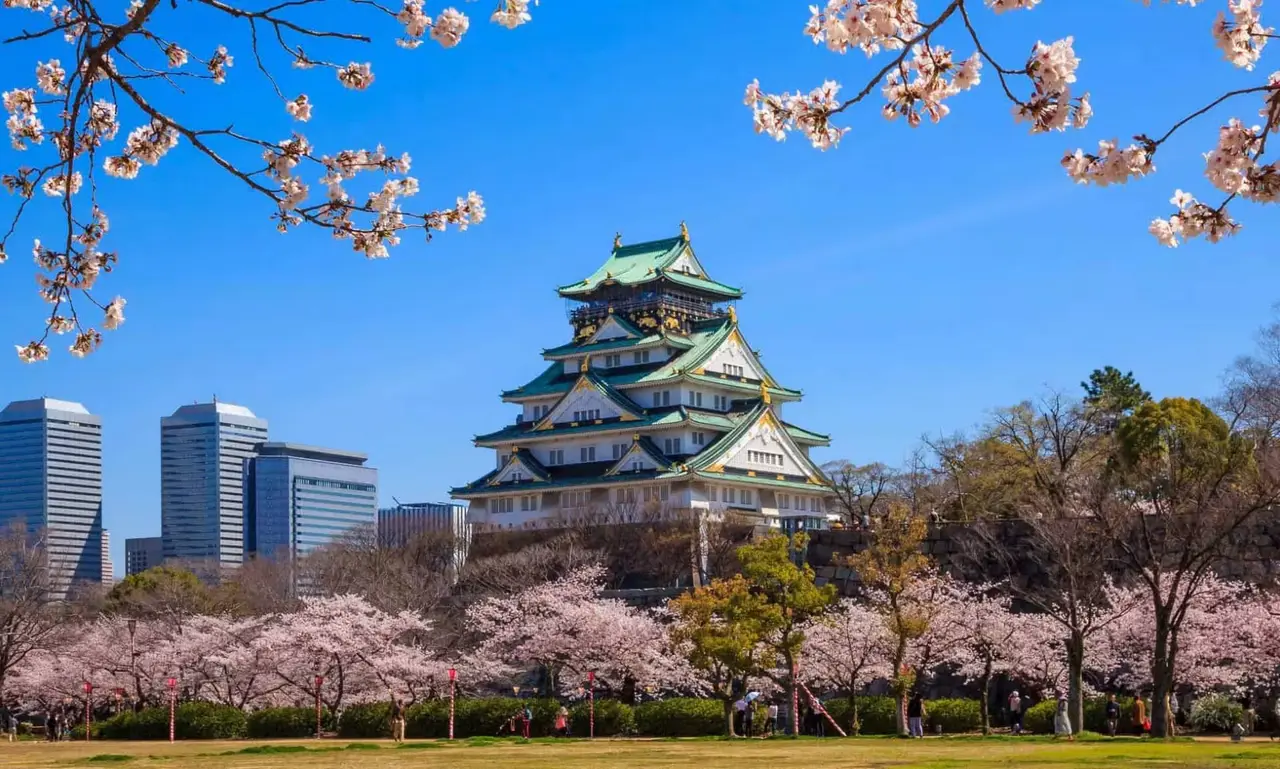
Two periods push prices up. Cherry trees open around 26 March in Kyoto on average and reach full bloom around 4 April, give or take a week. Kyoto's maples turn red in the second half of November, sometimes into December. For those dates, book very early or stay in Osaka. The best compromises fall in May after Golden Week and in October, bearing in mind that typhoons threaten from May to October. Avoid long walks in August: afternoon averages in Osaka exceed 33 degrees.

Cities to visit in Kansai

Featured destinations appear first.

How much it costs

Per person per day, excluding international travel.
Budget
55 €/ day
2 570 € for 2 people, 7 days, return flights included
Accommodation
24 €
Food
17 €
Local transport
8 €
Sights and activities
6 €
Comfort
115 €/ day
3 410 € for 2 people, 7 days, return flights included
Accommodation
54 €
Food
34 €
Local transport
13 €
Sights and activities
14 €
Premium
278 €/ day
6 332 € for 2 people, 7 days, return flights included
Accommodation
142 €
Food
68 €
Local transport
28 €
Sights and activities
40 €
Prices checked: Relevé 1er novembre 2026, conversion au taux de référence BCE du 30 octobre 2026 (175,68 JPY pour 1 EUR). Fourchettes : osakatourism.org, site non officiel malgré son nom (vérifié le 24 octobre 2026 : dortoir 3000-5000 JPY, hôtel milieu de gamme 12000-20000 JPY, luxe 30000-60000 JPY, repas 2000-3500, 5000-8000 et 12000-25000 JPY par jour) ; Numbeo Osaka (37 contributeurs sur 12 mois, repas simple 1000 JPY, ticket 210 JPY, mise à jour 31 octobre 2026) ; billets régionaux japan-guide.com (Osaka-Kyoto 580 JPY, Osaka-Nara 840 JPY, pages datées 2024 à 2026). Taxes de séjour officielles : ville de Kyoto (200 à 10000 JPY par personne et par nuit depuis le 1er mars 2026), préfecture d'Osaka (0 à 500 JPY). Hors cerisiers, Golden Week et érables ; Kyoto plus cher qu'Osaka pour dormir. Comfort et premium : double partagée à deux, montant par personne, marge incluse pour Kyoto. Transport local : inclut environ un trajet régional en train par jour. Vol A/R Paris-Kansai compté dans weekTwoPax : 900 EUR/personne avec escale (Momondo, fourchette habituelle 666-963 EUR, novembre environ 851 EUR, lu le 1er novembre 2026), 1220 EUR/personne en premium, vol direct Air France (KAYAK, à partir de 1218 EUR, même date). Sources de prix commerciales, non officielles ; décembre et cerisiers nettement plus chers.

Entry, health and safety

For FR travellers

Entry requirements

No visa for a tourist stay

Pas de visa pour un séjour de 90 jours maximum. Passeport obligatoire : la carte nationale d'identité, le permis de conduire ou le livret de famille sont refusés, tout comme un passeport périmé ou de validité insuffisante. Chaque enfant a besoin de son propre passeport. Prise d'empreintes et photo à l'arrivée ; formulaire Visit Japan Web conseillé avant l'arrivée.

Stay allowed for up to 90 days.

Health

Advised: Être à jour du calendrier vaccinal français (diphtérie, tétanos, poliomyélite, coqueluche, rougeole). Selon la durée et les conditions du séjour : hépatite A, fièvre typhoïde, hépatite B, encéphalite japonaise et encéphalite à tiques. Fièvre jaune exigée seulement si l'on vient d'une zone d'endémie.

Assurance couvrant frais médicaux et rapatriement indispensable. Encéphalite japonaise (risque très faible, rizières) et à tiques (printemps et été, zones boisées) : vêtements couvrants et répulsif. Stupéfiants médicaux (dont codéine) soumis à autorisation préalable, méthadone interdite. Séismes fréquents ; typhons de mai à octobre, suivre les consignes locales. Kansai en vigilance normale sur la carte France Diplomatie.

Safety

Normal precautions

Emergency

110 (police), 119 (pompiers et ambulance)

Checked in novembre 2026 against the official source. Entry rules change: check the official source before you travel, it alone is authoritative.

Kansai in pictures

Photo credits : Zairon, CC BY 4.0, Wikimedia Commons ; Gilles Desjardins, CC BY-SA 4.0, Wikimedia Commons ; Balon Greyjoy, CC0, Wikimedia Commons ; Marek Ślusarczyk (Tupungato) Photo portfolio, CC BY 3.0, Wikimedia Commons ; Josep M. Gracia, CC BY-SA 4.0, Wikimedia Commons ; Sakai Yayoi, CC0, Wikimedia Commons ; VKaeru, CC BY-SA 3.0, Wikimedia Commons ; Nekosuki, CC BY-SA 4.0, Wikimedia Commons

Kansai highlights

Ten named sites, from the temples of the old capitals to the trails of Kumano.

Todai-ji Temple

In Nara, this temple houses a seated Great Buddha about 15 m high, one of the most striking sights in the region, best seen in the morning.

Nara Park

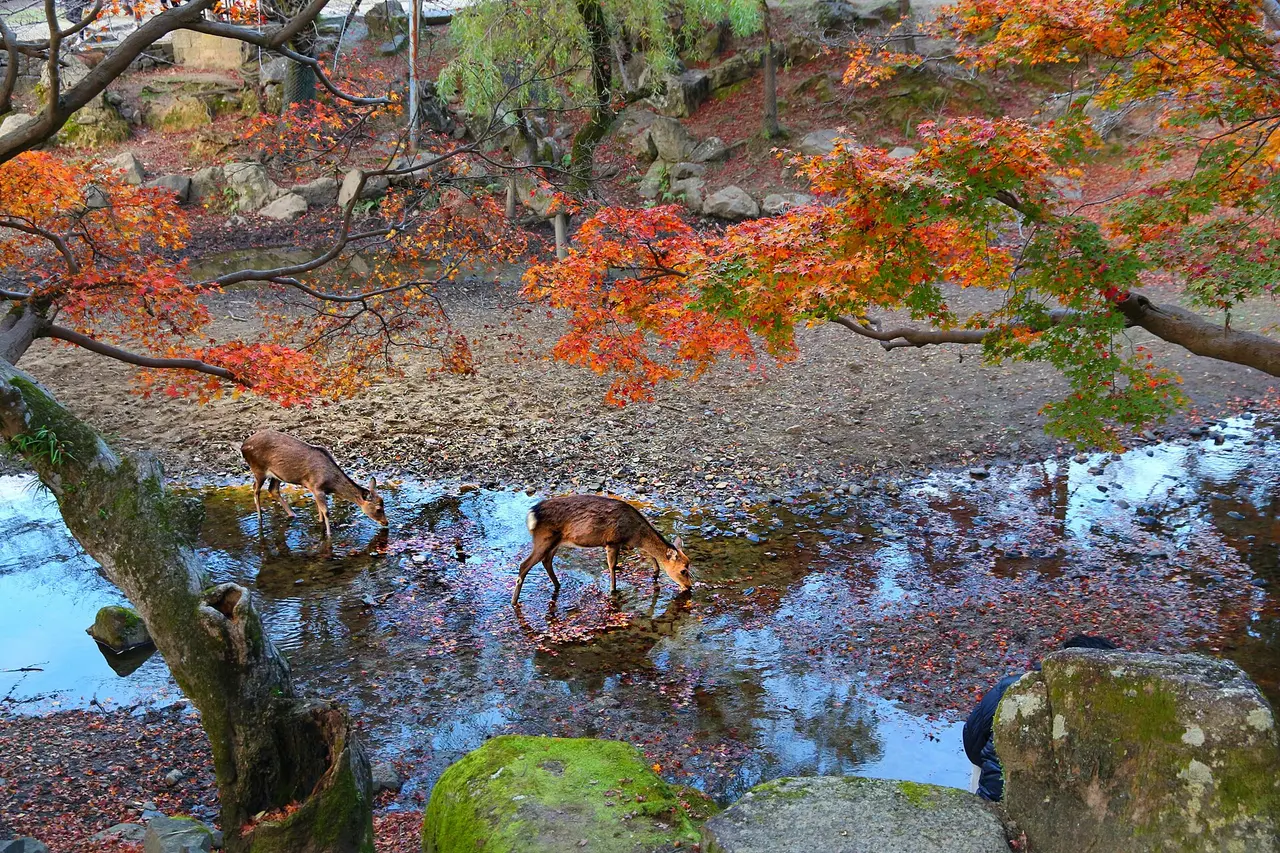
More than a thousand free-roaming deer wander around the temples. They remain wild animals: keep your distance, as visitors get hurt every year.

Fushimi Inari Taisha

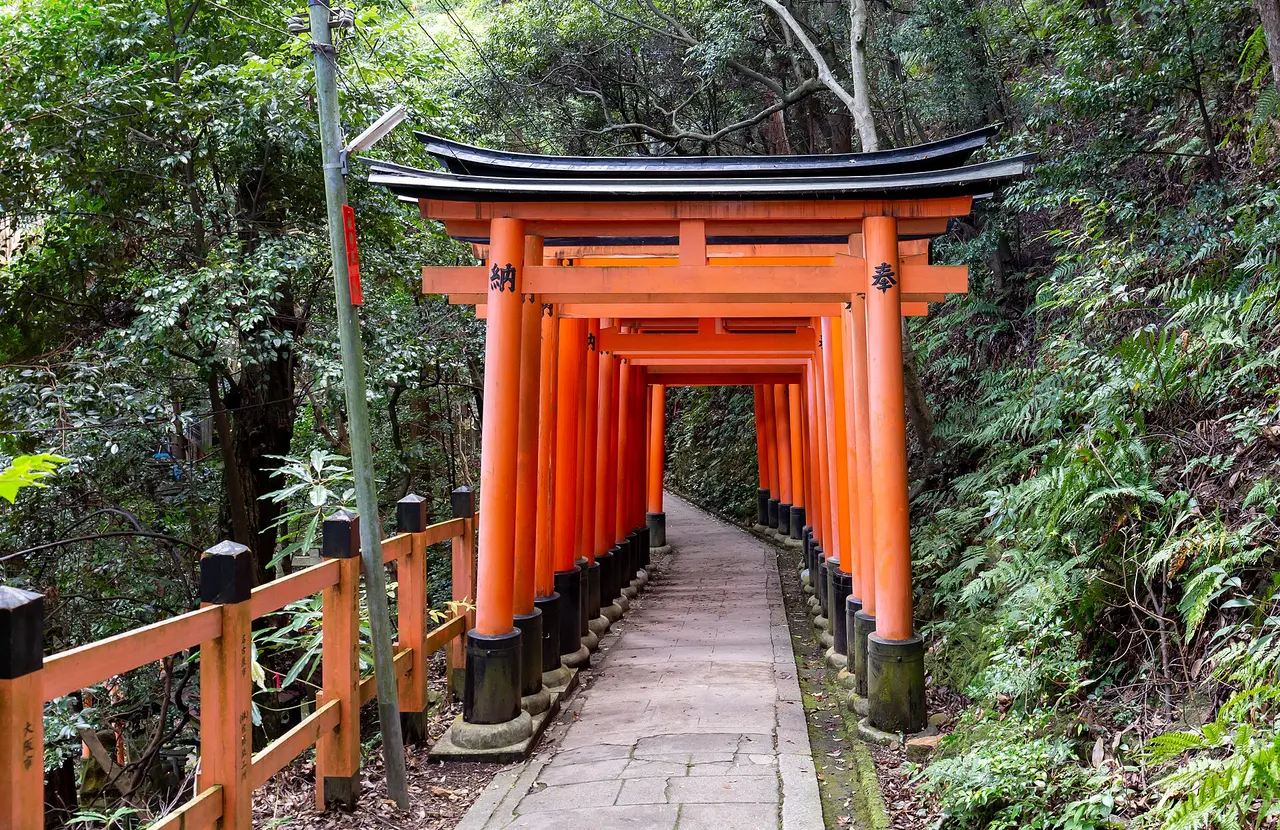
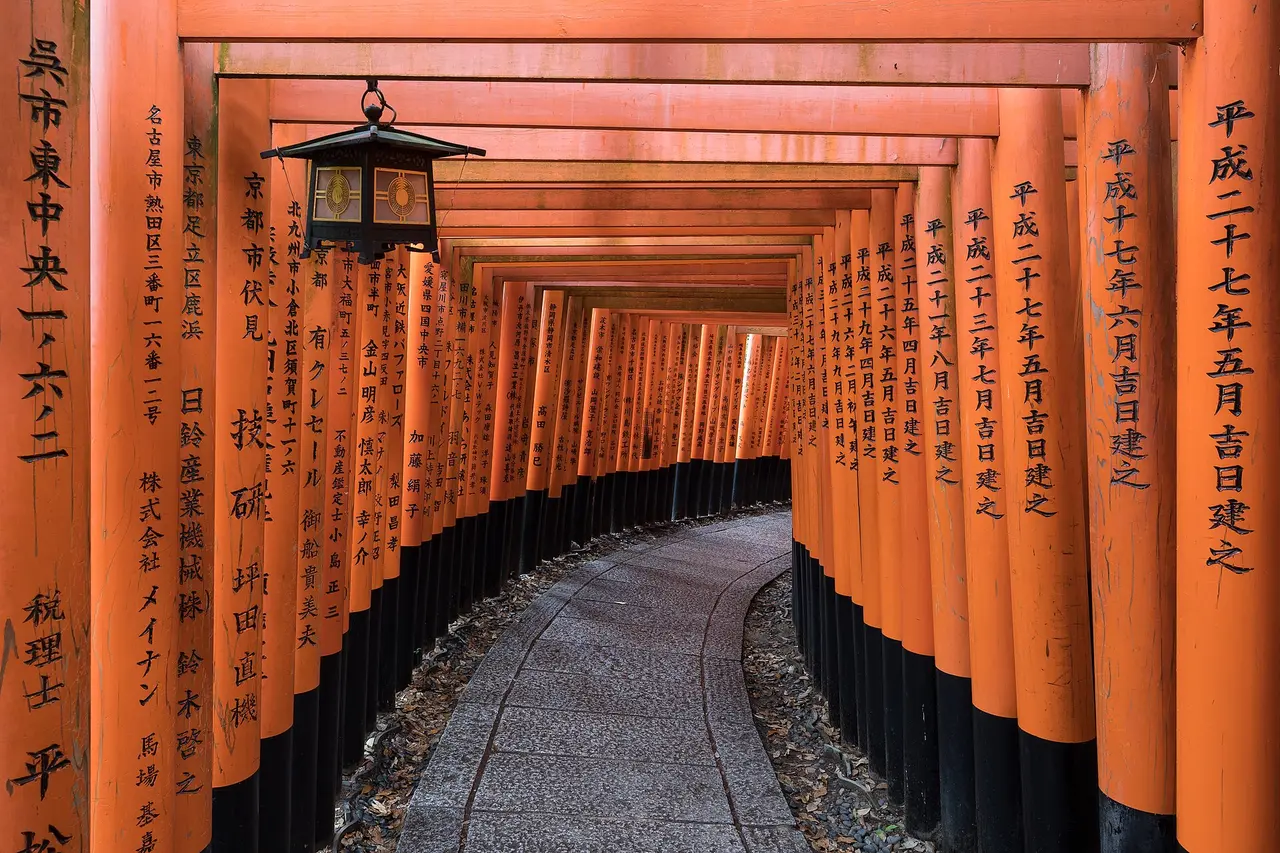
South of Kyoto, this free, always-open shrine lines a mountain with vermilion torii gates: allow 2 to 3 hours for the walk to the summit.

Himeji Castle

Nicknamed the White Heron, this castle completed in 1609 has more than 80 buildings and has never been destroyed by war, earthquake or fire.

Okunoin Cemetery

At Koyasan, the mausoleum of Kobo Daishi stands at the end of an avenue of tombs beneath giant cedars, especially beautiful at dusk.

Kumano Hongu Taisha

This grand shrine of the Kii Peninsula pairs well with the giant Oyunohara torii, 33.9 m high, standing in the middle of the rice fields.

Nachi Falls

Described as the highest single-drop waterfall in Japan, it comes into view after the Daimonzaka climb, about 600 m long through the cedars.

Ise Shrines

The Geku and Naiku, rebuilt every 20 years, are free to enter and lie deep in the forest, 15 minutes apart by bus.

Arima Onsen

A hot spring town of over a thousand years in the hills of Kobe, known for its iron-rich gold water and its clear silver water.

Dotonbori District

Along the Osaka canal, giant neon signs and takoyaki and okonomiyaki stalls make the best starting point for a first evening in the city.

Practical information for Kansai

From Kansai Airport
Nankai Rapi:t to Namba in 35 to 40 minutes, Nankai express in 45 to 50 minutes, JR Haruka to Kyoto in about 70 minutes.
Japan Rail Pass
Valid on JR lines, but not on the Kintetsu network or for reaching Koyasan, which is served by Nankai.
Kyoto accommodation tax
From 200 to 10,000 yen per person per night depending on the room price, on top of the listed rate.
Osaka accommodation tax
From 0 to 500 yen per person per night depending on the room price.
Gion's private lanes
Closed to tourists and signposted in Kyoto: stay on public streets such as Hanamikoji.
Temple stays at Koyasan
Around fifty temples offer lodging. Book ahead, especially in high season.
Kumano buses
Few departures a day and no direct link between Hongu and Nachi: check the Tanabe tourism bureau timetables before setting off.
Earthquakes and typhoons
Earthquakes are frequent across Japan and typhoons run from May to October: follow local authority instructions.
Emergencies
110 for police, 119 for fire and ambulance.
Visitor assistance
Japan Visitor Hotline from the Japan National Tourism Organization, open 24 hours a day in English on 050-3816-2787.

Frequently asked questions about Kansai

Should I stay in Osaka or Kyoto to visit Kansai?
For three or four days on a tight budget, Osaka: hotels are generally cheaper and its main station reaches everywhere. For a trip focused on temples, Kyoto is more practical, especially for getting to Fushimi Inari or Higashiyama early.
Can you do Nara as a day trip from Osaka or Kyoto?
Yes, and most visitors do. The train takes about 45 minutes from Osaka Station, and the same from Kyoto on the JR Miyakoji Rapid. Leave in the morning: Todai-ji and the park easily fill a whole day on foot.
How long does it take to reach Himeji from Kyoto or Osaka?
The JR special rapid takes about 90 minutes from Kyoto and 60 minutes from Osaka, with departures roughly every 15 minutes. The shinkansen cuts the trip to 45 and 30 minutes, but it costs much more.
Is Koyasan a day trip or worth a night?
Getting there from Osaka takes about 2 hours, which leaves little time on a day trip. A night in a temple really changes the experience: you can walk through Okunoin cemetery at dusk, once the day visitors have gone.
Is the Japan Rail Pass useful for a trip limited to Kansai?
Rarely. It covers neither Kintetsu nor the Nankai line to Koyasan, and local journeys are cheap: Osaka to Kyoto costs under 600 yen. Compare it with regional passes instead, such as the Kansai Railway Pass Lite with its non-consecutive days.
Can you walk the Kumano Kodo without being an experienced hiker?
Yes, on short sections. From Hosshinmon-oji, the bus drops walkers on the Nakahechi, which leads down to Kumano Hongu Taisha. For Nachi Falls, the Daimonzaka climb is about 600 m long. Just check the bus timetables, as departures are few.
How many days should I add for Kansai after Tokyo?
Allow four or five days for Kyoto, Nara, Osaka and Himeji after a stay in Kanto. A week lets you add Koyasan or the Kii Peninsula. With under three days, stick to two cities so you do not spend all your time on trains.
How do I get to Kyoto from Kansai Airport?
The direct JR Haruka train takes about 70 minutes, and a limousine bus about 100 minutes. Foreign tourists can get a reduced fare with the Haruka one-way ticket. Both options avoid any change with luggage.
Is the Ise shrine part of Kansai?
It depends on the definition: Mie Prefecture is often grouped with Kansai, sometimes with Chubu. For travellers it hardly matters. Ise is reached directly by Kintetsu train from Kyoto in 2 hours to 2 h 45 and fits well into a Kii Peninsula circuit.

Plan your trip to Kansai

Day-by-day itinerary, budget, bookings and packing in a single app.
Aperçu de l'application PlanTripNow