Visiting Lombardy: when to go, budget and itinerary

Lombardy is not just Milan. Around Italy's economic capital stretch the Po plain, two of the country's largest lakes, the Valtellina Alps and a string of art towns, from Bergamo to Mantua. People come for design, art and the lakes. Allow three to seven days.

Why visit Lombardy?

Lombardy holds five UNESCO-listed sites, including Leonardo da Vinci's Last Supper, the fortified towns of Bergamo and the Valcamonica rock carvings. It is Italy's wealthiest region, host to Fashion Week and the Salone del Mobile, but also the region of Lakes Como and Garda, an hour from Milan by train.

What to discover in Lombardy?

Milan: fashion, design and art

Milan can be seen in two or three days. The white marble cathedral with its accessible roof, the Galleria Vittorio Emanuele II, the Sforza Castle and the Brera gallery form the core. Leonardo da Vinci's Last Supper, in the refectory of Santa Maria delle Grazie, must be booked weeks ahead for a 15-minute slot. In the evening, aperitivo on the Navigli and a wander through the design districts of Porta Nuova and the Fondazione Prada, a converted distillery.
Bergamo and the art towns

An hour from Milan, Bergamo sets its modern lower town against its perched Citta Alta, ringed by UNESCO-listed Venetian walls and reached by a funicular from the Piazza Vecchia. Further afield, Brescia and its Roman ruins and the Mille Miglia museum, Mantua encircled by three artificial lakes with Mantegna's Bridal Chamber and the Palazzo Te, and Cremona, home of Stradivari and violin making, each deserve a full day. These towns stay little visited by foreign travellers and keep everyday prices.

Lakes Como, Garda and Iseo

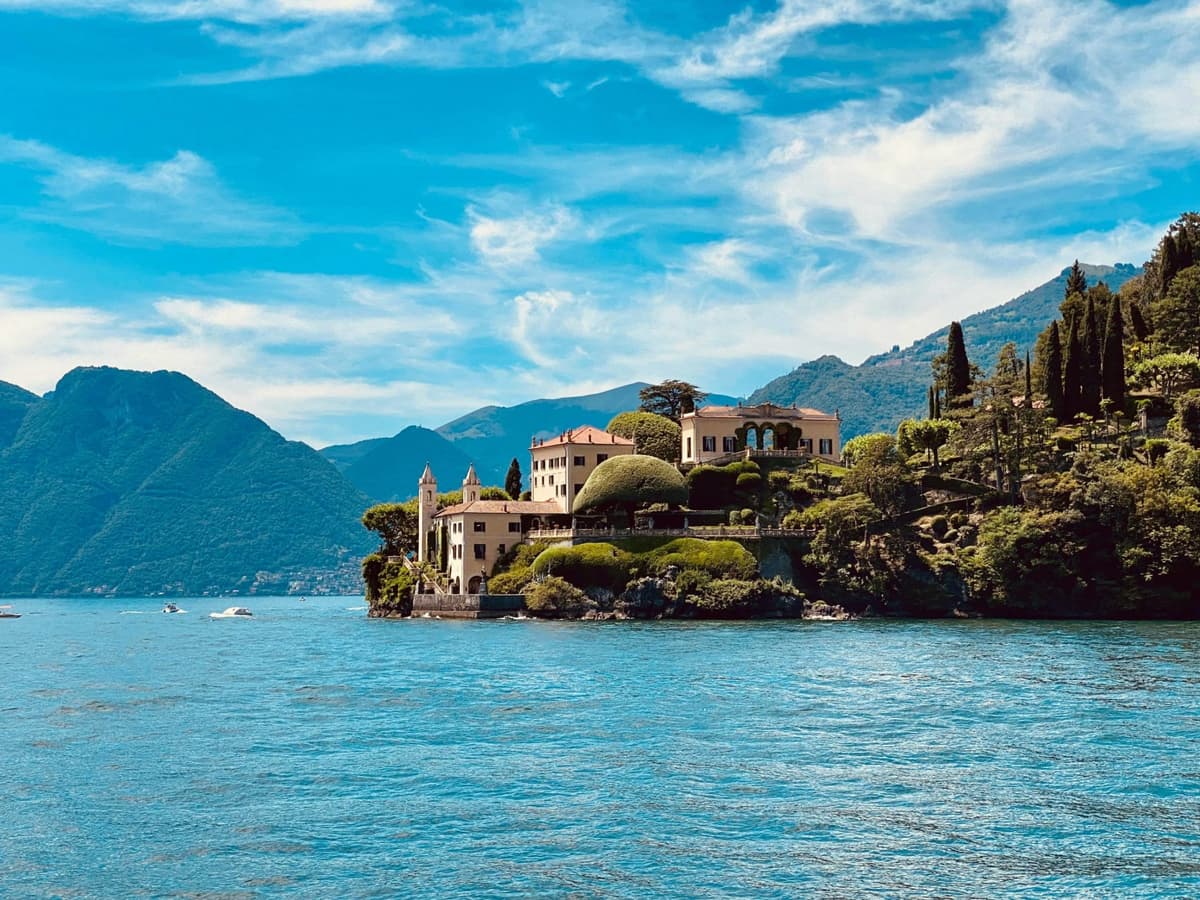
Lake Como begins 40 minutes from Milan by train: villas, botanical gardens and frequent ferries between Bellagio, Varenna and Menaggio, with the road best avoided. The south of Lake Garda, around Sirmione and its Scaliger fortified peninsula, is just as easy to reach and mild enough for olive groves. Between the two, the quieter Lake Iseo holds Monte Isola, Europe's largest lake island, car-free and criss-crossed by trails through vineyards and chestnut woods.

Franciacorta and Lombard food

Between Brescia and Lake Iseo, the Franciacorta hills produce Italy's best sparkling wine by the traditional method, tasted in a cellar in half a day. The Lombard table is rich and wintry: saffron risotto, slow-cooked osso buco, Bergamo casoncelli, panettone at Christmas. The Valtellina alpine cheeses, such as bitto and casera, go with polenta taragna and pizzoccheri, buckwheat pasta layered with butter, cabbage and cheese.

The Lombard Alps and the outdoors

To the north, the Valtellina climbs towards Bormio and its thermal baths, the Stelvio national park and its 2758-metre pass, open June to October. The Valcamonica lines up tens of thousands of listed prehistoric rock carvings. These valleys offer hiking in summer and skiing in winter, two hours' drive from Milan, and extend a city break with a few days in the mountains.

Cities to visit in Lombardy

Featured destinations appear first.
Coming soon.

Lombardy in pictures

What to see in Lombardy

From the most fragile fresco in the world to Venetian walls, the region's essentials.

Leonardo's Last Supper

Leonardo's fresco in the refectory of Santa Maria delle Grazie in Milan, a 15-minute visit to book weeks in advance.

Milan cathedral

A forest of white marble spires with a roof reachable on foot or by lift, for a view of the Alps on a clear day.

Bergamo Citta Alta

A medieval upper town ringed by UNESCO-listed Venetian walls, reached by funicular, around the Piazza Vecchia.

Bridal Chamber, Mantua

A room of the ducal palace painted entirely in trompe-l'oeil by Mantegna, with an oculus open onto a false sky.

Franciacorta

Wine hills between Brescia and Lake Iseo, home of Italy's best sparkling wine, with cellars open for visits.

Monte Isola

Europe's largest lake island, on Lake Iseo, car-free, criss-crossed by trails and fishing villages.

Valcamonica carvings

Tens of thousands of prehistoric petroglyphs in an alpine valley, the first Italian site inscribed by UNESCO.

Similar regions

Other regions you might like as much as Lombardy.

Similar destinations

Other countries you might like as much as Lombardy.

Frequently asked questions about Lombardy

How many days do you need for Lombardy?
Three days for Milan alone. Five days let you add Bergamo and a base on Lake Como. Seven days open the whole region: Milan, the lakes, Franciacorta and an art town such as Mantua, with a car for the second half.
How do you book Leonardo's Last Supper in Milan?
Online on the official site, the moment booking opens, often two to three months ahead. The 15-minute slots go within hours. Failing that, some guided tours include entry with a surcharge.
Do you need a car to visit Lombardy?
Not for Milan, Bergamo and Lake Como, all linked by train. A car becomes useful to chain Franciacorta, Lake Garda, Mantua and the hinterland, or to head up into the Valtellina Alps.
When should you avoid Milan?
During Fashion Week (February and September) and the Salone del Mobile (April): hotels double or triple their prices for 300 kilometres around and sell out. In August the city is dead but rates are at their lowest.
Can Lake Como be visited in a day from Milan?
Yes: 40 minutes by train to Como town, the Brunate funicular and a ferry to Bellagio and Villa Carlotta. But a night on the lake, in Varenna for instance, changes everything once the day-trippers leave.
When is the best time for a city break in Milan?
May and September for the weather, 24 degrees and open terraces, avoiding the trade-fair weeks. December has its charm too, with the big Oh Bej Oh Bej market around the Castello and La Scala's season opening on the 7th.
Mantua or Bergamo, which to choose from Milan?
Bergamo for an easy half-day by train, with its fortified upper town. Mantua for a full day, further off but rewarded by the ducal palace, Mantegna's Bridal Chamber and the Palazzo Te on the edge of town.

Plan your trip to Lombardy

Day-by-day itinerary, budget, bookings and packing in a single app.
Aperçu de l'application PlanTripNow