Skip to content

Visit Madeira: levadas, peaks and itineraries

Here the road leaves Funchal's sunshine and climbs through the clouds in under an hour. Madeira is best explored on foot, along channels cut into the rock and over volcanic ridges, before ending the day facing the Atlantic with a glass of poncha in hand.
  • 1 city

At a glance

Currency
Euro (€)
Time difference
UTC+0
Visa
None
7-day budget
€1,022
Per person, comfort profile, excluding international flights.

Why choose Madeira over a beach island?

Madeira, an autonomous region of Portugal, is a walking destination before it is a beach one: the main island offers cliffs, levadas and a UNESCO-listed laurel forest. The sand is on neighbouring Porto Santo. Funchal reaches 20 °C on January afternoons and 27 °C in August.

When to visit Madeira

Temperatures, rainfall and crowds month by month, to pick your window.
When to visit Madeira
MonthTemperaturesRainCrowdsVerdict
January14 to 20 °C6 dModerateJanuary stays mild in Funchal at 20 °C, though rain often soaks the northern trails.
February14 to 20 °C6 dModerateCarnival livens up Funchal in the coolest month, ideal for a city break rather than swimming.
March14 to 21 °C6 dModerateA good compromise for walkers: less rain than winter, and PR trails still easy to book.
April15 to 21 °C5 dBusyEaster pushes prices up, so book PR1 slots and your rental car early.
May16 to 22 °C3 dBusyOur favourite month: Funchal's Flower Festival, just three rainy days and levadas in full bloom.
June18 to 24 °C1 dModerateJune is dry, but cloud often sits over the south, so head west or to the peaks.
July20 to 25 °C0 dBusyAlmost no rain in Funchal and a 22 °C sea: Porto Santo really comes into its own.
August21 to 27 °C0 dPackedPeak crowds and prices: forest fires banned, hiking slots gone weeks ahead.
September20 to 27 °C3 dBusyThe sea reaches 24 °C, the Wine Festival is in full swing and the island breathes after August.
October19 to 25 °C7 dModerateStill 25 °C with a warm sea, but the first heavy rain spells return.
November17 to 23 °C7 dQuietThe cheapest month: lowest crowds, provided you accept the odd closed trail.
December16 to 21 °C9 dBusyThe wettest month, yet the New Year's Eve fireworks send Funchal rates soaring.
Source: Normales 1991-2020 IPMA, station Funchal (58 m, côte sud), températures et jours de pluie P ≥ 1 mm, recoupées avec les relevés cités par madeira.best. Température de la mer : weather2travel recoupé avec seatemperature.info. Le nord et les hauteurs sont nettement plus frais et plus arrosés. Relevé octobre 2026.

What is there to discover in Madeira?

Funchal and the southern bay

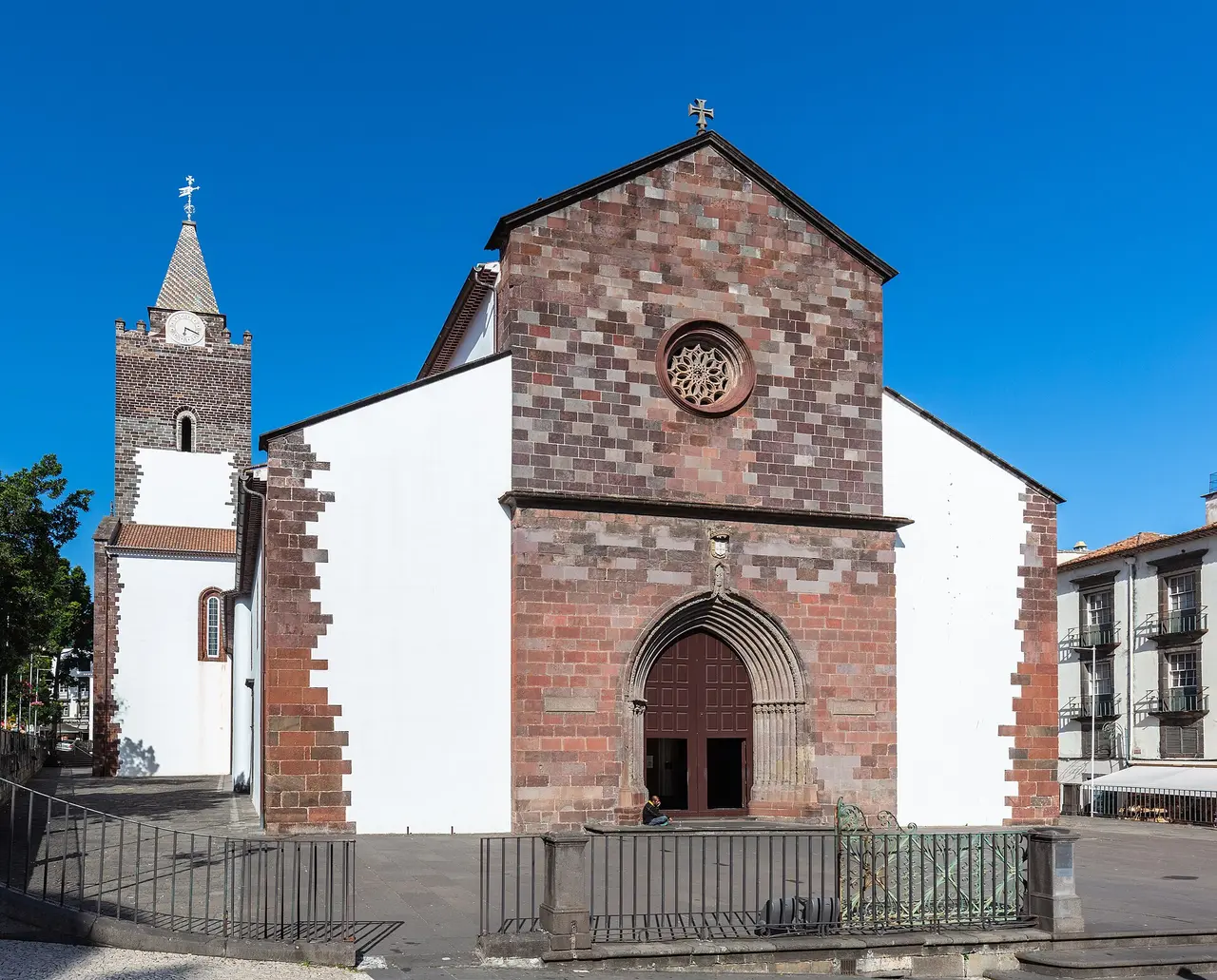
The south coast holds most of the hotels, the restaurants and the island's best sunshine, which makes it the logical base for a first stay. Funchal takes one or two days, between the market, the Zona Velha and the heights of Monte, reached by cable car. To the west, the small harbour of Câmara de Lobos deserves a late afternoon. Without a car, a city bus ticket costs about €2 and the centre is walkable, though the streets climb hard. For New Year's Eve, book several months ahead: December rates are the highest of the winter.

The central massif, above the clouds

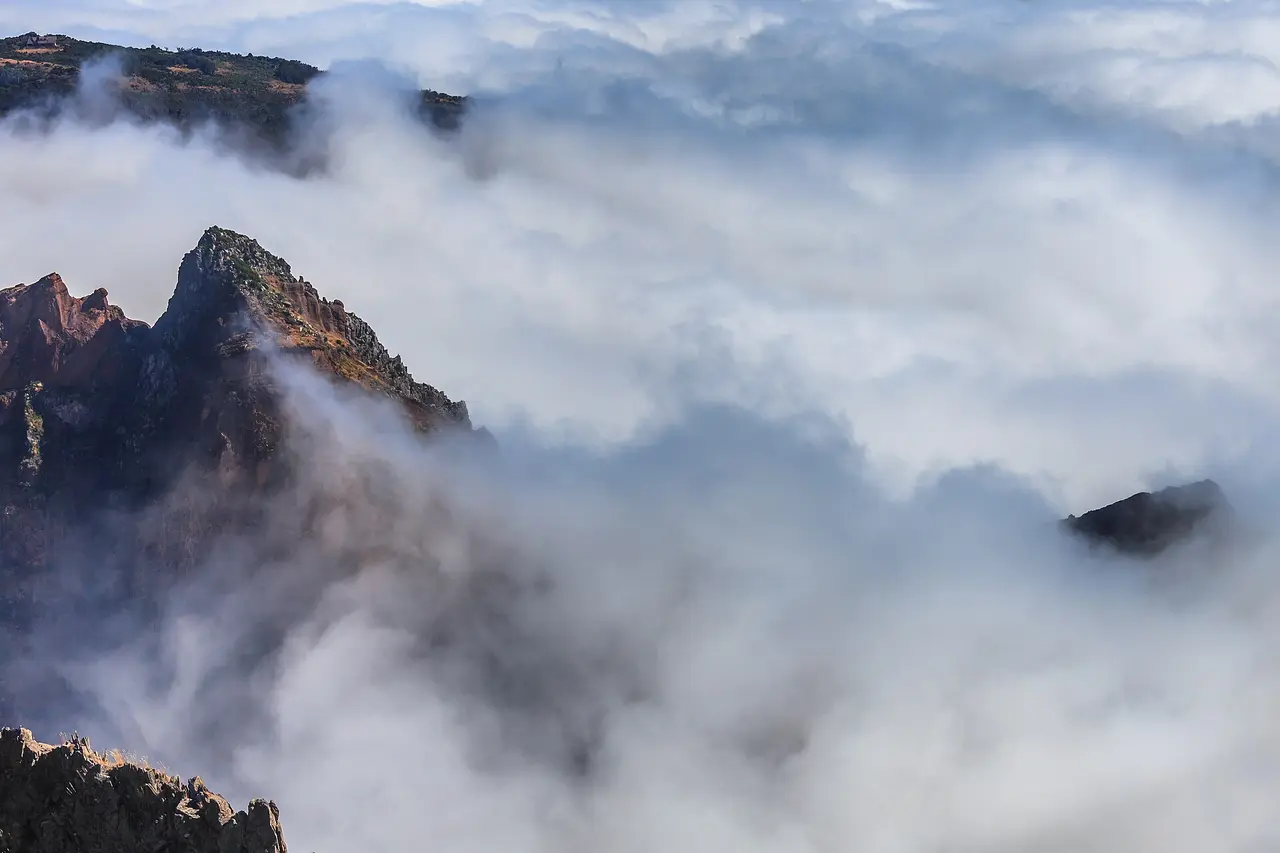
The heart of the island rises above 1,800 m, and the temperature drops sharply compared with the coast. Pico do Arieiro can be reached by car from Funchal; you just need an early start to watch the sun rise over the sea of clouds. The crossing to Pico Ruivo, the PR1 trail, fully reopened in 2026 and costs €10.50 for non-residents. Bring a jacket, even in August, and a torch for the tunnels. Allow a full day and turn back if the wind picks up: the ridges are narrow and very exposed.

The north coast, from Santana to Porto Moniz

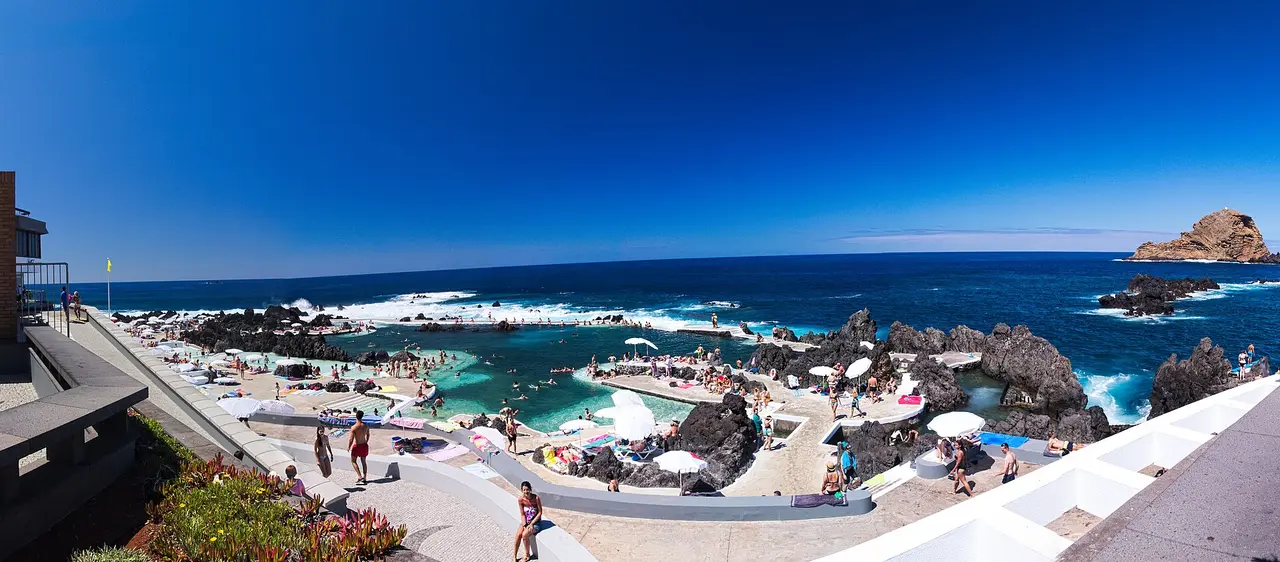
The north is greener, cooler and far wetter than the south. Santana, 41 minutes from Funchal by car against 1 h 25 by bus, keeps its thatched triangular houses. Further west, Seixal and São Vicente lead to Porto Moniz, about fifty kilometres from the capital, where lava basins fill with seawater. The expressway and its tunnels shorten everything, but the bus takes 3 h 20 to Porto Moniz: this area works best by car, ideally with a night there to avoid a same-day return trip from the south.

The west, from Calheta to Paul do Mar

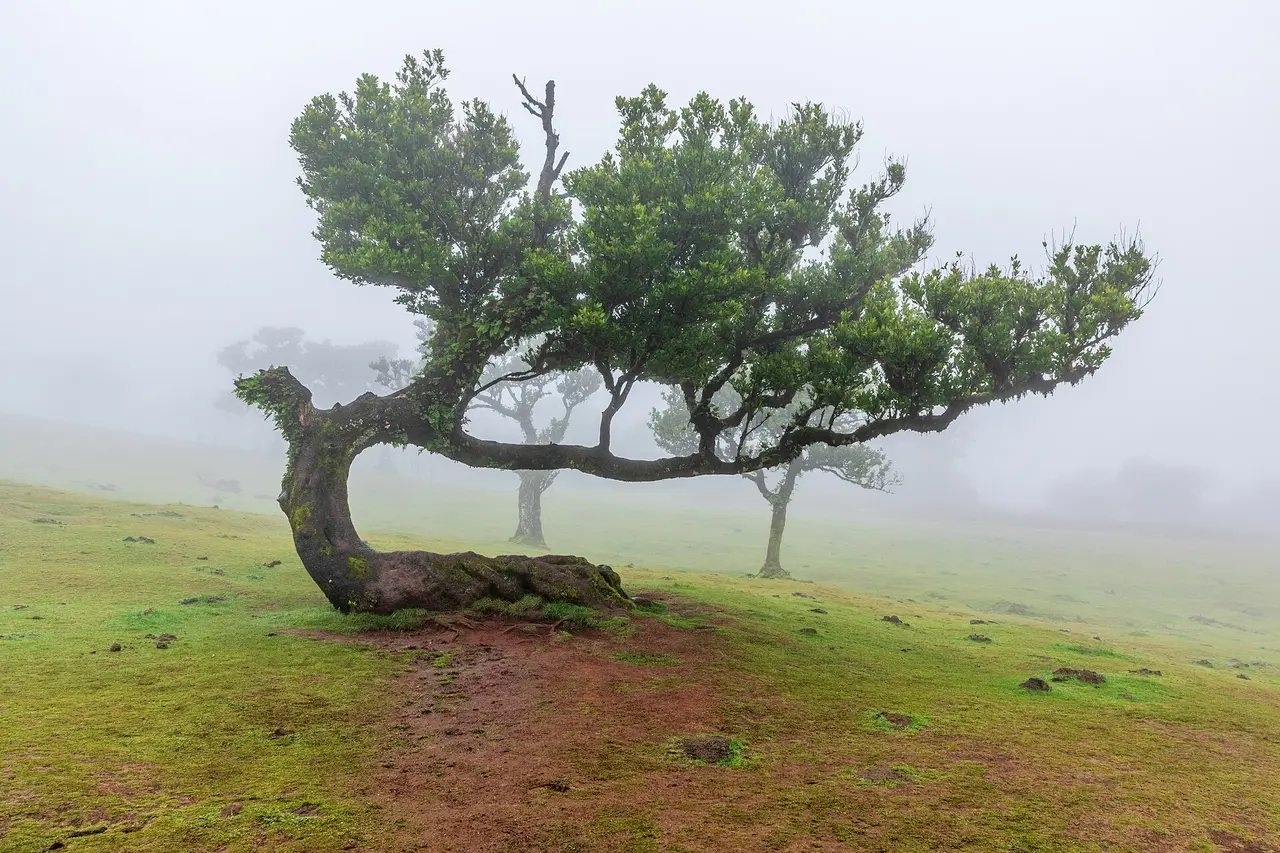
The south-west gets plenty of sunshine and makes a good alternative to Funchal for three or four nights. Calheta, about 30 minutes from the capital on the expressway, has a sheltered man-made beach of pale sand. It is also the closest base for the Paul da Serra plateau, Rabaçal and Fanal forest, where old laurels vanish into the morning mist. The direct bus takes 2 h 20 from Funchal, so a car remains the better choice. Hire it at the airport rather than in town, especially off season, when rates start at around €30 a day.

Walking the levadas: the new rules

Since 1 January 2026, official PR trails must be booked on the SIMplifica portal, with a 30-minute entry slot. Non-residents pay €4.50 per trail, €9 a day for several routes, or €52.50 for seven days, and the portal applies the lowest rate automatically. A paid ticket is refunded only if the authorities close the trail, so check the forecast before choosing your dates. Levadas outside the PR list remain free. France Diplomatie strongly advises a qualified local guide on steep sections and reminds walkers never to hike alone.

Porto Santo, the island next door

Two and a half hours by ferry or 25 minutes by air from Funchal, Porto Santo is dry and flat where Madeira is green and steep. Its main asset is a long golden beach of about 9 km on the south coast. Two nights are enough. The Lobo Marinho ferry sails less often outside summer and can be cancelled in bad weather: check the timetable with the operator, Porto Santo Line. In summer the sea reaches 22 to 24 °C. If sand is what draws you, also compare with the beaches of the Algarve, which are simpler to reach.

At the table and in the glass

Madeiran cooking relies on the sea and the wood fire: espada, the black scabbardfish often served with banana, espetada beef grilled on a laurel skewer, warm bolo do caco with garlic butter. A simple meal costs about €13.50 in Funchal and dinner for two at a decent restaurant around €57. Poncha, made with sugar cane spirit, honey and lemon, belongs in Câmara de Lobos, Madeira wine in the Funchal lodges. In late August and early September, the Wine Festival livens up the capital and the wine-growing villages.

Cities to visit in Madeira

Featured destinations appear first.

How much it costs

Per person per day, excluding international travel.
Budget
56 €/ day
1 204 € for 2 people, 7 days, return flights included
Accommodation
25 €
Food
20 €
Local transport
5 €
Sights and activities
6 €
Comfort
146 €/ day
2 464 € for 2 people, 7 days, return flights included
Accommodation
60 €
Food
42 €
Local transport
22 €
Sights and activities
22 €
Premium
295 €/ day
4 550 € for 2 people, 7 days, return flights included
Accommodation
110 €
Food
75 €
Local transport
45 €
Sights and activities
65 €
Prices checked: Relevé 30 octobre 2026, hors haute saison (Pâques, août, fin d'année). Sources : Numbeo Funchal mis à jour le 28/10/2026, 26 contributeurs (repas 13,50 EUR, repas pour deux 57,50 EUR, ticket 2 EUR, essence 1,87 EUR/L) ; DREM via DN Madeira (prix moyen hôtelier par chambre occupée 118,73 EUR début 2026) ; IFCN/SIMplifica pour les sentiers (4,50 EUR, PR1 complet 10,50 EUR). Sources non officielles à recouper : travelwithhello 2026 (lit en dortoir 15-25 EUR, location dès 30 EUR/jour), gotripzi non daté (dortoir 29 EUR, 4 étoiles 216 EUR), machupicchu.org 2026 (location 45-75 EUR/jour), Yellow Bus Tours non daté (baleines 40 EUR). Vol A/R Paris-Funchal 210 EUR/personne hors vacances scolaires : moyenne liligo 208 EUR sur 3 mois, recoupée TAP dès 177 EUR en janvier 2027. Hébergement par personne : chambre double partagée à deux (lit en dortoir pour backpacker). Taxe touristique de Funchal 2 EUR/nuit comprise dans l'hébergement ; un passage à 4 EUR est visé pour janvier après consultation publique, non encore en vigueur.

Entry, health and safety

For FR travellers

Entry requirements

No visa for a tourist stay

Madère fait partie du Portugal, membre de l'Union européenne. Les Français, mineurs inclus, y entrent librement avec un passeport ou une carte nationale d'identité en cours de validité. L'acte de naissance et le livret de famille ne sont pas des documents de voyage.

Health

Advised: Être à jour du calendrier vaccinal français, en particulier diphtérie, tétanos, poliomyélite, coqueluche et rougeole.

Portugal entièrement en vigilance normale (carte du 11/03/2026). Demander la carte européenne d'assurance maladie au moins 15 jours avant le départ. France Diplomatie appelle à la prudence sur les sentiers de falaise et levadas escarpées de Madère et conseille vivement un guide local qualifié. Feux interdits en zone forestière du 1er juin au 30 septembre.

Safety

Normal precautions

Emergency

112

Checked in octobre 2026 against the official source. Entry rules change: check the official source before you travel, it alone is authoritative.

Madeira in pictures

Photo credits : Luis Miguel Bugallo Sánchez (Lmbuga), CC BY-SA 4.0, Wikimedia Commons ; Jon Kolbert, CC BY 4.0, Wikimedia Commons ; Dietmar Rabich, CC BY-SA 4.0, Wikimedia Commons ; Xosema, CC BY-SA 4.0, Wikimedia Commons ; Ximonic (Simo Räsänen), CC BY-SA 4.0, Wikimedia Commons ; Asurnipal, CC BY-SA 4.0, Wikimedia Commons

Six places not to miss

Cliffs, lava pools and a very old forest: the island cannot be summed up in a single image.

Pico do Arieiro

The island's third-highest peak at 1,818 m, reachable by car, it offers a spectacular sunrise above the clouds when the sky is clear.

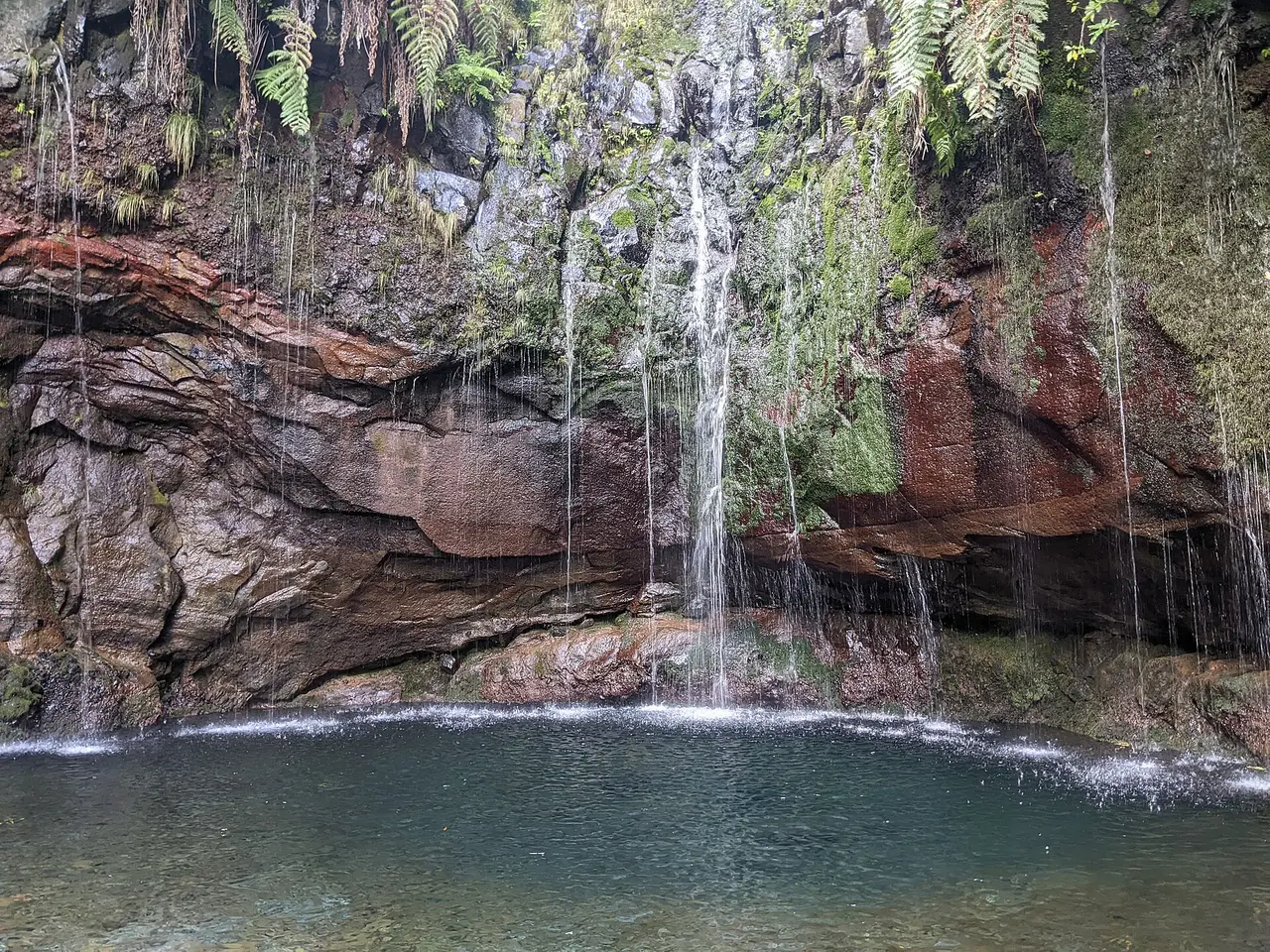
Laurel forest

The UNESCO-listed Laurissilva covers the northern slopes: crossing it on a levada remains the finest way to feel how damp this forest really is.

Cabo Girão

Its glass platform stands about 580 m above the ocean; entry costs €5 from age 13 for non-residents, under the official regional tariff.

Porto Moniz pools

These natural pools carved into the lava fill with each wave; avoid them in heavy swell and prefer weekday mornings for more room.

Ponta de São Lourenço

This arid peninsula at the far east contrasts with the rest of the island: the bookable PR8 trail follows ochre cliffs with no shade.

Monte cable car

It links Funchal's seafront with the heights of Monte, from where you ride back down in a wicker toboggan pushed by the carreiros.

Practical information for Madeira

Trail booking
Required on simplifica.madeira.gov.pt for PR trails, 30-minute slot
Non-resident trail fee
€4.50 per trail, €10.50 for the full PR1
Funchal tourist tax
€2 per night, check the Funchal city council website
Fuel
About €1.87 per litre (Numbeo, October 2026)
Intercity buses
Slow: 1 h 25 to Santana, 3 h 20 to Porto Moniz
Ferry to Porto Santo
Lobo Marinho, 2 h 30, timetable from Porto Santo Line
Swimming
Red or yellow flag: fines of up to €250 possible
Forest fires
Banned from 1 June to 30 September, fines of up to €300
Emergencies
112 (police, fire, ambulance)
Currency
Euro
Papers for French nationals
Valid ID card or passport

Frequently asked questions about Madeira

Do you really have to pay and book to walk Madeira's levadas?
Yes for PR-classified trails: booking on SIMplifica is mandatory and non-residents have paid €4.50 per trail since 2026. Unclassified levadas remain free and open. Children under 12 do not pay but must still be registered on the portal.
Is the PR1 between Pico do Arieiro and Pico Ruivo open?
It fully reopened in 2026, at €10.50 for the complete crossing and €4.50 for the section as far as Pedra Rija. Its status can change with weather or rockfall, so check it on SIMplifica before you set off.
Can you visit Madeira without renting a car?
Yes if you stay around Funchal, using buses and a few day tours. The north and west are less practical: 3 h 20 by bus to Porto Moniz against 48 minutes by car according to Rome2Rio. Rental starts at around €30 a day.
Where can you swim in Madeira if the island has hardly any beaches?
The Porto Moniz lava pools, Calheta's man-made beach and the sea access points in Funchal are the options on the main island. For a proper long beach you need to go to Porto Santo, 2 h 30 by ferry or 25 minutes by air.
Is Porto Santo worth the detour on a week in Madeira?
Yes if you want sand, especially from July to September when the sea reaches 22 to 24 °C. Off season, crossings are less frequent: check the timetable with Porto Santo Line, or spend those two days on the north coast instead.
Is Madeira warm enough for a January trip?
In Funchal, yes for walking around: IPMA normals give 20 °C in the afternoon and 14 °C at night, with six rainy days. The sea stays near 18 °C. The heights are much colder and the northern trails are often waterlogged.
When can you see Funchal's Flower Festival?
It takes place in May, generally after Easter, and fills the capital's hotels quickly. May is also one of the best months for hiking, with just three rainy days in Funchal. Book accommodation and trail slots as soon as the dates are announced.
How much does a week in Madeira cost for two from Paris?
Allow about €1,200 for two on a tight budget, €2,450 in comfort and €4,500 at the top end, flights included at around €210 each outside school holidays. These amounts rise at Easter, in August and over New Year.
Can Madeira be combined with the Azores on one trip?
Madeira is a separate archipelago, about a thousand kilometres from Lisbon. Combining it with the Azores means a flight and significant travel time: allow at least two weeks, or pick one archipelago for a more relaxed, better balanced trip.

Plan your trip to Madeira

Day-by-day itinerary, budget, bookings and packing in a single app.
Aperçu de l'application PlanTripNow