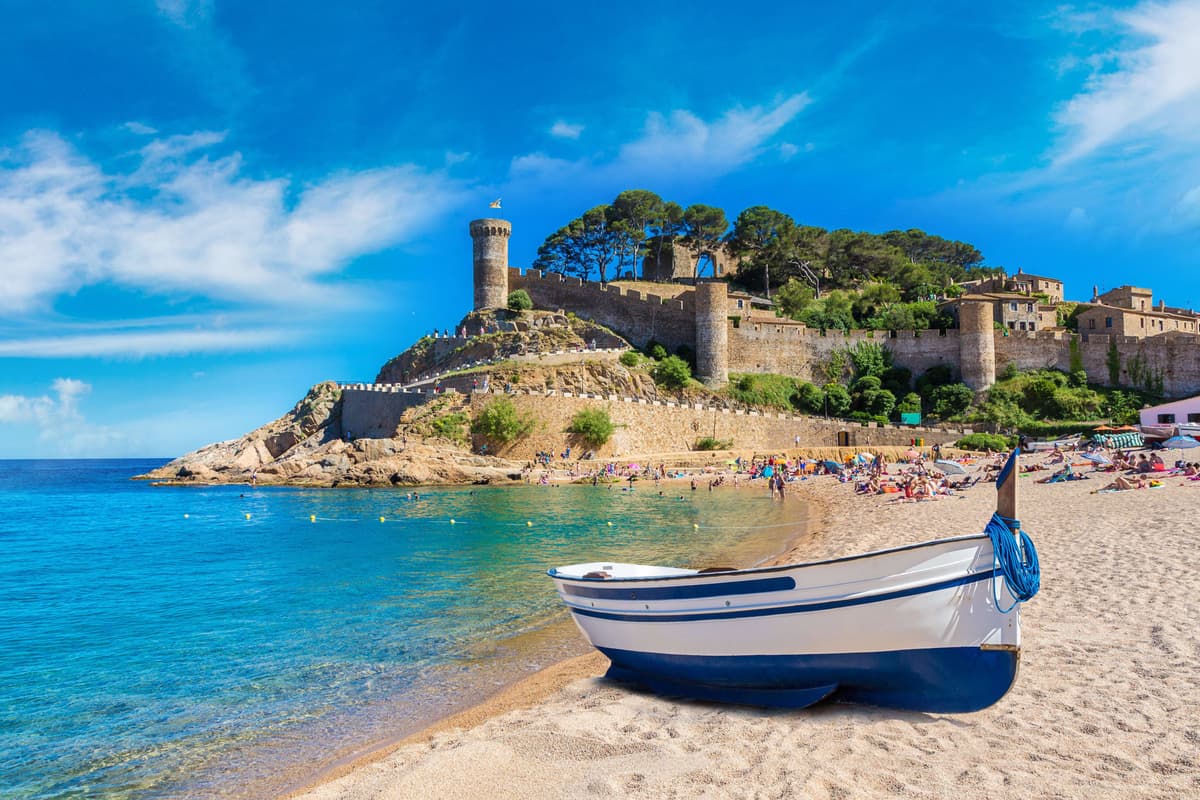
The most photogenic stretch of the coast. Lagos combines a walled old town, the ochre cliffs of Ponta da Piedade, followed by a 30-minute path, and beaches below such as Dona Ana or Camilo, reached by long staircases. Further west, Sagres changes the mood: a windy headland, a fortress, the Cape St Vincent lighthouse at sunset, and the start of the Costa Vicentina, which runs up towards the
Alentejo. The water here is colder, the swell stronger, the resorts fewer; Aljezur and Odeceixe, already on the Atlantic side, are worth the detour for their surf beaches. Allow two to three days for the west, and a car to link the coves.
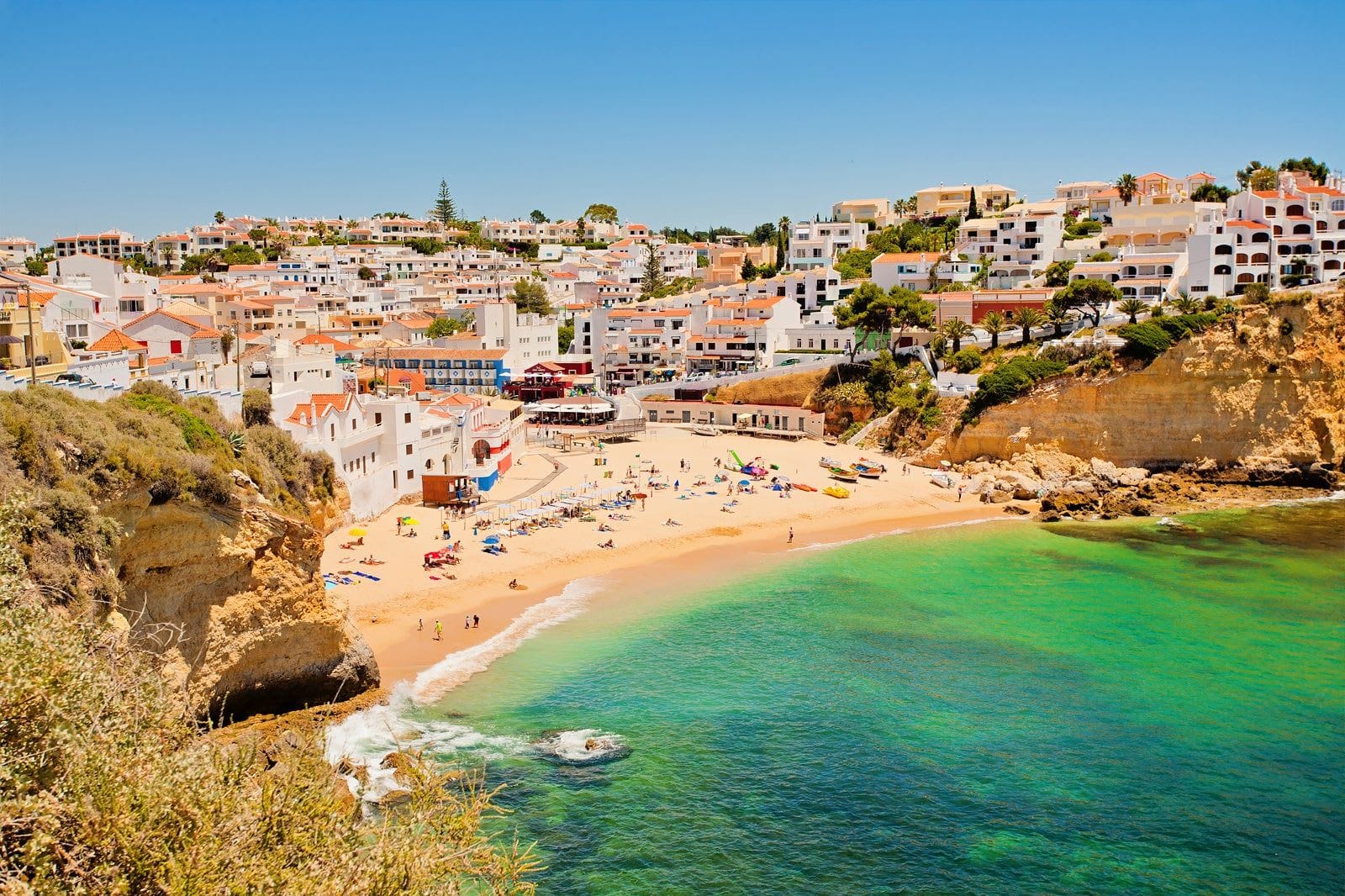
Between Portimao and Albufeira the coast is hollowed with caves, arches and small beaches boxed into the sandstone. The Benagil cave, with its skylight open to the sky, has become the image of the Algarve: it can now only be visited by boat or guided kayak, swimming being banned. The Seven Hanging Valleys trail links Praia da Marinha to Vale Centeanes over 6 km, an easy but shadeless two and a half hours. Carvoeiro and Ferragudo, former fishing villages, make calmer bases than the big resorts. Portimao, further north, is home port to most of the excursion boats and keeps in Ferragudo, across the Arade, an old fishing quarter that many visitors miss. Spring and autumn are ideal here.
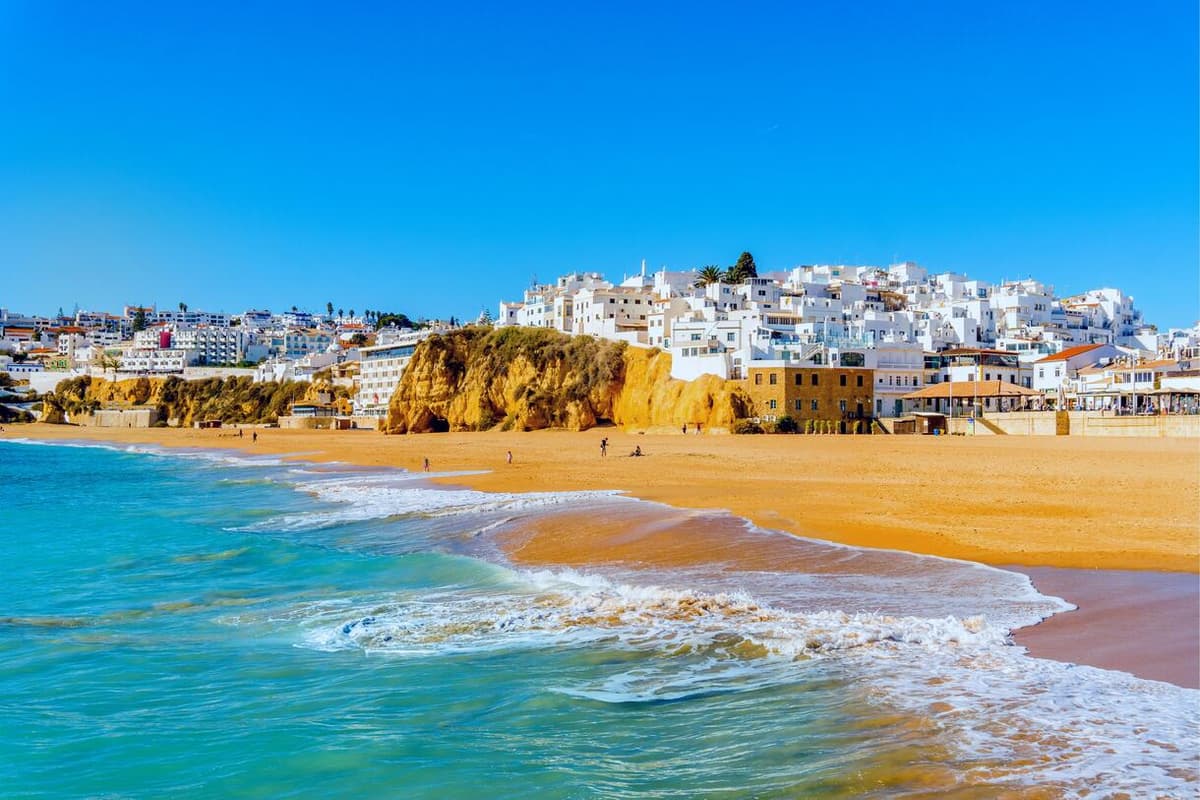
Albufeira, Vilamoura, Quarteira and Armacao de Pera form the heart of mass tourism: seafront blocks, marinas, nightlife and busy but well-equipped beaches such as Praia da Falesia, 6 km long at the foot of a red cliff. This is the handiest area for a car-free stay, the best served by buses and excursions, and the one with the widest range of lodging at all prices off season. In July and August rates double and beach car parks fill before 10am. From Albufeira, direct buses run to Faro, Lagos and the airport every half hour in season, enough to skip a car for a whole beach holiday.
From Faro on, the coast flattens and shelters behind the Ria Formosa, a belt of lagoons, salt pans and barrier islands protected as a nature park. Faro keeps a walled old town and a chapel of bones; boats leave from it for Ilha Deserta or Ilha do Farol, a quarter of an hour from the centre. Tavira, 30 minutes away by train, is the most graceful town in the region, with its so-called Roman bridge and pyramid-roofed churches. Olhao lives on fishing and a large covered morning market. The car-free inhabited islands of Armona and Culatra are reached by ferry. The whole east is easily done by train, with no rental car.
Ten minutes inland, the Algarve turns rural and empty. Silves, capital of the province under Moorish rule, keeps a red sandstone castle above the orange groves and the Arade river. The Monchique range, green and damp, peaks at Foia, 902 metres, with views of both coasts on a clear day; the village of Caldas de Monchique has used a thermal spring since Roman times. Villages such as Alte, Salir or Querenca line up ornate chimneys and cool springs. The road up from Silves to Monchique takes half a day, with a stop at the castle in the morning and a piri-piri grilled-chicken lunch on the way back.
The region is best walked from November to April, when temperatures stay mild and the cliffs fill with flowers. Two long routes cross it: the Via Algarviana, 300 km east to west through the interior, from Alcoutim to Cape St Vincent, in about a dozen stages; and the Fishermen's Trail of the Rota Vicentina, which follows the west-coast cliffs in stages of 10 to 20 km, often through sand. For day walks, the Seven Hanging Valleys trail and the loop around Sagres point are the most accessible. Carry water and a hat even in winter, as shade is rare along almost the whole coast.
Algarve cooking revolves around fish and shellfish: grilled sardines in summer, a seafood cataplana simmered in its copper dish, grilled octopus, and percebes, a barnacle harvested off the battered western rocks. Inland, it shifts to black pork, spring snails and piri-piri chicken. On the sweet side, the almond, fig and carob cakes inherited from the Moors are found in every pastry shop. On the coast, fish is often priced by weight: ask for the figure per kilo before ordering, and check the cost of the couvert served automatically.
The Algarve has around thirty golf courses, concentrated near Vilamoura, Albufeira and the lagoon, open all year; green fees drop clearly from November to February. The tourist season is sharply marked: from mid-June to mid-September, lodging and car rental can double or triple, and you need to book several months ahead. In low season the region does not close down like other beach destinations: part of the northern European clientele winters here, and many restaurants and hotels stay open, at some of the lowest prices in southern Europe. May, June, September and October offer the best trade-off: a sea still or already swimmable, reasonable rates, walkable cliff paths and caves reachable without the crush.