Skip to content

Portugal travel guide: when to go, budget and itineraries

Compact and varied, Portugal fits into one or two weeks. You move from the hills of Lisbon to the port lodges of Porto, from the Douro terraces to the Alentejo plains, then the Algarve cliffs. Mild climate, short distances and prices still reasonable by Western European standards.
  • 8 cities · 5 regions

At a glance

Currency
Euro (€)
Time difference
UTC+0
Visa
None
Tourist stay of up to 90 days
7-day budget
€770
Per person, comfort profile, excluding international flights.

Why visit Portugal?

Portugal packs a lively capital, a characterful second city in Porto, a listed wine region and 850 km of Atlantic coast into a small country. Journeys stay short, the weather is mild from April to October and the cost of living runs about 20% below France.

When to visit Portugal

Temperatures, rainfall and crowds month by month, to pick your window.
When to visit Portugal
MonthTemperaturesRainCrowdsVerdict
January9 to 15 °C10 dQuietThe quietest month: mild days near 15C but frequent rain and short daylight.
February9 to 16 °C8 dQuietStill calm and cheap; the Algarve almond blossom is out and rates stay low.
March11 to 19 °C8 dModerateLight returns and terraces fill up while prices have not moved yet.
April12 to 20 °C8 dModerateA great fit for hiking and cities, though Easter week pushes accommodation up.
May14 to 23 °C5 dBusyArguably the best month: 23C, little rain, long days, sea still cool at 17C.
June17 to 26 °C2 dBusyThe Santos Populares festivals fill Lisbon and Porto; book early for mid-June.
July18 to 28 °C1 dPackedPeak summer, the coast is packed and rates top out; inland Alentejo can exceed 38C.
August19 to 28 °C1 dPackedThe month to avoid if you want calm: crammed beaches, a full Algarve, record prices.
September18 to 26 °C4 dBusyThe sea peaks at 20C and crowds thin out once schools go back.
October15 to 23 °C9 dModerateA pleasant late season for cities, but the first heavy rains return by month's end.
November12 to 18 °C10 dQuietThe wettest month of the year at 135mm, yet museums and monuments have no queues.
December10 to 15 °C10 dModerateRelatively mild near 15C at Christmas, when Madeira lights up for its New Year fireworks.
Source: Normales 1991-2020 station Lisbonne/Geofisico (IPMA), recoupees avec climatestotravel.com et l'article Wikipedia Lisbon ; tableau cadre sur Lisbonne et le littoral centre-sud, reference touristique du pays. Releve septembre 2026.

What to see in Portugal?

Lisbon and its region

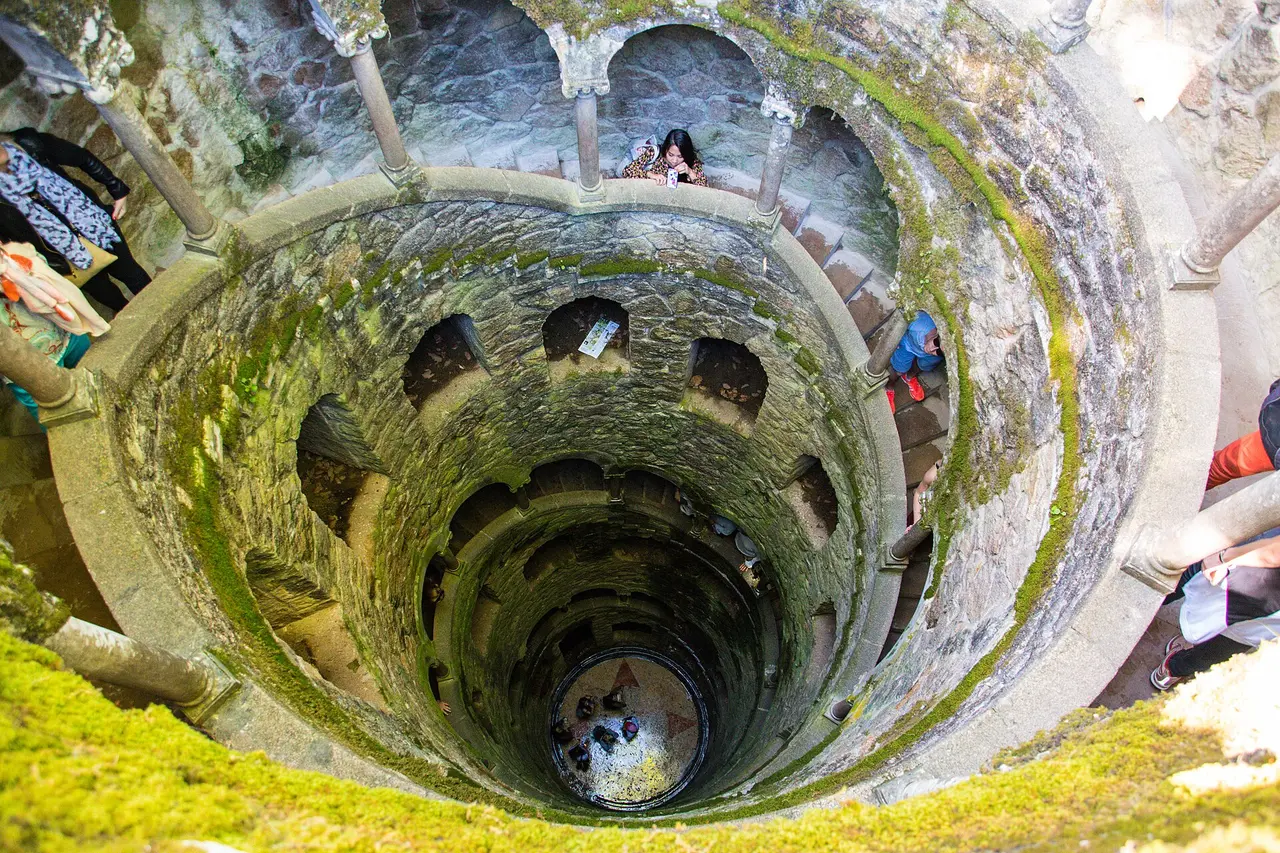
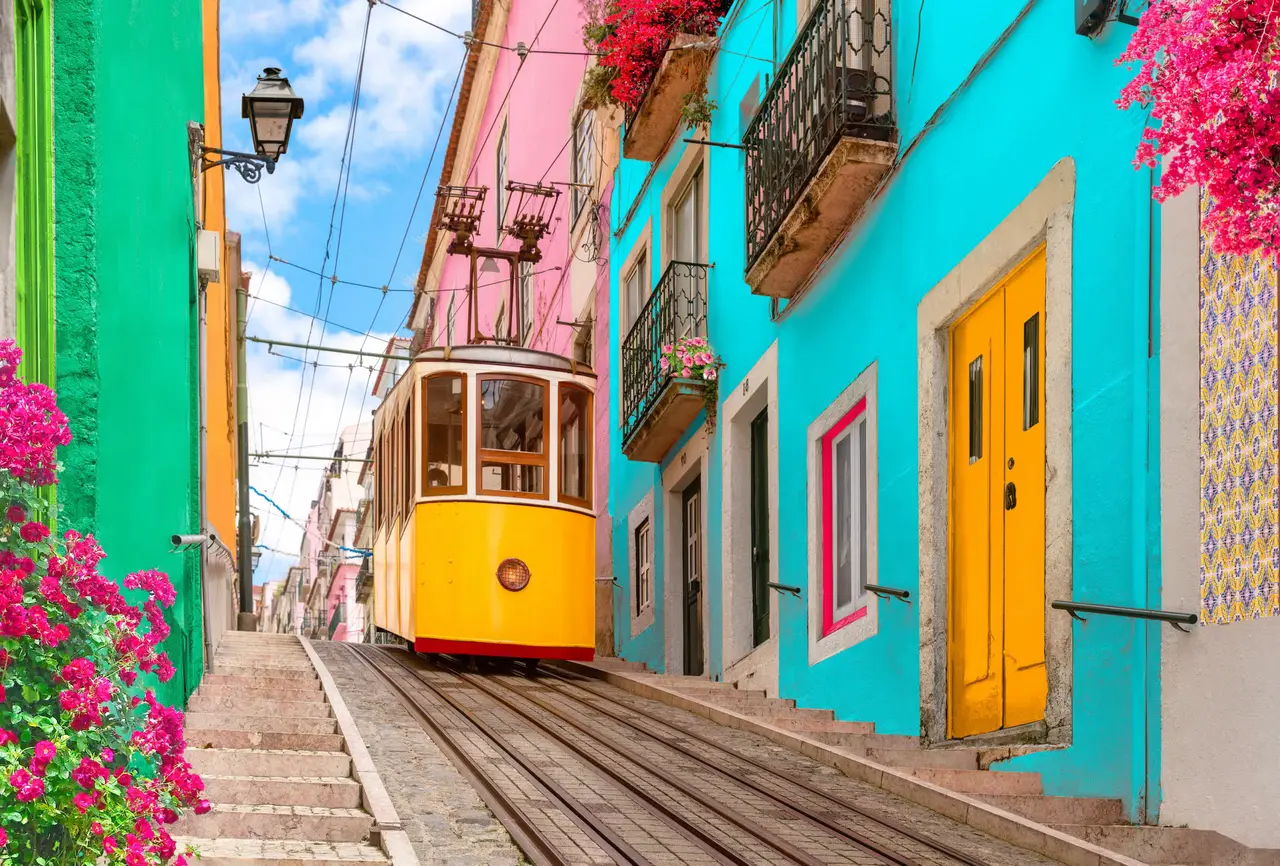
The capital takes three to four days: Alfama, Baixa and Belem, with the Jeronimos Monastery to book online. Less than 40 minutes by train, Sintra lines up romantic palaces and gardens, while Cascais and the Estoril coast offer beaches within a half-day. Set aside an evening for fado in a Mouraria or Alfama club. The rechargeable Viva Viagem card covers metro, tram and suburban trains.
Porto and the North

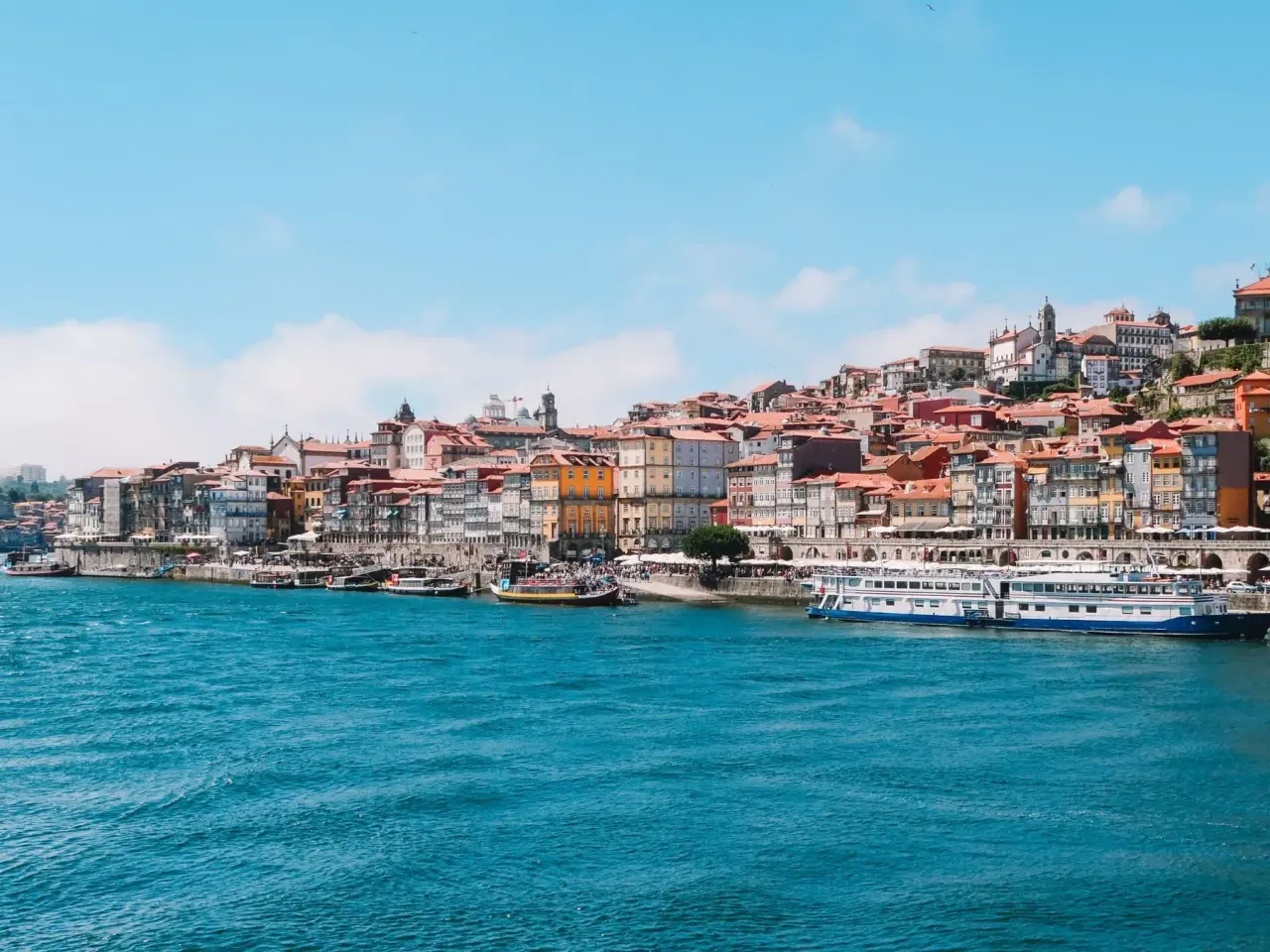
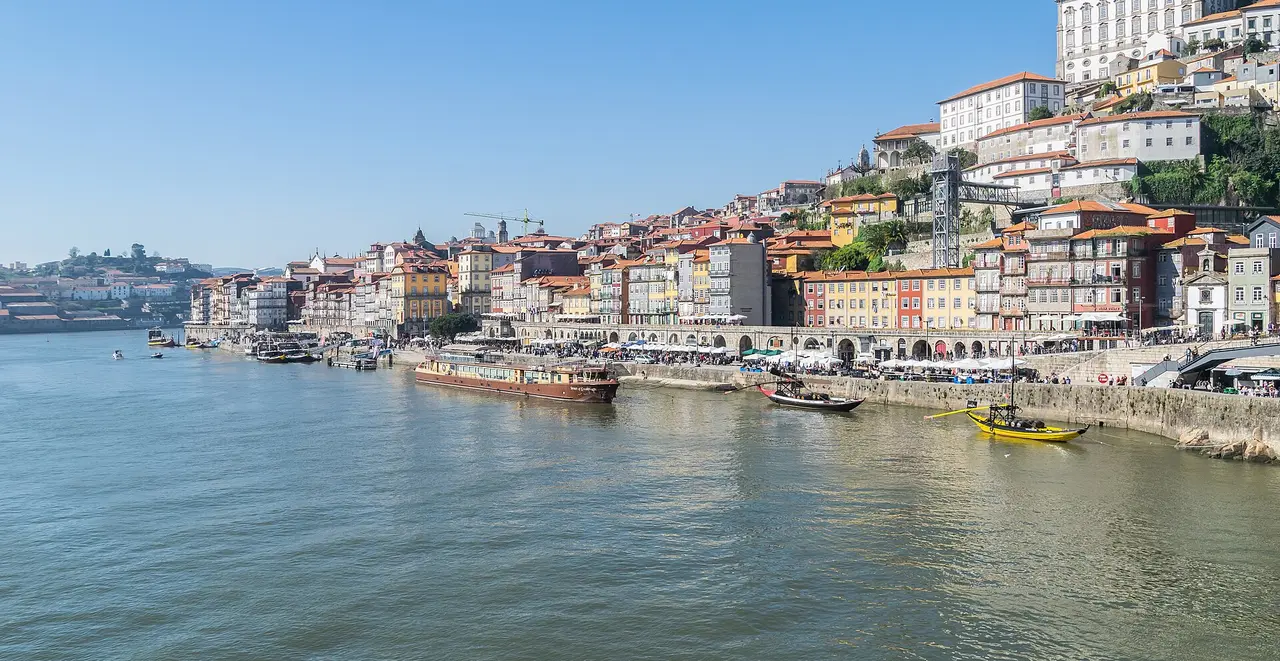
Porto is a two-day walk: Ribeira, Sao Bento station, Lello bookshop at opening time and the port lodges of Vila Nova de Gaia, which close around 6pm. To the north, Braga and Guimaraes, the country's birthplace, work as a day trip. Peneda-Geres, Portugal's only national park, needs a car and at least two days for its trails and stone villages.

The Douro Valley

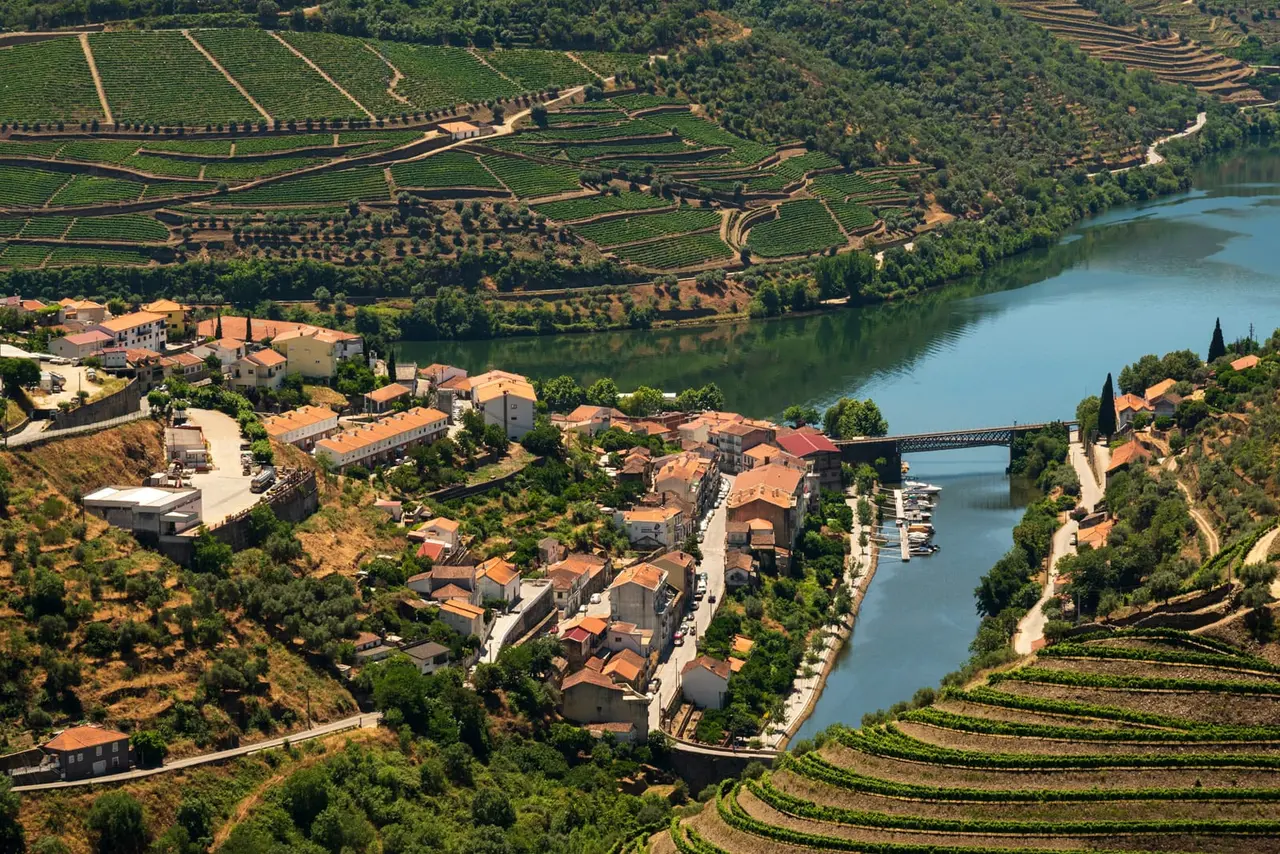
From Porto, the riverside train reaches Pinhao in 2h10, right side for the view. Plan two nights on a quinta for a rabelo boat cruise and an estate visit, with the harvest in September. The Douro Valley, the world's first demarcated wine region, continues by car towards the Sao Leonardo de Galafura viewpoint and the wilder Upper Douro. Spring brings almond blossom and rates lower than in the September harvest weeks.

The historic Centre

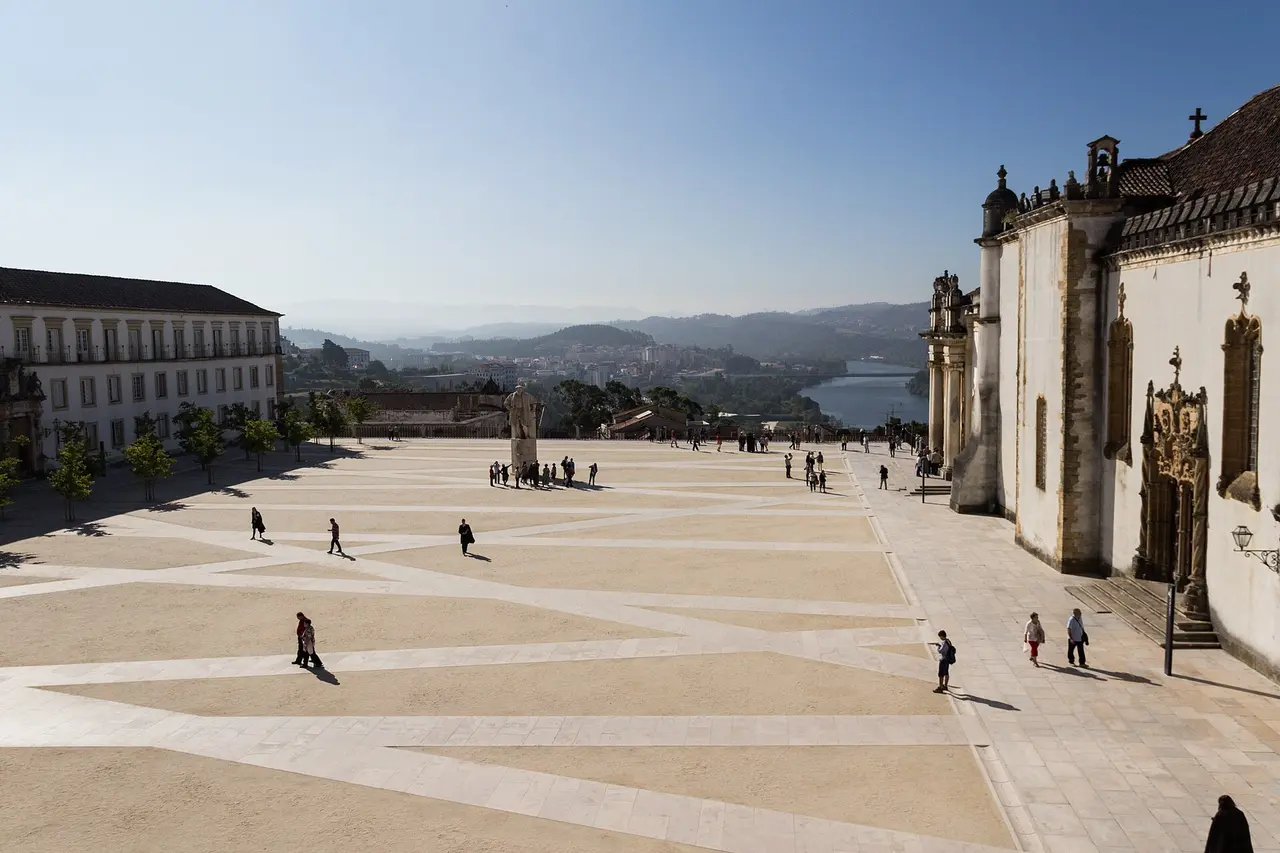
Between Porto and Lisbon, Coimbra holds the country's oldest university and its Joanina Library, booked with a time slot. Further south, the walled village of Obidos, the listed monasteries of Batalha and Alcobaca and the Fatima sanctuary link up in one day of driving. Nazare is worth a stop for its Sitio headland, where the giant waves break between October and March.

The Alentejo

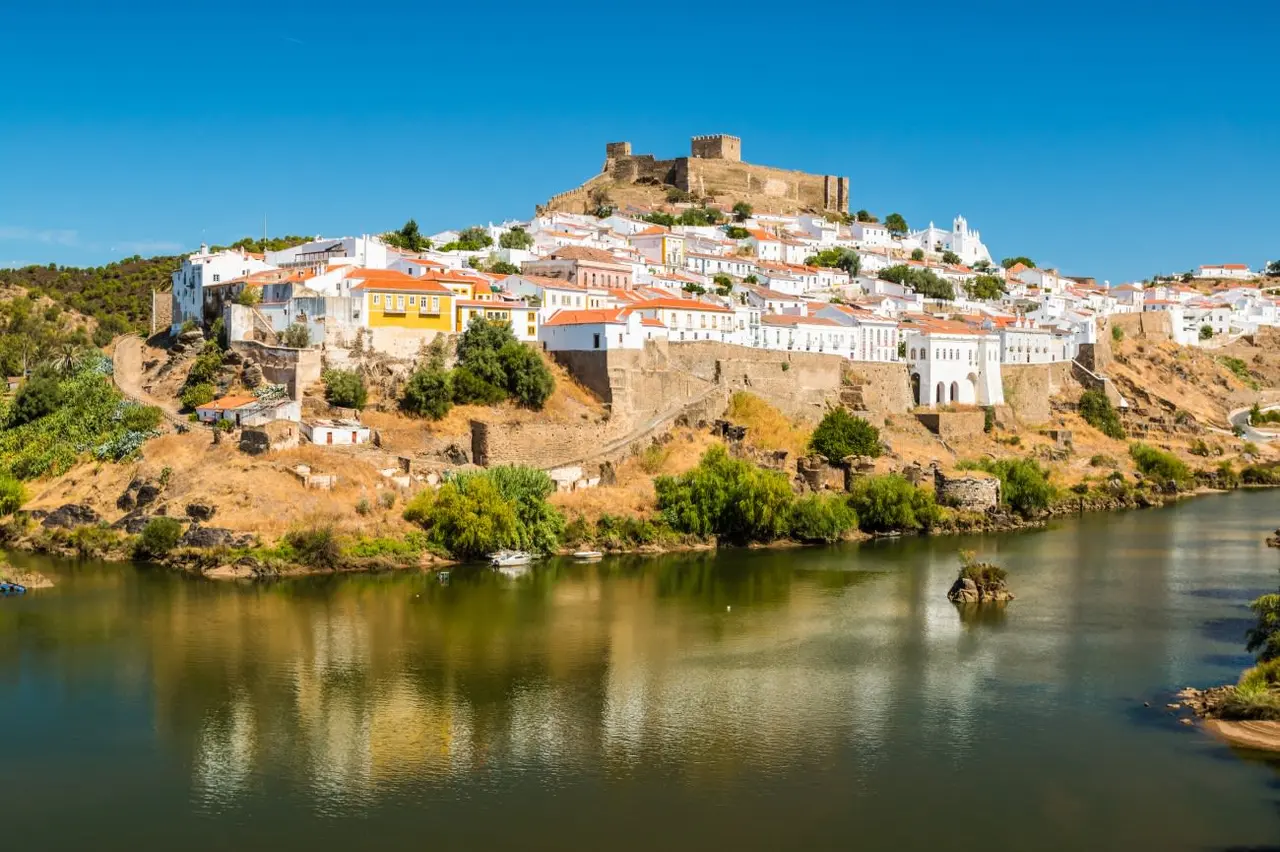
South of the Tagus, the Alentejo rolls out wheat plains, cork oaks and white villages. Evora, its listed capital, takes a day: Roman temple, cathedral and Chapel of Bones. Allow two to three days for the region's slow rhythm, between the Almendres menhirs, tastings at herdade estates and the still-quiet coast around Comporta and Vila Nova de Milfontes. Avoid July and August, when inland areas top 40C.

The Algarve

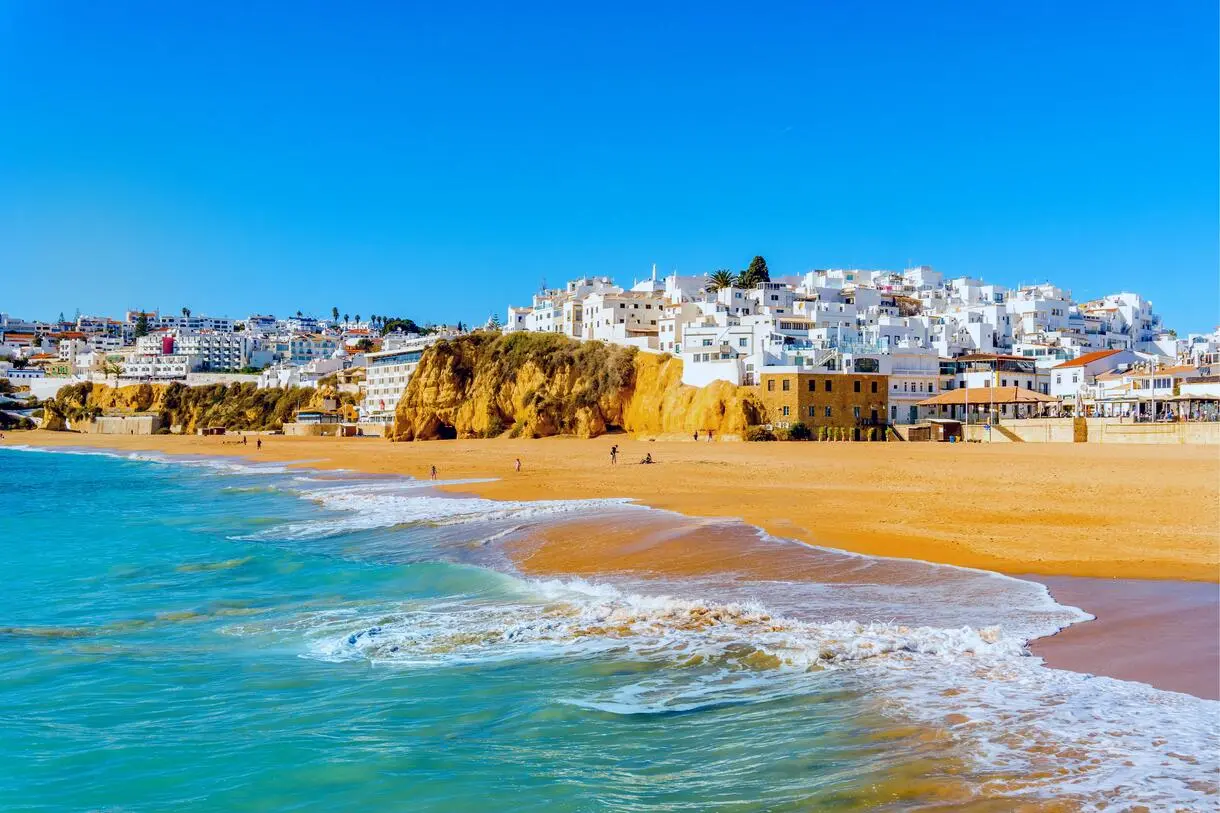
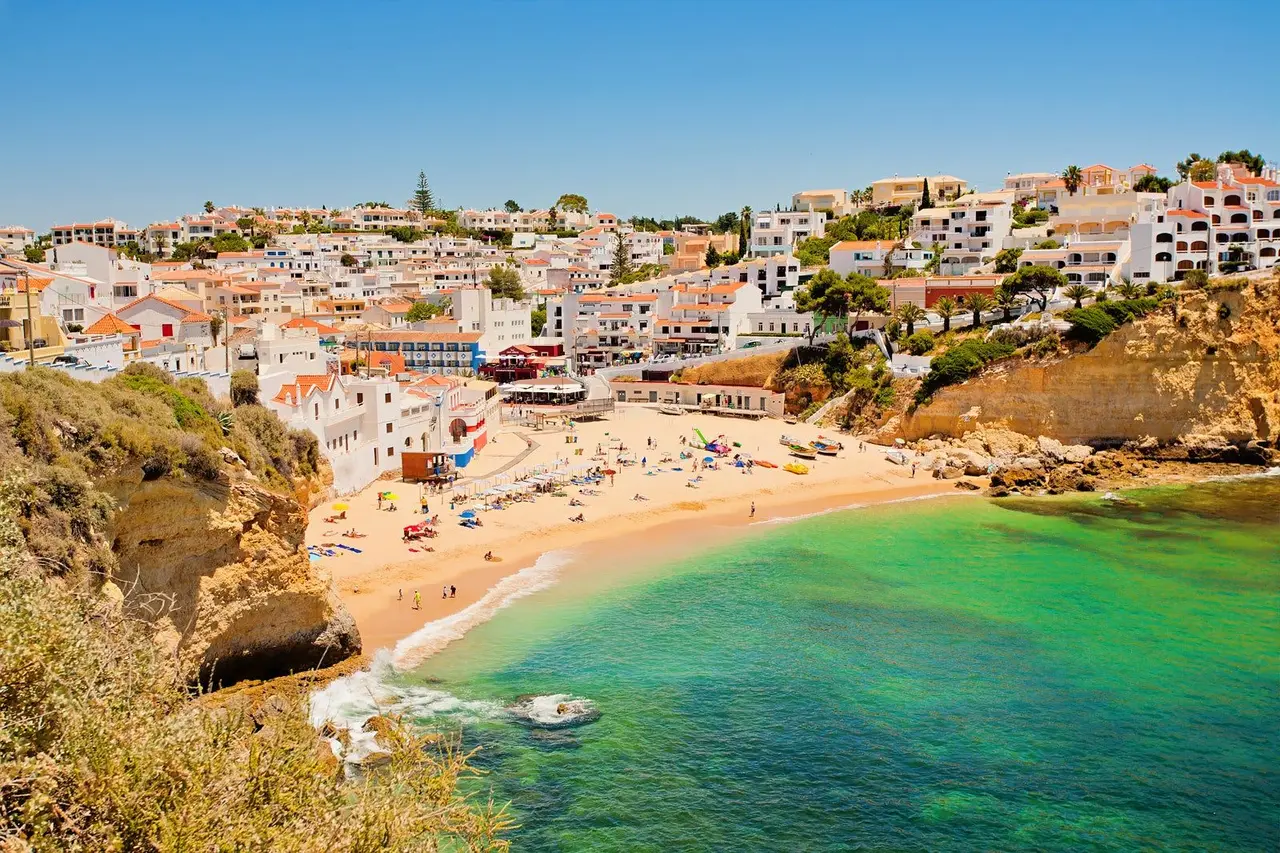
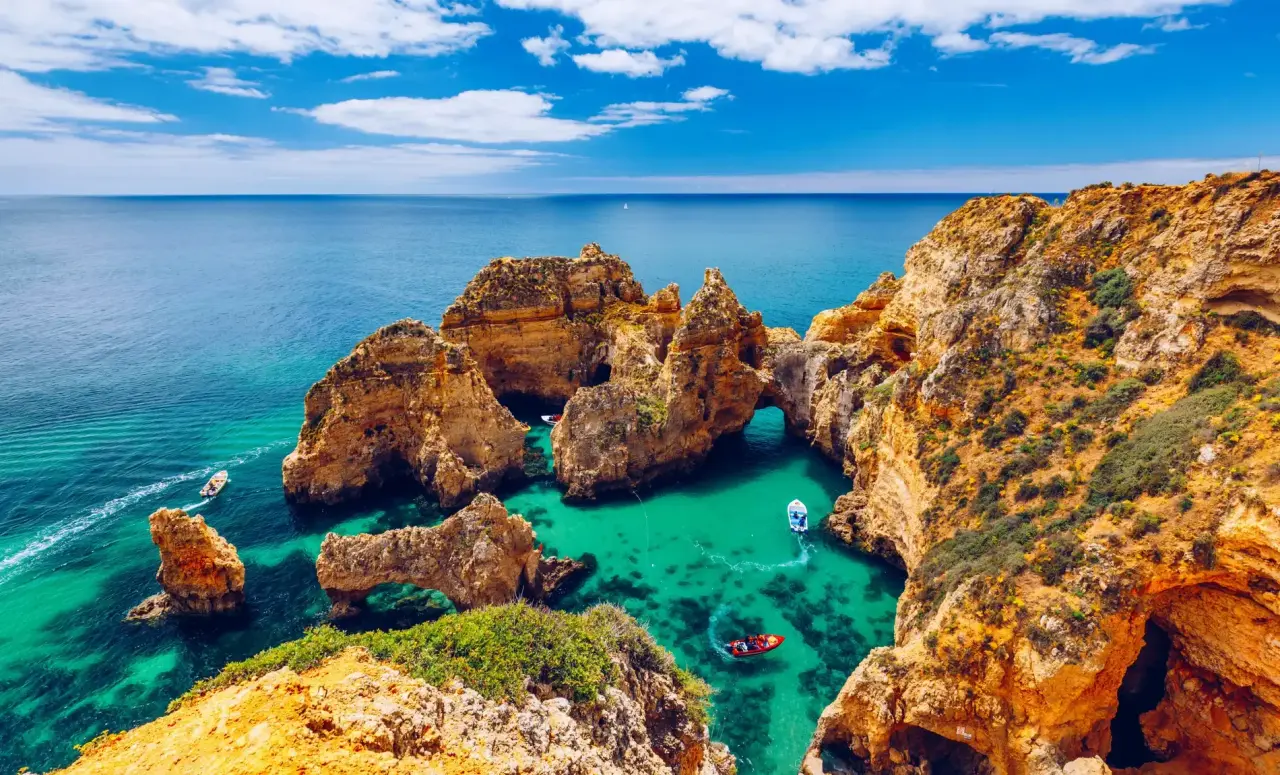
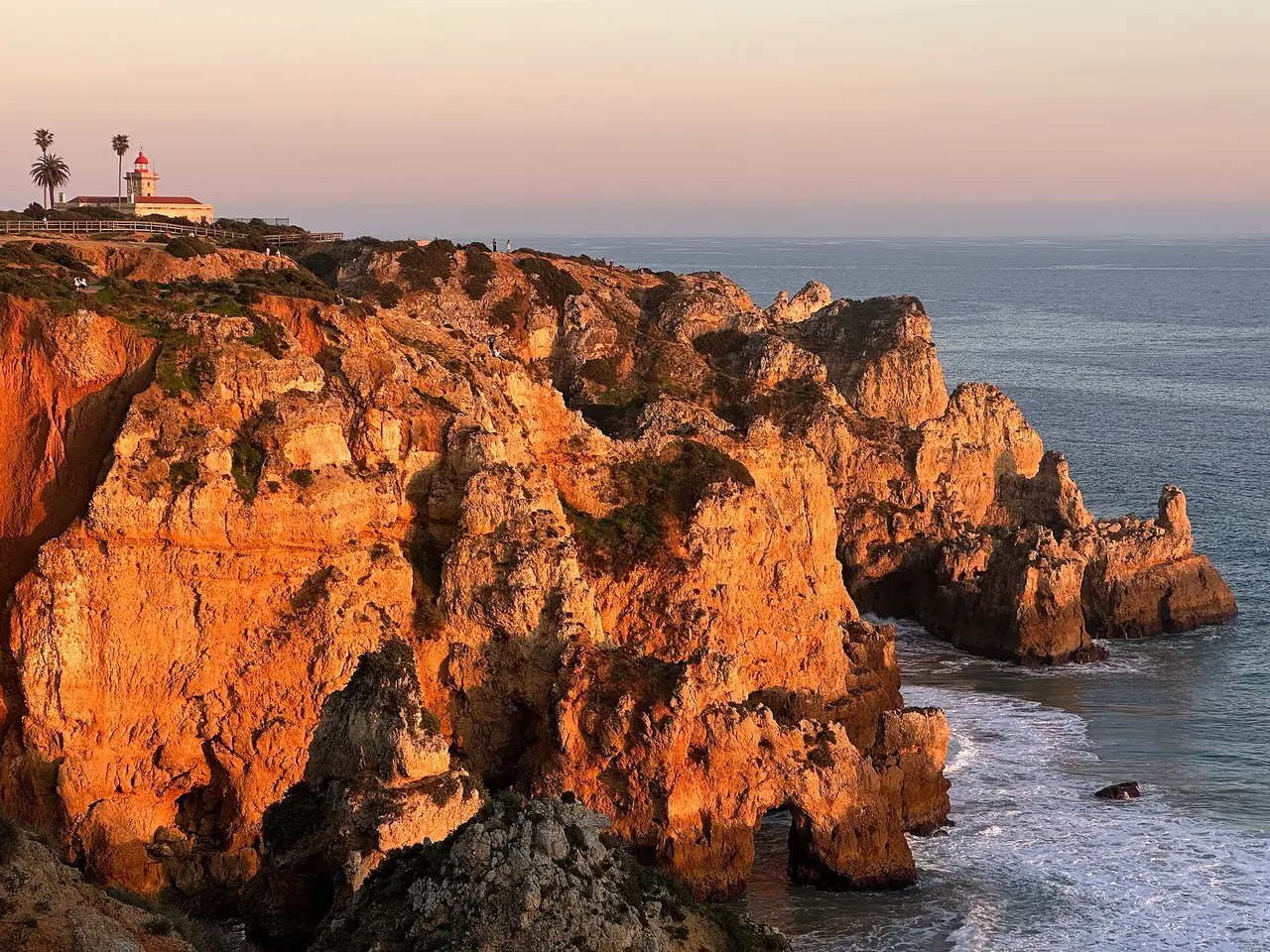
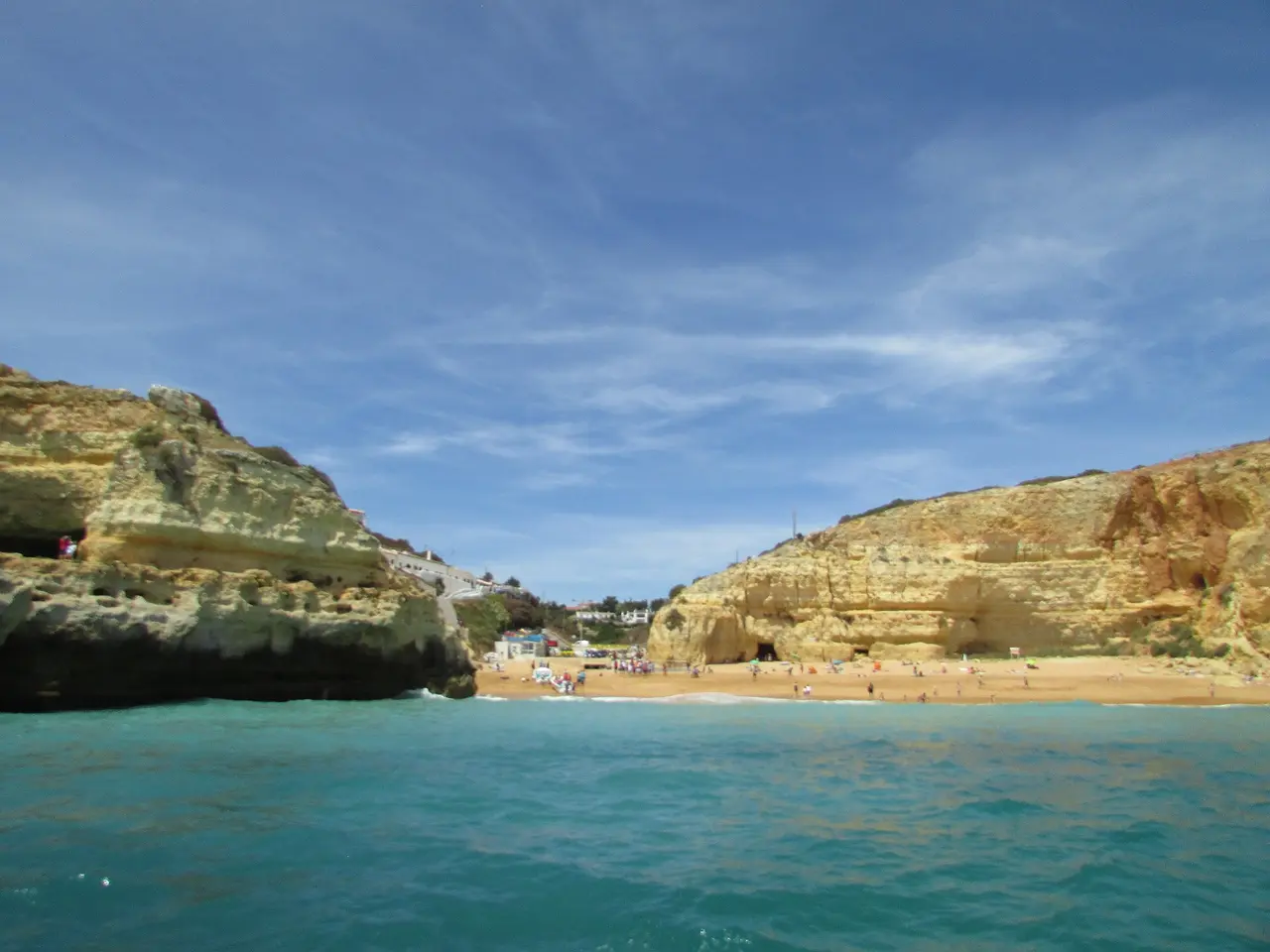
The south concentrates the country's beaches along 150 km. The western Algarve, around Lagos and Sagres, is the most dramatic: ochre cliffs, the Benagil sea cave by kayak and the 5.7 km Seven Hanging Valleys coastal trail. The east, around Tavira and the Ria Formosa, is calmer and family-friendly. Book far ahead for July and August, when accommodation prices double.

Madeira and the Azores

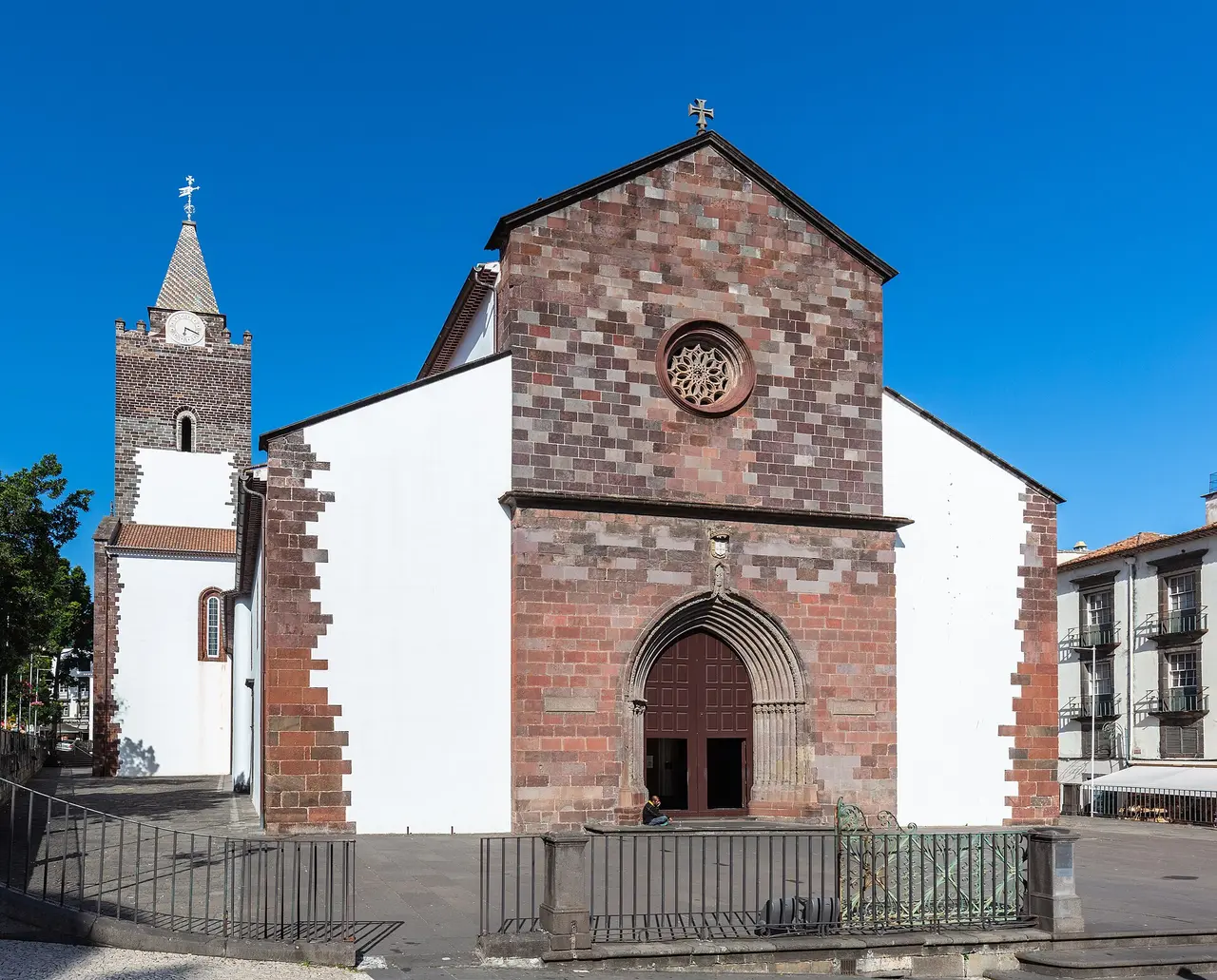
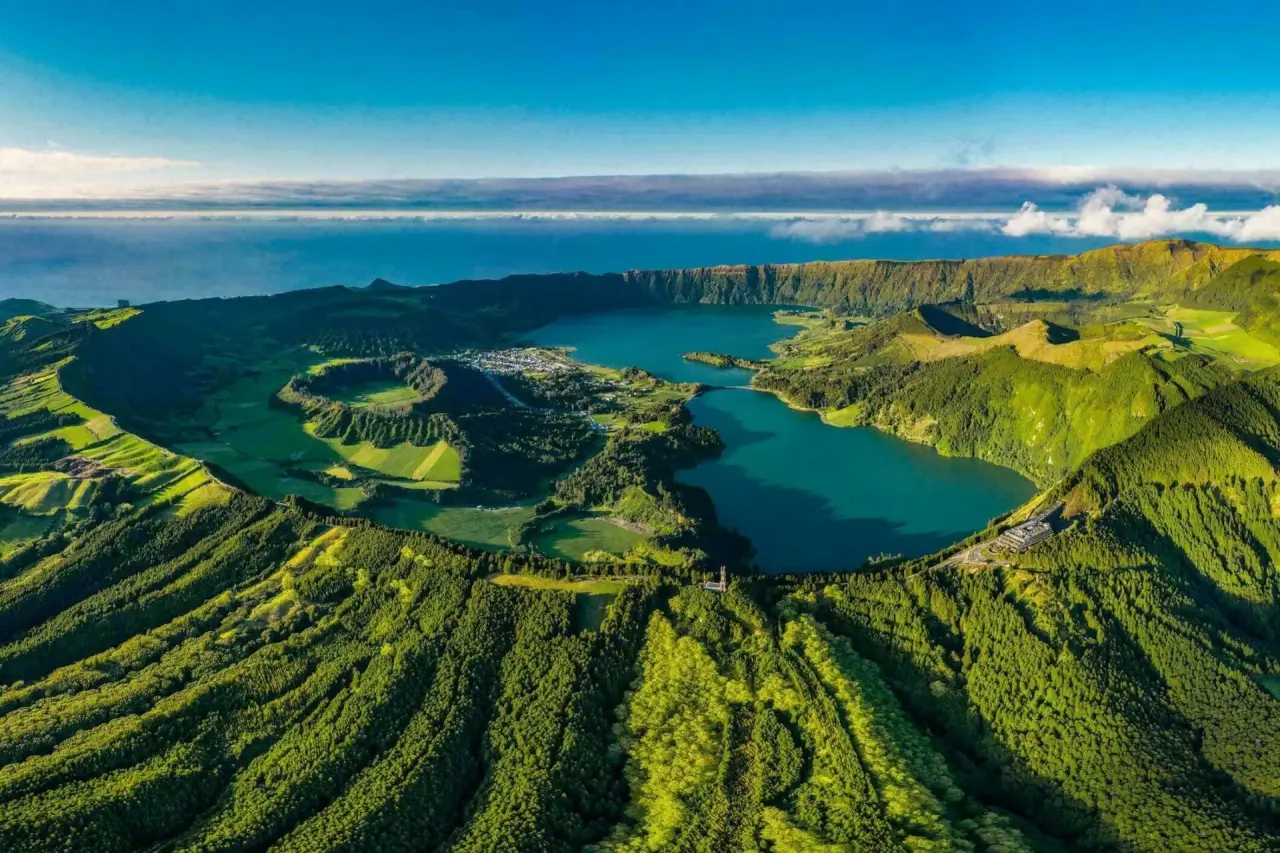
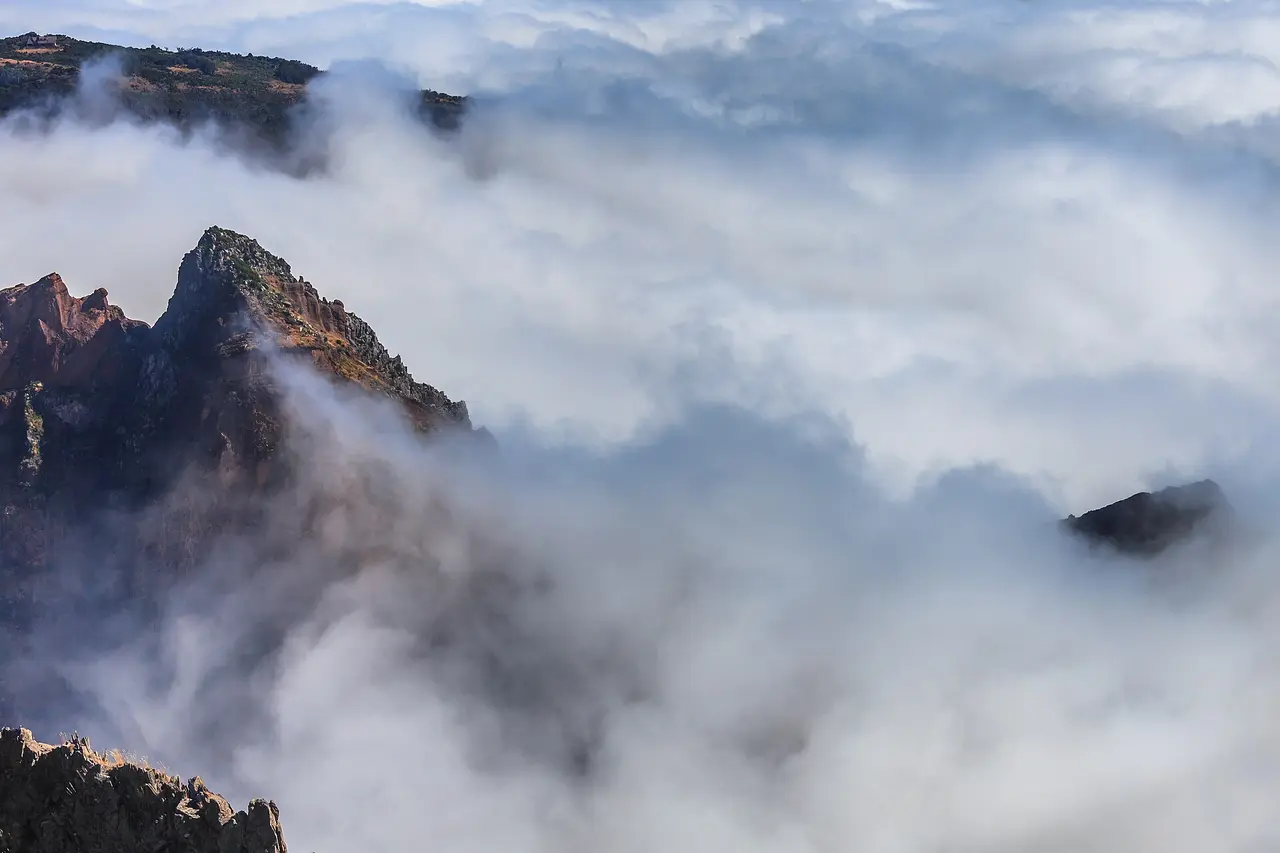
Both Atlantic archipelagos need a flight from Lisbon or Porto, around 1h40. Madeira is hiked year-round along the levadas, irrigation channels turned into trails. The Azores, nine volcanic islands, suit whale watching from April to October and bathing in the hot springs of Sao Miguel. Allow a week per archipelago, and do not pair them with the mainland on a short trip.

Cities to visit in Portugal

Featured destinations appear first.

Regions to explore in Portugal

Featured destinations appear first.

How much it costs

Per person per day, excluding international travel.
Budget
59 €/ day
1 126 € for 2 people, 7 days, return flights included
Accommodation
27 €
Food
18 €
Local transport
6 €
Sights and activities
8 €
Comfort
110 €/ day
1 840 € for 2 people, 7 days, return flights included
Accommodation
45 €
Food
35 €
Local transport
12 €
Sights and activities
18 €
Premium
255 €/ day
3 870 € for 2 people, 7 days, return flights included
Accommodation
110 €
Food
70 €
Local transport
30 €
Sights and activities
45 €
Prices checked: Relevé septembre 2026. Sources: agrégateurs de budgets voyageurs a-contresens.net et ou-et-quand.net, tarifs auberges Hostelworld, prix restaurants et transports publics Lisbonne/Porto (Carris, Metro do Porto), tarifs vols Google Flights / lastminute. Budget cadre sur l'itinéraire classique Lisbonne-Porto-Algarve, hors haute saison (éviter juillet-août ou les prix côtiers doublent). Vol A/R Paris-Lisbonne estimé 150 EUR/personne hors vacances scolaires. Hébergement: lit en dortoir pour backpacker, chambre double partagée a deux pour comfort et premium. Taxe de séjour de 2 à 4 EUR/nuit à Lisbonne et Porto incluse dans activities.

Getting there

Airports serving Portugal, from main hubs to secondary ones.
  • FAOFaro - Gago Coutinho International AirportFaroMain
  • FNCCristiano Ronaldo International AirportFunchalMain
  • LISLisbon Humberto Delgado AirportLisbonMain
  • OPOFrancisco de Sá Carneiro AirportPortoMain
  • PDLJoão Paulo II AirportPonta DelgadaMain
  • BGCBragança AirportBragançaSecondary

Entry, health and safety

For FR travellers

Entry requirements

No visa for a tourist stay

Aucun visa requis. Le Portugal est membre de l'Union européenne et de l'espace Schengen : entrée avec une carte nationale d'identité ou un passeport en cours de validité, circulation libre. Un enregistrement en mairie (Câmara municipal) est demande au-delà de trois mois de séjour.

Stay allowed for up to 90 days.

Health

Advised: Être a jour du calendrier vaccinal français : diphtérie, tétanos, poliomyélite, coqueluche et rougeole.

Conditions sanitaires globalement bonnes. Du 1er juin au 30 septembre, il est strictement interdit d'allumer des feux en zone forestière en raison du risque d'incendie. Fortes chaleurs possibles l'été à l'intérieur des terres.

Safety

Normal precautions

Emergency

112

Checked in septembre 2026 against the official source. Entry rules change: check the official source before you travel, it alone is authoritative.

Portugal in pictures

Photo credits : Krzysztof Golik, CC BY-SA 4.0, Wikimedia Commons ; CEphoto, Uwe Aranas, CC BY-SA 3.0, Wikimedia Commons ; Sergei Gussev, CC BY 2.0, Wikimedia Commons ; Rosino, CC BY-SA 2.0, Wikimedia Commons ; Dietmar Rabich, CC BY-SA 4.0, Wikimedia Commons ; Richard Bartz, CC BY-SA 3.0, Wikimedia Commons

Portugal's must-sees

From Lisbon's Manueline monuments to the natural wonders of the south, the sites not to miss on a first trip.

Belem Tower

Early 16th-century Manueline fort jutting into the Tagus, UNESCO-listed along with the nearby Jeronimos Monastery, in Lisbon.

Jeronimos Monastery

Masterpiece of Manueline Gothic funded by the spice trade, with a two-tier cloister and the tomb of Vasco da Gama.

Lello Bookshop

Winding red staircase and neo-Gothic ceiling in Porto; paid entry deductible from a purchase, best at opening time.

Pena Palace

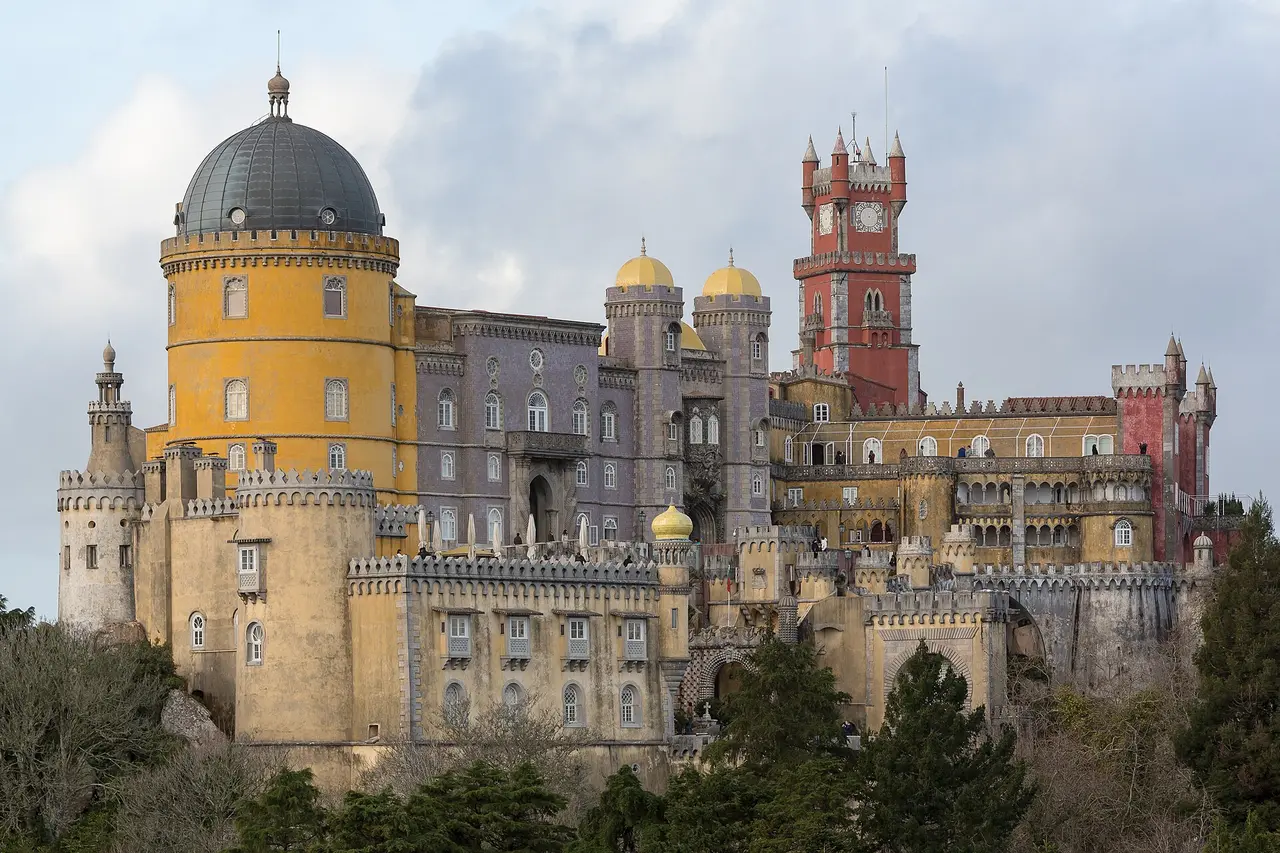
Romantic palace with yellow and red towers perched above Sintra, set in an 85-hectare park of exotic species.

University of Coimbra

Founded in 1290; its Baroque Joanina Library holds 60,000 old volumes, visited on a fixed time slot.

Benagil sea cave

Open-roofed sea cave in the Algarve, reached by kayak, paddleboard or boat from the neighbouring beach, never by swimming.

Chapel of Bones

Evora chapel whose walls are lined with the bones of some 5,000 people, with a memento mori message at the entrance.

Bom Jesus do Monte

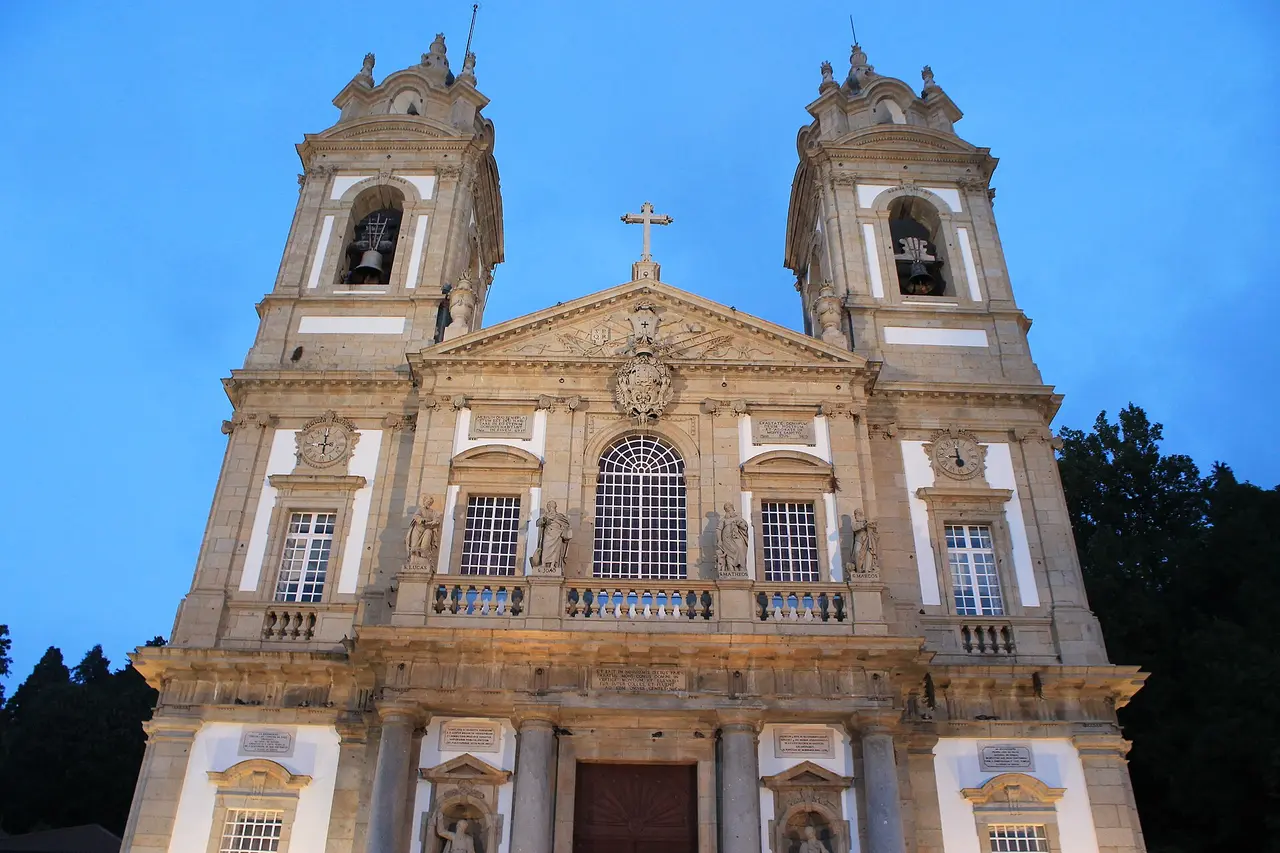
Baroque zigzag staircase of 577 steps up to a sanctuary near Braga, served by an 1882 water-powered funicular.

Fatima Sanctuary

One of the major Catholic pilgrimage sites, with an esplanade twice the size of St Peter's Square in Rome.

Practical information

Capital
Lisbon
Currency
Euro; contactless and the MB Way app are accepted almost everywhere
Language
Portuguese; English is widely spoken in tourist areas
Time difference
Same as Paris in summer, one hour behind in winter (mainland); the Azores are one hour further behind
Tipping
Not compulsory; round up or leave 5 to 10% for good service in restaurants
Tap water
Drinkable throughout the country, sometimes with a chlorine taste in Lisbon
Tourist tax
EUR 2 to 4 per person per night in Lisbon, Porto, Faro and several Algarve municipalities
Power sockets
Types C and F, 230 V, same as France; no adapter needed for European travellers
Meal times
Lunch around 1pm, dinner rarely before 8pm, many kitchens close between 3pm and 7pm
Fires
From 1 June to 30 September, lighting any fire in forest areas is strictly banned, with heavy fines
Nazare waves
The giant waves at Praia do Norte form mostly between October and March, depending on Atlantic swells

Similar destinations

Other countries you might like as much as Portugal.

Similar regions

Other regions you might like as much as Portugal.

Frequently asked questions about Portugal

Do you have to choose between Lisbon and Porto for a first trip?
No, the two combine easily: the fast Alfa Pendular train links them in 2h45. Plan three nights in Lisbon and two in Porto, with a stop in the Douro or Coimbra in between if you have ten days.
How many days do you need for the Douro Valley from Porto?
Two nights cover the essentials: the scenic train to Pinhao, a two-hour cruise and a quinta visit with tasting. With a car and one extra night, you can push on to the viewpoints and the Upper Douro.
Can you visit Sintra in a day from Lisbon?
Yes, but pick two sites at most, for example the Pena Palace and Quinta da Regaleira. Leave before 9am, book tickets online and skip the car: parking is saturated and shuttle buses serve the palaces.
Is the Algarve worth it outside the beach season?
Yes. From October to May, coastal trails like the Rota Vicentina are walked without heat, prices halve and inland villages such as Silves or Monchique regain their calm. The sea stays too cold for swimming.
Do you need a car to travel in Portugal?
Not for Lisbon, Porto and the well-served rail corridor between them. It becomes useful for the Alentejo, the Algarve interior, Peneda-Geres and the small Douro roads, where public transport is scarce.
Are Madeira and the Azores the same kind of trip?
No. Madeira is gentler and more developed, focused on levada hikes and a stable year-round climate. The Azores are wilder and wetter, centred on volcanoes, crater lakes and whale watching.
When can you see the big waves at Nazare?
Between October and March, when North Atlantic storms send strong swells. On record days, surfers and photographers gather at the Sao Miguel Arcanjo fort on the Sitio headland. The rest of the year the sea there is ordinary.
Where can you taste the best pasteis de nata?
In Belem, Fabrica dos Pasteis de Belem follows an 1837 recipe and serves them warm with cinnamon. In central Lisbon, Manteigaria is the benchmark. Elsewhere quality varies: judge by how fast the counter turns over.

Plan your trip to Portugal

Day-by-day itinerary, budget, bookings and packing in a single app.
Aperçu de l'application PlanTripNow