The Pombaline centre, laid out on a grid after 1755, runs from the Praca do Comercio open to the Tagus up to the Rossio. The wrought-iron Santa Justa lift links the lower town to the Carmo in thirty seconds, but the queue exceeds an hour at midday: better to go early or use the street behind. The neighbouring Chiado gathers historic bookshops, literary cafes and shops. Allow half a day, ending with a drink at the Santa Catarina viewpoint.
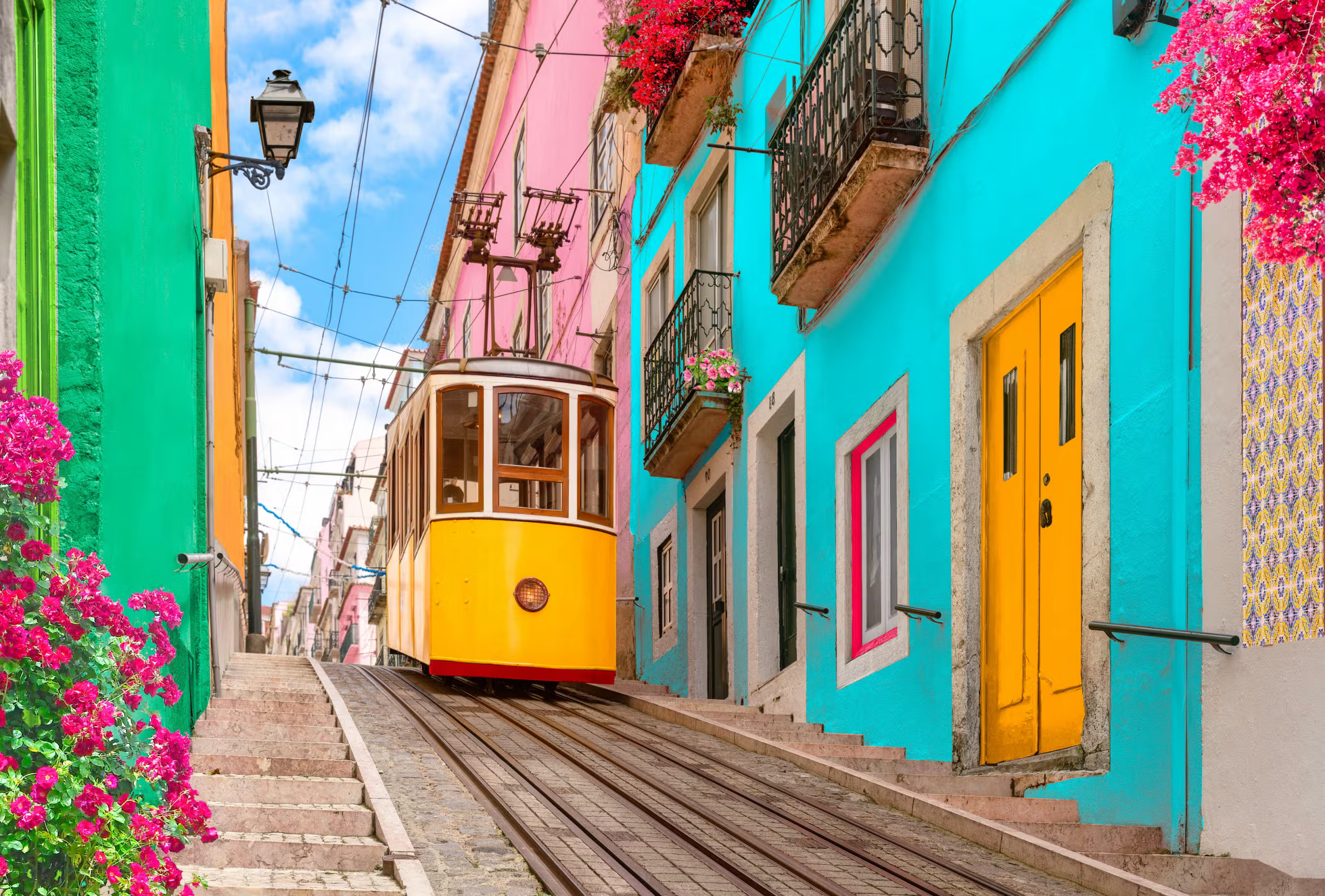
The oldest district withstood the earthquake: its stepped lanes, strung laundry and azulejo houses climb toward Sao Jorge castle. Tram 28 crosses all of Alfama but stays packed: ride it early, or walk. The Santa Luzia and Portas do Sol viewpoints give the view over the rooftops and the Tagus. Higher up, Graca and Senhora do Monte offer the widest outlook in the city.
To the west, Belem lines up Manueline monuments tied to the great voyages. The UNESCO-listed Jeronimos Monastery closes on Mondays and is best seen early to skip the queue; the Belem Tower and the Padrao dos Descobrimentos edge the river. The box of pasteis de Belem, baked on site since 1837, is a takeaway. Allow half a day, extended by LX Factory, a former plant turned cafe district.
On the hill facing the castle, the Bairro Alto is quiet by day and loud by night, when its tiny bars spill into the street. The Gloria funicular climbs there from the Baixa. Just above, Principe Real lines up designer shops, a garden with a century-old cedar and rooftop bars. In the evening, people often head down to Cais do Sodre and the Pink Street to carry on.
To the east, the former site of the 1998 World Expo forms a contemporary riverside district: the Oceanarium, one of the largest in Europe, a cable car along the river and the Calatrava-designed Oriente station. It is also the departure point for the train to Sintra or the north. Allow two to three hours, especially worthwhile with children or in bad weather.
40 minutes by train from the Rossio, Sintra packs palaces and gardens into an often-misty forest. The colourful, perched Pena Palace is best at opening with a timed ticket; the Quinta da Regaleira and its initiation well are a twenty-minute walk away, and the ruined Moorish castle overlooks both. Leaving, bus 403 reaches Cascais and the coast in about 40 minutes. Plan a full day, and avoid summer weekends when the queues and buses are overwhelmed.
A ten-minute ferry from Cais do Sodre reaches Cacilhas, facing the city: seafood restaurants along the quay, the panoramic Boca do Vento lift and the Cristo Rei statue reached by a short bus ride. Further on, the Costa da Caparica unrolls some fifteen kilometres of open beach served by a little seasonal train in summer. Allow half a day to a full day depending on the season and the weather.