Skip to content

Visiting Chile: when to go, budget and itineraries

From the Atacama desert to the fjords of Patagonia, via Santiago and its vineyards, Chile stretches over 4,300 km along the Pacific coast. It is a country best planned zone by zone, region after region, never tackled as a single continuous trip.
  • 1 city

At a glance

Currency
Chilean Peso
Time difference
UTC-4 à UTC-6
Visa
None
Tourist stay of up to 90 days
7-day budget
€728
Per person, comfort profile, excluding international flights.

Why visit Chile?

Chile packs the world's driest desert, active volcanoes, internationally recognised vineyards and the southern tip of Patagonia into one country. That range, rare at this scale in South America, means picking a region rather than trying to see it all in one trip.

When to visit Chile

Temperatures, rainfall and crowds month by month, to pick your window.
When to visit Chile
MonthTemperaturesRainCrowdsVerdict
January13 to 30 °C1 dPackedPeak southern summer: Torres del Paine and the coast sell out, book months ahead.
February12 to 30 °C1 dPackedChileans are on holiday too: packed coast, top prices, but Patagonia still perfect for hiking.
March10 to 27 °C2 dModerateThe sweet spot: grape harvest in the Colchagua Valley, warm days and thinning crowds.
April7 to 23 °C3 dQuietCalm, luminous autumn with red southern forests; Patagonia's weather windows are shrinking.
May5 to 18 °C5 dQuietFirst rains reach the centre and the south winds down, yet the Atacama stays flawless.
June3 to 15 °C6 dQuietSki resorts near Santiago open, and Atacama skies turn exceptionally clear for stargazing.
July3 to 14 °C6 dModerateChilean school holidays and prime Andes powder push mountain prices up noticeably.
August4 to 16 °C5 dQuietSki season tails off, cities are quiet and damp, and the northern altiplano can see snow.
September5 to 19 °C4 dModerateThe 18 September Fiestas Patrias empty offices and fill the roads: skip that week.
October7 to 22 °C2 dModerateSpring wakes Santiago, Patagonia's trails reopen and the wind there is still moderate.
November9 to 26 °C1 dBusyA coveted window before the December rush: lock in Torres del Paine, refuges go fast.
December11 to 29 °C1 dBusyDry heat returns to the centre, Patagonian wind strengthens, and holiday pricing kicks in mid-month.
Source: Pays très étiré : tableau cadré sur le Chili central (Santiago, ~520 m), normales 1991-2020 de la Dirección Meteorológica de Chile recoupées avec Climate-Data.org et Weather Atlas, relevé septembre 2026. Le Nord (Atacama) reste sec toute l'année, le Sud (Patagonie) est plus froid et pluvieux.

What to discover in Chile?

Santiago and central Chile

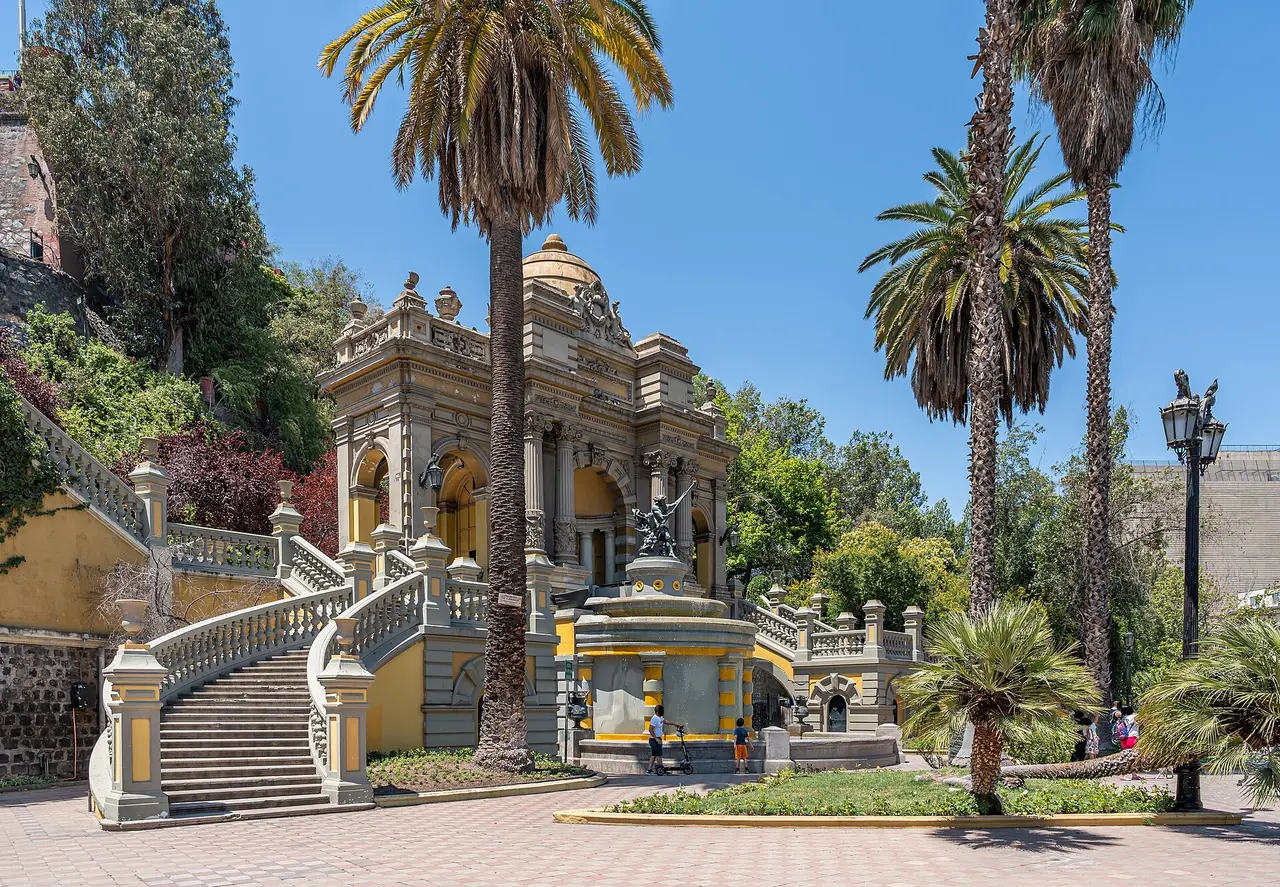
The capital holds 40% of the country's population and takes 2 to 3 days to see: the historic centre, Cerro San Cristóbal, the central market for a seafood lunch. Less than two hours away by bus, Valparaíso's listed funiculars justify a day trip, as does the Colchagua wine route, 2.5 hours by car, for two tastings a day by appointment with lunch on-site.

The Atacama desert

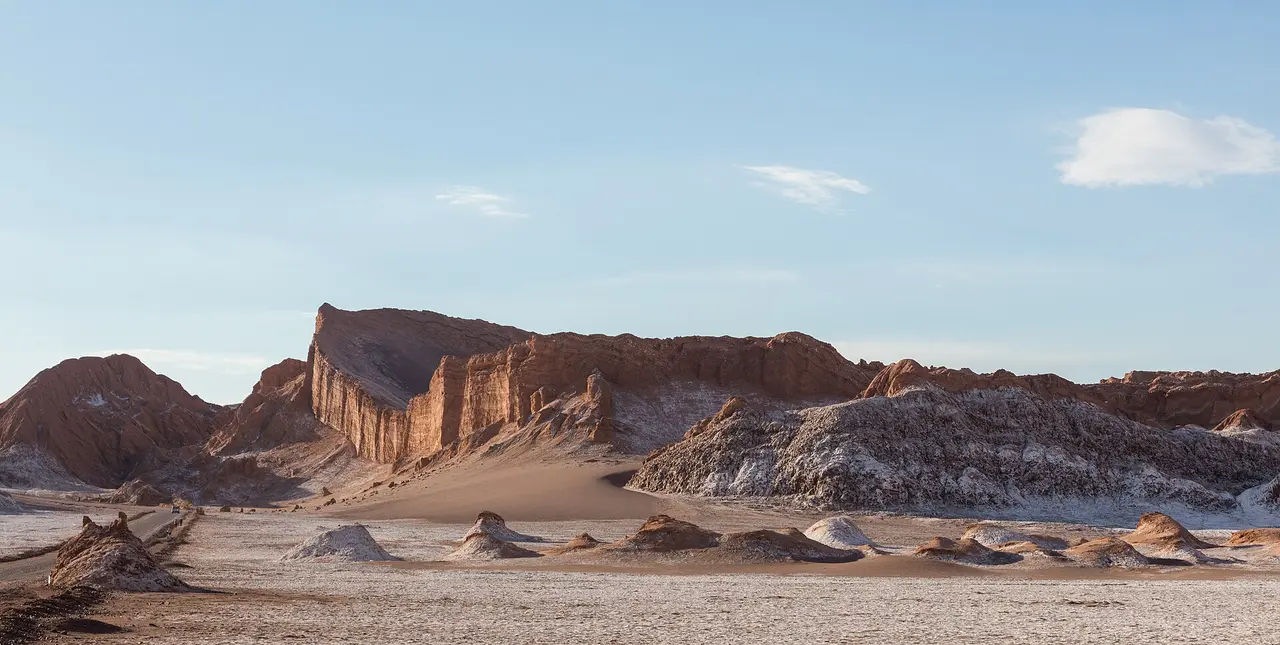
San Pedro de Atacama, a 2.5-hour flight from Santiago, is the base for the Valle de la Luna, the Tatio geysers (departure around 4am) and altiplano lagoons above 4,000m. Plan on 3 to 4 nights, with a rest day before any high-altitude excursion to let your body adjust. The desert pairs well with a side trip into neighbouring Peru to extend the Andean circuit further north.

The Elqui Valley and its night sky

Six hours by road or a short flight north of Santiago, the Elqui Valley hosts several public observatories, including Cerro Mamalluca, which requires booking a few days ahead for a night session. The sky here ranks among the clearest on earth thanks to very low humidity and minimal light pollution. Also worth a stop: the pisco distilleries around Pisco Elqui village.

Araucanía and the southern lakes

The Lake District, an hour's flight from Santiago, lines up volcanoes and forests around Pucón: a guided climb of Villarrica volcano (about 6 hours, crampons provided), the Termas Geométricas hot springs, and araucaria forest reserves. Three nights cover the essentials, a week lets you continue on to Puerto Varas and its twin volcanoes, Osorno and Calbuco, on the shore of Lake Llanquihue.

Chiloé, an archipelago apart

An hour by ferry or bridge from the mainland, the Chiloé archipelago holds sixteen Unesco-listed wooden churches and villages built on stilts, known locally as palafitos. Curanto, a dish of shellfish and meat cooked underground on hot stones, is traditionally served on weekends in family gatherings. Two nights are enough to see Castro and one smaller island such as Quinchao.

Patagonia and Torres del Paine

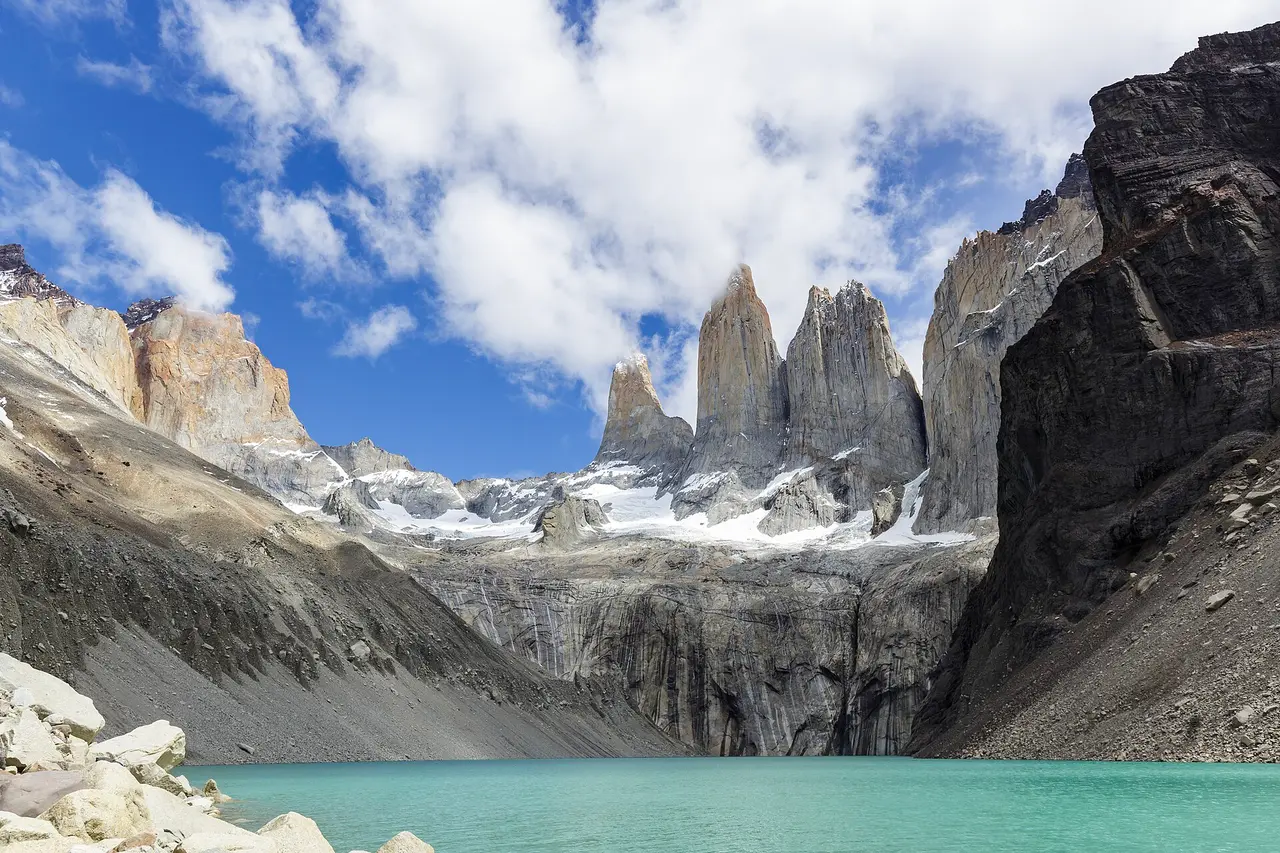
Torres del Paine national park, reached from Puerto Natales, is best visited October to April: the 4 to 5-day W trek staying in refuges, or a fixed base with day excursions for those who prefer not to camp. The Torres viewpoint is a 3 to 4-hour walk from the last refuge, best started before dawn to beat the crowds. Wind picks up sharply from November onward.

Rapa Nui, the mysterious island

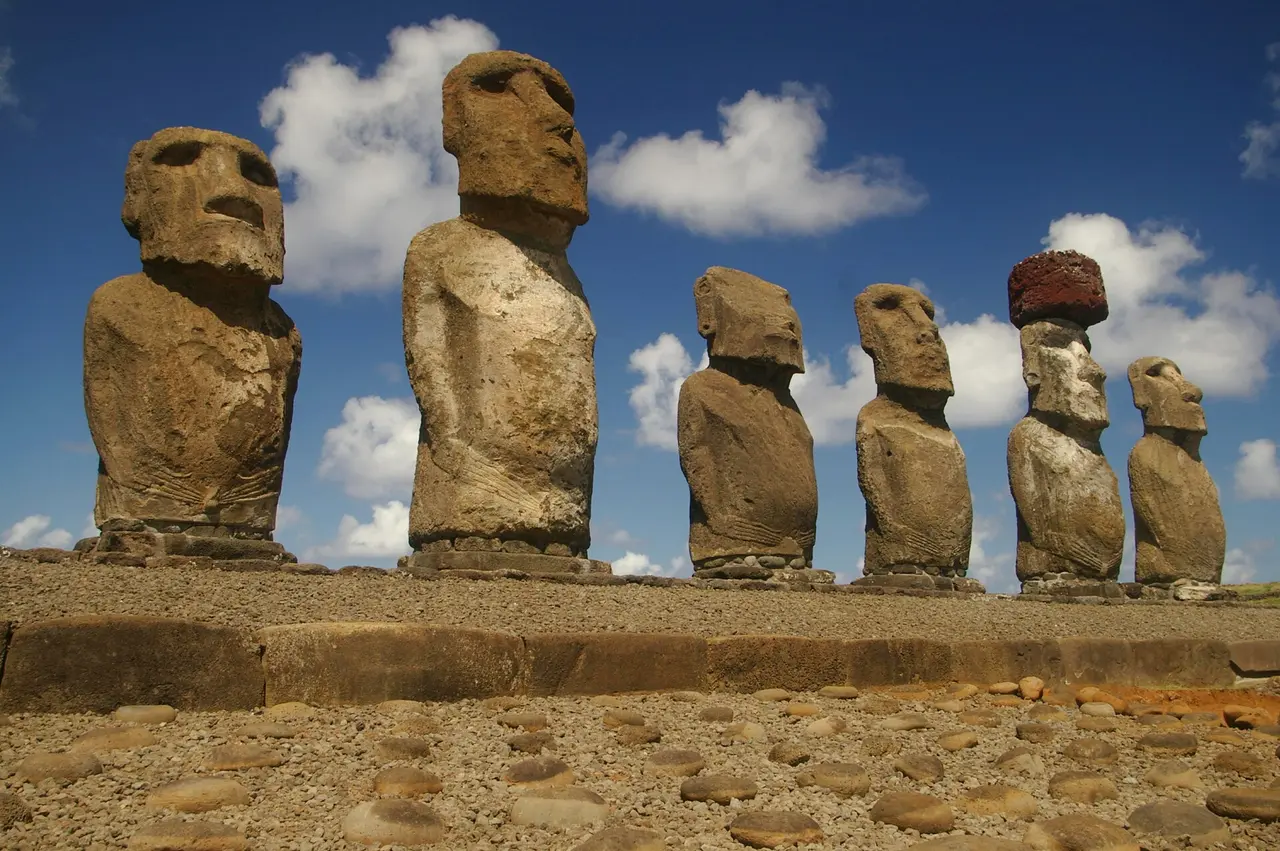
3,700 km offshore, Easter Island (Rapa Nui) is reached by a 5-hour flight from Santiago, the country's only regular connection to it. Plan 3 nights to see the main ahu, including Tongariki with its fifteen aligned moai, and the Rano Raraku volcano where most of the statues were carved. Flights sell out fast in January and February, a period of local festivities.

Cities to visit in Chile

Featured destinations appear first.

How much it costs

Per person per day, excluding international travel.
Budget
49 €/ day
2 686 € for 2 people, 7 days, return flights included
Accommodation
20 €
Food
16 €
Local transport
4 €
Sights and activities
9 €
Comfort
104 €/ day
3 456 € for 2 people, 7 days, return flights included
Accommodation
45 €
Food
32 €
Local transport
9 €
Sights and activities
18 €
Premium
274 €/ day
5 836 € for 2 people, 7 days, return flights included
Accommodation
150 €
Food
60 €
Local transport
22 €
Sights and activities
42 €
Prices checked: Relevé septembre 2026. Sources : latamtravellers.com (Chile Trip Cost 2026), machupicchu.org (Santiago Budget Guide 2026), budgetyourtrip.com/chile, momondo.fr et kayak.fr pour le vol. Budget cadré sur le circuit classique Santiago, Valparaíso et vallées viticoles ; l'Atacama et la Patagonie tirent le coût journalier nettement vers le haut (tours guidés et vols intérieurs 130-260 € A/R). Conversion USD-EUR ~0,92. Vol A/R Paris-Santiago estimé 1000 €/personne hors vacances scolaires (direct Air France ~1050 €, avec escale dès 750-900 €). Nuitée : lit en dortoir pour backpacker, chambre double partagée à deux pour comfort et premium. Peso chilien volatil : à revérifier tous les trimestres.

Getting there

Airports serving Chile, from main hubs to secondary ones.
  • ANFAndrés Sabella Gálvez International AirportAntofagastaMain
  • CCPCarriel Sur International AirportConcepcionMain
  • IPCMataveri International AirportIsla De PascuaMain
  • IQQDiego Aracena International AirportIquiqueMain
  • PMCEl Tepual International AirportPuerto MonttMain
  • PUQPresident Carlos Ibáñez International AirportPunta ArenasMain

Entry, health and safety

For FR travellers

Entry requirements

No visa for a tourist stay

Exemption de visa pour un séjour touristique de moins de trois mois. Un justificatif de sortie du territoire (billet retour) et des justificatifs de ressources peuvent être exigés à l'entrée. À l'arrivée, les autorités remettent une Tarjeta Única Migratoria, à conserver jusqu'au départ.

Stay allowed for up to 90 days.

Health

Advised: Vaccinations universelles à jour ; selon la durée et les conditions du séjour : hépatite A, typhoïde, rage (en particulier pour les enfants et en zone rurale).

Mal des montagnes possible dès 2 500 m (désert d'Atacama, altiplano) quelle que soit la condition physique : acclimatation progressive, pas plus de 400 m de dénivelé par jour au-delà de 2 500 m, hydratation, pas d'alcool. Ne boire que de l'eau en bouteille capsulée ou rendue potable. Virus Andes (hantavirus, syndrome pulmonaire) endémique dans les régions au sud de Santiago (Biobío, Araucanie, Los Ríos, Los Lagos) : éviter le contact avec les rongeurs et les lieux mal aérés en zone rurale. Sécurité : vigilance renforcée en Araucanie, Biobío et région de Los Lagos (tensions liées aux revendications mapuches) et à l'île de Pâques (mouvements ponctuels liés au tourisme) ; vigilance normale ailleurs, y compris Santiago, Valparaíso et l'Atacama, avec les précautions habituelles contre les vols à la tire.
Safety

Normal precautions

Emergency

133

Checked in septembre 2026 against the official source. Entry rules change: check the official source before you travel, it alone is authoritative.

Chile in pictures

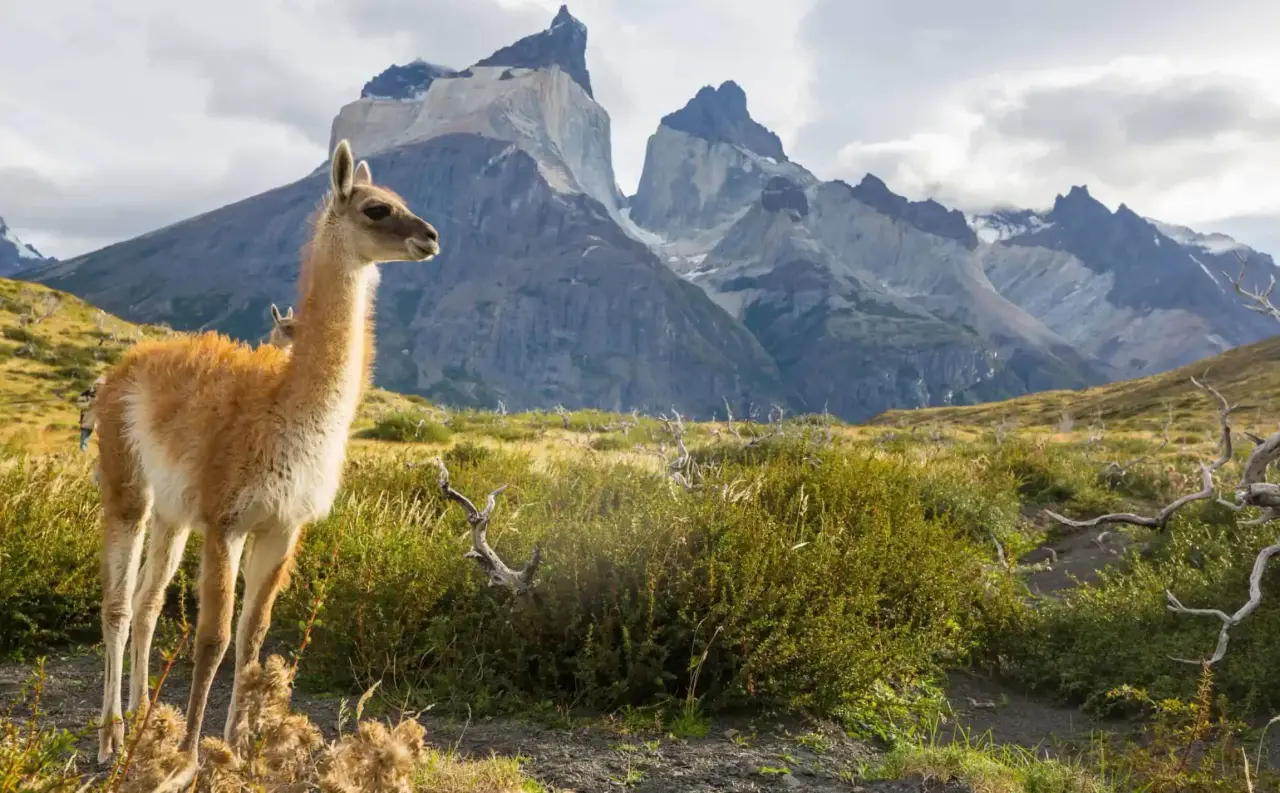
Photo credits : Thomas Fuhrmann, CC BY-SA 4.0, Wikimedia Commons ; Diego Delso, CC BY-SA 4.0, Wikimedia Commons ; Rivi, CC BY-SA 3.0, Wikimedia Commons ; Till Niermann, CC BY 3.0, Wikimedia Commons ; Jorge Morales Piderit, CC BY-SA 4.0, Wikimedia Commons

Chile's essentials

The sites that anchor most itineraries, from the desert to the southern ice fields.

Torres del Paine

Chilean Patagonia's flagship park, its granite towers and the 4 to 5-day W trek.

Valle de la Luna

Dunes and rock formations of the Atacama desert, striking at sunset.

Easter Island

The moai of Rapa Nui, a five-hour flight from Santiago, out in the South Pacific.

Valparaíso

Unesco-listed port city, historic funiculars and hillside street murals.

Tatio geysers

The largest geyser field in the southern hemisphere, best seen at dawn.

Chiloé

An archipelago of listed wooden churches and stilt villages, home of curanto.

Villarrica volcano

A guided climb above Pucón, one of the country's most active volcanoes.

Colchagua wine route

Vineyards less than three hours from Santiago, tastings by appointment.

Practical info

Currency
Chilean peso (CLP)
Time zone
UTC-4 to UTC-6 depending on region and season
Power plug
Type C and L, 220V
Tipping
10% at restaurants, often added to the bill automatically
Tap water
Safe in Santiago, avoid it in the north and rural areas
Altitude sickness
A real risk above 2,500m in the Atacama and altiplano, acclimatise gradually
Tourist card
Tarjeta Única Migratoria issued on arrival, keep it until departure
Payments
Cards widely accepted in cities, cash essential in rural areas
Best Patagonia season
October to April, wind picks up from November

Similar destinations

Other countries you might like as much as Chile.

Similar regions

Other regions you might like as much as Chile.

Frequently asked questions about Chile

How many days does the Torres del Paine W trek take?
The classic W trek takes 4 to 5 days with nights in refuges or campsites, meals usually included in refuge packages. A shortened 3-day version exists for those short on time, skipping the Grey Glacier leg entirely.
Can you visit Atacama and Patagonia on the same trip?
Yes, but expect a 3 to 4-hour domestic flight between the two via Santiago, and allow at least 12 to 15 days so you aren't rushing through both regions without enjoying either properly.
Do you need to book the Tatio geysers in advance?
The tour runs in small groups with a very early departure around 4am, so it's best booked the day before directly in San Pedro de Atacama, especially during the busy June-September season.
How do you get to Easter Island from mainland Chile?
A single regular non-stop flight connects Santiago to Easter Island, about 5 hours each way. Fares and seat availability tighten sharply in January and February, during the island's main local festivities.
Is Chilean wine worth a detour to Colchagua?
The Colchagua Valley concentrates internationally recognised wineries less than three hours by road from Santiago. Visits are generally booked the day before, for two estates a day with lunch on site.

Plan your trip to Chile

Day-by-day itinerary, budget, bookings and packing in a single app.
Aperçu de l'application PlanTripNow