Skip to content

Plan a trip to Colombia: when to go, budget and itineraries

Colombia packs the Andes, the Caribbean coast, the Coffee Region and the Amazon into a single country. Travellers come for colonial Cartagena, reinvented Medellin, the giant wax palms of the Cocora Valley, and a culture that has turned salsa and coffee into ways of life.
  • 3 cities

At a glance

Currency
Colombian Peso
Time difference
UTC-5
Visa
None
Tourist stay of up to 90 days
7-day budget
€581
Per person, comfort profile, excluding international flights.

Why visit Colombia?

Colombia offers very varied landscapes over short flying distances: Caribbean beaches, high-altitude Andean cities, coffee farms and Amazon rainforest. It is now one of the most affordable destinations in South America, with a dense domestic flight network linking Bogota, Medellin, Cartagena and Cali in under 90 minutes. The dry season runs from December to March, then again in July and August.

When to visit Colombia

Temperatures, rainfall and crowds month by month, to pick your window.
When to visit Colombia
MonthTemperaturesRainCrowdsVerdict
January——PackedPeak season core: dry skies almost nationwide, but Cartagena and the Coffee Region are fully booked until mid-January.
February——ModerateDry season still firm and prices back down, except in Barranquilla where Carnival triples lodging prices for four days.
March——BusyThe safest month for the Rosario Islands and Tayrona; Holy Week, late March in 2026, is already filling the beaches.
April——ModerateFirst rainy season in the Andes: short late-afternoon showers, green landscapes and rates easing off after Easter.
May——QuietWettest month across the Andean interior and the quietest of the year: few travellers, easy bargaining on tours.
June——ModerateRains thin out, the Lost City trek becomes walkable again and mid-June Colombian school holidays liven up the coast.
July——BusyVeranillo: a dry spell with clear mountain skies, the best window for hiking, combined with the European summer influx.
August——BusyEnd of the veranillo and Medellin's Feria de las Flores in full swing: book early if you are aiming for the city in early August.
September——QuietThe rainy season returns, the Caribbean included: quiet mood, low lodging prices, showers mostly at night.
October——QuietThe year's rainiest peak on the north coast, heavy heat and sometimes murky sea; on the Pacific the humpback whale season is winding down.
November——QuietStill wet everywhere, but Cartagena fills with parades for the Independence festivities around 11 November.
December——BusySkies clear, the Alumbrados light up Medellin and prices climb toward their yearly high as Christmas nears.
Source: Pays trop etendu et etage pour une moyenne nationale (Caraibes a 28 C au niveau de la mer, Bogota a 14 C a 2600 m, Choco parmi les endroits les plus pluvieux du monde) : temperatures et jours de pluie laisses vides, seuls l'affluence, les prix et les verdicts sont renseignes. Rythme des saisons seches (dec-mars, juil-aout) et humides (avril-juin, sept-nov) et calendrier evenementiel recoupes via Rough Guides, Intrepid Travel et Tom Plan My Trip, releve septembre 2026.

What to see in Colombia?

Bogota and the highlands

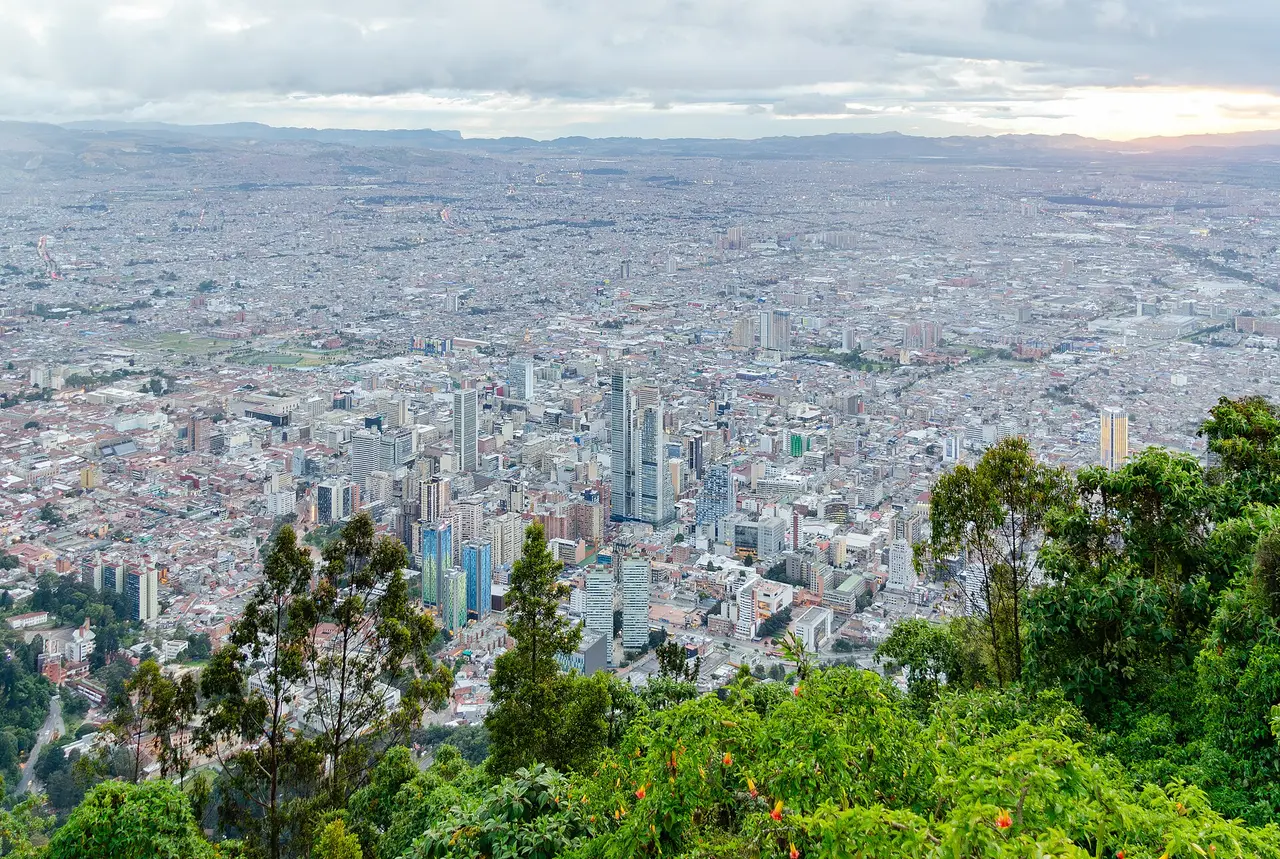
The capital sprawls at 2,600 metres on a high Andean plateau. The historic core of La Candelaria, the Gold Museum and the Botero collection can be seen on foot in a day, with the cable-car ride up Monserrate for the view. Allow three nights to acclimatise to the altitude before hiking elsewhere. An hour to the north, the Zipaquira salt cathedral is carved into a former mine. On Sundays the ciclovia closes the main avenues to cars and the city is best explored by bike. From Bogota, Peru is a three-hour flight away to continue toward Cusco.

Medellin and Antioquia

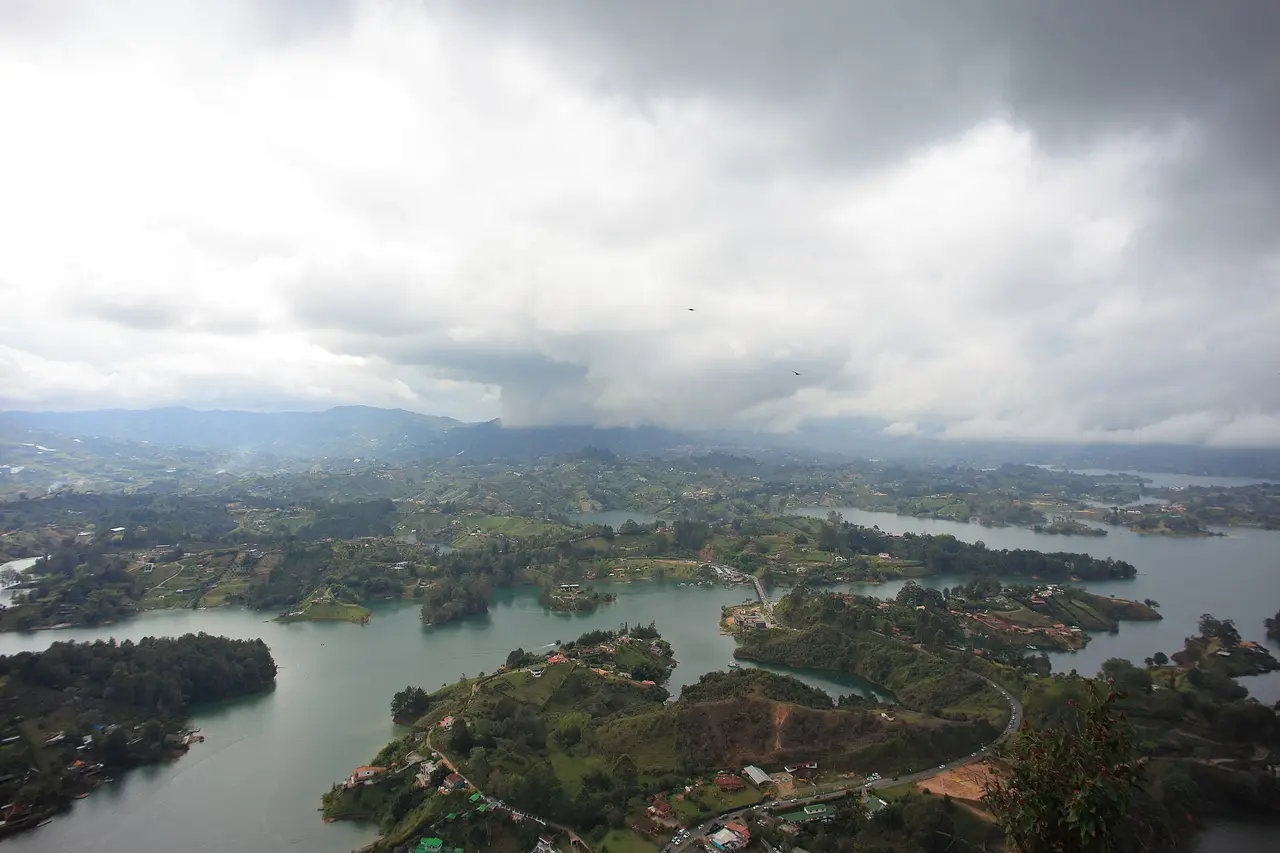
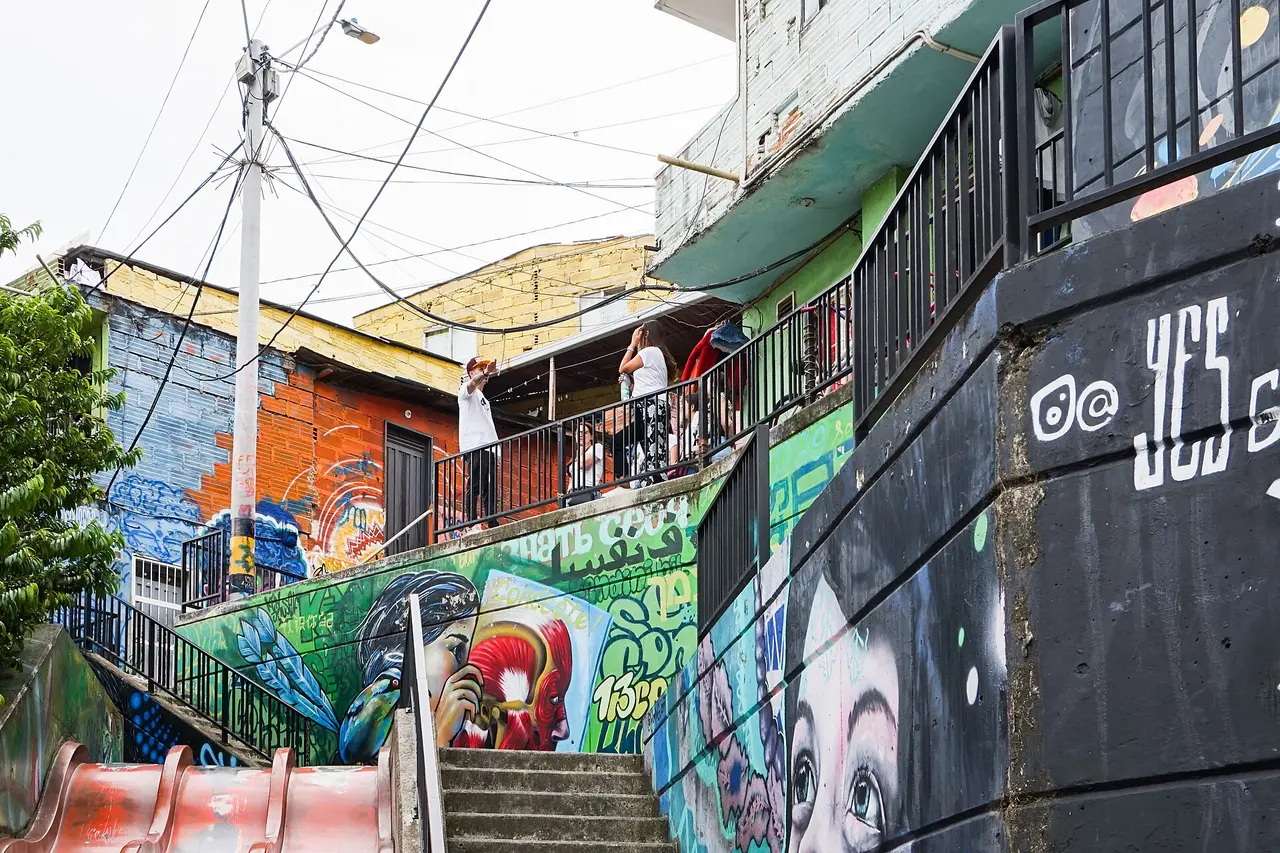
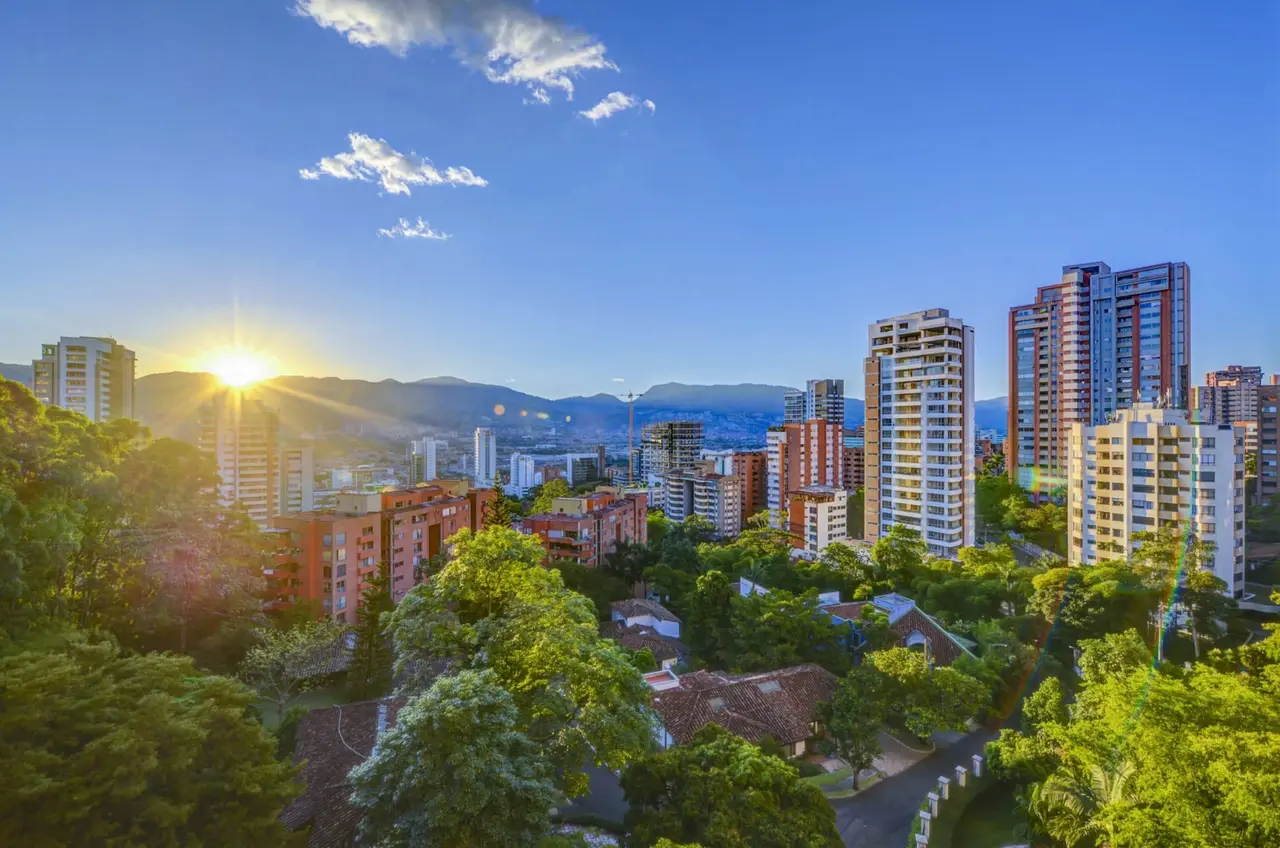
Long avoided, Medellin is now a common stop thanks to its metro and metrocables serving the hillside neighbourhoods. Comuna 13, with its outdoor escalators and murals, is best visited on a morning guided tour. El Poblado concentrates restaurants and nightlife. Two hours away by road, the town of Guatape and the El Penol rock, climbed via 740 steps, make the classic day trip. The climate stays mild year-round, around 22 degrees, hence the nickname city of eternal spring.

The Coffee Region

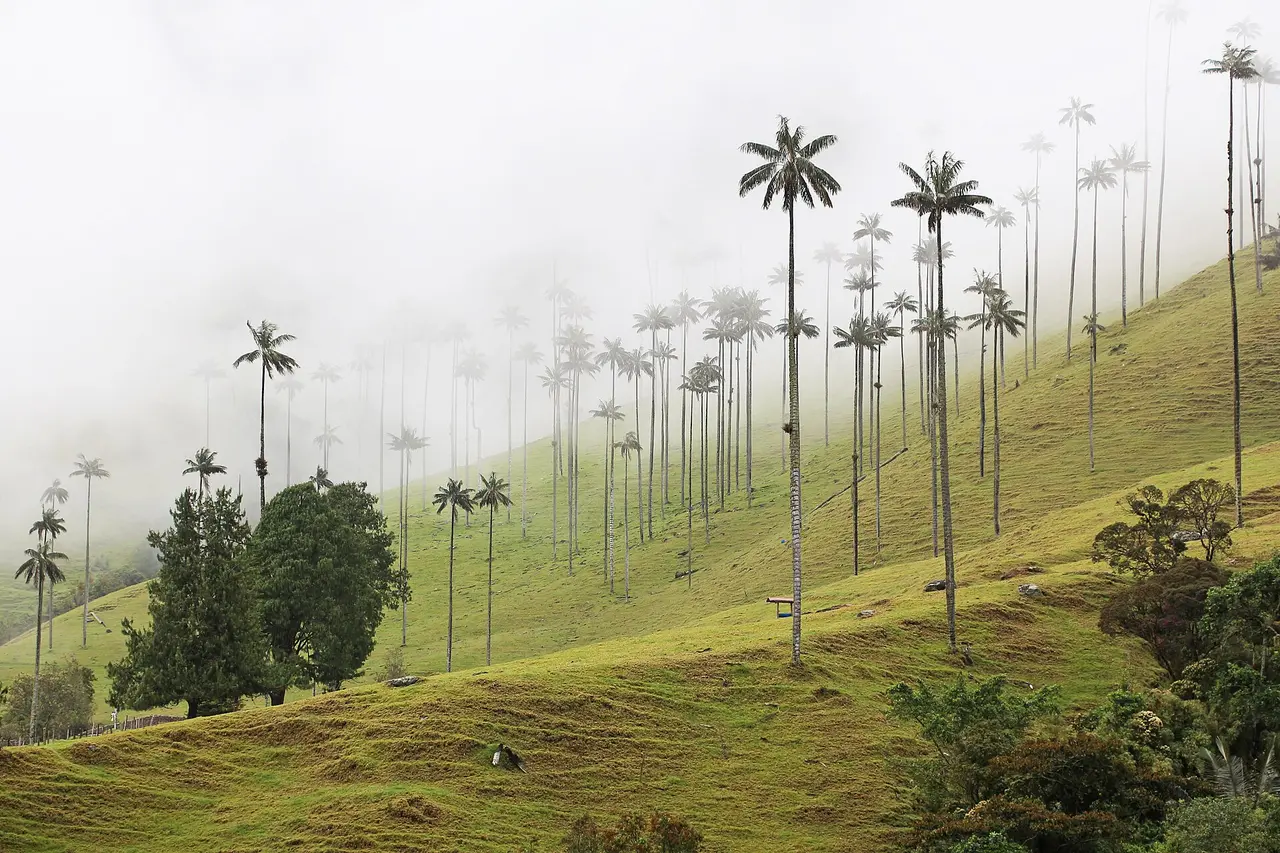
The Armenia, Pereira and Manizales triangle, a UNESCO coffee cultural landscape, is reached by domestic flight from Bogota then shuttle. Salento is the base for the five-hour hike in the Cocora Valley, among wax palms taller than 50 metres. A farm visit with picking and tasting takes half a day. Filandia, less busy than Salento, has the same colourful colonial streets. Plan three nights here to avoid rushing.

Cartagena and the Caribbean coast

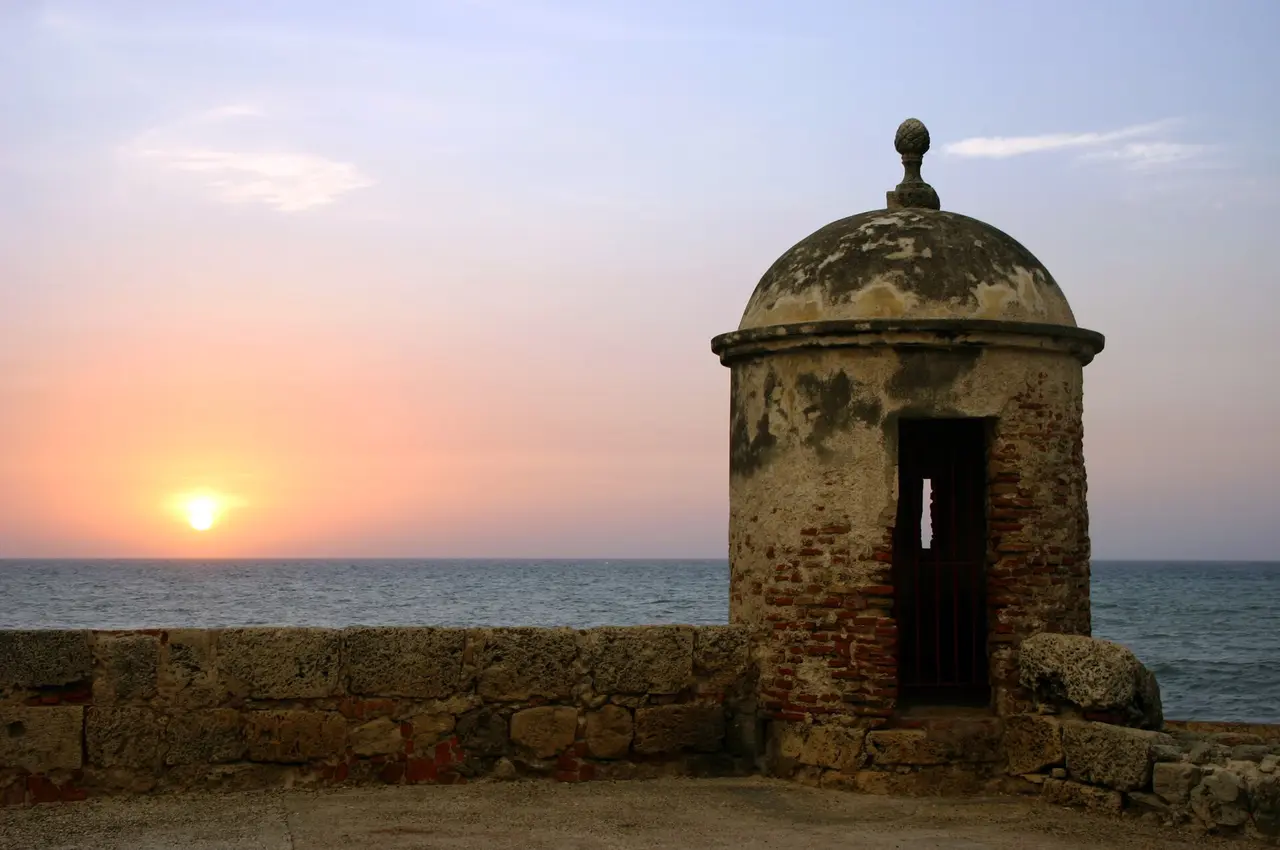
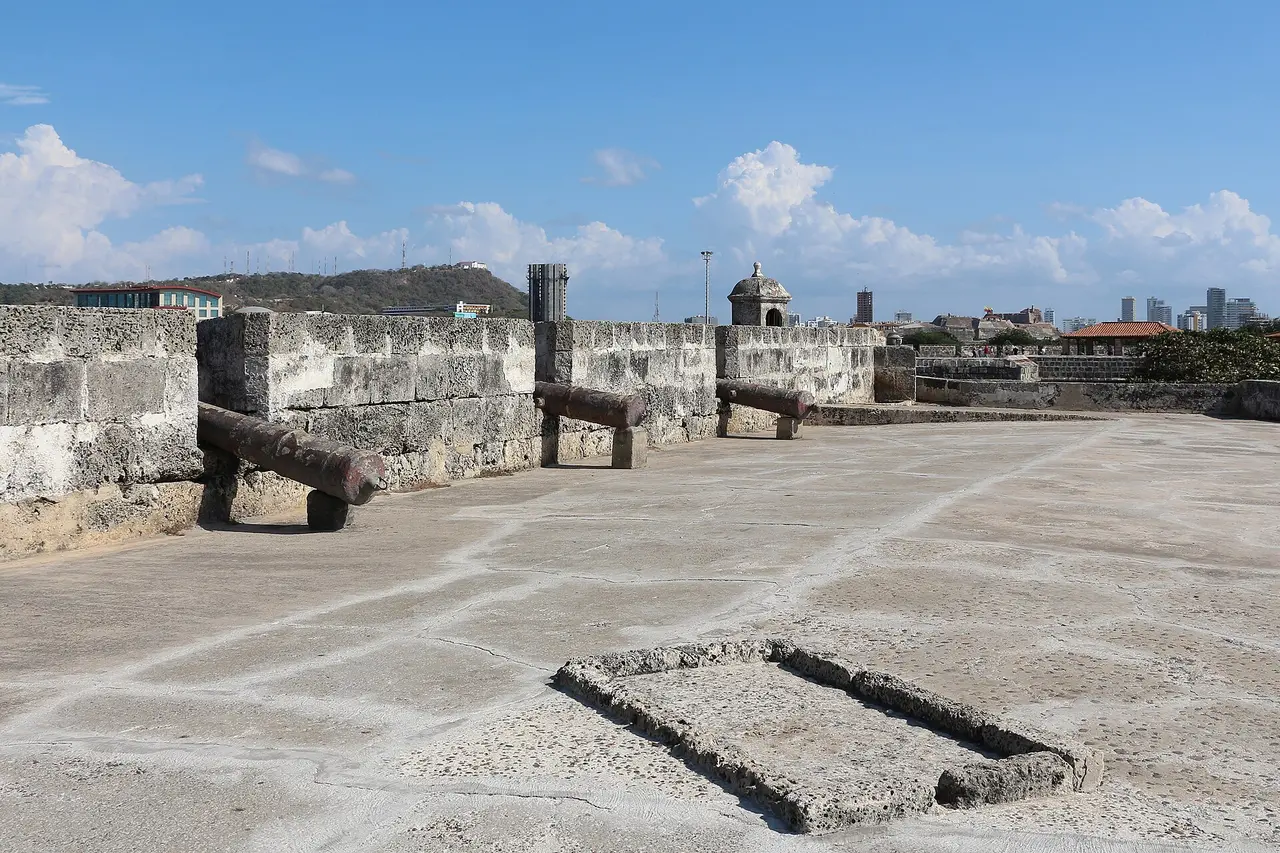
Cartagena de Indias lines up behind its 16th-century walls a colonial centre of balconied houses and the bohemian Getsemani district. Visit the Castillo San Felipe early before the heat. From the port, a day by boat reaches the Rosario Islands or the beaches of Baru. The city is the most expensive in the country for lodging, especially from December to March and during Holy Week. Barranquilla, two hours east, only really comes alive for its Carnival in February.

The Sierra Nevada and Tayrona

East of Santa Marta, the Sierra Nevada drops straight into the Caribbean. Tayrona National Park protects jungle-backed beaches such as Cabo San Juan, reached after a two-hour walk from the El Zaino entrance; the park closes several weeks a year for ecological recovery. The Lost City trek, a 9th-century Teyuna site, needs four to five days round trip with a compulsory guide. Minca, at 650 metres, has a cooler climate and good birdwatching.

Cali, the Pacific and the Amazon

Cali is the salsa capital: dance schools offer classes by the hour and the clubs of Juanchito stay open late. From Buenaventura or Nuqui, mostly reached by air, the Pacific coast of Choco offers humpback whale watching from July to October. To the south, Leticia is the gateway to the Colombian Amazon, on the river at the border with Brazil and Peru; it is only reachable by flight from Bogota.

Cities to visit in Colombia

Featured destinations appear first.

How much it costs

Per person per day, excluding international travel.
Budget
44 €/ day
1 816 € for 2 people, 7 days, return flights included
Accommodation
20 €
Food
10 €
Local transport
7 €
Sights and activities
7 €
Comfort
83 €/ day
2 362 € for 2 people, 7 days, return flights included
Accommodation
32 €
Food
22 €
Local transport
11 €
Sights and activities
18 €
Premium
229 €/ day
4 406 € for 2 people, 7 days, return flights included
Accommodation
100 €
Food
46 €
Local transport
28 €
Sights and activities
55 €
Prices checked: Relevé septembre 2026. Sources : Nomadic Matt (Colombia Travel Costs 2026), Hostelz backpacker budget Colombia, Budget Your Trip, retours de terrain Kam Travels 2026. Conversion USD vers EUR au taux de septembre 2026 (1 EUR proche de 1,08 USD). Budget cadre sur l'itinéraire classique Bogota - axe cafetier - Medellin - Carthagene ; les zones côtières (Carthagene, Tayrona, San Andres) sont sensiblement plus chères que l'intérieur. Vol A/R Paris - Bogota estimé à 600 EUR par personne en basse saison (Air France, agrégateurs momondo et Skyscanner) ; éviter juillet-août et décembre. Chambre double partagée a deux pour comfort et premium, lit en dortoir pour backpacker. Peso colombien volatil : budget a revalider tous les 3 à 4 mois.

Getting there

Airports serving Colombia, from main hubs to secondary ones.
  • APIGomez Nino Apiay Air BaseApiaySecondary
  • APOAntonio Roldán Betancur AirportCarepaSecondary
  • AUCSantiago Perez AirportAraucaSecondary
  • AXMEl Eden AirportArmeniaSecondary
  • BGAPalonegro AirportBucaramangaSecondary
  • BSCJosé Celestino Mutis AirportBahía SolanoSecondary

Entry, health and safety

For FR travellers

Entry requirements

No visa for a tourist stay

Exemption de visa pour un séjour touristique de 90 jours maximum, sur présentation d'un billet de sortie du territoire. Le formulaire migratoire Check-Mig doit être rempli en ligne entre 72 heures et 1 heure avant l'arrivée comme avant le départ.

Stay allowed for up to 90 days.

Health

Required: Fièvre jaune obligatoire pour les voyageurs en provenance du Bresil, de Republique démocratique du Congo, d'Ouganda et d'Angola, ainsi que pour entrer dans les parcs nationaux colombiens.

Advised: Être a jour des vaccinations universelles, notamment rougeole et coqueluche. Fièvre jaune recommandée pour les départements d'Amazonie (Amazonas, Caqueta, Guaviare, Putumayo, Vichada) et certaines municipalites du Norte de Santander et du Choco. Hépatites A et B, typhoïde et rage selon la durée et les conditions du séjour.

Dengue, Zika et chikungunya circulent en dessous de 1800 mètres. Paludisme dans les zones de transmission endémique, surtout en Amazonie et sur la côte pacifique. Mal aigu des montagnes possible à Bogota (environ 2600 mètres). Ne boire que de l'eau en bouteille ou traitée. Vigilance renforcée dans les grandes villes (Bogota, Medellin, Carthagene), avec de nombreuses agressions à la scopolamine ; les départements frontaliers et la côte pacifique du Choco sont formellement déconseillés. Au moment de la vérification, alerte orange du volcan Purace (Cauca) et répliques du séisme du 10 août 2026 dans la zone cafetiere.
Safety

Increased caution

Emergency

123

Checked in septembre 2026 against the official source. Entry rules change: check the official source before you travel, it alone is authoritative.

Colombia in pictures

Photo credits : Bernard Gagnon, CC BY-SA 4.0, Wikimedia Commons ; Javier Perez Montes, CC BY-SA 4.0, Wikimedia Commons ; David Shankbone, CC BY-SA 3.0, Wikimedia Commons

Must-see sights

The places that shape most itineraries, from the Andes to the Caribbean coast.

Cartagena old town

Fortified colonial centre listed by UNESCO, with ramparts, shaded squares and the Getsemani district, now the festive heart of the city.

Cocora Valley

Hike among the world's tallest wax palms, starting from Salento by Willys jeep, a five-hour loop on foot.

Lost City

Teyuna ruins in the Sierra Nevada jungle, reachable only by a guided four to five day trek from Santa Marta.

Guatape and El Penol

Town with colourful bas-relief facades and a 200-metre monolith whose summit is reached by a 740-step staircase.

Comuna 13, Medellin

Once-stigmatised neighbourhood transformed by street art and open-air escalators, visited on a community tour.

Gold Museum, Bogota

The world's largest collection of pre-Columbian goldwork, about 34,000 pieces, in the capital's centre, closed on Mondays.

Cano Cristales

River in the Serrania de la Macarena stained red by an aquatic plant, visible mainly from June to November.

Tayrona Park

Caribbean beaches backed by forest and granite boulders, with an annual closure for ecological recovery to check before going.

Las Lajas Sanctuary

Neo-Gothic church built on a bridge over a gorge, near Ipiales and the Ecuadorian border.

Zipaquira salt cathedral

Nave and chapels carved into a salt mine 180 metres underground, a day trip from Bogota.

Practical information

Currency
Colombian peso (COP). Cash useful outside cities; cards accepted in hotels and larger shops.
Check-Mig form
Filed online for free between 72 h and 1 h before every inbound and outbound flight.
Tap water
Drinkable in Bogota and Medellin, not advised on the Caribbean coast and in rural areas.
Power sockets
Type A and B, 110 volts as in the United States; adapter needed from Europe.
Altitude
Bogota at 2,600 m: allow 24 to 48 h of rest before any effort, stay hydrated, skip alcohol the first night.
Domestic flights
Avianca, LATAM and Wingo link the main cities in 1 h to 1 h 30, often cheaper than a 10-hour bus.
Tipping
A voluntary 10 percent propina is often added to restaurant bills; you may decline or adjust it.
Taxis
Use apps (Uber, Cabify, DiDi) rather than street-hailed taxis, especially at night.
Safety
Local rule no dar papaya: do not flash phone, jewellery or cash. Border areas and the Pacific coast of Choco are not advised.

Similar destinations

Other countries you might like as much as Colombia.

Similar regions

Other regions you might like as much as Colombia.

Frequently asked questions about Colombia

Cartagena or Santa Marta for the beach?
Cartagena for the colonial atmosphere and trips to the Rosario Islands, though its urban beaches are average. Santa Marta mainly serves as a base for Tayrona park and Palomino, where beaches are better but swimming is sometimes dangerous.
How many days does the Lost City trek take?
The route takes four days, sometimes three for fit hikers or five at an easy pace. It starts from Santa Marta with a compulsory guide, and all operators charge a near-identical, collectively fixed price.
Is Medellin safe to visit?
Tourist areas such as El Poblado, Laureles and the metro circuit are fine by day. The main concern is scopolamine attacks at night: do not accept a drink from a stranger and avoid dating apps.
How do you get to Cano Cristales?
Fly from Bogota or Medellin to La Macarena, then join a compulsory guided tour. The river shows its colours roughly from June to November; outside that window the effect is limited.
Is altitude sickness a problem in Bogota?
At 2,600 m some people get headaches, breathlessness or insomnia for the first two days. It usually clears on its own with hydration and by avoiding alcohol and hard effort on arrival. Bogota is far lower than Cusco or La Paz.
Plane or bus between the main cities?
Almost always the plane. Bogota to Cartagena is a 1 h 20 flight versus about 20 h by bus, for a comparable price if booked ahead on Wingo or Avianca. Buses stay worthwhile on short, scenic routes.
When is the Barranquilla Carnival?
It runs over the four days before Ash Wednesday, in February or early March depending on the year. It is Latin America's second-largest carnival after Rio; lodging doubles and books out months ahead.

Plan your trip to Colombia

Day-by-day itinerary, budget, bookings and packing in a single app.
Aperçu de l'application PlanTripNow