The Dodecanese

Located at the southeastern edge of the Aegean Sea, the Dodecanese archipelago brings together about a dozen main islands shaped by Byzantine, medieval and Ottoman heritage. Between knights' fortresses, traditional villages and varied beaches, it offers a distinctive side of the Greek islands.

Why visit the Dodecanese?

The Dodecanese brings together about a dozen main islands, including Rhodes and Kos, shaped by the presence of the Knights of St. John in the Middle Ages. The archipelago stands out for its medieval fortresses, fortified old towns and close proximity to the Turkish coast.

What to discover in the Dodecanese?

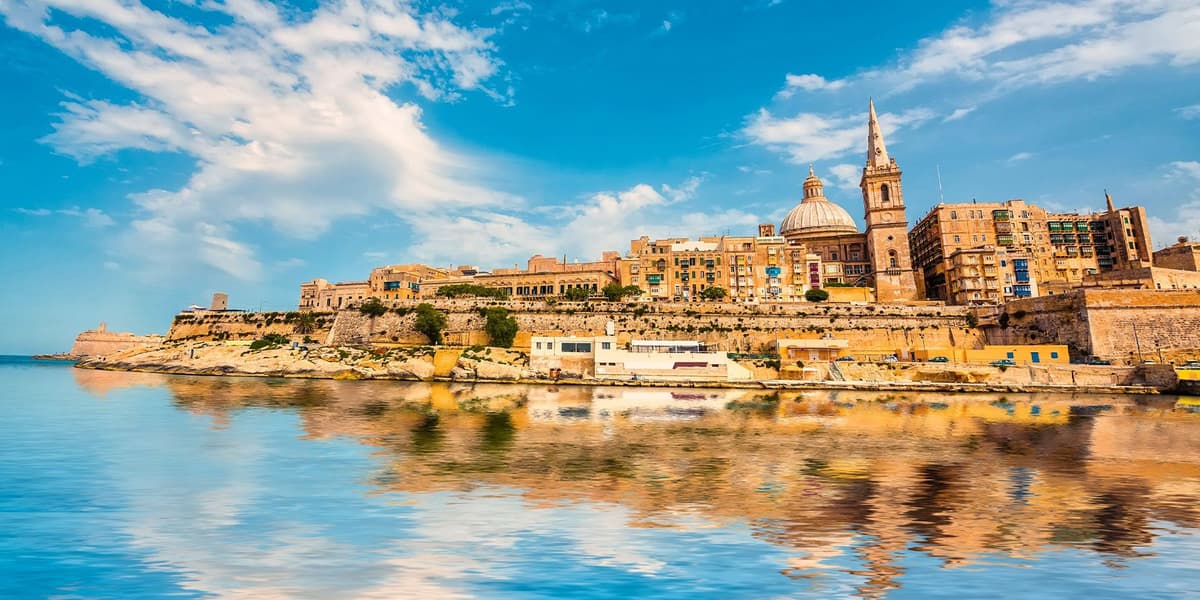
The Dodecanese takes its name from the Greek for "twelve islands," referring to its main inhabited islands, including Rhodes, Kos, Karpathos and Patmos. The archipelago was shaped by the presence of the Knights Hospitaller of St. John from the 14th century onward, whose imprint remains visible in the medieval fortifications of Rhodes' old town, a UNESCO World Heritage site.
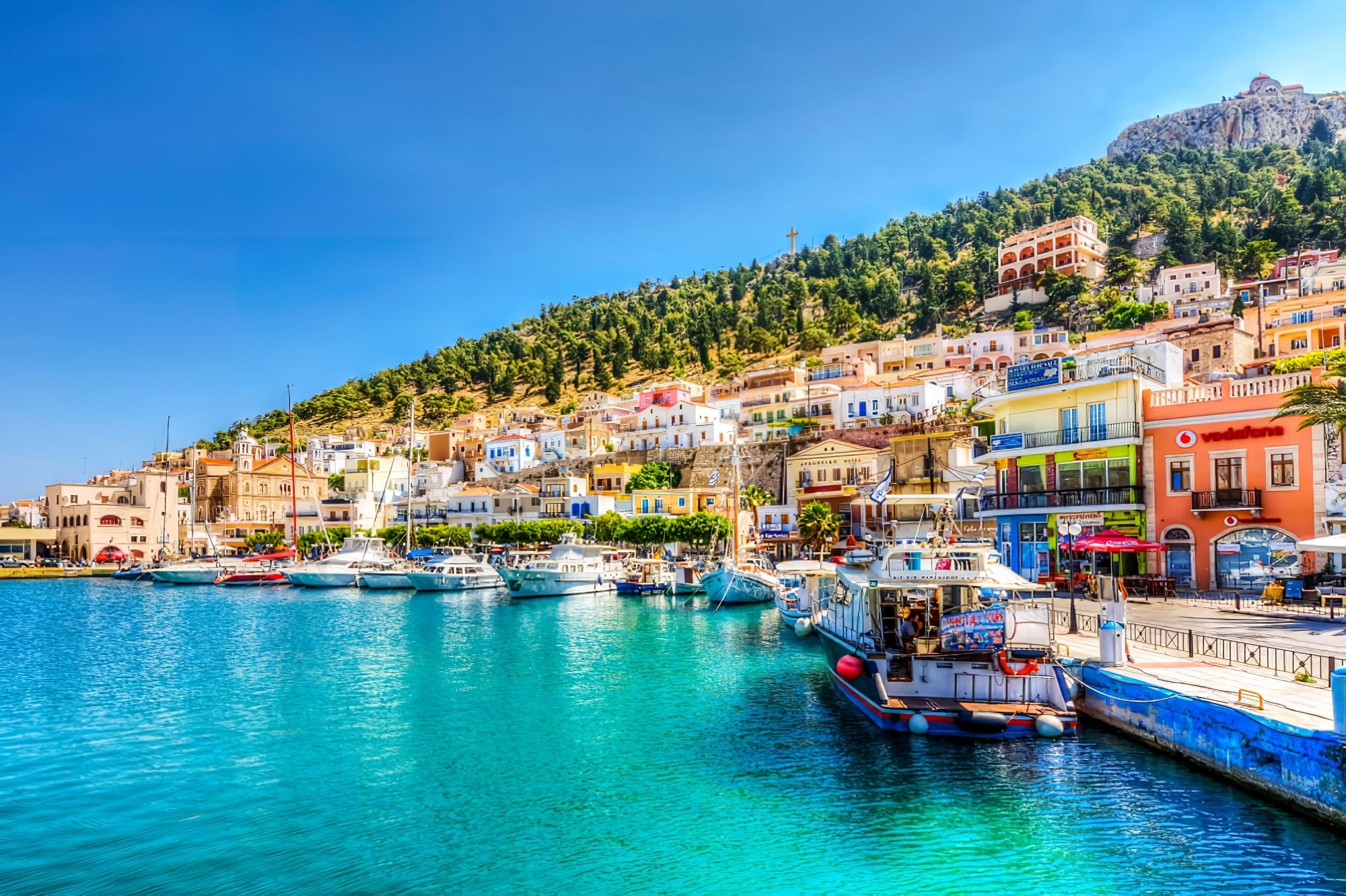
Beyond Rhodes, each island in the archipelago holds its own identity: Kos with its ancient Asklepion site tied to Hippocrates, Patmos with its Byzantine monastery where the Book of Revelation was traditionally written, or Symi with its colorful houses facing the harbor. This diversity, paired with varied beaches and a cuisine influenced by nearby Anatolia, makes the Dodecanese a destination rich in heritage and contrasting landscapes.

Cities to visit in Dodecanese

Featured destinations appear first.
Coming soon.

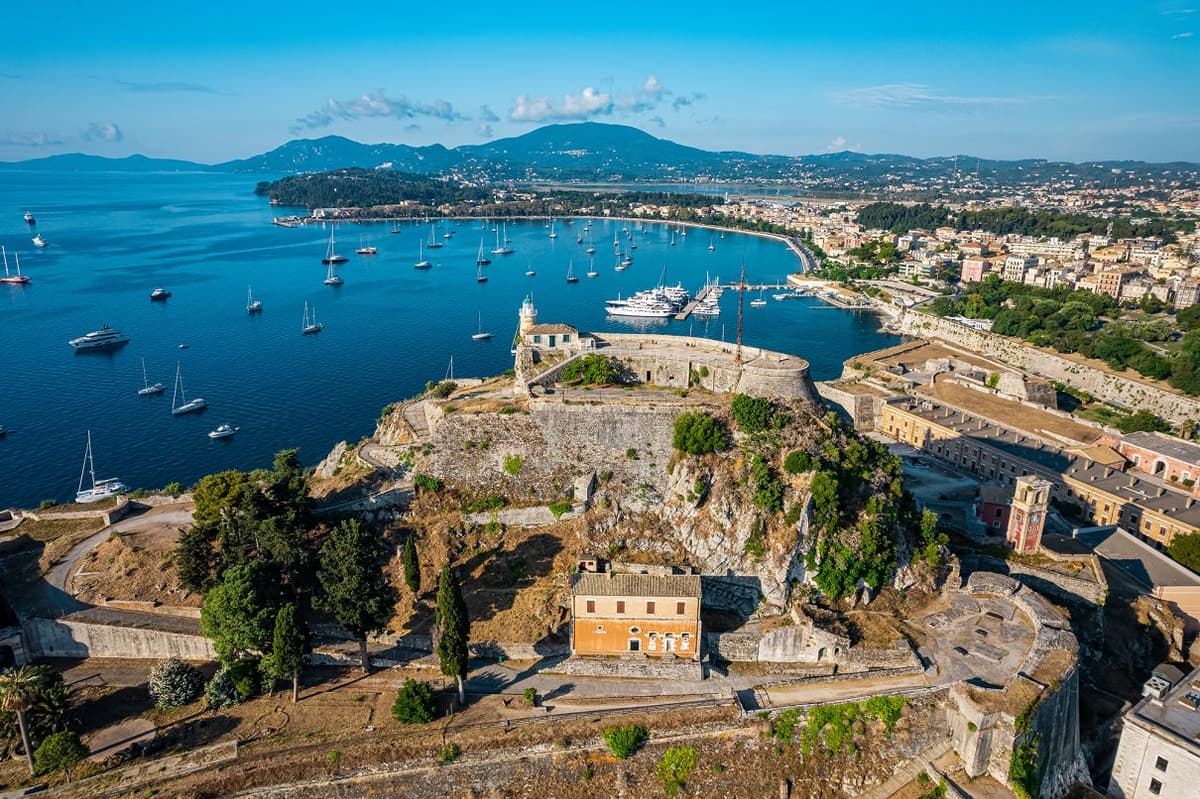
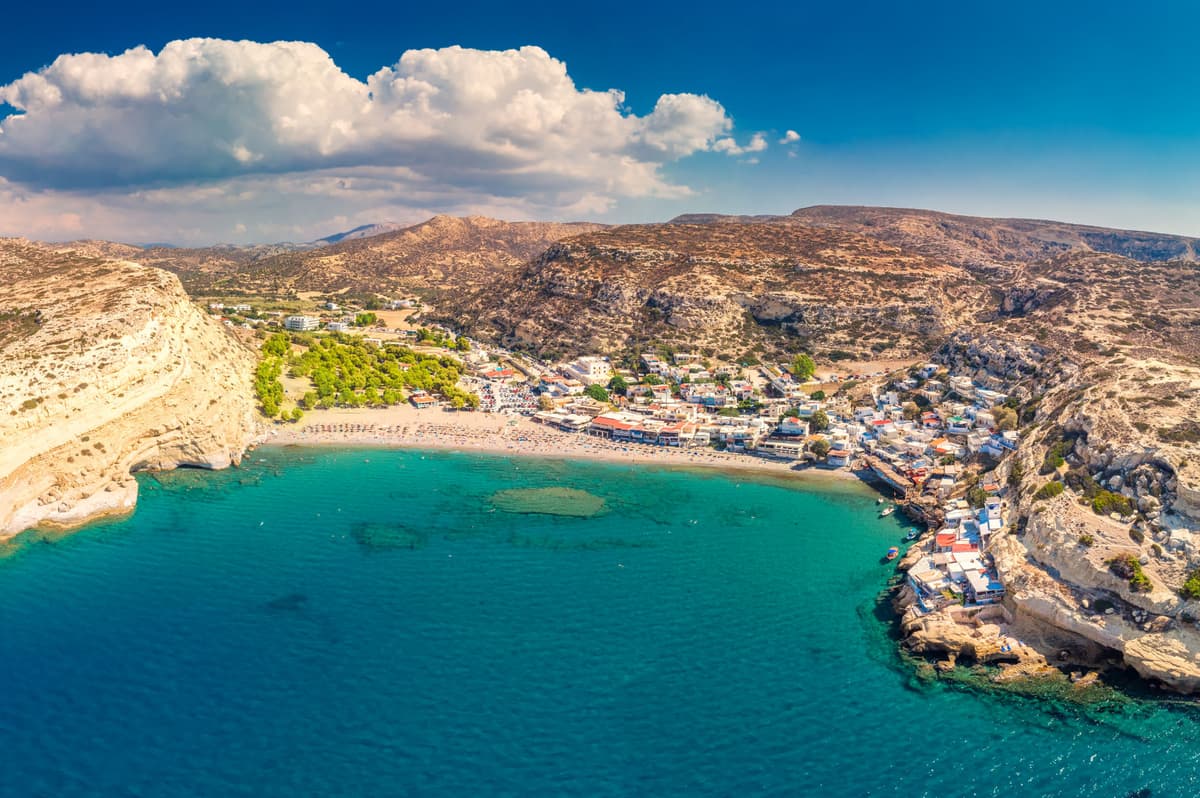
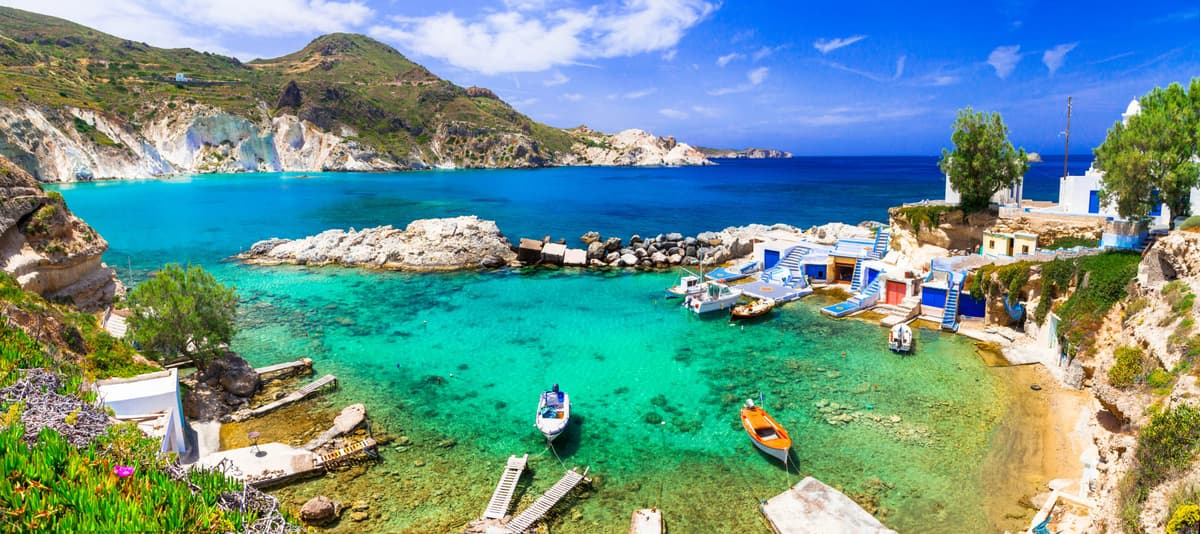
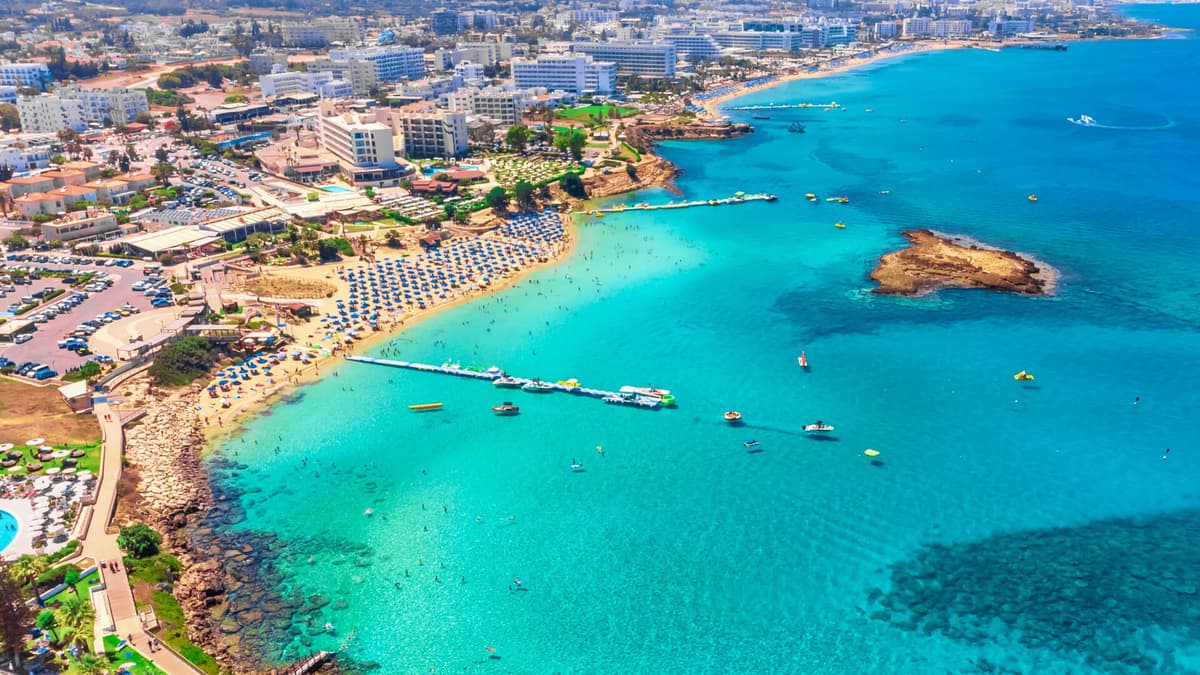
Dodecanese in pictures

The Dodecanese's must-see experiences

A few experiences that shape a discovery of the archipelago.

Rhodes old town

This fortified medieval city, a UNESCO World Heritage site, preserves the Palace of the Grand Master and its walls.

Island of Kos

Known for its ancient Asklepion site and its Knights' castle, the island also offers long stretches of beach.

Patmos monastery

This fortified Byzantine monastery, traditionally where the Book of Revelation was written, overlooks the island from a rocky outcrop.

Village of Symi

Colorful houses arranged in an amphitheater around the harbor make Symi one of the archipelago's most photogenic islands.

Island of Karpathos

Between mountains and preserved traditional villages, Karpathos offers a more authentic side of the Dodecanese.

Ferry connections

A network of ferries links the islands to each other and to the mainland, allowing for a multi-island trip.

Practical information

Main islands
About a dozen
Total area
About 2,710 km²
Population
About 190,000 residents
Language
Greek
Currency
Euro (EUR)
Time zone
UTC+2 (UTC+3 in summer)
Climate
Mediterranean, hot dry summers
Best season
April to October

Frequently asked questions about the Dodecanese

When is the best time to visit the Dodecanese?
April through October offers dry, sunny weather, with higher visitor numbers in July and August on the main islands.
Which island should I visit first?
Rhodes and Kos, better served by air, are often a first entry point before reaching smaller islands.
How do you travel between the islands?
Regular ferries connect the main Dodecanese islands, making it possible to combine several destinations in one trip.
Is the Dodecanese close to Turkey?
Yes, several islands such as Rhodes or Kos lie just a few kilometers from the Turkish coast, visible on clear days.
What heritage characterizes the archipelago?
The legacy of the Knights of St. John strongly marks the architecture, especially in Rhodes and to a lesser extent in Kos.
Is the Dodecanese suited to a multi-island trip?
Yes, the islands' proximity and dense ferry network make it easy to explore several destinations in a single trip.

Plan your trip to Dodecanese

Day-by-day itinerary, budget, bookings and packing in a single app.
Aperçu de l'application PlanTripNow