Skip to content

Visit Cyprus: when to go, budget and itineraries

The Mediterranean's third-largest island, Cyprus layers ancient ruins, mountain villages and turquoise beaches across a territory that unfolds in about ten days. A capital split in two since 1974, a sea swimmable from April to November: enough to build a trip beyond simple sunbathing.
  • 2 regions

At a glance

Currency
Euro (€)
Time difference
UTC+2
Visa
None
Tourist stay of up to 120 days
7-day budget
€791
Per person, comfort profile, excluding international flights.

Why visit Cyprus?

Cyprus packs UNESCO-listed ancient sites, a capital still split by a UN buffer line, and 340 km of coast where the sea tops 27°C in summer, into just 9,251 km². The island can be toured in about ten days without doubling back.

When to visit Cyprus

Temperatures, rainfall and crowds month by month, to pick your window.
When to visit Cyprus
MonthTemperaturesRainCrowdsVerdict
January8 to 17 °C8 dVery quietMild but rainy, the sea is still too cold to swim in, hotels empty and cheap.
February8 to 18 °C6 dVery quietAlmond trees blossom inland while the coast stays quiet and inexpensive.
March9 to 20 °C5 dQuietSpring arrives, wildflowers carpet the Troodos foothills, the sea is still too cool.
April12 to 23 °C3 dModerateEaster crowds arrive and wildflowers peak, the sea is bracing rather than inviting.
May16 to 27 °C1 dModeratePleasant warmth without the heat, sea near 21°C, a good compromise before the summer rush.
June20 to 31 °C0 dBusySummer sets in, afternoons between 25 and 31°C, beaches fill as European school holidays begin.
July23 to 33 °C0 dPackedPeak heat near 33°C, book well ahead, beaches and coastal towns are saturated.
August23 to 33 °C0 dPackedThe hottest month, sea at its yearly peak of 28°C, prices and crowds at their maximum.
September21 to 31 °C1 dBusySea still at 27.5°C, heat eases slightly, a favorite month among repeat visitors.
October18 to 28 °C2 dModerateGolden autumn light, sea still swimmable near 25°C, crowds thin out after mid-month.
November13 to 23 °C5 dQuietRain returns, the sea cools to around 22.5°C, olive harvest season inland.
December10 to 19 °C8 dQuietThe wettest month with 8 rainy days, Christmas markets briefly liven up Nicosia and Limassol.
Source: Cadré sur Larnaca, côte sud (moyennes climatiques recoupées climatestotravel.com et weatherspark.com), relevé septembre 2026

What to discover in Cyprus?

Larnaca, Ayia Napa and the south-east coast

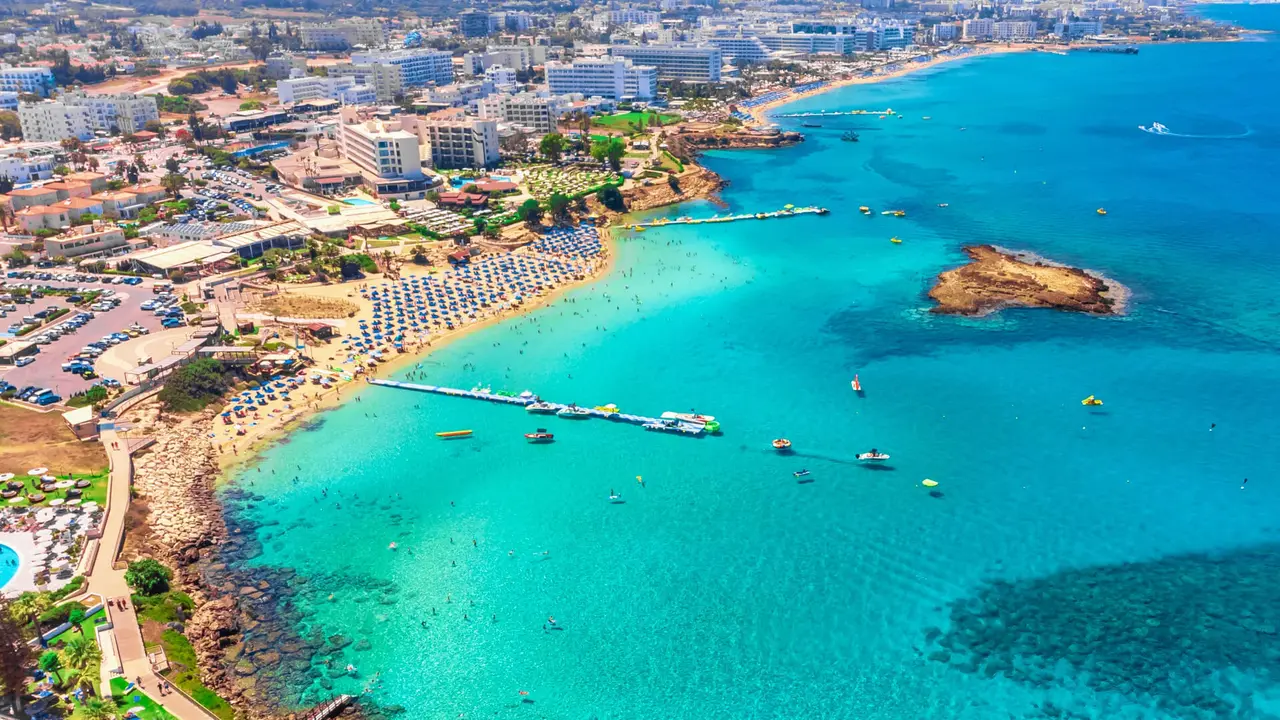
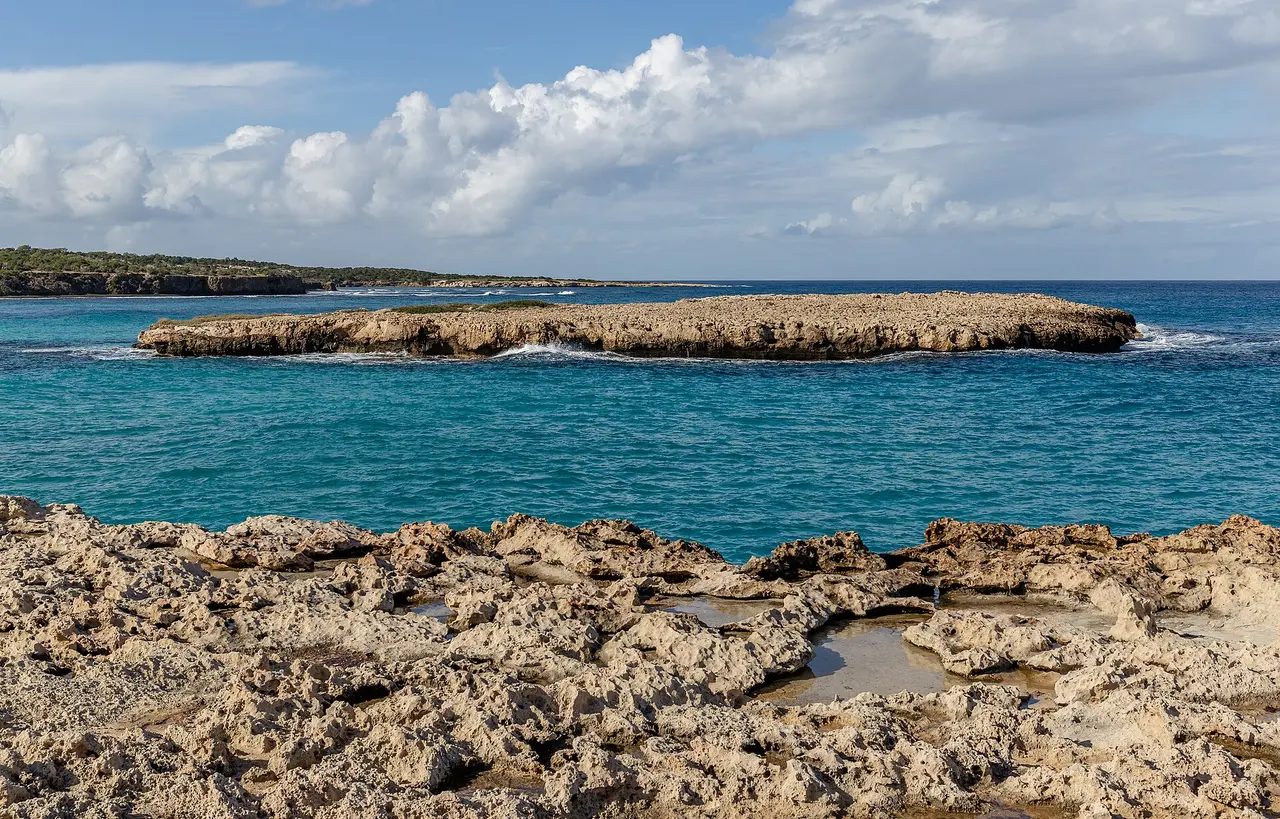
Larnaca serves as the main gateway with its 9th-century Church of Saint Lazarus and Finikoudes promenade lined with palm trees. Twenty minutes on, Ayia Napa's Nissi Beach draws a young summer crowd, while Cape Greco national park offers quieter coastal trails and sea caves best explored early morning. Somewhat like on Malta, this is where the island's densest beach offer sits, all of it under 40 minutes from Larnaca airport, which makes it a natural first or last stop.
Nicosia, Europe's last divided capital

Since the 1974 Turkish invasion, Nicosia has been split by the Green Line, a UN buffer zone crossed on foot along Ledra Street with a passport or ID card, usually in under ten minutes. Turkey, barely 65 km north, has backed the occupied part of the island ever since. On the southern side, the Cyprus Museum and the old Laiki Geitonia quarter, with its craft workshops and courtyards, make for an easy half-day visit.

The Troodos mountains and their villages

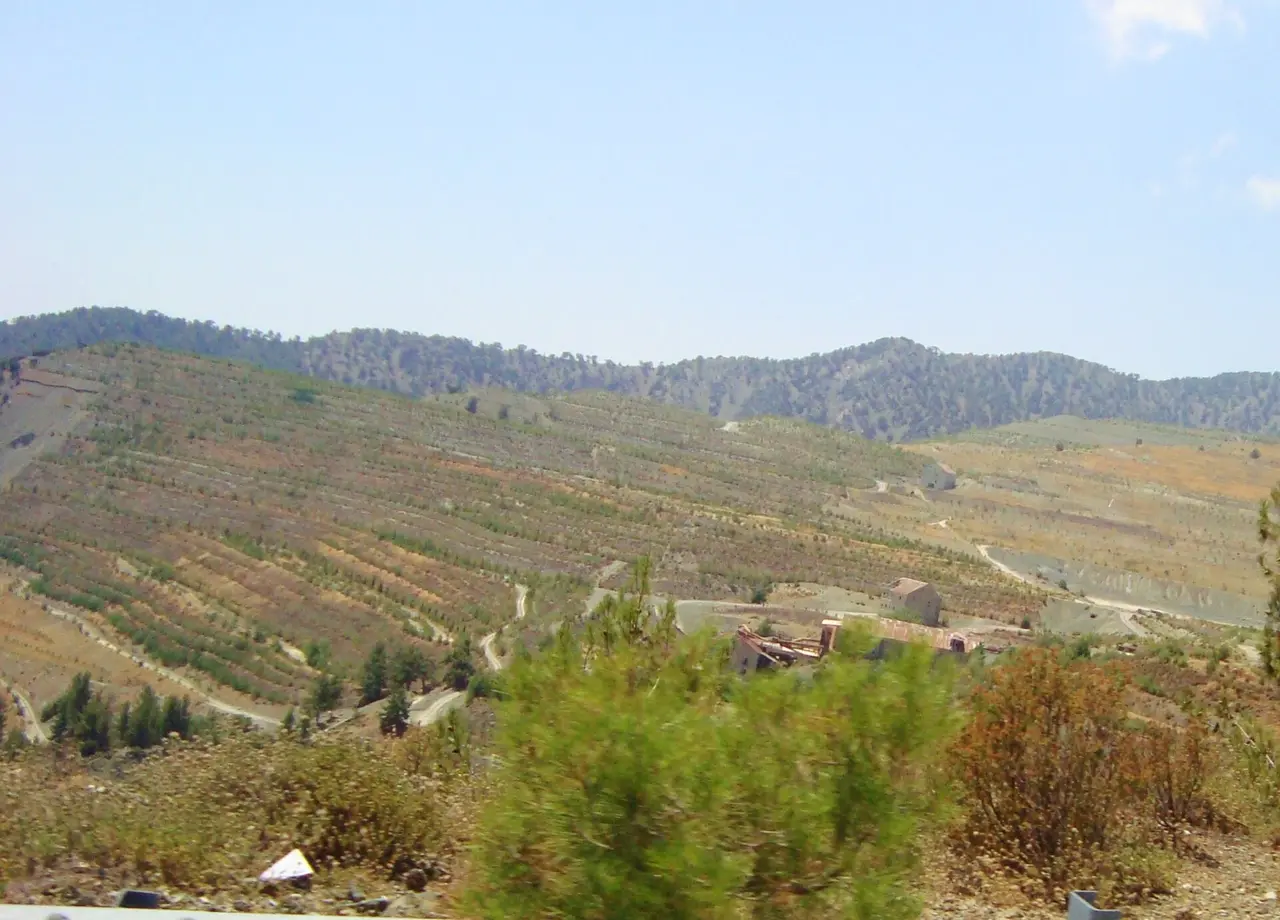
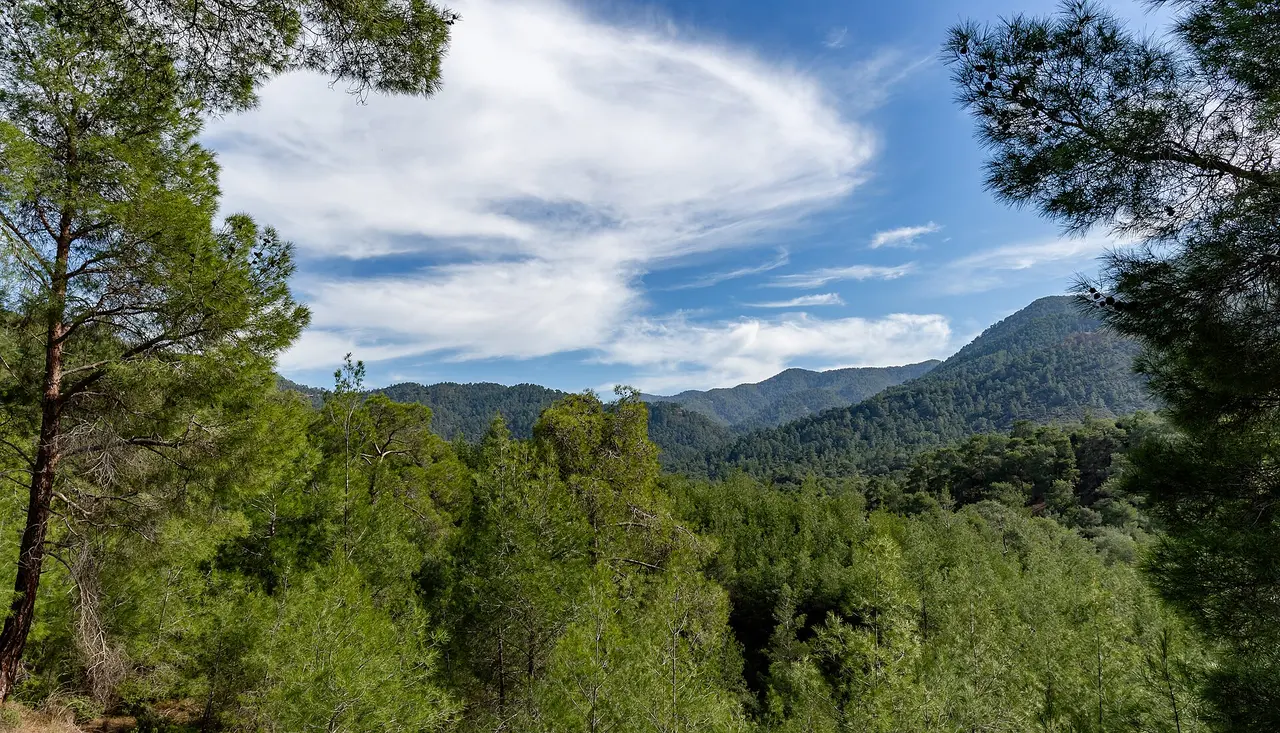
The island's highest point at 1,951 metres, Mount Olympus overlooks a range hiding ten UNESCO-listed painted Byzantine churches and Kykkos Monastery, founded in the 11th century and still one of the wealthiest in Cyprus. The cobbled wine villages of Omodos and Lofou can be reached in a day's drive from Nicosia, with two to three-hour hikes leading to Caledonia Falls and, further west, the slopes used for skiing between January and March.

Paphos and the wild Akamas peninsula

Paphos archaeological park lines up near-intact Roman mosaics across more than 2,000 m², next to the Tombs of the Kings, a rock-cut necropolis dating to the 4th century BC. An hour further north, the Akamas peninsula is explored by 4x4 or boat trip out to the Blue Lagoon's shallow turquoise water, with Lara Beach hosting protected loggerhead turtle nests from May to October each year.

Cypriot food and wine

Halloumi, the grilled cheese with its distinctive squeak, gained protected designation of origin status in 2021 and stars in a meze spread that can run to fifteen or twenty small dishes, a tradition not unlike what's found in Greece. Commandaria, a sweet dessert wine produced in Troodos villages since antiquity, ranks among the oldest named wines still made anywhere in the world today.

Cities to visit in Cyprus

Featured destinations appear first.
Coming soon.

Regions to explore in Cyprus

Featured destinations appear first.

How much it costs

Per person per day, excluding international travel.
Budget
31 €/ day
934 € for 2 people, 7 days, return flights included
Accommodation
14 €
Food
10 €
Local transport
4 €
Sights and activities
3 €
Comfort
113 €/ day
2 082 € for 2 people, 7 days, return flights included
Accommodation
63 €
Food
25 €
Local transport
10 €
Sights and activities
15 €
Premium
295 €/ day
4 630 € for 2 people, 7 days, return flights included
Accommodation
150 €
Food
50 €
Local transport
35 €
Sights and activities
60 €
Prices checked: Relevé septembre 2026, hors haute saison juillet-août et hors vacances scolaires. Vol A/R Paris-Larnaca estimé à 250 €/pers. (moyenne constatée 247 €, Où et Quand, comparateurs Liligo/Air France, base 72h). Hébergement : auberge de jeunesse dès 14 €/nuit, hôtel 3 étoiles autour de 63 €/nuit, hôtel 4 étoiles 120-220 € en moyenne saison (Où et Quand, Le Mag Voyage). Repas : taverne locale 10-15 € entrée de gamme, 15-25 € standard, gastronomique jusqu'à 50 € (Le Mag Voyage). Transport local : bus urbain 2 €/trajet, location de voiture 20-50 €/jour hors saison (Où et Quand).

Getting there

Airports serving Cyprus, from main hubs to secondary ones.
  • ECNErcan International AirportTymbouMain
  • LCALarnaca International AirportLarnacaMain
  • PFOPaphos International AirportPaphosMain
  • AKTRAF AkrotiriAkrotiriSecondary
  • GECLefkoniko Airport / Geçitkale Air BaseLefkonikoSecondary

Entry, health and safety

For FR travellers

Entry requirements

No visa for a tourist stay

Chypre est membre de l'UE (mais pas de l'espace Schengen) : les Français entrent avec une carte nationale d'identité ou un passeport en cours de validité, sans visa, pour un séjour touristique jusqu'à 4 mois sans formalité particulière. Au-delà, un enregistrement auprès du service d'immigration chypriote (yellow slip) est obligatoire.

Stay allowed for up to 120 days.

Health

Toutes les mesures sanitaires liées au COVID-19 à l'entrée ont été levées ; un cas positif impose toutefois un isolement de 7 jours (5 jours avec test négatif) pendant lequel les déplacements sont interdits. Les cartes d'identité françaises délivrées entre 2004 et 2013 restent valables 5 ans après leur date d'expiration affichée, prorogation reconnue par les autorités chypriotes, mais un passeport en cours de validité est recommandé pour éviter toute contestation. Neuf points de passage relient le nord et le sud de l'île ; il est possible d'y passer la nuit avant de revenir en zone sous contrôle de la République de Chypre. Vigilance renforcée recommandée compte tenu du contexte régional, notamment dans la zone non contrôlée par les autorités de la République de Chypre où la protection consulaire française ne peut être assurée.

Safety

Increased caution

Emergency

112

Checked in septembre 2026 against the official source. Entry rules change: check the official source before you travel, it alone is authoritative.

Cyprus in pictures

Photo credits : This photo was taken by Anton Zelenov . Please credit this with : Photo : Anton Zelenov in the immediate vicin, CC BY-SA 4.0, Wikimedia Commons ; Radosław Botev, CC BY 3.0 pl, Wikimedia Commons ; TroodosMountains, CC BY-SA 3.0, Wikimedia Commons ; Michal Klajban, CC BY-SA 4.0, Wikimedia Commons ; Fry72, Karel Frydrýšek, CC BY-SA 4.0, Wikimedia Commons ; kallerna, CC BY-SA 4.0, Wikimedia Commons

Not to be missed

Eight sites that sum up the island's range, from ancient ruins to wild coastline.

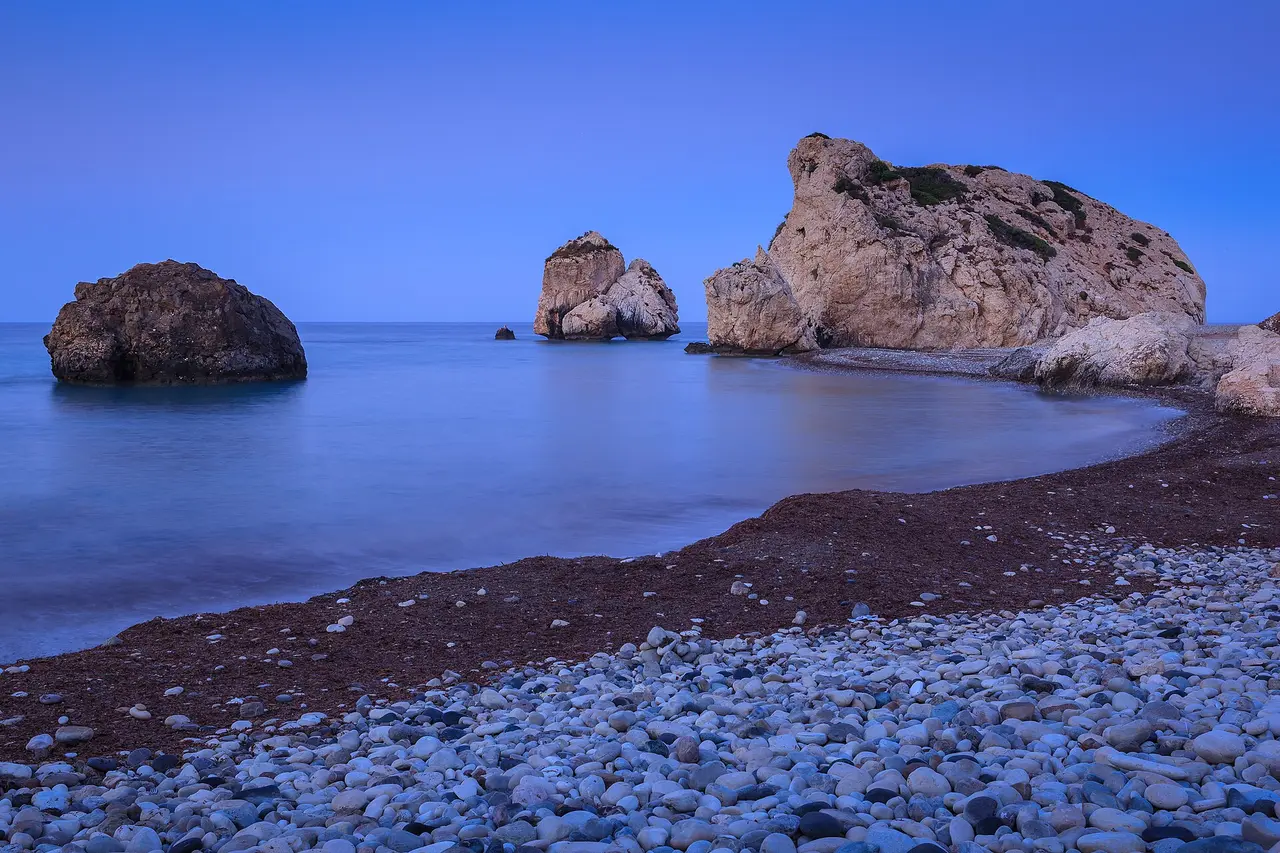
Aphrodite's Rock

Petra tou Romiou, the goddess's legendary birthplace in Greek mythology, on the road between Paphos and Limassol.

Paphos mosaics

A UNESCO-listed archaeological park with near-intact Roman floor mosaics depicting mythological scenes.

Kykkos Monastery

The island's richest Orthodox monastery, founded in the 11th century high in the Troodos, known for its gilded mosaics.

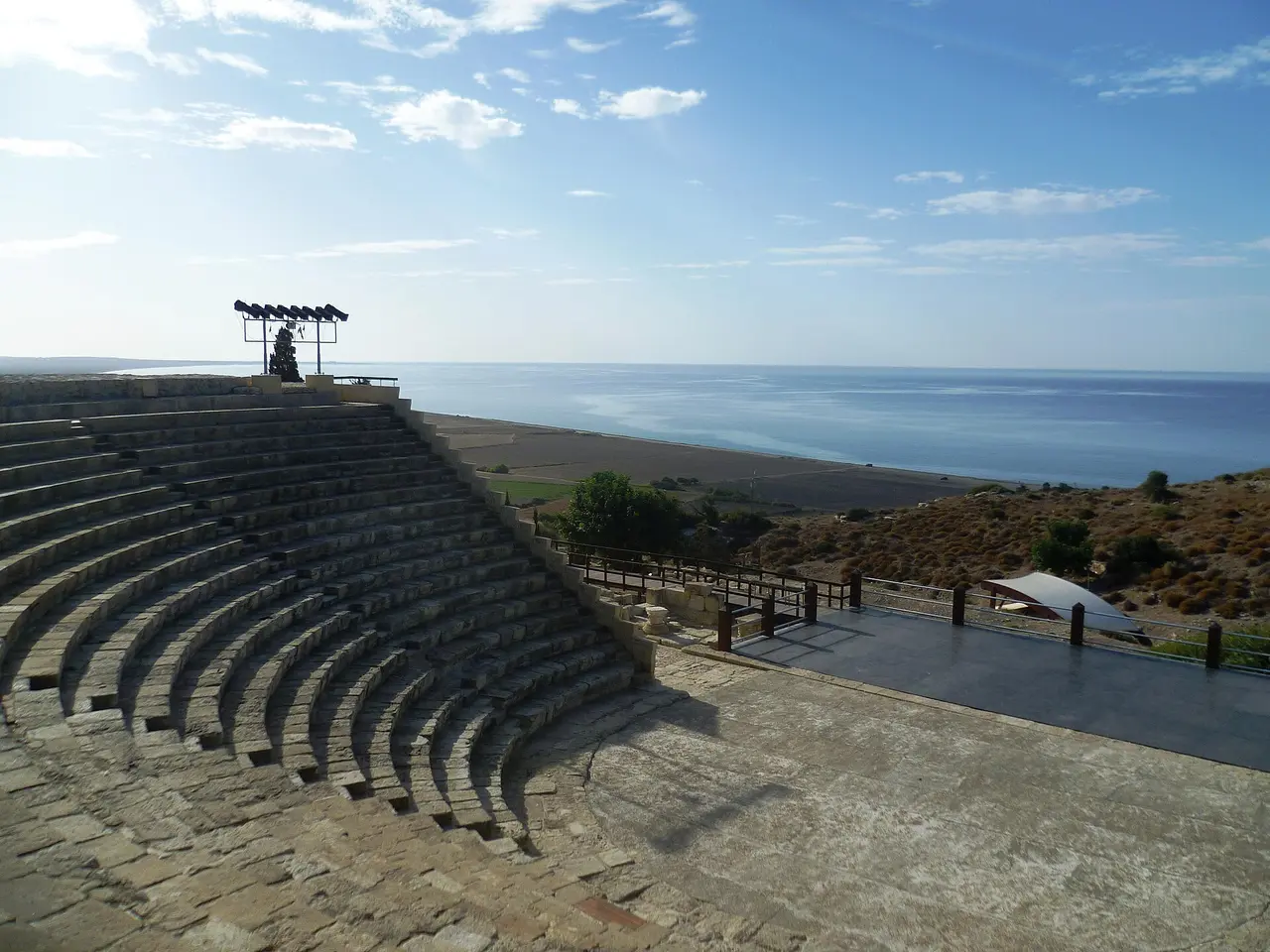
Kourion theatre

A Greco-Roman theatre perched on a cliff, still used for evening performances in summer.

Akamas peninsula

The island's last major wilderness, reached by 4x4, with the Blue Lagoon and the Baths of Aphrodite trails.

Nicosia Green Line

The UN buffer zone running through the capital since 1974, crossed on foot via Ledra Street.

Nissi Beach

Ayia Napa's sandbar and turquoise water, among the most photographed beaches in the eastern Mediterranean.

Mount Olympus

The Troodos' highest point at 1,951 metres, skiable in winter and crossed by hiking trails the rest of the year.

Practical info

Capital
Nicosia
Currency
Euro (EUR)
Languages
Greek in the South, Turkish in the North
Time zone
UTC+2 (UTC+3 in summer)
Driving side
Left, as in the UK
Power sockets
Type G, 230V (adapter needed)
Green Line crossing
Passport or ID card required at checkpoints
Tipping
Around 10% if service isn't already included
Tap water
Safe to drink in southern cities

Similar destinations

Other countries you might like as much as Cyprus.

Similar regions

Other regions you might like as much as Cyprus.

Frequently asked questions

Can French or EU travellers visit northern Cyprus?
Yes, European travellers cross the Green Line on foot or by car at several checkpoints, showing a passport or ID card, for a day trip or an overnight stay before returning to the south with no extra formality.
Why is Nicosia split in two?
Since the 1974 Turkish invasion that followed a Greek-backed coup, a UN-monitored buffer zone has separated the capital between the area controlled by the Republic of Cyprus and the occupied north, a divide still visible along Ledra Street.
Is Larnaca or Paphos the better base for touring the island?
Larnaca, more central and better connected by regular flights, suits an island-wide tour; Paphos favours a trip focused on the west, the mosaics and the Akamas peninsula, without needing to cross the whole island.
Is the sea warm year-round in Cyprus?
No: it drops to around 17°C from January to March and climbs to 28°C in August, with comfortable swimming from June to October depending on the coast, and cooler, windier conditions the rest of the year.
Do you need a rental car to visit the Troodos monasteries?
Strongly recommended: public transport barely reaches the mountain villages, and a car lets you combine Kykkos Monastery, the wine village of Omodos and the hike to Caledonia Falls in a single, well-planned day trip.
Where can you spot sea turtles in Cyprus?
Lara Beach, on the Akamas peninsula, is a protected nesting site for loggerhead and green turtles from May to October, with restricted access and volunteers monitoring the beach during nesting season.
How many days are enough to see Cyprus properly?
Ten days allow for a relaxed run through Nicosia, the Troodos, Paphos and the south coast; a week is enough if you stick to the south-east beach area around Larnaca and Ayia Napa instead.
Is halloumi available all over the island?
Yes, but the best grilled versions come from Troodos village tavernas, where the cheese, protected by an origin designation since 2021, is still made by hand from sheep's and goat's milk.

Plan your trip to Cyprus

Day-by-day itinerary, budget, bookings and packing in a single app.
Aperçu de l'application PlanTripNow