Skip to content

Visiting Northeast Brazil: which coast, in which season?

Nine states, from the dunes of Maranhão to the reefs of Alagoas: Northeast Brazil is not one single trip. The rains do not fall at the same time, so your choice of coast depends first on the month. Here is how to choose between Pernambuco, Ceará and Maranhão.
  • 5 cities

At a glance

Currency
Brazilian Real (R$)
Time difference
UTC-3
Visa
None
Tourist stay of up to 90 days
7-day budget
€623
Per person, comfort profile, excluding international flights.

Why visit Northeast Brazil?

The Northeast brings together nine states and several UNESCO sites: Olinda, the centre of São Luís, Serra da Capivara, the Fernando de Noronha islands and, since 2024, the Lençóis Maranhenses park. The French foreign ministry rates it as an area of heightened vigilance: its cities call for care, especially in the evening.

When to visit Northeast Brazil

Temperatures, rainfall and crowds month by month, to pick your window.
When to visit Northeast Brazil
MonthTemperaturesRainCrowdsVerdict
January26 to 31 °C10 dBusyBrazilian summer holidays: full beaches and high prices, with rain still moderate in Recife.
February26 to 32 °C11 dPackedThe most expensive month in Recife, especially when Carnival falls in February: book very early.
March26 to 32 °C16 dModerateRain builds in Recife and peaks in Ceará, with 22 rainy days in Fortaleza.
April25 to 31 °C18 dQuietA hard month along the whole coast: 340 mm in Recife, 355 mm in Fortaleza.
May24 to 30 °C20 dQuietStill very wet in Recife, but Fortaleza eases off and the Lençóis park enters its good season.
June23 to 29 °C21 dModerateThe heart of the rains in Recife: go for Maranhão instead, or the São João festivities inland.
July23 to 29 °C22 dBusyRecife's wettest month at 390 mm while Fortaleza dries out: aim for Ceará and the Lençóis.
August23 to 29 °C17 dModerateLowest hotel rates in Recife and rain easing; only 5 rainy days in Fortaleza.
September24 to 29 °C13 dModerateA good compromise: skies clearing in Recife, Fortaleza almost dry, last recommended month for the Lençóis.
October25 to 30 °C9 dModerateStart of the best period in Recife, with just 4 rainy days in Fortaleza.
November26 to 31 °C6 dModerateThe driest month: 35 mm in Recife, 12 mm in Fortaleza, and 9 hours of sun a day in Recife.
December26 to 31 °C8 dBusyStill dry and sunny; prices climb as the year-end holidays approach.
Source: Station de Recife (Pernambouc), côte est. Normales 1991-2020 : Climates to Travel, relevé 1er novembre 2026 ; moyenne = milieu min/max. Le Nordeste s'étend sur neuf États et n'a pas de saison unique : la côte nord (Fortaleza, même source) reçoit ses pluies de mars à mai et sèche d'août à décembre, d'où les mentions dans les verdicts. Lençóis Maranhenses : guide du visiteur ICMBio (mai à septembre). Mois le moins cher et le plus cher : KAYAK Recife, relevé 1er novembre 2026. Affluence et prix : estimations éditoriales.

What to discover in Northeast Brazil

Choosing your coast by month

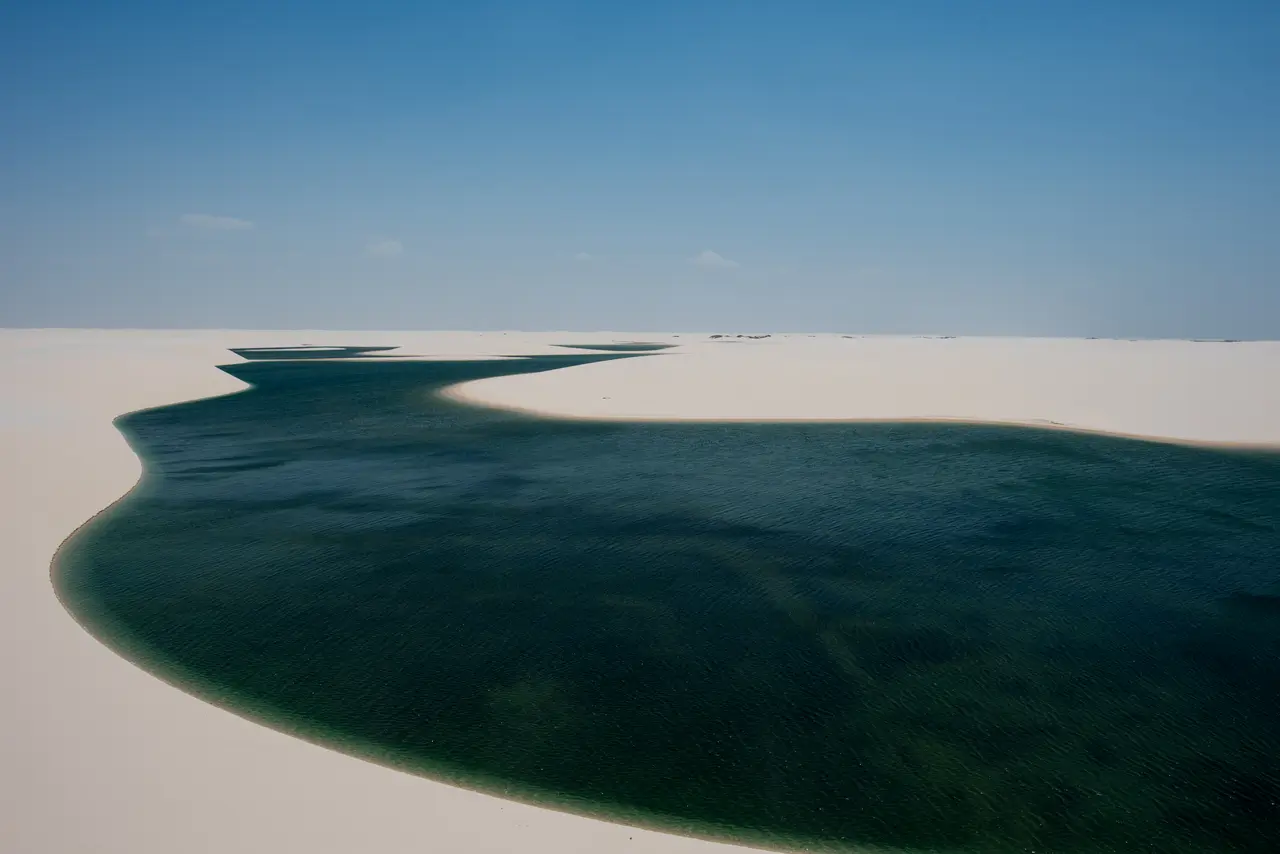
The coast does not follow one calendar. In Recife the rains peak from April to July, with 22 rainy days in July, and the best period runs from October to December. In Fortaleza they fall mostly from March to May, then skies clear from August to December. In the Lençóis Maranhenses the national park sets the pace: it recommends visiting from May to September, after the rains, when the lagoons between the dunes are full. From June to September, aim for Ceará and Maranhão rather than Recife. From October to December, Recife and Fortaleza are both dry. Lagoon levels vary from year to year.
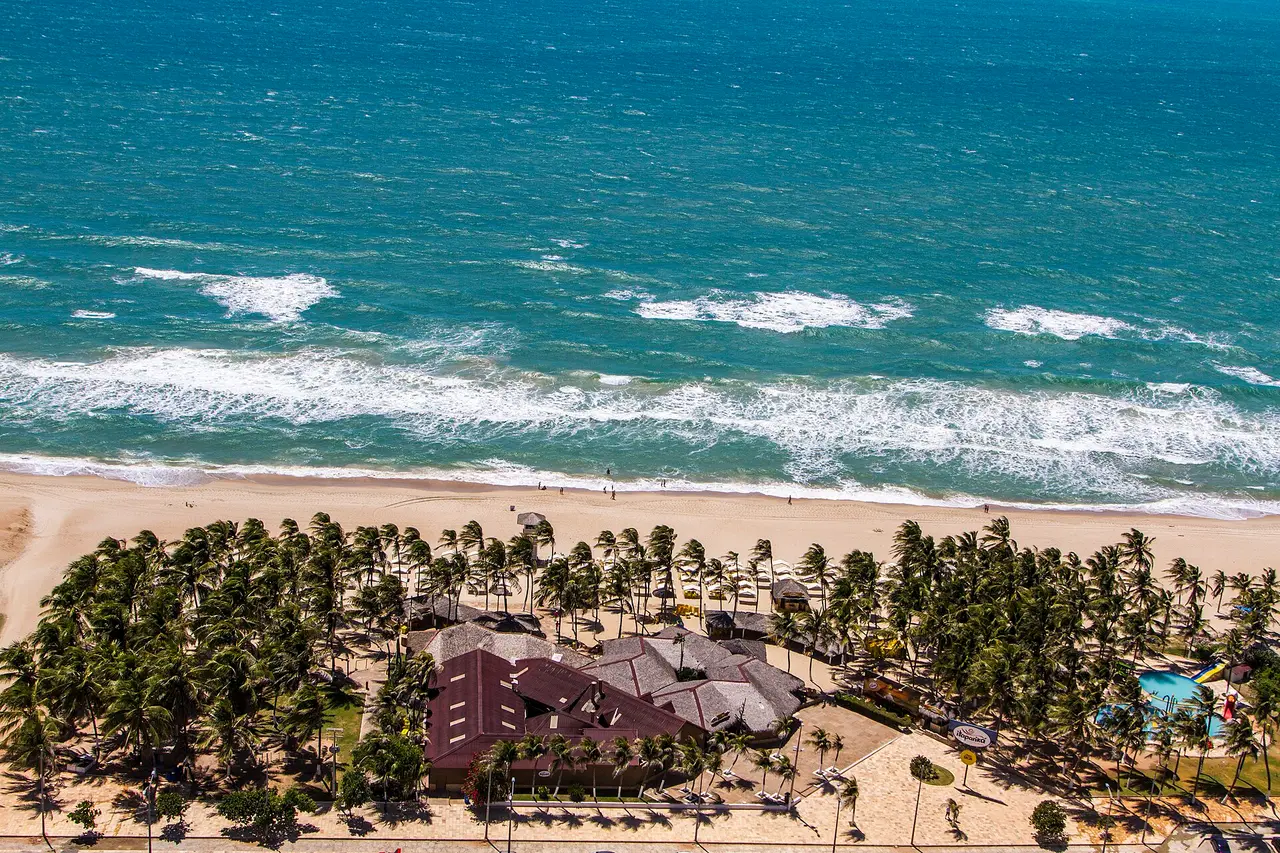
Recife and Olinda, best seen by day

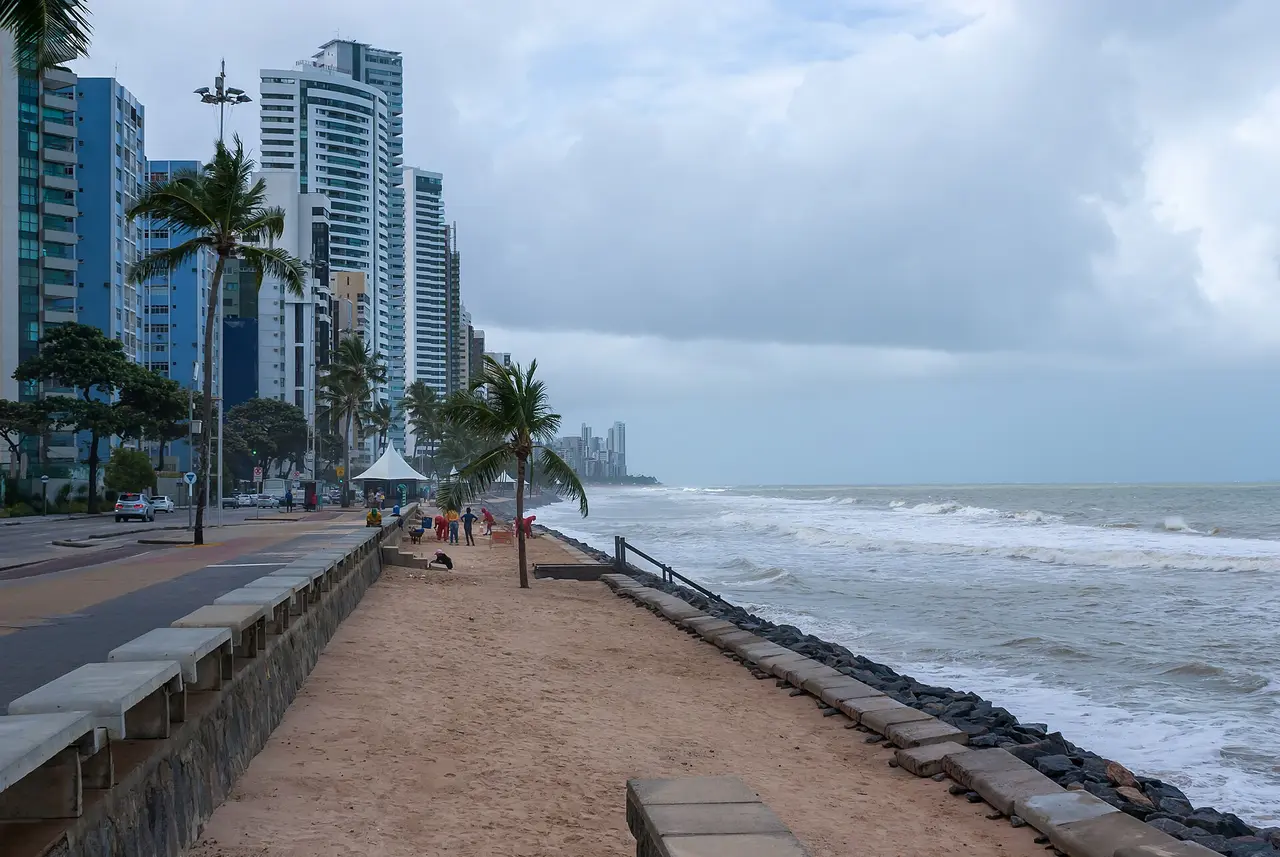
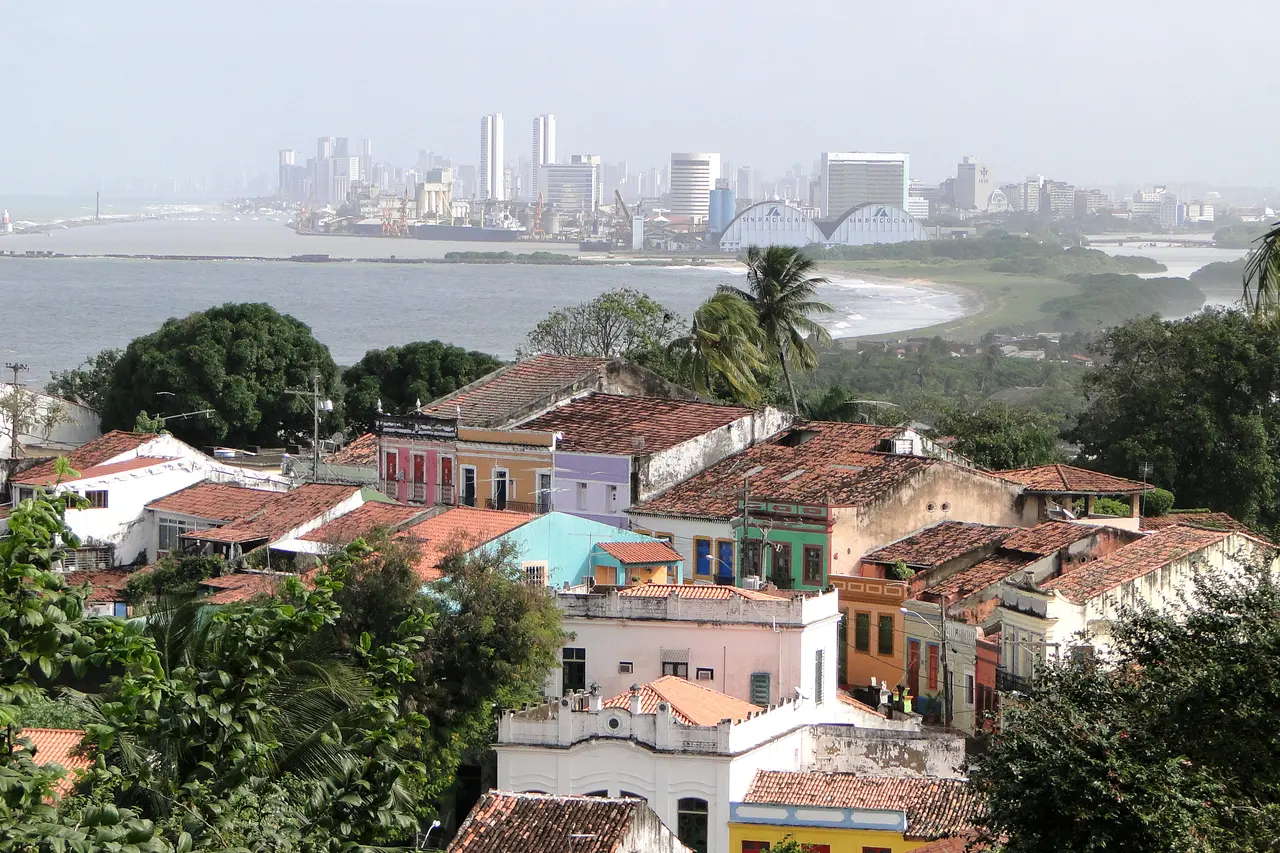
Recife is the gateway to Pernambuco. The French foreign ministry rates Boa Viagem as the safest district, with Graças, Poço da Panela and Casa Forte also among the safest. The historic centres, Recife Antigo and Olinda, are best visited by day or at weekends, avoiding empty streets. Founded in 1535, Olinda has been on the UNESCO list since 1982 for its baroque churches, convents and gardens. One thing to know before packing: on the city beaches of Recife and nearby, swimming is banned because of sharks, and police fine those who ignore it.

Natural pools: Porto de Galinhas and Maragogi

South of Recife, the sea is all about low tide. Porto de Galinhas, about sixty kilometres away, only reveals its natural pools then: jangada rafts leave Vila beach for the reefs, about 200 metres offshore. Check the tide table before booking your nights. Further south in Alagoas, Maragogi lies about 125 km from both Recife and Maceió. Its Galés pools, several kilometres out, are reached by catamaran, again only at low tide. Visitor numbers are capped, so book early in high season, and never walk on the coral.

Ceará, from Fortaleza to Jericoacoara

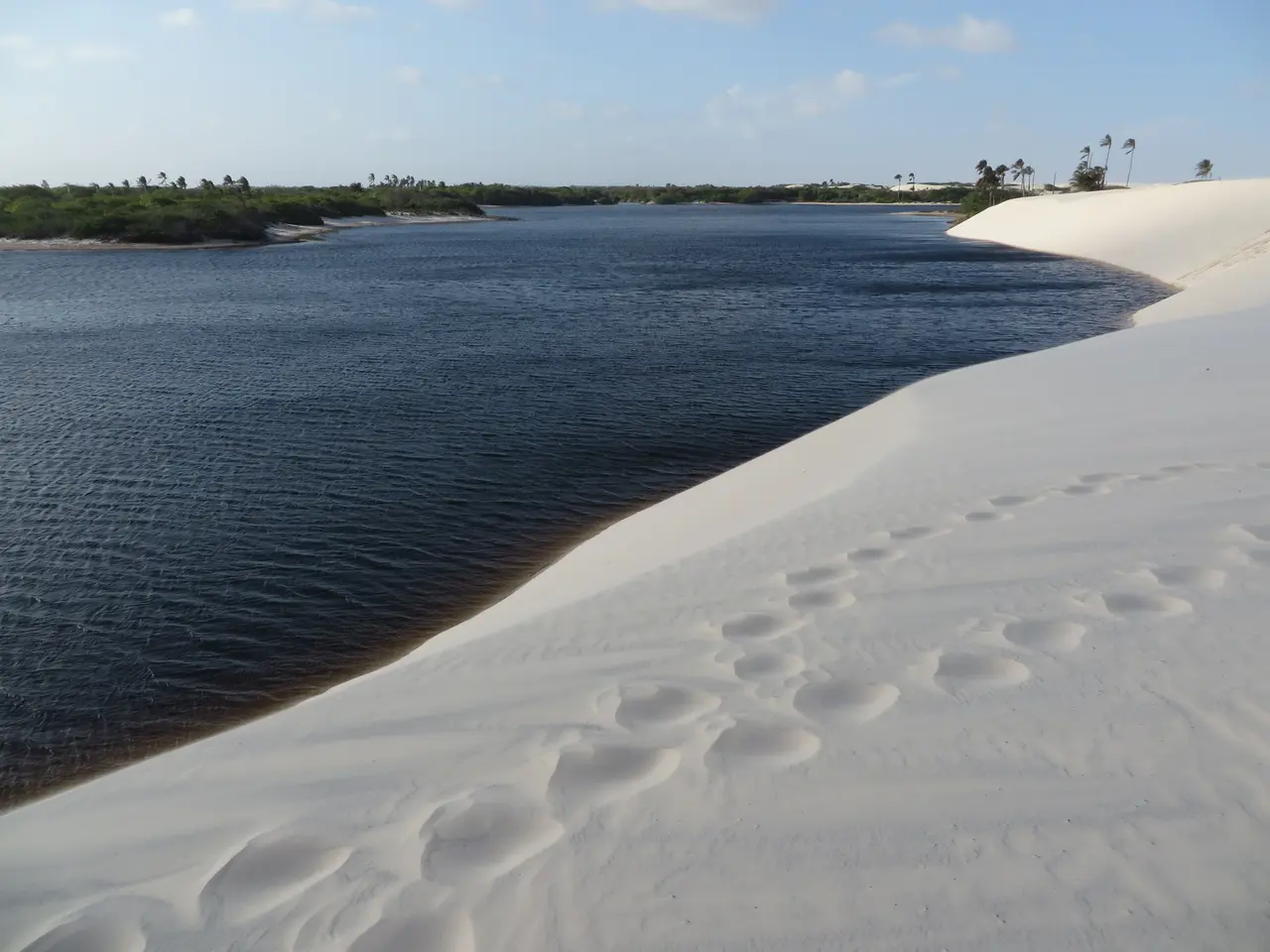
Fortaleza is mostly a stopover: the French foreign ministry reports very high insecurity there and advises staying on main roads and in tourist areas. The real goal is Jericoacoara, 7 or 8 hours away by bus, with a compulsory 4x4 for the final stretch, since regular buses cannot cross the dunes. Cruz airport, about 50 minutes from the village, shortens the trip. Local guides put the kitesurfing season from July to January, and the freshwater lagoons are usually highest in the middle of the year. The municipality charges a tourist tax on arrival.

São Luís and the Lençóis Maranhenses

Founded by the French in 1612 and then taken by the Portuguese, São Luís keeps a historic centre listed by UNESCO in 1997, known for its azulejo-tiled façades. Maranhão's bumba-meu-boi, with its songs and embroidered costumes, has been intangible heritage since 2019. From São Luís, Barreirinhas is 3 hr 30 to 4 hours away on a paved road. It is the base for the national park, 156,562 hectares listed by UNESCO in 2024, where you travel by 4x4 or by boat. The Lagoa Azul and Lagoa Bonita circuits each take half a day. Atins, at the mouth of the Preguiças river, is 1 hr to 1 hr 30 away by speedboat.

Pipa and Rio Grande do Norte

Natal is the airport for this coast, but the French foreign ministry lists it among the state capitals where crime has risen most over the past ten years, and asks visitors to follow safety advice strictly. For the beach, head to Pipa, about 86 km south, or 1 hr 30 by road; the village has no airport. Its Dolphin Bay cannot be reached by car: about 20 minutes on foot along the sand from Centro beach, at low tide only, or by boat. There are no restaurants or beach shacks, so bring water. North of Natal, the Genipabu dunes are explored by buggy.

Serra da Capivara, the archaeological detour

In the interior of Piauí, this national park listed by UNESCO in 1991 holds more than 300 archaeological sites, mostly rock paintings, some of them over 25,000 years old. The detour is long: São Raimundo Nonato, the base town, is about 520 km from Teresina and 300 km from Petrolina, and no regular flight is guaranteed. Once there, you need a car and an accredited guide, without whom you cannot enter the park. The Museum of the American Man in São Raimundo Nonato displays finds from the excavations. Keep this detour for a second trip or a long stay, and drive by day.

Fernando de Noronha and Bahia, trips of their own

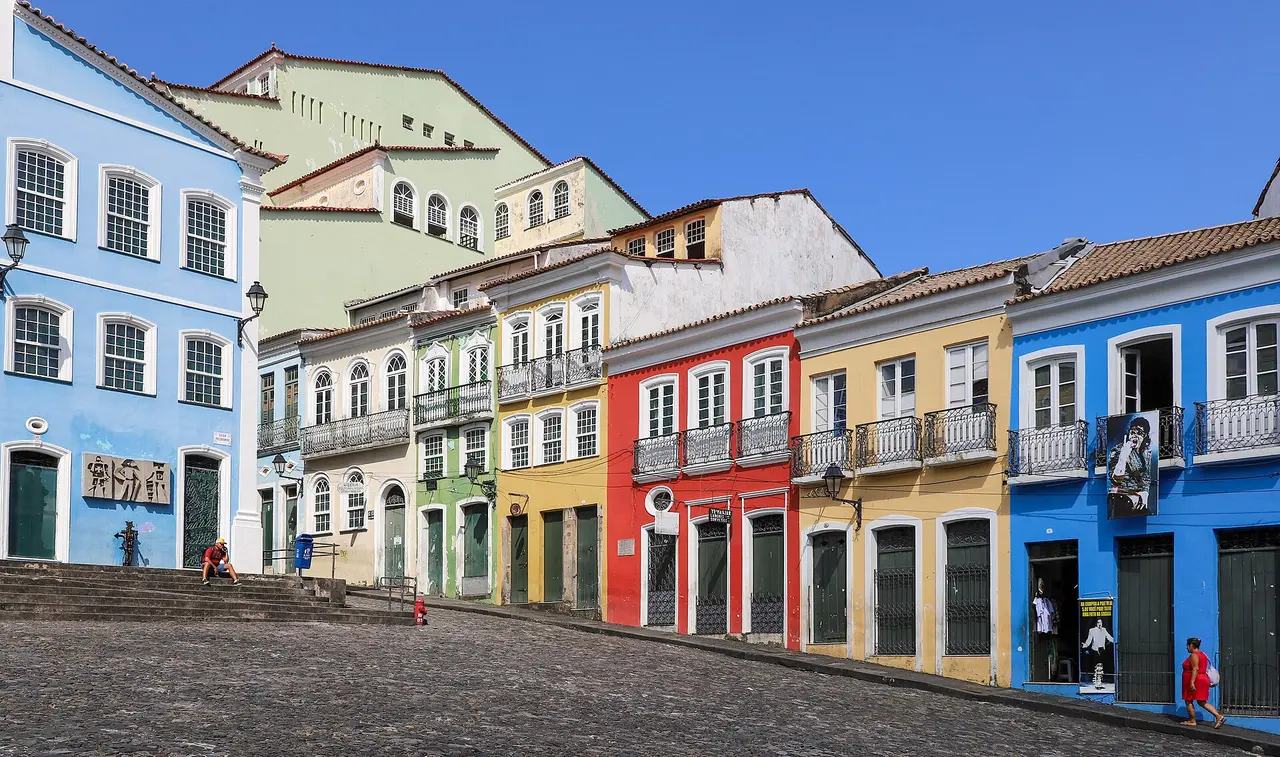
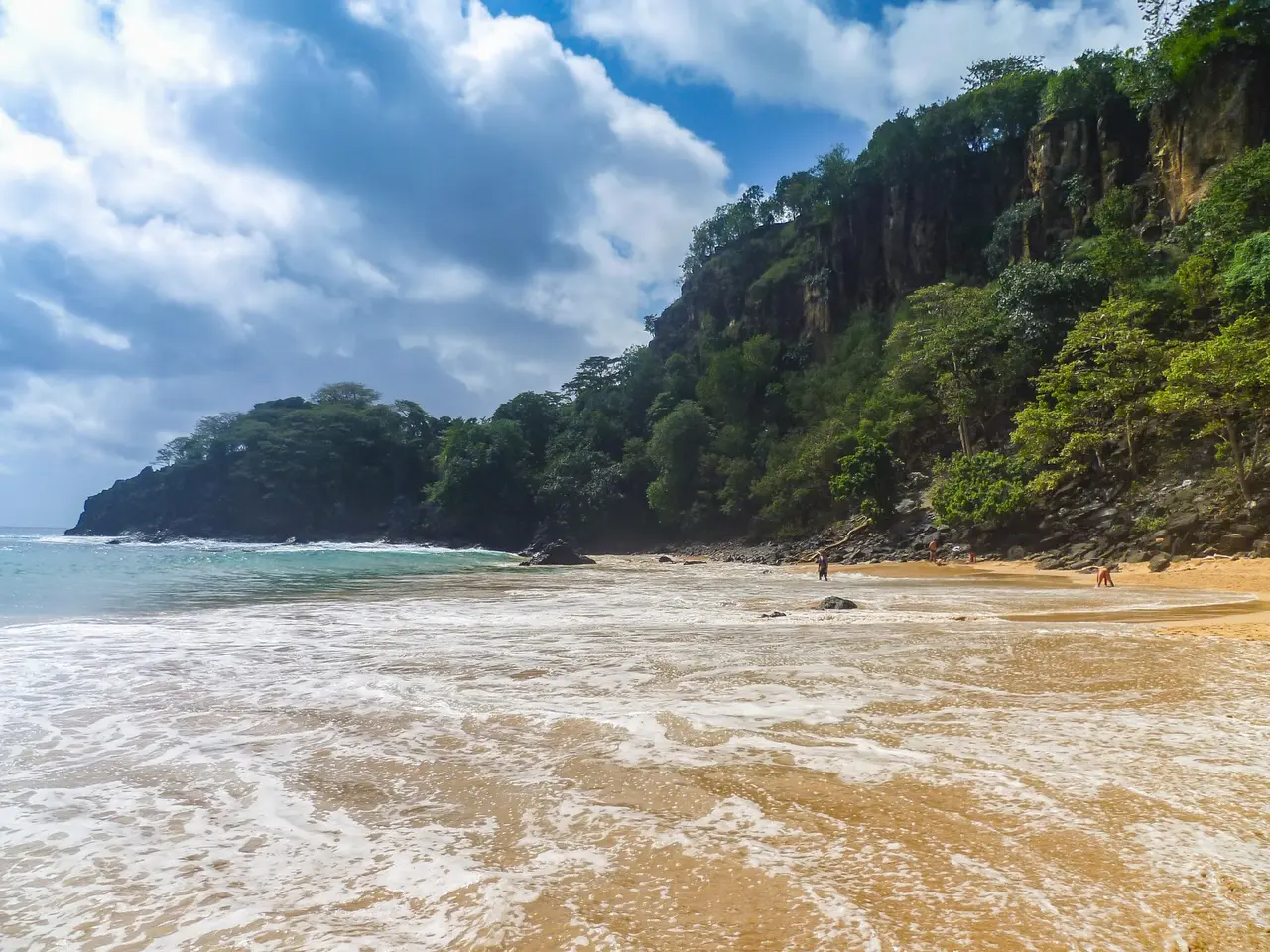
Two parts of the Northeast deserve a dedicated stay. Fernando de Noronha, an archipelago listed by UNESCO in 2001 for its marine life and seabirds, is usually reached via Recife. Every visitor pays a daily preservation tax based on the length of stay, and access to the marine park is charged separately. Bahia, the most populous state in the region, is also best planned on its own, with Salvador: the French foreign ministry describes high insecurity across almost the whole city and rules out the Pelourinho after dark.

Cities to visit in Northeast Brazil

Featured destinations appear first.

How much it costs

Per person per day, excluding international travel.
Budget
45 €/ day
2 270 € for 2 people, 7 days, return flights included
Accommodation
18 €
Food
11 €
Local transport
6 €
Sights and activities
10 €
Comfort
89 €/ day
2 886 € for 2 people, 7 days, return flights included
Accommodation
36 €
Food
20 €
Local transport
13 €
Sights and activities
20 €
Premium
164 €/ day
3 936 € for 2 people, 7 days, return flights included
Accommodation
66 €
Food
36 €
Local transport
25 €
Sights and activities
37 €
Prices checked: Relevé 1er novembre 2026, cadré sur Recife et Porto de Galinhas (hors Fernando de Noronha, plus cher, et hors Carnaval, février étant le mois le plus cher à Recife). Taux BCE du 30 octobre 2026 : 1 EUR = 6,0692 BRL = 1,1172 USD. Repas et taxi : Numbeo Recife, 29 contributeurs, mis à jour le 31 octobre 2026 (repas simple R$ 28, repas pour deux R$ 190, taxi R$ 3,78 le km). Hébergement : KAYAK Recife pour le 7-8 novembre, source commerciale non officielle (auberges citées 14 à 26 USD, hôtels 81 USD la nuit en moyenne, 4 étoiles 148 USD) ; backpacker en auberge, comfort et premium en chambre double à deux, par personne. Transport : taxi ou VTC, non partagé 10 km/j en backpacker, partagé à deux 40 km/j en comfort et 80 km/j en premium, France Diplomatie déconseillant bus et métro en ville. Activités : buggy à quatre R$ 400 à 650 (Viaje na Viagem, novembre 2025 ; Viciada em Viajar, 2026), circuits des Lençóis R$ 100 à 130 (blogs de voyage, année non précisée), sources anciennes ou non officielles ; rythme d'une sortie tous les deux jours (backpacker) ou quotidienne, buggy privé en premium. Vol A/R Paris-Recife avec escale : 820 EUR par personne (TAP dès Orly à 820 EUR pour novembre 2026, offres Bourse des Vols 756 à 819 EUR ; PartirOu : minimum 735 EUR, moyenne environ 1 110 EUR sur quatre semaines, calculée le 1er novembre 2026).

Entry, health and safety

For FR travellers

Entry requirements

No visa for a tourist stay

Pas de visa pour un séjour touristique de moins de 90 jours, dans la limite de 90 jours sur 180, sans renouvellement possible. Passeport valable au moins 6 mois à compter de la date de retour. Billet de retour ou de sortie du territoire exigé.

Stay allowed for up to 90 days.

Passport valid for 6 months beyond your return date.

Health

Advised: Fièvre jaune recommandée avant tout déplacement au Brésil, idéalement au moins 10 jours avant le départ. Être à jour du calendrier français (diphtérie, tétanos, polio, coqueluche, rougeole). Selon le séjour : hépatites A et B, typhoïde, rage.

Dengue en forte reprise selon le ministère brésilien de la Santé, chikungunya confirmé dans le Nordeste, notamment à Bahia, Zika et virus Oropouche : se protéger des moustiques ; femmes enceintes, voir un médecin avant le départ. Assurance soins et rapatriement indispensable, au moins 30 000 euros de couverture. Sécurité : aucun des neuf États du Nordeste n'est en zone orange ou rouge, tout le Nordeste est en vigilance renforcée (zones actualisées le 4 mars 2026). Vols et agressions fréquents : éviter de marcher seul en ville, privilégier taxis et voitures de location, proscrire le métro à Recife et se méfier des bus. Pelourinho et Santo Antonio à Salvador à proscrire à la nuit tombée. Baignade interdite à cause des requins sur les plages urbaines de Recife. Ne pas rouler de nuit. Ne jamais laisser son verre sans surveillance. Urgences médicales SAMU : 192, pompiers : 193 (Ministère des Communications, septembre 2026).

Safety

Increased caution

Emergency

190

Checked in novembre 2026 against the official source. Entry rules change: check the official source before you travel, it alone is authoritative.

Northeast Brazil in pictures

Photo credits : Danielle Pereira from Brasil, CC BY 2.0, Wikimedia Commons ; Rosanetur from Rio de Janeiro, Brazil, CC BY 2.0, Wikimedia Commons ; Aloysio Correa Junior, CC BY-SA 4.0, Wikimedia Commons ; Adam Jones, Ph.D., CC BY-SA 3.0, Wikimedia Commons ; Wilfredor, CC0, Wikimedia Commons ; Beto Quissak, CC BY-SA 4.0, Wikimedia Commons ; Marinelson Almeida - Traveling through Brazil from Niteroi, Brasil, CC BY 2.0, Wikimedia Commons ; Daniel BP BR, CC0, Wikimedia Commons ; Denys Mota, CC BY-SA 4.0, Wikimedia Commons ; LeonardoRamos, CC BY-SA 4.0, Wikimedia Commons

Must-see sights in Northeast Brazil

Dunes, colonial towns and reefs spread along thousands of kilometres of coast.

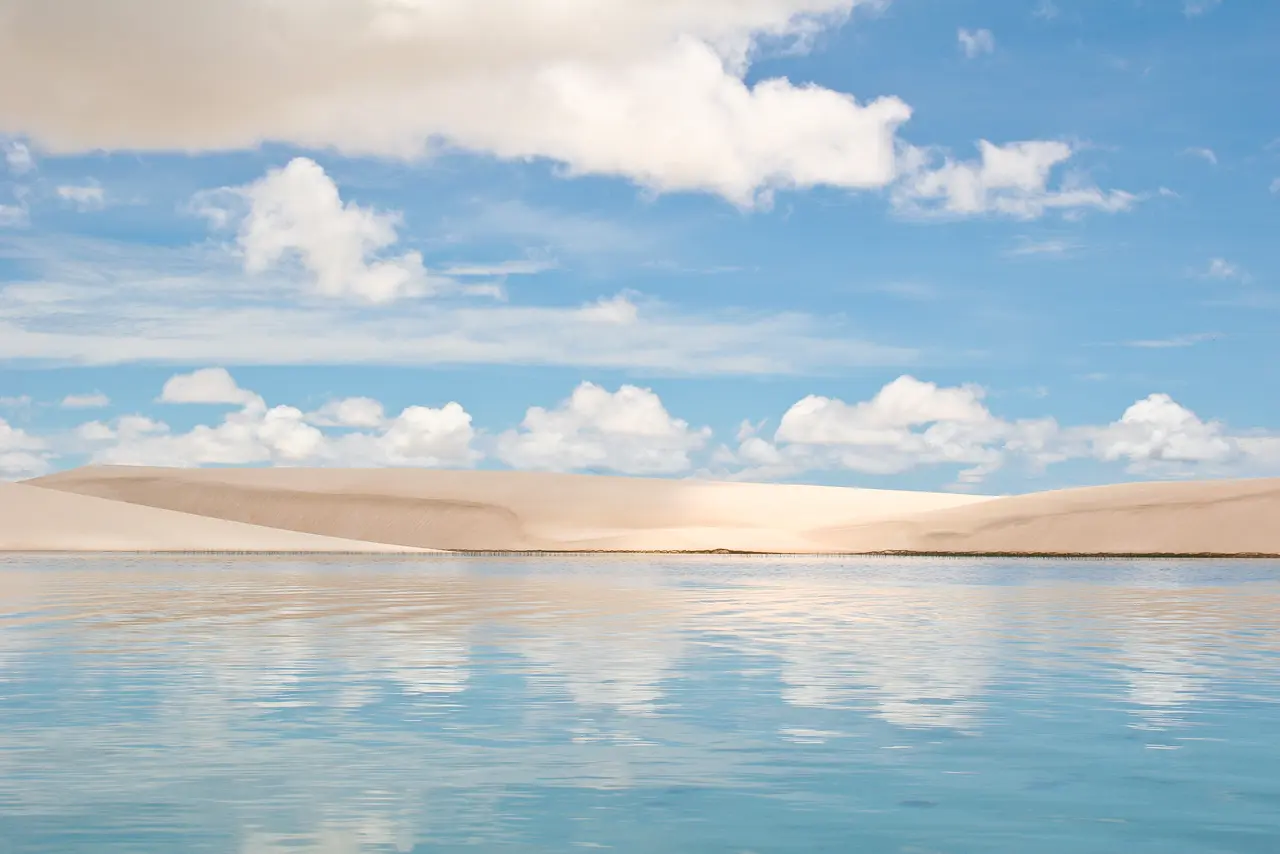
The Lençóis Maranhenses

White dunes and freshwater lagoons across 156,562 hectares, listed by UNESCO in 2024, best from May to September.

Olinda's historic centre

A town founded in 1535 on hills facing the sea, with baroque churches and convents, listed by UNESCO in 1982.

The azulejos of São Luís

A colonial centre listed in 1997, whose tiled façades serve both as decoration and as protection against the heat.

Porto de Galinhas pools

Clear-water pools between the reefs, about 200 metres from the beach, reached by jangada at low tide.

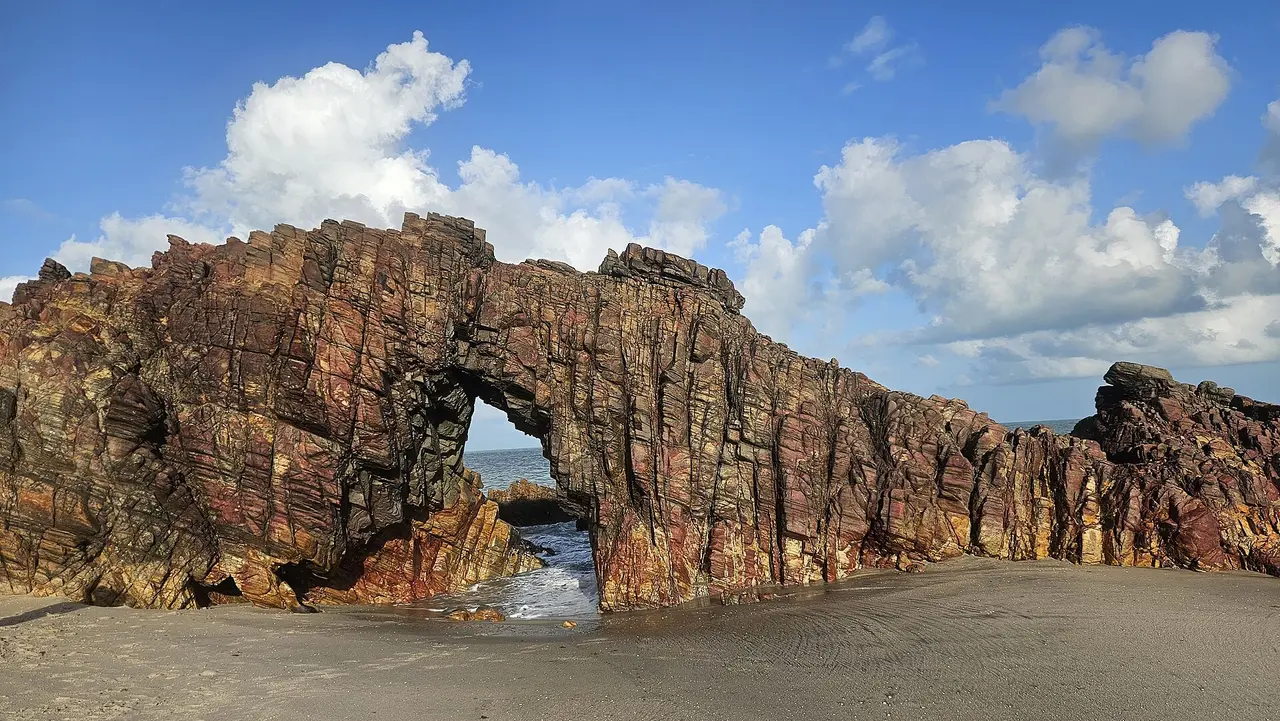
Pedra Furada, Jericoacoara

The rock arch that symbolises the village, reached on foot along the beach or over the hill.

The Maragogi reefs

Offshore reefs on the Alagoas coast, reached by catamaran at low tide, with capped visitor numbers.

Serra da Capivara

More than 300 rock-art sites in the canyons of Piauí, listed by UNESCO in 1991.

Practical information for Northeast Brazil

Safety level
The French foreign ministry rates the whole Northeast as heightened vigilance, with no orange or red zone. Reread the latest advice before leaving.
In town
Avoid walking alone, use taxis and rental cars. The Recife metro should be avoided and buses are risky.
On the road
Do not drive at night or in heavy rain, and be wary of GPS routes, which ignore neighbourhood safety. Flying is advised for long distances.
On the beach
Do not stay isolated, carry only the bare minimum and leave your passport in the hotel safe.
In the evening
Never leave your drink unattended or accept one from a stranger: the French foreign ministry reports drink-spiking cases targeting tourists in Rio de Janeiro.
Health
Yellow fever vaccine recommended. Dengue is resurging and chikungunya is present in the Northeast: use repellent and long sleeves.
Entry
French citizens can stay visa-free up to 90 days in 180. Passport valid 6 months after return and an onward ticket required.
From Europe
Flights involve at least one stop. TAP links Lisbon with Recife, Fortaleza, Natal and Salvador, among others.
Emergencies
Police 190, SAMU 192 for medical emergencies, fire brigade 193.

Frequently asked questions about Northeast Brazil

When is the best time to visit Northeast Brazil?
It depends on the coast. Recife is best from October to December, Fortaleza from August to December, and the Lençóis Maranhenses from May to September, when the lagoons are full. To combine Ceará beaches and the lagoons, August and September are a good compromise.
Is Northeast Brazil dangerous for tourists?
The French foreign ministry rates it as heightened vigilance, with no advised-against zone. Its states have some of the country's highest homicide rates, though most do not target tourists. Theft and muggings remain common: use taxis, stay discreet and avoid walking alone at night.
Can you swim in Recife?
Not on the city beaches of Recife and nearby: swimming is banned because of sharks, as the signs say, and police issue fines. Elsewhere on the coast, always follow the bans posted on each beach.
How do you get from Fortaleza to Jericoacoara?
By bus and then 4x4 for the last stretch, 7 to 8 hours in all, or by private 4x4 transfer, which is faster. Cruz airport is about 50 minutes from the village. Leave in the morning to avoid driving at night.
How many days do you need for Northeast Brazil?
One coast per trip. Allow three days for Olinda and Porto de Galinhas, five for Jericoacoara, and a week for São Luís and the Lençóis. To combine several, fly between them: distances are long and night driving is advised against.

Plan your trip to Northeast Brazil

Day-by-day itinerary, budget, bookings and packing in a single app.
Aperçu de l'application PlanTripNow