Visiting Tuscany: when to go, budget and itineraries
- 3 cities
At a glance
- Currency
- Euro (€)
- Time difference
- UTC+1
- Visa
- None
- Tourist stay of up to 90 days
- 7-day budget
- €1,246
- Per person, comfort profile, excluding international flights.
Why visit Tuscany?
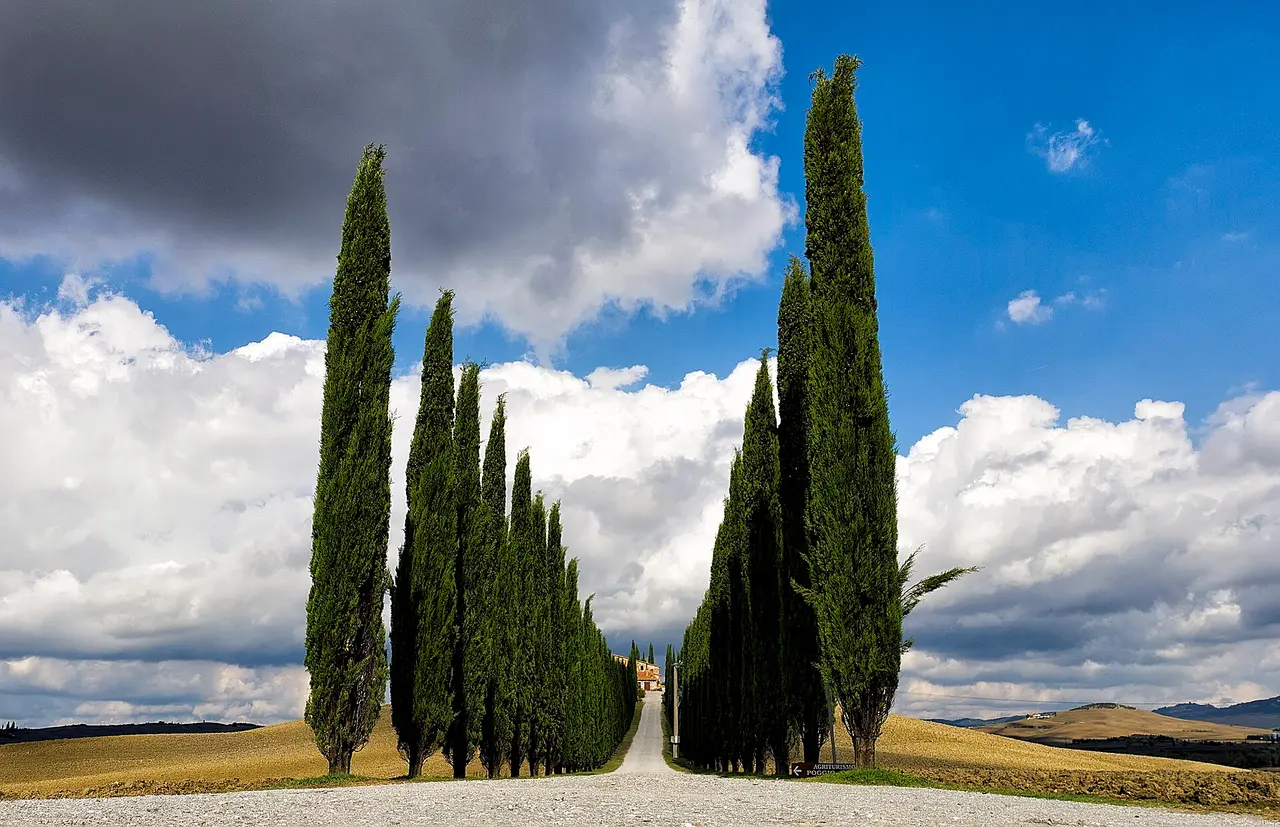
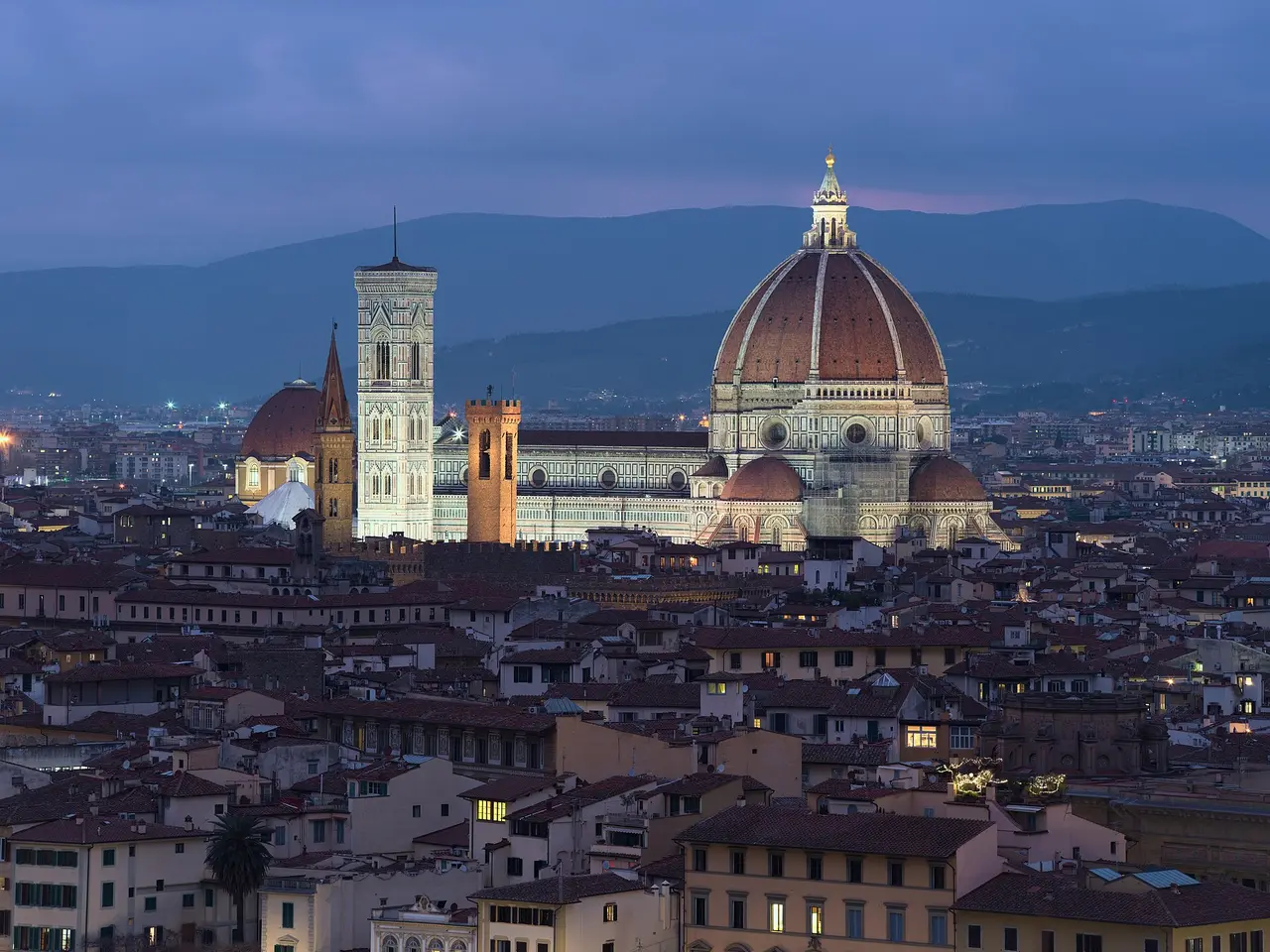
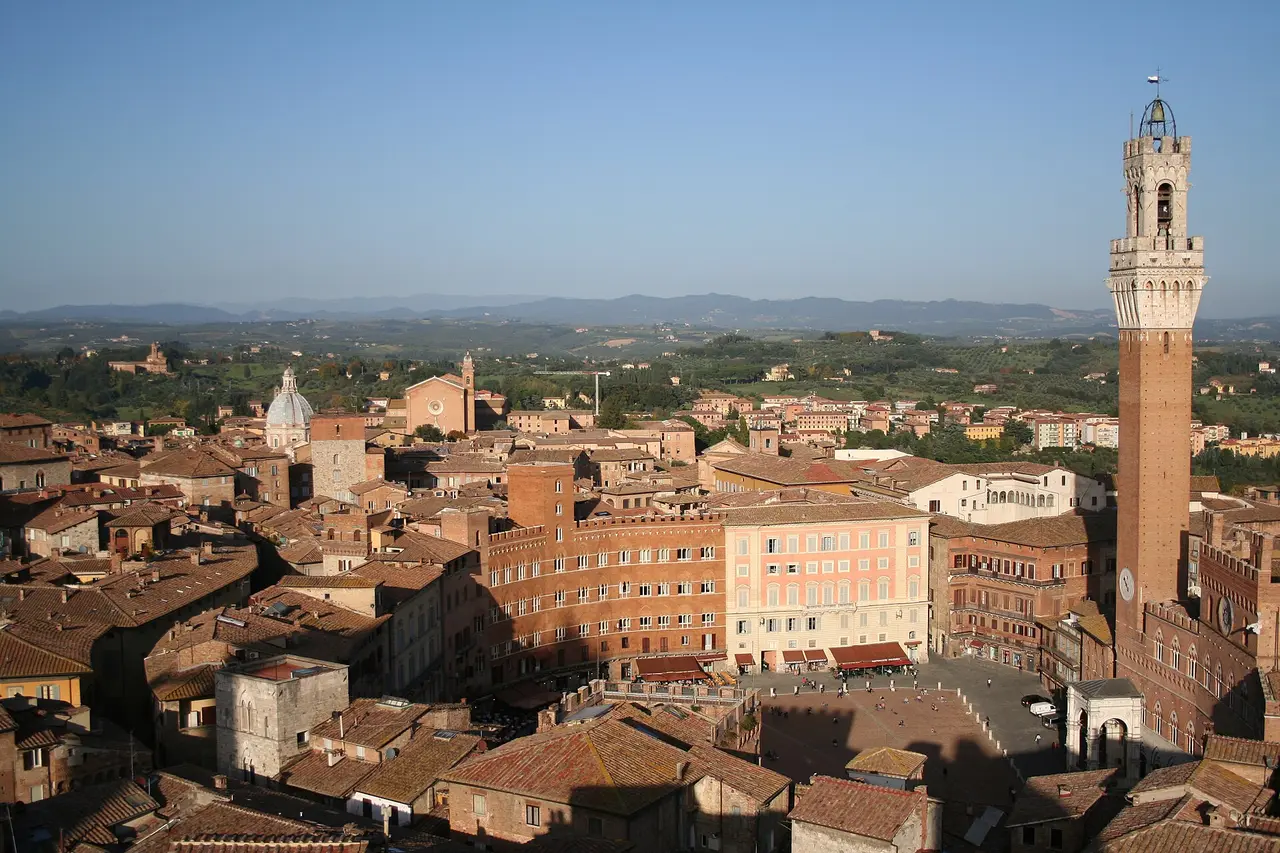
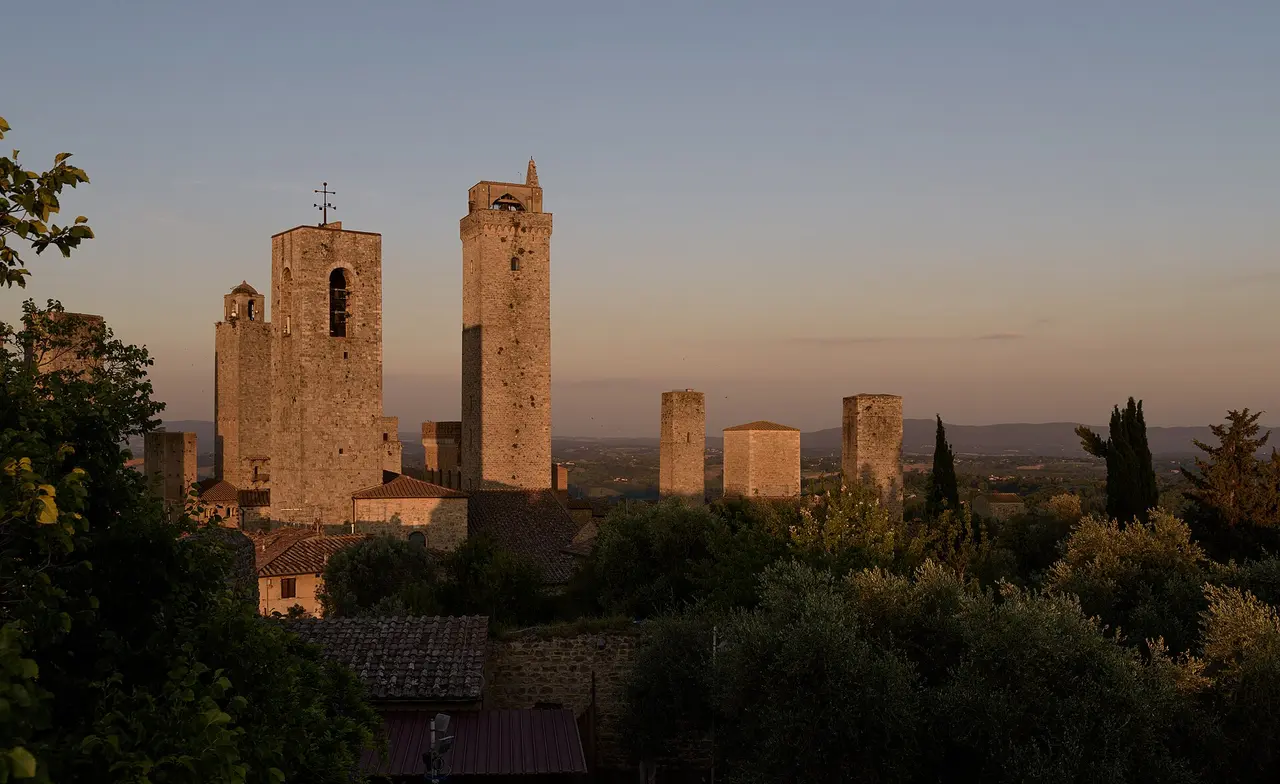
Tuscany, in central Italy, brings together several UNESCO sites: the historic centres of Florence, Siena, San Gimignano and Pienza, Pisa's cathedral square and the landscape of Val d'Orcia. People come for Renaissance art, the wines of Chianti and Montalcino, and country roads that reward an unhurried pace.
When to visit Tuscany
| Month | Temperatures | Rain | Crowds | Verdict |
|---|---|---|---|---|
| January | 2 to 11 °C | 8 d | Very quiet | No queue at the Uffizi and rock-bottom hotels, but the hills stay cold and grey. |
| February | 3 to 13 °C | 7 d | Very quiet | Viareggio's carnival, six parades in February 2026, livens up the coast while Florence stays quiet. |
| March | 5 to 16 °C | 8 d | Quiet | A good compromise for the art cities: 16 °C in the afternoon and still few coaches. |
| April | 8 to 20 °C | 10 d | Busy | Mild at 20 °C, but Easter fills Florence and April counts ten rainy days. |
| May | 12 to 25 °C | 8 d | Packed | Our favourite month for the countryside: 24 °C, eight rainy days and pleasant roads, so book early. |
| June | 16 to 29 °C | 6 d | Busy | Long evenings in the villages, a 21 °C sea: the last real window before the furnace. |
| July | 19 to 32 °C | 4 d | Packed | Too hot for Florence at noon; aim for Siena's Palio on 2 July or the sea. |
| August | 19 to 33 °C | 5 d | Packed | Avoid inland: 33 °C in the afternoon, crowds and prices at their peak, so save this month for the sea. |
| September | 15 to 27 °C | 6 d | Packed | Grape harvest in Chianti and a sea still warm at 22 °C: the best month, in high demand. |
| October | 11 to 22 °C | 9 d | Busy | Still 21 °C in the afternoon with less pressure on prices, provided you accept the first heavy rains. |
| November | 7 to 16 °C | 9 d | Quiet | The wettest month with a risk of flooding, offset by San Miniato's white truffle market. |
| December | 3 to 12 °C | 8 d | Quiet | Florence lights up for Christmas and prices climb late in the month while the countryside sleeps. |
What to discover in Tuscany?
Chianti, between Florence and Siena
Siena and the Val d'Elsa
Val d'Orcia and Montalcino
Lucca, Pisa and Versilia
The Maremma and the Tuscan Archipelago
Food, wine and the rhythm of the seasons
Cities to visit in Tuscany
How much it costs
- Accommodation
- 38 €
- Food
- 26 €
- Local transport
- 7 €
- Sights and activities
- 12 €
- Accommodation
- 78 €
- Food
- 60 €
- Local transport
- 12 €
- Sights and activities
- 28 €
- Accommodation
- 190 €
- Food
- 110 €
- Local transport
- 55 €
- Sights and activities
- 70 €
Entry, health and safety
For FR travellersEntry requirements
No visa for a tourist stay
Pour un séjour de trois mois maximum, une carte nationale d'identité ou un passeport en cours de validité est exigé, à l'exclusion de tout autre document. Le livret de famille n'est pas un document de voyage, y compris pour les mineurs.
Stay allowed for up to 90 days.
Health
Advised: Être à jour du calendrier vaccinal français.
Chikungunya, dengue et fièvre du Nil occidental transmises par les moustiques ; tiques en milieu rural et en forêt, à rechercher après une promenade. Températures très élevées en été. Eau du robinet généralement potable, sauf dans certaines régions reculées. Sécurité : tout le territoire italien est en vigilance normale ; vigilance recommandée dans le tramway de Florence ; incendies de forêt, et crues et glissements de terrain en automne et en hiver.
Safety
Normal precautions
Emergency
112
Tuscany in pictures
What to see in Tuscany
Uffizi Gallery
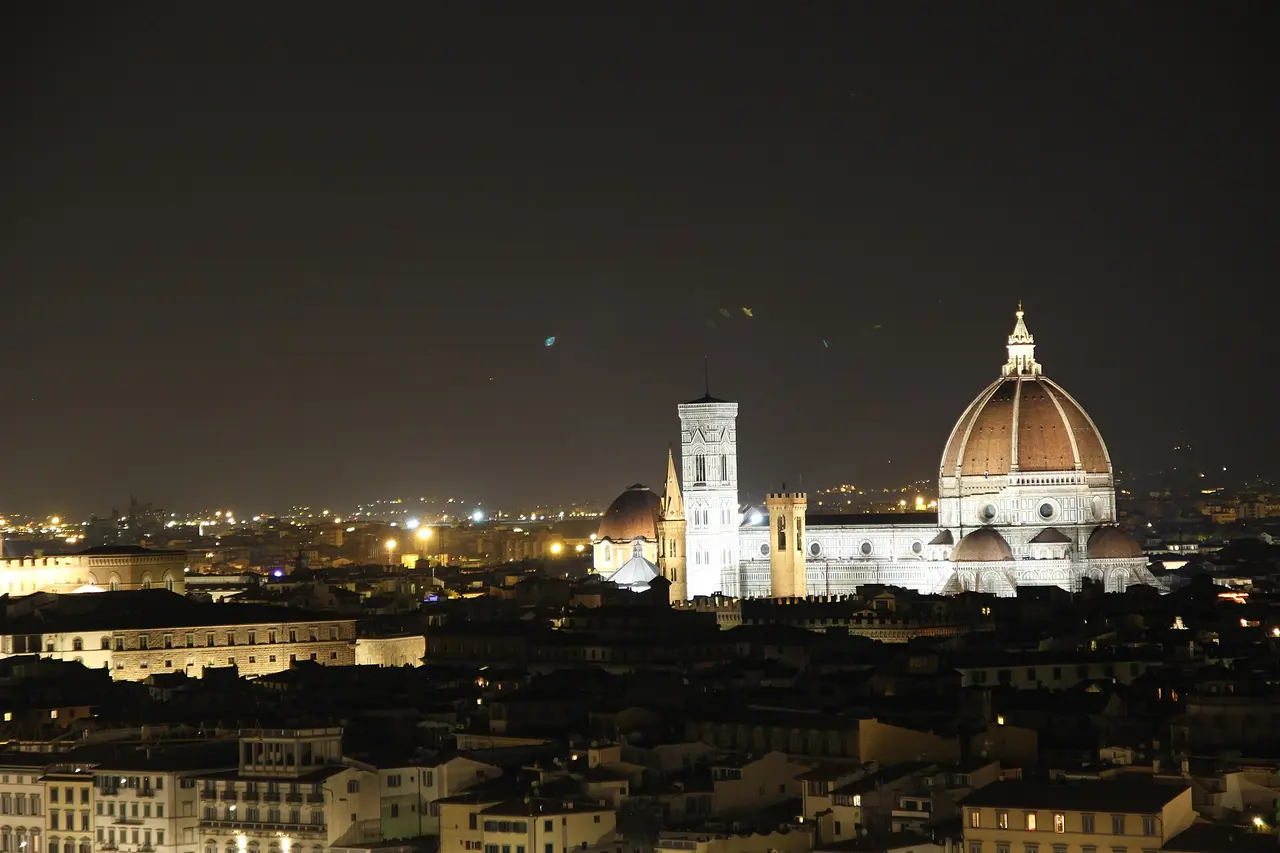
Brunelleschi's Dome
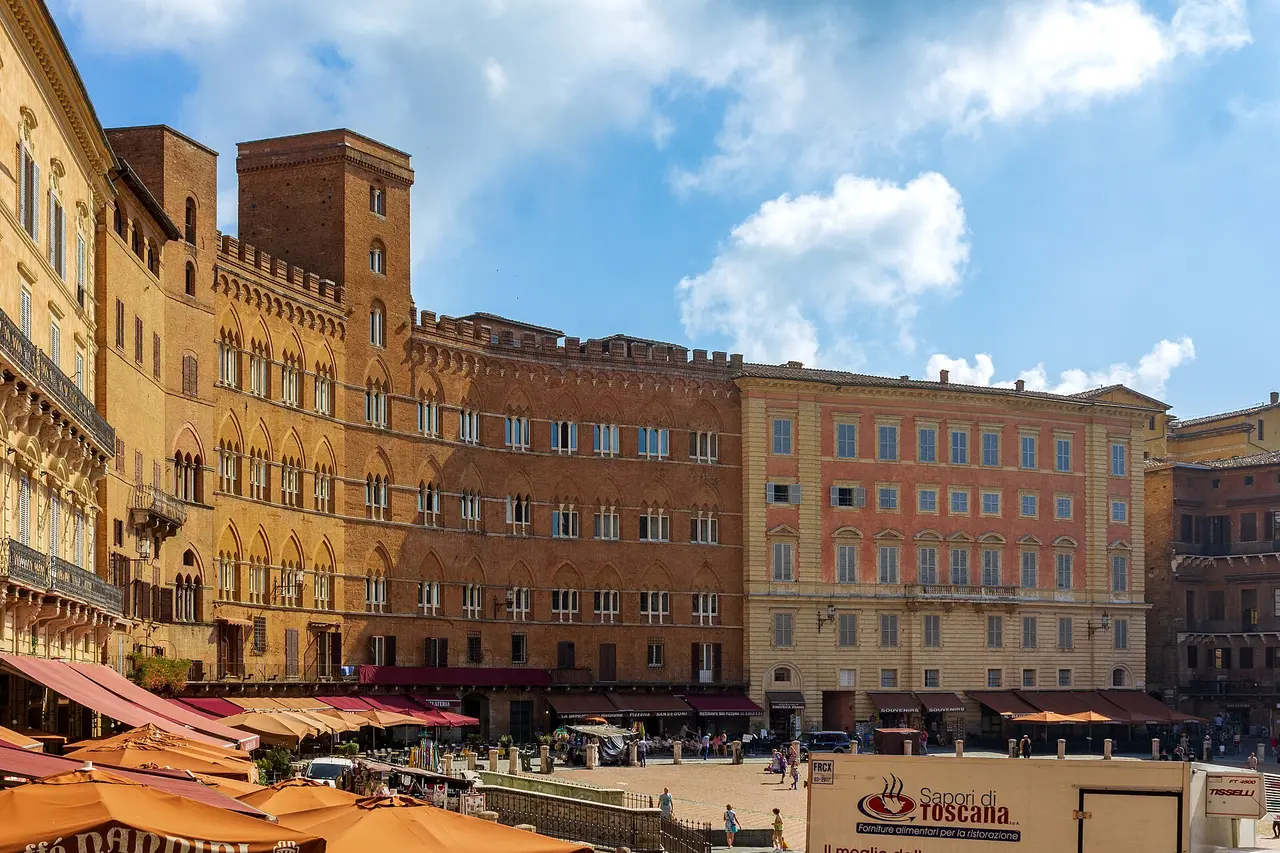
Piazza del Campo
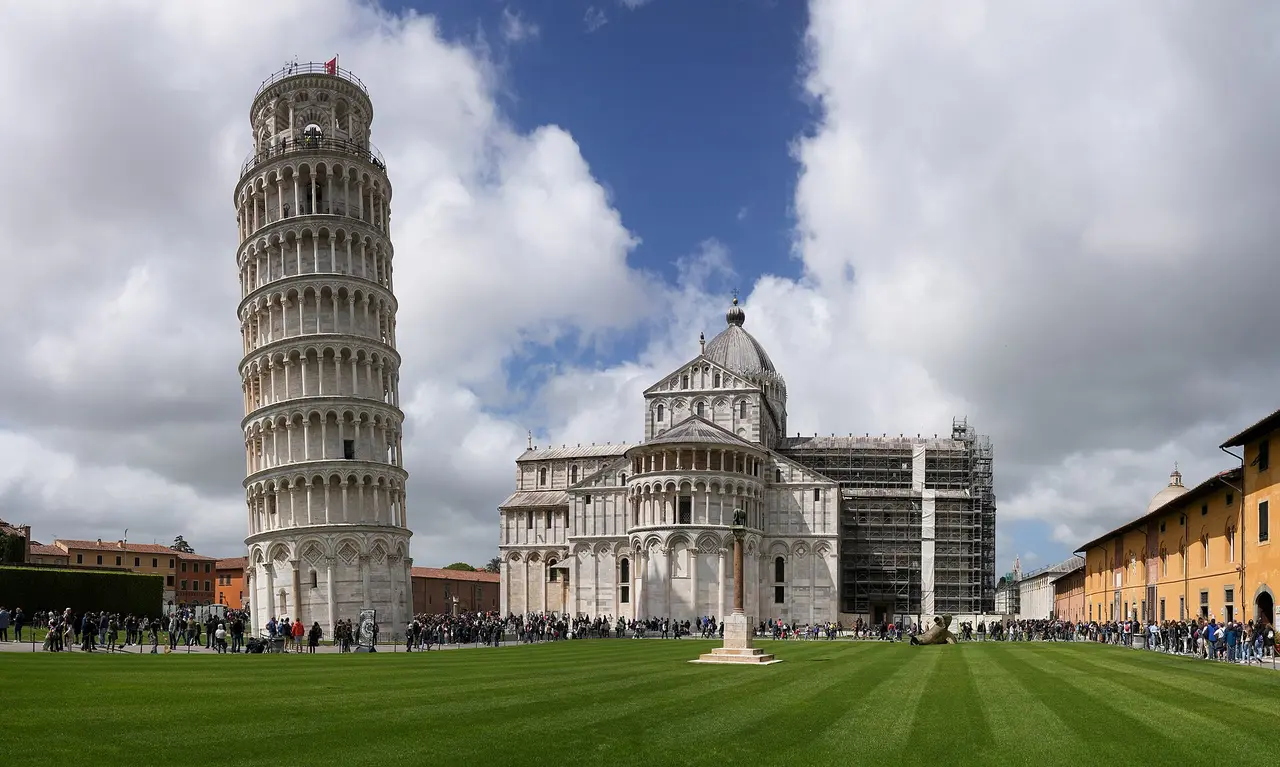
Piazza dei Miracoli
San Gimignano Towers
Monteriggioni Walls
Piazza Pio II
Lucca Ramparts
Sant'Antimo Abbey
Mulino Falls
Pitigliano Rock
Practical information for Tuscany
- Airports
- Florence Peretola and Pisa Galilei are the two gateways: Pisa suits the coast and Lucca better.
- ZTL zones
- In Florence, cameras control access to the historic centre and the fine arrives later, through the rental firm: park outside.
- Car or train
- Trains are enough for Florence, Pisa and Lucca. A car remains simplest for Chianti, Val d'Orcia and the Maremma.
- Tourist tax
- In Florence, €3.50 to €7 per person per night depending on the accommodation, for the first seven nights. It varies by town.
- Bookings
- The Uffizi, the Accademia and Florence's dome should be booked ahead: dome slots go quickly.
- Weekly closing
- The Uffizi ordinarily closes on Mondays. Check each museum before building your schedule.
- Coperto
- The cover charge, roughly €1 to €3 per person, appears on the bill. A tip is not expected.
- Train tickets
- Paper tickets bought at the station must be validated on the platform before boarding or you risk a fine. Digital tickets do not.
- Places of worship
- Covered shoulders and knees are required at Florence Cathedral, even for the dome climb. Dress the same way elsewhere.
- Tap water
- Generally drinkable, except in some remote areas: ask locally if in doubt.
- Ticks
- Found in forests and rural areas: wear covering clothes and check your skin after a hike.
- Emergencies
- 112 works everywhere and is free. Italian civil protection: 800 840 840, from Italy and in Italian.
Frequently asked questions about Tuscany
Florence or Siena: where should I stay to visit Tuscany?
Can you visit Tuscany without a car?
Is it better to fly into Florence or Pisa?
Can you see the Siena Palio without booking?
Does Val d'Orcia deserve several nights?
Is Saturnia really free?
Can you do Chianti in a day from Florence?
Is Tuscany more expensive than the rest of Italy?
Can you swim in Tuscany in October?
Is there a flood risk in Tuscany in autumn?
Plan your trip to Tuscany