Visit Boston

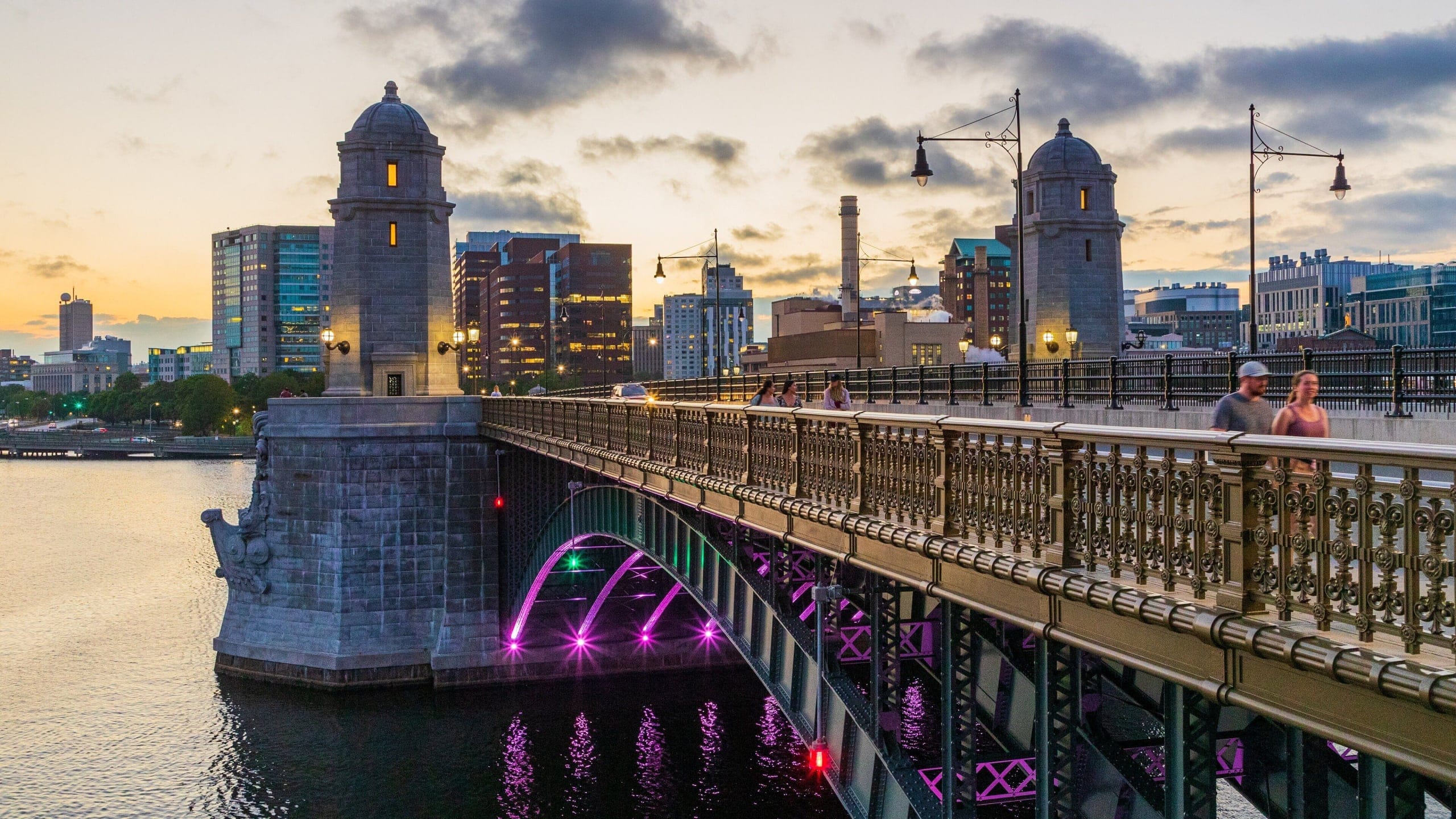
Between a historic trail, Victorian brownstones and campuses across the Charles, Boston is walked and ridden by metro. Plan 2 to 3 days for the city, one more for Cambridge, Salem or a trip out to Cape Cod.

Why visit Boston?

Boston holds the densest cluster of American Revolution sites, linked by a 4-kilometre marked trail, and one of the highest concentrations of universities in the world across the Charles. The city is best visited from April to November, with a price peak in May (graduations) and October (foliage).

Boston's must-sees

Ten places that sum up the city, from the trail of the revolution to the oldest ballpark in the country.

Freedom Trail

A 4 km marked trail linking sixteen American Revolution sites, free and walkable year-round.

Fenway Park

The oldest ballpark in the United States, opened in 1912, with guided tours on non-match days and its green wall, the Green Monster.

Faneuil Hall and Quincy Market

A market hall and Revolutionary meeting place, now a covered market and a gathering point for street performers.

Boston Common and Public Garden

The country's oldest public park and its neighbouring garden, with Swan Boats on the lake from April to September.

Museum of Fine Arts

One of the largest collections in the United States, strong in American, Egyptian and Impressionist art, closed some Mondays.

USS Constitution

The oldest commissioned warship afloat in the world, moored at the Charlestown Navy Yard, free to board with photo ID.

Beacon Hill

Cobbled streets, gas lamps and 19th-century brownstones; Acorn Street is one of the most photographed in the country.

Isabella Stewart Gardner Museum

A recreated Venetian palace around an interior garden, its hang unchanged since 1924; free entry if your name is Isabella.

New England Aquarium

A four-storey central cylindrical tank, on the harbour; the departure point for whale cruises from April to October.

Harvard Yard

The historic core of the country's oldest university, in Cambridge, with free student-led campus tours.

What to see in Boston?

The historic centre and the North End

The Freedom Trail links sixteen sites over 4 kilometres, from Boston Common to Bunker Hill: a red-brick line set into the pavement acts as a guide, and the full walk takes a good half-day. Along the way, Faneuil Hall and Quincy Market form a lively covered market, and the North End, Italian since the late 19th century, lines up trattorias and pastry shops. The Old North Church, from which the 1775 signal was given, can be visited for a few dollars. The area is fully walkable and well served by the green and orange metro lines.
Beacon Hill and Back Bay

These two residential districts line up 19th-century brick and brownstone houses. On Beacon Hill, Acorn Street and its uneven cobbles are among the most photographed in the United States, and the street lamps still run on gas. Back Bay, reclaimed from marshland and laid out on a grid, carries the Boston Public Library (free guided tour in the early afternoon), Copley Square and the shops of Newbury Street. The Public Garden, the country's first public botanical garden, puts its Swan Boats on the water from April to September.

The Waterfront and the Seaport

The harbour, long turned away from the city, is now a continuous walkway. The New England Aquarium and its central cylindrical tank take about two hours to visit; whale-watching cruises leave from Long Wharf from April to October and last around three and a half hours. On the Seaport side, a district built in ten years, the Institute of Contemporary Art juts out on stilts above the water. In summer, ferries serve the Boston Harbor Islands from Long Wharf, with a fort, a lighthouse and trails.

Cambridge: Harvard and MIT

Across the Charles, Cambridge is reached in about twenty minutes on the red metro line. Harvard, founded in 1636, offers free student-led campus tours by reservation, and three museums including the Harvard Art Museums reworked by Renzo Piano. A kilometre south, MIT opens its buildings by Alvar Aalto, Eero Saarinen and Frank Gehry, and its museum devoted to robotics and artificial intelligence. Kendall Square, around it, concentrates labs and breweries.

Day trips: Salem, Concord and the coast

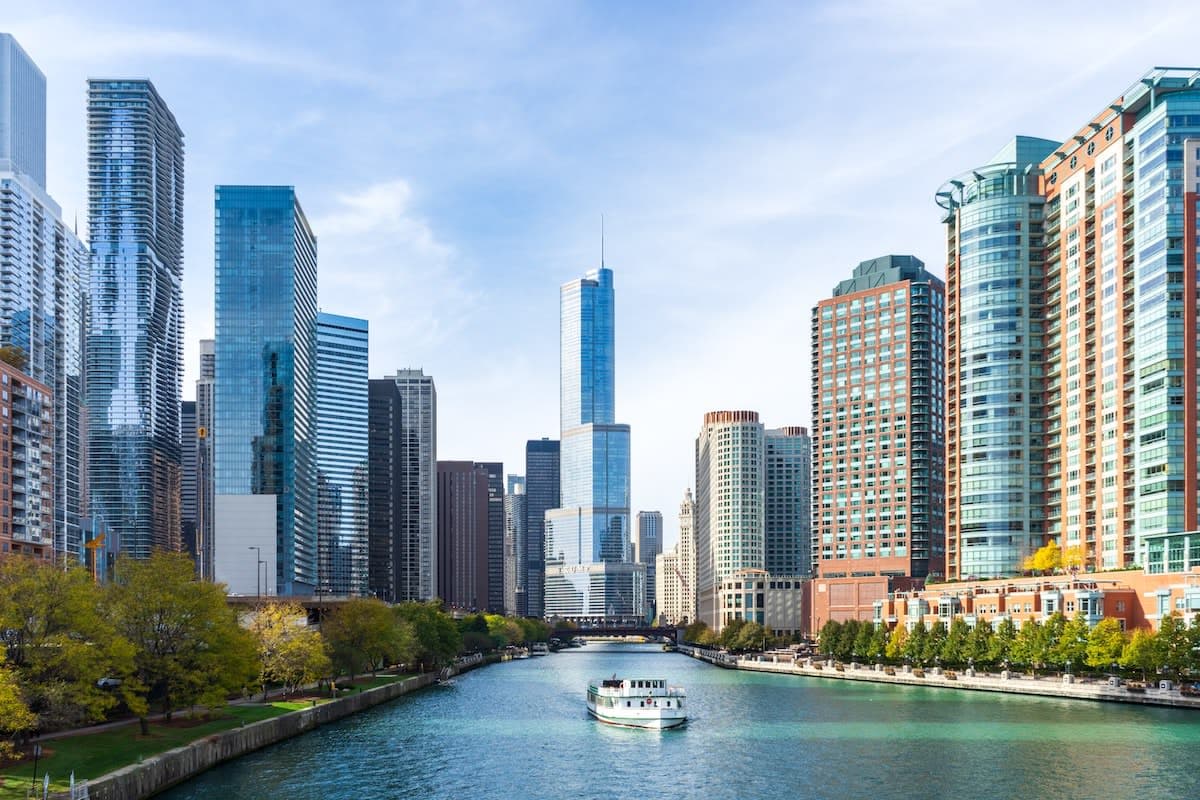
Boston is a good base without a car. Salem, tied to the 1692 witch trials, is 35 minutes by commuter rail from North Station; the town is swamped all through October. Concord and Lexington, where the War of Independence began, are reached by train then bus. For the coast, Cape Cod needs a car or a bus from South Station, about two hours. Boston pairs well with Chicago to compare two large American cities with opposite moods, one Atlantic and colonial, the other inland and vertical, both reached from the United States.

Boston in pictures

Similar destinations

Other cities you might like as much as Boston.

Frequently asked questions about Boston

Is Boston a walkable city?
Yes, it is one of the most walkable American cities: the historic centre, Beacon Hill, Back Bay and the harbour are all done on foot, and the metro covers the rest. A car is only useful for Cape Cod or the mountains.
Do you have to pay to walk the Freedom Trail?
No, the trail itself is free and permanently marked; you can follow it alone with a map. Only the costumed guided tours from Boston Common and entry to some sites, such as the Old North Church, are paid.
How do you get to Harvard from downtown Boston?
The red metro line links Downtown Crossing or Park Street to Harvard station in about twenty minutes. You come out directly at Harvard Square, at the edge of the campus and Harvard Yard, with no transfer.
Can you go whale watching from Boston?
Yes, from April to October: cruises leave Long Wharf for Stellwagen Bank, a protected feeding ground an hour's sail away. The trip lasts about three and a half hours and sightings of fin and humpback whales are common.
When can you see autumn colours in Boston?
Foliage peaks in the city around mid-October, along Commonwealth Avenue and the Charles. For more dramatic colour you need to head up to Vermont or New Hampshire, where the peak comes one to two weeks earlier.
Boston or New York for a first East Coast trip?
Boston is more compact, greener and easier to cover in three days; New York demands a faster pace and more time. The two are four hours apart by train or one by plane, and easy to combine.
Does the Boston metro run late at night?
The last service is around 12.30am depending on the line, earlier than in many big cities. After that you rely on limited night buses or a ride-hail vehicle, which is pricier on weekends.
Is a day trip to Salem worth it from Boston?
For a day, yes: 35 minutes by commuter rail from North Station is enough for the Salem Witch Museum, the Peabody Essex Museum and the harbour. In October, though, the town is mobbed and a weekday visit is better.

Plan your trip to Boston

Build your day-by-day itinerary and manage budget, bookings and packing in PlanTripNow.
Aperçu de l'application PlanTripNow