Travel to the USA: when to go, budget and itineraries

A country the size of a continent, where you move from the avenues of Manhattan to the canyons of Arizona without changing currency. You cannot see it all in one trip: better to pick a coast, a season and a theme, then take your time on the road.
  • 29 cities · 4 regions

Why travel to the United States?

The United States packs global cities, 63 national parks and landscapes that change every 300 kilometres into one territory. The road network and cheap domestic flights make the long distances manageable. It is the road-trip destination, as long as you accept covering only part of the country at a time, like the rest of North America.

What to see in the United States?

The East Coast and the Northeast corridor

From Boston to Washington, the big cities line up along 700 kilometres linked by Amtrak: New York to Washington in 3h30, New York to Boston in 4h15. A week is enough for three of them with no rental car. New York needs at least four nights, Washington two for the National Mall and its free museums. September and October bring crisp light and the first fall colours in New England, before the foliage rush around mid-October.


Florida and the Southeast

This is the most affordable state for lodging, with off-season nights around 75 to 100 euros. Florida combines the Orlando parks, the Miami beaches and the road to the Keys, whose Overseas Highway strings 42 bridges out to Key West, 3h30 from Miami by car. Avoid June to November: it is hurricane season, peaking in mid-September. Winter, mild and dry, is the real high season, prices included.

California and the Pacific coast

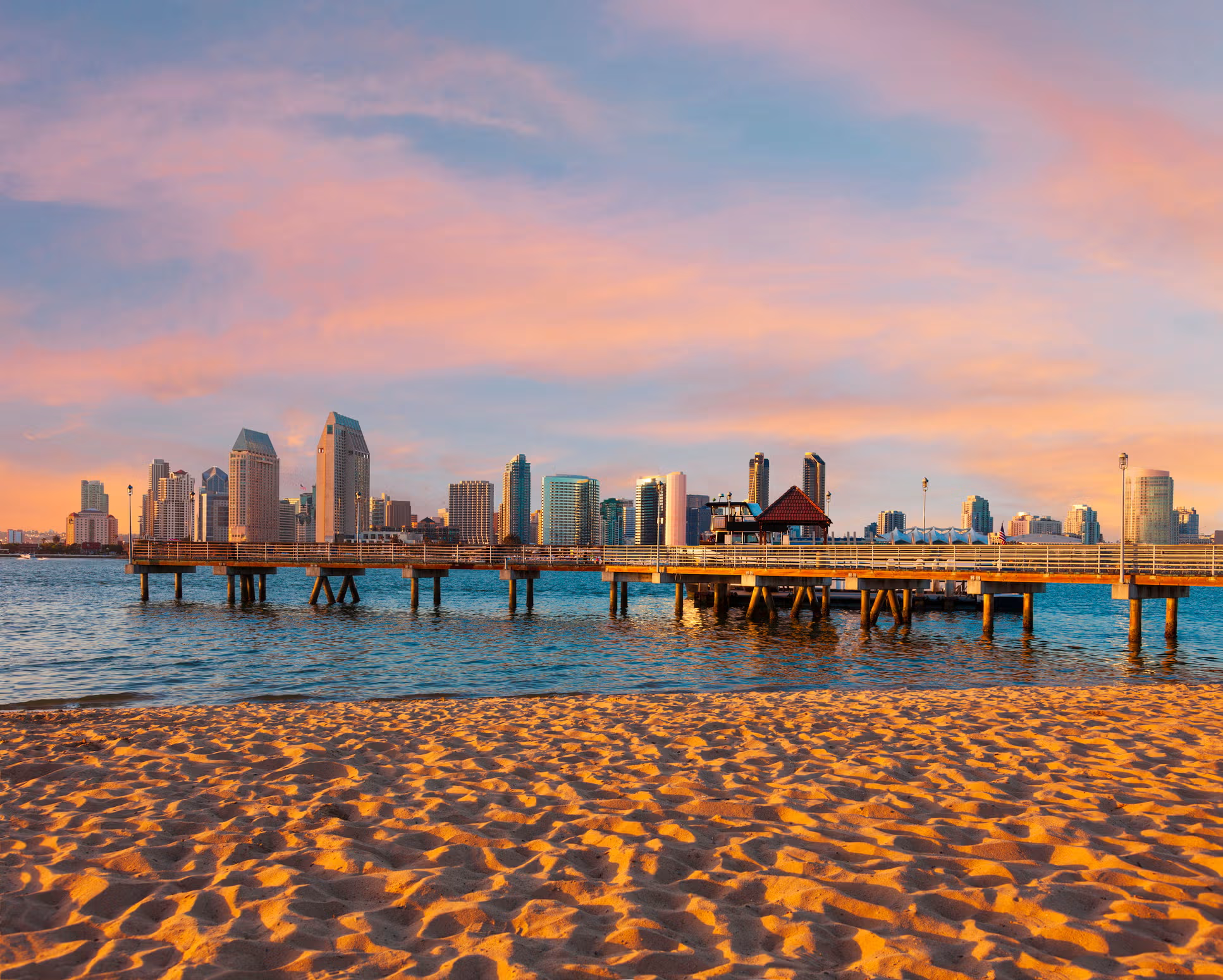
Highway 1 between San Francisco and Los Angeles covers about 1,000 kilometres and deserves three full days with stops at Big Sur and Monterey. California adds the Napa vineyards to the north, Yosemite to the east and the southern deserts. Plan a week minimum. Spring and autumn are ideal; summer overwhelms the parks and the coast often stays locked in morning fog until noon.

The Southwest and the Colorado Plateau parks

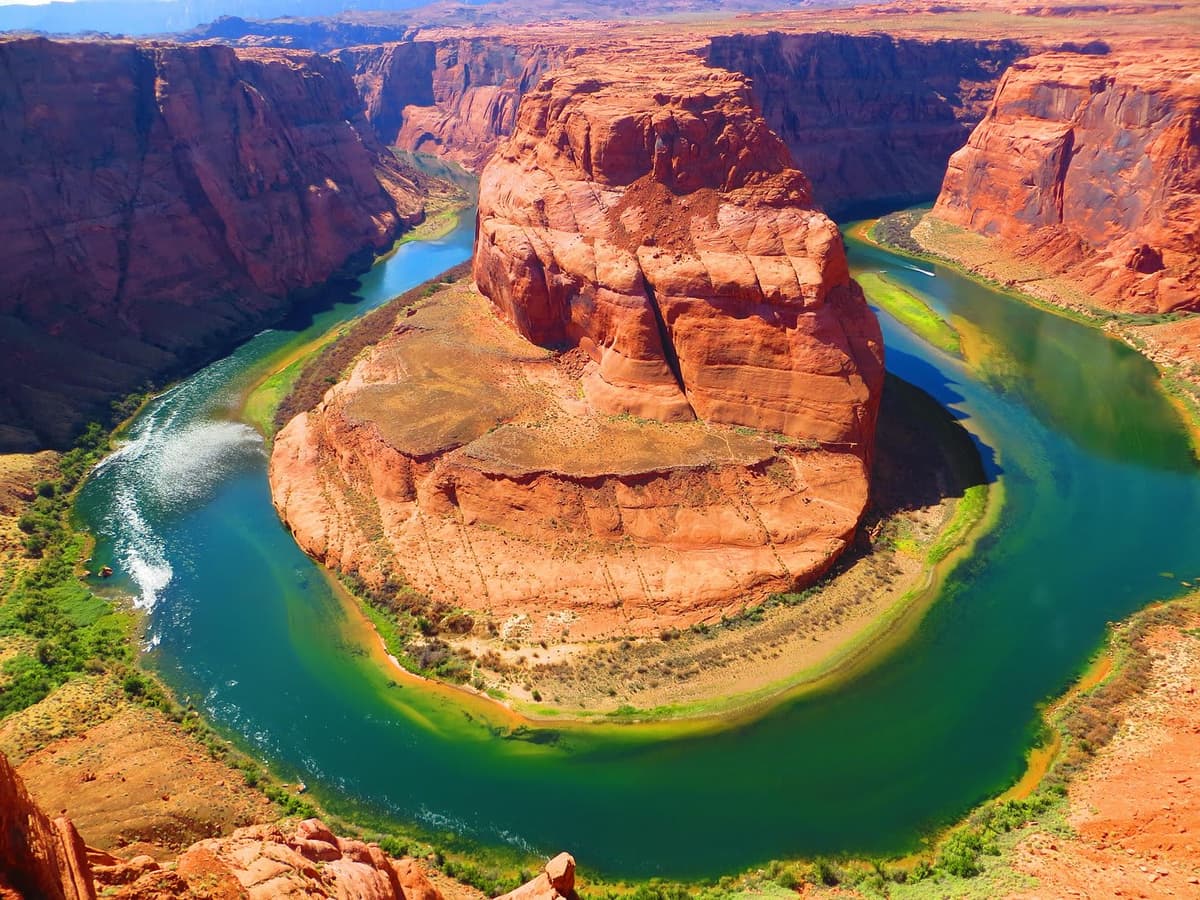
From Las Vegas, a 10-day, 2,000-kilometre loop links the Grand Canyon, Arizona with Monument Valley and Antelope Canyon, then Zion and Bryce in Utah. Distances between parks often exceed three hours of driving with no gas station: fill up every time. Park entry costs 35 dollars per vehicle and is valid seven days. Spring and autumn avoid the summer heat, which tops 40°C in the canyons.

The Rockies and the wild West

Yellowstone and Grand Teton form the heart of the Rockies: geysers, bison and colourful hot springs like the Grand Prismatic. Plan three nights on site and book the in-park lodges up to a year ahead. High-altitude roads close from November to May under snow, which narrows the visiting window to summer and very early autumn. From Salt Lake City or Jackson, the south entrance is half a day's drive.

The Midwest, Chicago and the Great Lakes

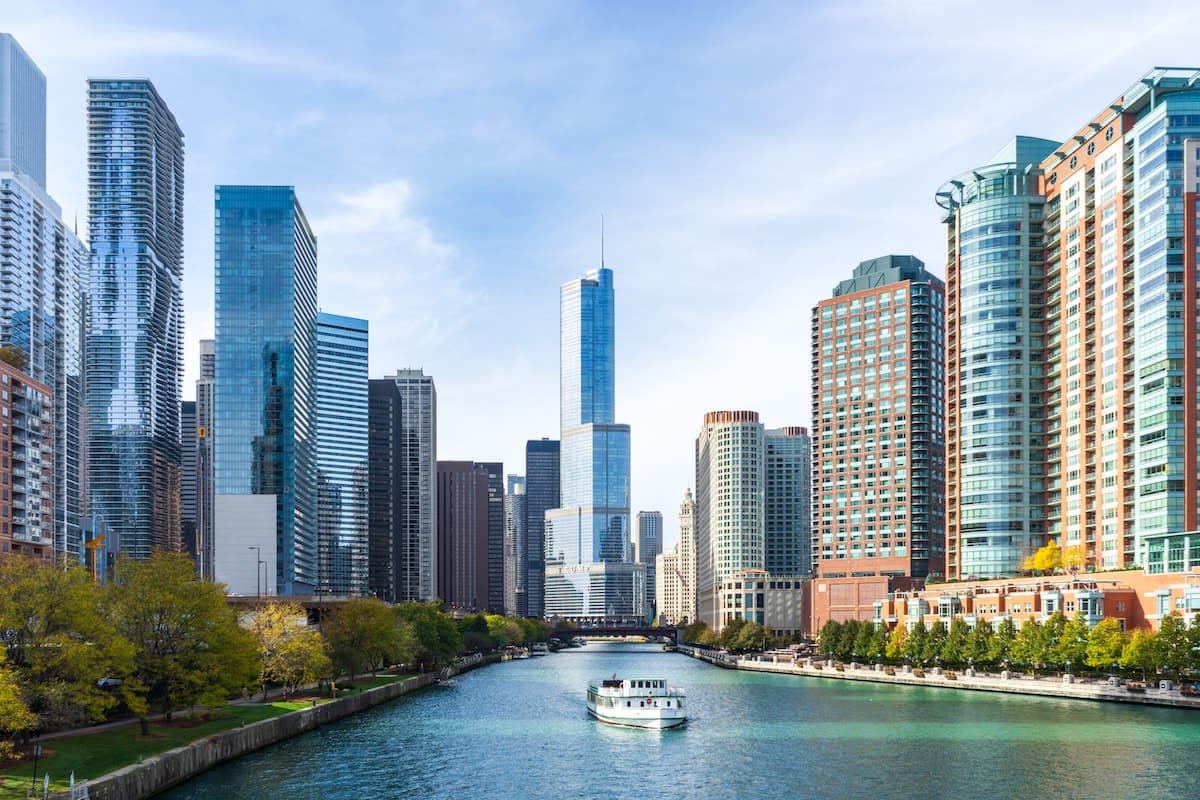
Chicago is the gateway to the Midwest and the historic start of Route 66. The city fits into two days: a 90-minute architecture cruise on the river, Millennium Park and a blues club at night. Around it, the Great Lakes and the small towns of Illinois and Wisconsin suit weekend drives. Summer is short and full of festivals; winter is harsh, with an icy wind off Lake Michigan.

Hawaii and the American Pacific

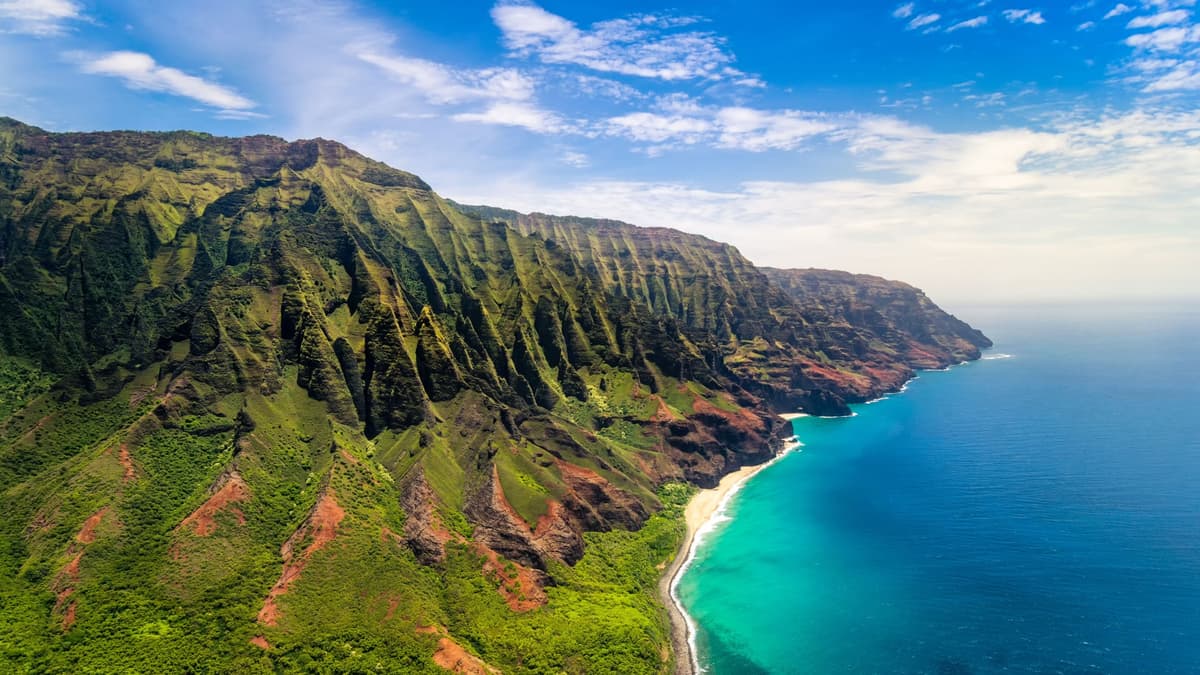
The Hawaiian archipelago is about a 5-hour flight from the West Coast. Hawaii is split mainly between Oahu and its capital Honolulu, Maui, and the Big Island with its active volcano. A week per island is a good pace; two islands in ten days stay feasible. The climate is stable year-round, with a wetter season from November to March. Dengue circulates in episodes: mosquito protection is advised.

Cities to visit in United States of America

Featured destinations appear first.

Regions to explore in United States of America

Featured destinations appear first.

United States of America in pictures

Iconic sights of the United States

A few places that sum up the country's variety, from urban symbols to vast protected wilderness.

Statue of Liberty

On Liberty Island in New York harbour. Crown access must be booked several weeks ahead; the ferry leaves from Battery Park.

National Mall

Washington's esplanade lines up the Capitol, the White House and the Smithsonian museums, all free, over just over three kilometres.

Grand Canyon

The South Rim, open year-round, offers the most accessible viewpoints. Sunrise at Mather Point is the highlight.

Monument Valley

The red sandstone buttes on the Arizona-Utah border, on Navajo land. A 27-kilometre dirt loop can be driven by car.

Golden Gate Bridge

San Francisco's red bridge is best photographed from the Marin Headlands to the north, often wrapped in fog on summer mornings.

Yosemite park

In California, the walls of El Capitan and Half Dome tower over a glacial valley. The Tunnel View overlook gives the classic vista.

Yellowstone

The world's first national park, straddling three states. Geysers, iridescent hot springs and free-roaming bison herds.

Times Square

Manhattan's neon crossroads, packed day and night. Worth seeing once, but not for staying or dining.

French Quarter

New Orleans' old French district, its wrought-iron balconies and the jazz gigs on Frenchmen Street.

Walt Disney World

Near Orlando, the largest theme-park complex in the world. Buy dated tickets online to limit the waiting.

Similar destinations

Other countries you might like as much as United States of America.

Similar regions

Other regions you might like as much as United States of America.

Frequently asked questions about a trip to the USA

How many days for a Western road trip between Las Vegas and San Francisco?
Plan 10 to 12 days to link Las Vegas, the Grand Canyon, Monument Valley, Death Valley and Yosemite before San Francisco. Under 8 days, you spend more time on the road than in the parks.
Is an ESTA enough for a three-week stay in the United States?
Yes. The ESTA allows tourist stays of up to 90 days, so three weeks fits easily. You need an electronic or biometric passport and must apply online before departure, ideally 72 hours ahead.
Can you see New York and the Western parks in two weeks?
It is possible but tight: 4 nights in New York, a 5-hour domestic flight to Las Vegas or Denver, then a week of parks. You will spend a full day in transit mid-trip. An open-jaw flight avoids backtracking.
Should you book the Grand Canyon and Yellowstone lodges in advance?
Absolutely. In-park accommodation books 6 to 13 months ahead and sells out all summer. Otherwise, stay in Tusayan for the Grand Canyon or in West Yellowstone, 10 to 20 minutes from the entrance.
When can you see the fall colours in New England?
The peak runs from late September in northern Vermont and New Hampshire to mid-October around Boston. Foliage-tracking sites publish week-by-week maps. Book early: it is the most expensive time in the region.
Is a car essential to visit California?
For the coast, the parks and the vineyards, yes: public transport does not serve them. San Francisco works on foot and by transit, but as soon as you leave the city for Yosemite or Highway 1, renting a car becomes necessary.
How much does a week in Orlando with Disney World and Universal cost?
Excluding flights, plan 1,500 to 2,500 euros for two: about 100 to 150 dollars per park ticket per day, a hotel around 100 to 160 euros a night, plus car rental and the often pricey in-park meals.
Can you go to Hawaii on the same ESTA as the mainland?
Yes, Hawaii is a US state: the same ESTA covers the archipelago. Flights from the West Coast are domestic, with no new immigration check. Do expect a 5-hour flight and an extra 2 to 3-hour time difference.

Plan your trip to United States of America

Day-by-day itinerary, budget, bookings and packing in a single app.
Aperçu de l'application PlanTripNow