Skip to content

Travel to Australia: when to go, budget and itineraries

An island continent the size of Europe, Australia is best seen in stages: Sydney Harbour, the red desert around Uluru, the Queensland coral reef, the coastal roads of the south. Allow at least two weeks and several domestic flights to grasp its variety.
  • 8 cities · 4 regions

At a glance

Currency
Australian Dollar (A$)
Time difference
UTC+8 à UTC+11
Visa
None
Tourist stay of up to 90 days
7-day budget
€875
Per person, comfort profile, excluding international flights.

Why visit Australia?

Australia holds within a single territory the largest coral structure on Earth, deserts inhabited for 65,000 years by Aboriginal peoples, and coastal cities ranked among the world's most liveable. Its wildlife is unique: kangaroos, koalas and platypuses live nowhere else in the wild. The distances mean choosing two or three regions rather than trying to see everything.

When to visit Australia

Temperatures, rainfall and crowds month by month, to pick your window.
When to visit Australia
MonthTemperaturesRainCrowdsVerdict
January20 to 27 °C8 dPackedPeak austral summer and school holidays: packed beaches and the priciest lodging, book well ahead.
February20 to 27 °C9 dBusyThe year's wettest month, yet the sea sits at 24C and the crowds start to ease.
March18 to 26 °C10 dModerateThe best balance: gentle warmth, swimmable sea, and Mardi Gras lighting up the city in early March.
April15 to 24 °C8 dModerateGorgeous autumn light over the harbour; only the Easter break nudges prices up for a few days.
May12 to 21 °C8 dQuietQuiet low season with clear 21C days, ideal for walking the coastal path crowd-free.
June10 to 18 °C9 dModerateThe Vivid festival lights the harbour until mid-June and fills hotels despite chilly evenings.
July9 to 18 °C7 dModerateThe coolest month, but often dry and sunny, with whale watching off the cliffs.
August10 to 19 °C6 dQuietThe year's quietest stretch: least rain, low rates, and an occasionally biting wind.
September12 to 22 °C6 dModerateSpring kicks in with little rain and jacarandas on the way; late-September holidays stir the beaches a little.
October15 to 23 °C8 dModerateIdeal mildness for Bondi and the Blue Mountains, before the sea truly warms up.
November17 to 24 °C9 dModerateSculpture by the Sea links Bondi to Tamarama; comfortable warmth before the December rush.
December18 to 26 °C8 dBusyEverything books out for the New Year's Eve fireworks: the year's tariff peak around the harbour.
Source: Cadrage sur Sydney (Observatory Hill, station BoM 066062), porte d'entree principale et zone touristique la plus recherchee ; l'Australie est trop etendue pour une moyenne nationale. Normales 1991-2020 (Bureau of Meteorology via Wikipedia 'Climate of Sydney'), recoupees avec weather-and-climate.com, releve septembre 2026. Temperature de la mer : moyennes cotieres Sydney.

What to see in Australia?

Sydney and New South Wales

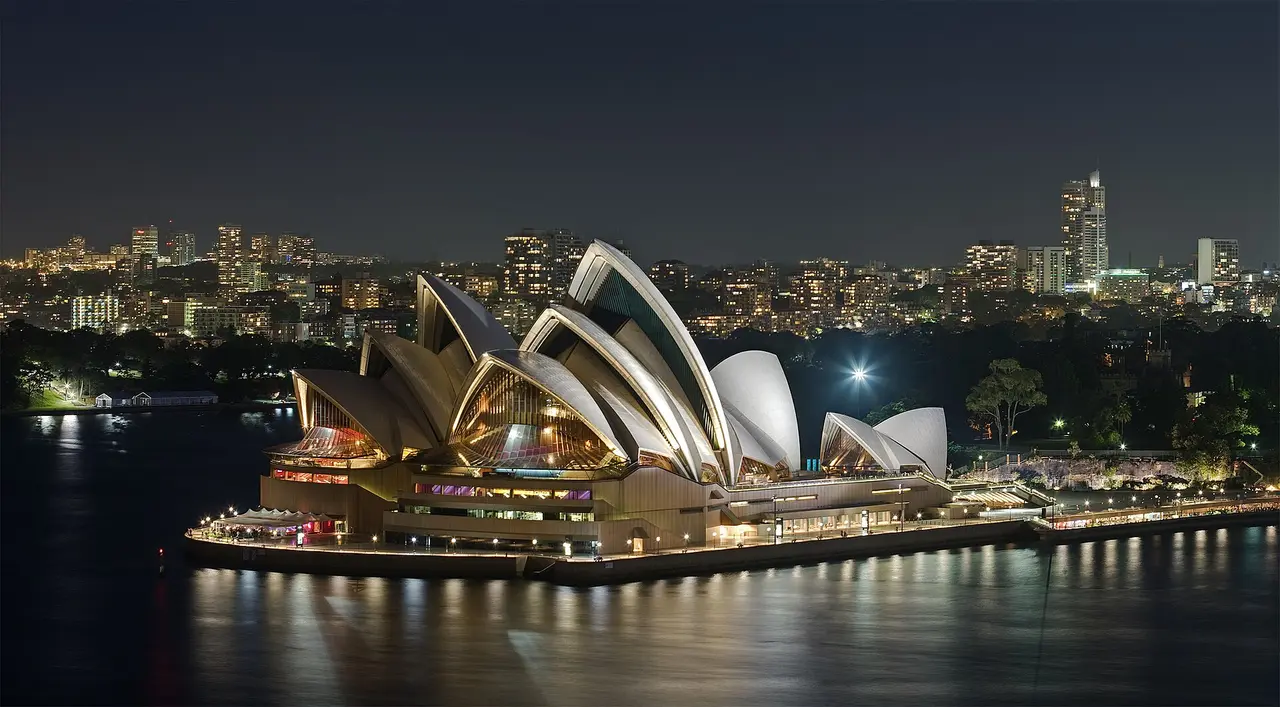
The country's gateway and its most visited region. Sydney deserves three days: the Opera House, the Bondi-to-Coogee coastal walk, the ferry to Manly. Less than two hours away, the Blue Mountains offer viewpoints over the Jamison Valley and walking trails, while the Hunter Valley, the country's oldest wine region, works as a day trip. The south coast around Jervis Bay lines up white-sand beaches that are often empty outside Australian school holidays.
Tropical Queensland and the Great Barrier Reef

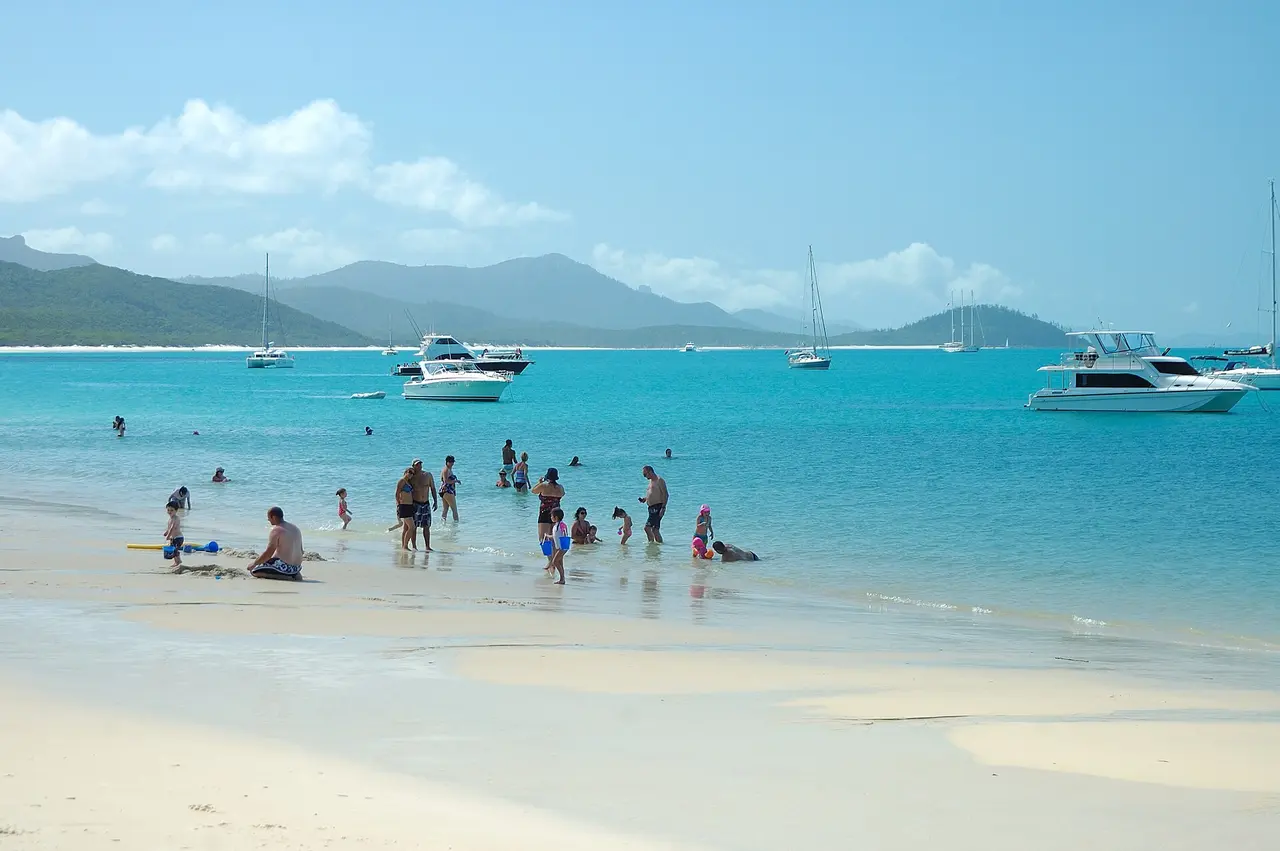
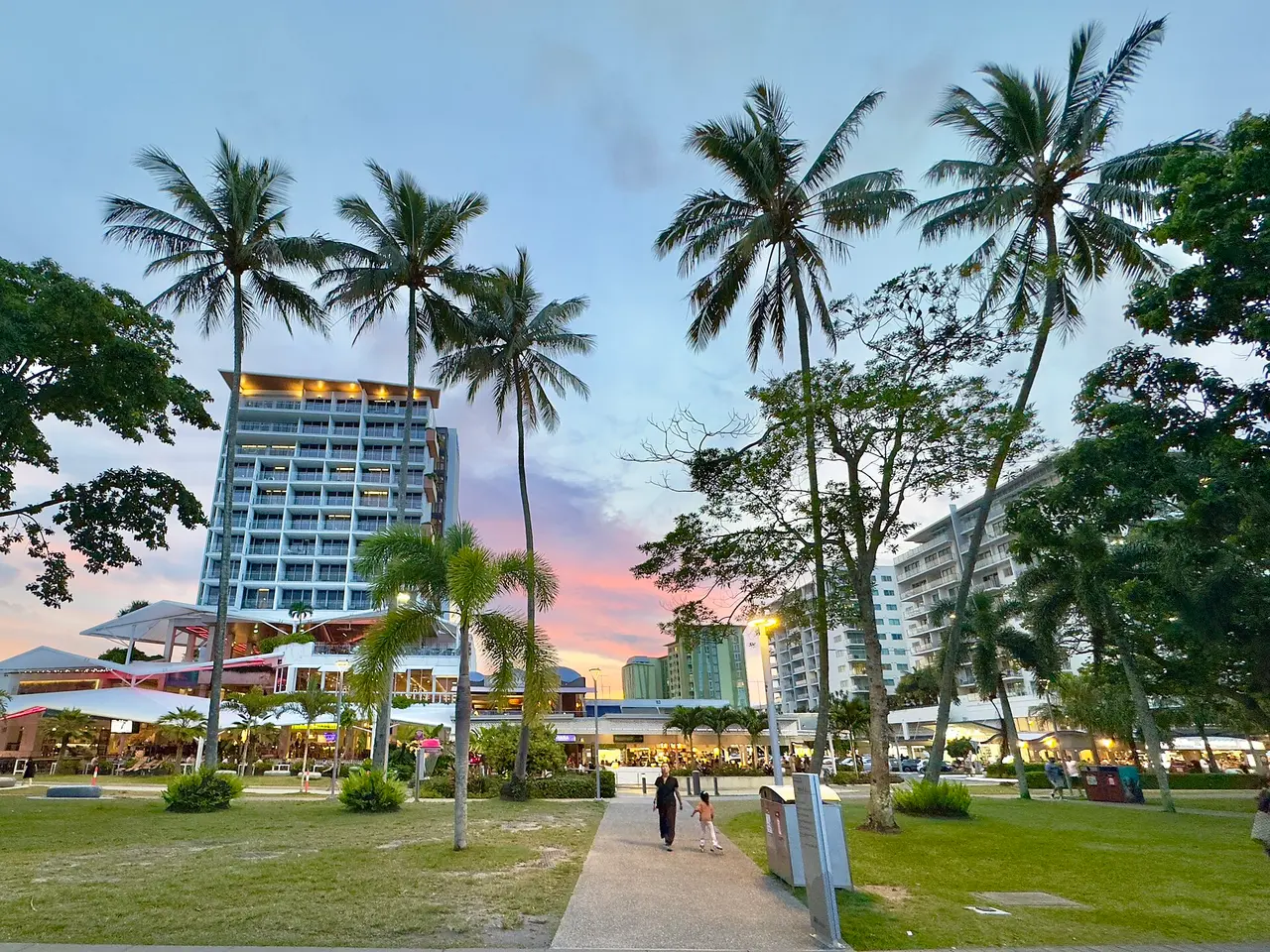
Cairns and Port Douglas give access to the Great Barrier Reef: allow a full day by boat to reach the Outer Reef, where the corals are best preserved. To the north, the Daintree rainforest is a day trip from Cairns. Further south, the Whitsunday Islands and Whitehaven Beach are seen on a two-day sailing cruise. Avoid November to May: this is the season of rain, cyclones and irukandji jellyfish.

Melbourne, Victoria and the Great Ocean Road

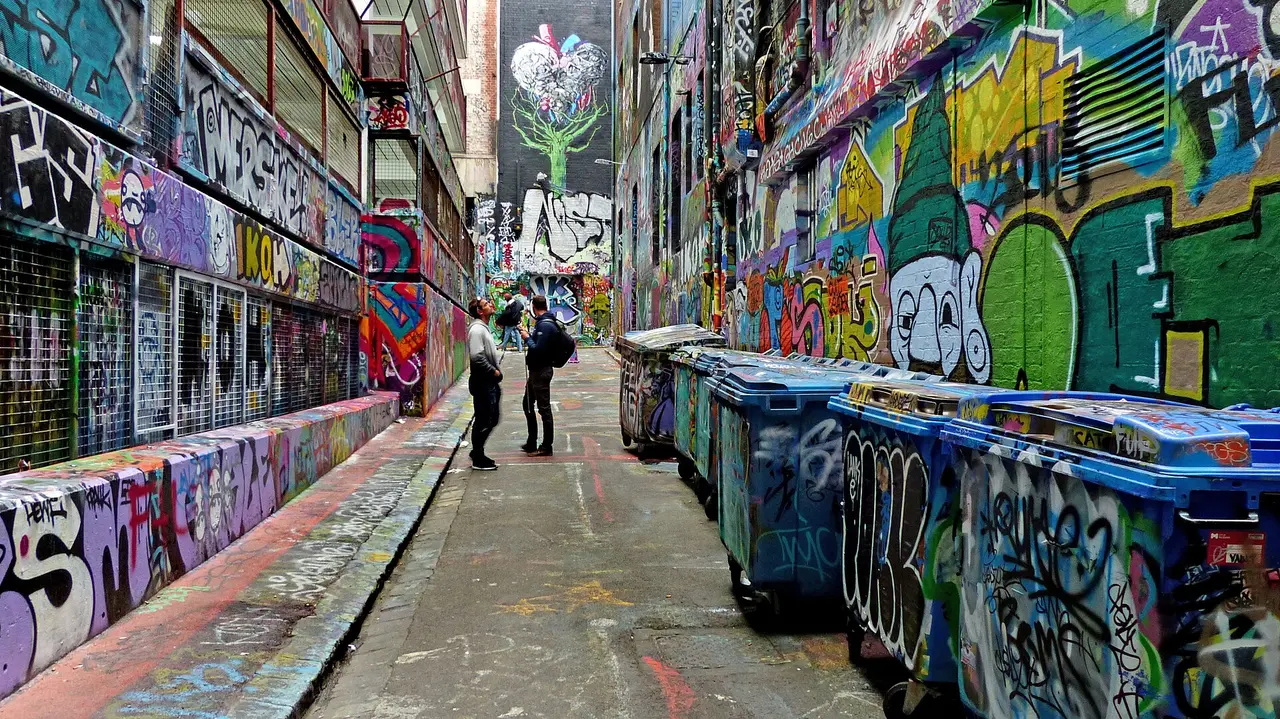
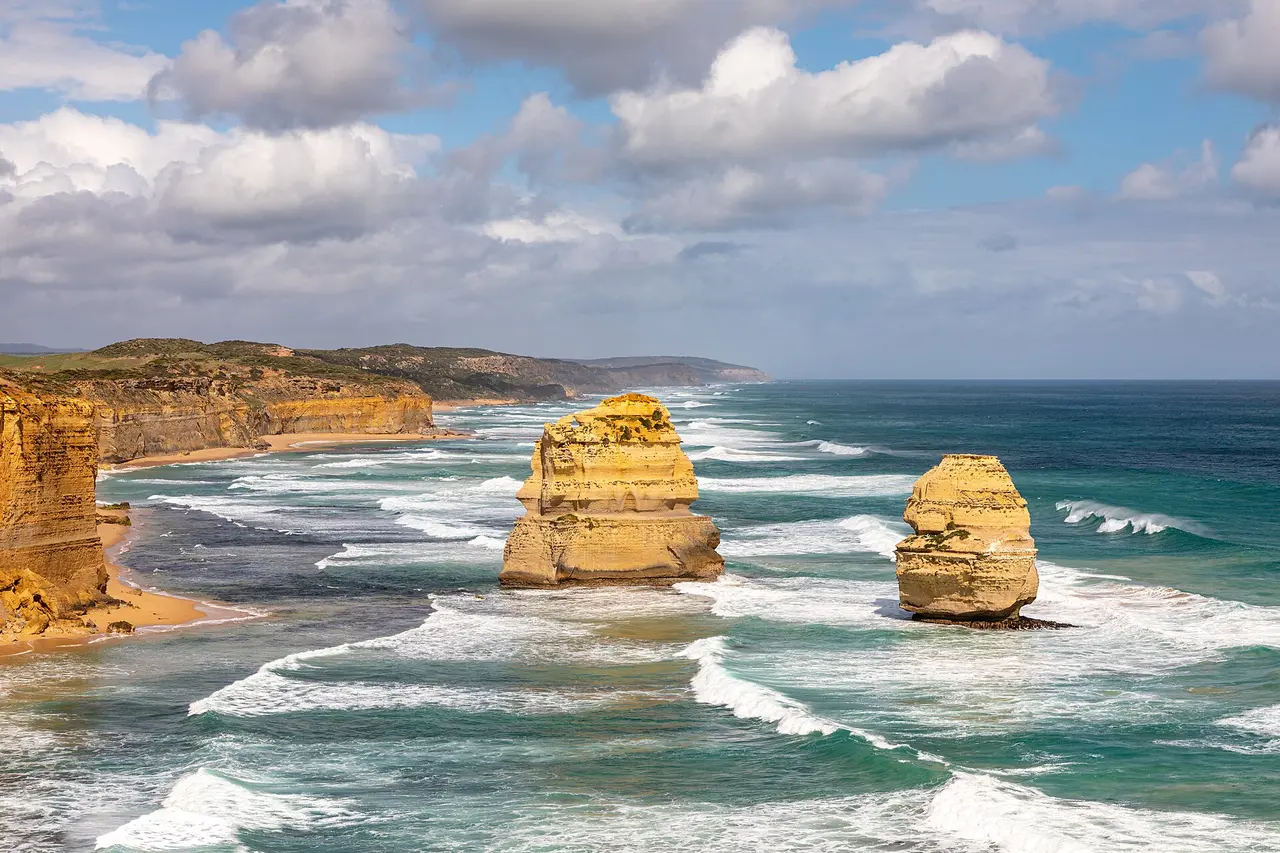
Melbourne is a walking city: covered laneways, Fitzroy cafes, the Queen Victoria Market. To the west, the Great Ocean Road runs 240 km along the coast to the Twelve Apostles, limestone stacks at their most photogenic at sunset. Allow two days for the drive with a night in Apollo Bay, rather than a same-day return. The Mornington Peninsula and its hot springs close the loop an hour from the city.

The Red Centre and the Northern Territory

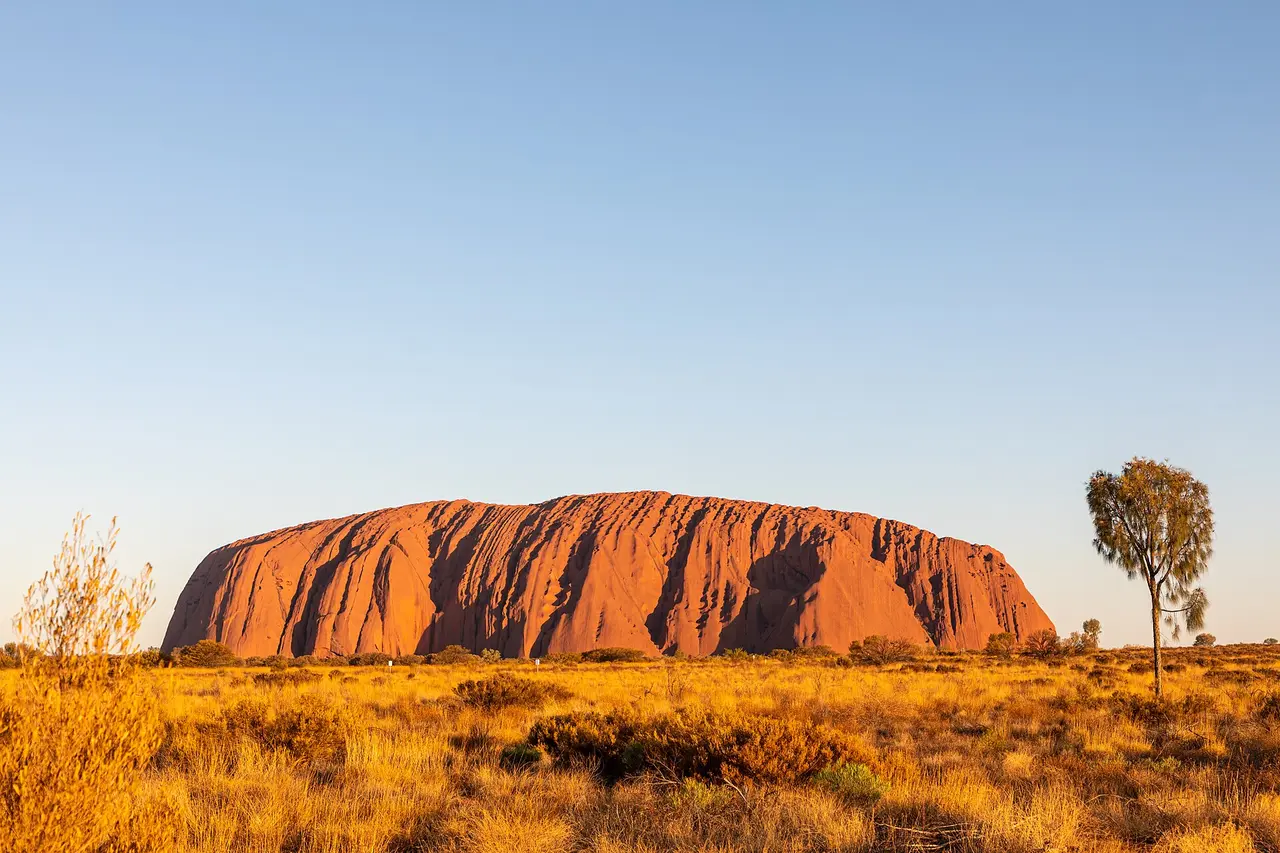
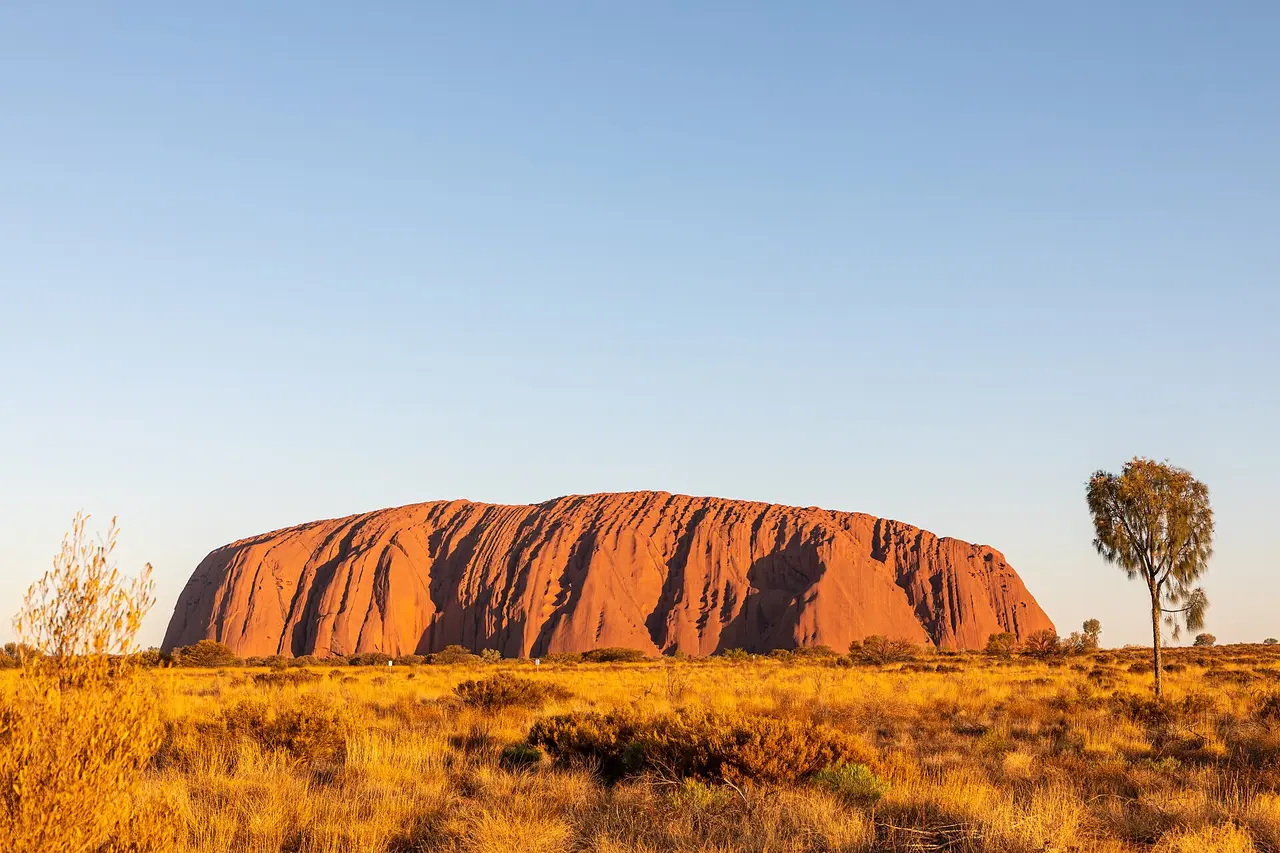
Uluru is reached by a direct flight from Sydney or Melbourne, about three hours. Sunrise over the monolith and the ten-kilometre base walk, done early in the morning, are the highlights; climbing has been banned since 2019 out of respect for the Aboriginal owners. Kata Tjuta, the nearby domes, and Kings Canyon fill out a three to four-day circuit. At the top of the territory, Kakadu National Park is visited from Darwin between May and October.

Western Australia and Perth

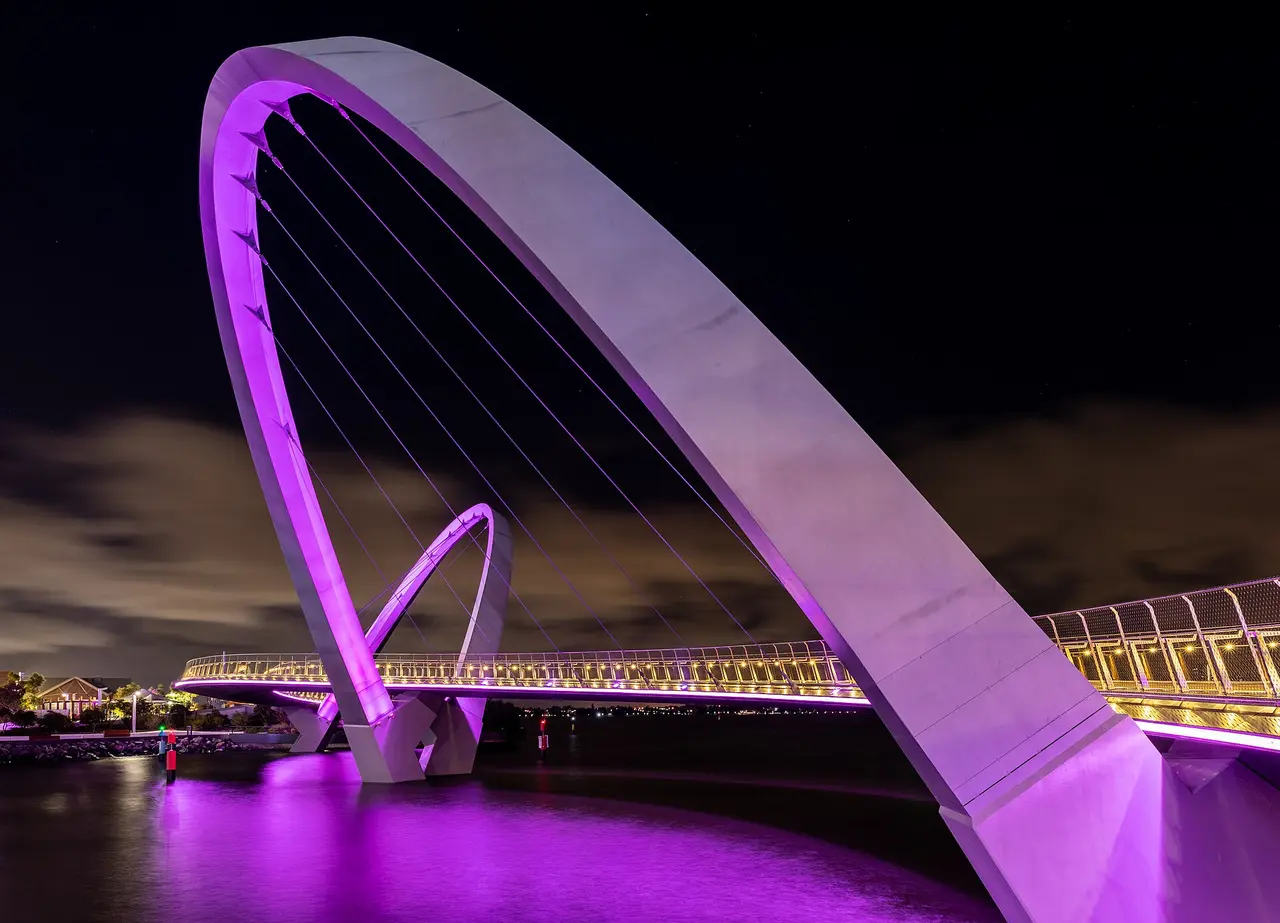
The largest and least travelled state for European visitors. Perth, the most isolated city in the world, is a base for the Pinnacles Desert to the north and the Margaret River wine region to the south, three hours away by road. Further on, Ningaloo Reef lets you swim with whale sharks from March to July, a quieter alternative to the Great Barrier Reef. Plan a trip in its own right: the distances here are considerable.

Tasmania

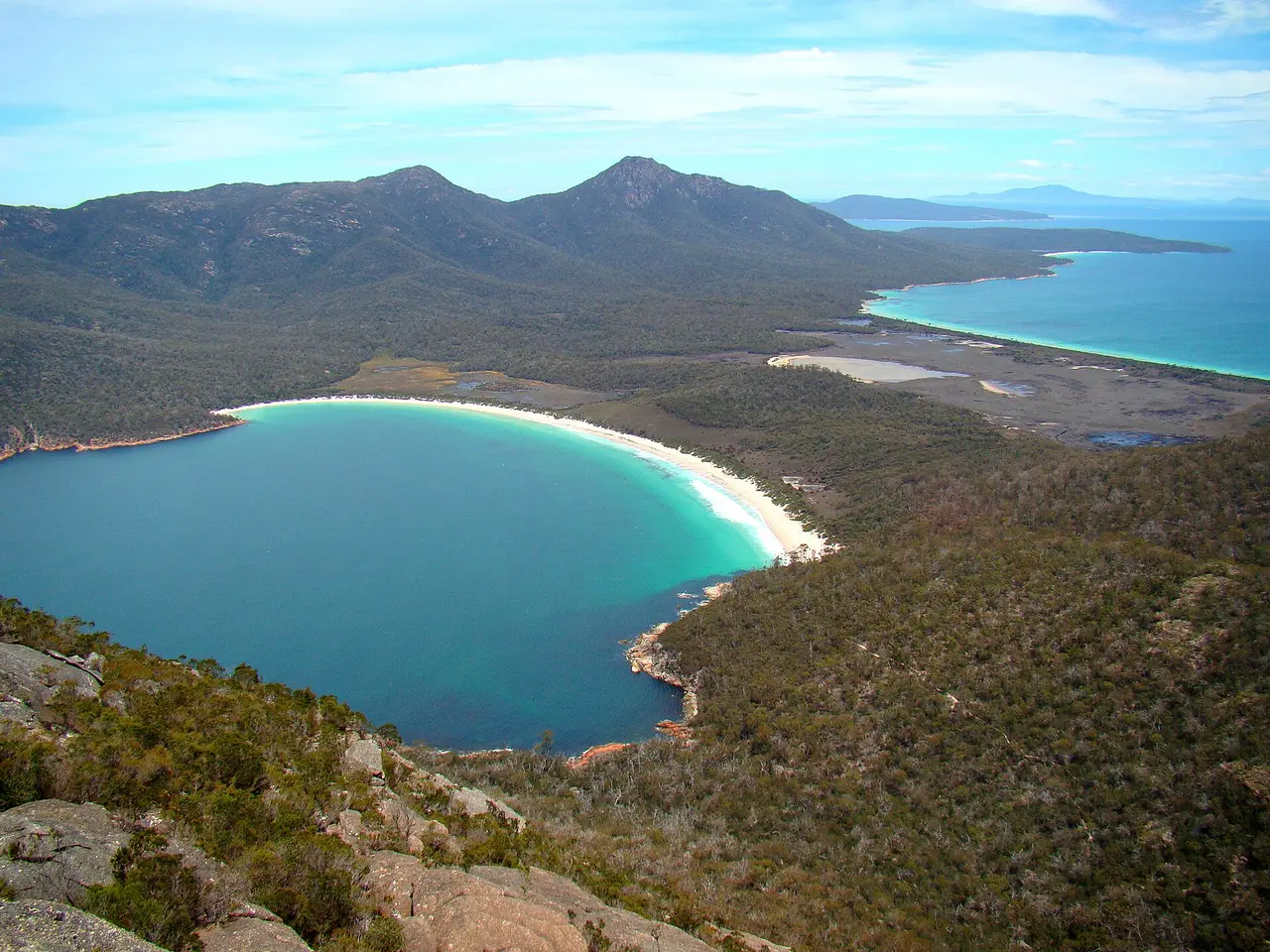
A cool-climate island an hour's flight from Melbourne. Hobart is home to the MONA art museum, reached by catamaran from the centre. Cradle Mountain and the Overland Track, a 65 km trail over six days, draw hikers from December to March. The east coast, around Wineglass Bay and the Freycinet Peninsula, takes three days by road. It is the greenest part of the country, close in feel to New Zealand.

Cities to visit in Australia

Featured destinations appear first.

Regions to explore in Australia

Featured destinations appear first.

How much it costs

Per person per day, excluding international travel.
Budget
52 €/ day
3 328 € for 2 people, 7 days, return flights included
Accommodation
20 €
Food
17 €
Local transport
6 €
Sights and activities
9 €
Comfort
125 €/ day
4 350 € for 2 people, 7 days, return flights included
Accommodation
52 €
Food
32 €
Local transport
15 €
Sights and activities
26 €
Premium
287 €/ day
6 618 € for 2 people, 7 days, return flights included
Accommodation
104 €
Food
64 €
Local transport
32 €
Sights and activities
87 €
Prices checked: Relevé septembre 2026. Cadrage sur l'itinéraire classique côte est (Sydney, Melbourne, Cairns) ; le budget grimpe dans les zones reculées et l'Outback. Sources : nomadicmatt.com (cost of traveling Oz 2026), backpackerswanderlust.com, neverendingfootsteps.com, recoupées avec les tarifs Opal (transports Sydney) et les prix hôteliers affiches. Conversion 1 AUD = 0,58 EUR. Prix hors haute saison (évite déc-janv). Vol A/R économique Paris CDG - Sydney estimé à 1300 EUR/personne hors vacances scolaires (momondo, Skyscanner, Expedia, sept. 2026). Occupation : lit en dortoir pour backpacker, chambre double partagée a deux pour comfort et premium.

Getting there

Airports serving Australia, from main hubs to secondary ones.
  • ABXAlbury AirportEast AlburySecondary
  • ALHAlbany AirportAlbanySecondary
  • ARMArmidale AirportArmidaleSecondary
  • ARYArarat AirportAraratSecondary
  • ASPAlice Springs AirportAlice SpringsSecondary
  • AYQAyers Rock Connellan AirportYularaSecondary

Entry, health and safety

For FR travellers

Entry requirements

No visa for a tourist stay

Pas de visa classique mais une autorisation électronique de voyage eVisitor (sous-classe 651) obligatoire avant l'embarquement, gratuite, pour un séjour touristique ou d'affaires de 3 mois maximum. Il faut voyager avec le passeport déclaré lors de la demande.

Stay allowed for up to 90 days.

Health

Advised: Mise a jour des vaccins habituels (diphtérie, tétanos, poliomyélite, coqueluche, rougeole). Selon le voyage : encéphalite japonaise, hépatite B, fièvre jaune si provenance d'une zone endémique.

Aucun accord bilatéral de sécurité sociale : assurance couvrant frais médicaux, hospitalisation et rapatriement impérative. Dengue et encéphalite japonaise dans le nord tropical. Épisodes de forte dégradation de l'air (fumées d'incendies) possibles à Sydney, Canberra et Melbourne.

Safety

Normal precautions

Emergency

000

Checked in septembre 2026 against the official source. Entry rules change: check the official source before you travel, it alone is authoritative.

Australia in pictures

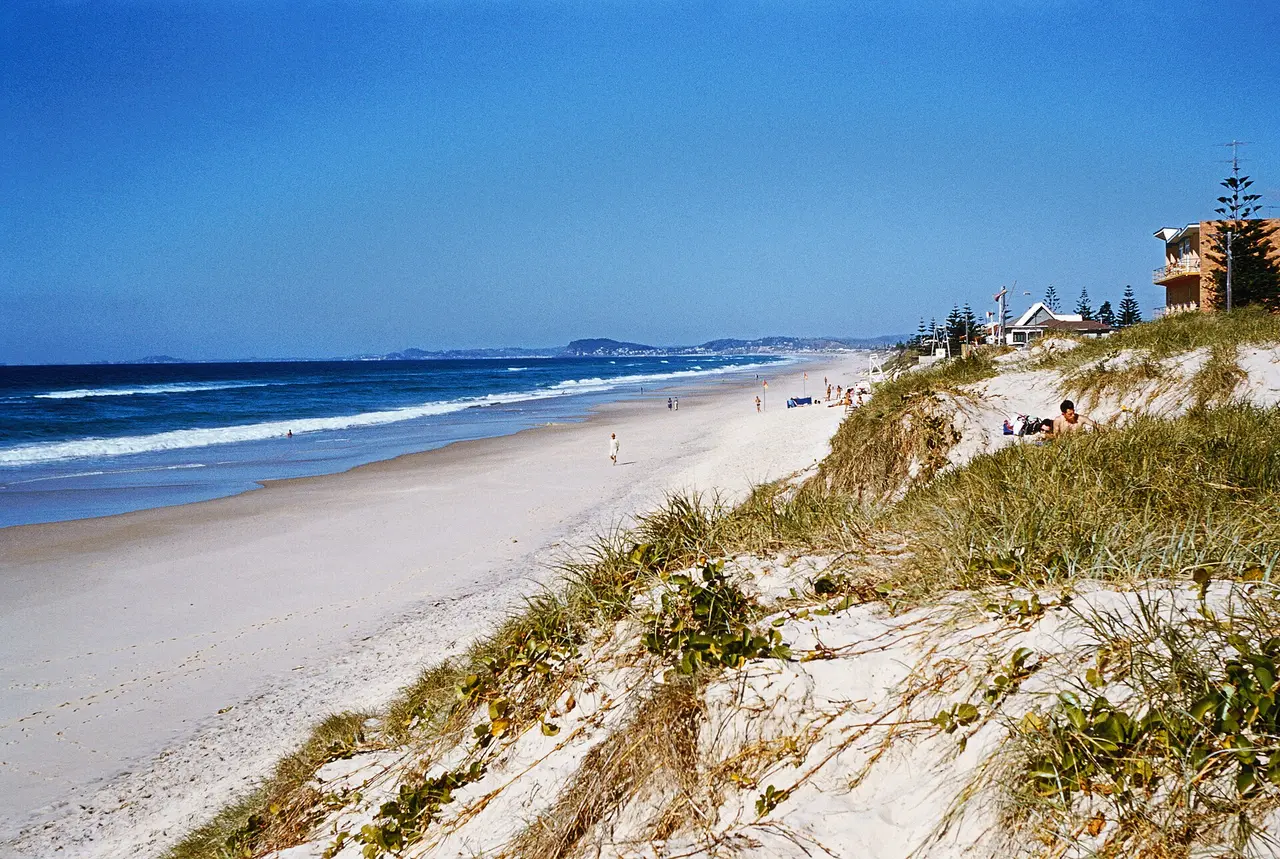
Photo credits : Dietmar Rabich, CC BY-SA 4.0, Wikimedia Commons ; Slug69, CC BY-SA 2.0, Wikimedia Commons ; Gökhan Tolun, CC BY-SA 4.0, Wikimedia Commons

Australia's must-sees

Natural and urban sites for a first trip, from the coral reef to the desert.

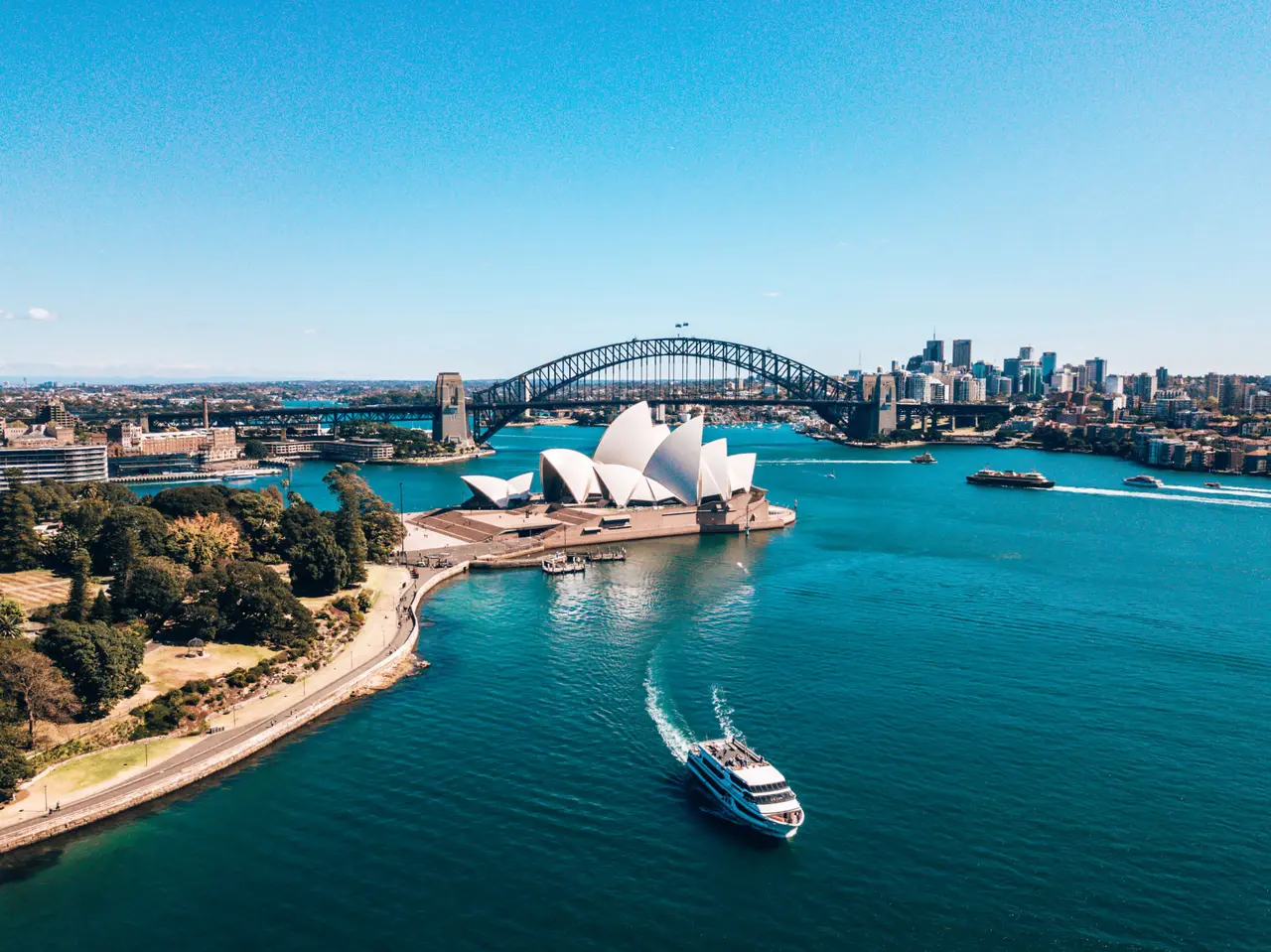
Sydney Opera House

White concrete sails on Sydney Harbour, a UNESCO site. Guided tour of the halls or an evening concert, tickets worth booking ahead.

Uluru

A 348-metre sandstone monolith in the heart of the desert, a sacred Aboriginal site. Sunrise viewing and the base walk are the draw.

Great Barrier Reef

The largest coral system on the planet, seen by diving or snorkelling from Cairns, Port Douglas or Airlie Beach.

Great Ocean Road

Victoria's coastal route leading to the Twelve Apostles, ocean-battered limestone stacks, spectacular at dusk.

Whitehaven Beach

Pure white silica sand in the Whitsundays, reached by boat or seaplane from Airlie Beach.

Kakadu National Park

Wetlands, Aboriginal rock art and crocodiles south of Darwin, accessible in the dry season from May to October.

Blue Mountains

Sandstone cliffs, eucalyptus forest and the Three Sisters less than two hours from Sydney, ideal for a day of hiking.

Kangaroo Island

A wildlife-rich island off Adelaide: sea lions, koalas, echidnas and the rock formations of the Remarkable Rocks.

MONA, Hobart

A museum of ancient and contemporary art carved into the rock in Tasmania, provocative and one of a kind.

Daintree

The world's oldest rainforest, north of Cairns, where the jungle meets the beach at Cape Tribulation.

Practical information for a trip to Australia

Entry authorisation
Free eVisitor for French citizens, paid ETA (about AUD 20) for Canadians, both obtained online before boarding.
Driving side
Left. A foreign licence is accepted with an official translation or an international driving permit.
Power sockets
Type I, 230 V. A specific adapter is essential, different from the one used in Asia.
Biosecurity
Strict checks on arrival: declare all food, plant products and hiking gear, or face a fine.
Jellyfish
Irukandji and box jellyfish are present in the tropical north from November to May. Stinger suits are provided on boats.
Sun
Among the highest UV levels in the world. Hat, sunglasses and factor 50 even on overcast days.
Tipping
Not expected and not easy to do. Wages are high and displayed prices include the 10 percent GST.
Payment
Contactless accepted everywhere, often with a 1 to 2 percent surcharge. Cash is rarely needed.
Distances
Sydney to Perth is 3,300 km. Domestic flights are unavoidable; booking early roughly halves the fare.
Tax refund
GST can be refunded at the airport (Tourist Refund Scheme) on any single purchase over AUD 300 made within 60 days.

Similar destinations

Other countries you might like as much as Australia.

Similar regions

Other regions you might like as much as Australia.

Frequently asked questions about travelling to Australia

Do I need the eVisitor or the ETA to enter Australia?
French citizens apply for the free eVisitor online. Canadians use the official ETA app, about AUD 20. Both allow tourist stays of 90 days and must be obtained before boarding.
Can I see Uluru and the Great Barrier Reef in two weeks?
Yes, but with at least three domestic flights. A 15-day itinerary combines Sydney, the Red Centre, Cairns and Melbourne. In two weeks you have to give up Perth and Tasmania, which are too far out.
Can you still climb Uluru?
No. Climbing was permanently banned in October 2019 at the request of the Anangu, the site's traditional owners. The ten-kilometre base walk remains open and offers the best viewpoints over the surrounding desert and the domes of Kata Tjuta.
When is jellyfish season in Queensland?
From November to May in tropical waters north of Gladstone. During this period, swimming is done in a stinger suit or in lagoons protected by nets, like the one on the Cairns esplanade.
Is it better to land in Sydney or Melbourne?
Sydney for a first trip: the harbour, the beaches and direct access to the Blue Mountains and Uluru. Melbourne suits travellers who prioritise the Great Ocean Road, Tasmania and a more urban feel.
Can you cross Australia by train?
Yes, the Indian Pacific links Sydney to Perth in four days and the Ghan links Adelaide to Darwin in three. These are experience trains, expensive and infrequent, not a practical way to get around.
Can you see wild koalas near Sydney?
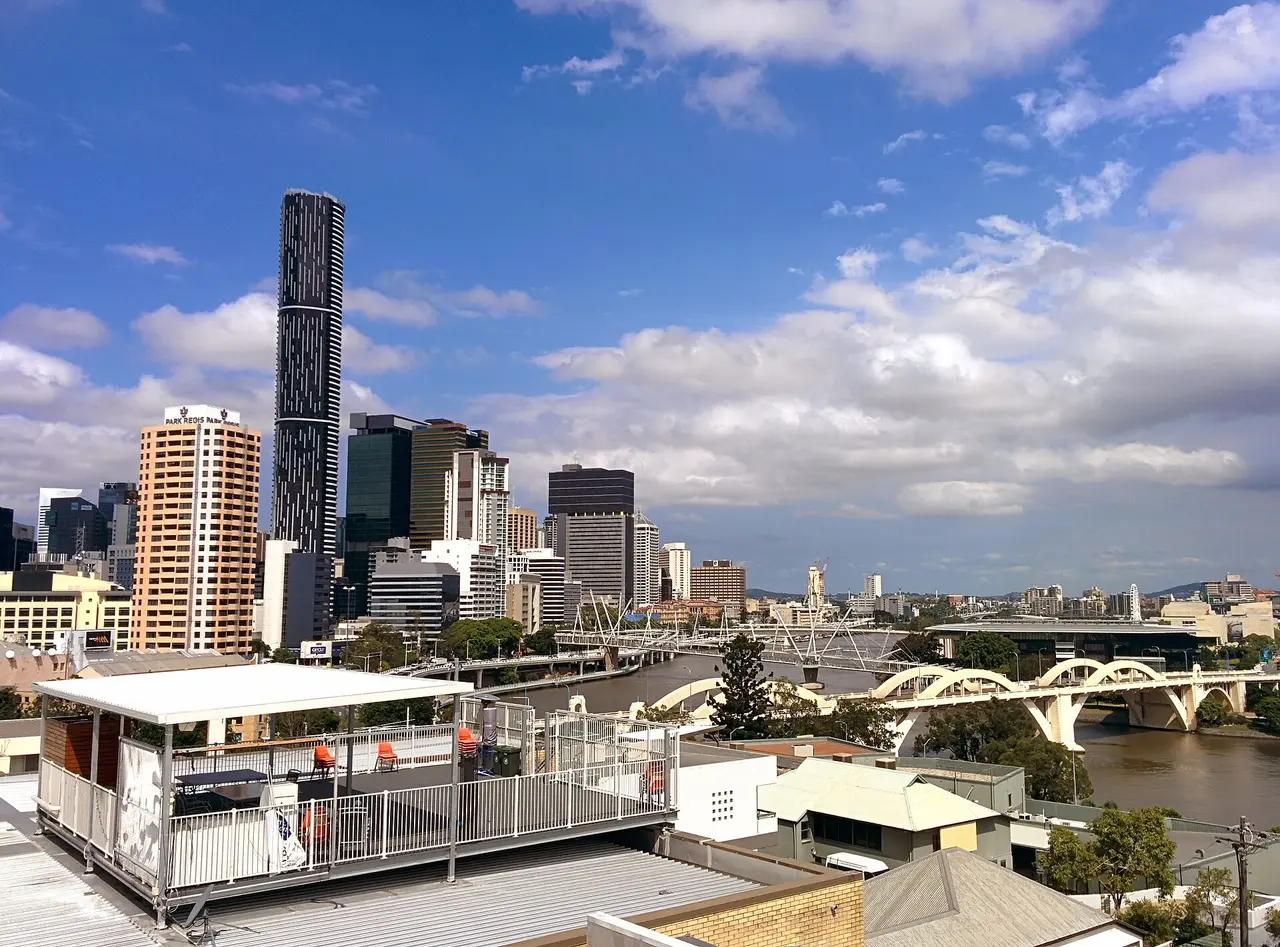
Rarely in Sydney itself. The best chances are at Port Stephens to the north, on the Great Ocean Road at Kennett River, or on Kangaroo Island. Parks like Lone Pine in Brisbane guarantee sightings.
Is the Great Barrier Reef still worth it after the bleaching events?
Yes. The reef is still alive across thousands of kilometres and the Outer Reef sites off Cairns and Port Douglas keep colourful corals. Choose an operator that heads offshore rather than to inshore reefs.
Is driving on the left hard in Australia?
It takes half a day to adjust. The real difficulty is the long distances, fatigue and wildlife crossing at dusk. Not driving at night outside towns is the single most important rule.
How much is a domestic Sydney to Cairns flight?
Around AUD 120 to 200 one way when booked several weeks ahead on Jetstar, Virgin or Qantas. Prices rise sharply during Australian school holidays and at Christmas, and the flight itself takes about three hours.

Plan your trip to Australia

Day-by-day itinerary, budget, bookings and packing in a single app.
Aperçu de l'application PlanTripNow