Skip to content

New Zealand travel guide: when to go, budget and itineraries

New Zealand packs onto two islands what other countries spread across a continent: steaming volcanoes, ancient forests, fjords, empty beaches and harbour cities. You drive a lot here, often in a campervan, between hikes. Here is when to go, what to budget and which route to pick for your trip length.
  • 3 cities · 2 regions

At a glance

Currency
New Zealand Dollar (NZ$)
Time difference
UTC+12
Visa
None
Tourist stay of up to 90 days
7-day budget
€1,120
Per person, comfort profile, excluding international flights.

Why visit New Zealand?

For the sheer density of landscapes over short distances: one day's drive takes you from a subtropical beach to a glacier. The country is safe, English is the everyday language and the network of campgrounds and marked trails is among the best organised anywhere. Maori culture is very much alive, best encountered in Rotorua and Northland, at the top of the largest island in the Oceania region.

When to visit New Zealand

Temperatures, rainfall and crowds month by month, to pick your window.
When to visit New Zealand
MonthTemperaturesRainCrowdsVerdict
January17 to 24 °C8 dPackedPeak austral summer and top crowds: 24C, packed beaches and the year's highest rates, book well ahead.
February17 to 24 °C8 dBusyThe warmest, most weather-reliable month, with holiday crowds easing once schools go back.
March16 to 23 °C9 dModerateAn ideal late summer: sea still near 20C, mild days and falling prices.
April13 to 20 °C11 dModerateBright, quiet autumn, except over Easter weekend when everything fills up at once.
May11 to 18 °C13 dQuietLow season settles in with 14C and more frequent rain, but room rates turn negotiable.
June9 to 15 °C15 dQuietCool, damp start to winter in Auckland at 12C: prime time for a cheap city break.
July8 to 14 °C16 dQuietThe country's coldest month; rain up north, skiing down south, which pushes domestic airfares up.
August9 to 15 °C16 dQuietStill winter and the wettest month, though daffodils already hint at the season's end.
September10 to 16 °C13 dQuietSpring gets going, lambs in the paddocks and light visitor numbers before the October holidays.
October12 to 18 °C12 dModerateChangeable but lively spring; the early-month school holidays lift demand.
November13 to 19 °C10 dModerateLong days, blossoming country and kind weather before the summer crowds arrive.
December15 to 22 °C9 dBusyEverything tips toward high season as Christmas nears: rising prices and shrinking availability.
Source: Cadrage sur Auckland et l'Ile du Nord, zone d'arrivee et la plus visitee (l'Ile du Sud est plus fraiche de 3 a 5 C). Normales 1991-2020 climatestotravel.com recoupees avec weatherandclimate.com, releve septembre 2026.

What to see in New Zealand?

The North Island: Auckland, the Bay of Islands and Northland

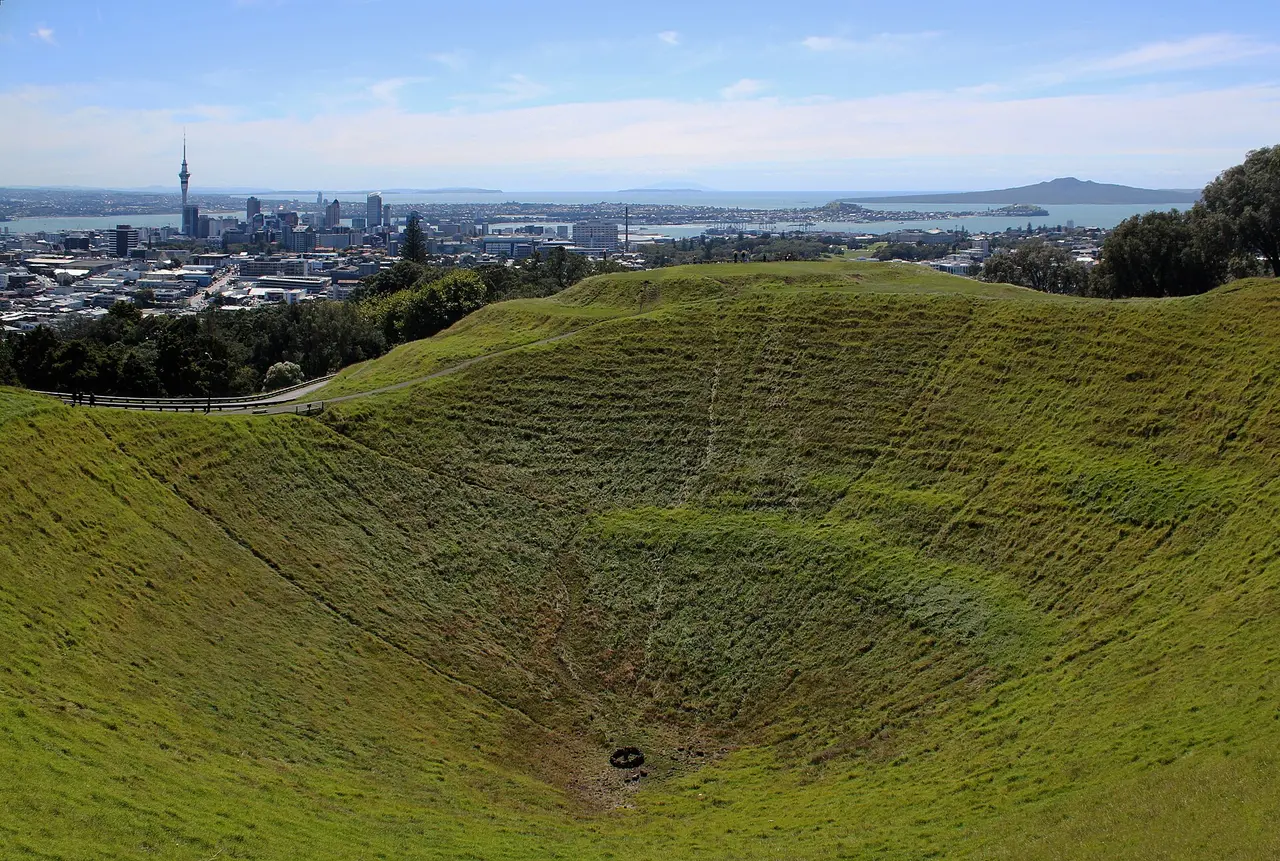
Most long-haul flights land in Auckland, a handy base for two or three nights before heading north. The Bay of Islands, three hours away by road, scatters 144 islands, sheltered coves and the Waitangi grounds where the country's founding treaty was signed in 1840. Further north still, Cape Reinga marks the tip of the country where two seas meet. Allow at least four days for this stretch without rushing it.
Rotorua, Taupo and the volcanic plateau

The centre of the North Island concentrates the geothermal action: Whakarewarewa geysers, the coloured pools of Wai-O-Tapu, bubbling mud. Rotorua is also the best place for a Maori cultural evening with a hangi meal cooked underground. An hour south, Lake Taupo fills a caldera and is the gateway to Tongariro National Park. Two nights in Rotorua and one near Tongariro cover the essentials.

Wellington and the Cook Strait crossing

A compact, windy capital, Wellington is walkable: the Te Papa national museum is free and needs half a day, the red cable car climbs to the botanic garden. This is where you board the ferry to Picton, a three-and-a-half-hour crossing through the Marlborough Sounds, to be booked ahead in summer. Plan two nights here before moving to the South Island.

The South Island: Alps, lakes and glaciers

A mountain range splits the island lengthwise. To the east lie the Canterbury plains and Christchurch, rebuilt after the 2011 earthquake. In the centre, turquoise Lake Tekapo and the Aoraki Mackenzie Dark Sky Reserve, one of the largest in the world. To the west, the Franz Josef and Fox glaciers drop almost to the rainforest. You need at least a week to link these points without driving after dark.

Queenstown, Wanaka and Fiordland

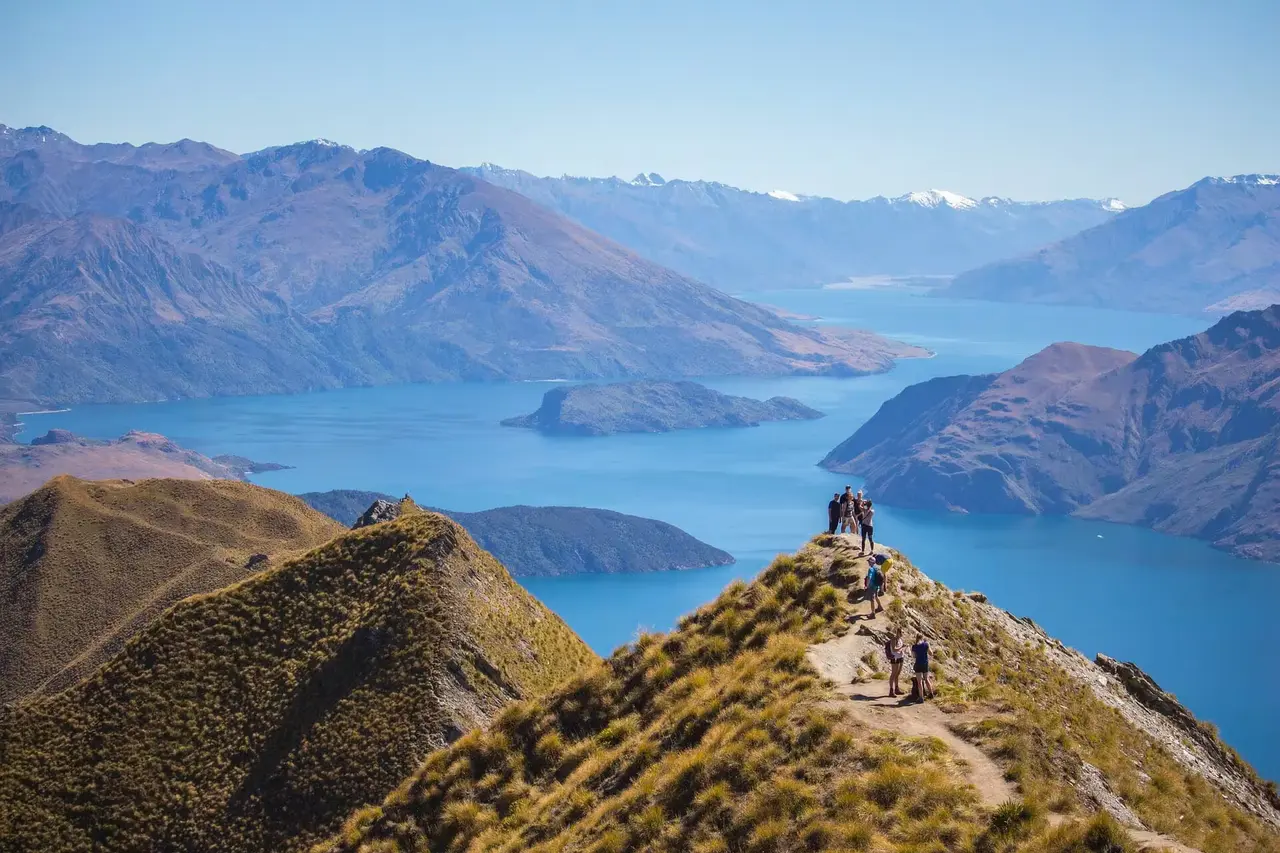
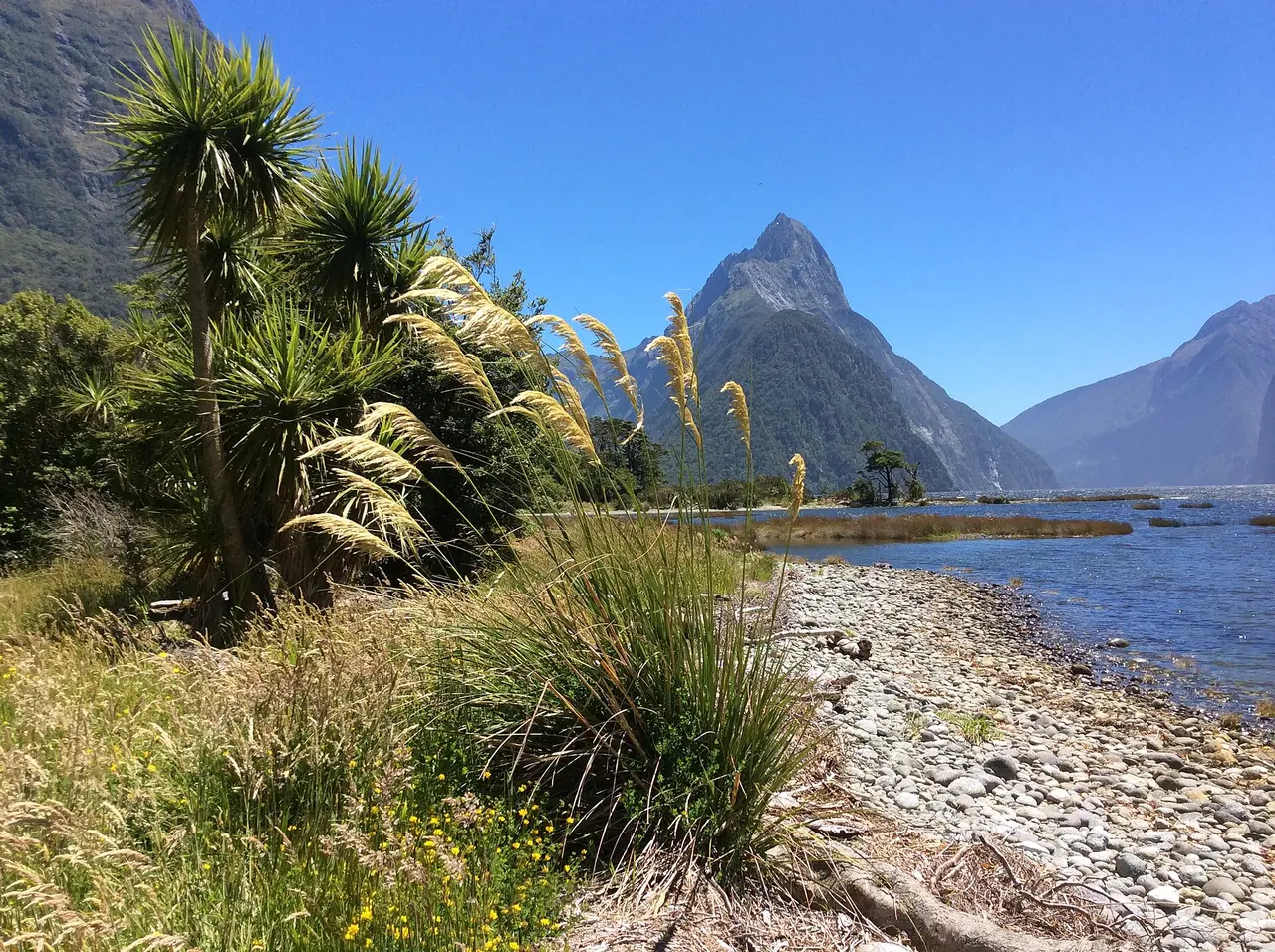
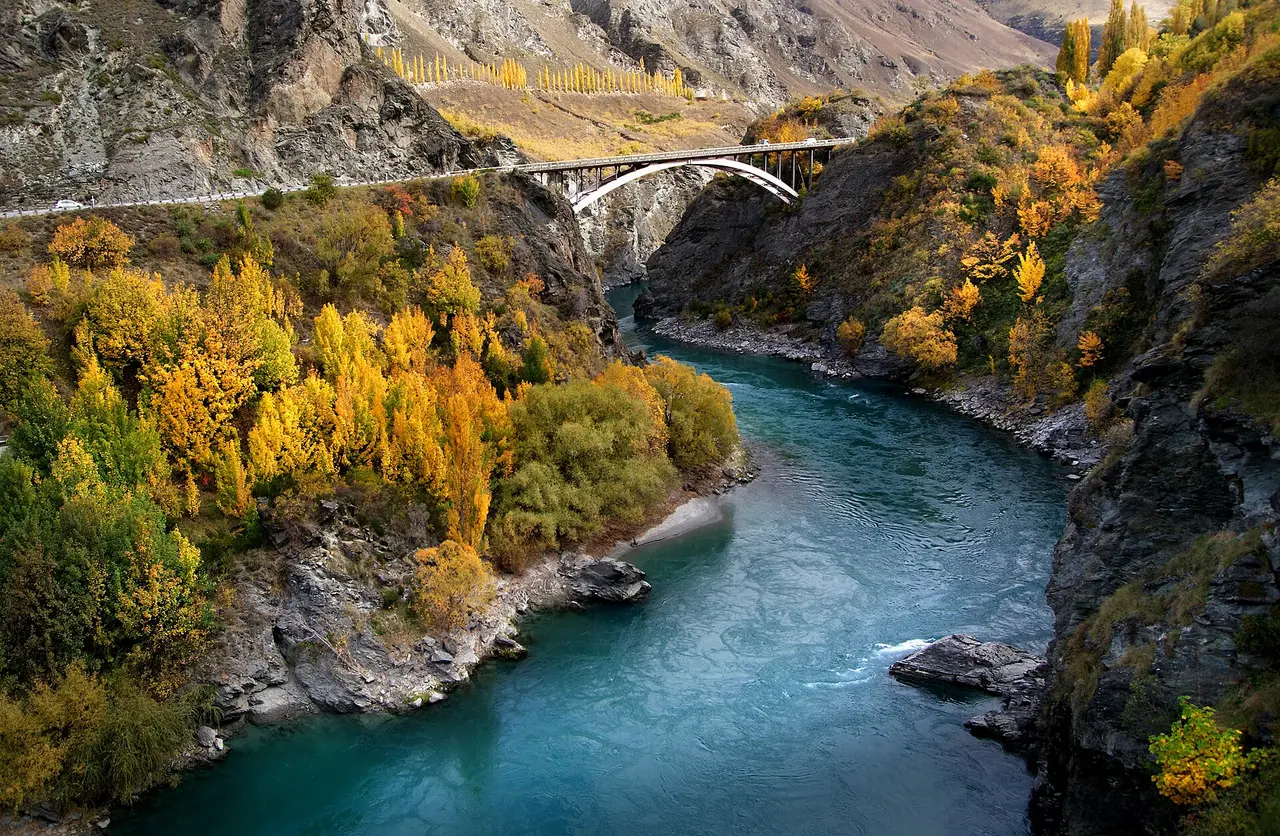
Queenstown runs on adventure tourism: bungy at the Kawarau Bridge, jet boating, winter skiing at Coronet Peak from June to September. Quieter Wanaka, forty minutes away, is the base for the Roys Peak hike, five to six hours return. Further south, Fiordland holds Milford Sound, a two-hour drive from Te Anau on a road prone to avalanche closures: set off early for the morning cruise before the coaches arrive. Three to four nights across this area is a realistic minimum.

Renting a campervan: driving, distances and biosecurity

You drive on the left and distances are deceptive: Auckland to Wellington is eight hours of actual driving, not a quick hop. Campervans are popular, but freedom camping is regulated and often banned outside signposted areas. On arrival and between the islands, biosecurity is strict: clean hiking boots, no fresh produce. The official road app flags closures and snow on the passes from June to September. It is worth comparing costs with neighbouring Australia if you combine the two.

Cities to visit in New Zealand

Featured destinations appear first.

Regions to explore in New Zealand

Featured destinations appear first.

How much it costs

Per person per day, excluding international travel.
Budget
72 €/ day
3 408 € for 2 people, 7 days, return flights included
Accommodation
28 €
Food
18 €
Local transport
12 €
Sights and activities
14 €
Comfort
160 €/ day
4 640 € for 2 people, 7 days, return flights included
Accommodation
50 €
Food
35 €
Local transport
25 €
Sights and activities
50 €
Premium
342 €/ day
7 188 € for 2 people, 7 days, return flights included
Accommodation
112 €
Food
68 €
Local transport
50 €
Sights and activities
112 €
Prices checked: Relevé septembre 2026. Sources: nomadicmatt.com (coûts NZD 2026), twowanderingsoles.com, retours de voyageurs 2026; conversion 1 NZD = 0,56 EUR. Cadrage sur l'itinéraire classique Île du Nord + Île du Sud (Queenstown/Wanaka tirent la moyenne vers le haut). Vol A/R économique Paris-Auckland hors vacances scolaires estimé à 1200 EUR/personne (fourchette momondo/Google Flights 1010-1600 EUR, mai le moins cher). Nuitées: lit en dortoir pour backpacker, chambre double partagée a deux pour comfort et premium. NZeTA (17 NZD par l'application, 23 NZD par le site) et taxe de visiteur IVL (100 NZD depuis le 1er octobre 2024), soit 117 à 123 NZD par personne selon Immigration New Zealand (immigration.govt.nz, relevé octobre 2026) : non comptées dans les budgets ci-dessus.

Getting there

Airports serving New Zealand, from main hubs to secondary ones.
  • AKLAuckland International AirportAucklandMain
  • CHCChristchurch International AirportChristchurchMain
  • WLGWellington International AirportWellingtonMain
  • ZQNQueenstown AirportQueenstownMain
  • ALRAlexandra AerodromeAlexandraSecondary
  • AMZArdmore AirportManurewaSecondary

Entry, health and safety

For FR travellers

Entry requirements

No visa for a tourist stay

Exemption de visa pour un séjour touristique de moins de 90 jours, mais autorisation électronique NZeTA obligatoire avant le départ (valable 2 ans, entrées multiples, incluant la taxe de conservation et de tourisme IVL). Passeport valide, billet de retour ou de continuation et preuve de ressources suffisantes exigés à l'entrée.

Stay allowed for up to 90 days.

Health

Advised: Aucun vaccin spécifique exige. La fiche recommande d'être a jour des vaccinations du calendrier français (diphtérie, tétanos, poliomyélite, coqueluche) et de la vaccination contre la rougeole.

Aucun risque infectieux endémique notable. Biosécurité stricte à l'arrivée : produits frais, viande, produits animaux et végétaux interdits, amende immédiate jusqu'à 400 NZD. Forte activité sismique et volcanique (Ruapehu, Tongariro, White Island), risque de tsunami. Petite délinquance en hausse à Auckland, Wellington et Christchurch, notamment près des sites touristiques.

Safety

Normal precautions

Emergency

111

Checked in septembre 2026 against the official source. Entry rules change: check the official source before you travel, it alone is authoritative.

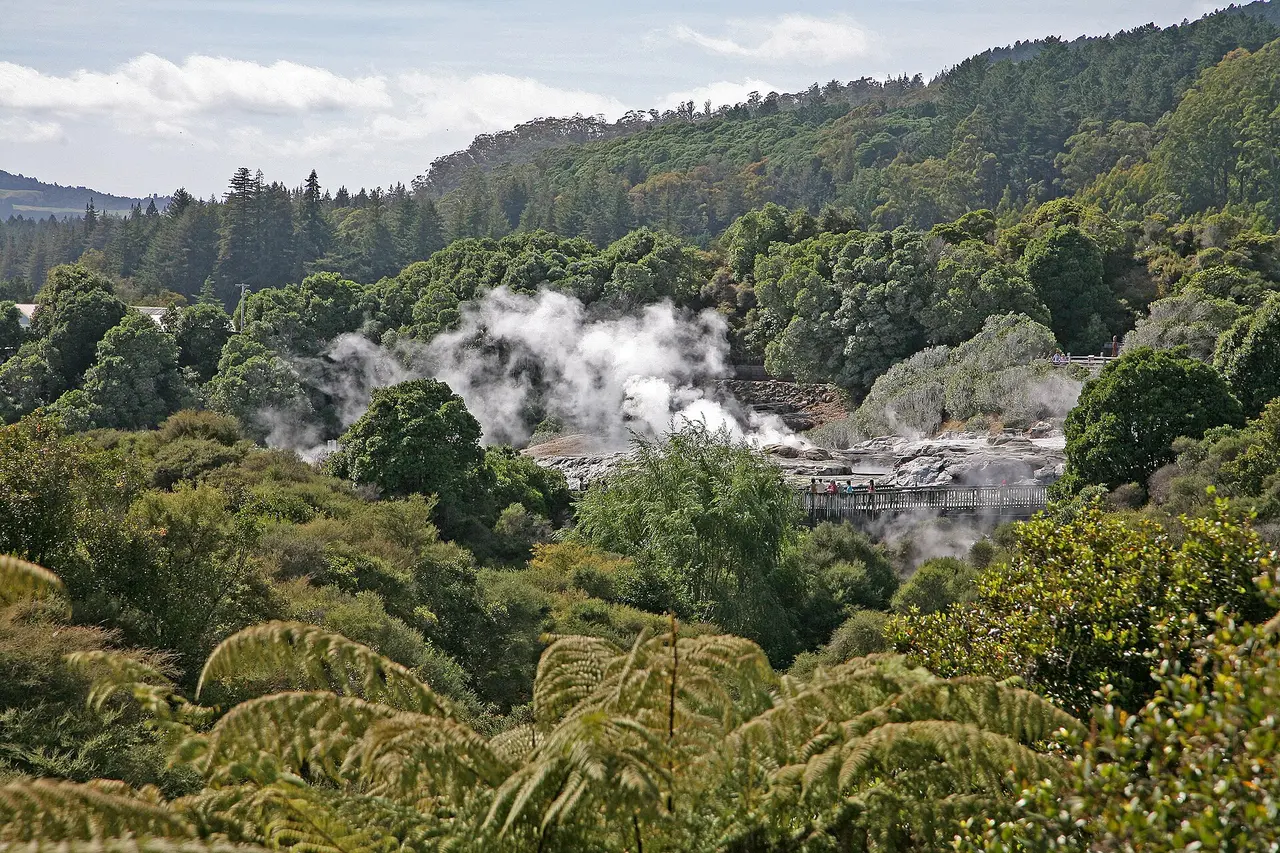
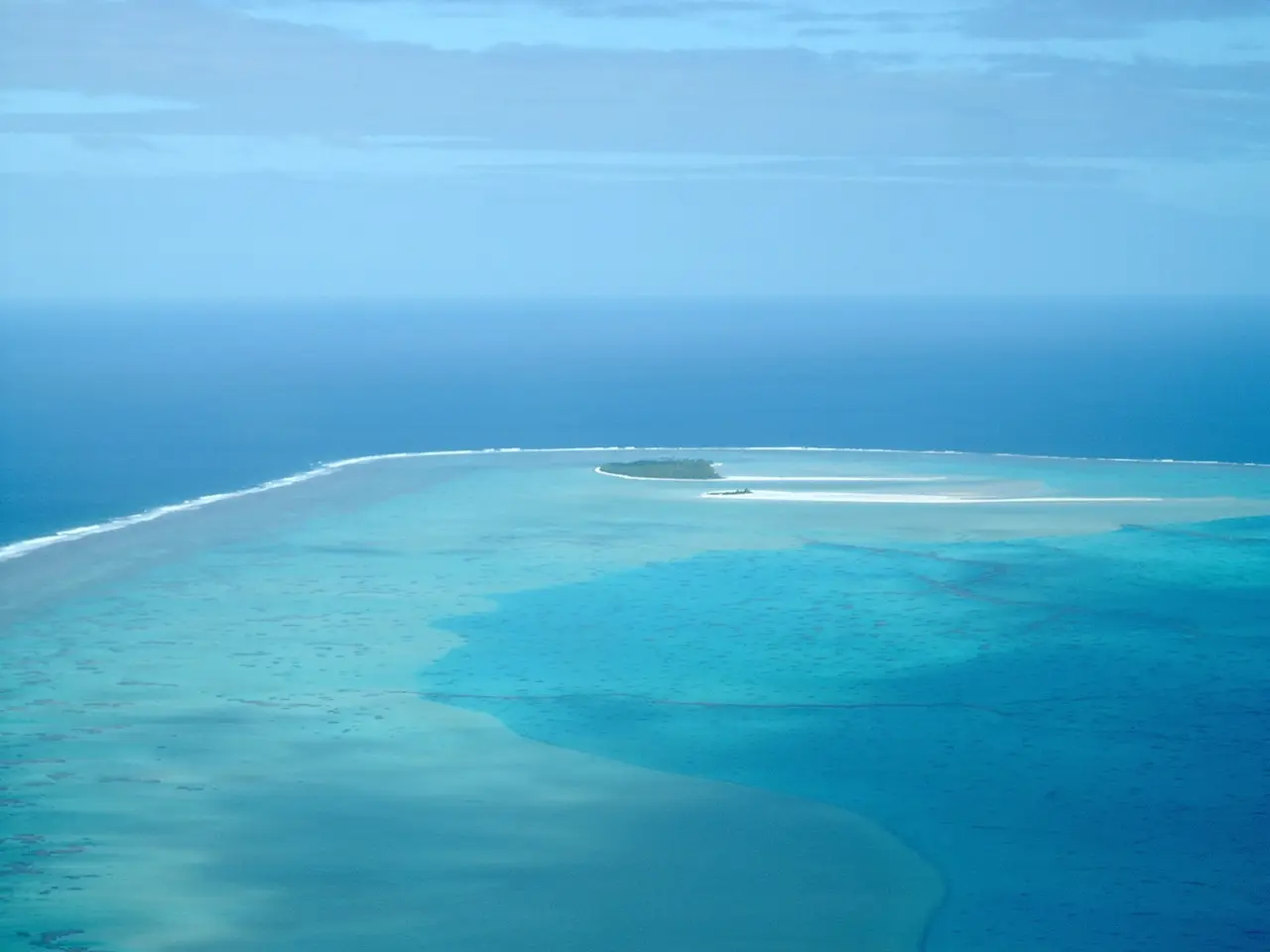
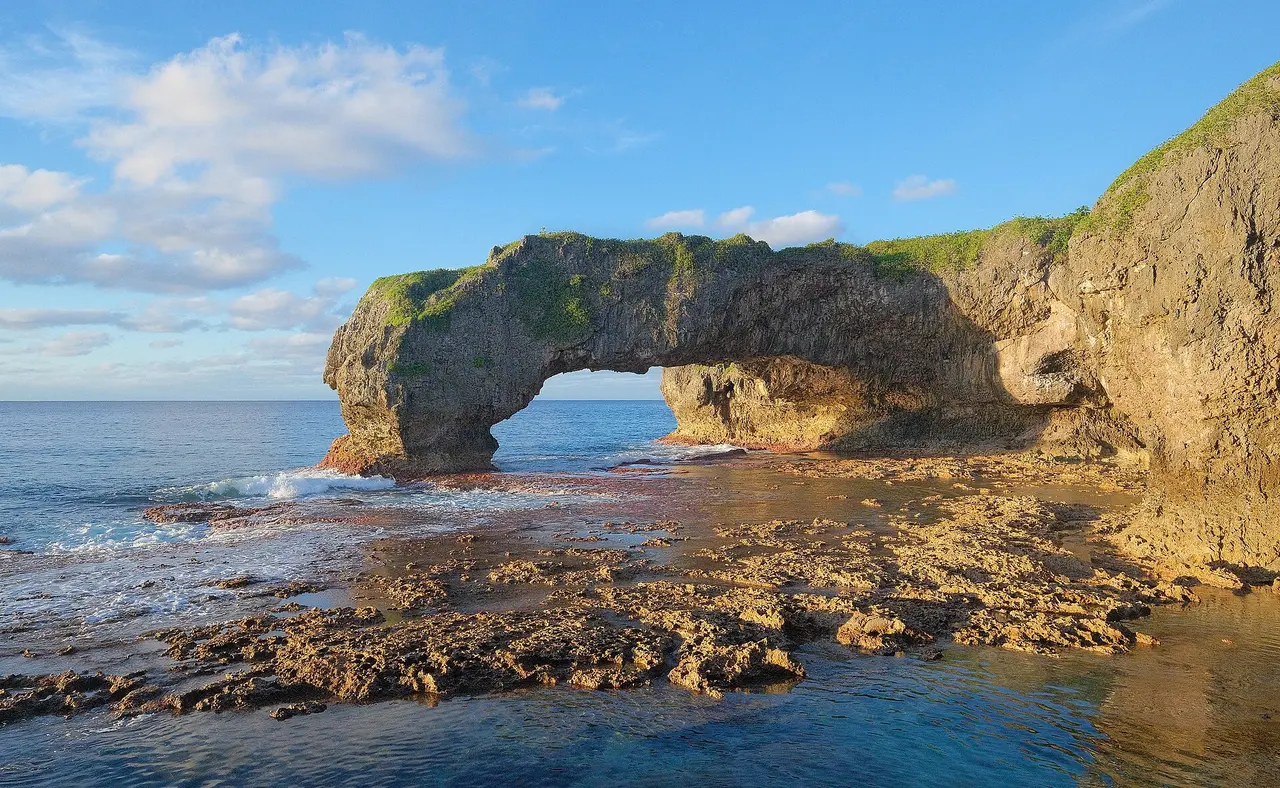
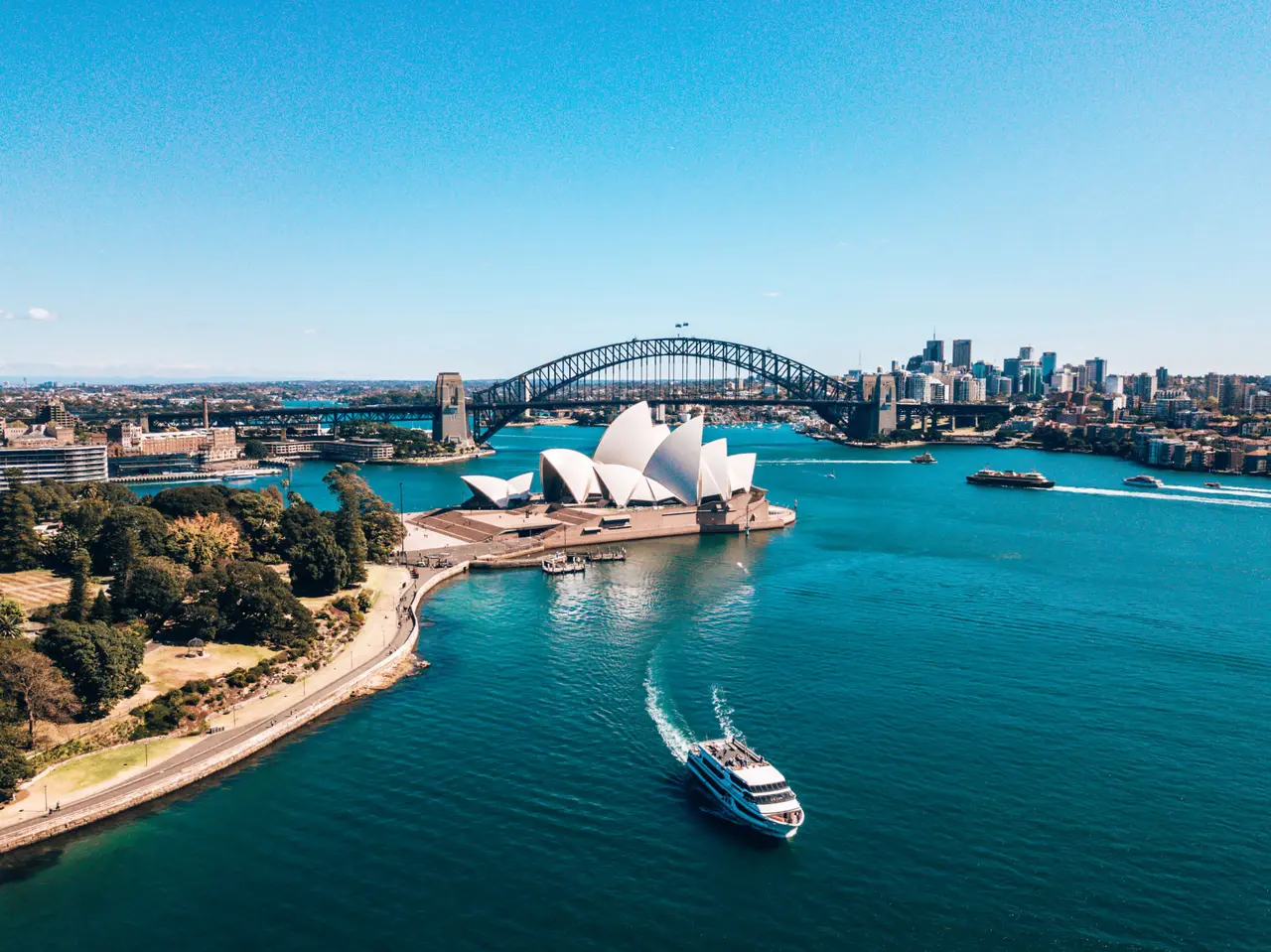
New Zealand in pictures

Photo credits : MurielBendel, CC BY-SA 4.0, Wikimedia Commons ; Krzysztof Golik, CC BY-SA 4.0, Wikimedia Commons ; Michal Klajban, CC BY-SA 4.0, Wikimedia Commons ; Christian Mehlführer, User:Chmehl, CC BY 2.5, Wikimedia Commons

Must-see sights

The places that turn up in almost every itinerary, from north to south.

Milford Sound

Fiordland fjord with 1,200-metre walls and permanent waterfalls, by cruise from Te Anau or on a scenic flight.

Tongariro Alpine Crossing

A 19.4 km volcanic traverse often called the country's finest one-day hike, with a shuttle to book in advance.

Hobbiton

The Hobbit set kept near Matamata, guided visit by compulsory booking, 44 flower-filled hobbit holes.

Wai-O-Tapu

Geothermal park near Rotorua: the orange Champagne Pool, a fluorescent green basin and a geyser set off at 10:15 am.

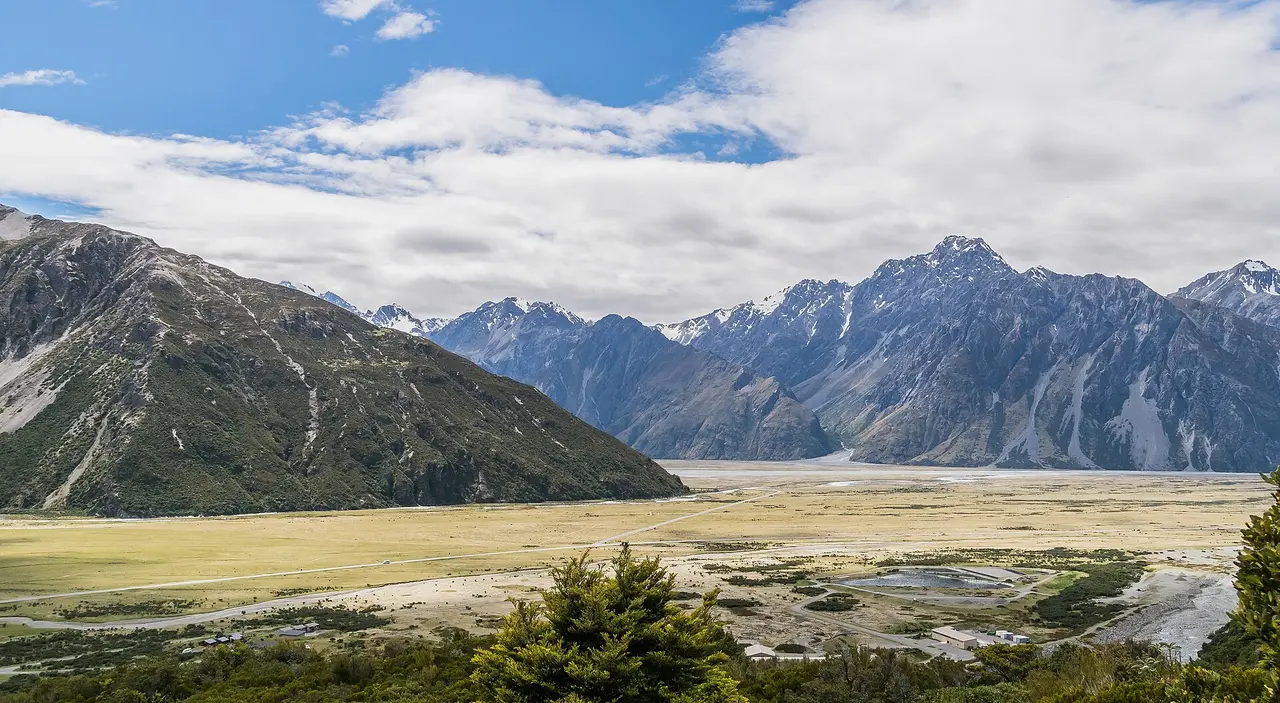
Aoraki / Mount Cook

The country's highest peak at 3,724 metres, with the Hooker Valley track reachable in about three hours return.

Lake Tekapo

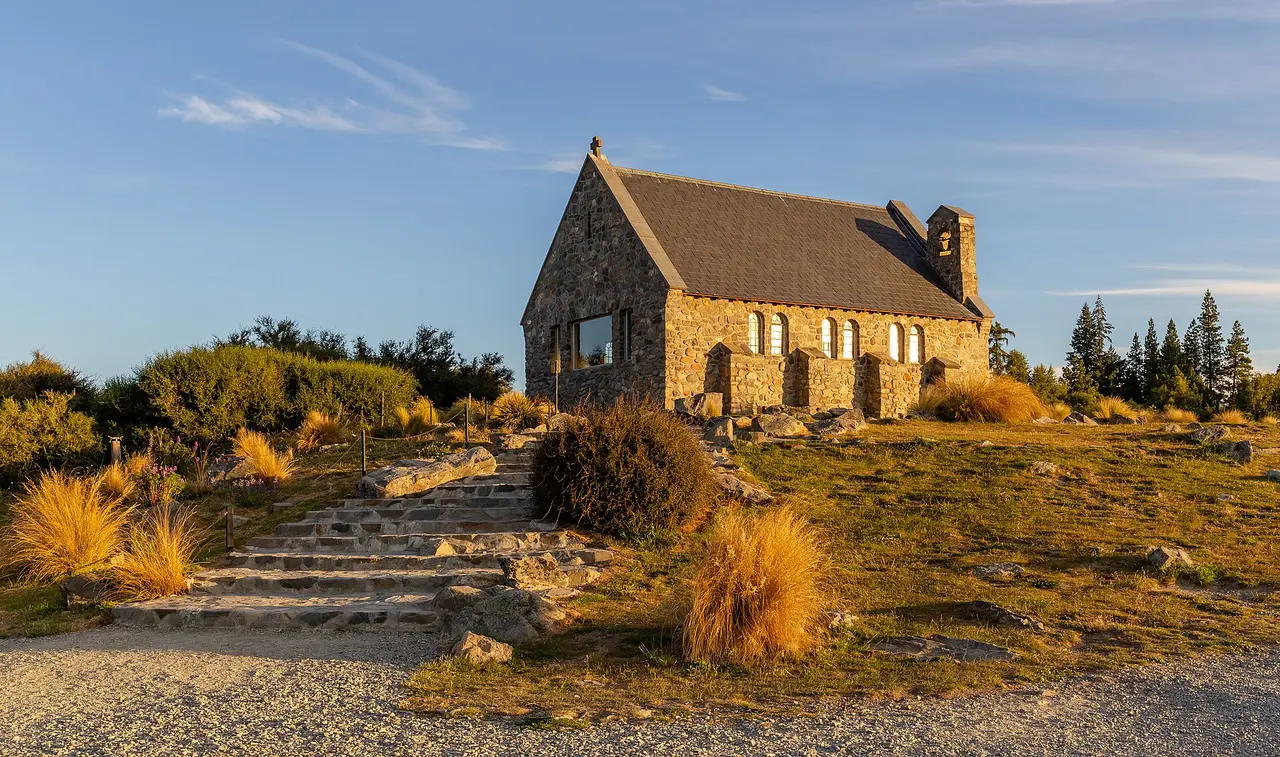
Milky glacier-fed water, the Church of the Good Shepherd and stargazing in the Mackenzie reserve.

Cathedral Cove

Limestone arch and beach on the Coromandel, a 45-minute walk from Hahei on the North Island.

Franz Josef and Fox glaciers

Two west coast ice tongues, a walk to the viewpoint or a heli-hike with a landing on the ice.

Waitomo Caves

Underground galleries lit by thousands of glowworms, explored by boat or by tubing.

Te Papa, Wellington

Free national museum with an earthquake room and Maori collections, half a day of visiting at least.

Practical information

Entry authorisation
NZeTA required before departure, valid 2 years, including the IVL conservation and tourism levy (around 100 NZD in total).
Driving
On the left, foreign licences accepted with an official translation or an international permit, care needed on narrow winding roads.
Biosecurity
Strict checks on arrival: no fresh produce, clean hiking soles, on-the-spot fine of up to 400 NZD.
Freedom camping
Allowed only in signposted areas and often restricted to self-contained vans, otherwise fined.
Sandflies
Biting midges are heavy on the west coast and in Fiordland, repellent essential from November to April.
Payment
Cards and contactless accepted everywhere, even for small amounts, with a 2 to 3 percent surcharge sometimes shown.
Tap water
Drinkable throughout the country, but boil river and lake water because of the giardia parasite.
Power sockets
Type I, 230 V, the same angled flat pins as Australia, an adapter is needed from Europe.
Currency
New Zealand dollar (NZD), around 0.56 EUR in 2026.
Time difference
UTC+12 in the austral winter, UTC+13 from late September to early April, 10 to 12 hours ahead of France.

Similar destinations

Other countries you might like as much as New Zealand.

Similar regions

Other regions you might like as much as New Zealand.

Frequently asked questions about New Zealand

Do I need an NZeTA for New Zealand and how much is the IVL levy?
Yes, the NZeTA is required for most visitors before boarding, even in transit. It costs a few dozen dollars and includes the IVL conservation and tourism levy, for a total of about 100 NZD, valid for two years.
How many days do you need to see both islands of New Zealand?
Allow at least fifteen days to link the North and South Islands without spending your days on the road. In one week, it is better to pick a single island, usually the south for the Alps and fjords.
Is it better to rent a campervan or a car in New Zealand?
A van saves on accommodation and suits the hiking rhythm, but you must find approved sites each night. A car with motels stays more flexible in bad weather and on narrow mountain roads.
Can you visit Milford Sound on a day trip from Queenstown?
Yes, coach-cruise trips leave Queenstown, but the day runs twelve to thirteen hours with four hours of driving each way. Sleeping in Te Anau the night before makes it far more comfortable.
Can the Tongariro Alpine Crossing be done without a guide?
Yes in summer, the trail is marked and very busy, you only need to book a shuttle between the two ends. In winter, snow and ice make a guide and mountaineering gear necessary.
Which island should you choose for a first one-week trip?
The South Island if you come for mountain scenery, glacial lakes and Queenstown, though transport eats into the week. The North Island if you prefer Maori culture, the geothermal sites of Rotorua, the Bay of Islands and warmer beaches within shorter drives.
Is it really cold in New Zealand in July?
It is the austral winter. Auckland stays around 11 degrees with rain, but the South Island freezes at night and the ski fields around Queenstown and Mount Ruapehu are in full swing.
Can you visit Hobbiton and Waitomo without booking?
Not Hobbiton, where entry is by timed guided tour only and slots are often sold out days ahead in high season. For Waitomo, booking is strongly advised too, especially for the black-water tubing trips on the underground river.

Plan your trip to New Zealand

Day-by-day itinerary, budget, bookings and packing in a single app.
Aperçu de l'application PlanTripNow