Austria

From imperial Vienna to the Tyrolean peaks, from Alpine lakes to baroque cities, Austria blends culture, nature and refinement. Musical heritage, palaces and wide open spaces make it an elegant destination.

Why visit Austria?

Austria appeals with its imperial cities, Alps and cultural heritage. Baroque palaces, classical music, lakes and mountain resorts make it an ideal destination for culture as well as outdoor activities.

What to discover in Austria?

Austria combines imperial grandeur and Alpine nature. Vienna, former capital of the Habsburgs, appeals with its palaces, historic cafes and musical heritage, from Mozart to Strauss. Salzburg, a baroque city, and Innsbruck, in the heart of the Alps, complete a remarkable cultural heritage.
The country is also a leading nature destination: Tyrolean peaks, crystal-clear lakes of the Salzkammergut, green valleys and renowned ski resorts. Outdoor lovers find hiking, cycling and winter sports in preserved settings. The lively culture is experienced through concerts, operas and festivals. The cuisine highlights strudel, schnitzel and Viennese pastries. Between elegant UNESCO-listed cities, mountains and lakes, Austria suits city breaks as well as nature stays, in summer and winter alike.

Cities to visit in Austria

Featured destinations appear first.
Coming soon.

Austria in pictures

Austria's highlights

Austria combines imperial cities, the Alps, lakes and musical heritage.

Imperial Vienna

Habsburg palaces, historic cafes and museums make Vienna one of Europe's most beautiful capitals, listed by UNESCO.
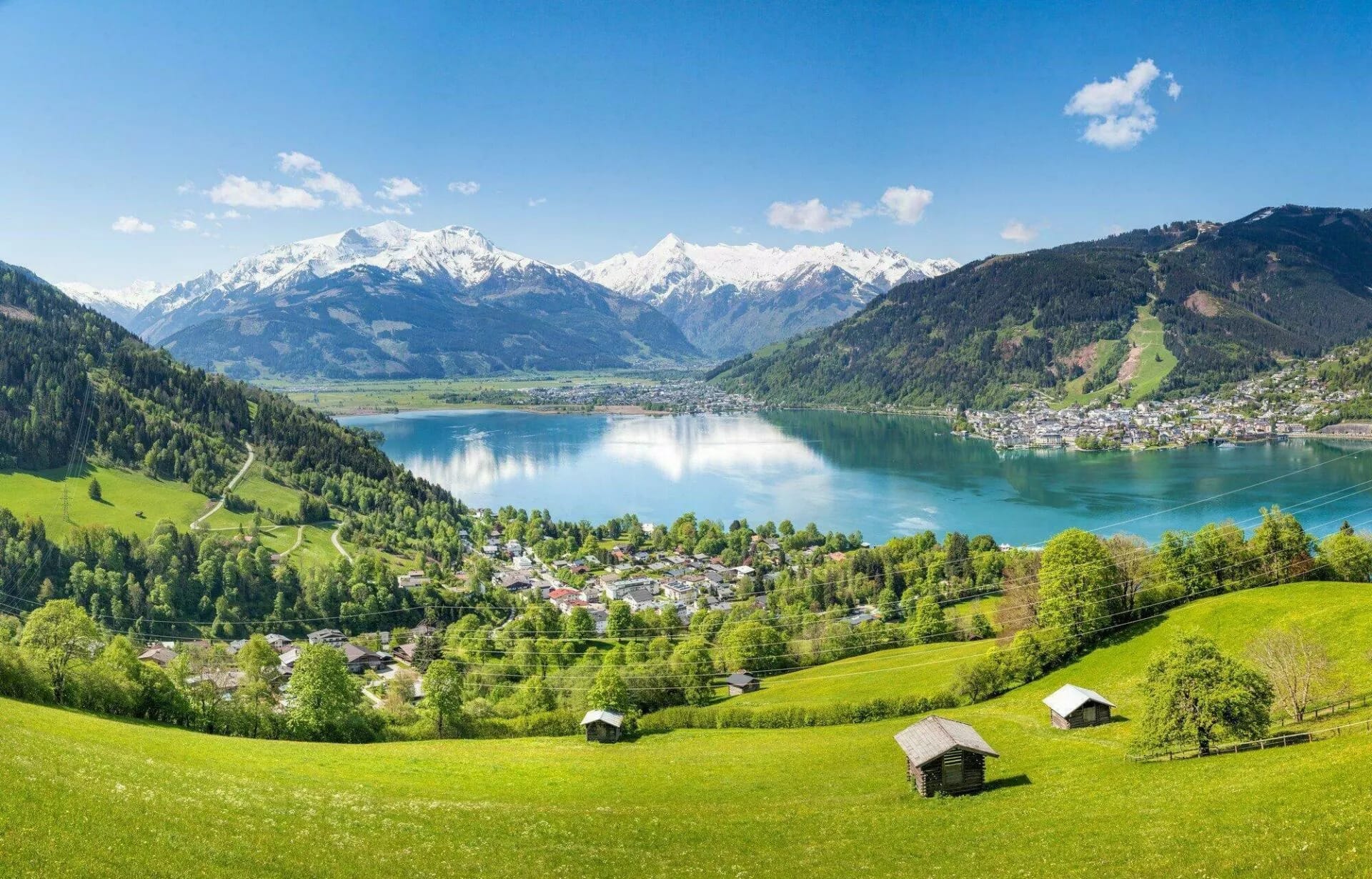
Alps and mountains

Tyrol and the Austrian peaks offer hiking, panoramas and renowned ski resorts, in preserved Alpine landscapes.

Musical heritage

Homeland of Mozart and the waltz, Austria lives to the rhythm of concerts, operas and festivals, at the heart of the European classical tradition.

Lakes and nature

The crystal-clear lakes of the Salzkammergut and villages such as Hallstatt offer idyllic settings, ideal for relaxation and walks.

Baroque cities

Salzburg, Innsbruck and Graz combine baroque architecture, a refined atmosphere and a mountain setting, easy to combine on a trip.

Viennese cuisine

Schnitzel, strudel and pastries are savoured in historic cafes, emblematic of the Austrian art of living.

Practical information about Austria

Capital
Vienna
Area
About 83,879 km²
Population
About 9 million inhabitants
Official language
German
Currency
Euro (€)
Time zone
UTC+1
Dominant climate
Continental, Alpine at altitude
Best season
May to September; winter for skiing

Frequently asked questions about Austria

When is the best time to visit Austria?
May to September for cities, lakes and hiking. Winter, from December to March, is ideal for skiing and the Viennese Christmas markets.
Do I need a visa to travel to Austria?
Austria is part of the Schengen Area: EU nationals move freely. Non-EU travellers should check entry requirements depending on nationality.
What are the must-sees in Austria?
Vienna, Salzburg, Hallstatt, Tyrol and the Salzkammergut lakes are among the most iconic destinations, between culture and Alpine nature.
What budget should I plan for a trip to Austria?
The budget is moderate to high. Vienna and the ski resorts are more expensive, but accommodation, transport and dining remain reasonable overall.
How do I get around in Austria?
The rail network is efficient and connects major cities. A car makes access to the Alps and lakes easier, complemented by well-organized regional buses.
Is Hallstatt worth the detour?
Yes, this village beside an Alpine lake, listed by UNESCO, is one of the most picturesque in Austria. Arriving early is advisable to avoid the crowds.

Plan your trip to Austria

Day-by-day itinerary, budget, bookings and packing in a single app.
Aperçu de l'application PlanTripNow