Visiting Chile: when to go, budget and itineraries

From the Atacama desert to the fjords of Patagonia, via Santiago and its vineyards, Chile stretches over 4,300 km along the Pacific coast. It is a country best planned zone by zone, region after region, never tackled as a single continuous trip.

Why visit Chile?

Chile packs the world's driest desert, active volcanoes, internationally recognised vineyards and the southern tip of Patagonia into one country. That range, rare at this scale in South America, means picking a region rather than trying to see it all in one trip.

What to discover in Chile?

Santiago and central Chile

The capital holds 40% of the country's population and takes 2 to 3 days to see: the historic centre, Cerro San Cristóbal, the central market for a seafood lunch. Less than two hours away by bus, Valparaíso's listed funiculars justify a day trip, as does the Colchagua wine route, 2.5 hours by car, for two tastings a day by appointment with lunch on-site.

The Atacama desert

San Pedro de Atacama, a 2.5-hour flight from Santiago, is the base for the Valle de la Luna, the Tatio geysers (departure around 4am) and altiplano lagoons above 4,000m. Plan on 3 to 4 nights, with a rest day before any high-altitude excursion to let your body adjust. The desert pairs well with a side trip into neighbouring Peru to extend the Andean circuit further north.

The Elqui Valley and its night sky

Six hours by road or a short flight north of Santiago, the Elqui Valley hosts several public observatories, including Cerro Mamalluca, which requires booking a few days ahead for a night session. The sky here ranks among the clearest on earth thanks to very low humidity and minimal light pollution. Also worth a stop: the pisco distilleries around Pisco Elqui village.

Araucanía and the southern lakes

The Lake District, an hour's flight from Santiago, lines up volcanoes and forests around Pucón: a guided climb of Villarrica volcano (about 6 hours, crampons provided), the Termas Geométricas hot springs, and araucaria forest reserves. Three nights cover the essentials, a week lets you continue on to Puerto Varas and its twin volcanoes, Osorno and Calbuco, on the shore of Lake Llanquihue.

Chiloé, an archipelago apart

An hour by ferry or bridge from the mainland, the Chiloé archipelago holds sixteen Unesco-listed wooden churches and villages built on stilts, known locally as palafitos. Curanto, a dish of shellfish and meat cooked underground on hot stones, is traditionally served on weekends in family gatherings. Two nights are enough to see Castro and one smaller island such as Quinchao.

Patagonia and Torres del Paine

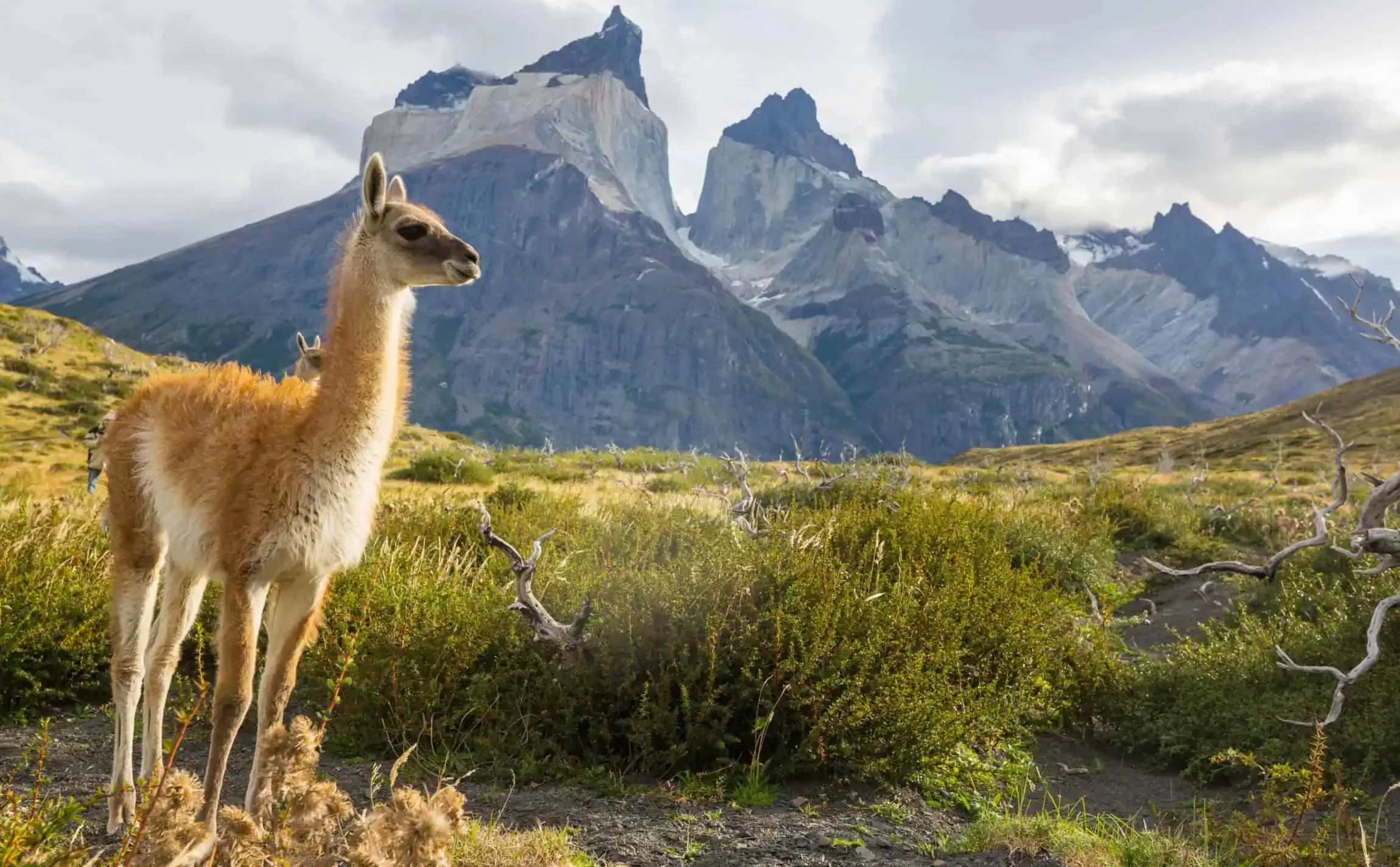
Torres del Paine national park, reached from Puerto Natales, is best visited October to April: the 4 to 5-day W trek staying in refuges, or a fixed base with day excursions for those who prefer not to camp. The Torres viewpoint is a 3 to 4-hour walk from the last refuge, best started before dawn to beat the crowds. Wind picks up sharply from November onward.

Rapa Nui, the mysterious island

3,700 km offshore, Easter Island (Rapa Nui) is reached by a 5-hour flight from Santiago, the country's only regular connection to it. Plan 3 nights to see the main ahu, including Tongariki with its fifteen aligned moai, and the Rano Raraku volcano where most of the statues were carved. Flights sell out fast in January and February, a period of local festivities.

Cities to visit in Chile

Featured destinations appear first.
Coming soon.

Chile in pictures

Chile's essentials

The sites that anchor most itineraries, from the desert to the southern ice fields.

Torres del Paine

Chilean Patagonia's flagship park, its granite towers and the 4 to 5-day W trek.

Valle de la Luna

Dunes and rock formations of the Atacama desert, striking at sunset.

Easter Island

The moai of Rapa Nui, a five-hour flight from Santiago, out in the South Pacific.

Valparaíso

Unesco-listed port city, historic funiculars and hillside street murals.

Tatio geysers

The largest geyser field in the southern hemisphere, best seen at dawn.

Chiloé

An archipelago of listed wooden churches and stilt villages, home of curanto.

Villarrica volcano

A guided climb above Pucón, one of the country's most active volcanoes.

Colchagua wine route

Vineyards less than three hours from Santiago, tastings by appointment.

Similar destinations

Other countries you might like as much as Chile.

Similar regions

Other regions you might like as much as Chile.

Frequently asked questions about Chile

How many days does the Torres del Paine W trek take?
The classic W trek takes 4 to 5 days with nights in refuges or campsites, meals usually included in refuge packages. A shortened 3-day version exists for those short on time, skipping the Grey Glacier leg entirely.
Can you visit Atacama and Patagonia on the same trip?
Yes, but expect a 3 to 4-hour domestic flight between the two via Santiago, and allow at least 12 to 15 days so you aren't rushing through both regions without enjoying either properly.
Do you need to book the Tatio geysers in advance?
The tour runs in small groups with a very early departure around 4am, so it's best booked the day before directly in San Pedro de Atacama, especially during the busy June-September season.
How do you get to Easter Island from mainland Chile?
A single regular non-stop flight connects Santiago to Easter Island, about 5 hours each way. Fares and seat availability tighten sharply in January and February, during the island's main local festivities.
Is Chilean wine worth a detour to Colchagua?
The Colchagua Valley concentrates internationally recognised wineries less than three hours by road from Santiago. Visits are generally booked the day before, for two estates a day with lunch on site.

Plan your trip to Chile

Day-by-day itinerary, budget, bookings and packing in a single app.
Aperçu de l'application PlanTripNow