Skip to content

Plan a trip to South Korea: when to go, budget and itinerary

Between royal palaces, mountain temples, night markets and Jeju's volcanic coast, South Korea moves fast thanks to its high-speed trains. Enough to string together the capital, the old Silla city and the islands in one to two weeks.
  • 3 cities

At a glance

Currency
South Korean Won (₩)
Time difference
UTC+9
Visa
None
Tourist stay of up to 90 days
7-day budget
€525
Per person, comfort profile, excluding international flights.

Why visit South Korea?

South Korea pairs a hyper-connected capital with Unesco sites like Bulguksa and Hahoe village, plus a volcanic south coast reaching Jeju island. The KTX network links Seoul to Busan in 2h40, making a full country loop realistic in ten days.

When to visit South Korea

Temperatures, rainfall and crowds month by month, to pick your window.
When to visit South Korea
MonthTemperaturesRainCrowdsVerdict
January-5 to 2 °C4 dQuietThe coldest month: Seoul stays below freezing, but skies are dry and bright and the Pyeongchang ski slopes are open.
February-3 to 5 °C4 dQuietStill wintry, though Lunar New Year pushes prices up and shuts many shops for a few days.
March2 to 11 °C6 dModerateCold eases by late March and the first cherry blossoms open on Jeju before the mainland.
April8 to 18 °C7 dBusyPeak cherry blossom in Seoul and Gyeongju, the busiest and priciest spring window.
May14 to 24 °C8 dBusyMild and green, prime hiking in the national parks before the monsoon, though several public holidays crowd the sights.
June19 to 28 °C9 dModerateRising heat and the first jangma monsoon rains toward month's end.
July22 to 29 °C15 dModerateHeight of the monsoon: heavy air and intense downpours, with typhoon risk on the south coast from late July.
August23 to 30 °C13 dBusyHottest and most humid, yet the peak of Korean holidays: beaches and Jeju are packed and lodging peaks.
September18 to 26 °C8 dModerateThe monsoon retreats and the air dries out after mid-September, with a few late typhoons still possible.
October11 to 20 °C5 dPackedThe best month: clear skies, red foliage at the mountain temples, book far ahead.
November4 to 12 °C7 dBusyEarly November still glows with maple color before temperatures drop fast toward winter.
December-3 to 4 °C6 dQuietDry cold and year-end lights in Seoul, with few foreign tourists outside the holiday days.
Source: Normales 1991-2020 cadrees sur Seoul et la moitie nord (Wikipedia d'apres Korea Meteorological Administration, recoupe avec climatestotravel.com), releve septembre 2026. Le sud (Busan, Jeju) est plus doux en hiver et plus arrose en ete.

What to discover in South Korea?

Seoul and its region

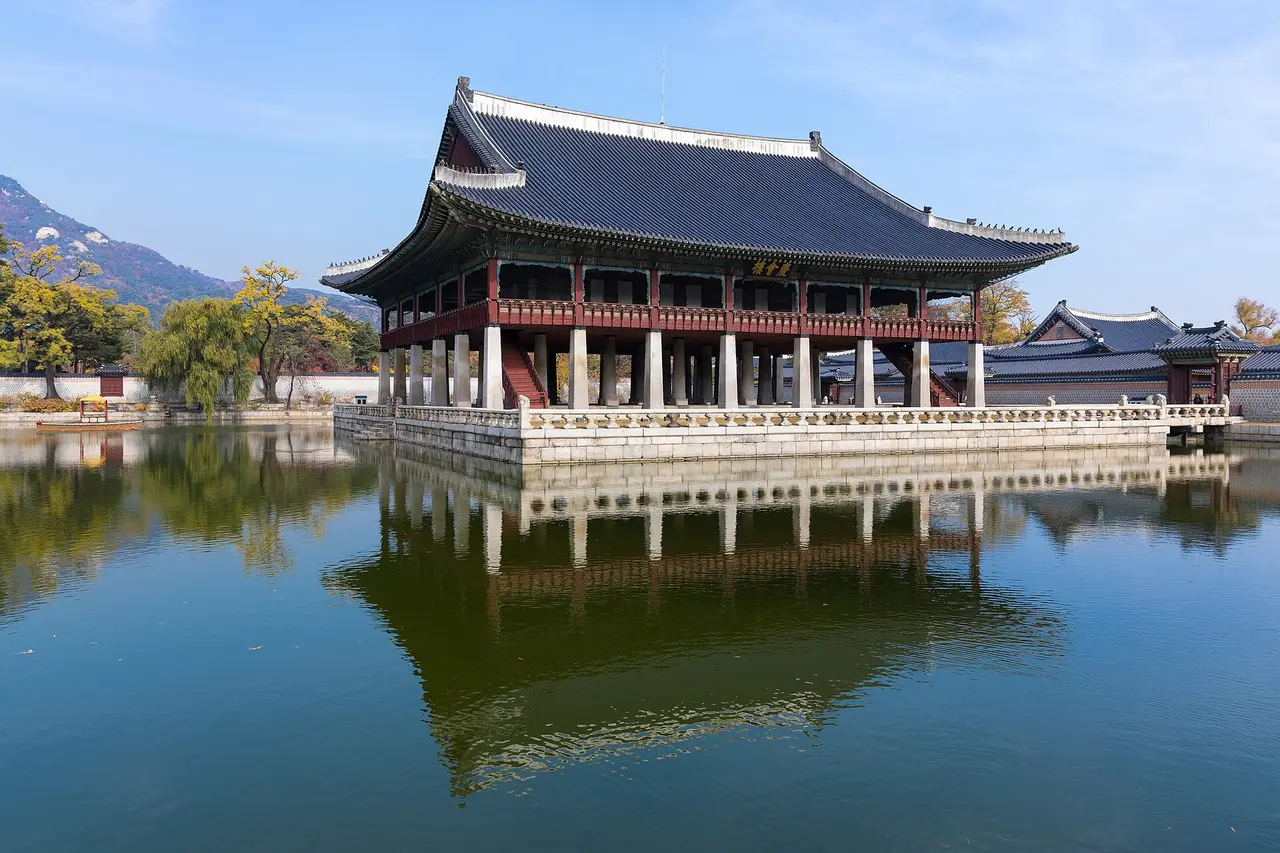
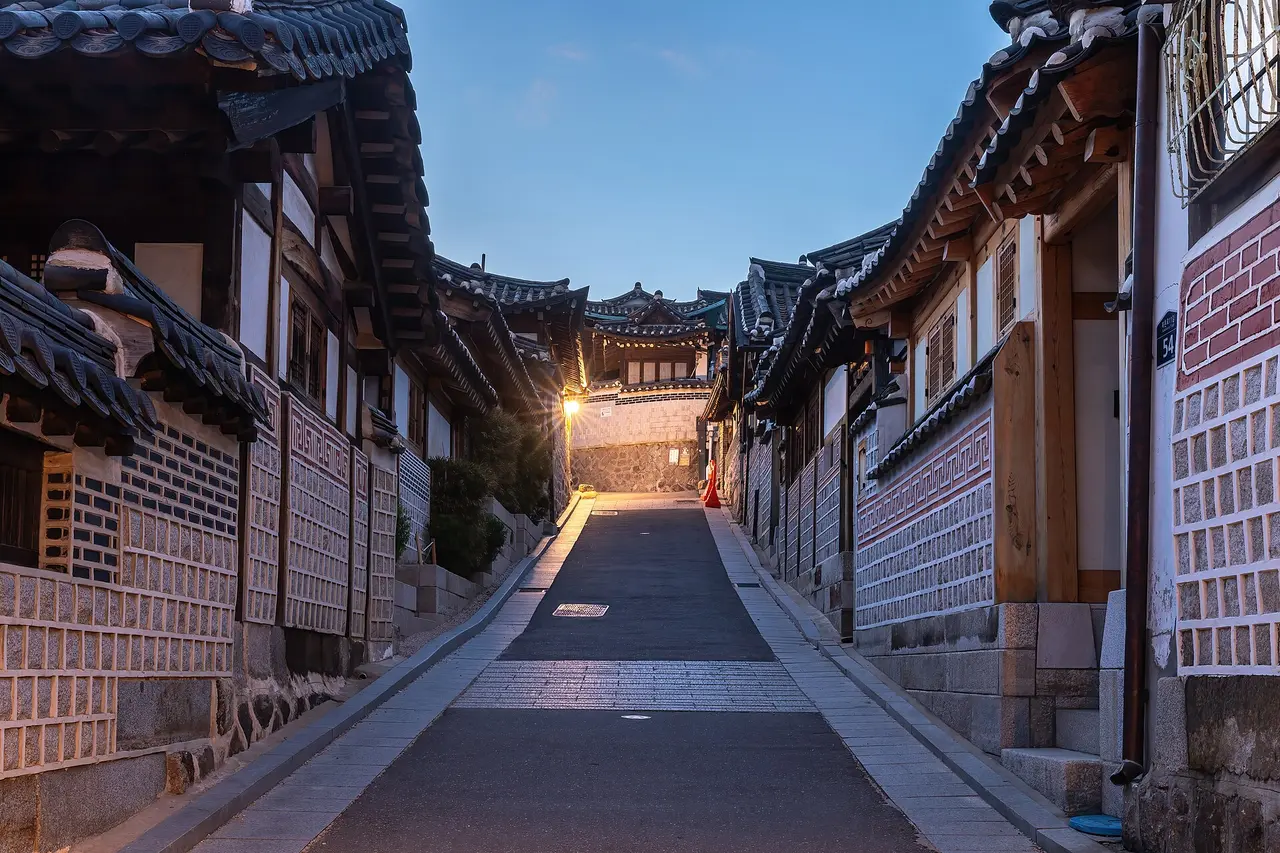
The capital holds five royal palaces, including Gyeongbokgung open daily except Tuesdays, and neighbourhoods with opposite moods: Bukchon for hanok houses, Hongdae for student nightlife, Myeongdong for shopping. Allow three to four full days for the city itself, plus a half-day dedicated to the demilitarized zone (DMZ), booked several days ahead with your passport since spots sell out fast. The dense subway network reaches everywhere without a taxi, even late at night.
Gyeongju and the Silla heritage

Former capital of the Silla kingdom for nearly a thousand years, Gyeongju gathers the royal burial mounds of Daereungwon park, the Cheomseongdae astronomical observatory and Bulguksa temple with the Seokguram grotto, both Unesco World Heritage sites. Two nights cover the town center comfortably by bicycle, a very practical way to get around here, and a third night lets you add nearby Hahoe village close to Andong.

Busan and the south coast

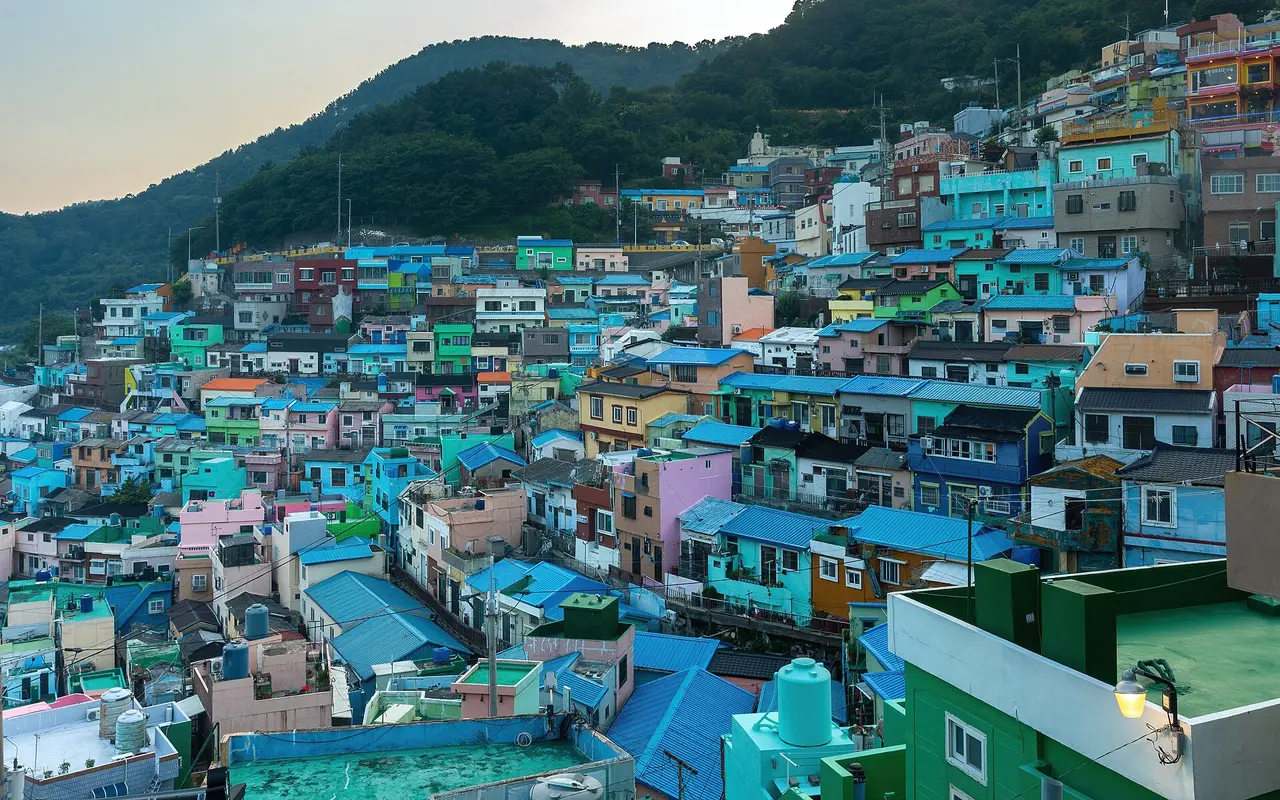
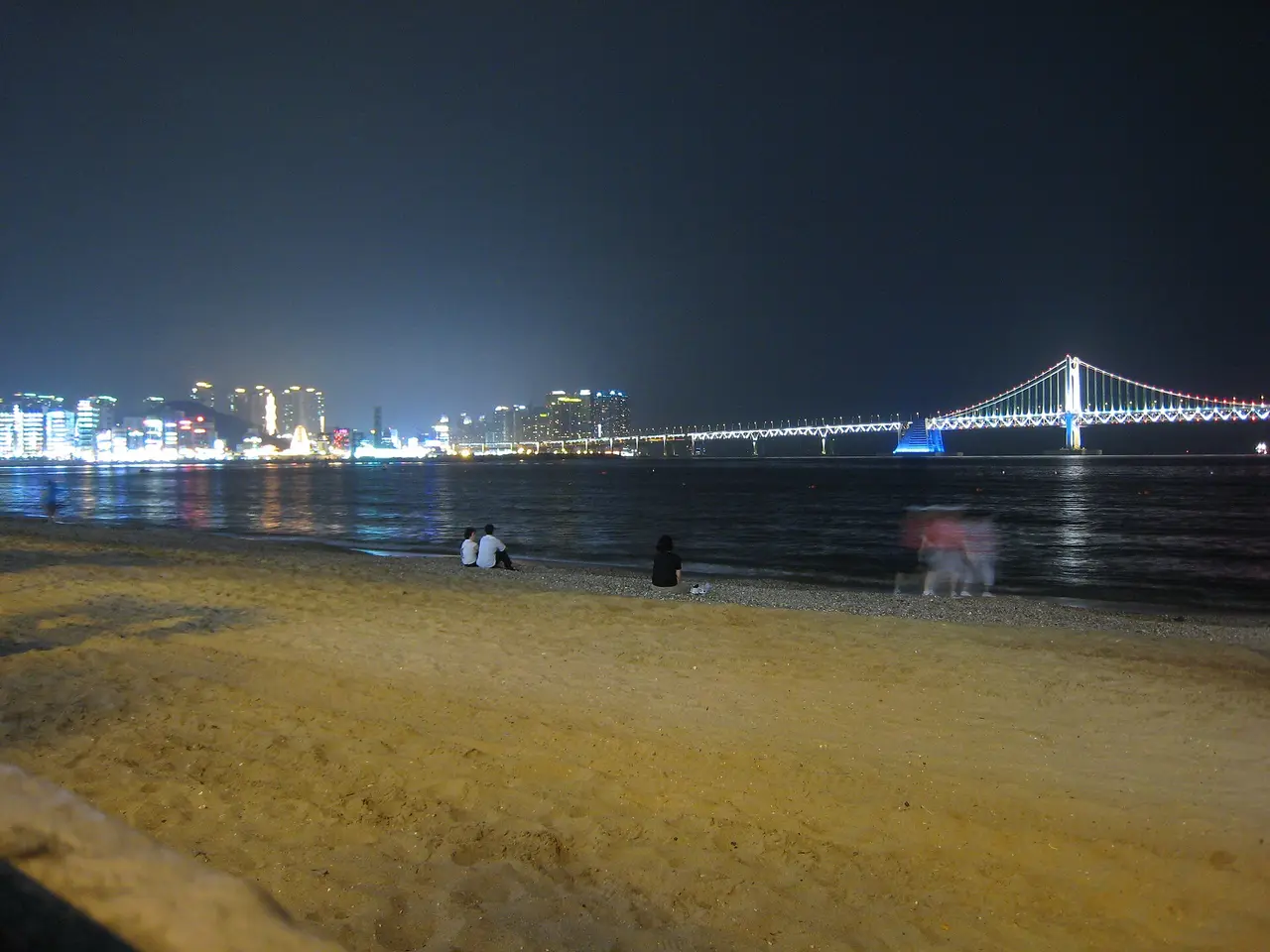
The country's second city centers on the Jagalchi fish market, the colourful Gamcheon village built in tiers up the hillside, and the urban beach of Haeundae. Haedong Yonggungsa temple, built directly on the cliff facing the sea, takes half a day to visit by local bus. Plan two nights for the essentials, three to add the Igidae coastal trail and its views over the skyline.

Jeju, the volcanic island

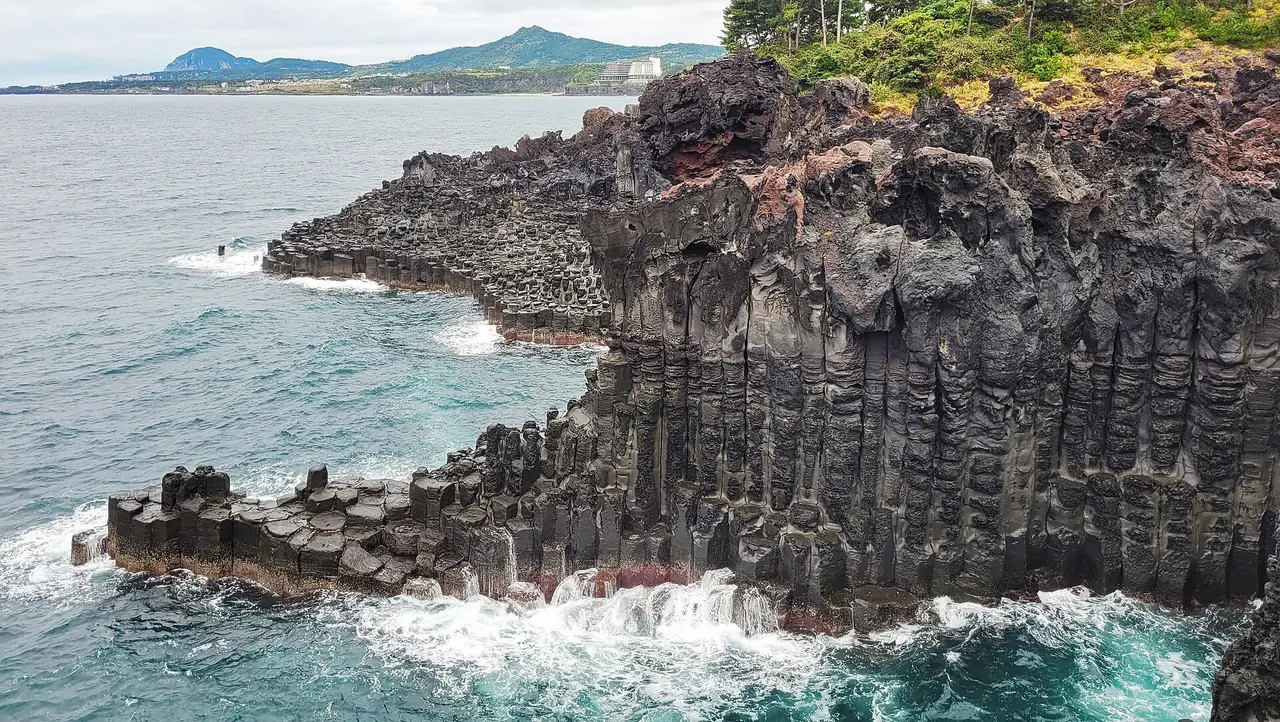
A 55-minute flight from Busan or Seoul, Jeju offers the Seongsan Ilchulbong crater at sunrise, olle walking trails along the black basalt coastline, and the climb up Hallasan, the country's highest peak, which takes 7 to 9 hours and requires mandatory online booking. A rental car is nearly essential from the third day onward, as public transport barely covers the island's mountainous interior.

Hiking in Seoraksan National Park

In the east, Seoraksan National Park draws visitors for its granite ridges and autumn colours, peaking between mid and late October. The Gwongeumseong cable car gives a quick overview in under an hour, while the climb to Ulsanbawi rock takes about four hours round trip on a very steep trail. Sinheungsa temple, right at the park entrance, takes twenty minutes to visit before or after the hike.

Food and night markets

Bibimbap served in a brass bowl in Jeonju, Korean barbecue paired with a dozen small banchan side dishes, street markets like Gwangjang in Seoul or Jagalchi in Busan for raw fish: Korean food is discovered as much at the table as at a stall counter. Soju, a rice spirit around 16 degrees, accompanies most shared meals, usually served chilled in small glasses.

Cities to visit in South Korea

Featured destinations appear first.

How much it costs

Per person per day, excluding international travel.
Budget
35 €/ day
2 050 € for 2 people, 7 days, return flights included
Accommodation
13 €
Food
12 €
Local transport
5 €
Sights and activities
5 €
Comfort
75 €/ day
2 610 € for 2 people, 7 days, return flights included
Accommodation
29 €
Food
26 €
Local transport
8 €
Sights and activities
12 €
Premium
187 €/ day
4 520 € for 2 people, 7 days, return flights included
Accommodation
97 €
Food
39 €
Local transport
19 €
Sights and activities
32 €
Prices checked: Relevé septembre 2026. Sources : blogs de voyage chiffres (onelifeadventures.com maj janvier 2026, k-insider.com 2025, tripwis.com 2026) et comparateurs de vols (momondo, algofly) pour l'aérien. Conversion 1 EUR = 1550 KRW. Vol A/R Paris-Seoul hors vacances scolaires : environ 780 EUR par personne en classe éco (900-1000 EUR pour le profil premium). Cadre sur l'itinéraire classique Seoul-Gyeongju-Busan-Jeju, hors haute saison (cerisiers d'avril et feuillage d'octobre exclus). Occupation : lit en dortoir pour backpacker, chambre double partagée a deux pour comfort et premium.

Getting there

Airports serving South Korea, from main hubs to secondary ones.
  • CJJCheongju International Airport/Cheongju Air Base (K-59/G-513)CheongjuMain
  • CJUJeju International AirportJeju CityMain
  • GMPGimpo International AirportSeoulMain
  • ICNIncheon International AirportSeoulMain
  • MWXMuan International AirportMuanMain
  • PUSGimhae International AirportBusanMain

Entry, health and safety

For FR travellers

Entry requirements

No visa for a tourist stay

Dispense de visa pour les séjours touristiques de moins de 90 jours. L'autorisation électronique K-ETA est temporairement suspendue pour les Français jusqu'au 31 décembre 2026 ; a défaut, une declaration d'entrée (e-Arrival Card) reste a soumettre en ligne jusqu'à 3 jours avant l'arrivée.

Stay allowed for up to 90 days.

Health

Advised: Hépatite A, fièvre typhoïde, tuberculose (enfants de moins de 15 ans en séjour prolonge), rage (jeunes enfants en zone rurale), encéphalite japonaise (zones rurales de mai a octobre), encéphalite a tiques en séjour rural ou boisé.

Pollution atmospherique marquée dans les grandes villes, aggravee au printemps par les poussières jaunes venues du continent. Paludisme limite aux zones rurales du nord de Gyeonggi et du Gangwon, DMZ incluse. Épisodes récurrents de grippe aviaire.

Safety

Normal precautions

Checked in septembre 2026 against the official source. Entry rules change: check the official source before you travel, it alone is authoritative.

South Korea in pictures

Photo credits : Frank Schulenburg, CC BY-SA 4.0, Wikimedia Commons ; Basile Morin, CC BY-SA 4.0, Wikimedia Commons ; Douglas Perkins, CC BY 4.0, Wikimedia Commons

Not to miss

The sites that justify a detour on their own, from royal palace to volcanic island.

Gyeongbokgung

The largest of Seoul's five royal palaces, with the traditional-costume changing of the guard held several times a day.

Demilitarized Zone (DMZ)

The world's most heavily guarded border, visitable on an organized tour from Seoul, booking required with your passport.

Bukchon hanok village

Alleys of traditional houses between Gyeongbokgung and Changdeokgung palaces, best walked early in the morning.

Gwangjang Market

Seoul's oldest covered market, a reference for street food and bindaetteok, a mung bean pancake.

Bulguksa and Seokguram

Buddhist temple and grotto housing a granite Buddha, Unesco-listed, near Gyeongju, 30 minutes away by bus.

Gamcheon village

A hillside district of colourful stacked houses above Busan, nicknamed Korea's Machu Picchu.

Seongsan Ilchulbong

Volcanic crater on Jeju's east coast, sunrise recommended, about a 30-minute climb.

Hallasan

The country's highest peak, on Jeju island, a supervised 7 to 9-hour climb, booking required online.

Hahoe village

Unesco-listed Confucian village near Andong, set in a river bend, known for its masked dance.

Practical information

Capital
Seoul
Currency
South Korean won (KRW)
Language
Korean
Transit card
T-money, rechargeable at convenience stores, valid for subway, bus and taxi
High-speed rail
KTX, Seoul to Busan in 2h40, booking advised on weekends
Tipping
Not expected, sometimes declined at small restaurants
Power outlets
Type C and F, 220V
Temple dress code
Shoulders covered, shoes removed inside main halls
Wifi
Dense free public network in Seoul and the subway
DMZ
Booking-only tour, passport required, no camouflage or military-style clothing

Similar destinations

Other countries you might like as much as South Korea.

Similar regions

Other regions you might like as much as South Korea.

Frequently asked questions

Do you need to book the DMZ tour in advance?
Yes, several days before departure, providing each participant's passport number. Spots sell out fast in peak tourist season, and a strict dress code applies on site, with no camouflage or military-style clothing, on pain of being turned away at the checkpoint.
How many days for Seoul and Busan?
Plan at least three nights in Seoul and two in Busan, adding Gyeongju in between thanks to the KTX, which links all three cities in just a few hours. Ten days let you cover this classic route without rushing from one stop to the next.
Is K-ETA mandatory to enter South Korea?
A temporary K-ETA exemption for several nationalities, including French and Canadian travellers, is extended until 31 December 2026. Check the exact date when booking, since this rule has already changed more than once in recent years.
When do cherry blossoms bloom in Korea?
Early April in Seoul and the central region, slightly earlier on Jeju island from late March thanks to its milder climate. The peak bloom window is short, one to two weeks, and very busy with visitors.
Is Jeju worth visiting outside summer?
Yes: May and October bring mild weather without August's crowds and high prices, ideal for climbing Hallasan and walking the olle trails. Winter remains workable everywhere except the summit, sometimes temporarily closed by snow and ice.
Can you drink tap water in South Korea?
Tap water meets current sanitary standards, but most Koreans boil it before drinking or prefer bottled water out of long-standing habit, which is widely available and inexpensive at convenience stores across the country.
Does Jeonju's bibimbap differ from Seoul's?
Jeonju claims the original version of the dish, served in a brass bowl with more fresh ingredients and homemade chili sauce. Versions served in Seoul are often simpler and come in a hot stone bowl, called dolsot.

Plan your trip to South Korea

Day-by-day itinerary, budget, bookings and packing in a single app.
Aperçu de l'application PlanTripNow