Skip to content

Norway travel guide: when to go, budget and itineraries

From the western fjords to the Lofoten Islands, Norway lines up some of Europe's most dramatic scenery. Come in summer for hiking and the midnight sun, in winter for the northern lights. What remains is choosing the season, the budget and the right route.
  • 2 cities

At a glance

Currency
Norwegian Krone
Time difference
UTC+1
Visa
None
7-day budget
€1,225
Per person, comfort profile, excluding international flights.

Why visit Norway?

For nature of rare intensity: fjords with thousand-metre walls, glaciers, a coastline cut over 2,500 kilometres. It is one of the flagship countries of Northern Europe for hiking, scenic drives and watching the northern lights, from September to March. In summer the sun does not set north of the Arctic Circle.

When to visit Norway

Temperatures, rainfall and crowds month by month, to pick your window.
When to visit Norway
MonthTemperaturesRainCrowdsVerdict
January-2 to 2 °C15 dQuietDeep winter with very short days south and polar night up north, though the northern lights season is in full swing.
February-2 to 3 °C13 dModerateThe most reliable month for auroras and cross-country skiing, with daylight returning fast.
March0 to 6 °C12 dModerateSnow still lies in the mountains and prices climb around the Norwegian Easter holidays.
April3 to 11 °C11 dQuietA quiet shoulder month: fjord roads reopen gradually and waterfalls swell with meltwater.
May7 to 16 °C11 dModerateOrchards bloom along the Hardangerfjord and daylight is already long before the summer crowds.
June11 to 19 °C12 dBusyMidnight sun up north and clear trails: high season begins and lodging books up early.
July13 to 21 °C13 dPackedPeak of both visitor numbers and prices, with packed fjord cruises and full trailhead car parks.
August13 to 20 °C14 dPackedStill very busy early on, then easing off after European schools go back in mid-August.
September9 to 16 °C14 dModerateThe best compromise: autumn colours, falling prices and auroras possible again by month's end.
October5 to 11 °C15 dQuietBergen and the west coast get their first heavy autumn rains, and sites are very quiet.
November2 to 6 °C15 dQuietA dark, damp month in the south, but the long nights are ideal for aurora hunting in Norwegian Lapland.
December-1 to 3 °C15 dModerateChristmas markets in Oslo and Bergen and strong demand for aurora trips around the holidays.
Source: Cadré sur le corridor Oslo-Bergen et les fjords du Sud-Ouest ; le Grand Nord (Lofoten, Tromsø) est nettement plus froid en hiver. Moyennes 1991-2020 MET Norway / Yr via Wikipédia, stations Oslo-Blindern et Bergen-Florida, relevé septembre 2026.

What to discover in Norway?

Oslo and the South-East

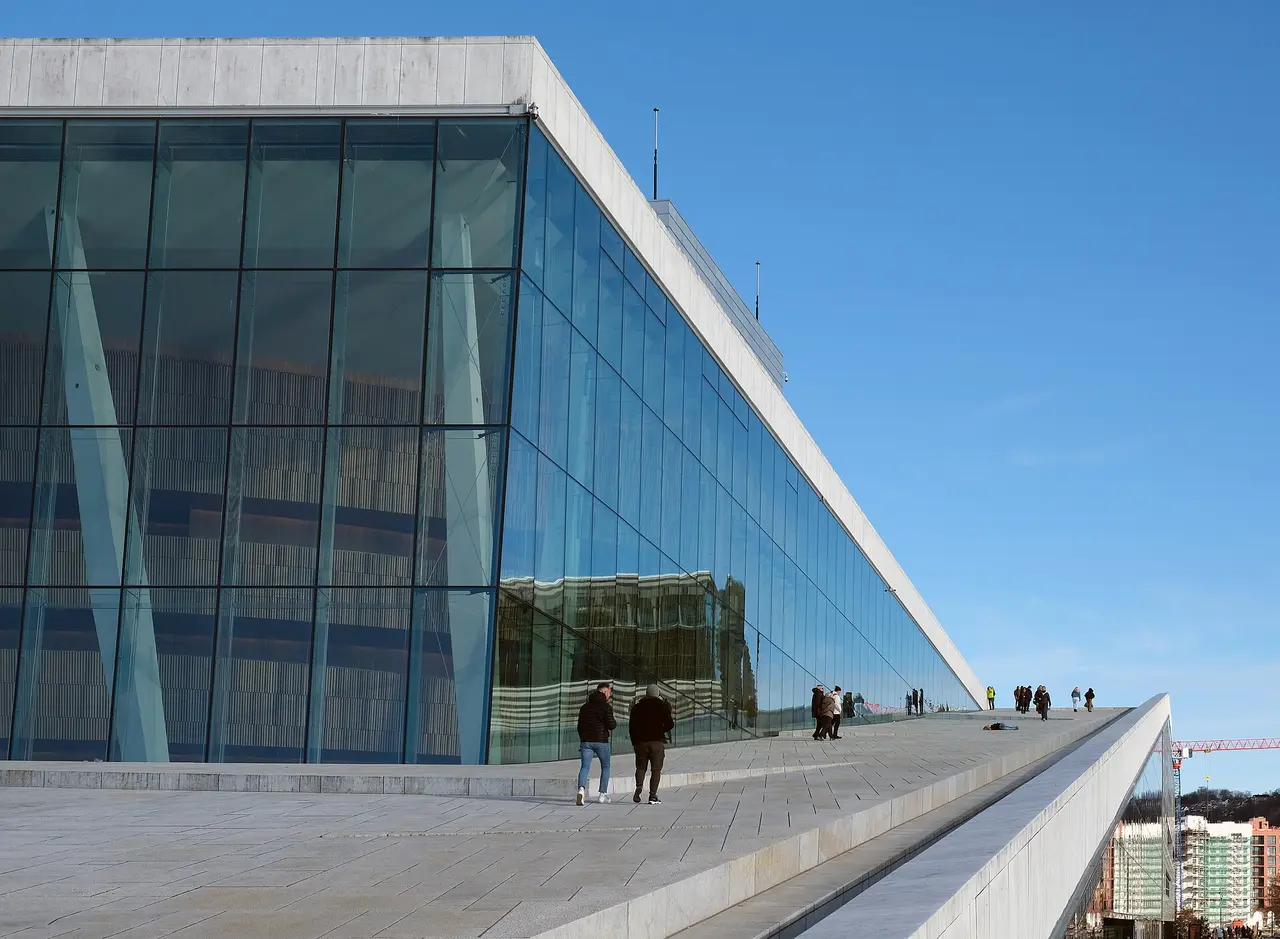
The capital takes two to three days. The essentials sit on the Bygdøy peninsula, with the Viking ships, the Kon-Tiki raft and the Fram, plus the Vigeland sculpture park and the Opera quarter, whose sloping roof you can walk up. Many museums close on Mondays. Around Oslo, the Nordmarka forest and the Oslofjord make easy day trips by suburban train, for under ten euros return.
The western fjords

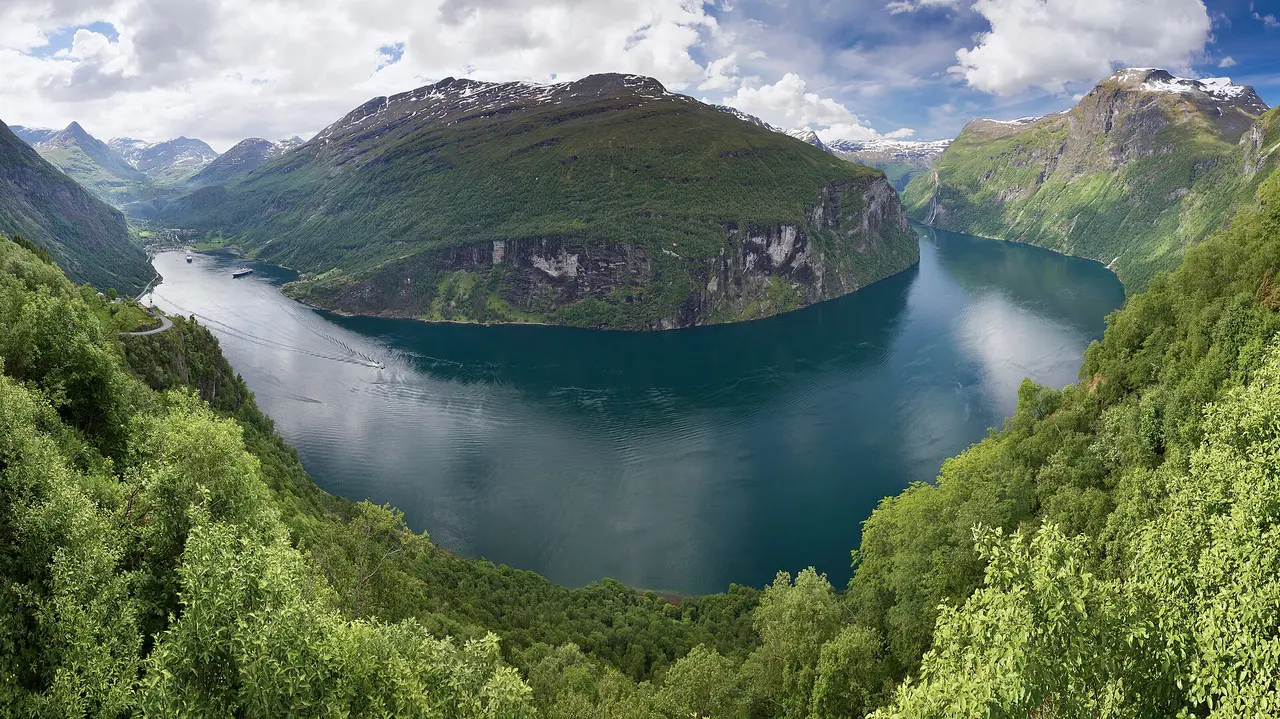
The heart of the trip. The Geirangerfjord and the Nærøyfjord, both UNESCO-listed, are seen by cruise or from the Dalsnibba and Stegastein road viewpoints. Allow at least four days to link the Sognefjord, the Hardangerfjord and Geiranger, since roads skirt every arm of sea and use ferries. The mountain-road season runs late May to October; outside that window several passes close.

Bergen, gateway to the fjords

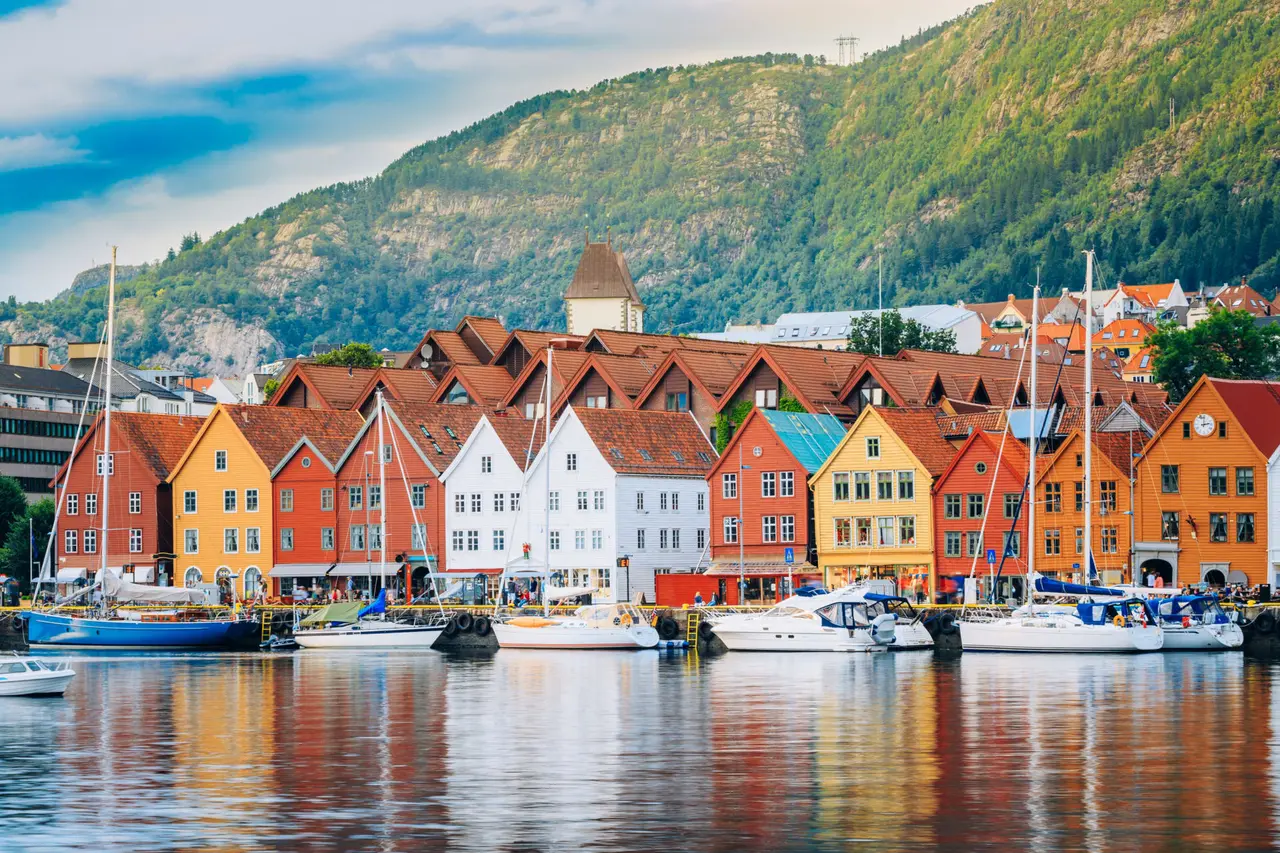
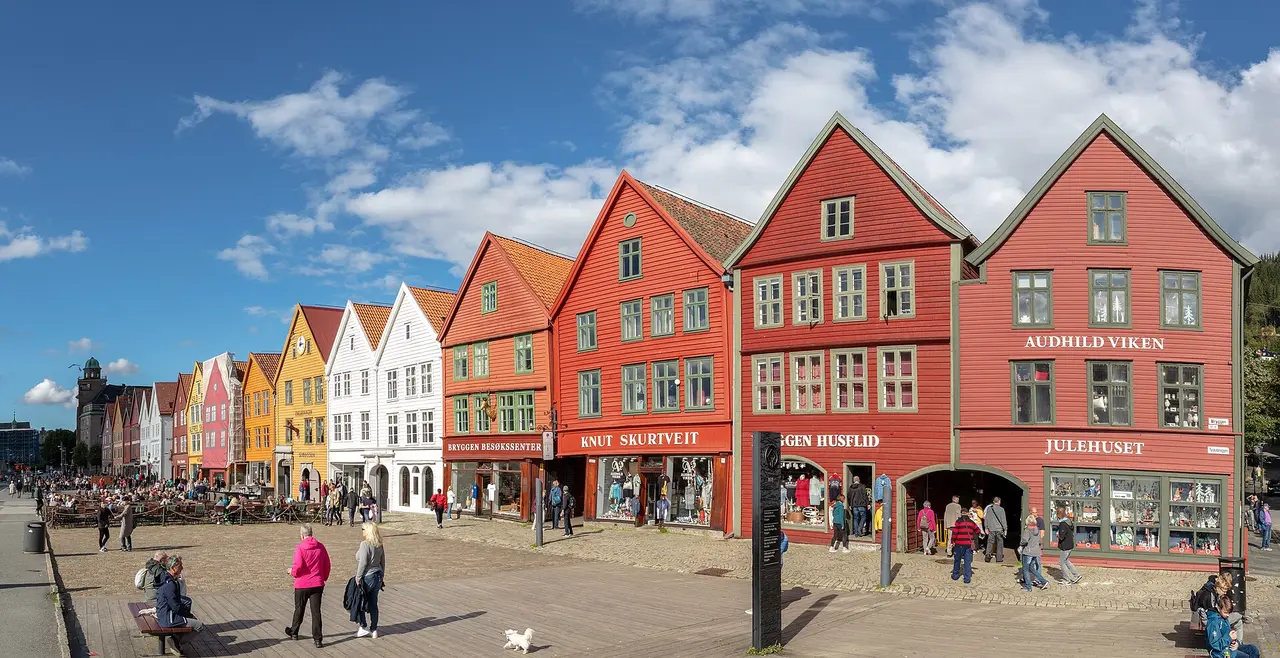
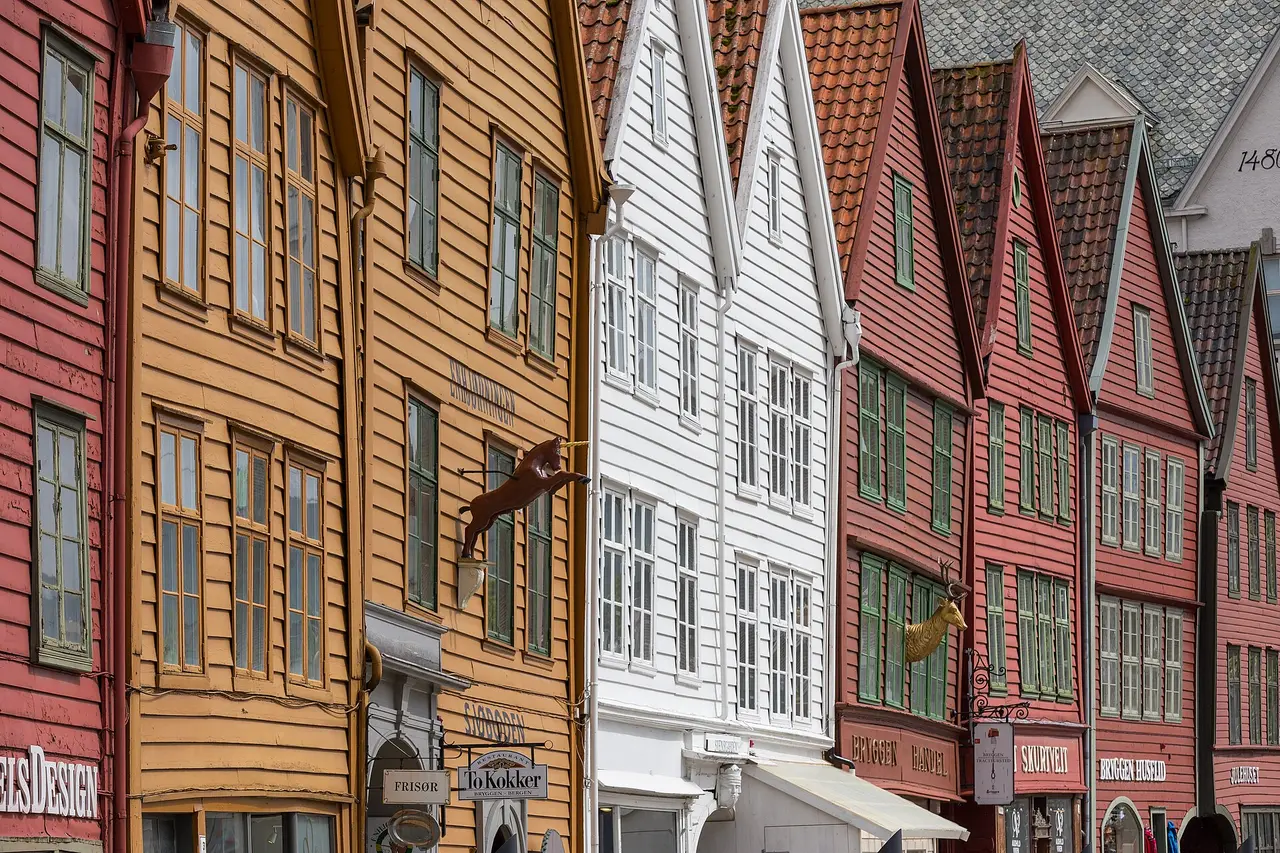
The country's second city and the most common starting point for the fjords. The UNESCO-listed Bryggen wharf, the Fløibanen funicular that climbs 320 metres in eight minutes, and the fish market fill a day. Bergen gets more than 200 rainy days a year: bring waterproofs and keep a spare day for when the weather closes in. This is where the Norway in a Nutshell route to Flåm begins, and where the Hurtigruten coastal ferry starts its six-day run up to Kirkenes.

The far north: Lofoten and Tromsø

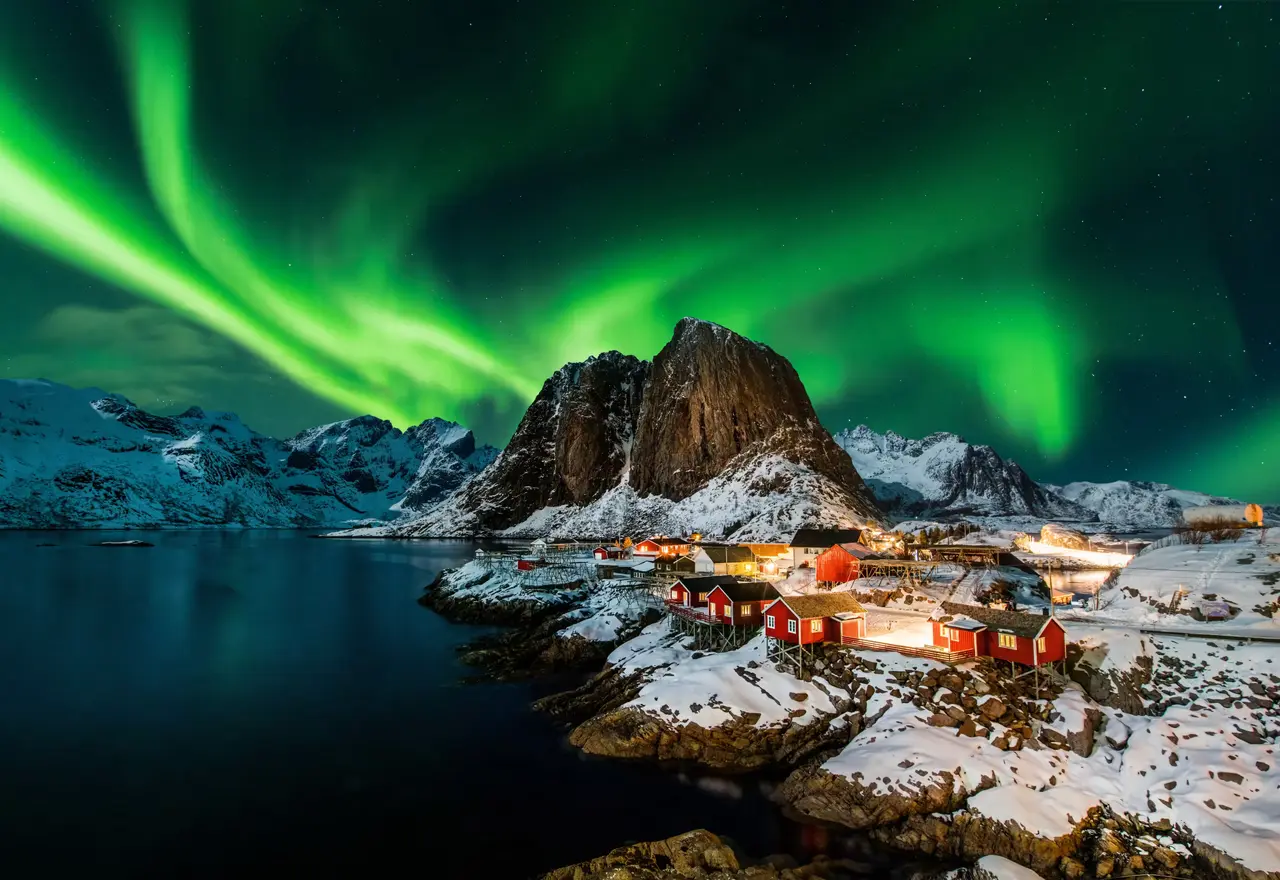
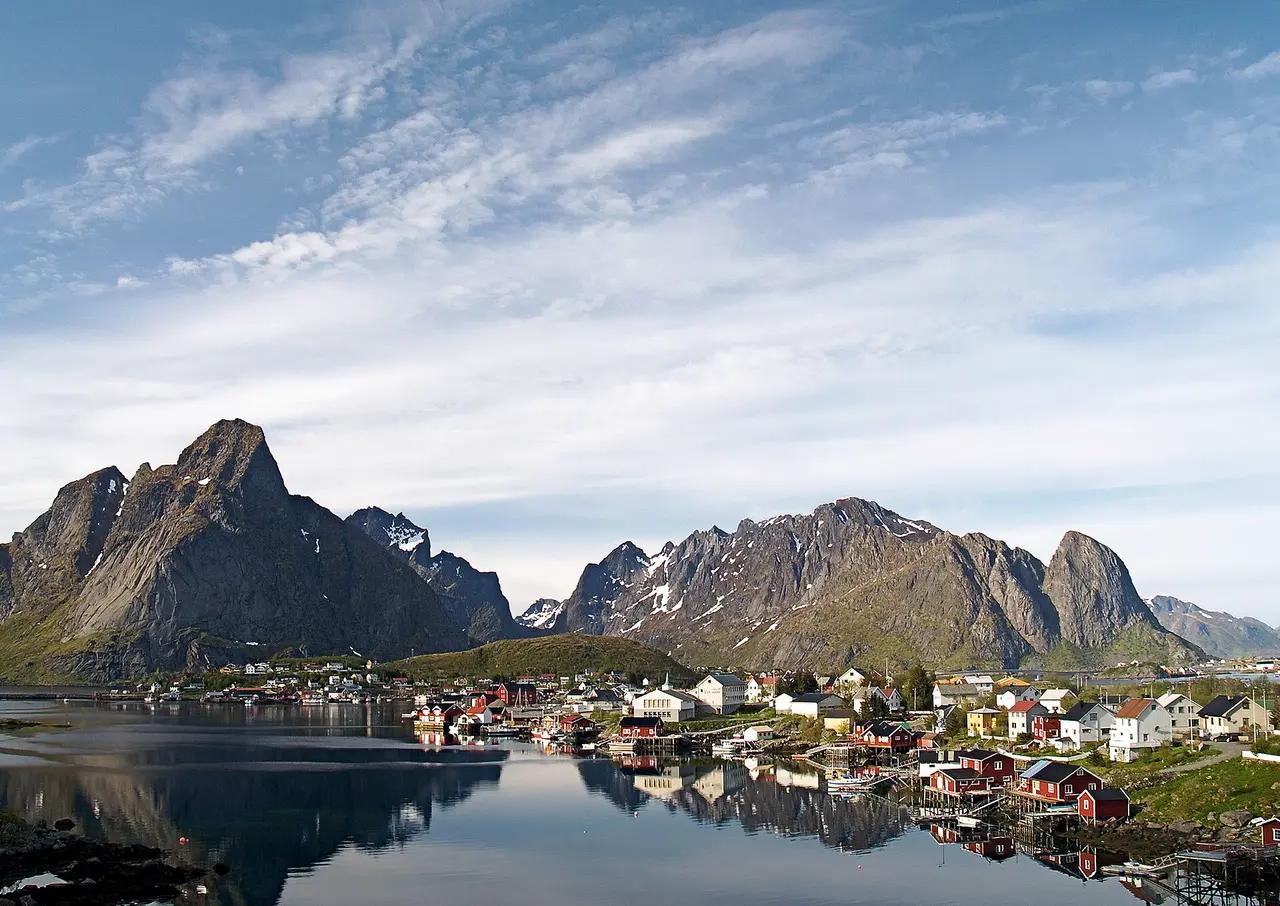
The Lofoten Islands, about a 1h40 flight from Oslo, string together fishing villages with red cabins, white beaches and sheer peaks. You need a car: the E10 links every island. Tromsø, further north, is the base for aurora outings and winter whale safaris. The North Cape, the northernmost point of the continent reachable by car, is a long detour from Tromsø.

Northern lights and midnight sun

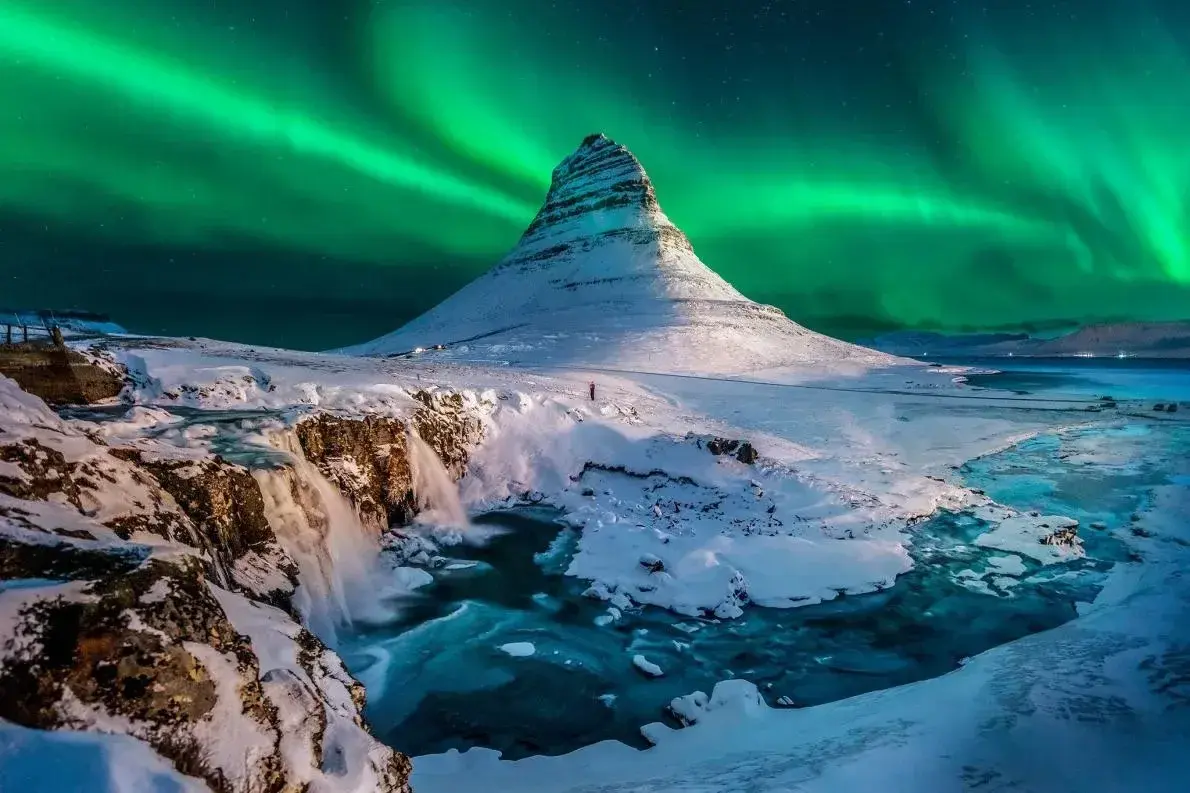
Two phenomena, two opposite seasons. The aurora shows from late September to late March, under clear skies, north of the Arctic Circle but sometimes as far south as Bergen; allow three or four nights to raise your odds, since cloud cover decides everything. Finnish Lapland and northern Sweden offer comparable conditions. The midnight sun lasts from late May to mid-July in Tromsø and Lofoten, when the sun never dips below the horizon and hiking days lose their timetable altogether.

Hiking and the great trails

Three signature walks, all in the South-West: Preikestolen (4 hours round trip, busy paid car park), Trolltunga (10 to 12 hours, mid-June to mid-September) and Kjeragbolten, a boulder wedged over the void above the Lysefjord. The Besseggen ridge, in Jotunheimen park, takes 6 to 8 hours with a boat crossing on Lake Gjende. Outside summer, these routes demand winter gear, crampons and real snow experience; accidents happen every year to walkers who set off too early in the season.

Trains and scenic drives

Norway suits slow travel. The Flåm Railway drops 865 metres over 20 kilometres, the Bergen line crosses the Hardangervidda plateau at over 1,200 metres, the Rauma line runs below the Trollveggen. On the road, eighteen national scenic routes are waymarked, including the Atlantic Road with its bridges laid across the sea and the switchbacks of the Aurlandsvegen. Ferries are frequent but fill up in July and August. For an island-hopping road trip, Norway rivals Iceland.

Cities to visit in Norway

Featured destinations appear first.

How much it costs

Per person per day, excluding international travel.
Budget
65 €/ day
1 210 € for 2 people, 7 days, return flights included
Accommodation
30 €
Food
20 €
Local transport
8 €
Sights and activities
7 €
Comfort
175 €/ day
2 850 € for 2 people, 7 days, return flights included
Accommodation
90 €
Food
45 €
Local transport
15 €
Sights and activities
25 €
Premium
400 €/ day
6 300 € for 2 people, 7 days, return flights included
Accommodation
200 €
Food
90 €
Local transport
40 €
Sights and activities
70 €
Prices checked: Relevé septembre 2026. Sources : Hostelz (budget backpacker et dortoirs Norvège/Oslo), Oslo-Spirit et World-Prices (restaurants et hôtels Oslo/Bergen 2026), Hikersbay (prix Oslo et Bergen), VisitNorway (conseils budget). Cadré sur l'itinéraire classique Oslo-Bergen-fjords du Sud-Ouest, hors haute saison (mai, septembre) ; comptez +20 à +40 % en juillet-août. Vol A/R Paris-Oslo Gardermoen : ~150 EUR/pers. (backpacker, basse saison), ~200 EUR/pers. (comfort), ~350 EUR/pers. (premium, billets flexibles), d'après momondo et Google Flights septembre 2026. Chambre double partagée à deux pour comfort et premium, lit en dortoir pour backpacker. Krone forte : budget à revérifier tous les 6 mois.

Getting there

Airports serving Norway, from main hubs to secondary ones.
  • AESÅlesund AirportÅlesundMain
  • BGOBergen Airport, FleslandBergenMain
  • BOOBodø AirportBodøMain
  • EVEHarstad/Narvik AirportEvenesMain
  • KRSKristiansand AirportKristiansandMain
  • OSLOslo-Gardermoen International AirportOsloMain

Entry, health and safety

For FR travellers

Entry requirements

No visa for a tourist stay

La Norvège appartient à l'espace Schengen. Les ressortissants français bénéficient de la libre circulation : ni visa ni limite de durée pour un séjour touristique. Passeport ou carte nationale d'identité en cours de validité exigés ; les CNI délivrées entre 2004 et 2013 doivent être accompagnées d'un passeport valide, non reconnues au-delà de leur date d'expiration imprimée. L'archipel du Svalbard est hors Schengen : passeport fortement recommandé.

Health

Advised: Vaccins du calendrier vaccinal français à jour (diphtérie, tétanos, poliomyélite, coqueluche, rougeole). Vaccin contre l'encéphalite à tiques en fonction des conditions de séjour, notamment en zone rurale ou forestière au printemps et en été.

Encéphalite à tiques transmise par morsure de tiques infestées, principalement au printemps et en été dans les zones boisées. Augmentation des cas de rougeole signalée en 2026. Plus aucune restriction sanitaire liée au COVID-19.

Safety

Normal precautions

Emergency

112

Checked in septembre 2026 against the official source. Entry rules change: check the official source before you travel, it alone is authoritative.

Norway in pictures

Photo credits : Ximonic (Simo Räsänen), CC BY-SA 3.0, Wikimedia Commons ; Jörg Hempel, CC BY-SA 2.0 de, Wikimedia Commons ; Diego Delso, CC BY-SA 4.0, Wikimedia Commons ; Sergey Ashmarin, CC BY-SA 3.0, Wikimedia Commons ; TerjeN, CC BY 3.0, Wikimedia Commons

Norway's must-sees

From the western fjords to the far north, the sites that shape a first trip.

Geirangerfjord

The country's most photographed fjord, the Seven Sisters waterfall and the hairpin Dalsnibba road at 1,500 metres above sea level.

Bryggen, Bergen

The Hanseatic wharf with its colourful wooden facades, UNESCO-listed, the historic core of Norway's second city.

Lofoten Islands

An Arctic archipelago of fishing villages, white beaches and mountains dropping into the sea, driven along the E10.

Preikestolen

A vertical rock platform 600 metres above the Lysefjord, reached by a 4-hour hike from Stavanger.

Flåm Railway

Twenty kilometres of some of the world's steepest track, with a photo stop at the Kjosfossen waterfall.

Trolltunga

A granite tongue suspended above Ringedalsvatnet lake, at the end of a 10 to 12-hour walk in summer.

Nidaros Cathedral

The largest medieval building in Scandinavia, in Trondheim, long a pilgrimage goal on the St Olav Way.

Vigeland Park, Oslo

More than 200 bronze and granite sculptures by Gustav Vigeland, in a public park that is always open and free.

Atlantic Road

Eight kilometres of roadway and bridges laid over sea-battered islets, between Kristiansund and Molde.

North Cape

A 307-metre cliff billed as the northernmost point of Europe reachable by car, on a plateau often swept by wind.

Norway travel tips

Currency
Norwegian krone (NOK). Card payment is accepted everywhere, including for a coffee or a bus ticket.
Cash
Almost unnecessary: Norway is one of the least cash-dependent countries in the world. A contactless card is enough.
Alcohol
Spirits and stronger wines are sold only at the Vinmonopolet, state shops closed on Sundays and early on weekdays.
Right to roam
The allemannsretten allows hiking and one night of wild camping on uncultivated land, more than 150 metres from houses.
Tap water
Drinkable throughout the country, often from mountain lakes. No need to buy bottled water.
Driving
Dipped headlights on at all times are mandatory. Many tunnels and ferries; book western crossings in summer.
City tolls
Oslo, Bergen, Stavanger and Trondheim charge for entering the city by automatic plate reading, rental cars included.
Tipping
Not expected. Diners round up in restaurants when the service pleased, without exceeding 10 %.
Plugs
Type F, 230 V, 50 Hz: the same as France, no adapter needed.
Language
Norwegian. English is spoken almost universally, including in small towns.

Similar destinations

Other countries you might like as much as Norway.

Similar regions

Other regions you might like as much as Norway.

Frequently asked questions about Norway

Can you see the northern lights in Oslo?
Rarely. Oslo is too far south and too bright. For a reliable sighting you need to go above the Arctic Circle, towards Tromsø, Lofoten or Finnmark, between late September and late March, under clear skies.
How many days to see the Norwegian fjords?
Four days minimum to link Bergen, the Sognefjord and the Geirangerfjord, a week for a comfortable pace with the Hardangerfjord and Stavanger. Roads skirt every arm of sea and force ferry crossings, which stretches every journey.
Do you need a car for the Lofoten Islands?
In practice, yes. Public transport exists but is infrequent. A car, rented at Svolvær or Leknes airport, lets you follow the E10 from island to island and reach the remote beaches and trails.
Should you book the Flåm Railway in advance?
In summer, yes: the Flåmsbana is often full, especially when a cruise ship is docked at Flåm. Off-season, buying on the spot still works. The Norway in a Nutshell combined ticket covers the train, boat and bus.
Is Norway in a Nutshell worth it?
Yes if you have only one day between Oslo and Bergen: the route combines the Bergen line, the Flåm Railway and a Nærøyfjord cruise. But you stop nowhere. With two days, better to sleep in Flåm or Balestrand.
Can you swim in the Norwegian fjords?
Yes, but the water rarely exceeds 16 to 18 °C in summer, and much less in the north. Norwegians happily swim in July and August; the rest of the year you need a wetsuit.
Is the Trollstigen pass open?
The Trollstigen scenic road has been closed since 2024 because of rockfall risk, with no firm reopening date announced. To reach Geiranger from Åndalsnes in the meantime, you take the Linge-Eidsdal ferry and the road over the Ørnesvingen bends.
Oslo or Bergen to start a trip to Norway?
Bergen if the trip focuses on the western fjords: the city is their natural gateway. Oslo if you want to cross the country by train or head north. An open-jaw flight, into one and out of the other, avoids backtracking.

Plan your trip to Norway

Day-by-day itinerary, budget, bookings and packing in a single app.
Aperçu de l'application PlanTripNow