Wallis and Futuna

At the far edge of the South Pacific, Wallis and Futuna preserves an authentic Polynesian culture organized around three customary kingdoms. Far from typical tourist routes, the archipelago offers peaceful lagoons and traditions still very much alive.

Why visit Wallis and Futuna?

Wallis and Futuna stands out for the exceptional preservation of its Polynesian culture, organized around three customary kingdoms still active alongside French institutions. An isolated French territory in the South Pacific, the archipelago offers calm, uncrowded lagoons, a strong cultural identity and a little-known travel experience, far from mass-tourism destinations.

What to discover in Wallis and Futuna?

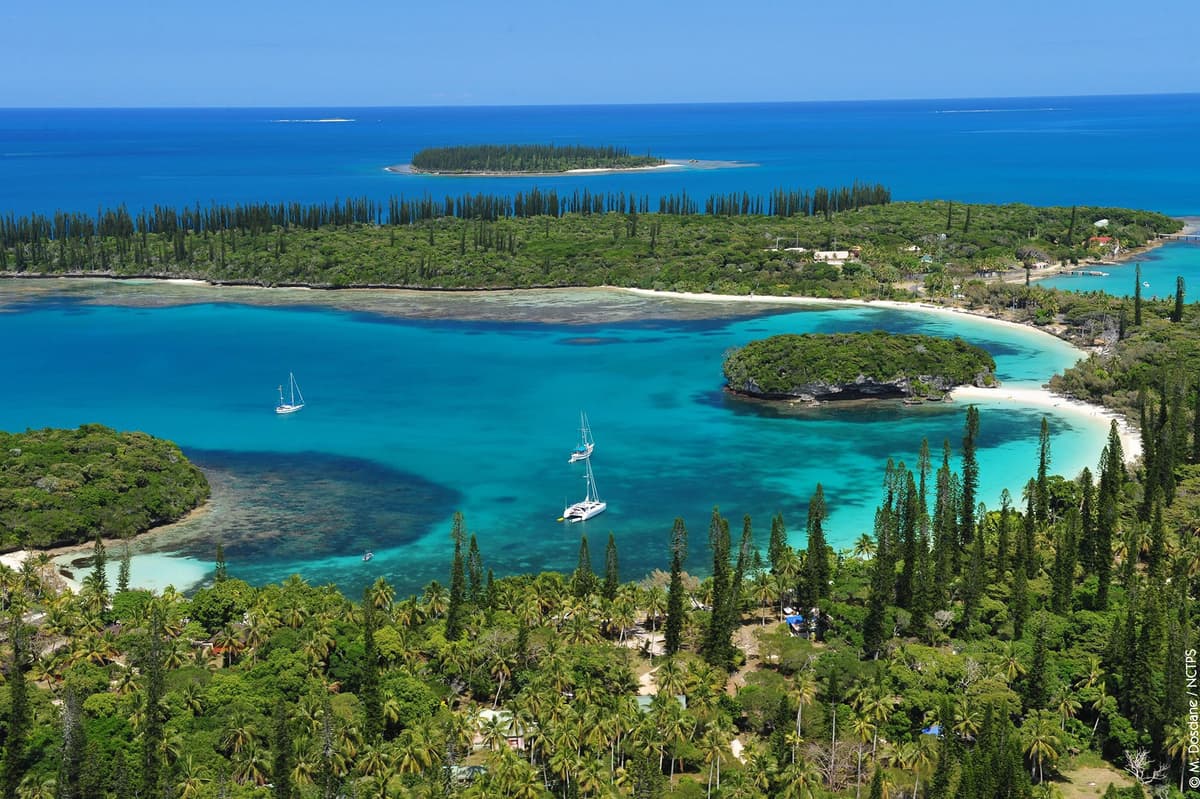
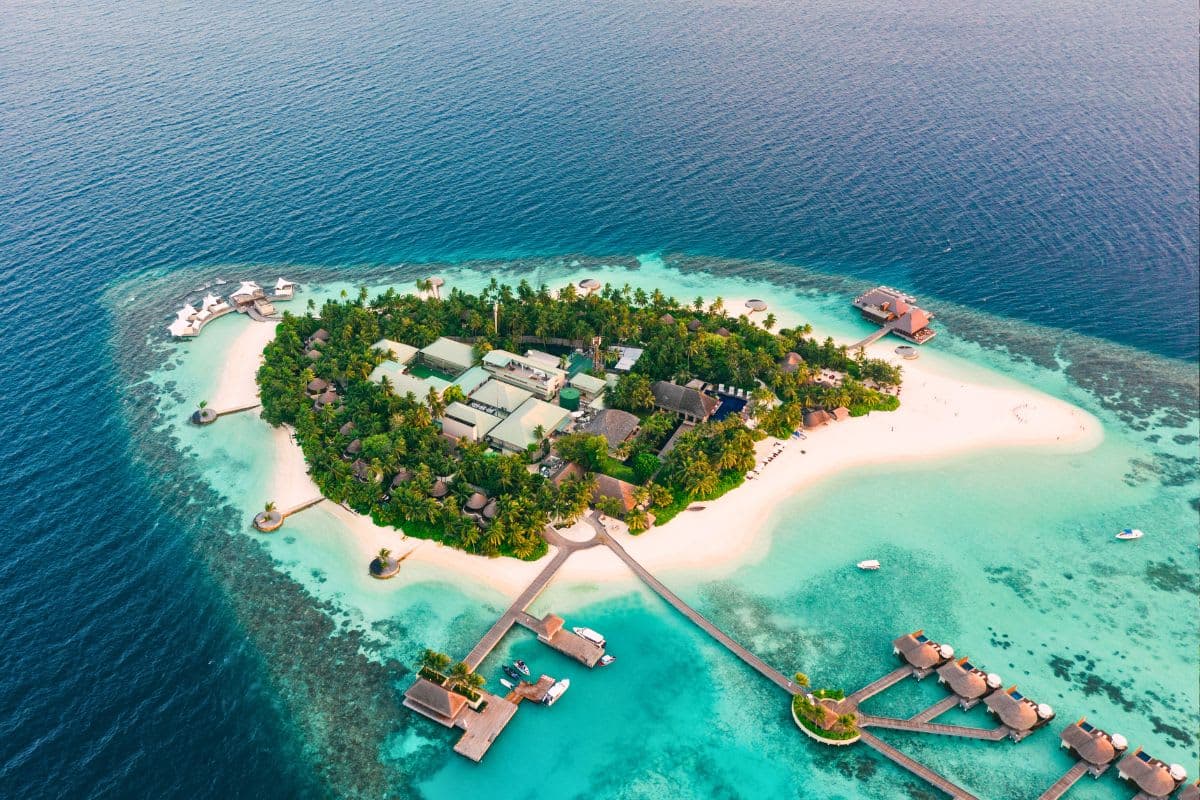
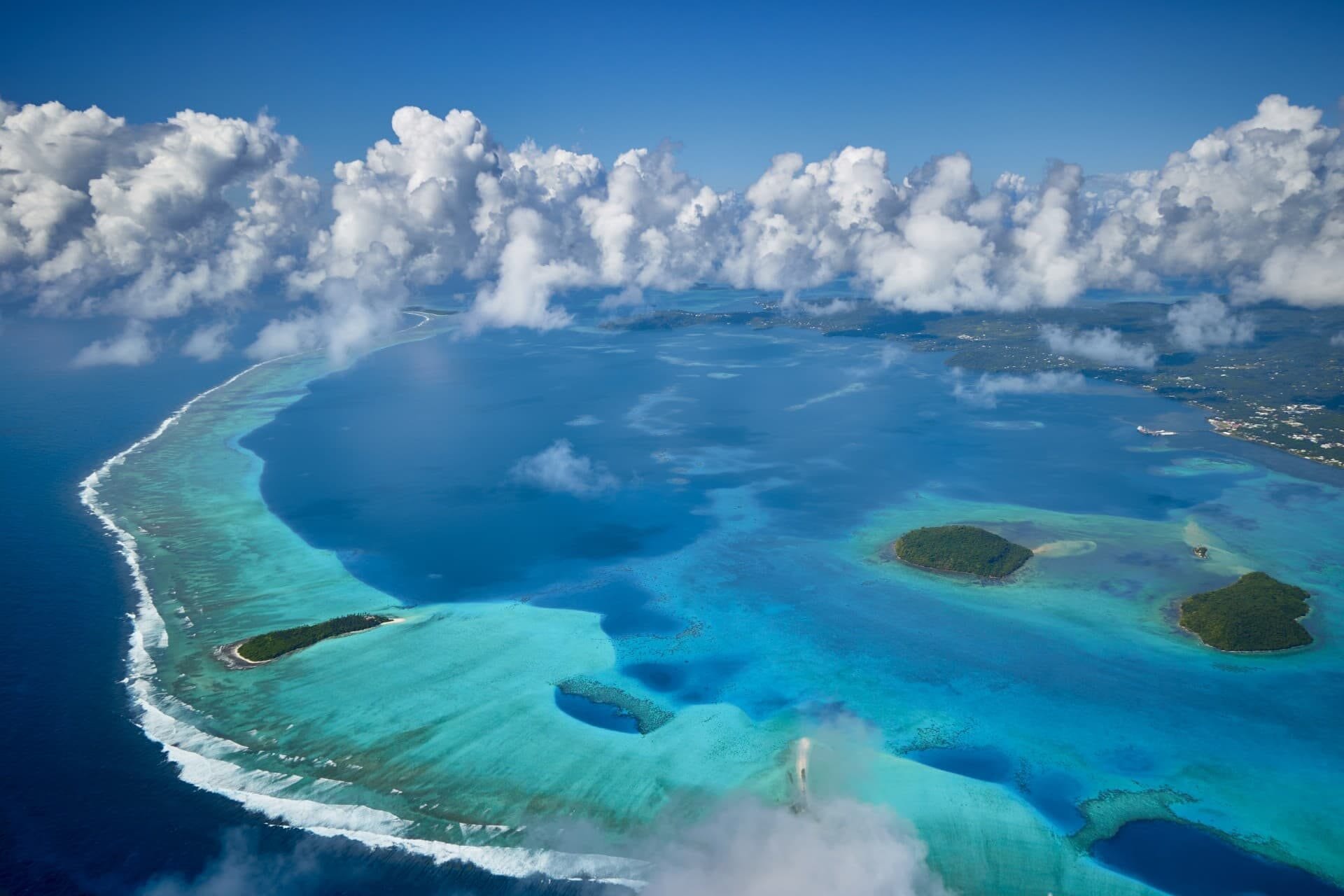
Mata-Utu, the archipelago's capital on Wallis Island, keeps a peaceful atmosphere around its cathedral and its seafront facing the lagoon. This lagoon, enclosed by a coral reef, is ideal for swimming and snorkeling in calm, uncrowded waters, away from the Pacific's major tourist flows.
Futuna Island, more mountainous and distinct from Wallis, retains a strong customary organization with its two traditional kingdoms. Polynesian culture remains very present there, through customary ceremonies, craftsmanship and rites still observed daily. The archipelago's remoteness, reachable only by plane from neighboring islands, makes it a little-known destination for travelers seeking authenticity and a change of scenery off the beaten path.

Cities to visit in Wallis and Futuna

Featured destinations appear first.
Coming soon.

Wallis and Futuna in pictures

The must-sees

Customary kingdoms, preserved lagoons and Polynesian culture: here is what not to miss in Wallis and Futuna.

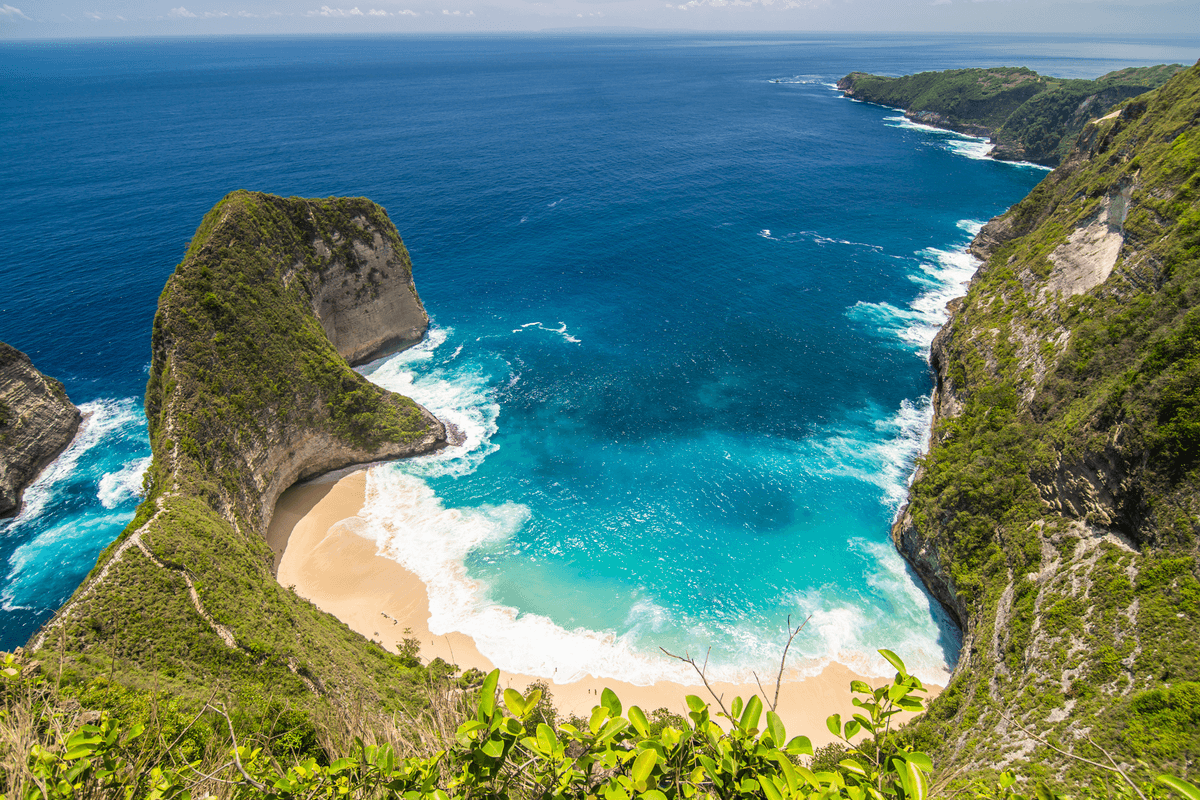
Mata-Utu and its cathedral

The archipelago's capital combines a peaceful seafront, a cathedral and views over the lagoon of Wallis Island.

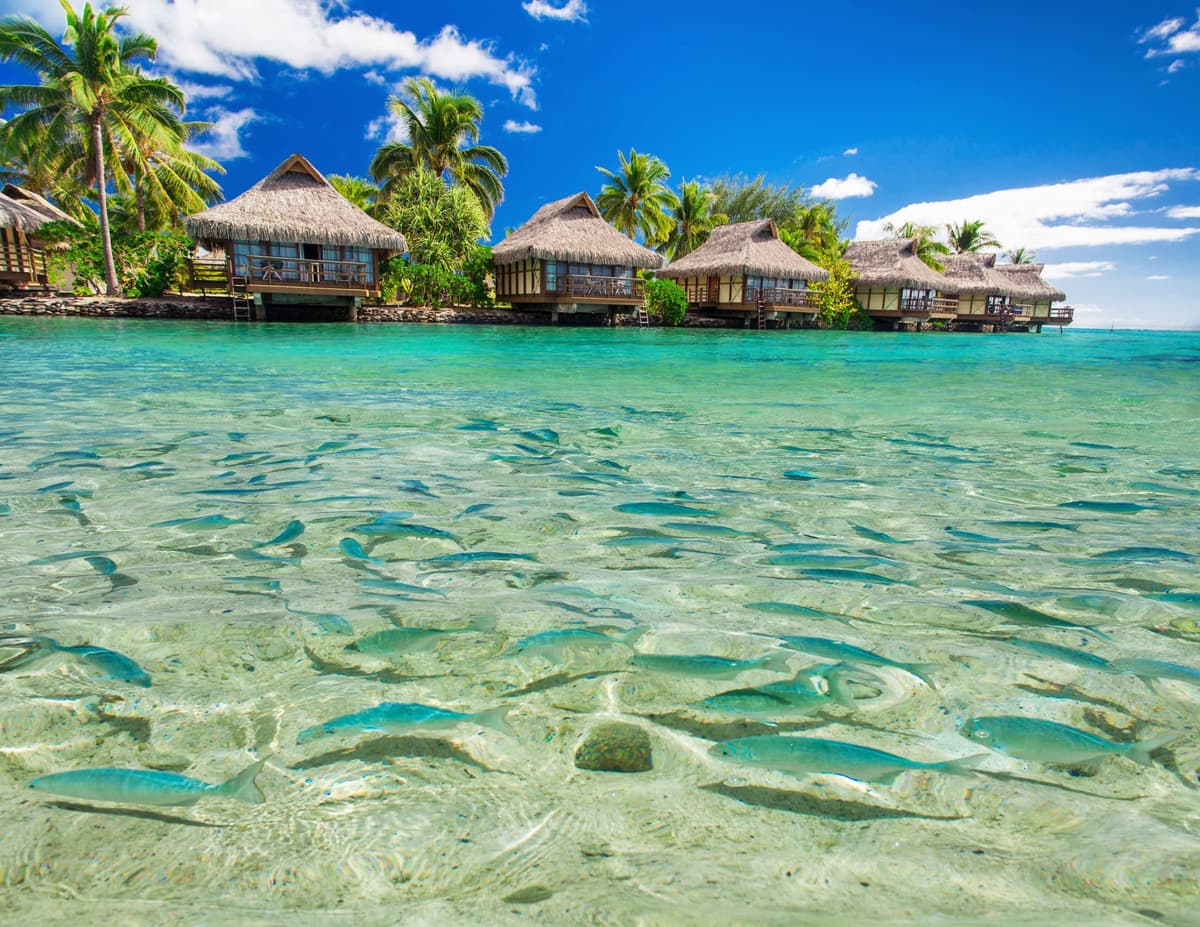
The lagoon of Wallis

Enclosed by a coral reef, this calm lagoon offers ideal conditions for swimming and snorkeling, far from the crowds.

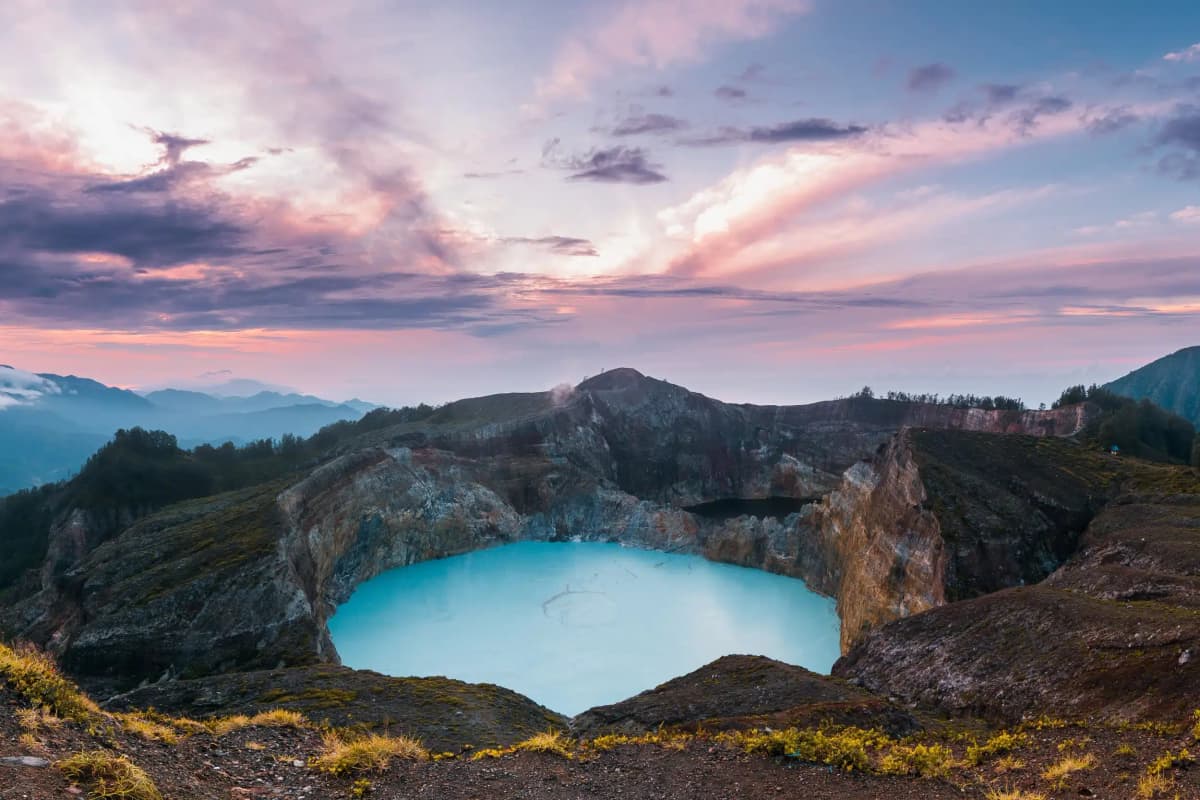
The customary kingdoms

Three traditional kingdoms continue to organize the archipelago's social life alongside French institutions, with ceremonies and customary hierarchies.

Futuna Island

More mountainous than Wallis, this island retains a strong cultural identity with its two kingdoms and traditional craftsmanship.

Traditional ceremonies

Kava, dances and customary rituals still punctuate the archipelago's social life, offering a living testimony to Polynesian culture.

Preserved isolation

The archipelago's geographic remoteness guarantees a tourist presence that remains little-known and a nature largely untransformed.

Practical information

Capital
Mata-Utu
Area
About 142 km²
Population
About 11,000 inhabitants
Languages
French, Wallisian, Futunian
Currency
Pacific franc (CFP)
Time zone
UTC+12
Climate
Tropical
Best season
May to October (dry season)

Frequently asked questions

When to visit Wallis and Futuna?
The dry season, from May to October, offers the most favorable conditions, with milder weather and less rainfall.
Do you need a passport for Wallis and Futuna?
A valid ID is enough for French nationals, as the archipelago is a French territory in the Pacific.
How do you get to Wallis and Futuna?
The archipelago can only be reached by plane, usually via Nouméa or Fiji, as no direct link exists from mainland France.
How many days are needed to visit Wallis and Futuna?
A week allows you to discover Wallis and Futuna, as connections between the two islands are limited and require advance planning.
What is the cultural specificity of Wallis and Futuna?
The archipelago retains three active customary kingdoms, which organize social life alongside French institutions, a situation unique in France.
Is Wallis and Futuna suitable for independent travelers?
The archipelago suits mainly travelers seeking authenticity, as the tourism offering remains limited and local logistics require suitable preparation.

Plan your trip to Wallis and Futuna

Day-by-day itinerary, budget, bookings and packing in a single app.
Aperçu de l'application PlanTripNow