Saint-Pierre-et-Miquelon

The last remaining French territory in North America, Saint-Pierre-et-Miquelon keeps a Breton and Norman atmosphere just miles from the Canadian coast. Between wild nature, fishing tradition and preserved isolation, the archipelago offers an authentic change of scenery.

Why visit Saint-Pierre-et-Miquelon?

Saint-Pierre-et-Miquelon stands out for its unique status as the last French territory in North America, right next to Newfoundland. A French territory with a strong Breton and Norman atmosphere, the archipelago offers preserved nature, a centuries-old fishing tradition and an isolation that invites discovery of a rare cultural identity blending French heritage with North American influence.

What to discover in Saint-Pierre-et-Miquelon?

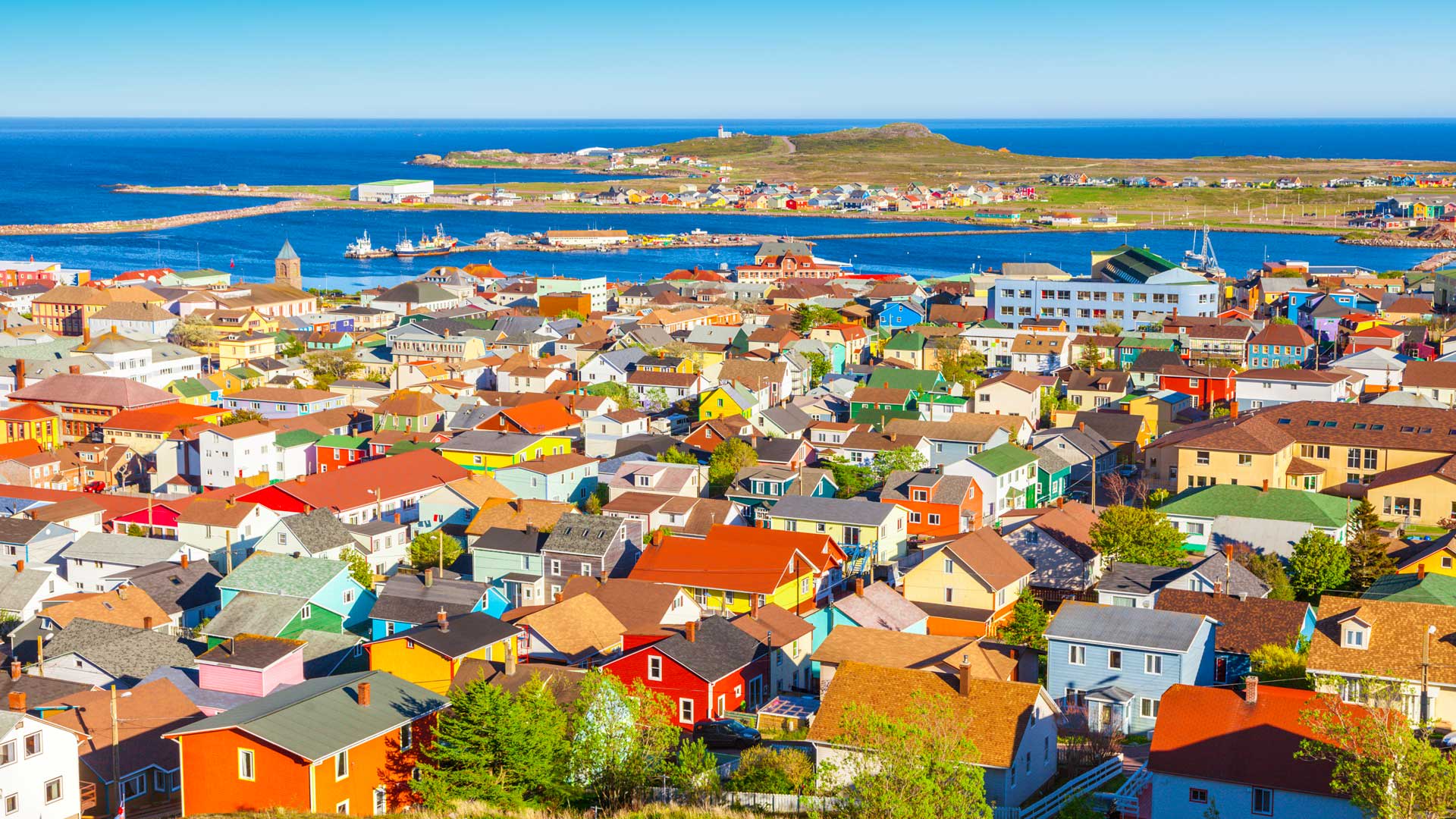
Saint-Pierre, the archipelago's capital, retains architecture with Norman and Breton influences, with colorful houses and a small, still-active fishing harbor. A visit to the Arche Museum, dedicated to local history, sheds light on the maritime past and the American Prohibition era, during which the archipelago served as a major hub.
Miquelon-Langlade, connected by a dune isthmus, offers wilder nature, with ponds, dunes and a large seal colony observable depending on the season. Marine wildlife, including whales visible in summer, draws observation enthusiasts. Local cuisine, blending French traditions with seafood, completes the discovery of a territory with a rare identity, between Europe and North America.

Cities to visit in Saint Pierre and Miquelon

Featured destinations appear first.
Coming soon.

Saint Pierre and Miquelon in pictures

The must-sees

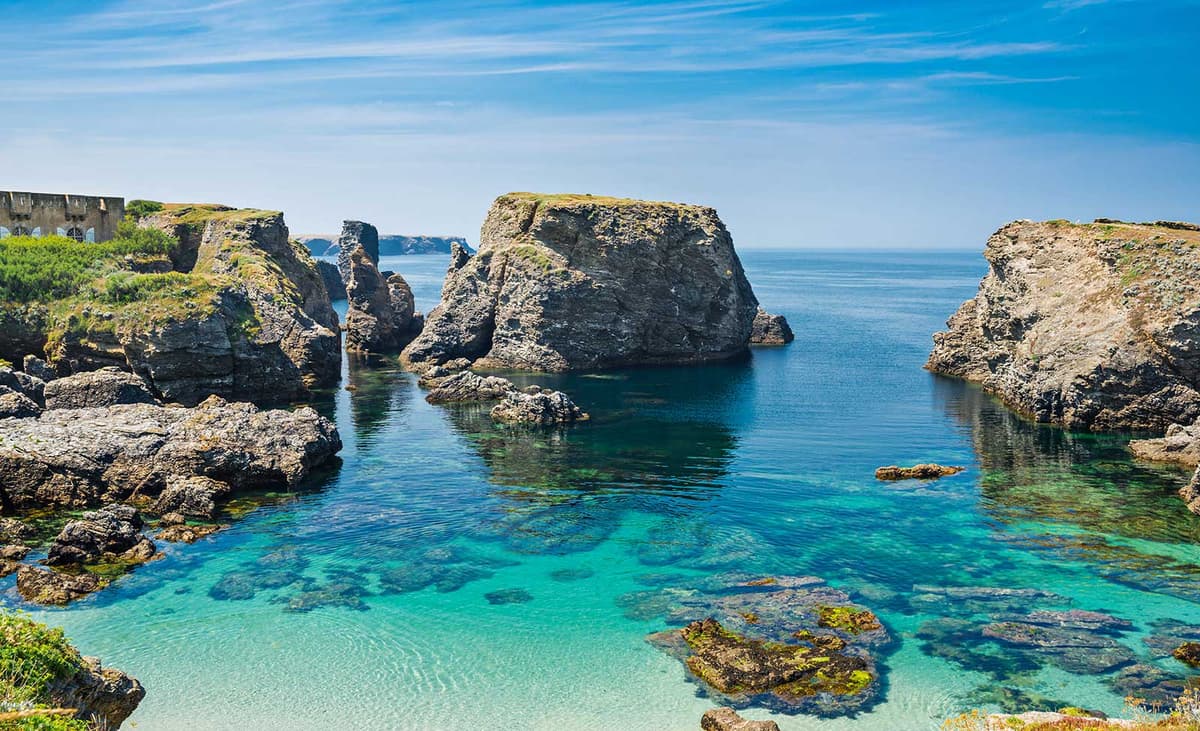
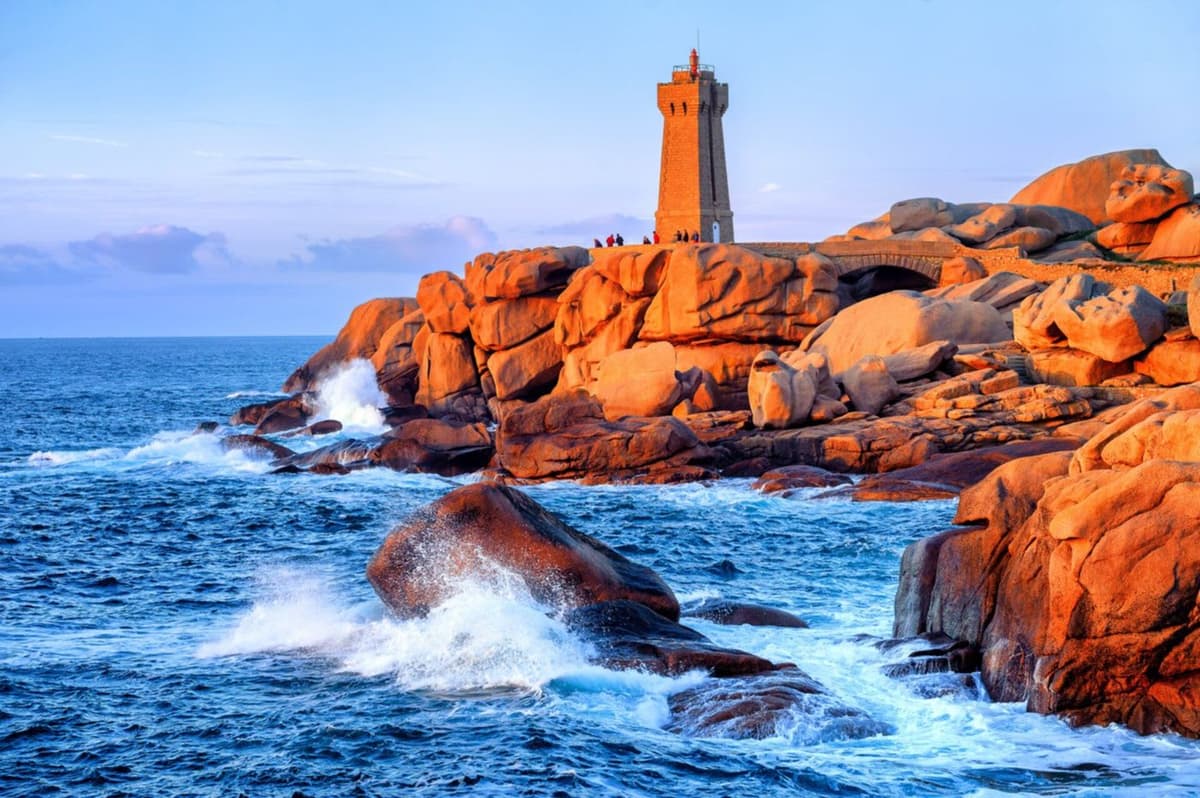
A Breton atmosphere, wild nature and fishing heritage: here is what not to miss in Saint-Pierre-et-Miquelon.

The harbor of Saint-Pierre

The capital retains architecture with Norman and Breton influences, with colorful houses facing the fishing harbor.

The Arche Museum

This museum traces local history, including the American Prohibition era during which the archipelago served as a major hub.

The Miquelon-Langlade isthmus

This dune strip connects the two parts of Miquelon and separates two bodies of water, offering a natural landscape unique in the region.

The seal colony

A large seal population can be observed depending on the season along the dunes of the Langlade isthmus.

Whale watching

In summer, several whale species frequent the archipelago's waters, offering popular sea excursions for observation.

Fishing heritage

Cod fishing traditions, historically central to the local economy, remain visible in the archipelago's harbors and museums.

Practical information

Capital
Saint-Pierre
Area
About 242 km²
Population
About 6,000 inhabitants
Languages
French
Currency
Euro (€)
Time zone
UTC-3
Climate
Cool oceanic, subpolar
Best season
June to September (summer)

Frequently asked questions

When to visit Saint-Pierre-et-Miquelon?
Summer, from June to September, offers the mildest temperatures and the best period for whale and seal watching.
Do you need a passport for Saint-Pierre-et-Miquelon?
A valid ID is enough for French nationals; a passport is required if transiting through neighboring Canada.
How many days are needed to visit Saint-Pierre-et-Miquelon?
Four to five days allow you to discover Saint-Pierre and Miquelon-Langlade, with a week leaving more time for wildlife observation.
How do you get to Saint-Pierre-et-Miquelon?
The archipelago is usually reached by flight from mainland France via Canada, or by ferry from Newfoundland depending on the season.
Can you watch whales in Saint-Pierre-et-Miquelon?
Yes, several species frequent the archipelago's waters in summer, with organized boat trips for observation.
Is Saint-Pierre-et-Miquelon suitable for families?
Yes, between nature discovery, marine wildlife observation and visits to local museums, the archipelago offers activities suited to all ages.

Plan your trip to Saint Pierre and Miquelon

Day-by-day itinerary, budget, bookings and packing in a single app.
Aperçu de l'application PlanTripNow