Skip to content

Travel to Iceland: seasons, budget and Ring Road itineraries

Waterfalls pouring off cliffs, lagoons full of icebergs, lava fields still steaming: Iceland is best explored from behind the wheel, and each season changes the trip completely. Here you will find month-by-month climate, real budgets per traveler profile and three itineraries to choose between the midnight sun and the northern lights.
  • 1 city

At a glance

Currency
Icelandic Króna
Time difference
UTC+0
Visa
None
Tourist stay of up to 90 days
7-day budget
€2,240
Per person, comfort profile, excluding international flights.

Why visit Iceland?

Iceland packs active volcanoes, glaciers, geysers and waterfalls onto an island barely larger than Portugal, nearly all of them reachable from a single 1,332 km ring road. People come in summer for the midnight sun and the highland tracks, and in winter for the northern lights and ice caves. Around two in three residents live in the Reykjavík area, leaving the rest of the country almost empty.

When to visit Iceland

Temperatures, rainfall and crowds month by month, to pick your window.
When to visit Iceland
MonthTemperaturesRainCrowdsVerdict
January-2 to 3 °C15 dQuietOnly four to five hours of daylight and frequent storms on the Ring Road, but auroras whenever skies clear.
February-2 to 3 °C15 dModerateIce caves open beneath Vatnajökull and nights stay long, the heart of northern lights season.
March-1 to 4 °C14 dModerateThe best winter compromise, twelve hours of daylight around the equinox and still enough dark for auroras.
April1 to 7 °C11 dQuietA quiet, affordable month, though highland roads stay shut and the north keeps its snow.
May4 to 10 °C10 dModeratePuffins return to the cliffs and days run eighteen hours, just before summer prices spike.
June7 to 13 °C9 dBusyMidnight sun and the driest month, yet rental cars and southern guesthouses sell out months ahead.
July9 to 15 °C10 dPackedThe absolute peak, with F-roads open to Landmannalaugar and Golden Circle car parks full by ten.
August9 to 14 °C12 dPackedThe mildest month at sea level and ideal for highland treks, as proper nights start to return.
September6 to 11 °C15 dModerateFirst auroras, rates falling sharply after mid-month and highland tracks still passable in early September.
October3 to 8 °C13 dQuietStrong winds and autumn rain, offset by the Iceland Airwaves festival and shoulder-season rates.
November0 to 5 °C14 dVery quietThe quietest and cheapest month, provided you accept snow as soon as you leave the south coast.
December-2 to 3 °C15 dModerateHuge New Year fireworks in Reykjavík and full hotels despite barely four hours of daylight.
Source: Valeurs cadrées sur Reykjavík et le sud-ouest de l'Islande, normales 1991-2020 de l'Institut météorologique islandais (Veðurstofa Íslands) recoupées avec Climates to Travel, relevé septembre 2026. Le nord et les hautes terres sont plus froids, et le temps change en quelques heures partout sur l'île.

What to see in Iceland?

Reykjavík and the Reykjanes peninsula

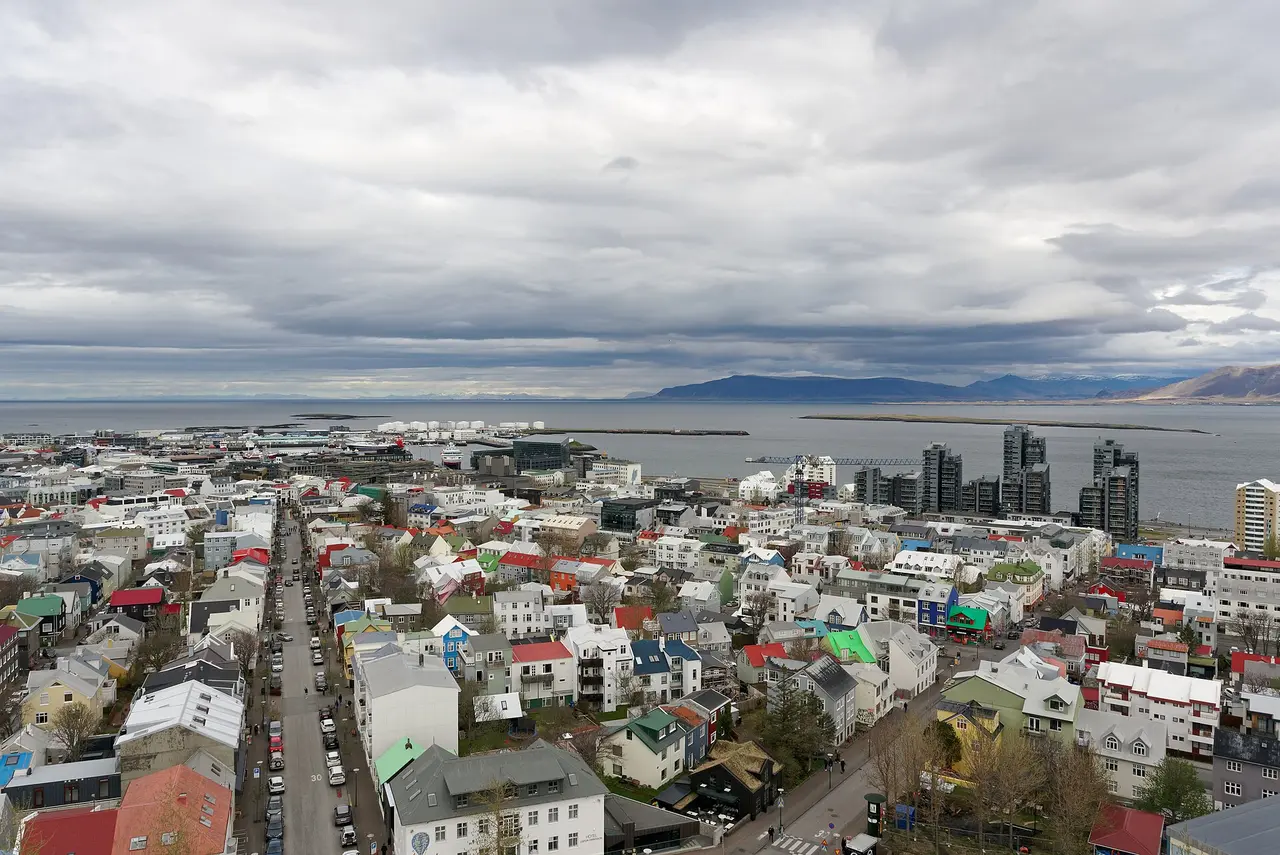
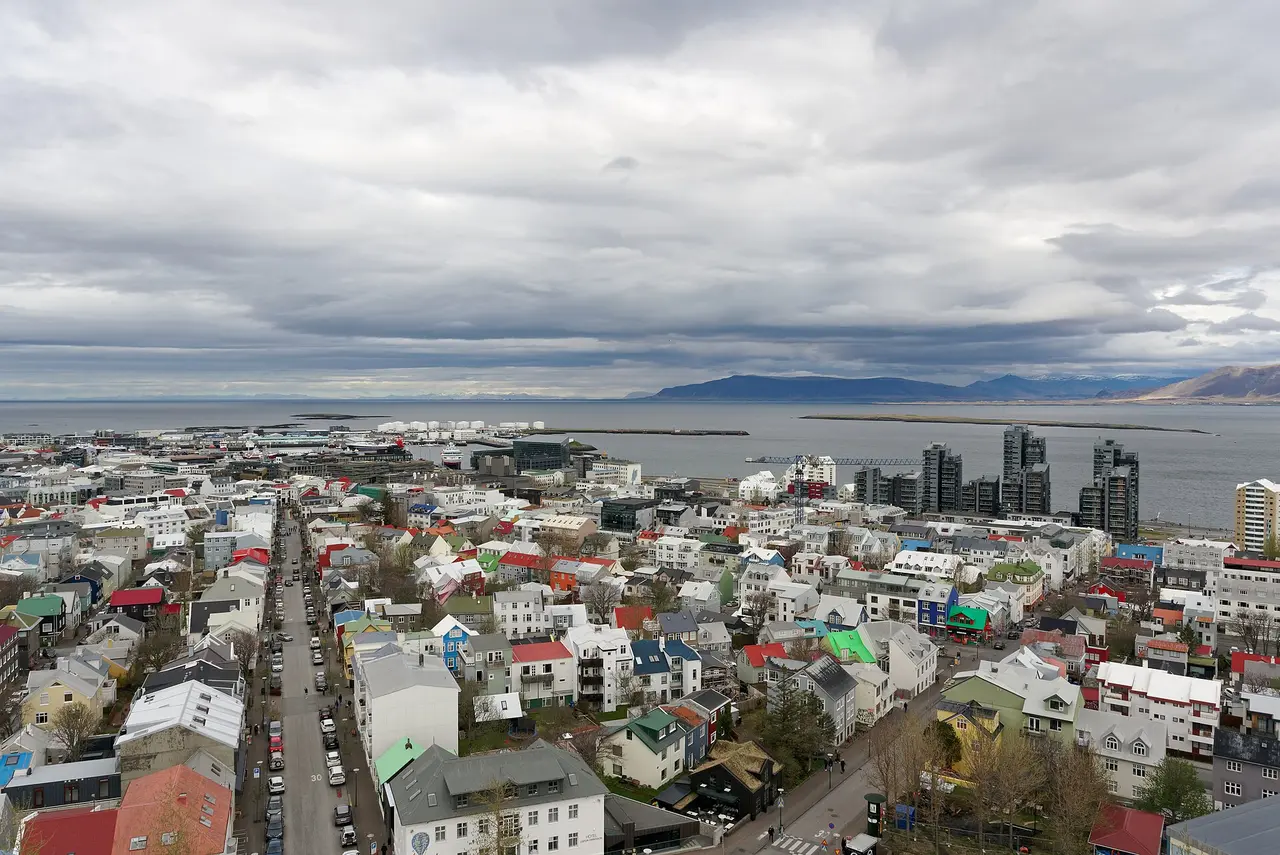
Almost every international flight lands at Keflavík, 50 km from the capital, 45 minutes by Flybus. Reykjavík takes one to two days: Hallgrímskirkja, the Harpa concert hall, the old harbour and above all the neighbourhood geothermal pools, where locals meet for under ten euros. The Reykjanes peninsula, between the airport and the city, has seen a run of eruptions around Grindavík since 2021, so check safetravel.is before booking Blue Lagoon, which can close within hours. Keep your last night here to avoid a dawn transfer.
The Golden Circle and the south coast

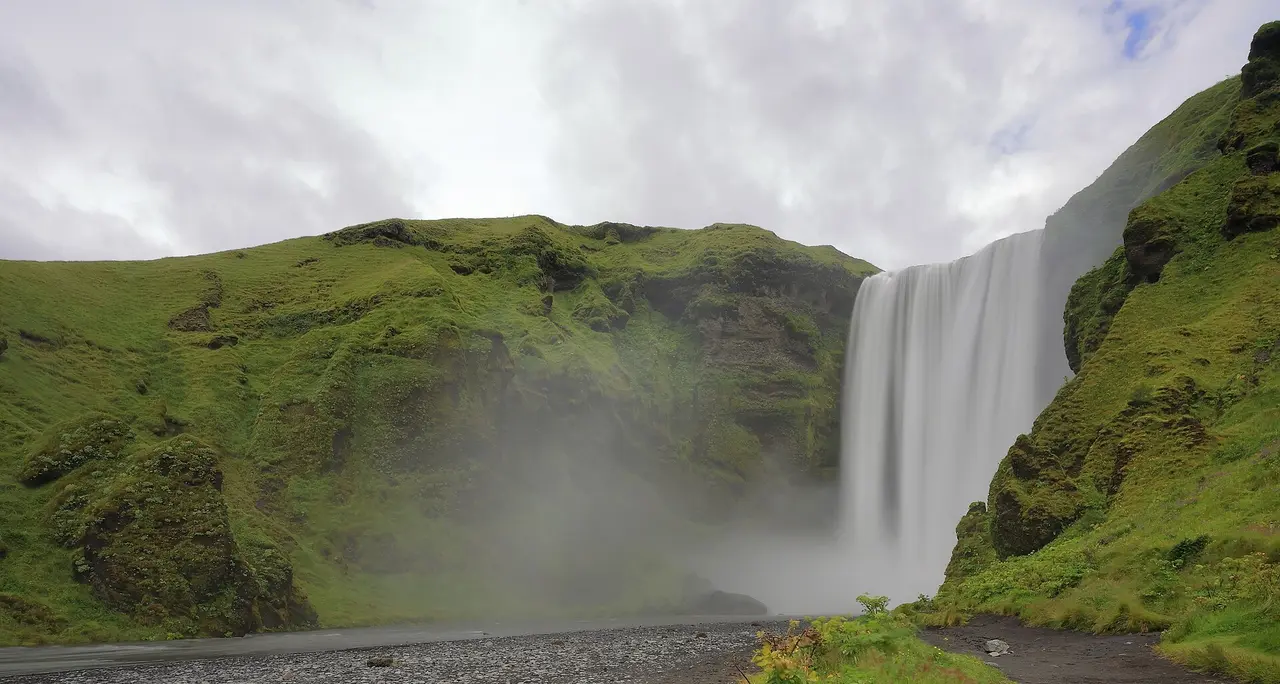
The Golden Circle, a loop of about 250 km from Reykjavík, links Þingvellir National Park, where you walk inside the rift between the North American and Eurasian plates, the Haukadalur geothermal area and Gullfoss falls. One day is enough if you leave before 8 am. The south coast then deserves two nights: Seljalandsfoss, Skógafoss, the Sólheimajökull glacier tongue, then Vík and its black beaches. At Reynisfjara, sneaker waves have already killed several visitors, so keep well back from the water even on calm days.

Vatnajökull and the Eastfjords

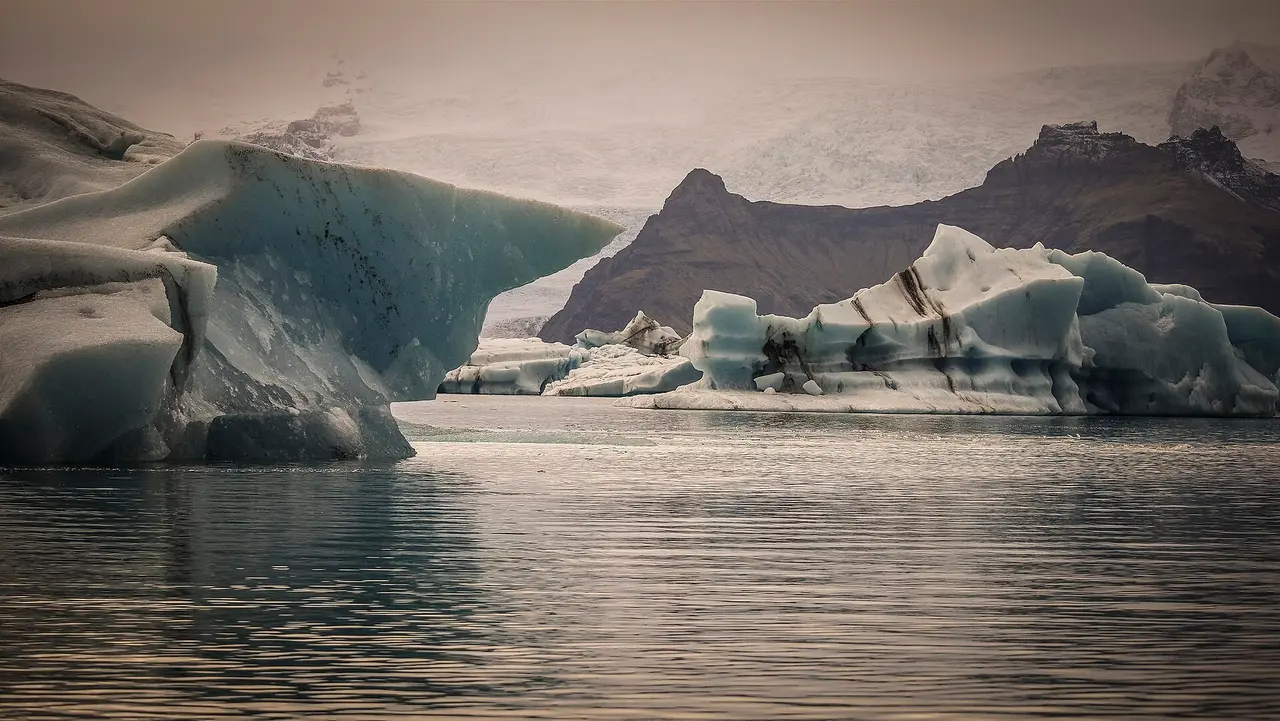
The country's largest ice cap, Vatnajökull covers about 8% of Iceland and forms the core of a national park listed by UNESCO since 2019. Skaftafell, Jökulsárlón lagoon and Diamond Beach sit roughly five hours' drive from Reykjavík, so sleep nearby for at least two nights. From November to March, guides lead the way into ice caves, which are impossible and dangerous to visit alone. Further on, the Eastfjords string together fishing villages and winding coastal roads; travelers sailing in from Denmark land at Seyðisfjörður after a crossing via the Faroe Islands.

The north around Akureyri and Lake Mývatn

Akureyri, the main town of the north, makes a base for three nights in the region. Lake Mývatn, 1 h 15 away by road, gathers fumaroles, craters and lava flows, and its nature baths cost noticeably less than Blue Lagoon for equally milky water. Húsavík, an hour further north, is the go-to harbour for humpback and minke whale watching, with the best trips from June to August. In July, pack a head net against the midges that gave the lake its name, literally the lake of flies.

The Westfjords and Snæfellsnes

The Westfjords remain the least visited part of the island: gravel roads, passes sometimes closed in winter, and a ferry, the Baldur, that saves several hours of driving from Stykkishólmur. Allow at least three nights for Dynjandi falls, the Látrabjarg puffin cliffs and the harbour town of Ísafjörður. The landscape is less dizzying than the fjords of Norway, but you can drive an hour without meeting another car. On the way, the Snæfellsnes peninsula, two and a half hours from Reykjavík, sums up the island in one day: glacier, cliffs, pebble beaches.

The highlands and the F-roads

The island's interior, a desert of lava and black sand, is only reachable in summer via the F-roads, which usually open from late June to early September depending on snowmelt. A 4x4 is mandatory, and river crossings are excluded from most rental insurance policies. The Kjölur track and the Fjallabak area are the busiest; this is where the Laugavegur trek begins, 55 km over four days from hut to hut down to Þórsmörk. Without a 4x4, highland buses serve these sites from Reykjavík in July and August.

Cities to visit in Iceland

Featured destinations appear first.

How much it costs

Per person per day, excluding international travel.
Budget
143 €/ day
2 462 € for 2 people, 7 days, return flights included
Accommodation
50 €
Food
40 €
Local transport
38 €
Sights and activities
15 €
Comfort
320 €/ day
4 940 € for 2 people, 7 days, return flights included
Accommodation
90 €
Food
75 €
Local transport
65 €
Sights and activities
90 €
Premium
620 €/ day
9 140 € for 2 people, 7 days, return flights included
Accommodation
200 €
Food
130 €
Local transport
110 €
Sights and activities
180 €
Prices checked: Prix relevés en septembre 2026 hors haute saison (mai, septembre-octobre), cadrés sur le Cercle d'or, la côte sud et la Ring Road : Numbeo Reykjavík (mise à jour du 28 août 2026) pour les repas, guides de prix Reykjavik-trip.com (21 juillet 2026) et Arctic Adventures (15 juillet 2026) pour hébergement, location de voiture, carburant et excursions. Hébergement par personne : lit en dortoir pour le profil sac à dos, chambre double partagée à deux pour les profils confort et premium. Les bus longue distance étant rares hors été, le transport suppose une voiture de location partagée à deux (citadine en sac à dos, 4x4 en confort et premium), carburant inclus. En juillet-août, hébergement et location de voiture augmentent de 50 à 70 %. Vol Paris-Reykjavík aller-retour estimé à 230 € par personne hors vacances scolaires (Transavia dès 162 €, moyenne mai 236 €, Icelandair dès 249 €, relevés momondo et Google Flights septembre 2026).

Getting there

Airports serving Iceland, from main hubs to secondary ones.
  • AEYAkureyri International AirportAkureyriMain
  • KEFKeflavik International AirportReykjavíkMain
  • BIUBildudalur AirportBildudalurSecondary
  • EGSEgilsstaðir AirportEgilsstaðirSecondary
  • GRYGrímsey AirportGrímsey/SandvíkSecondary
  • HFNHornafjörður AirportHöfnSecondary

Entry, health and safety

For FR travellers

Entry requirements

No visa for a tourist stay

L'Islande fait partie de l'espace Schengen : les ressortissants français y circulent librement pour un séjour de moins de trois mois avec une carte nationale d'identité ou un passeport valides pendant tout le séjour. Au-delà de trois mois, inscription obligatoire auprès du Registre national islandais.

Stay allowed for up to 90 days.

Health

Advised: Mise à jour des vaccinations du calendrier français, en particulier diphtérie, tétanos, poliomyélite, coqueluche et rougeole.

Aucun vaccin obligatoire à l'entrée. Supplémentation en vitamine D recommandée lors des longs séjours d'hiver, faute de lumière. Carte européenne d'assurance maladie à demander au moins 15 jours avant le départ. Vigilance normale sur tout le territoire, avec des éruptions volcaniques possibles, parfois sans préavis, dans le sud et sur la péninsule de Reykjanes.

Safety

Normal precautions

Emergency

112

Checked in septembre 2026 against the official source. Entry rules change: check the official source before you travel, it alone is authoritative.

Iceland in pictures

Photo credits : Martin Falbisoner, CC BY-SA 4.0, Wikimedia Commons ; Marine SABRES, CC BY 4.0, Wikimedia Commons ; Jakub Hałun, CC BY-SA 4.0, Wikimedia Commons ; Jakub Hałun, CC BY 4.0, Wikimedia Commons ; Olga Ernst, CC BY-SA 4.0, Wikimedia Commons

Not to miss

Nine sites that justify the trip on their own, from the southwest to the highlands.

Þingvellir National Park

Site of a parliament founded in 930 and an open-air tectonic rift, UNESCO-listed, where you can also snorkel the glacial water of Silfra.

Jökulsárlón lagoon

Icebergs calved from the Breiðamerkurjökull glacier drift out to sea, then wash up on the black sand of Diamond Beach just across the road.

Strokkur geyser

A column of boiling water bursting every five to ten minutes in the Haukadalur valley, next to the Great Geysir, now almost dormant.

Seljalandsfoss waterfall

A 60-metre waterfall with a path running behind it, so bring a waterproof jacket whatever the season you visit.

Dettifoss waterfall

Europe's most powerful waterfall by volume, fed by Vatnajökull meltwater, reachable from the west or east bank depending on your route.

Kirkjufell mountain

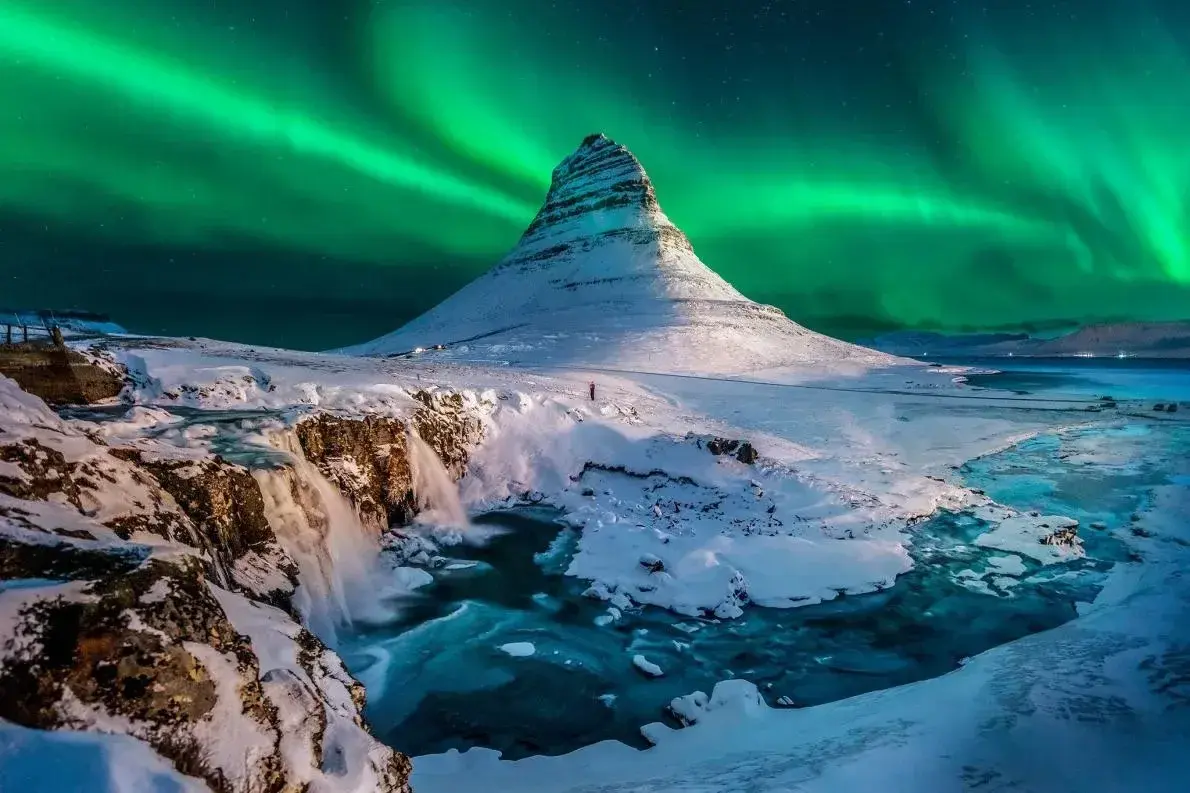
The cone-shaped peak of Snæfellsnes, now the most photographed view in the country, especially at sunrise or under the northern lights.

Landmannalaugar

Ochre, green and pink rhyolite mountains with a natural hot pool at base camp, reachable only in summer by F-road or highland bus.

Northern lights

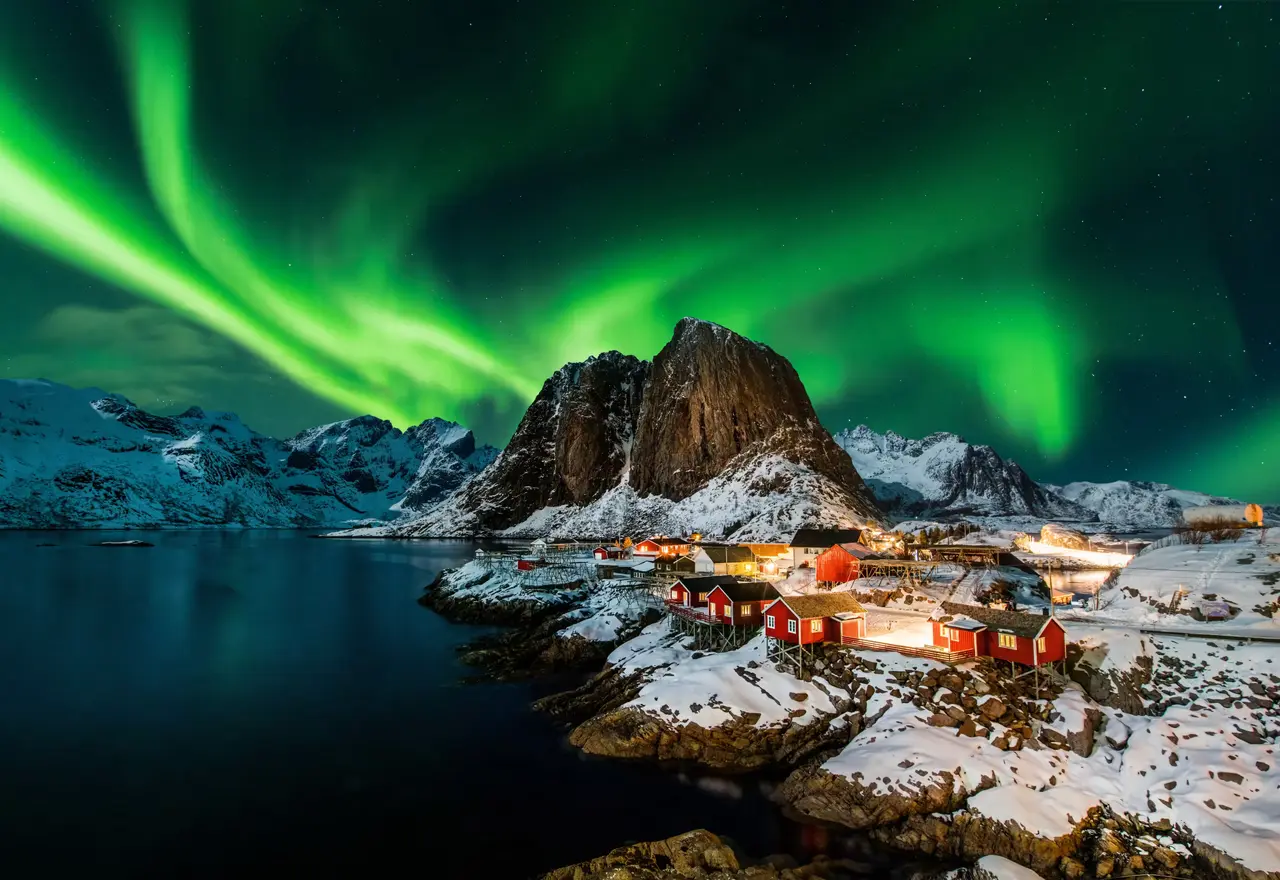
Visible from September to April on clear nights, even from the countryside twenty minutes outside Reykjavík, far from any light pollution.

Blue Lagoon

Milky water at about 38 degrees in the middle of a lava field, booked by time slot, with opening subject to nearby volcanic activity.

Practical information

Currency
Icelandic krona (ISK), cards are accepted everywhere, even for a coffee
Time zone
UTC+0 all year, one hour behind Paris in winter and two in summer
Fuel
Stations are often unmanned and need a card with a PIN, refill at half a tank
Off-road driving
Banned everywhere, with heavy fines, damaged moss takes decades to grow back
Road conditions
Check road.is and safetravel.is every morning, especially October to April
Pools and lagoons
Naked, soaped shower required before bathing, and staff do check
Tap water
Cold water is safe and excellent, hot water smells of sulphur as it is geothermal
Alcohol
Sold only in state-run Vínbúðin stores, with short opening hours and heavy taxes

Similar destinations

Other countries you might like as much as Iceland.

Similar regions

Other regions you might like as much as Iceland.

Frequently asked questions

Can you drive the Ring Road in winter?
It is possible but risky over 10 days: storms regularly close stretches in the north and the Eastfjords, and December brings only four to five hours of daylight. For a first winter trip, stay in the southwest and keep spare days in your schedule.
Do you need a 4x4 to travel in Iceland?
Not for Route 1, the Golden Circle or Snæfellsnes in summer, where a regular car is enough. A 4x4 becomes mandatory on the highland F-roads, and is strongly advised from November to March for snow and ice away from the south coast.
Is Blue Lagoon open despite the eruptions near Grindavík?
It reopens between eruptive episodes, but can be evacuated or closed within hours when activity resumes on the Reykjanes peninsula. Book a flexible ticket and check safetravel.is the day before. Sky Lagoon, inside Reykjavík, makes a good fallback option.
Where and when can you see puffins in Iceland?
Puffins nest on the cliffs from May to around mid-August. The best spots are Látrabjarg in the Westfjords, the Westman Islands off the south coast and Borgarfjörður eystri in the east, where viewing platforms let you get close without disturbing them.
How much does a week in Iceland cost?
Outside summer, expect about 143 euros per person per day in a dorm with a shared car, 320 euros in comfort with one tour a day and 620 euros at premium level. For two people, flights from Paris included, a budget week comes to about 2,500 euros.
Iceland or Lapland for the northern lights?
Iceland offers more varied scenery under the auroras, but skies are often clouded by Atlantic lows. The Lapland of Finland, more continental, has clearer and colder nights: better sighting odds, but more uniform backdrops of snowy forest.
Can you sleep in your van anywhere in Iceland?
No, since 2015 campervans, converted vans and trailer tents must spend the night at a campsite or with the landowner's permission. Fines are common along the south coast. Most campsites open from May to September, so plan winter nights in guesthouses instead.

Plan your trip to Iceland

Day-by-day itinerary, budget, bookings and packing in a single app.
Aperçu de l'application PlanTripNow