Visit Saint-Pierre-et-Miquelon: when to go and how to get there

The only French territory in North America, the Saint-Pierre-et-Miquelon archipelago lies off Newfoundland: colourful wooden houses, frequent fog, a sand isthmus between Miquelon and Langlade and the area's largest seal colony. People go mostly in July and August.

Why visit Saint-Pierre-et-Miquelon?

Saint-Pierre-et-Miquelon is a French collectivity in the North Atlantic, a remnant of France's colonial empire in America. Part of France, with the euro, French plugs and the baguette, yet an hour by boat from English-speaking Canada, the archipelago offers a unique contrast, a preserved subarctic nature and a history tied to cod fishing and American Prohibition.

What is there to discover in Saint-Pierre-et-Miquelon?

Saint-Pierre, the town

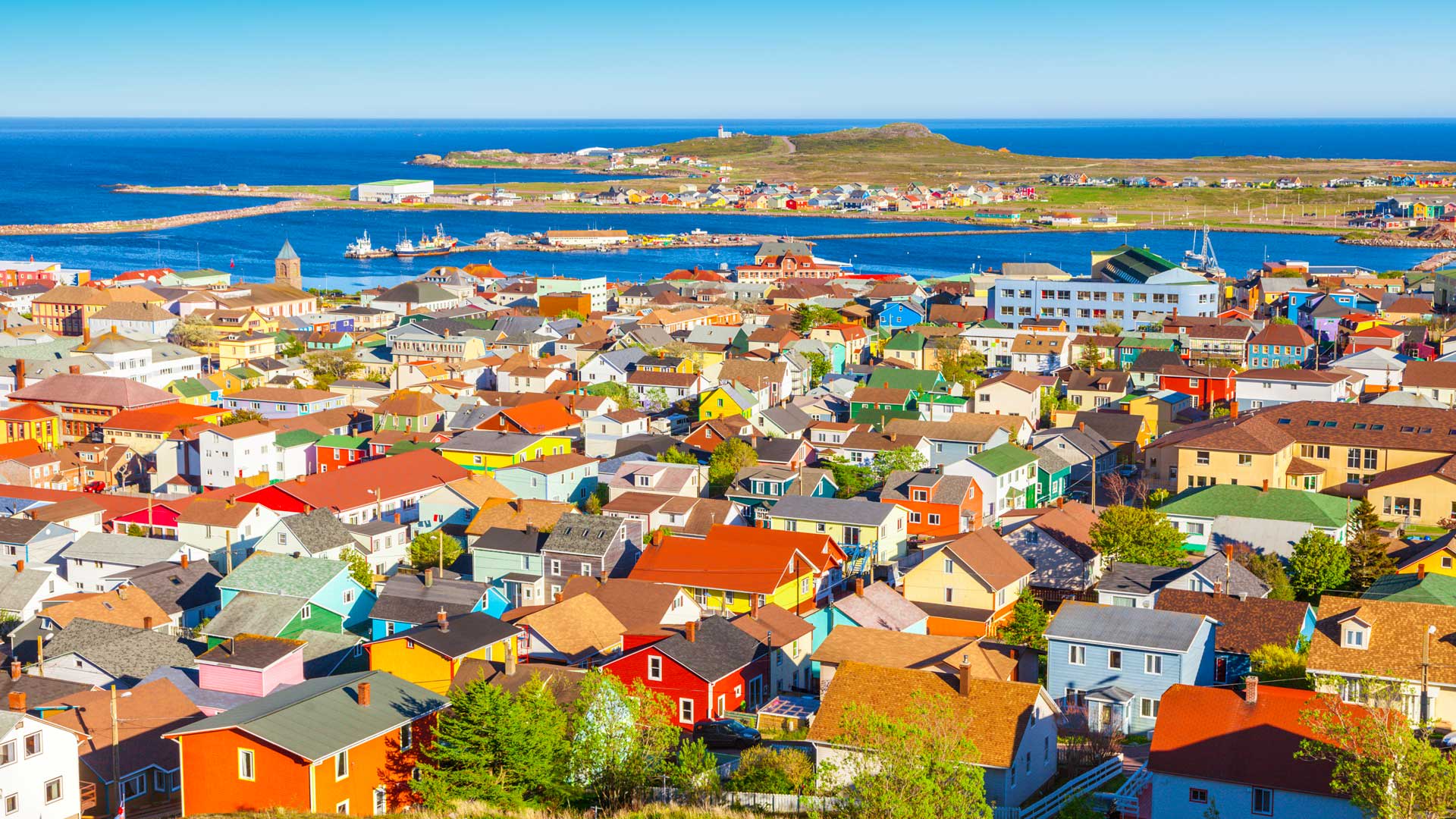
The most populated island holds the services and the French atmosphere. Its streets line up brightly coloured wooden houses, around the cathedral, the Arche museum and the Heritage museum. The Pointe aux Canons lighthouse guards the harbour entrance. You sample a blended cuisine, French, Basque and Acadian, and the archipelago is still marked by the years of alcohol smuggling to the United States, from 1920 to 1933.

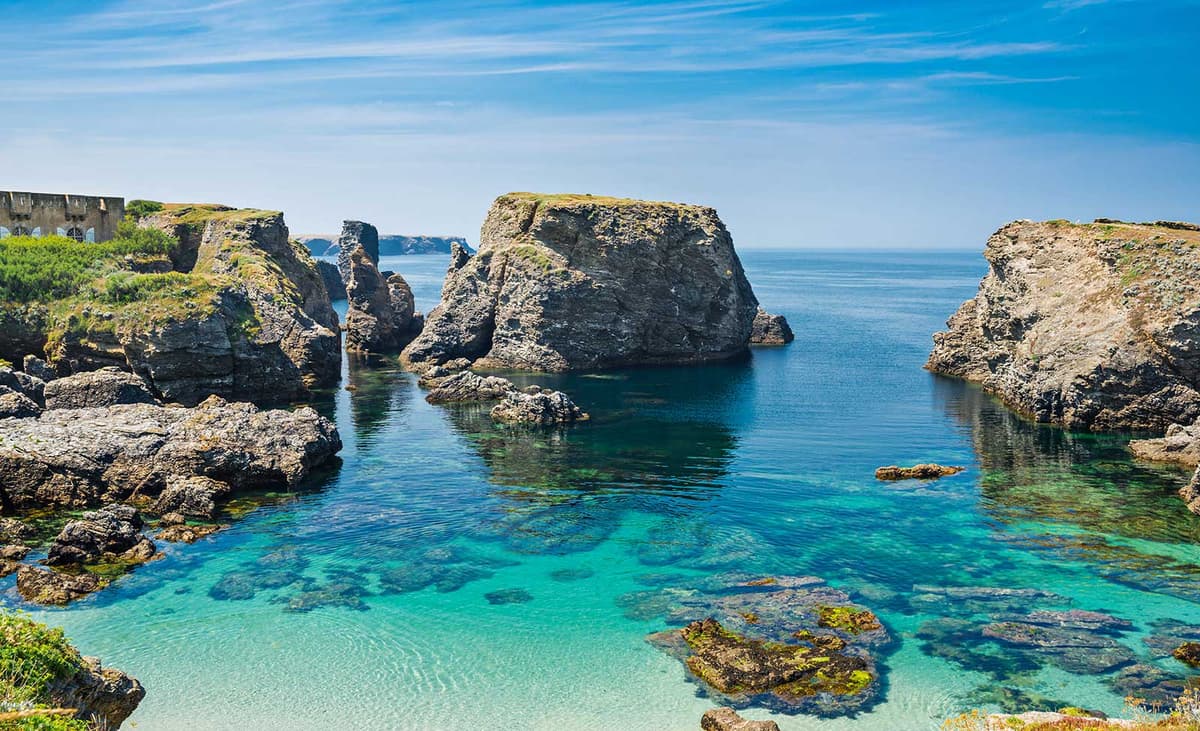
The frozen village of Ile-aux-Marins

Ten minutes by boat from Saint-Pierre, this small island has been uninhabited since 1965. The village has been left as it was: the church, the old school turned museum, the fishermen's houses and the cemetery facing the ocean. The rusted wreck of the trawler Transpacific has lain on the rocks since 1971. A trail loops around it in two hours; a few houses can be rented for the night.

Miquelon, Langlade and the isthmus

Miquelon and Langlade, long two islands, have been linked since the 18th century by a twelve-kilometre sand isthmus, formed by currents and shipwrecks. The village of Miquelon has a few hundred residents; Langlade, with no road and no electricity, is covered in boreal forest, peat bogs and waterfalls. Feral horses roam free there, and the Cap Blanc lighthouse stands over swell-battered cliffs.

The Grand Barachois and the wildlife

At the heart of the isthmus, the Grand Barachois lagoon shelters the archipelago's largest seal colony, harbour and grey seals, watched by kayak or zodiac on a favourable tide, but never approached too closely. Offshore, humpback and fin whales pass from June to September, sometimes seen from the coast path. The archipelago is also a major stopover for North Atlantic migrating birds, and puffins nest in dense colonies on the outer islets.

Cities to visit in Saint Pierre and Miquelon

Featured destinations appear first.
Coming soon.

Saint Pierre and Miquelon in pictures

Saint-Pierre-et-Miquelon highlights

Ten sites covering the town, the memory of fishing and the subarctic nature.

Central Saint-Pierre

Streets lined with brightly coloured wooden houses, Place du General-de-Gaulle, a cathedral rebuilt after the 1902 fire.

Pointe aux Canons lighthouse

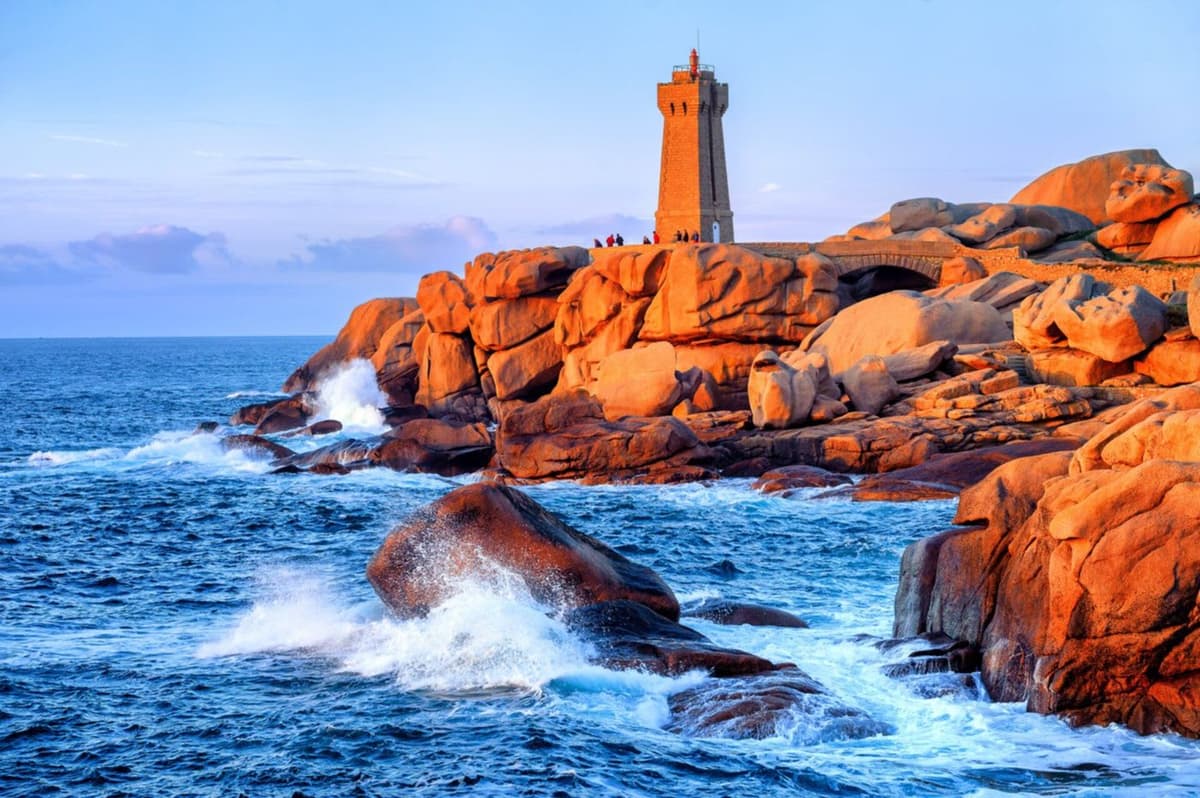
A small red-and-white banded lighthouse guarding the entrance to Saint-Pierre harbour, with a 19th-century cannon battery.

Arche Museum

The archipelago's history museum: cod fishing, the deportation of the Acadians, a rare surviving guillotine and the Prohibition years.

Ile-aux-Marins

A fishing village abandoned in 1965, kept as it was with its church, school-museum, wreck and seaside cemetery.

Miquelon-Langlade isthmus

A 12-kilometre sand strip linking two former islands, edged with dunes, lagoons and sand-buried wrecks.

Grand Barachois

A closed lagoon in the middle of the isthmus, sheltering the archipelago's largest seal colony, visible at low tide.

Cap Blanc

Steep cliffs at the northern tip of Miquelon, often in the fog, with a lighthouse and seabird colonies.

Langlade forest

A boreal forest of fir and spruce, peat bogs and waterfalls on an island with no road and no permanent resident.

Feral horses of Langlade

Descendants of draught horses left free, they live in small groups on the dunes and meadows of Langlade.

Ferry to Fortune

A sea link to Newfoundland, in Canada, in an hour: a passport is required, with an immediate change of language and currency.

Similar regions

Other regions you might like as much as Saint Pierre and Miquelon.

Similar destinations

Other countries you might like as much as Saint Pierre and Miquelon.

Frequently asked questions about Saint-Pierre-et-Miquelon

How do you get to Saint-Pierre-et-Miquelon?
By plane with Air Saint-Pierre from Montreal, Halifax or St John's, Newfoundland, with a seasonal direct link from Paris in some years. From mainland France you almost always transit through Canada, so plan for a Canadian eTA and a passport.
Do you need a passport and an eTA for Saint-Pierre-et-Miquelon?
An identity card is enough for the archipelago itself, but passing or transiting through Canada, almost unavoidable, requires a passport and a Canadian Electronic Travel Authorisation, applied for online before departure. A passport is also required for the ferry to Newfoundland.
What is the best time to visit Saint-Pierre-et-Miquelon?
July and August, the only really mild months, with the boat links active and whales offshore. August is the brightest; June and July, despite the mildness, are marked by near-daily fog.
How many days to visit the archipelago?
Three days are enough for Saint-Pierre and Ile-aux-Marins. Allow five days to add Miquelon, Langlade and the Grand Barachois, and a week to account for boat delays and a getaway to Newfoundland.
Can you go to Newfoundland from Saint-Pierre?
Yes, a ferry links Saint-Pierre to Fortune, on the Burin peninsula, in about an hour, from April to December. It is a complete change of scene: English, Canadian dollars, and access to the south coast of Newfoundland by rental car.
What is Ile-aux-Marins?
A small island at the entrance to Saint-Pierre harbour, home to fishing families until 1965, then deserted. The village is still standing and freely visited: church, school turned museum, empty houses and a cemetery facing the ocean.
Is the euro used in Saint-Pierre-et-Miquelon?
Yes, the euro is the official currency, with notes and coins identical to those of mainland France. The Canadian dollar is accepted in most shops, often at an unfavourable rate; it is better to withdraw euros on site.

Plan your trip to Saint Pierre and Miquelon

Day-by-day itinerary, budget, bookings and packing in a single app.
Aperçu de l'application PlanTripNow