Skip to content

Travel to Scandinavia: fjords and northern lights

From Norwegian fjords to Lapland's forests, Scandinavia combines spectacular landscapes with two opposite seasonal experiences, winter northern lights and summer midnight sun. A region with a high cost of living, which often requires adjusting the length of stay to a sizeable daily budget.
  • 5 countries

Why travel to Scandinavia?

The region combines some of the world's most spectacular fjords, rare natural phenomena like the northern lights, and a local quality of life often cited as a global example. Norway remains the most requested destination for its landscapes, while Finland draws more visitors for aurora watching in Lapland.

What to discover in Scandinavia?

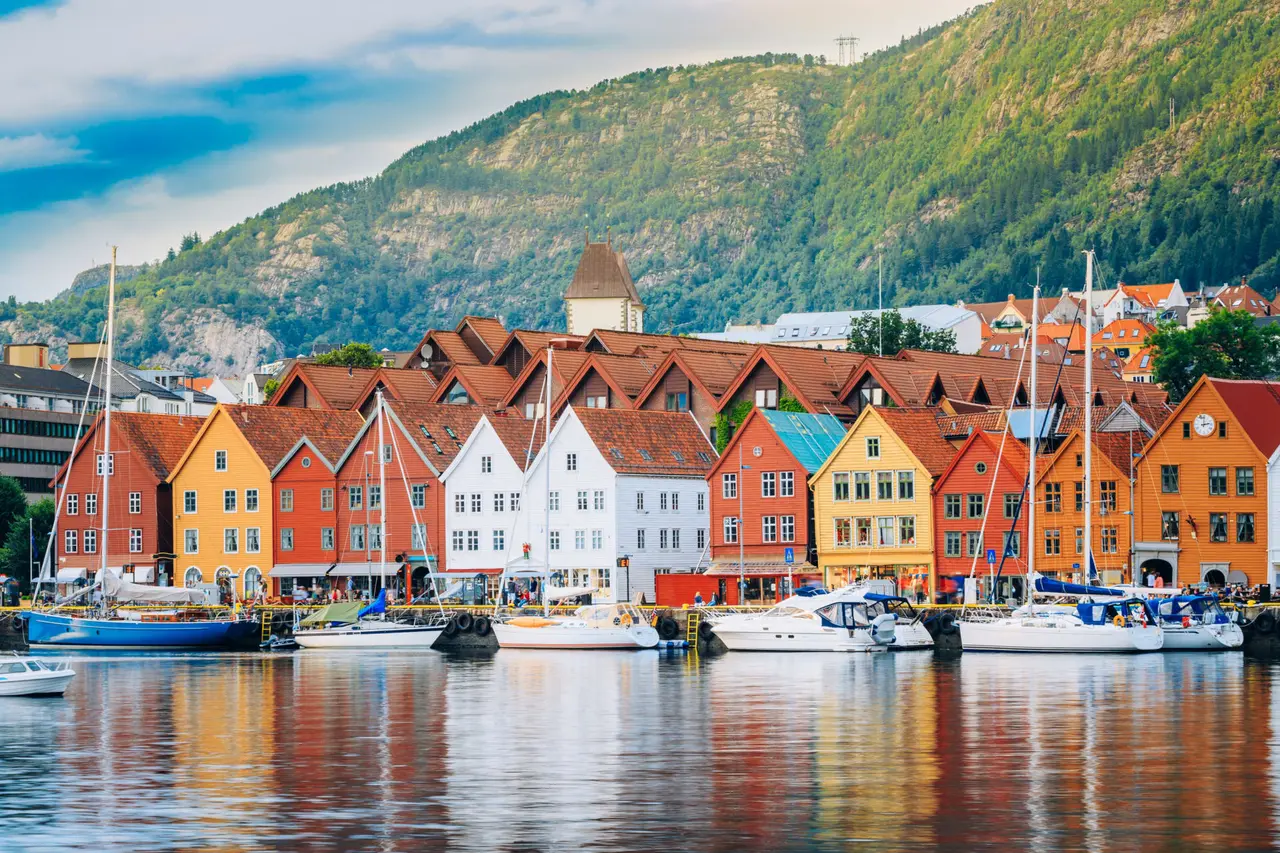
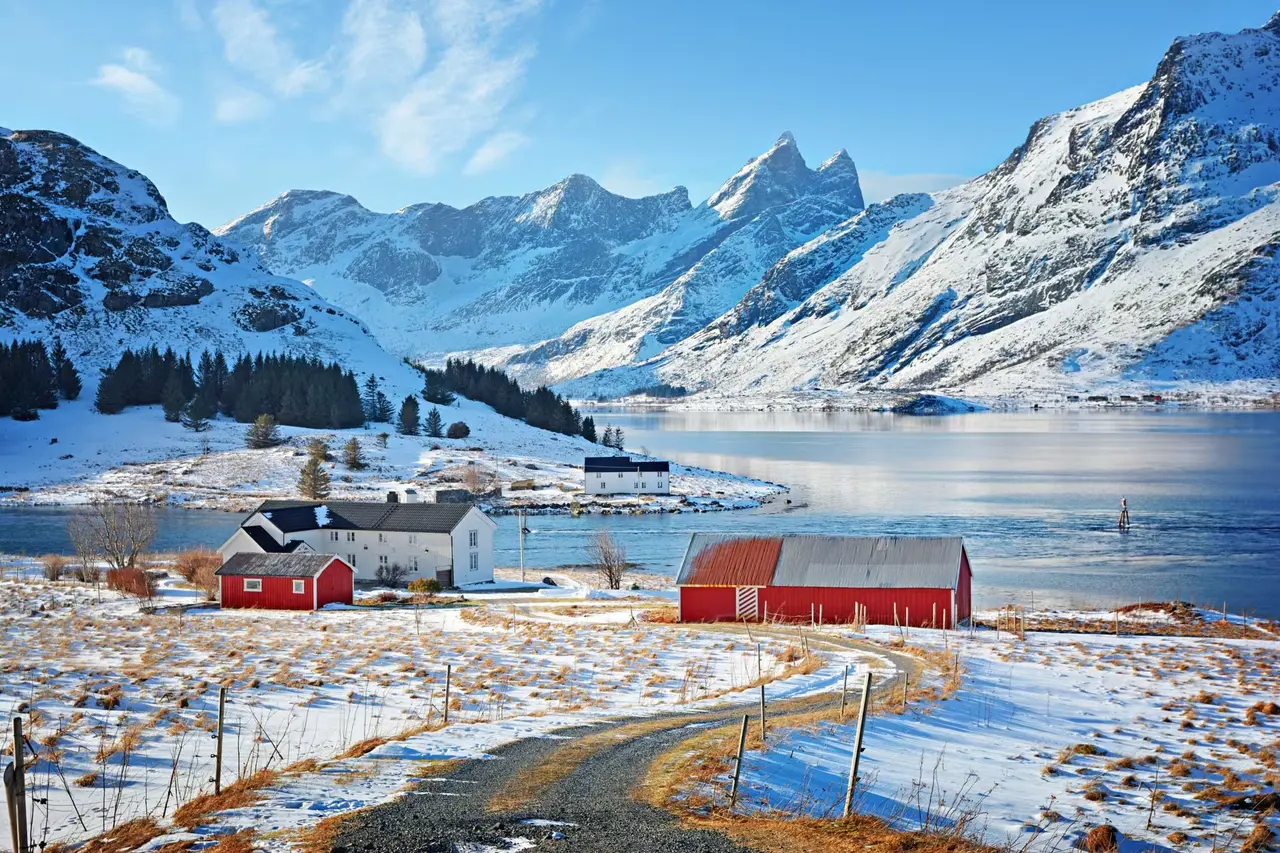
The Norwegian fjords

Geirangerfjord and Nærøyfjord, both UNESCO listed, remain the country's most photographed fjords, accessible by ferry or coastal cruise from Bergen or Ålesund. The Flåm railway, considered one of the most beautiful train journeys in the world, rounds out a classic 7 to 10-day circuit between mountains and deep sea inlets. Summer, June to August, remains the most practicable period, winter making some mountain roads impassable without specific equipment.
Lapland and the northern lights

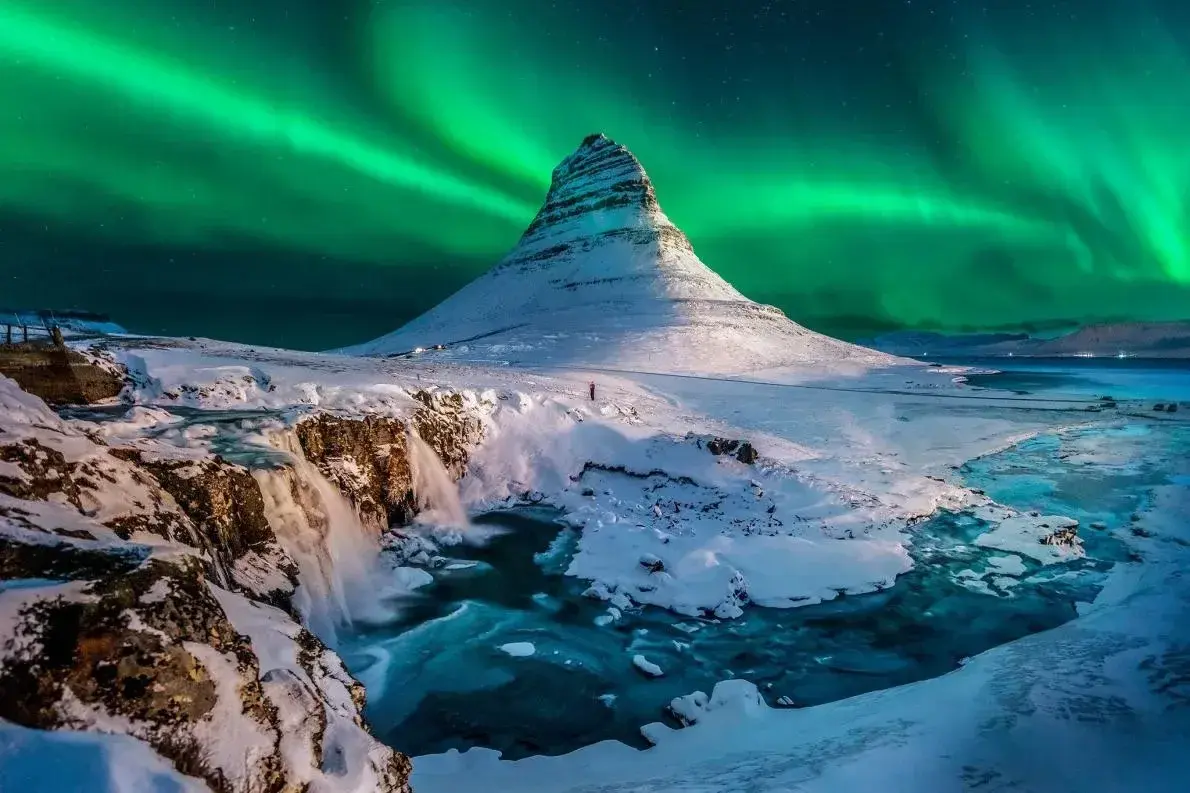
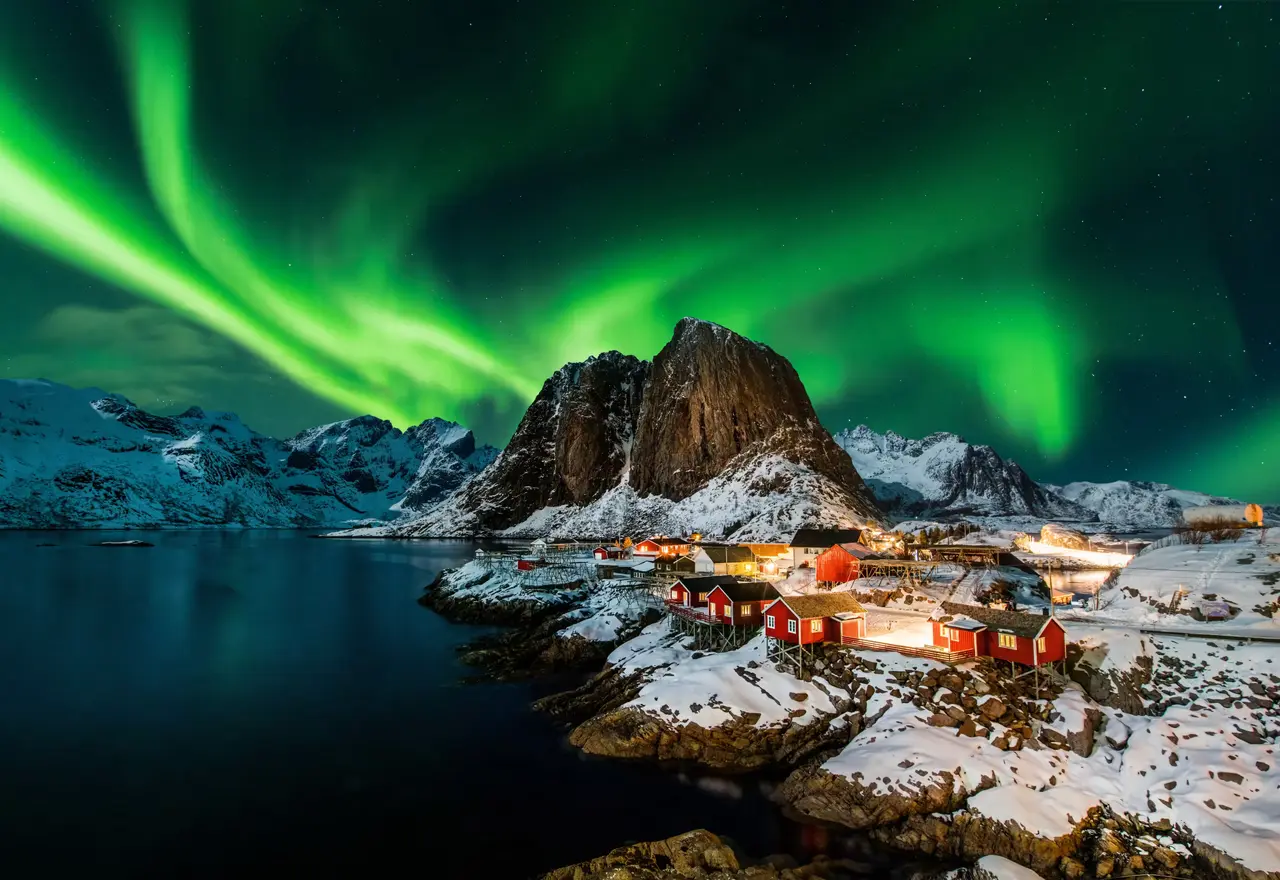
Rovaniemi in Finland and Tromsø in Norway remain the most accessible starting points for watching the northern lights, with a favorable period running from September to March depending on that season's solar activity. Nights in a glass igloo or a traditional Sami cabin round out a rare winter experience, provided proper thermal gear is packed for temperatures sometimes below -20°C.

Sweden, between capital and archipelago

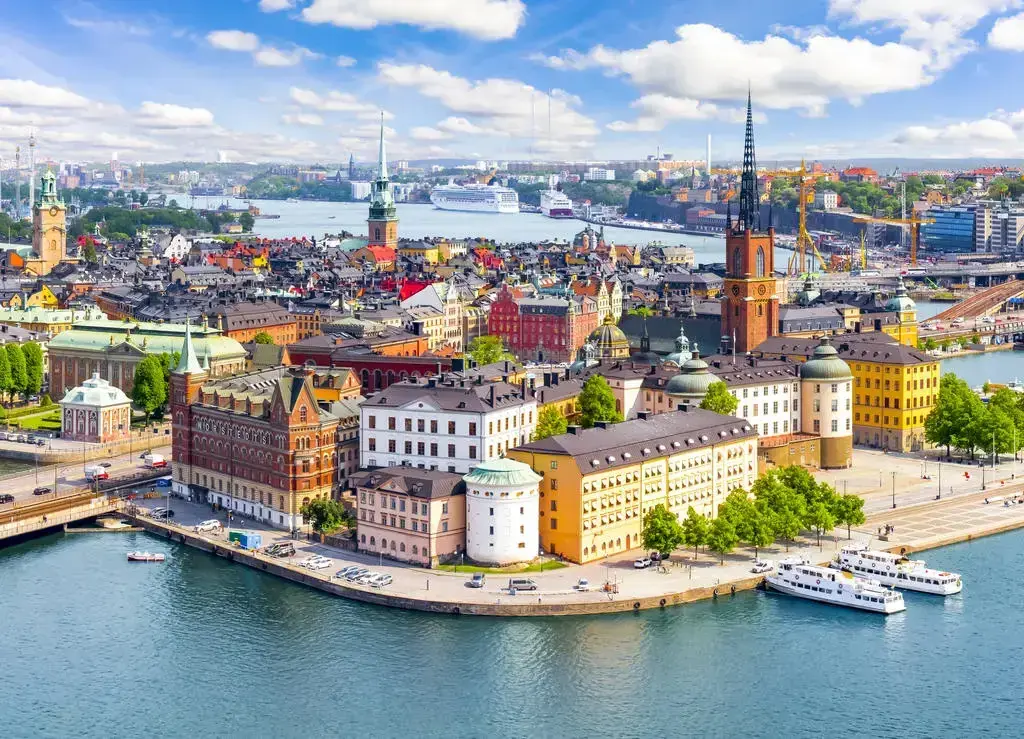
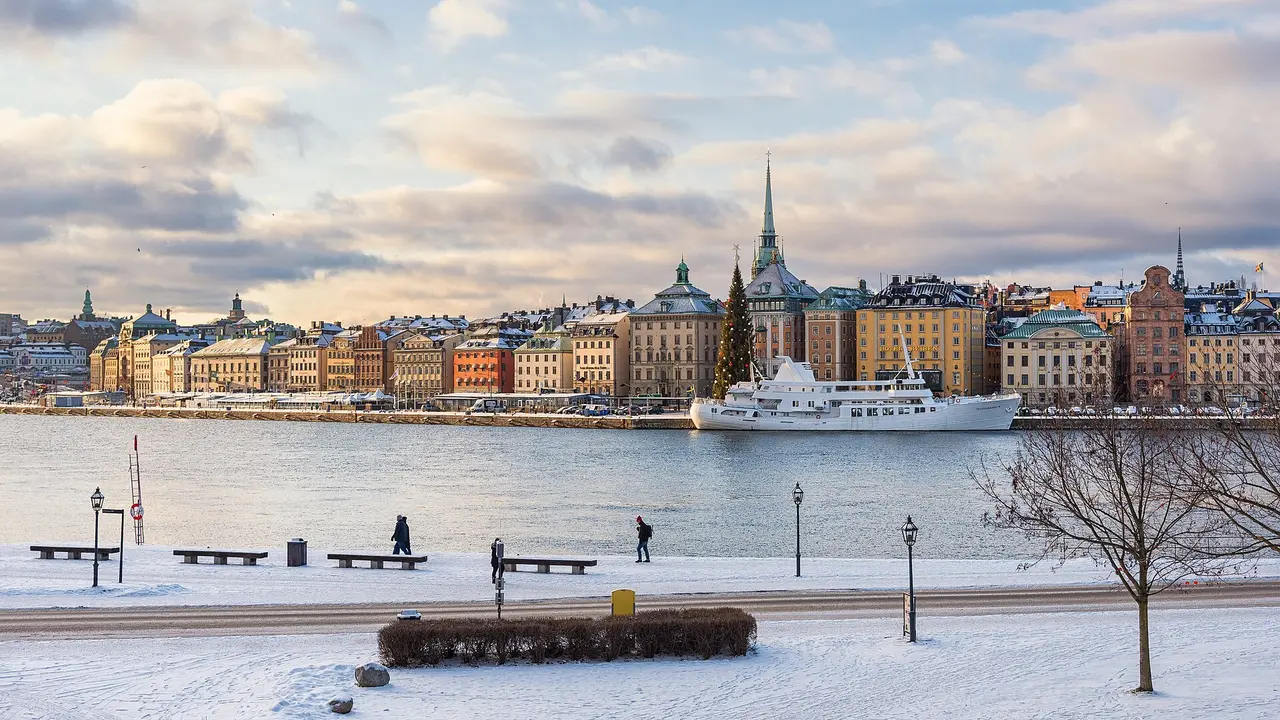
Stockholm, built across several islands connected by bridges, offers dense architectural heritage and direct access to the surrounding archipelago, made up of over 30000 small natural islands and rocky islets scattered offshore. The fika break, a social moment around coffee and a cinnamon pastry, remains a genuine Swedish cultural institution not to be missed during any stay in the country.

The summer midnight sun

North of the Arctic Circle, the sun does not set for several weeks in the height of summer, offering days of hiking or fishing at hours that would normally be nighttime elsewhere on Earth. This unique experience attracts travelers seeking a completely different rhythm, although adjusting to sleep without darkness can sometimes prove difficult during the very first few days.

Budget and trip planning

Cost of living remains structurally high across the whole region, Norway ranking among Europe's most expensive countries for daily dining and accommodation costs for travelers overall today still, without much exception ever found. Many travelers limit the length of their stay or favor camping and youth hostels to offset rates that often run twice the current European average, sometimes even more in remote areas.

Countries of Scandinavia

Norway, Sweden, Finland, Denmark: explore the Nordic destinations.

Cities to visit in Scandinavia

Featured destinations appear first.

Scandinavia in pictures

Regional highlights

What defines a trip to Scandinavia.

Geirangerfjord

UNESCO-listed Norwegian fjord, among the country's most photographed.

Northern lights

Luminous phenomenon observable in Lapland from September to March.

Flåm railway

Panoramic Norwegian train journey, among the world's most beautiful.

Stockholm archipelago

Over 30000 islands surrounding the Swedish capital.

Glass igloo

Finnish accommodation allowing aurora watching from your own bed.

Midnight sun

Continuous daylight north of the Arctic Circle in high summer.

Dog sledding

Traditional winter activity practiced in Swedish and Finnish Lapland.

Practical info

Cost of living
High, often twice the European average
Best season, fjords
June to August for full road access
Best season, auroras
September to March, long dark nights
Currency
Norwegian, Swedish or Danish krone by country
Time difference
None with France, same time zone
Winter gear
Thermal clothing essential below -20°C in Lapland

Frequently asked questions

What's the best time to see the northern lights?
The period from September to March remains the most favorable, with nights long and dark enough, provided the sky stays clear far from any surrounding urban light pollution nearby that evening.
Is Scandinavia an expensive destination?
Yes, structurally so, Norway ranking among Europe's most expensive countries for daily dining and accommodation, often twice as costly as the wider European continental average overall today still and beyond.
Do you need special gear to see the aurora in Lapland?
Yes, suitable thermal clothing remains essential, temperatures sometimes dropping below -20°C at night during the best viewing periods between December and February each very cold Nordic winter season there indeed.
How many days should you plan for the Norwegian fjords?
Budget 7 to 10 days to combine Geirangerfjord, Nærøyfjord and the Flåm railway without excessive daily transport, a comfortable pace to enjoy the scenery without ever rushing at all through it.
When can you see the midnight sun in Scandinavia?
The phenomenon occurs in summer, generally June to July north of the Arctic Circle, offering several consecutive weeks with no visible sunset in the sky at any single point at all.
What is the Swedish fika break?
It's a Swedish social moment around coffee and a pastry, often cinnamon-flavored, practiced daily at work and with family alike, and considered a genuine cultural institution across the whole country.

Explore the other continents

Continue your trip around the world and discover more destinations.

Ready to explore Scandinavia?

Compare Norway, Sweden and Finland, plan your circuit between fjords and northern lights, create your itinerary and manage your whole trip in a single app.
Aperçu de l'application PlanTripNow