Greece

From Athens to the Cyclades, from ancient temples to turquoise beaches, Greece blends thousand-year-old history, dream islands and Mediterranean art of living. A unique heritage and legendary hospitality.

Why visit Greece?

Greece appeals with its ancient sites, paradise islands and hospitality. Birthplace of Western civilization, it offers temples, turquoise beaches and picturesque villages, for a trip between history and Mediterranean relaxation.

What to discover in Greece?

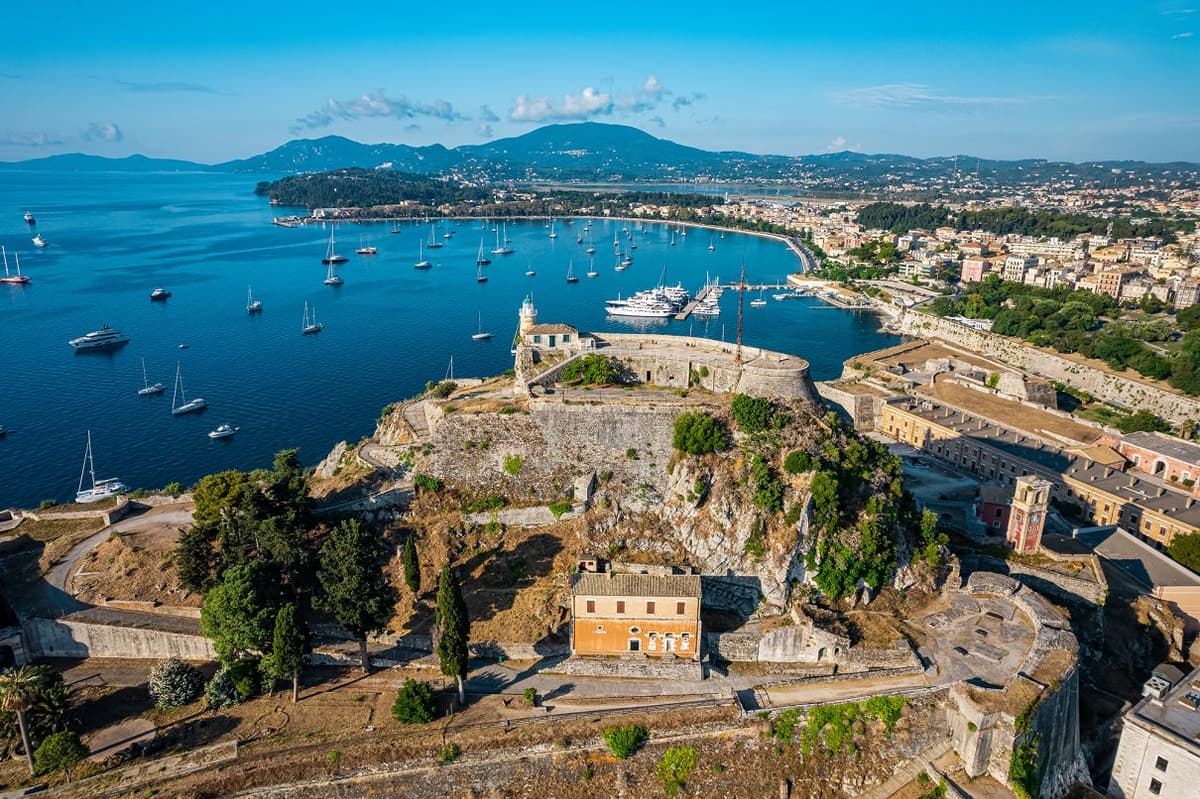
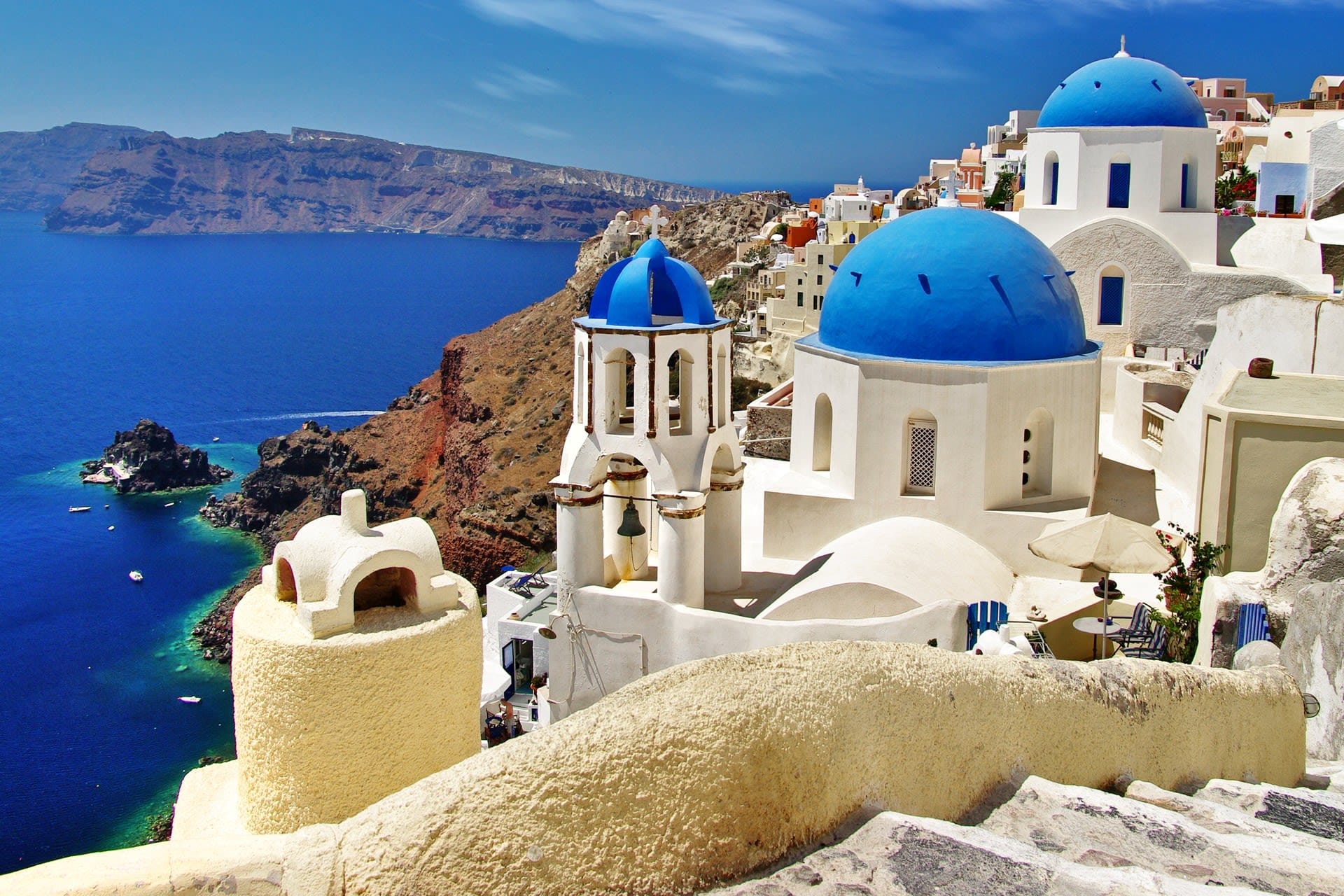
Greece is a destination where history and the sea meet. Athens, crowned by the Acropolis, reveals major ancient heritage, while Delphi and Olympia recall the birthplace of Western civilization. It is also the land of islands: Santorini and its sunsets, Mykonos and its nightlife, Crete and its varied landscapes.
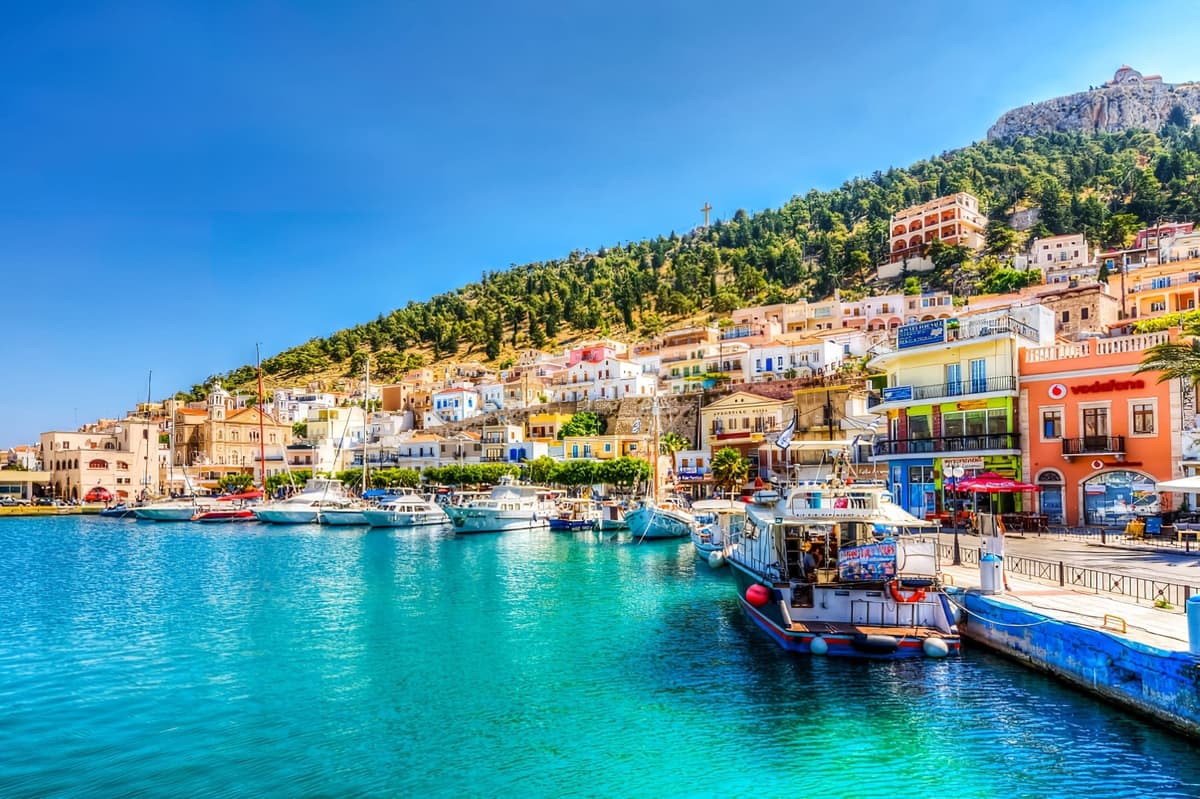
The Cyclades, the Ionian Islands and the Dodecanese offer turquoise beaches, white villages and a peaceful atmosphere. The Mediterranean cuisine, based on olive oil, fish and fresh produce, is savoured by the sea. Between UNESCO-listed archaeological sites, hiking, beaches and warm hospitality, Greece lets you combine culture and relaxation. Ideal from April to October, it appeals to history lovers as well as travellers seeking sun and islands.

Cities to visit in Greece

Featured destinations appear first.
Coming soon.

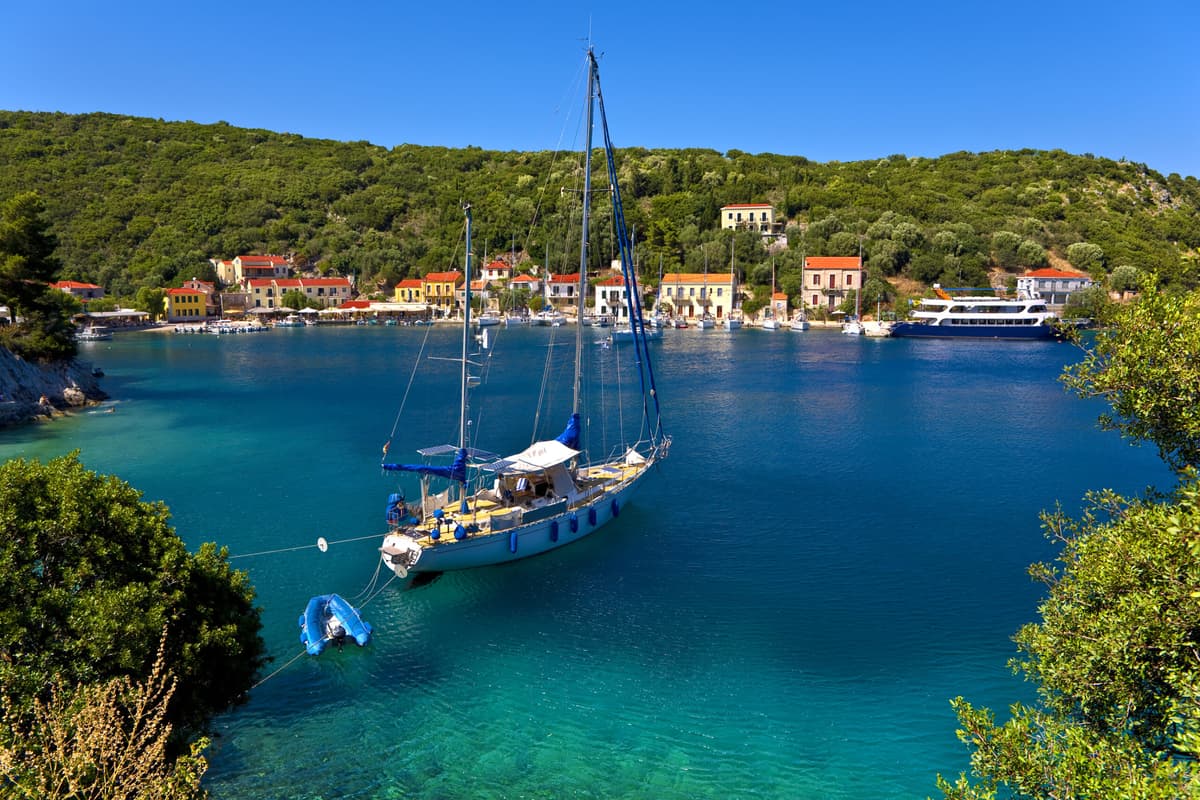
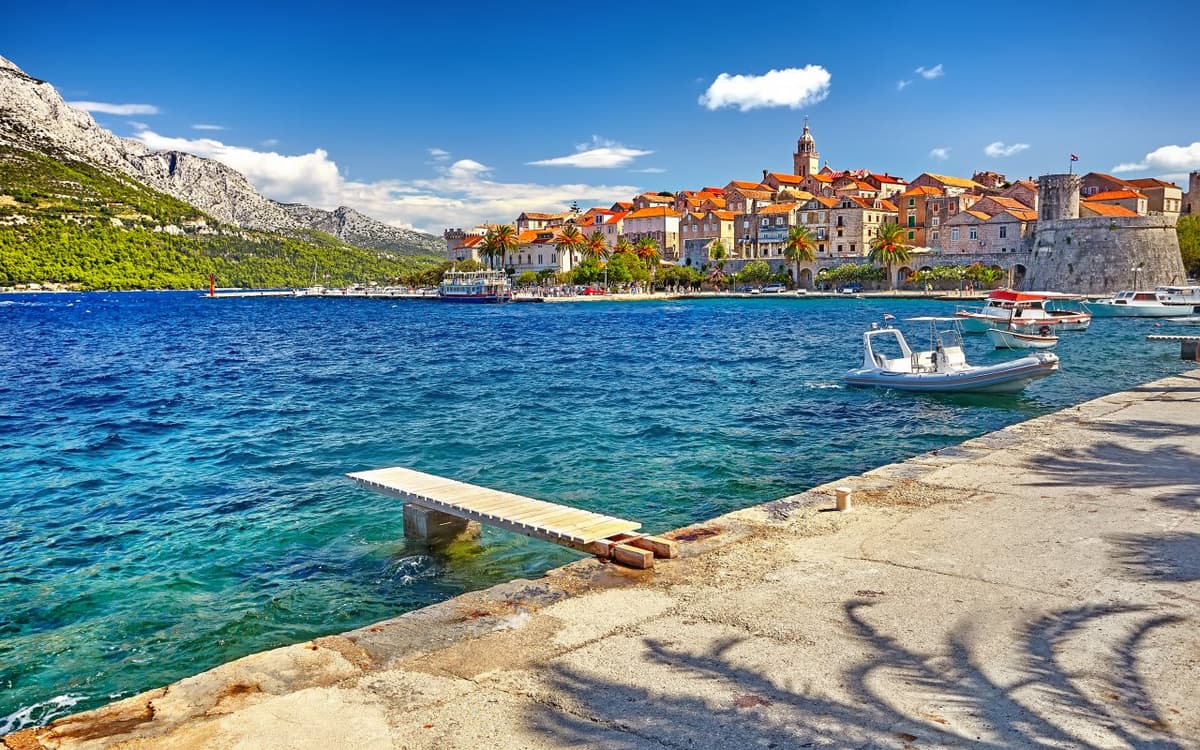
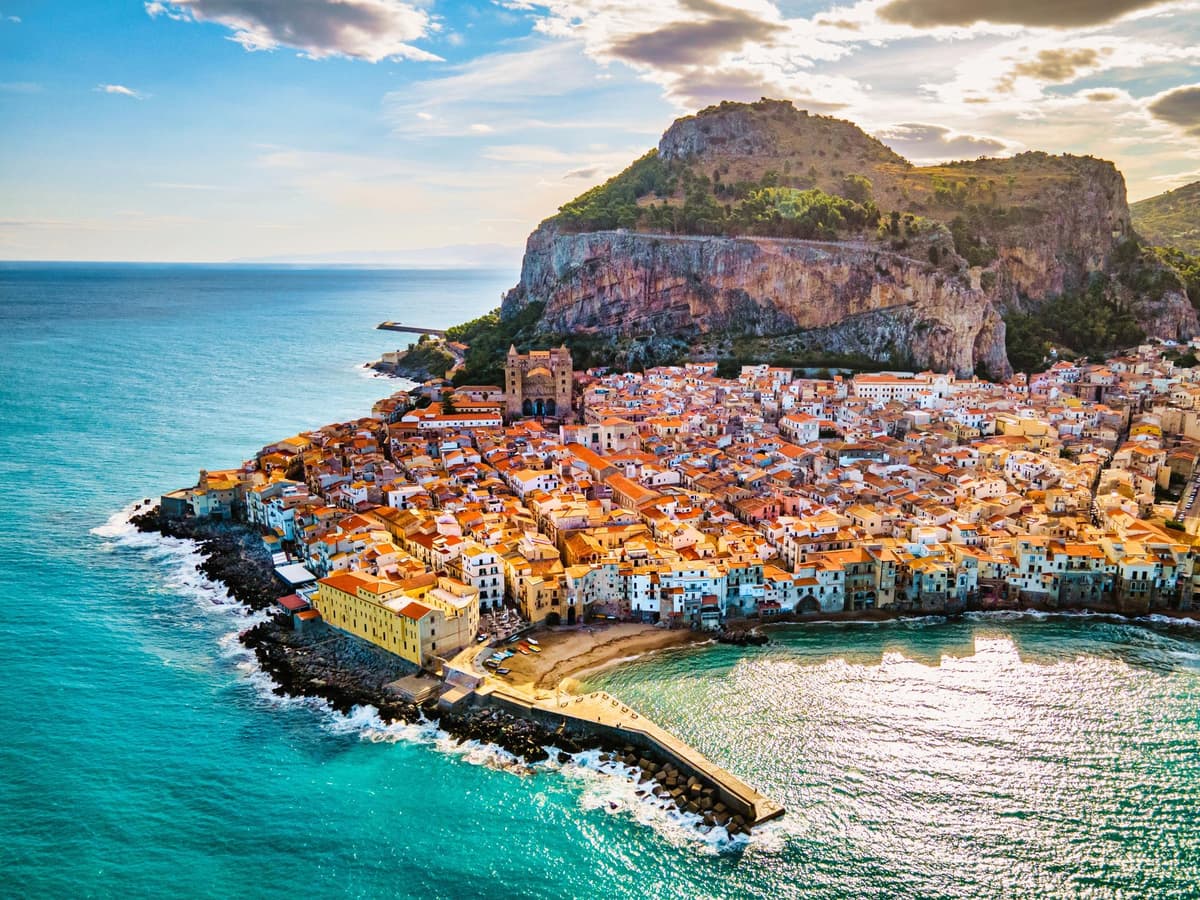
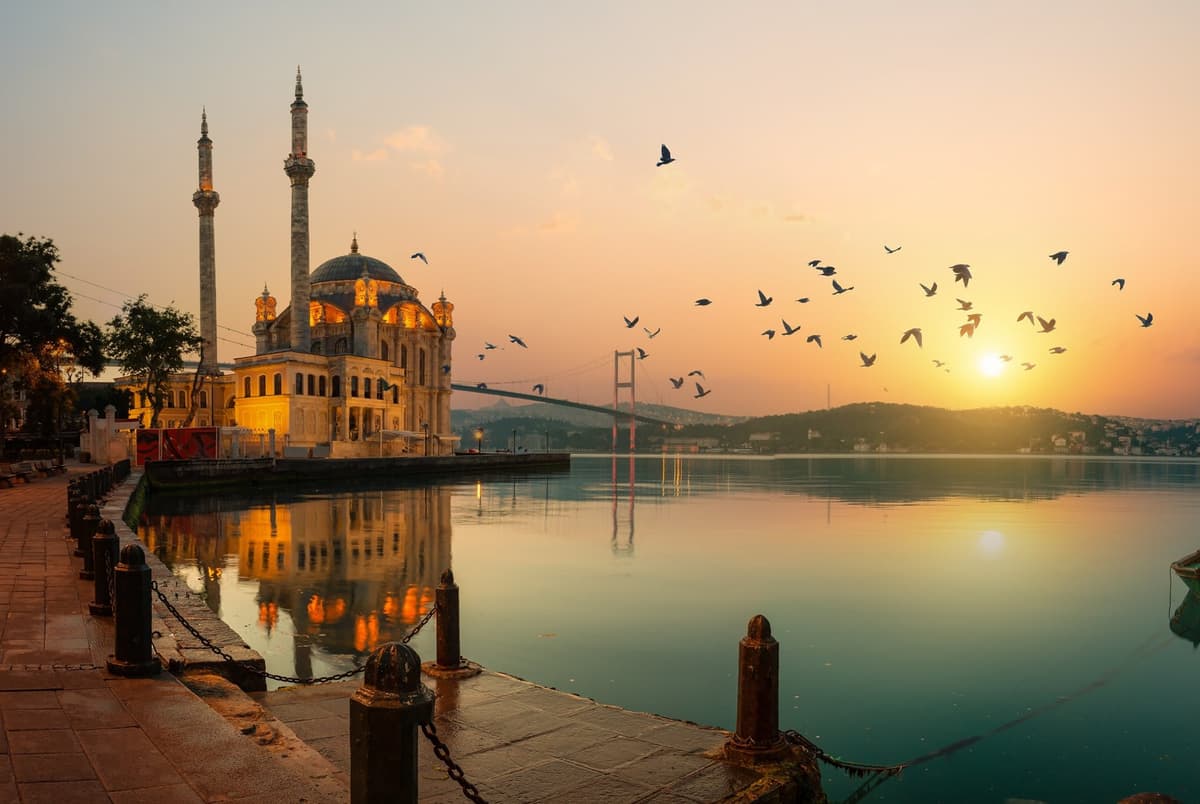
Greece in pictures

Greece's highlights

Greece combines ancient sites, paradise islands, beaches and hospitality.

Ancient sites

The Acropolis of Athens, Delphi and Olympia reflect the birthplace of Western civilization, among the most visited sites in the world.

Paradise islands

Santorini, Mykonos, Crete and the Cyclades offer white villages, turquoise beaches and some of the finest sunsets in the Mediterranean.

Beaches and sea

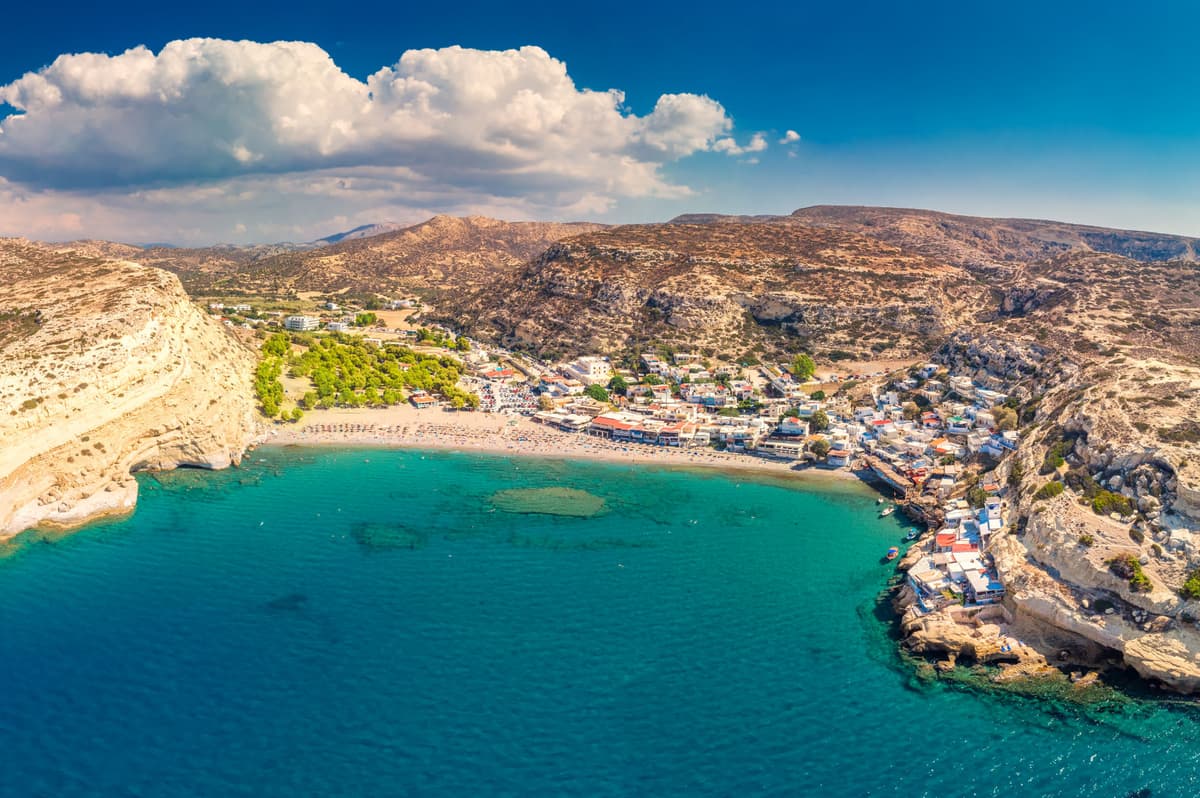
Crystal-clear waters, secluded coves and long sandy beaches line the islands and the mainland, ideal for swimming and relaxing.

Mediterranean cuisine

Olive oil, fresh fish, moussaka and mezze make up a healthy, convivial cuisine, to savour by the sea.

Picturesque villages

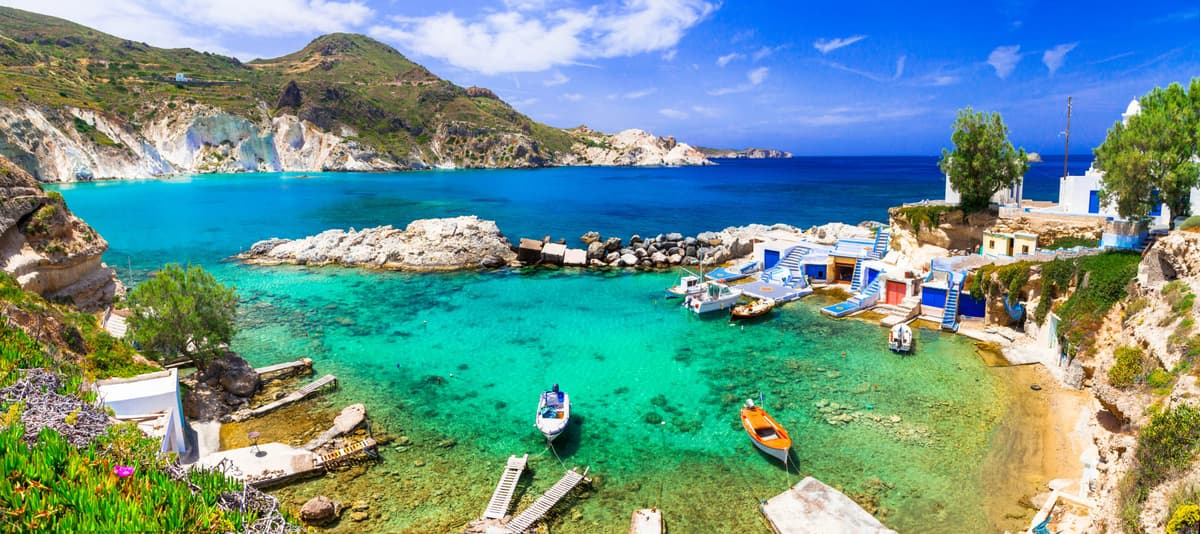
White houses with blue shutters, flower-lined alleys and lively tavernas embody the typical charm of the Greek islands.

Greek hospitality

The warm welcome of locals, conviviality and a relaxed atmosphere are an integral part of the travel experience in Greece.

Practical information about Greece

Capital
Athens
Area
About 131,957 km²
Population
About 10.4 million inhabitants
Official language
Greek
Currency
Euro (€)
Time zone
UTC+2
Dominant climate
Mediterranean
Best season
May to October

Frequently asked questions about Greece

When is the best time to visit Greece?
May to October to enjoy the islands and beaches. July and August are very sunny but busy; spring and autumn offer pleasant weather and fewer crowds.
Do I need a visa to travel to Greece?
Greece is part of the Schengen Area: EU nationals move freely. Non-EU travellers should check entry requirements depending on nationality.
What are the must-sees in Greece?
Athens and the Acropolis, Santorini, Mykonos, Crete and Delphi are among the most iconic sites, between ancient heritage and dream islands.
What budget should I plan for a trip to Greece?
Greece remains affordable, especially off-season. Very touristy islands such as Santorini or Mykonos are pricier, while the mainland and lesser-known islands are economical.
How do I get around the Greek islands?
Ferries connect the islands to each other and the mainland, complemented by domestic flights to the largest. Booking ahead is advisable in high season.
Which Greek islands should I choose?
Santorini and Mykonos for the atmosphere, Crete for diversity, the Cyclades for white villages and the Ionian Islands for greenery and beaches.

Plan your trip to Greece

Day-by-day itinerary, budget, bookings and packing in a single app.
Aperçu de l'application PlanTripNow