Visiting Turkey: when to go, budget and itineraries

A country straddling two continents, between the domes of Istanbul, the volcanic valleys of Cappadocia and the turquoise coves of the Mediterranean. Enough to build a trip to measure, from a four-day city break to a full two-week loop.

Why visit Turkey?

Turkey holds some of the best-preserved ancient sites in the Mediterranean basin, unique volcanic scenery in Cappadocia and a well-known cuisine, all at a noticeably lower cost than Western Europe thanks to a weak currency. Istanbul, the only megacity straddling two continents, is its natural gateway.

What to see in Turkey?

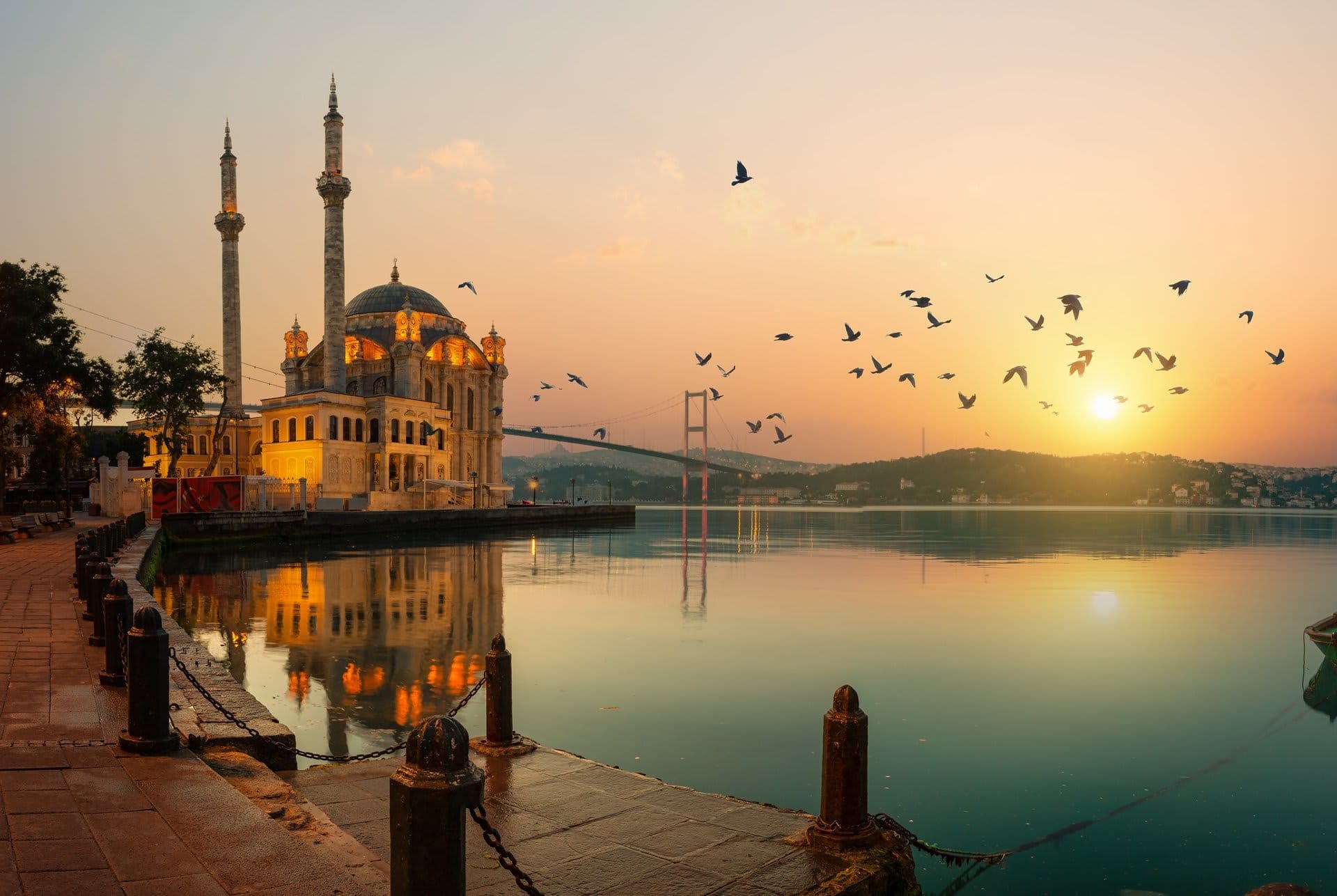
Istanbul, between Europe and Asia

The city alone fills several days: Hagia Sophia and the Blue Mosque in Sultanahmet, Topkapi Palace (closed on Tuesdays), the Grand Bazaar with its roughly 4,000 shops, then a public ferry crossing to the Asian side and the Kadıköy district. Three to four nights suffice for a first visit, more with a Bosphorus cruise or a day trip to the Princes' Islands added.
Cappadocia's volcanic landscapes

Fairy chimneys, multi-level underground cities at Derinkuyu and cave hotels make up a unique setting, best seen from a sunrise hot-air balloon (flights cancel if winds are too strong, book weeks ahead in high season). Two to three nights cover the Göreme open-air museum, the hilltop village of Uçhisar and a hike through the quieter Ihlara valley, away from the tour-bus crowds of central Göreme.

The Aegean coast and ancient cities

Ephesus, one of the best-preserved ancient sites in the Mediterranean with its Library of Celsus and its ancient theatre, is best visited early before the cruise groups arrive from Kuşadası. Nearby, the white travertine terraces of Pamukkale and the wine village of Şirince round out a two to three day loop, a short boat ride from the neighbouring Greek islands for those extending the trip.

The Turquoise Riviera and Lycian coast

Around Antalya and its Ottoman old town of Kaleiçi, the Lycian coast offers coves, sandy beaches like Patara and stretches of the Lycian Way, a marked trail over 500 km long between Fethiye and Antalya. The sunken city of Kekova is reached by boat from Üçağız, and the Aspendos theatre still hosts concerts in summer. Three to four nights make a good base to fan out from.

Ankara and central Anatolia

The administrative capital, often skipped by time-pressed visitors in favour of Istanbul, deserves a day for the Atatürk mausoleum and the Museum of Anatolian Civilizations, one of the richest Hittite collections in the world. It mainly serves as a stop toward Cappadocia via the high-speed train from Istanbul, roughly a 4-hour journey and a comfortable, scenic alternative to flying for travellers with a little time to spare.

The Black Sea, Turkey's other side

Less travelled by Western visitors, the Trabzon region has a wetter climate, green highland plateaus like Ayder and the Sumela Monastery clinging to a forested cliff, said by tradition to have been founded in the 4th century. A worthwhile extension for travellers who have already seen Istanbul and Cappadocia and have at least two extra days off the beaten track.

Food and local tables

Kebabs, mezze, grilled fish on the coast and syrup-soaked pastries like baklava taste just as good in a neighbourhood lokanta, where a full meal often costs under 10 euros, as in a traditional meyhane with raki and shared small plates. A hearty Turkish breakfast of cheeses, olives and jams is worth a slow hour at the table on a holiday morning.

Cities to visit in Turkey

Featured destinations appear first.
Coming soon.

Turkey in pictures

Must-see sites

The places that come up in every Turkey itinerary, from the most-visited monument to the most photographed landscape.

Hagia Sophia

Byzantine basilica turned mosque, then museum, then a mosque again in 2020, with a dome over 30 metres across.

Blue Mosque

Its six minarets and 20,000 Iznik ceramic tiles face Hagia Sophia across the same square.

Istanbul Grand Bazaar

One of the world's largest covered markets, open daily except Sunday, with about 4,000 shops.

Cappadocia fairy chimneys

Rock formations shaped by erosion, walkable through the Göreme valleys or seen from a sunrise balloon.

Underground cities

Derinkuyu and Kaymaklı, dug across eight levels, could shelter several thousand people during a siege.

Ephesus

Greco-Roman city with its Library of Celsus and 25,000-seat theatre, one of the best-preserved in Asia Minor.

Pamukkale

White travertine terraces formed by calcite hot springs, a UNESCO site alongside the Hierapolis ruins.

Kaleiçi, Antalya

Ottoman old town with cobbled lanes, a historic harbour and clock tower, a base for exploring the Lycian coast.

Sumela Monastery

Orthodox monastery clinging to a cliff near Trabzon, said by tradition to have been founded in the 4th century.

Lycian Way

Coastal long-distance trail linking Fethiye to Antalya, walkable in sections from a few hours to several days.

Similar destinations

Other countries you might like as much as Turkey.

Similar regions

Other regions you might like as much as Turkey.

Frequently asked questions

Do you need to book the Cappadocia balloon flight in advance?
Yes, several weeks ahead in high season (April-May, September-October): operators cap the number of flights per slot and same-morning cancellations for excessive wind are common, so build in a couple of spare mornings.
How much time should I plan for Ephesus?
Two to three hours for the main site, more with the separately ticketed terrace houses. Go early, before the cruise groups arrive from Kuşadası, and bring water and a hat: there is little shade on the marble streets.
Do you need to cover up to enter Turkish mosques?
Yes: shoulders and knees covered for everyone, a headscarf provided free at the entrance for women at major tourist mosques like Hagia Sophia or the Blue Mosque, and shoes removed before stepping onto the carpets.
Is it better to stay in Sultanahmet or Beyoğlu in Istanbul?
Sultanahmet for walking distance to the major historic sights, Beyoğlu and Karaköy for nightlife, restaurants and a more local feel, 15-20 minutes by tram or metro from the historic centre.
Are the Grand Bazaar and the Spice Bazaar open on Sundays?
The Grand Bazaar is closed on Sundays, as it is on most official public holidays. The nearby Spice Bazaar (Egyptian Bazaar), however, stays open every day of the week, including Sundays.
Can tourists visit the area near the Syrian border?
No, it is advised against or formally off-limits depending on the zone (the Syrian and Iraqi borders). The classic tourist routes, in the west and southwest of the country, stay well clear of it.
Can Turkey be combined with Greece or Cyprus in one trip?
Yes, sea and air links connect the Turkish Aegean coast with nearby Greek islands, or with Cyprus; in that case plan for separate entry requirements, since each country sets its own rules.

Plan your trip to Turkey

Day-by-day itinerary, budget, bookings and packing in a single app.
Aperçu de l'application PlanTripNow