Japan travel guide: when to go, budget, itineraries and cities to see

Japan packs electric megacities, forests of temples and snow-covered Alps onto one archipelago, all tied together by trains that run to the minute. People come for the April cherry blossoms and return for the red autumn, the food and the art of hospitality.
  • 13 cities · 4 regions

Why visit Japan?

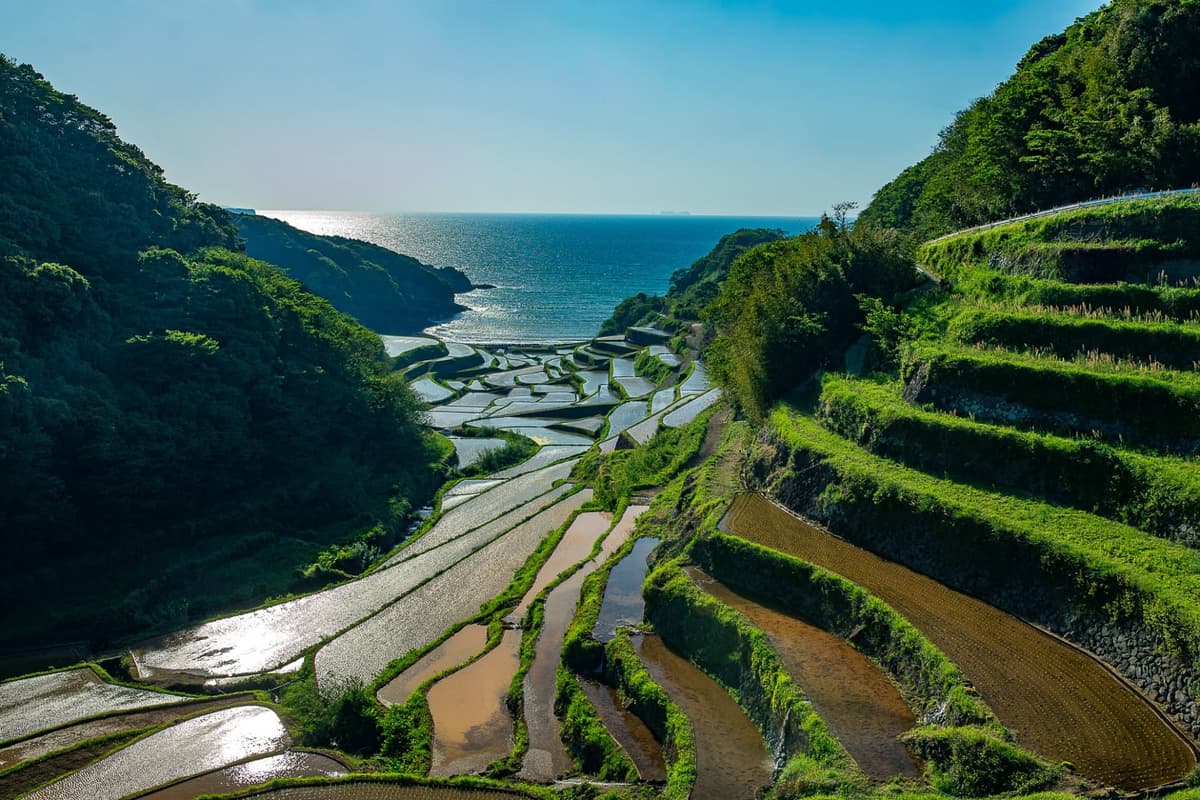
Japan brings rare extremes into a single trip: Tokyo, one of the largest urban areas on earth, and rice-paddy valleys where you sleep in a family home. It is the most accessible country in Asia for a first big journey, thanks to a dense, punctual and safe rail network and near-total personal safety. Washoku cuisine is on the UNESCO list and the four seasons are genuinely distinct.

What to discover in Japan?

Tokyo and the Kanto

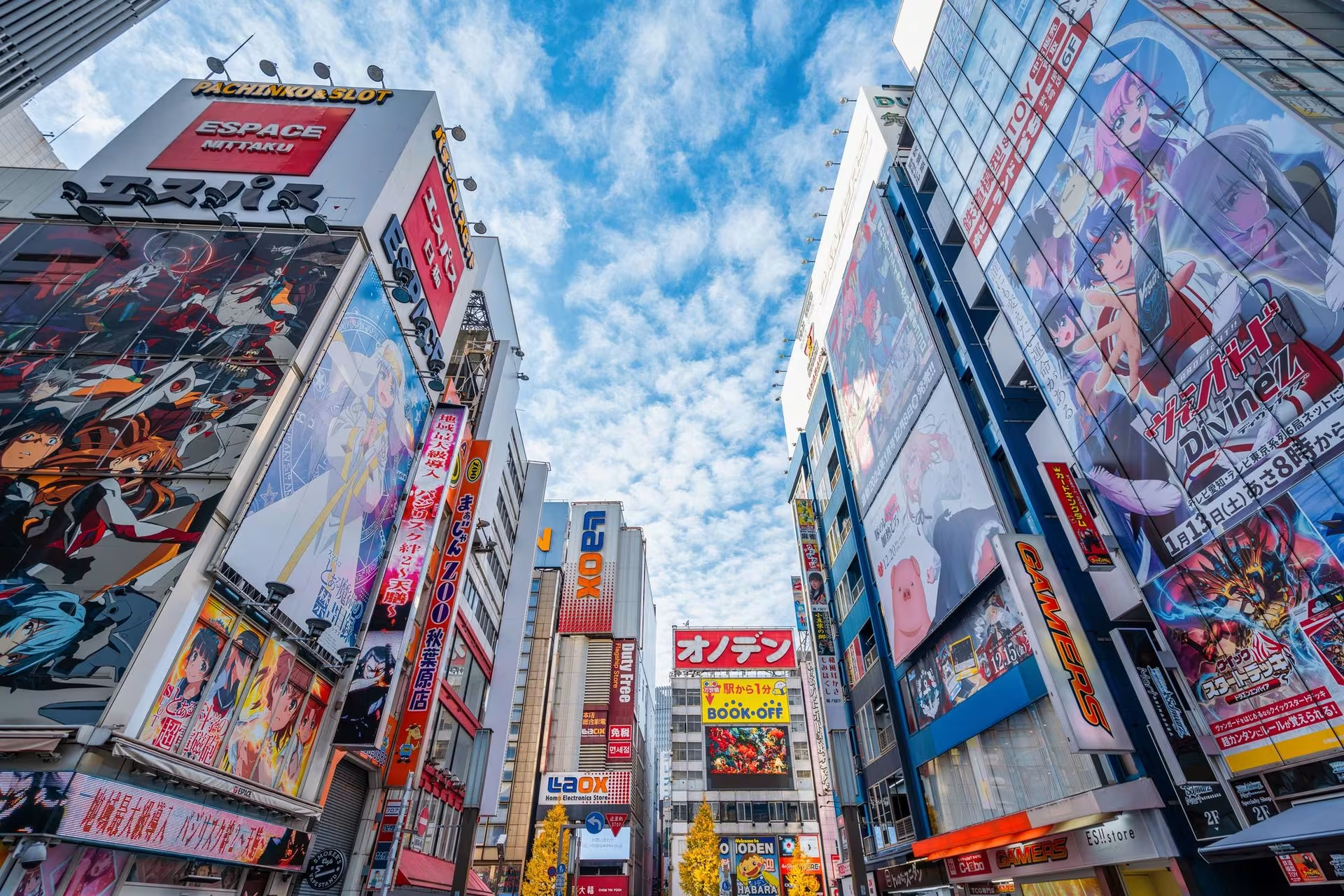
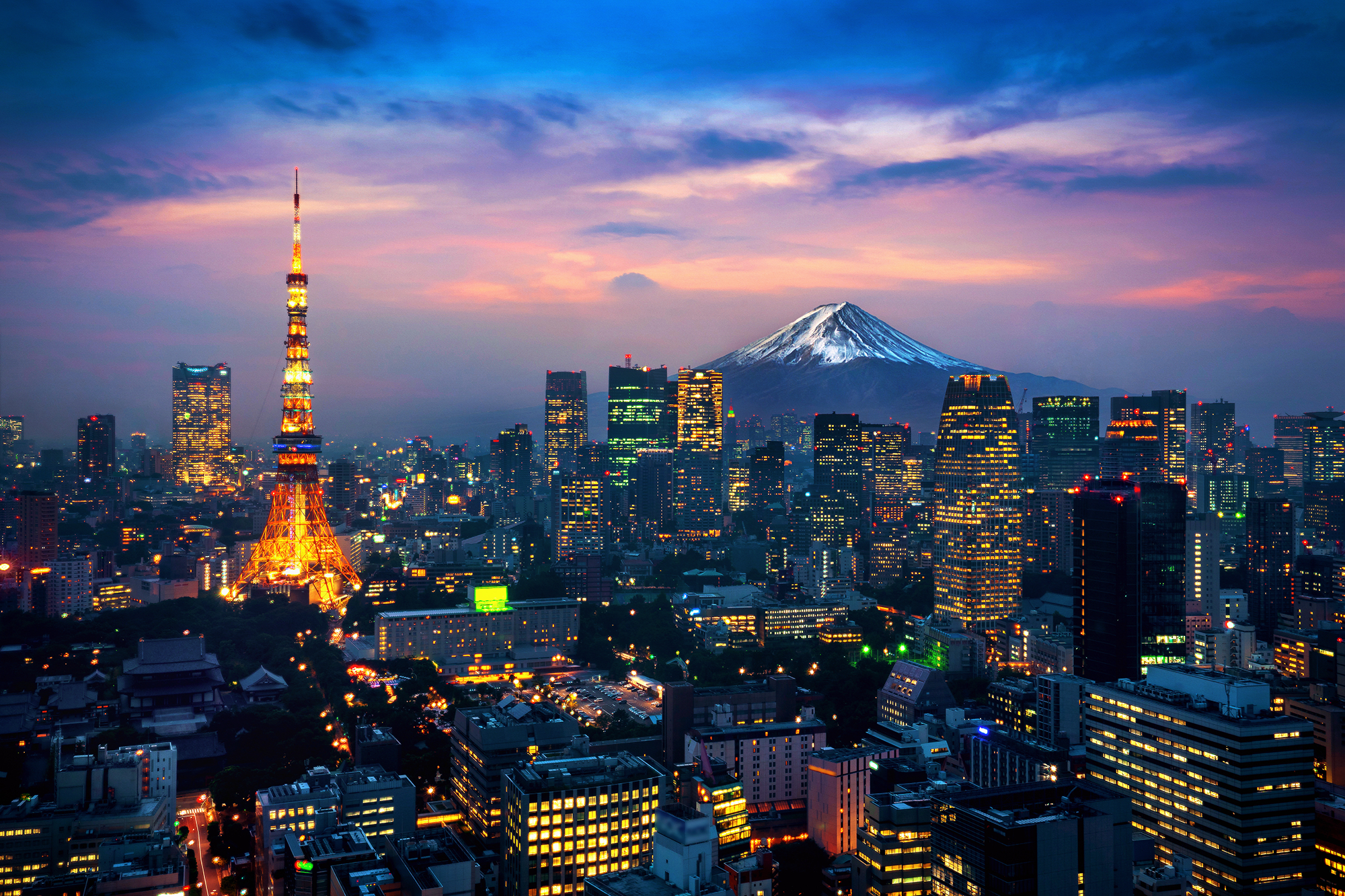
The capital and its region hold contemporary Japan: Shibuya and Shinjuku for urban excess, Asakusa and Yanaka for the pre-war city, the Imperial Palace at the centre. Plan three nights minimum, four if you add a day trip. Within two hours by train: the gilded shrines of Nikko, the great buddhas of Kamakura and Mount Fuji views from the Fuji Five Lakes. It is also the main gateway to the country, through Narita and Haneda airports.

Kyoto, Nara and the Kansai

Capital for more than a thousand years, Kyoto has around two thousand temples and shrines: visit Fushimi Inari before 8am, then Kinkaku-ji and Arashiyama the same day. Nara, forty minutes away, keeps the country's largest bronze Buddha and its free-roaming deer. Osaka closes the triangle with its street food and its international airport. Three to four nights in Kyoto make a solid base.

The Chubu and the Japanese Alps

Between Tokyo and Kyoto, the centre of Honshu rises to 3,000 m. Takayama keeps an old town of merchant houses and a morning market; an hour by bus, the thatched farmhouses of Shirakawa-go are UNESCO-listed. Matsumoto and its black castle are the gateway to Kamikochi, a glacial valley open from mid-April to mid-November. Give it at least three days, on regional buses rather than trains.

Hiroshima and the Inland Sea

West of Honshu, Hiroshima takes a full day: the Peace Memorial and its museum in the morning, then the ferry to Miyajima and the floating torii of Itsukushima shrine, best at high tide. On the way from the Kansai, Himeji Castle, the best-preserved in the country, fits into a two-hour stop from the shinkansen station. Two nights are enough for the area.

Hokkaido, the far north

The northern island has its own climate: long winters and powder snow at Niseko from December to March, cool dry summers that make it a refuge when Honshu swelters in August. Sapporo, its miso ramen and its February snow festival; the Daisetsuzan and Shiretoko national parks for hiking from June to September. Count on a domestic flight of about 90 minutes from Tokyo rather than the train.

Kyushu and its volcanoes

The south-western island lives on its geology: the smoking crater of Aso, one of the world's largest, the hot sand baths of Beppu and the onsen of Kurokawa. Fukuoka, the main city, stands out for its yatai, tonkotsu-ramen stalls set up by the river at night. Nagasaki carries a unique Christian and atomic history. The shinkansen links Fukuoka to Kagoshima in about 80 minutes.

Okinawa and the southern islands

Some 1,500 km south of Tokyo, the Ryukyu archipelago has a subtropical culture, cuisine and climate of its own. The beaches and reefs of Miyako and Ishigaki are good for diving from April to October; typhoon season runs June to October. Access is by air, about two and a half hours from Tokyo, and you should allow at least four days to make the trip worthwhile.

Cities to visit in Japan

Featured destinations appear first.

Regions to explore in Japan

Featured destinations appear first.

Japan in pictures

Japan's must-sees

Named sites spread across Honshu, the northern and southern islands and the volcanic ranges.

Fushimi Inari shrine

In Kyoto, a path several kilometres long under thousands of close-packed vermilion gates, free and open day and night.

Hiroshima Peace Memorial

The Genbaku Dome, the only building left in ruins under the hypocentre, and a museum documenting 6 August 1945.

Mount Fuji

The perfect 3,776 m cone, visible from Tokyo on a clear winter day, climbable only from July to early September.

Kinkaku-ji

Kyoto's Golden Pavilion, covered in gold leaf and mirrored in its pond, the country's most reproduced image.

Todai-ji in Nara

The largest ancient wooden building in the world, housing a 15 m bronze Buddha cast in the 8th century.

Miyajima floating torii

The vermilion gate of Itsukushima shrine, standing in the sea and submerged at high tide.

Himeji Castle

Japan's best-preserved feudal keep, white, never destroyed, a World Heritage site.

Shirakawa-go

A hamlet of steep thatched farmhouses in the Alps, spectacular buried under snow in winter.

Jigokudani monkeys

Snow macaques bathing in a hot spring near Nagano, clearest from December to March.

Tosho-gu in Nikko

The mausoleum of shogun Tokugawa Ieyasu, with carved and gilded woodwork, set in a forest of giant cedars.

Similar destinations

Other countries you might like as much as Japan.

Similar regions

Other regions you might like as much as Japan.

Frequently asked questions about Japan

Is the JR Pass still worth it after the 2023 price rise?
Not automatically. The 7-day pass now costs around 50,000 yen: you need at least a Tokyo-Kyoto round trip plus a run to Hiroshima to break even. For a stay focused on one region, single tickets or a regional pass work out cheaper.
Can you really see Tokyo and Kyoto in one week?
Yes, it is the most common route: three nights in Tokyo, one in Hakone, two in Kyoto and one in Osaka before the flight home. The pace is brisk and leaves little room for the unexpected, but it covers the core of the Golden Route.
Do you need to book Shinkansen tickets in advance?
Not essential on the main lines, where trains run every ten minutes, except during Golden Week, Obon and New Year. Reserving a seat helps with large luggage or in a group: it is free with the JR Pass, at the station or online.
Can you use an onsen with a tattoo?
Many public baths still forbid it, from a historic link with the yakuza. Options: a private kashikiri onsen, a ryokan with an in-room bath, a covering patch for a small design, or the tattoo-friendly venues listed online, common in Osaka and the ski resorts.
Cherry blossoms in April or maples in November?
Blossoms last ten days, are hard to predict and draw the peak of crowds and prices. Autumn foliage spreads over six weeks from north to south, with steadier skies and cool evenings. For a less tense first trip, November is often the better compromise.
Can you pay by card everywhere in Japan?
In the big cities, yes, cards and contactless work almost everywhere. But small restaurants, temples, markets, rural buses and some ryokan are cash only. Keeping the equivalent of 10,000 to 20,000 yen on you avoids awkward moments.
How many days to add for Hiroshima and Miyajima?
Two nights from Kyoto or Osaka: the shinkansen takes under two hours, day one covers the Peace Memorial, day two the ferry to Miyajima and the floating torii. You can graft on a two-hour stop at Himeji along the way.
Can you visit Mount Fuji all year round?
You can see it all year, best in winter when the air is dry. But climbing is allowed only from early July to early September, with a climber quota and a toll on the Yamanashi side since 2024. Off-season, the high trails are closed and dangerous.

Plan your trip to Japan

Day-by-day itinerary, budget, bookings and packing in a single app.
Aperçu de l'application PlanTripNow