Provence

Between the Rhône and the Mediterranean, Provence unfolds lavender fields, perched villages and a distinctive light that inspired countless painters. Aix-en-Provence, Avignon and the Luberon make up a lifestyle admired around the world.

Why visit Provence?

Provence stands out for the richness of its landscapes, from lavender fields and olive groves to perched limestone villages, as well as a Mediterranean light that shaped the history of painting. The region combines ancient and papal heritage, Mediterranean cuisine built around olive oil and aromatic herbs, and a way of life admired internationally.

What to discover in Provence?

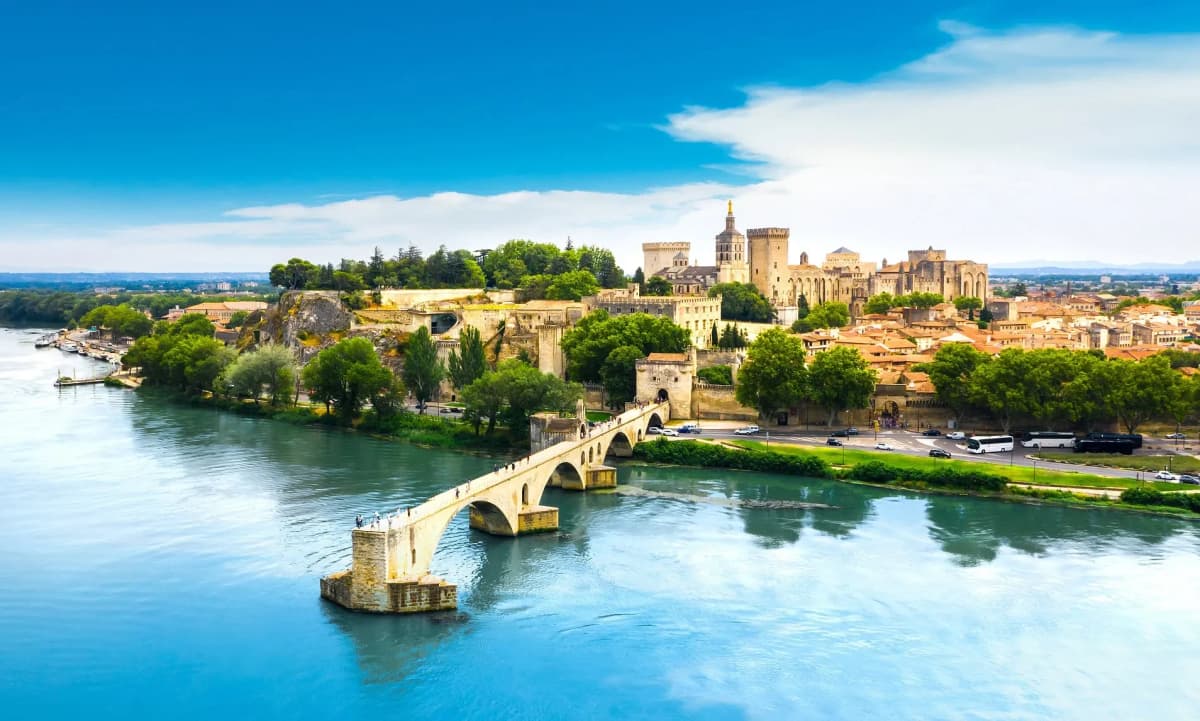
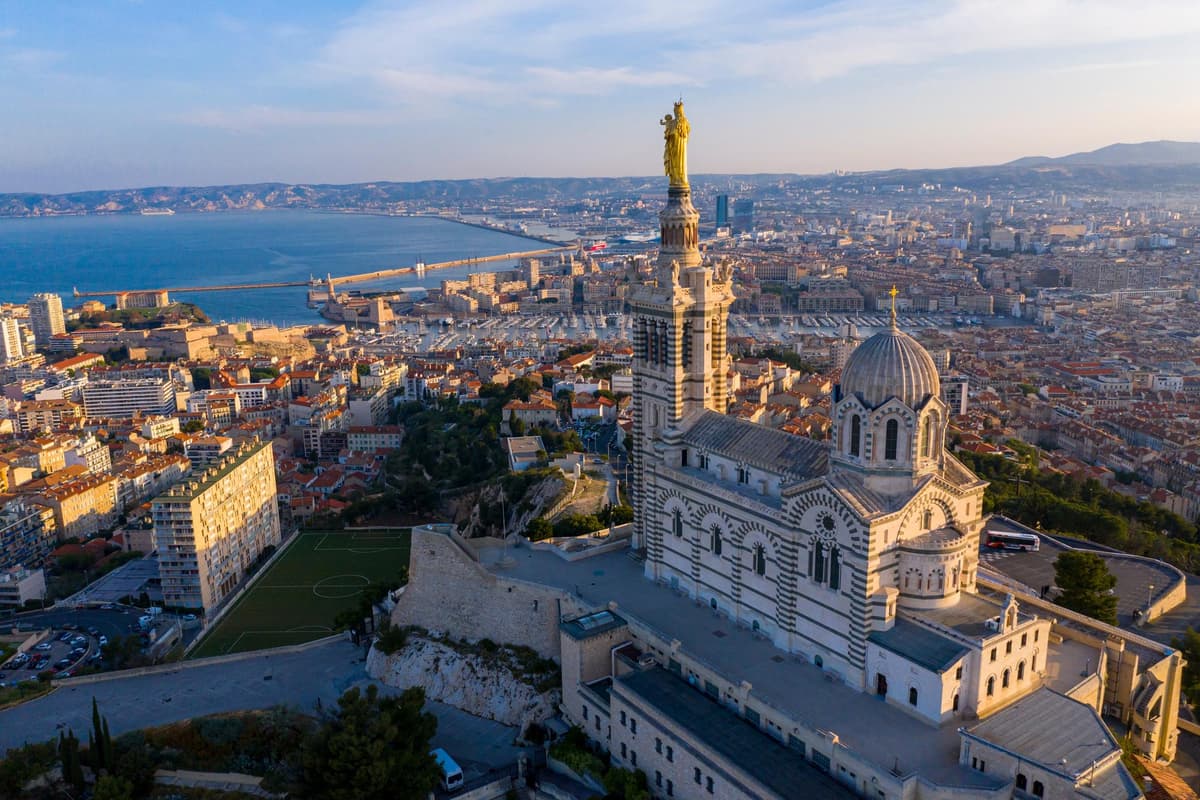
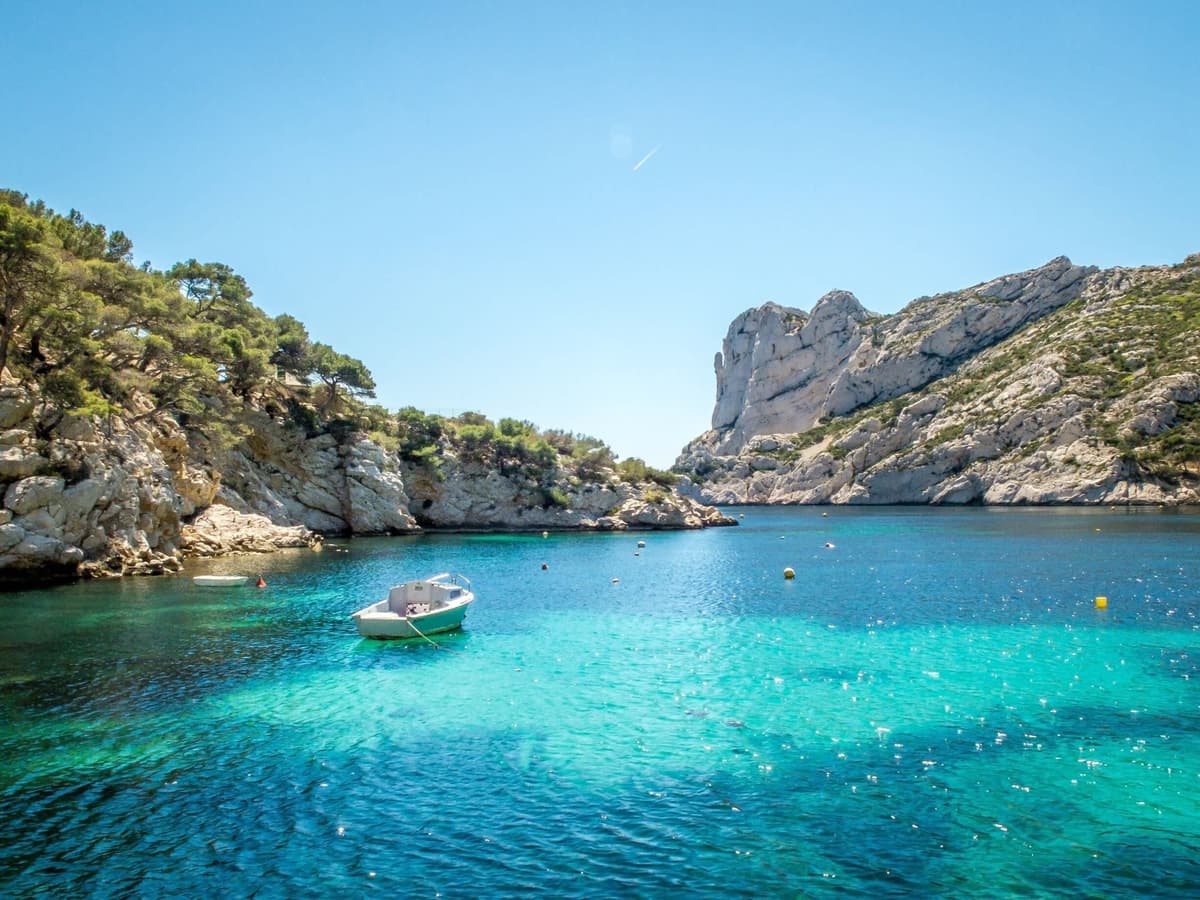
Aix-en-Provence, the former capital of the county of Provence, charms with its fountains, grand townhouses and the memory of Cézanne, while Avignon preserves its Palace of the Popes and world-famous bridge. Marseille, the region's largest city, opens onto the Mediterranean and the calanques, steep coves between limestone cliffs and turquoise waters.
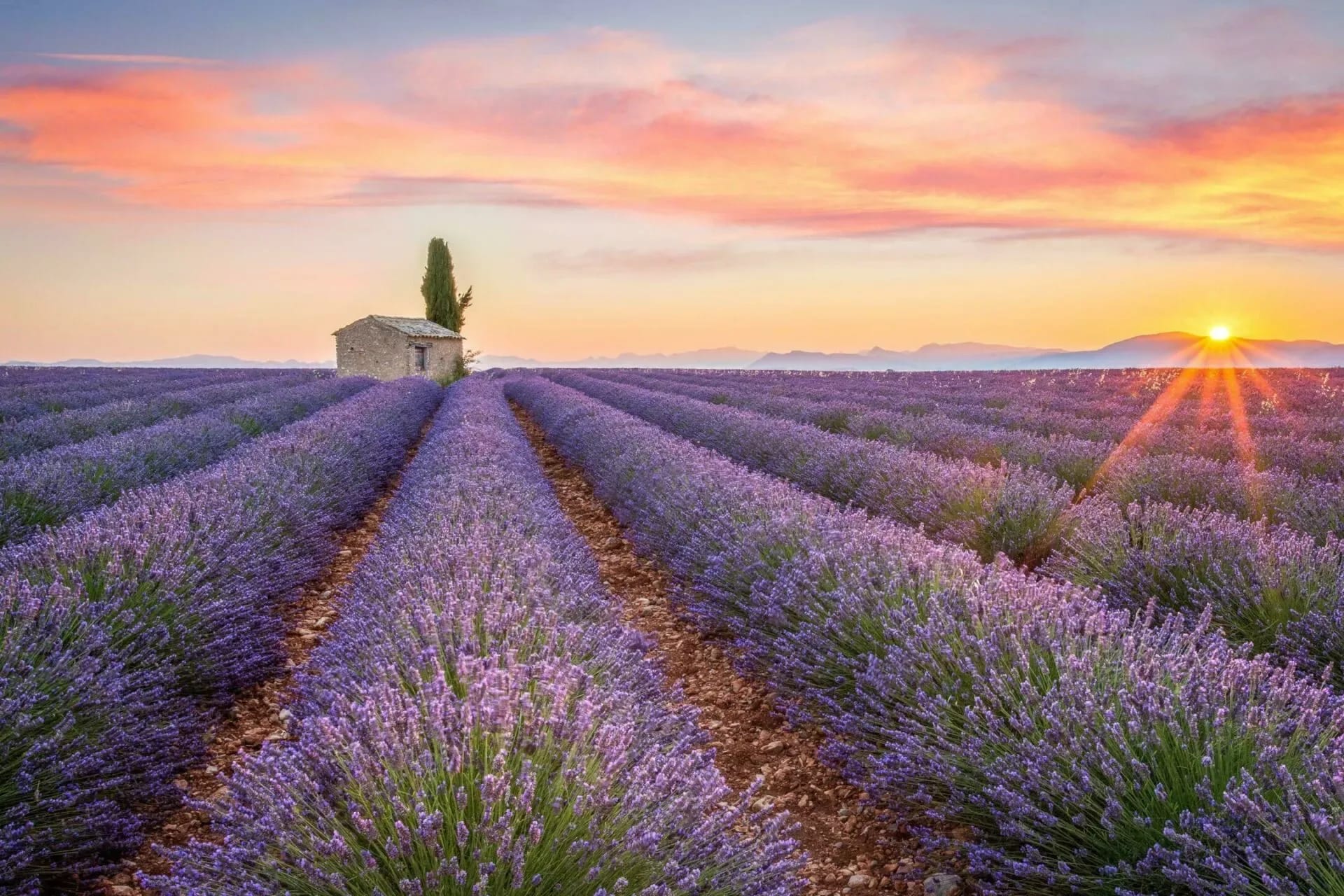
The Luberon and the Valensole plateau gather Provence's most iconic landscapes, with the perched villages of Gordes, Roussillon and Ménerbes, and lavender fields in bloom from late June to early August. The Alpilles, further north, add limestone hill landscapes around Les Baux-de-Provence and Saint-Rémy. Provençal gastronomy, with olive oil, herbes de Provence and colorful markets, completes an experience where heritage, nature and lifestyle come together.

Cities to visit in Provence

Featured destinations appear first.
Coming soon.

Provence in pictures

The must-sees

Lavender fields, perched villages and calanques: here is what not to miss in Provence.

The lavender fields

On the Valensole plateau and in the Luberon, purple fields in bloom from late June to early August make up one of France's most photographed landscapes.

The Luberon villages

Gordes, Roussillon and Ménerbes rank among the most beautiful perched villages, built of limestone amid rolling countryside.

The Palace of the Popes in Avignon

This Gothic fortress, the largest Gothic palace in the world, bears witness to the popes' stay in Avignon in the 14th century.

The calanques of Marseille

Between limestone cliffs and turquoise waters, this national park can be explored on foot, by boat or by kayak from Marseille or Cassis.

Aix-en-Provence

The former Provençal capital, with its many fountains, inspired the painter Cézanne and retains an elegant historic center.

Les Baux-de-Provence

Perched on a rocky spur in the Alpilles, this village combines medieval ruins with panoramic views over the surrounding plain.

Practical information

Historic capital
Aix-en-Provence
Area
About 31,400 km² (historic Provence)
Population
Over 3 million inhabitants
Languages
French, Provençal (Occitan)
Currency
Euro (€)
Time zone
UTC+1 (UTC+2 in summer)
Climate
Mediterranean
Best season
June to September, July for lavender fields

Frequently asked questions

When to visit Provence?
From June to September for pleasant Mediterranean weather, with July being ideal for seeing the lavender fields in bloom.
How many days are needed to visit Provence?
A week allows you to discover Aix-en-Provence, Avignon, the Luberon and the calanques; two weeks leave time to explore more villages.
How do you get around Provence?
A car remains the most practical option for linking perched villages and lavender fields, although trains serve the main cities well.
When can you see the lavender fields in Provence?
Blooming generally occurs from late June to early August, peaking in mid-July on the Valensole plateau and in the Luberon.
Which perched villages should you see in Provence?
Gordes, Roussillon, Ménerbes and Les Baux-de-Provence are among the most visited, each offering distinct heritage and panoramic views.
Is Provence suitable for families?
Yes, between accessible villages, calanques to explore by boat and lively markets, the region offers activities suited to all ages.

Plan your trip to Provence

Day-by-day itinerary, budget, bookings and packing in a single app.
Aperçu de l'application PlanTripNow