Andalusia travel guide: when to go, what to see and how to plan it

Andalusia packs eight centuries of Al-Andalus into three cities, the Alcazar of Seville, the Mosque of Cordoba, the Alhambra of Granada, then carries the trip on to perched white villages, the Atlantic Costa de la Luz and the snowy peaks of the Sierra Nevada. Fast trains between the cities, a car for the mountains.

Why visit Andalusia?

Andalusia brings together three of Europe's greatest monuments inherited from Al-Andalus, a living flamenco scene, a cuisine of tapas and fried fish, and landscapes ranging from the Tabernas desert to the 3,479-metre Mulhacen. High-speed trains link Seville, Cordoba and Malaga with ease, and a car only becomes useful for the white villages and the natural parks.

What to discover in Andalusia

Seville, the Andalusian capital

Three days are not too many for Seville. The Real Alcazar, a Mudejar palace with vast gardens, needs a timed ticket bought online. The cathedral, Europe's largest by volume, comes with a climb up the Giralda by ramp rather than stairs. The Triana district, across the Guadalquivir, keeps its tile workshops and flamenco peñas. The city goes all out during Holy Week and the April Fair, but slows to a crawl at 40 °C in high summer. An ideal base, Seville is under an hour by train from Cordoba.
Cordoba and the Mosque

One day is enough for Cordoba, but essential. The Mosque-Cathedral, a forest of 850 columns topped by two-tone arches, is free Monday to Saturday from 8:30 to 9:30 am, before the paid opening at 13 euros. Around it, the Juderia, the Roman bridge over the Guadalquivir and the Alcazar of the Christian Monarchs. In May, the patio festival opens private courtyards buried in geraniums. Eight kilometres away, the ruins of Medina Azahara, a 10th-century caliphal city, are worth the half-day. Cordoba is on the Seville-Malaga high-speed line.

Granada and the Alhambra

Granada deserves two nights. The Alhambra is visited over a half-day, with an entry slot for the Nasrid Palaces to be kept to the minute or the ticket is lost. The rest: the Albaicin, a maze of white lanes facing the fortress, the San Nicolas viewpoint at sunset, cave-dwelling Sacromonte and its Roma zambras. A local quirk, every drink in a bar comes with a free tapa, which makes for a cheap dinner. In winter you ski the Sierra Nevada in the morning and visit Granada in the afternoon.

Ronda and the white villages

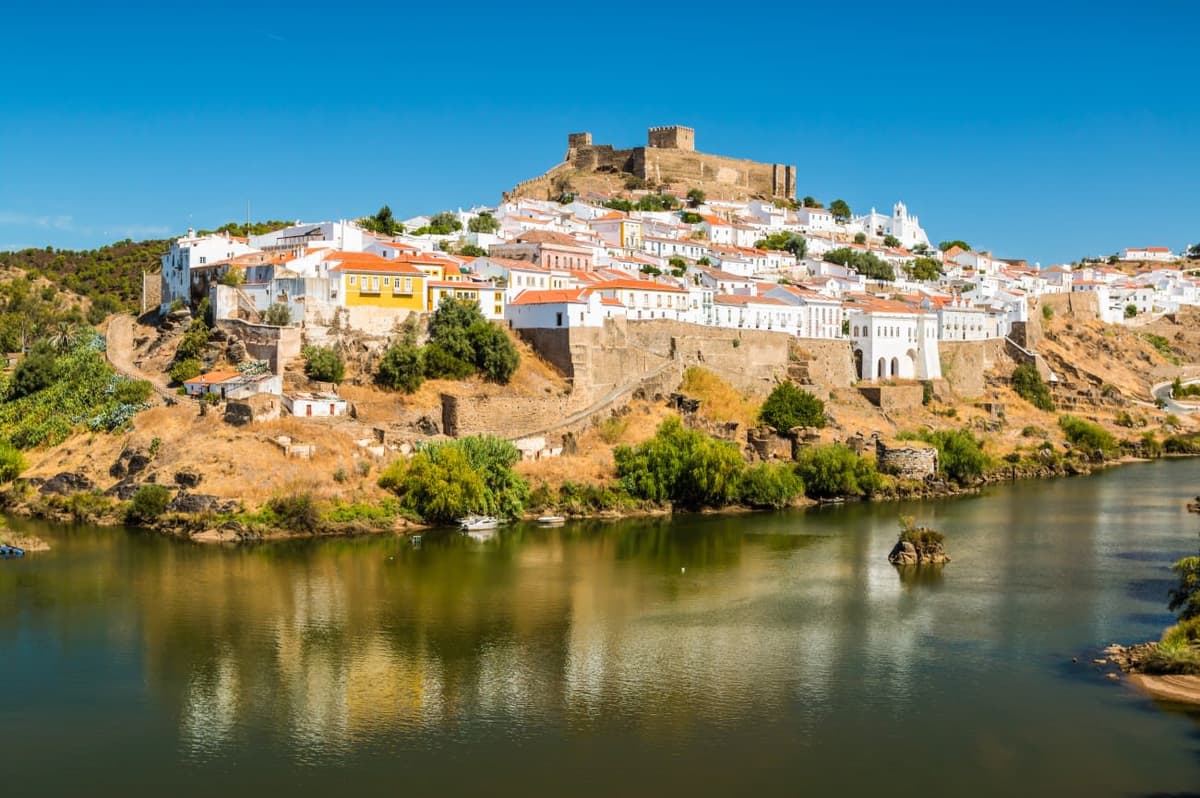
Above the plain, the Serrania lines up the pueblos blancos. Ronda, split in two by the El Tajo gorge spanned by the 98-metre Puente Nuevo, has Spain's oldest bullring. Day trips from Ronda: Setenil de las Bodegas, whose streets run under huge rock overhangs, Zahara de la Sierra clinging above its turquoise lake, Grazalema for hiking in the country's wettest natural park. A car is needed, as buses link the villages poorly. Allow two days.

The Costa del Sol and the Costa de la Luz

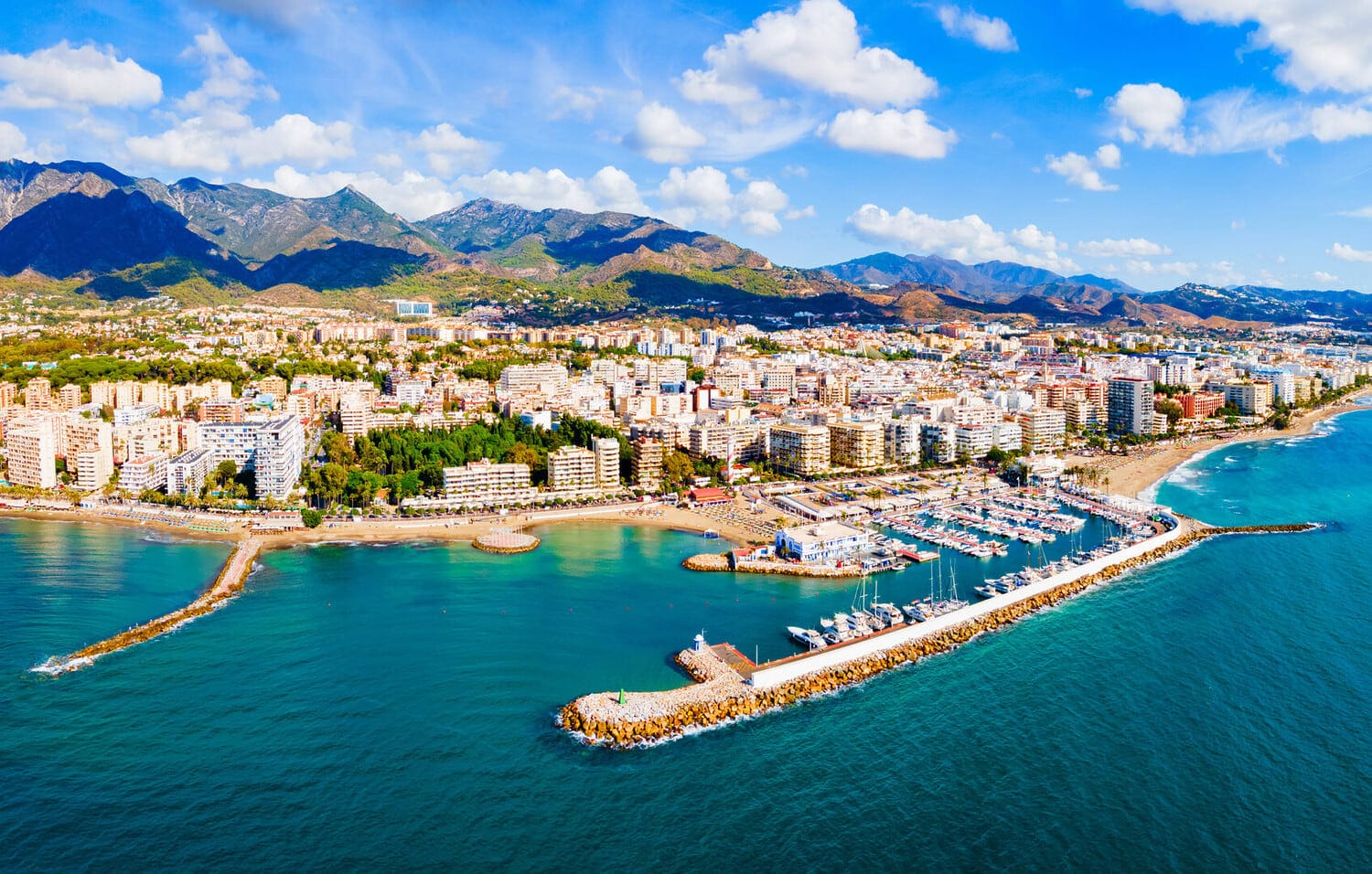
Two opposite coastlines. On the Mediterranean, the Costa del Sol runs resort after resort, but Malaga has reinvented itself with around thirty museums, including the Picasso in his birthplace, and Nerja keeps its coves. On the Atlantic, the Costa de la Luz stays wilder: ancient Cadiz on its peninsula, the Bolonia dunes with their Roman town, wind-swept Tarifa, a kitesurf spot and the departure point for cetacean-watching trips in the Strait of Gibraltar from April to October.

The Sierra Nevada and the Alpujarras

About thirty kilometres from Granada, the Sierra Nevada holds Europe's southernmost ski resort, open from late November to early April, and the Mulhacen, the peninsula's highest peak at 3,479 metres, walkable in summer. On the southern slope, the Alpujarras string together Berber-looking villages, Pampaneira, Bubion, Capileira, with flat roofs and capped chimneys, known for their high-altitude cured ham and their rugs. It is the ideal area to pair snow and culture in a single day.

Doñana and the Guadalquivir marshes

At the mouth of the Guadalquivir, Doñana National Park protects one of Europe's largest wetlands, a major stopover for migratory birds between Africa and the north of the continent, and a refuge for the Iberian lynx. It is visited by guided 4x4 from El Acebuche or by boat from Sanlucar de Barrameda, home of manzanilla, a dry wine aged under a veil of yeast. In spring, the sandy-streeted village of El Rocio hosts one of Spain's largest pilgrimages.

Cities to visit in Andalusia

Featured destinations appear first.
Coming soon.

Andalusia in pictures

Must-see sights in Andalusia

The monuments of Al-Andalus, the natural wonders and the villages that define the region.

The Alhambra

The Nasrid palace-city of Granada, Generalife gardens included, Spain's most visited monument, to be booked weeks ahead.

The Mosque of Cordoba

The 10th-century great mosque turned cathedral, famous for its forest of columns and red-and-white arches.

The Real Alcazar of Seville

A royal palace still in use, blending Mudejar art, watercourses and gardens, a filming location for several series.

The Giralda

The former Almohad minaret turned bell tower of Seville cathedral, climbed by an internal ramp.

Seville's Plaza de España

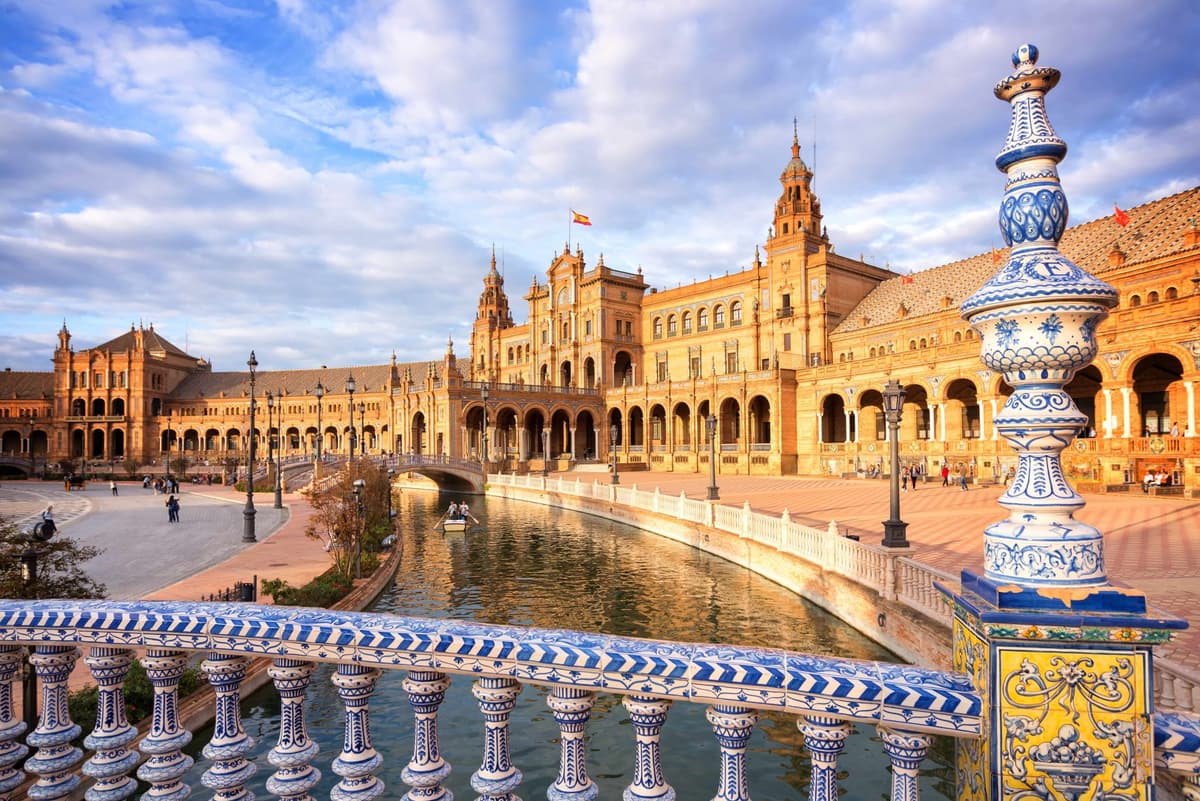
A vast semicircle of brick and tilework built for the 1929 exhibition, with a canal and rowing boats.

Ronda's Puente Nuevo

An 18th-century stone bridge thrown across a nearly 100-metre gorge in the heart of the town.

The Caminito del Rey

A vertigo-inducing walkway reopened in 2015, pinned to the walls of the El Chorro gorge north of Malaga.

Doñana National Park

Marshes, dunes and pine woods at the mouth of the Guadalquivir, sanctuary of the Iberian lynx and a migratory bird stopover.

The San Nicolas viewpoint

The Albaicin terrace from which the Alhambra stands out against the Sierra Nevada at sunset.

Medina Azahara

The remains of a 10th-century caliphal palace-city near Cordoba, a UNESCO World Heritage Site.

Similar regions

Other regions you might like as much as Andalusia.

Similar destinations

Other countries you might like as much as Andalusia.

Frequently asked questions about Andalusia

Can you do Seville, Cordoba and Granada in 5 days?
Yes, it is the classic circuit: two nights in Seville, one in Cordoba, two in Granada, all by train and bus. The pace is brisk; one extra day lets you breathe and add a flamenco evening.
How do you get a ticket for the Nasrid Palaces of the Alhambra?
On the official Alhambra website, buying the general ticket that includes a set time slot for the Nasrid Palaces. In high season it sells out weeks ahead; otherwise an official guided tour guarantees entry.
Is the Mosque of Cordoba really free in the morning?
Yes, Monday to Saturday from 8:30 to 9:30 am, outside public holidays and with no guided tour. Access is individual and quiet as services may be held. After 10 am, entry costs 13 euros.
Is it better to stay in Seville or Granada for a first trip?
Seville for a first visit: central, well connected by train, rich in evenings out. Granada is tighter around the Alhambra and pairs with the Sierra Nevada. Many sleep in both and link via Cordoba.
Can you visit Seville and Cordoba in August?
It is possible but gruelling: over 40 °C in the afternoon, monuments and streets baking in the sun. Time visits between 9 am and 1 pm, rest afterwards, head out again after 7 pm. Hotels with a pool and air-conditioned patios make the difference.
Where can you ski in Andalusia and when?
At the Sierra Nevada above Granada, Europe's southernmost resort. The season generally runs from late November to early April, with more reliable snow from January to March. You can ski in the morning and be in Granada for lunch.
Are the white villages around Ronda reachable without a car?
Ronda is, by train from Seville and Malaga, but villages like Setenil, Zahara or Grazalema are served only by infrequent buses. To string them together, a rental car for two or three days is far more practical.

Plan your trip to Andalusia

Day-by-day itinerary, budget, bookings and packing in a single app.
Aperçu de l'application PlanTripNow