Skip to content

Morocco travel guide: when to go, budget and itineraries

From the souks of Marrakech to the dunes of Erg Chebbi, from the imperial medinas of Fez to the Atlantic-battered ramparts of Essaouira, Morocco packs mountains, desert and ocean into one trip. Three hours by air from Paris, it can be travelled almost year round, as long as you pick the right season.
  • 10 cities · 4 regions

At a glance

Currency
Moroccan Dirham
Time difference
UTC+1
Visa
None
Tourist stay of up to 90 days
7-day budget
€602
Per person, comfort profile, excluding international flights.

Why visit Morocco?

Morocco packs four mountain ranges, more than 3,000 kilometres of coastline on two seas and the edge of the Sahara into a compact country. You can travel visa-free for up to 90 days, with dense tourist infrastructure and daily direct flights from France. Spring and autumn offer the best conditions, while summer stays scorching inland.

When to visit Morocco

Temperatures, rainfall and crowds month by month, to pick your window.
When to visit Morocco
MonthTemperaturesRainCrowdsVerdict
January6 to 19 °C3 dModerateMild bright days but cold nights near 6 C; the medina is pleasant once the New Year crowds thin out.
February8 to 21 °C4 dModerateAlmond blossom and 21 C afternoons; Ramadan starts around the 18th, so evenings are quieter and restaurant hours shift.
March10 to 24 °C5 dBusySpring settles in with green gardens, yet tour groups return too, so book your riad well ahead.
April12 to 26 °C3 dPackedProbably the ideal month at 26 C with warm evenings, spoilt only by Easter prices and crowds.
May15 to 29 °C2 dBusyStill pleasant early on before the heat climbs toward 30 C; prices drop once Easter is over.
June18 to 34 °C1 dModerateAfternoons pass 33 C, so sightsee at dawn, nap after lunch, and watch the first discounts appear.
July21 to 38 °C0 dQuietAvoid unless you tolerate a furnace: 38 C, the city slows to a crawl, escape to Essaouira or the Atlas.
August21 to 37 °C1 dQuietStill baking at 37 C, though European holidays bring families back and riads slash their rates.
September19 to 33 °C1 dModerateThe heat loosens its grip slowly; the second half, near 32 C, becomes genuinely bearable again.
October16 to 29 °C2 dPackedThe year's best balance: 28 C, cool nights, autumn light, though firmly high season.
November11 to 23 °C4 dBusyCrisp air and clear skies for the last comfortable weeks, with a few showers possible late in the month.
December7 to 20 °C4 dBusyCold nights near 7 C, yet Christmas and New Year fill the riads and push rates up.
Source: Cadre sur Marrakech et l'axe des villes imperiales (centre du Maroc), non representatif du littoral atlantique ni du Haut Atlas. Moyennes 1991-2020 : Deutscher Wetterdienst / Meteo Climat (via Wikipedia) recoupees avec Climatestotravel.com, releve septembre 2026. Affluence et prix : vacances scolaires europeennes, Ramadan (environ 18 fevrier au 19 mars 2026), pics de Paques et du Nouvel An.

What to see in Morocco

Marrakech and the High Atlas

Marrakech is the country's most common gateway: three nights are enough for the medina, Jemaa el-Fna square, the Bahia Palace and Jardin Majorelle. Less than 90 minutes away, the High Atlas unfolds the Ourika and Imlil valleys, the starting point for climbing Toubkal at 4,167 metres. From Marrakech you can also reach the Ouzoud waterfalls on a day trip. Allow a week to combine the city, the mountains and a break in Essaouira on the coast.
Fez, Meknes and the imperial cities

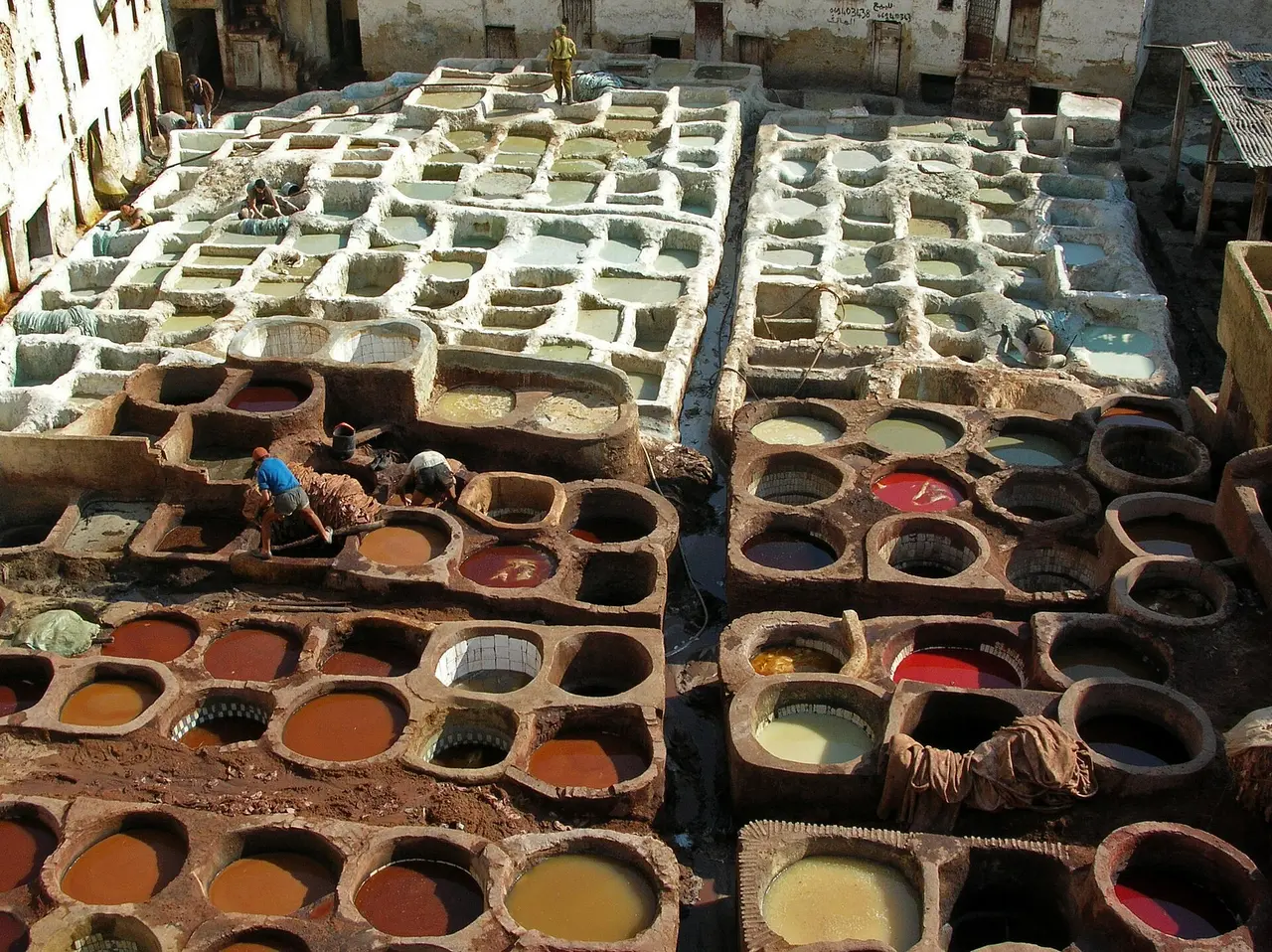
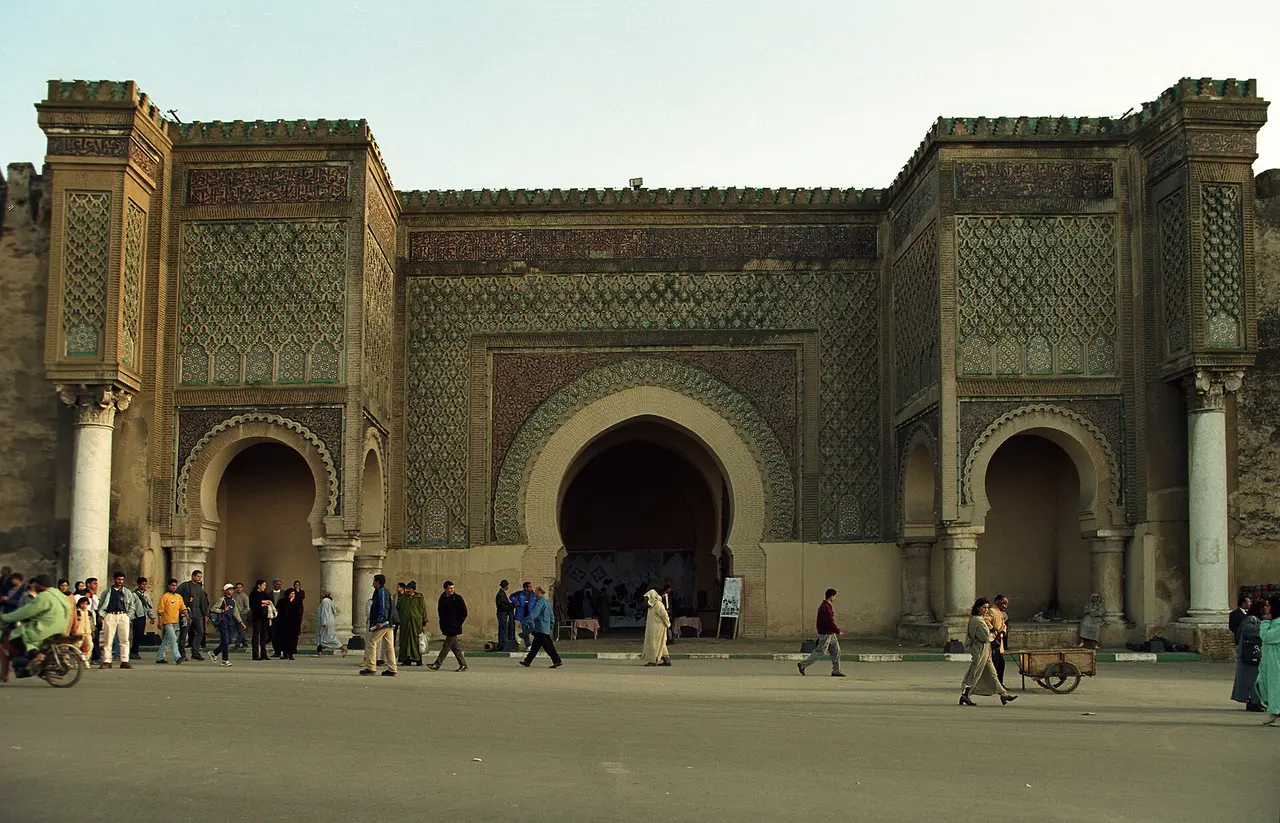
Fez holds one of the largest car-free medinas in the world, a maze where half a day with a guide saves a lot of wasted time. The Bou Inania madrasa and the Chouara tanneries can be seen in a morning. About sixty kilometres away, Meknes and the Roman site of Volubilis, open 9am to 5:30pm, make a full day trip. Plan two to three nights in Fez: the city rewards those who let themselves get a little lost.

The Sahara and the southern valleys

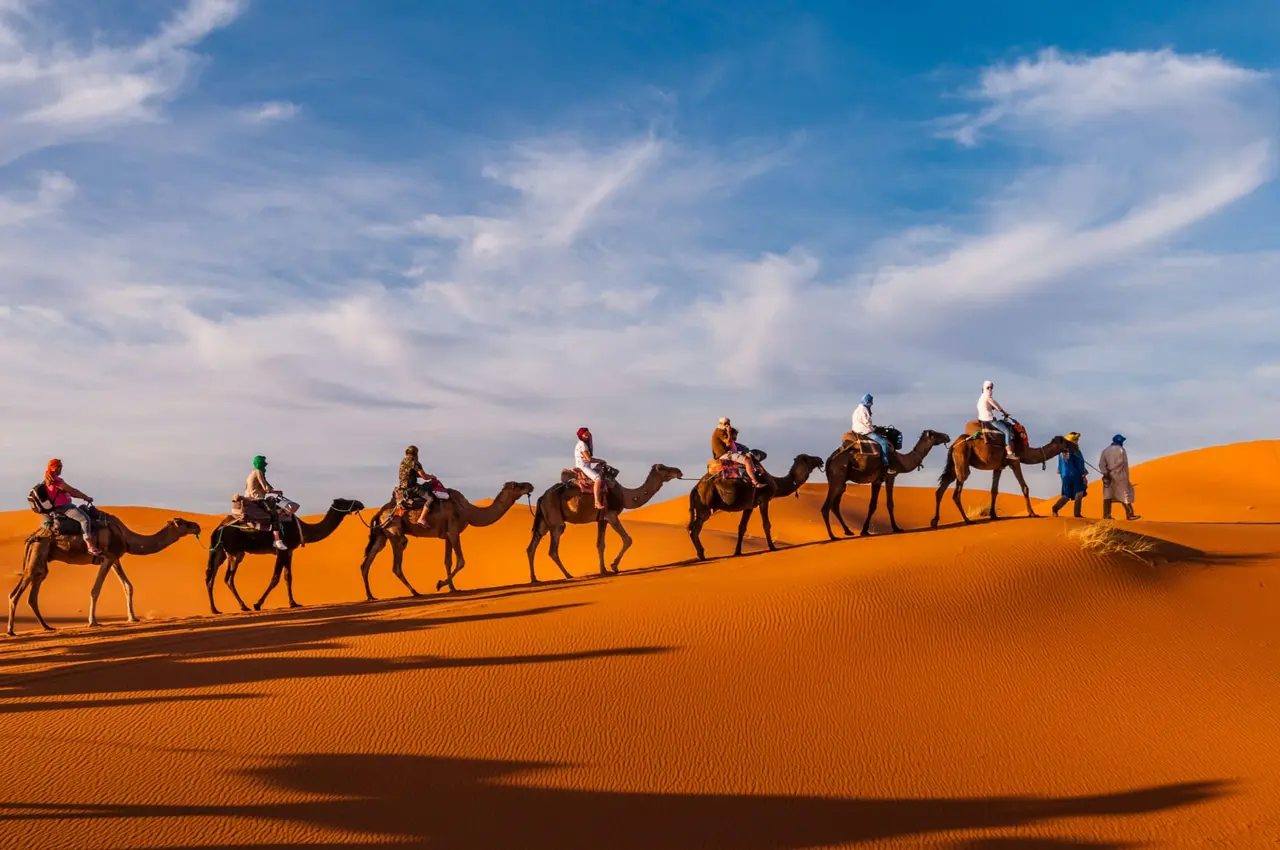
From Marrakech, allow two days of driving over the Tizi n'Tichka pass at 2,260 metres, then through the Dades and Todgha gorges, to reach the dunes of Erg Chebbi near Merzouga. A night at a desert camp, a camel trek at sunset and dawn over the sand are the south's signature experience. The classic Marrakech, desert, Fez loop needs at least four days, six to do it without constant rushing.

The Atlantic coast

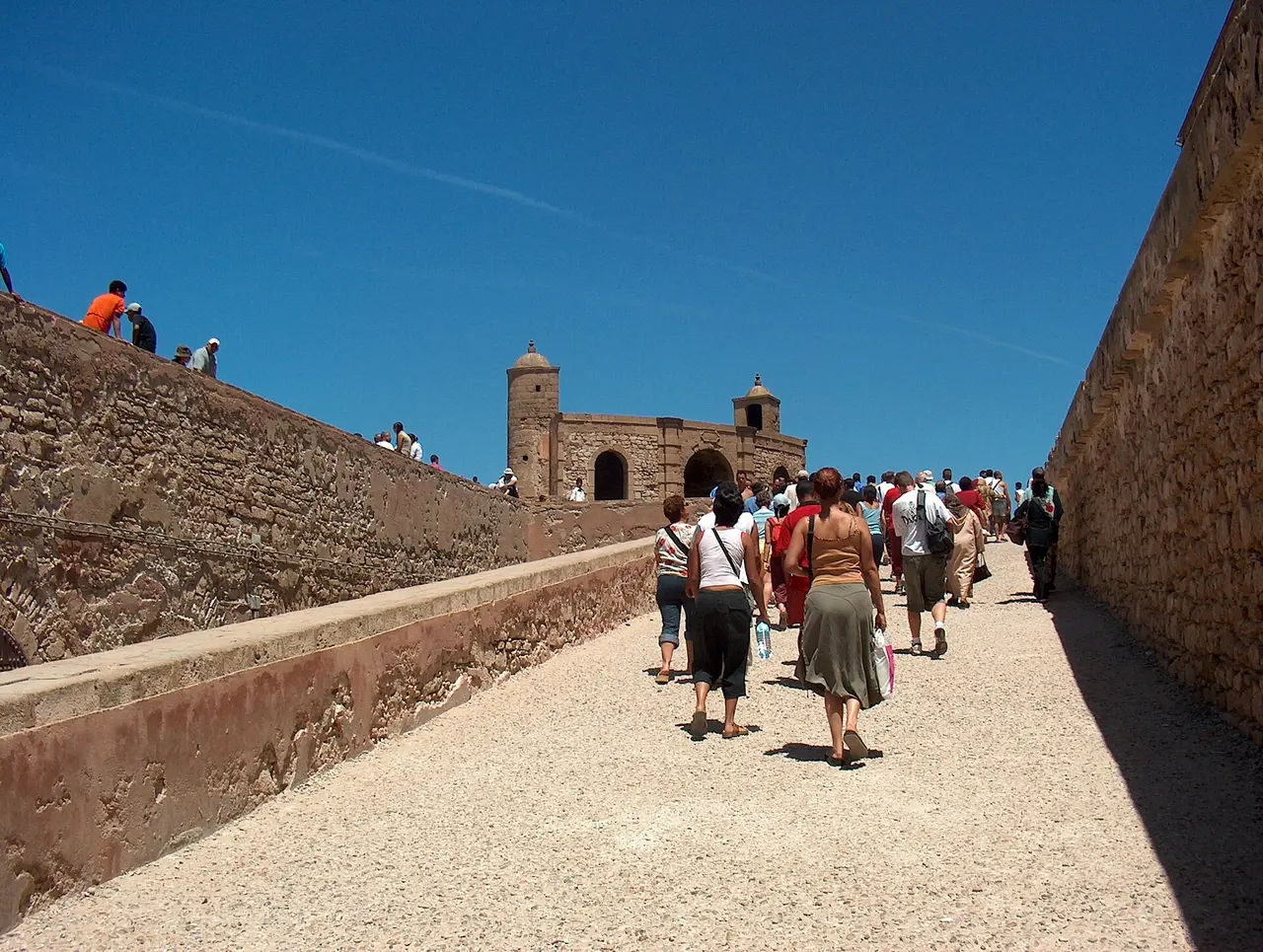
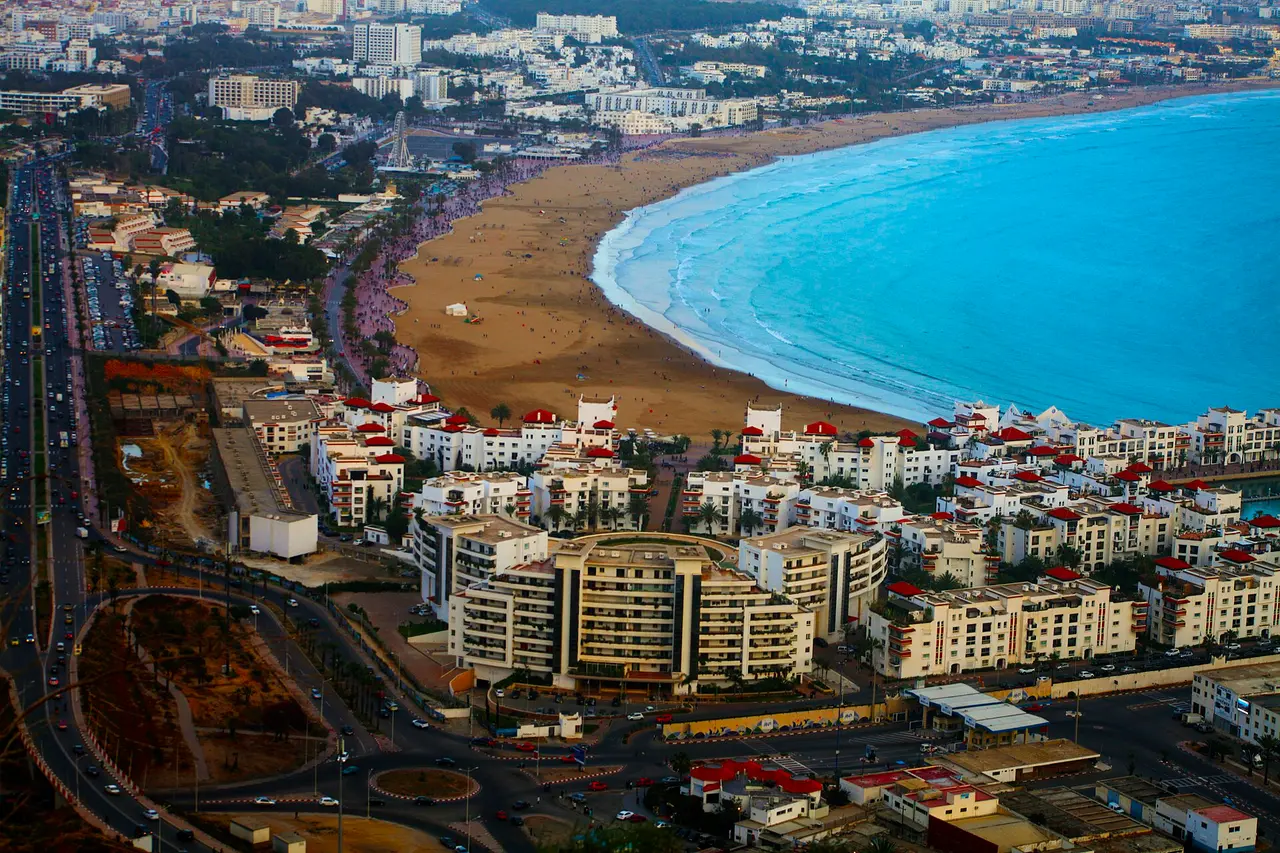
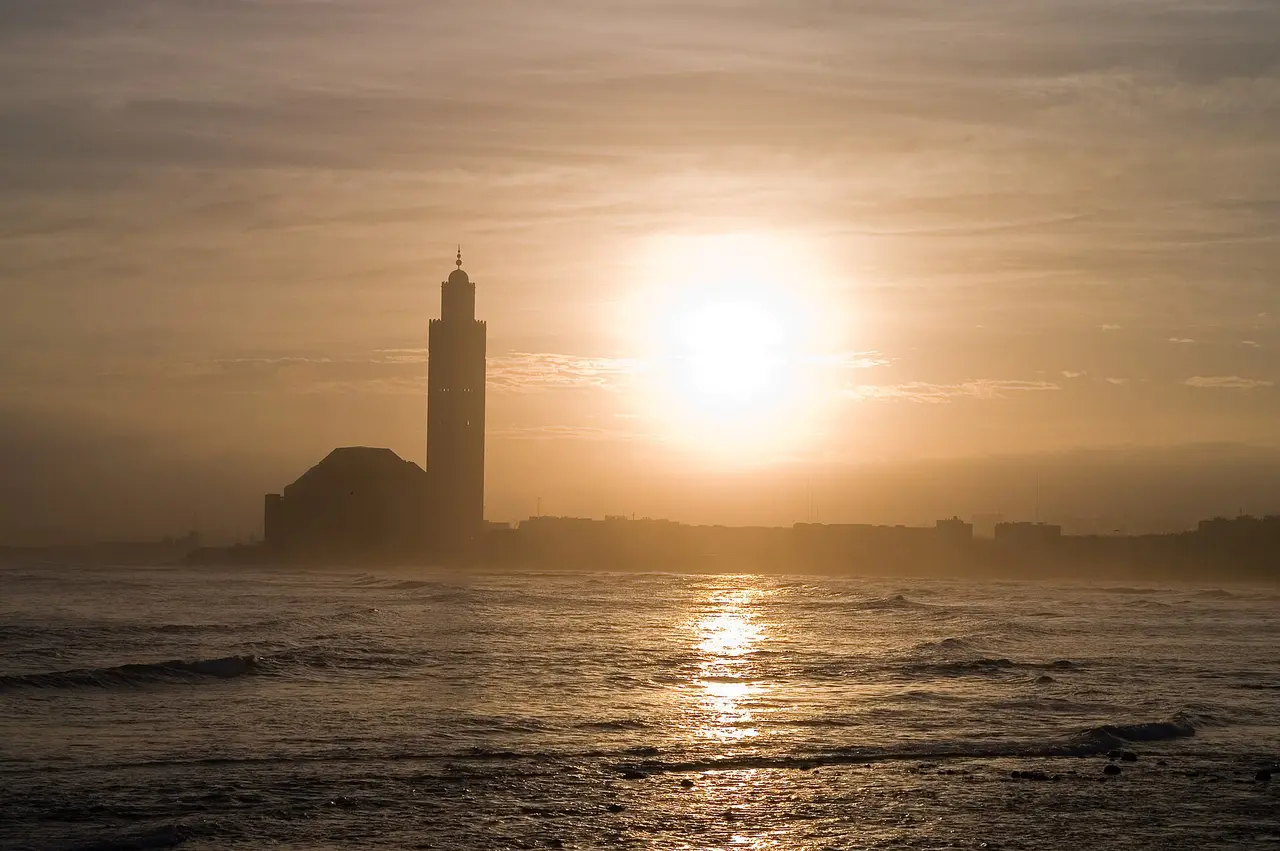
Essaouira, three hours by bus from Marrakech, charms with its ramparts, fishing port and windy beaches loved by kitesurfers: two nights are enough. Further south, Agadir focuses on beach resorts and a mild winter. Casablanca takes a day for the Hassan II Mosque, whose 210-metre minaret towers over the ocean, and Rabat, the capital, for the Kasbah of the Oudayas and the stork-filled Chellah site.

The Rif and the blue north

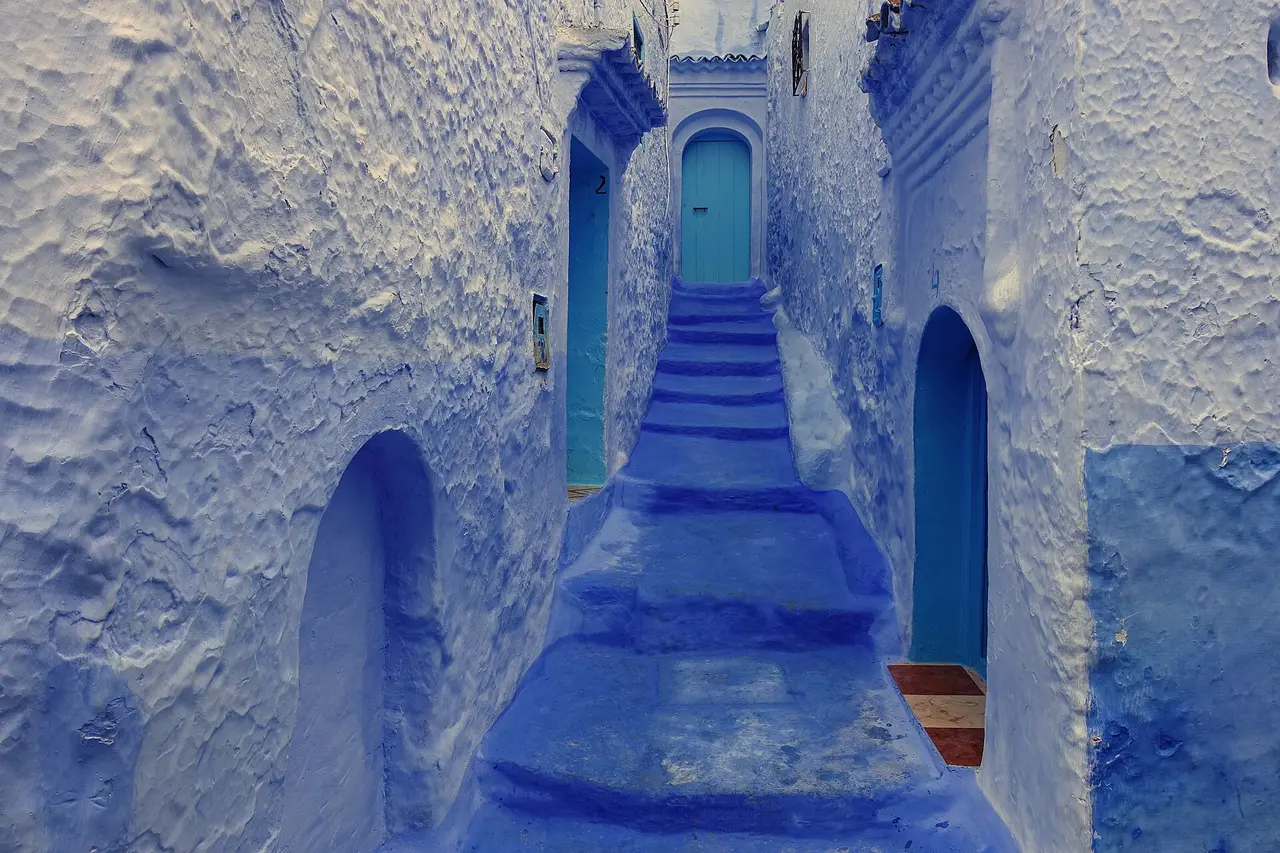
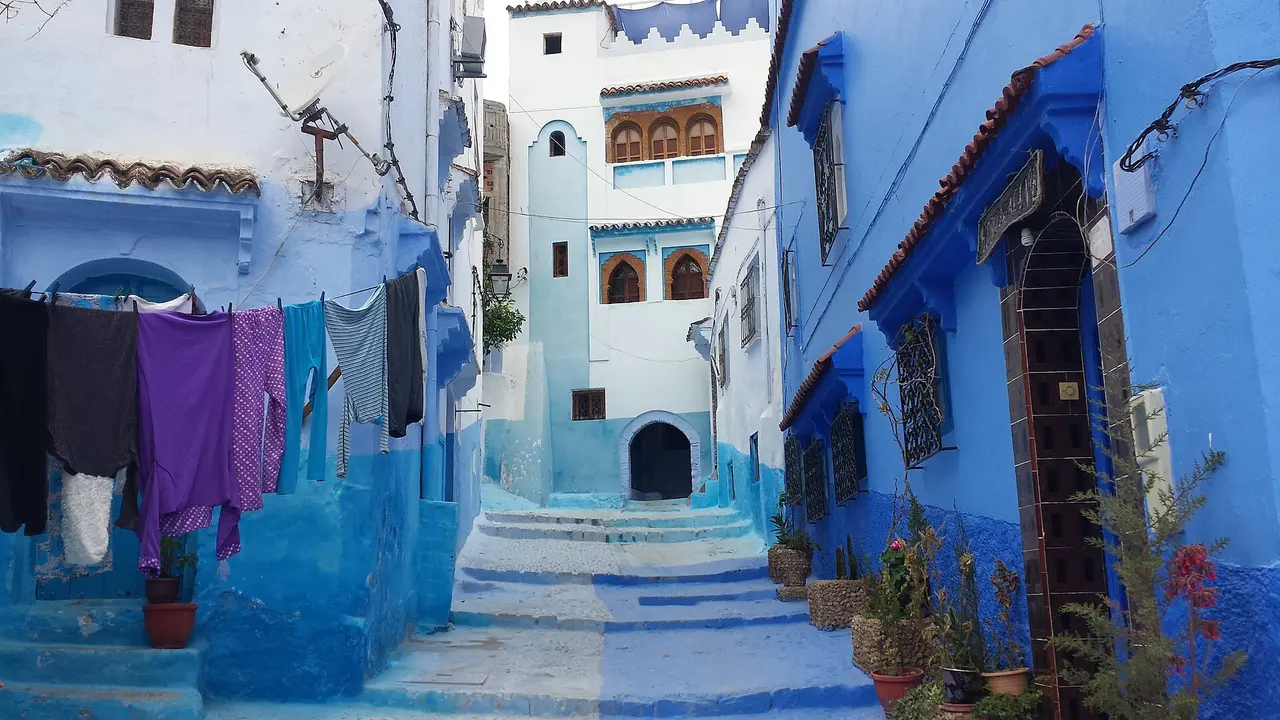
Chefchaouen, tucked into the Rif at around 600 metres, lines up lanes painted entirely in blue and serves as a base for the Akchour waterfalls hike, a round trip of one day. Tangier, at the mouth of the Strait of Gibraltar, is a little over two hours from Casablanca on the Al Boraq high-speed line, the first in Africa. The north pairs well with Fez on a two-week loop.

Food, crafts and budget

A tagine in a small eatery costs 3 to 6 euros, a Friday couscous a bit more, and mint tea comes with every stop. The souks of Fez and Marrakech concentrate pottery, metalwork, leather and rugs, where haggling is the rule before any purchase. On budget, count roughly 30 euros a day backpacking and 85 euros in comfort, excluding a Paris to Morocco flight around 160 euros return outside school holidays.

Cities to visit in Morocco

Featured destinations appear first.

Regions to explore in Morocco

Featured destinations appear first.

How much it costs

Per person per day, excluding international travel.
Budget
30 €/ day
740 € for 2 people, 7 days, return flights included
Accommodation
8 €
Food
12 €
Local transport
4 €
Sights and activities
6 €
Comfort
86 €/ day
1 524 € for 2 people, 7 days, return flights included
Accommodation
42 €
Food
22 €
Local transport
8 €
Sights and activities
14 €
Premium
245 €/ day
3 930 € for 2 people, 7 days, return flights included
Accommodation
115 €
Food
55 €
Local transport
30 €
Sights and activities
45 €
Prices checked: Relevé septembre 2026. Cadre sur le circuit touristique classique (Marrakech, Fès, vallées et desert), hors haute saison de printemps et d'automne. Sources prix au sol : guide budget Maroc 2026 de marhire.com, ou-et-quand.net, retours voyageurs récents ; conversion 1 EUR = environ 10,9 MAD. Vol aller-retour Paris-Marrakech hors vacances scolaires : environ 160 EUR par personne en low-cost (Ryanair, Transavia, easyJet) pour backpacker et comfort, environ 250 EUR par personne en régulier pour premium (données momondo, Skyscanner, Expedia). Hébergement : lit en dortoir pour backpacker, chambre double partagée a deux pour comfort et premium. Le dirham est stable mais l'inflation locale reste sensible : chiffres a revoir sous six mois.

Getting there

Airports serving Morocco, from main hubs to secondary ones.
  • AGAAl Massira AirportAgadirMain
  • BEMBeni Mellal AirportOulad YaichMain
  • CMNMohammed V International AirportCasablancaMain
  • FEZFes Saïss International AirportSaïssMain
  • NDRNador Al Aaroui International AirportAl AarouiMain
  • OUDOujda Angads AirportAhl AngadMain

Entry, health and safety

For FR travellers

Entry requirements

No visa for a tourist stay

Exemption de visa pour un séjour touristique de 90 jours maximum. Passeport en cours de validité couvrant toute la durée du séjour, la carte nationale d'identité n'est plus acceptée. Billet de retour et justificatifs de moyens de subsistance demandes à l'arrivée.

Stay allowed for up to 90 days.

Health

Advised: Mise a jour DTCP et rougeole ; hépatites A et fièvre typhoïde selon la durée et les conditions du séjour ; hépatite B et rage pour les séjours longs, répétés ou en zone rurale.

Fièvre typhoïde et hépatite A par l'eau et les aliments en zone a hygiène precaire ; leishmaniose transmise par les phlébotomes, surtout la nuit ; rage présente, mortelle une fois déclarée ; hausse des cas de rougeole signalée en 2026. Boire uniquement de l'eau capsulée ou traitée. Fièvre jaune : vaccination exigée seulement en provenance d'une zone d'endémie. Zones touristiques (Marrakech, Fès, Casablanca, Rabat, Essaouira) en vigilance normale ; frontière avec la Mauritanie formellement déconseillée, sud de la frontière algérienne et Sahara occidental hors route côtière en vigilance renforcée.

Safety

Normal precautions

Checked in septembre 2026 against the official source. Entry rules change: check the official source before you travel, it alone is authoritative.

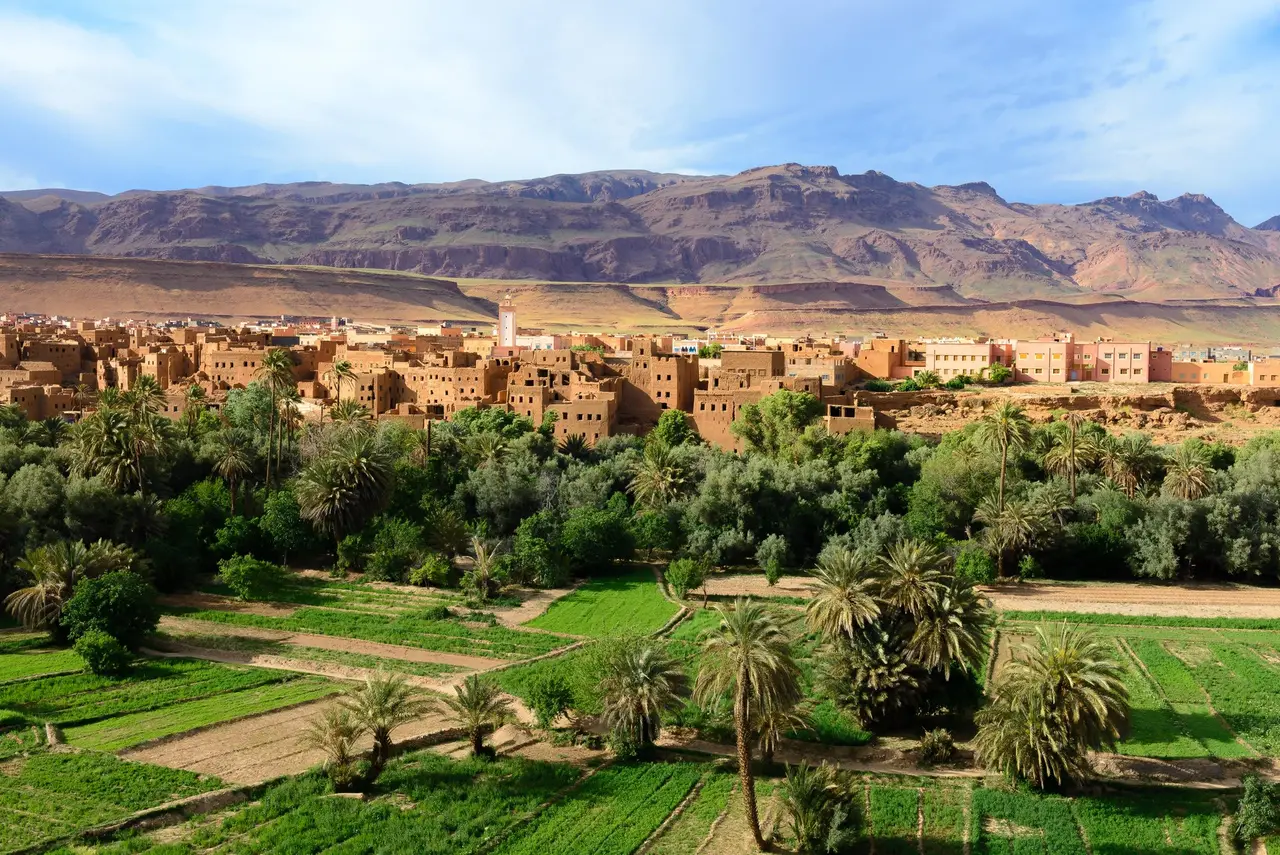
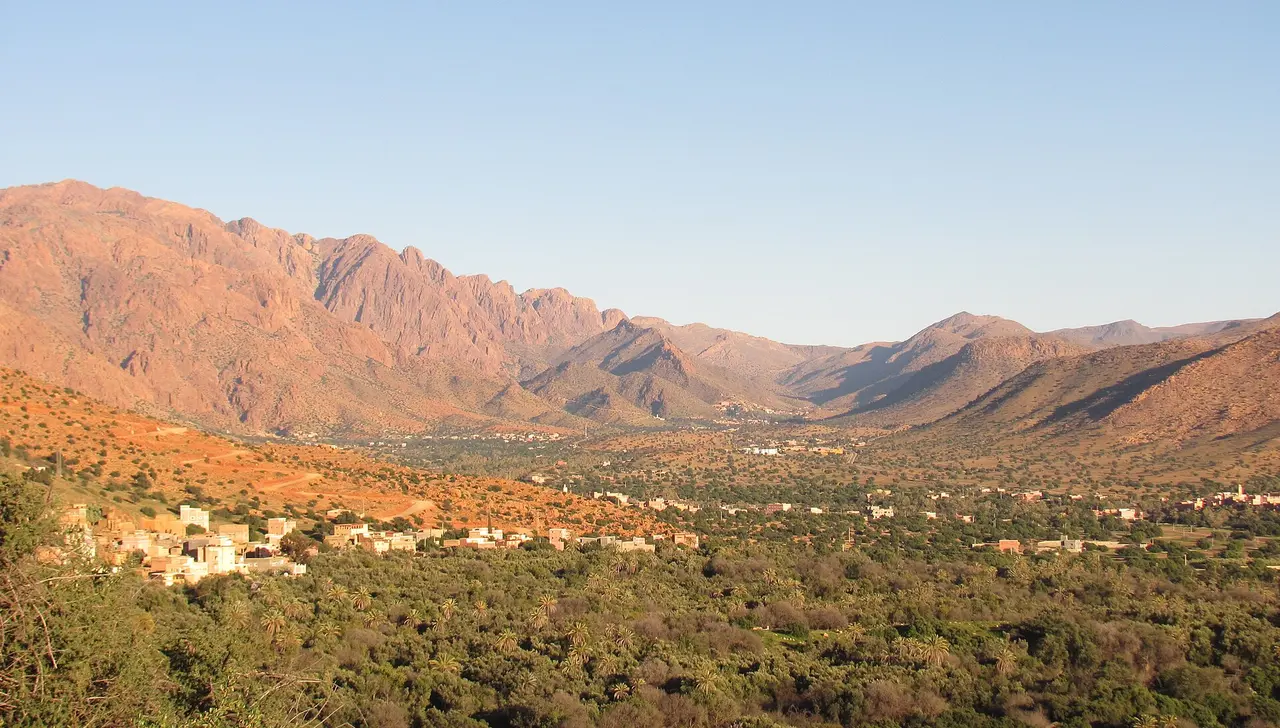
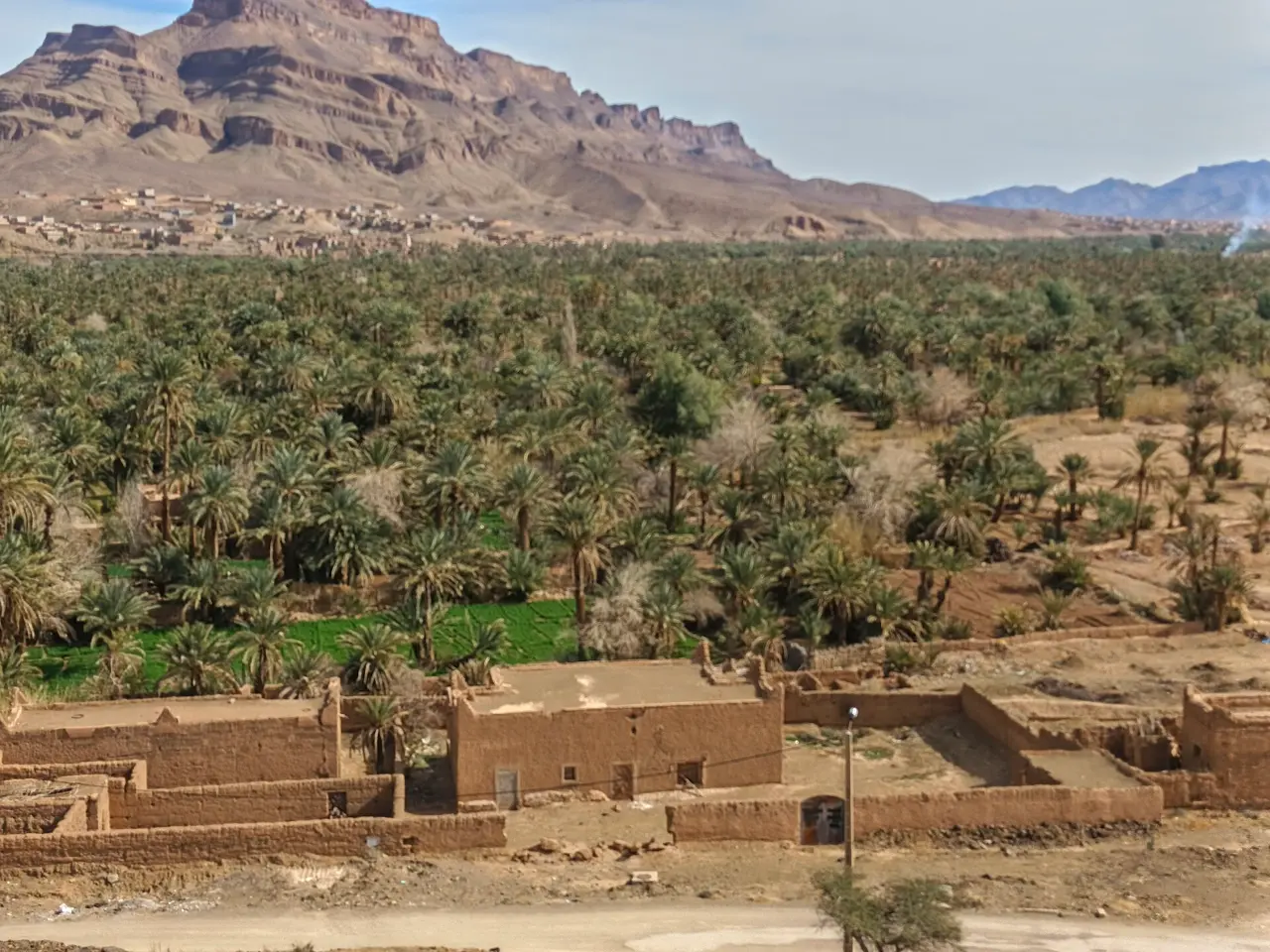
Morocco in pictures

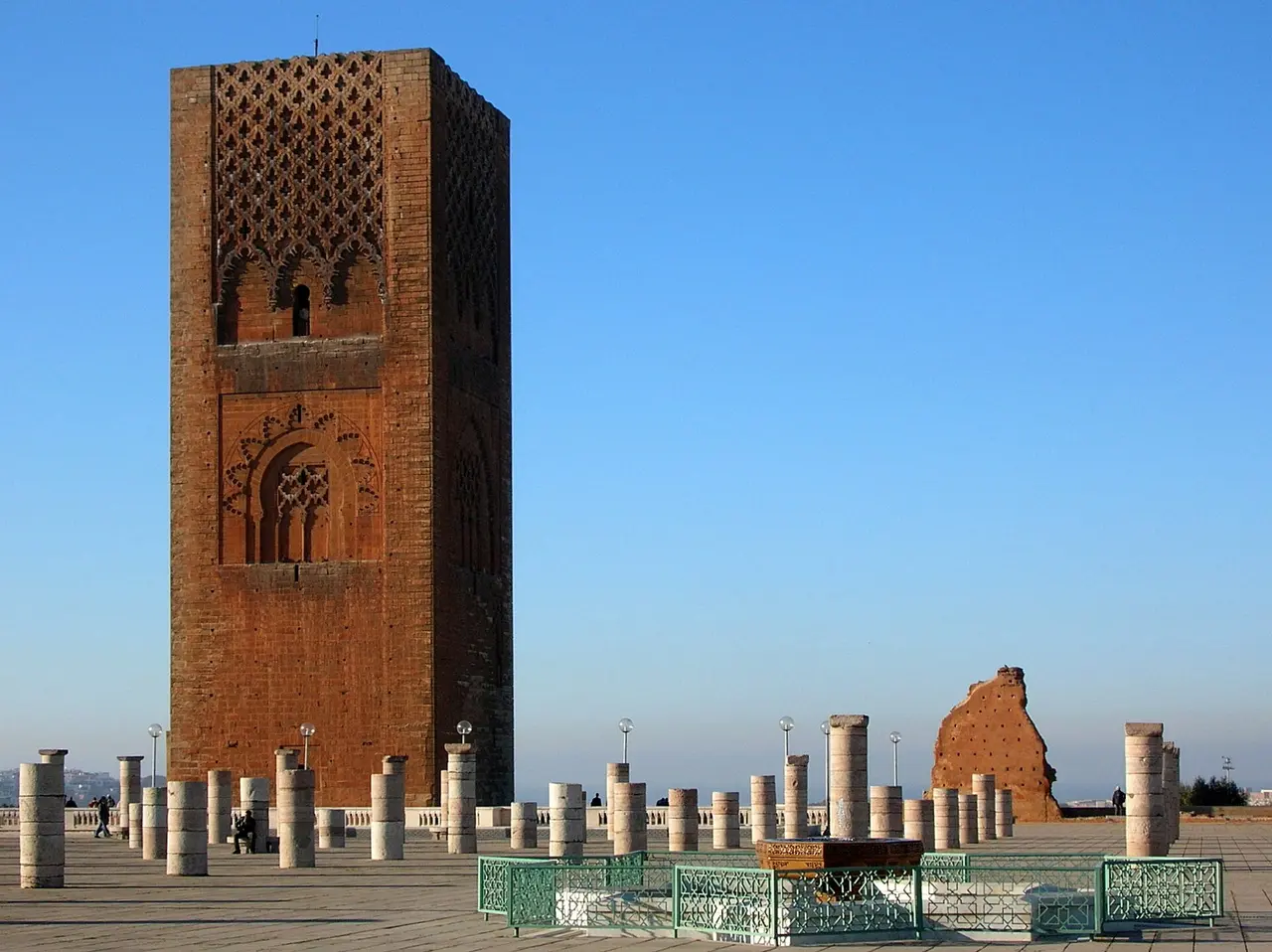
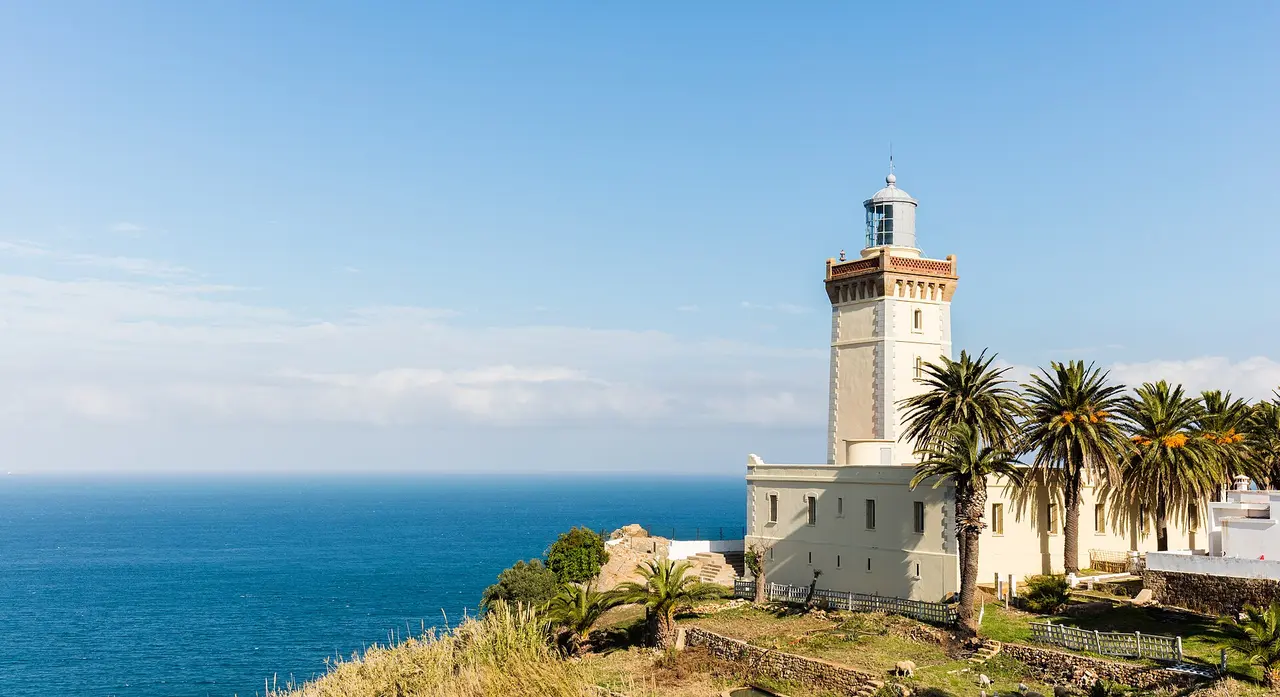
Photo credits : Allenfleming, CC BY-SA 4.0, Wikimedia Commons ; C messier, CC BY-SA 4.0, Wikimedia Commons ; Nomadz, CC BY-SA 3.0, Wikimedia Commons

Morocco's must-sees

From the great dunes of the south to medinas listed as world heritage, a selection of sites that shape a first trip.

Jemaa el-Fna square

The beating heart of Marrakech, it comes alive every evening with storytellers, Gnawa musicians and grill stalls late into the night.

Jardin Majorelle

A botanical garden with cobalt-blue buildings created by Jacques Majorelle and later saved by Yves Saint Laurent, best booked online to skip the queue.

The Fez medina

A UNESCO-listed site, one of the largest car-free medinas in the world, with its open-air tanneries and the Al Quaraouiyine university.

Ait Benhaddou

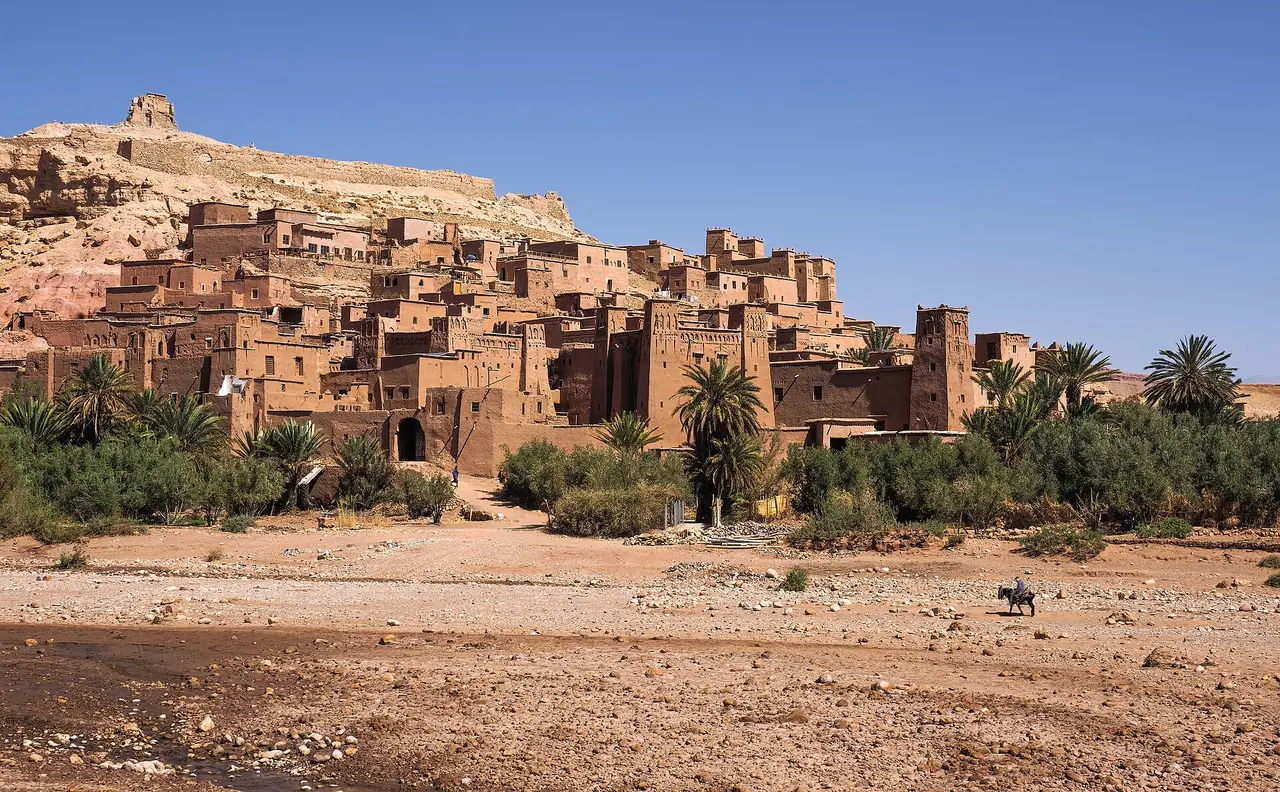
An earthen ksar rising on a hillside, the backdrop of many films, stunning late in the day when the light turns the walls gold.

Erg Chebbi

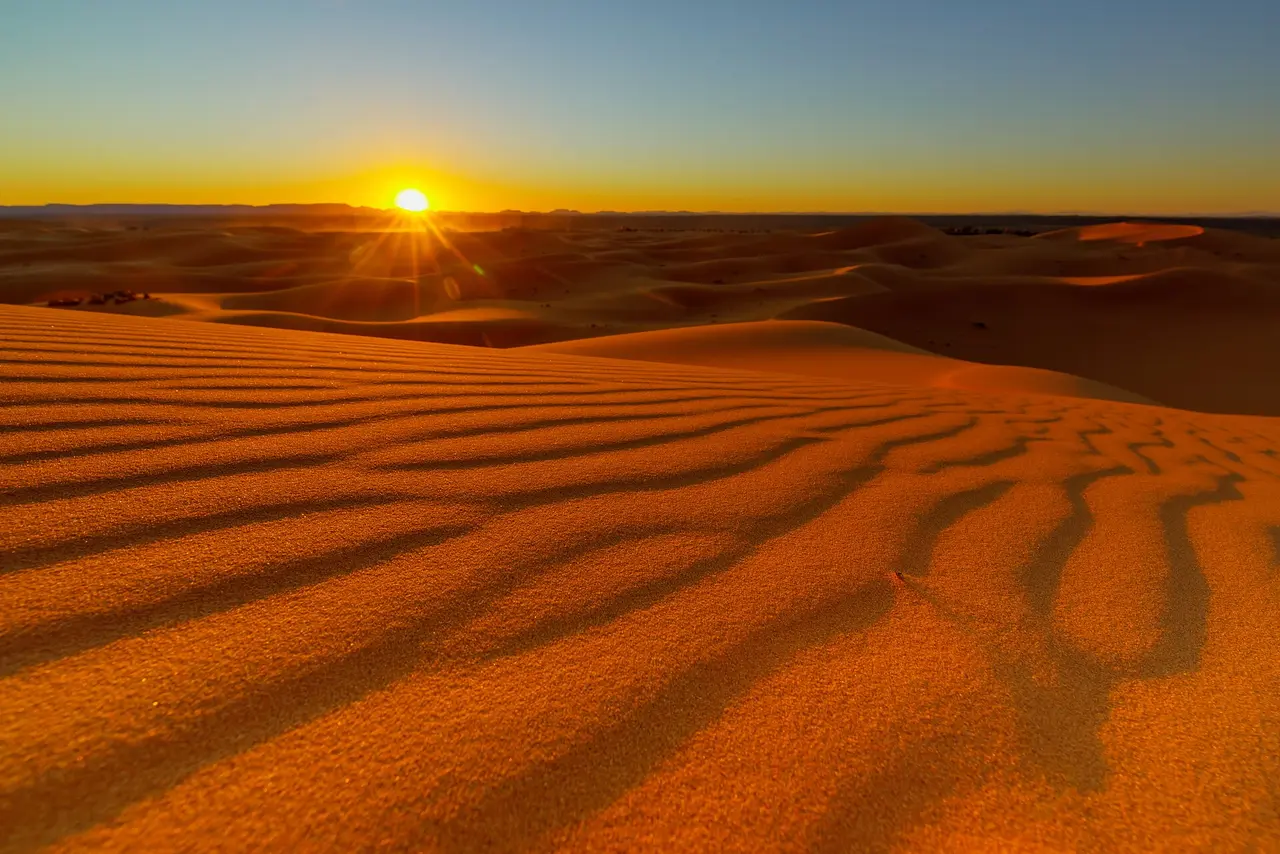
A ribbon of dunes over 100 metres high near Merzouga, reached by camel for a night under canvas in the middle of the sand.

Chefchaouen's blue medina

A tangle of blue-washed lanes against the Rif, one of the most photographed villages in Morocco.

The Hassan II Mosque

In Casablanca, one of the largest mosques in the world, built over the ocean, open for guided tours except Friday morning.

The Todgha Gorge

A canyon with sheer walls of around 300 metres near Tinghir, popular with hikers and climbers, crossed by a narrow road.

Volubilis

One of the best-preserved Roman cities in North Africa, with its open-air mosaics, about thirty kilometres from Meknes.

Practical information for Morocco

Currency
Moroccan dirham (MAD), non-exportable: change on arrival and convert back before leaving.
From France
Daily direct flights to Marrakech, Casablanca, Fez and Agadir, about 3 hours.
Tipping
5 to 10% in restaurants, a few dirhams for porters and parking attendants.
Tap water
Not advised: bottled water is available everywhere for under 1 euro.
Alcohol
Sold in hotels, tourist restaurants and Carrefour or Acima supermarkets, rarely in the medina.
Ramadan 2026
Roughly 18 February to 19 March: cafes and restaurants run at a slow pace during the day.
Power sockets
Types C and E, 220 V, the same as France.
Friday
Prayer day: the Hassan II Mosque closes to visits in the morning and offices slow down.
Dress
Cover shoulders and knees away from beach resorts, especially in Fez and Moulay Idriss.
Taxis
Metered petit taxi in town, insist on the meter, and shared grand taxi for trips between cities.
Languages
Arabic and Amazigh are official, French is widely spoken, English in the tourist sector.

Similar destinations

Other countries you might like as much as Morocco.

Similar regions

Other regions you might like as much as Morocco.

Frequently asked questions about travelling in Morocco

Marrakech or Fez for a first trip to Morocco?
Marrakech is more accessible, better connected and close to both the High Atlas and the desert, ideal for a short first stay. Fez has a more authentic, less touristy medina but needs more time and a guide. Many people combine the two over ten days.
How many days to reach the desert from Marrakech?
Allow at least three days and two nights to reach Erg Chebbi near Merzouga, with one night at a camp. Two-day trips to the Agafay desert or Zagora are shorter but far less spectacular than the great dunes.
Can you get to Chefchaouen easily from Marrakech?
No, the direct drive takes about nine hours. The easiest way is via Fez, four hours from Chefchaouen by bus or shared taxi, or to link the two cities on a northern loop starting from Casablanca or Tangier.
Is the Tizi n'Tichka pass open in winter?
It stays passable most of the year at 2,260 metres, but can close for a few hours after snowfall between December and February while it is cleared. A parallel motorway via Chichaoua now bypasses the pass.
Do you need a guide for the Fez medina?
It is not compulsory but very useful for the first half day: the lanes look alike and it is easy to lose your bearings. An official guide can be booked through your hotel or the tourist office for around 20 to 30 euros a half day.
Can you drink alcohol in Morocco?
Yes, but not everywhere: alcohol is sold in classified hotels, tourist restaurants and some supermarkets, not in medinas or small shops. Drinking in the street is frowned upon. Moroccan wine, notably from the Meknes area, is decent.
Is a national ID card enough to enter Morocco?
No. A passport valid for the whole length of the stay is required, including for package tours. French citizens do not need a visa for a tourist stay of up to 90 days.
Essaouira or Agadir for the Atlantic coast?
Essaouira appeals with its fortified medina, bohemian feel and kitesurf wind, though swimming is cool and choppy. Agadir, rebuilt after 1960, focuses on wide beaches, resorts and reliable winter sunshine.
Is Western Sahara open to tourists?
The coastal road down to Dakhla is open and used by surfers and campervans. France Diplomatie nonetheless rates areas away from that road as requiring heightened vigilance and formally advises against the approaches to the Mauritanian border.

Plan your trip to Morocco

Day-by-day itinerary, budget, bookings and packing in a single app.
Aperçu de l'application PlanTripNow