Andalusia

Between the Alhambra in Granada, the streets of Seville and white villages perched on hillsides, Andalusia offers an intense journey through Moorish heritage, flamenco and Mediterranean charm. A region full of color, music and sunshine all year round.

Why visit Andalusia?

Andalusia is home to some of the greatest monuments of Moorish Spain, including the Alhambra in Granada and the Mezquita in Cordoba. Its white villages, flamenco tradition and Mediterranean beaches make it an unmissable region in southern Spain.

What to discover in Andalusia?

Granada is home to the Alhambra, a UNESCO-listed Moorish fortress and palace whose Generalife gardens and richly decorated halls reveal the refinement of Islamic art in Spain. Seville completes this historic trio with its Gothic cathedral, its Mudejar-influenced Alcazar and the lively Triana district. In Cordoba, the Mezquita, a former mosque turned cathedral, illustrates the coexistence of Muslim, Jewish and Christian cultures that shaped Andalusian identity over several centuries.
Beyond the major cities, white villages like Ronda, perched above dramatic gorges, or Frigiliana reveal a more rural, authentic side of Andalusia. Flamenco, born in the working-class neighborhoods of Seville and Jerez, still sets the rhythm of Andalusian evenings through guitar, song and dance. Along the Costa del Sol, the beaches of Malaga or Marbella attract travelers seeking sunshine, while local cuisine built around tapas, cured Iberian ham and Jerez wines completes an experience rich in flavor and distinctive to southern Spain.

Cities to visit in Andalusia

Featured destinations appear first.
Coming soon.

Andalusia in pictures

Highlights

Andalusia blends Moorish heritage, white villages and Mediterranean charm.

Alhambra in Granada

This UNESCO-listed Moorish fortress reveals refined palaces, flowing water features and the Generalife gardens, offering one of the most complete examples of Islamic art in Europe.

Seville's Alcazar

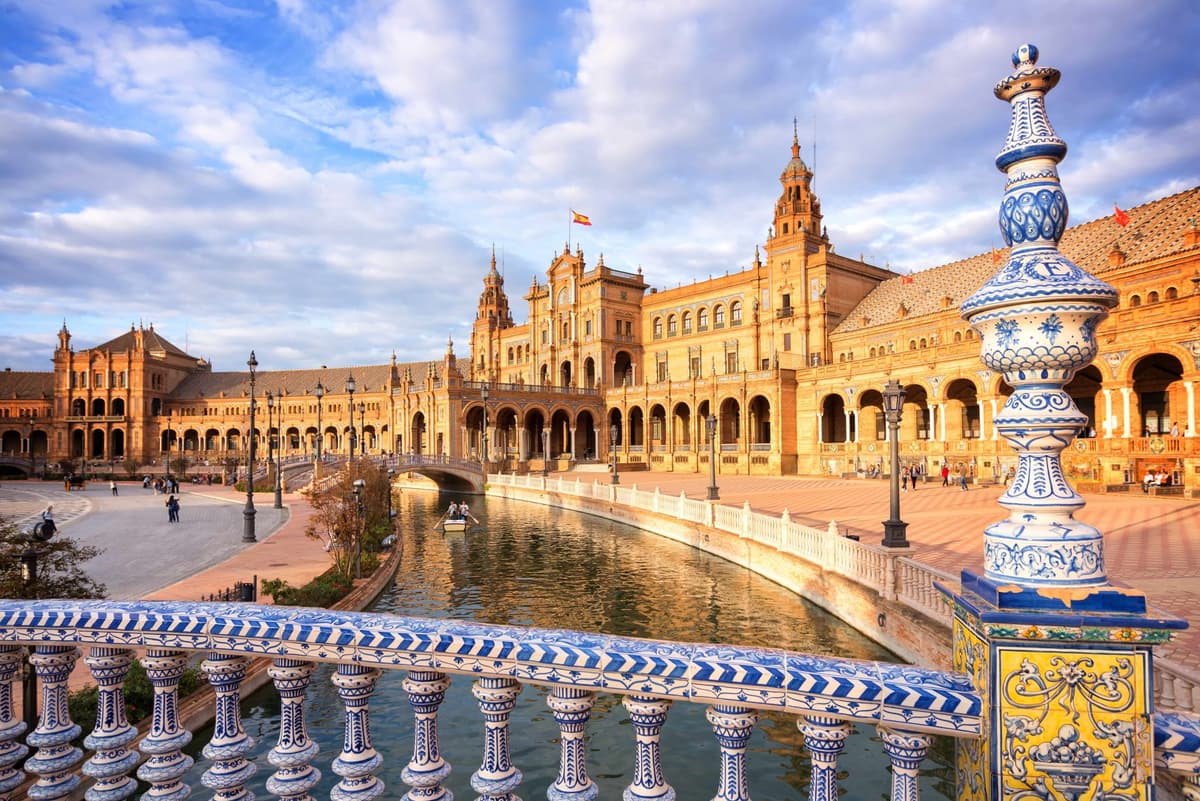
This royal palace with Mudejar influences, surrounded by Andalusian gardens, can be visited alongside the Gothic cathedral and its Giralda tower, a symbol of the city.

Mezquita of Cordoba

Once a mosque later turned cathedral, this unique building blends Moorish arches with Christian chapels, a symbol of the cultural coexistence that shaped Andalusian history.

Classic White Villages

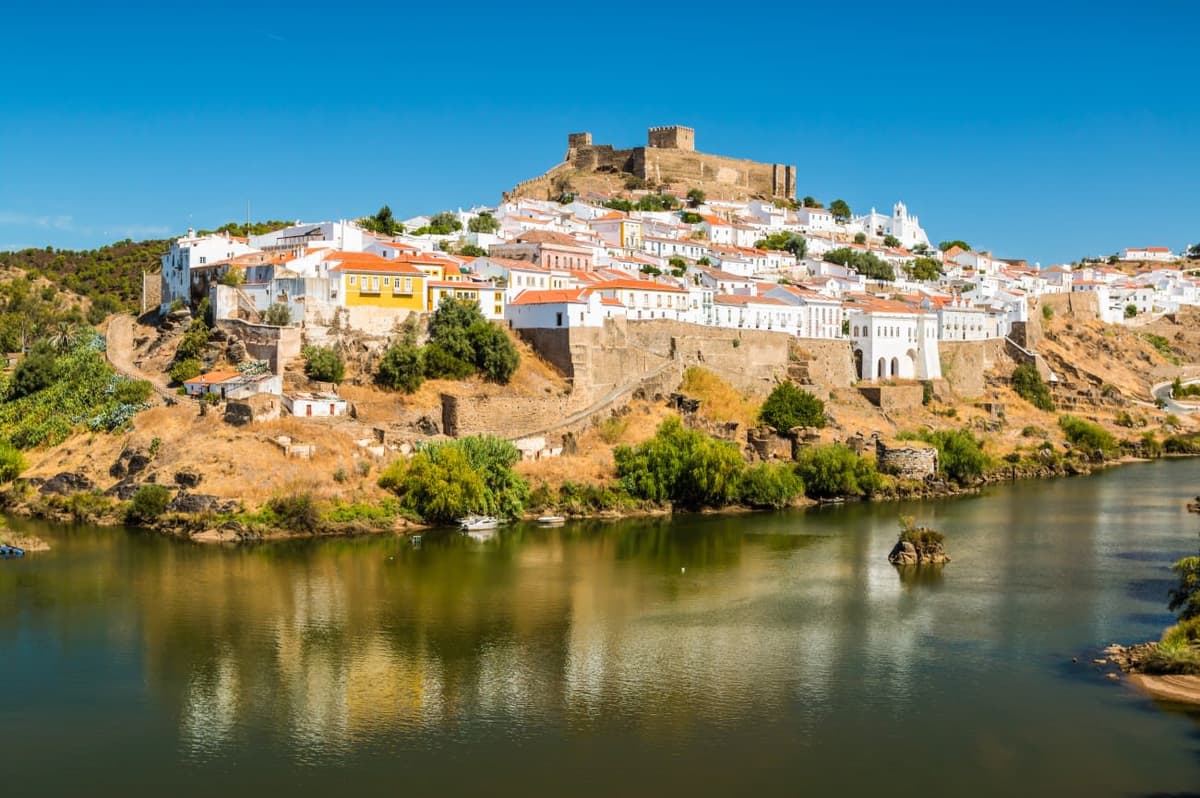
Ronda, perched above dramatic gorges, and the villages of the Grazalema natural park reveal a rural Andalusia of whitewashed houses and flower-lined narrow streets.

Flamenco Traditions

Born in the working-class neighborhoods of Seville and Jerez, flamenco still drives lively tablaos and local festivals, combining song, guitar and passionate dance.

Costa del Sol Beaches

Malaga, Marbella and Nerja offer sunny Mediterranean beaches almost year-round, ideal for pairing cultural sightseeing with relaxed days by the sea.

Practical information

Main city
Seville
Area
About 87,270 km²
Population
About 8.5 million
Language
Spanish
Currency
Euro (EUR)
Time zone
UTC+1 (UTC+2 in summer)
Climate
Mediterranean, very hot dry summers, mild winters
Best season
Spring and autumn

Frequently asked questions

What is the best time to visit Andalusia?
Spring and autumn bring pleasant temperatures, ideal for exploring Granada, Seville or Cordoba on foot. Andalusian summers run very hot, with temperatures regularly above 35 degrees Celsius, especially in Seville and the inland areas.
Do I need a visa to travel to Andalusia?
European Union citizens can travel freely without a visa. For other nationalities, Schengen area rules apply, generally requiring just a valid ID card or passport for a short tourist stay.
How many days should I plan for Andalusia?
Plan at least seven to ten days to explore Granada, Seville and Cordoba, while also enjoying the white villages and the coast. A two-week trip allows for a more relaxed pace across the region.
What are Andalusia's culinary specialties?
Tapas are central to Andalusian cuisine, often served alongside Iberian ham, olive oil and Jerez wines. Gazpacho and salmorejo, cold tomato-based soups, are especially popular during the hot summer months.
How do you get around Andalusia?
The high-speed train efficiently connects Seville, Cordoba and Granada from Madrid. To explore white villages and rural areas, renting a car remains the most practical and flexible option for travelers without a fixed schedule.
Is Andalusia suitable for families with children?
Yes, the region offers beaches, parks and lively cities that appeal to both children and adults. Distances between Seville, Cordoba and Granada stay reasonable, making it easier to plan a one- to two-week family trip.

Plan your trip to Andalusia

Day-by-day itinerary, budget, bookings and packing in a single app.
Aperçu de l'application PlanTripNow