Catalonia travel guide: when to go, what to see and how to plan it

Catalonia holds in a single week the work of Gaudi in Barcelona, the coves of the Costa Brava, medieval Girona and the Dali museum in Figueres, Roman Tarragona and the valleys of the Pyrenees. Efficient trains around Barcelona, a car for the coast and the mountains.

Why visit Catalonia?

Catalonia brings together one of Europe's biggest tourist cities, a very varied Mediterranean coast, two Dali museums, a UNESCO-listed Roman complex and a Pyrenean slope with skiing and hiking. Catalan and Castilian are both spoken, meals feature tomato bread and calçots, and Barcelona is an hour by train from both Girona and Tarragona.

What to discover in Catalonia

Barcelona, Gaudi and the old town

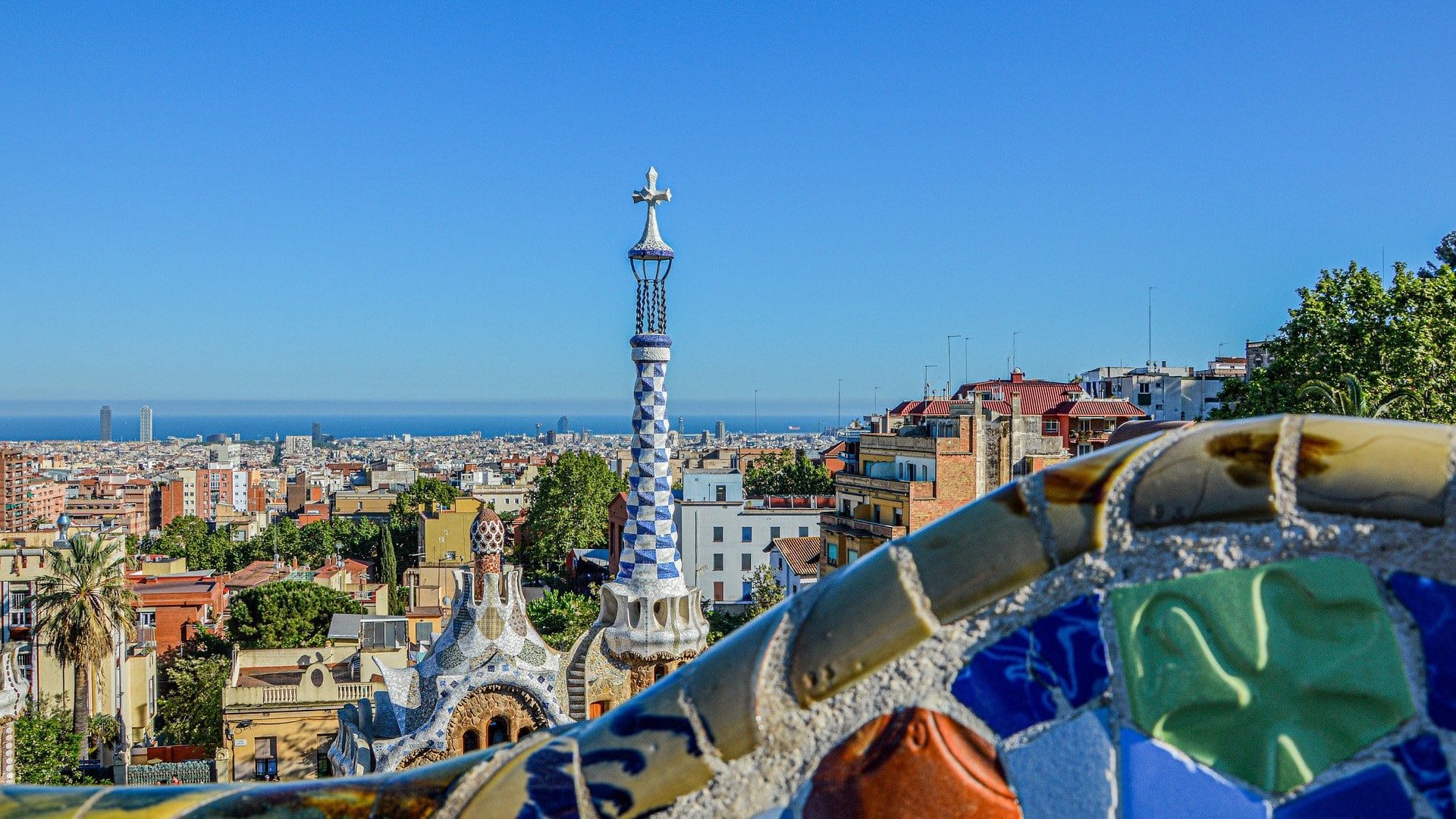
Barcelona needs three full days. The Sagrada Familia, Park Guell, Casa Batllo and La Pedrera all require a timed ticket bought online, often several days ahead. The Gothic Quarter and El Born are walked on foot, between the cathedral, Santa Maria del Mar and the Picasso Museum. Montjuïc gathers the national art museum, the Miro Foundation and the Olympic stadium. To unwind, the Barceloneta beach or the more local Gracia district. Watch for pickpockets on the Ramblas and in the metro.

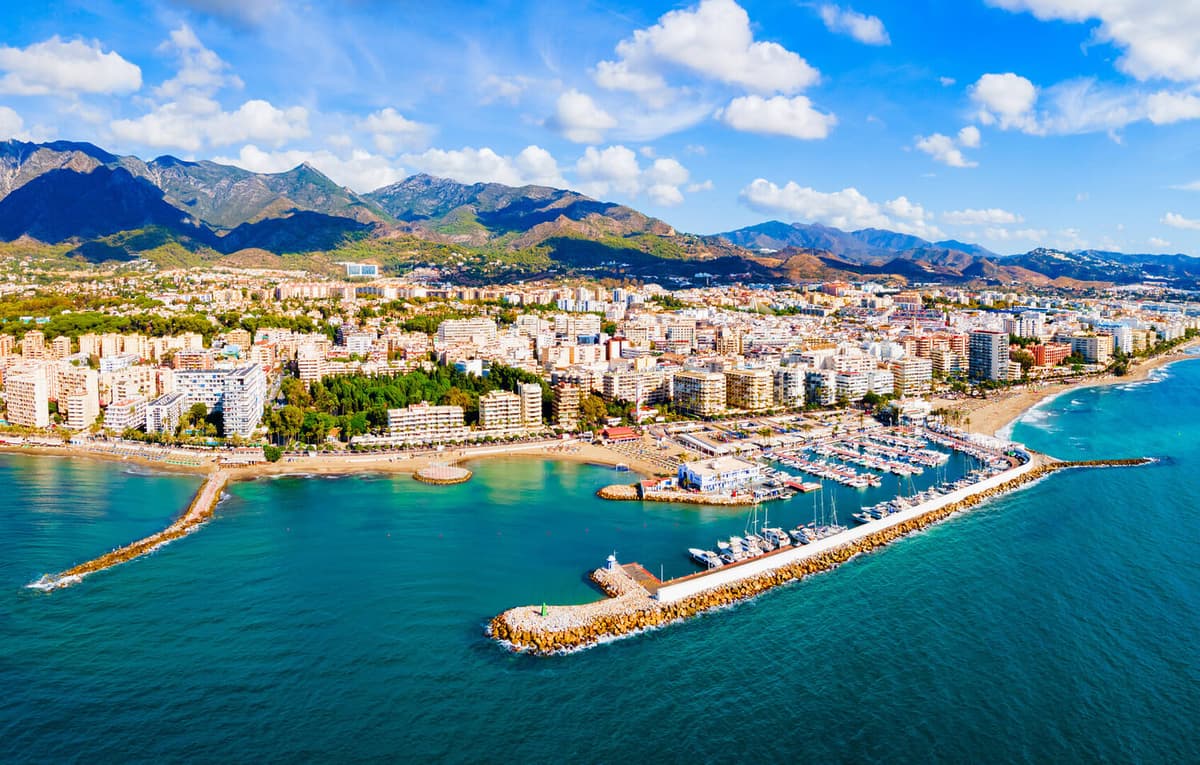
The Costa Brava

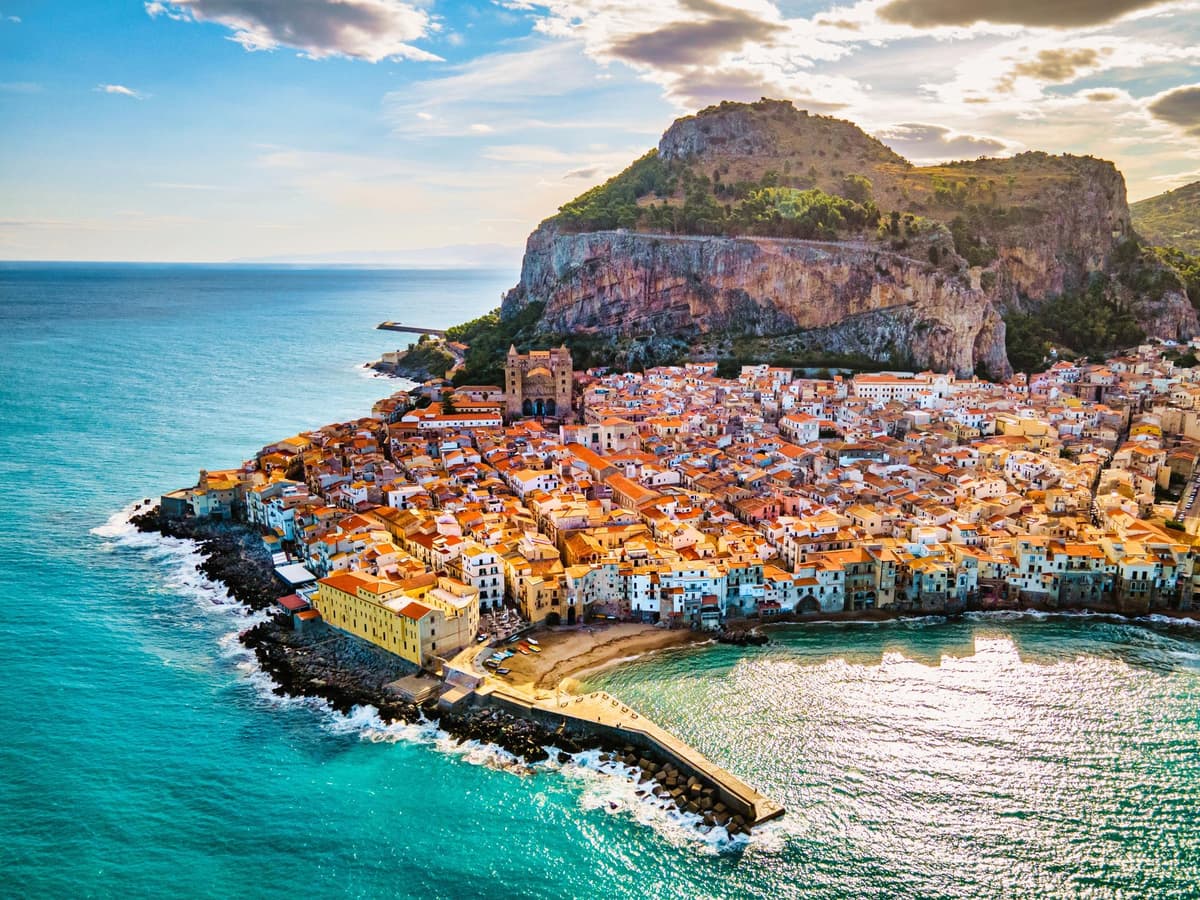
From Blanes to Cap de Creus, the Costa Brava alternates schist cliffs, pine woods and coves. The cami de ronda, a former customs path, links Calella de Palafrugell, Llafranc and Tamariu on foot in a few hours. To the north, the Cap de Creus natural park ends the Iberian peninsula in a chaos of rock, with Cadaques and Dali's house at Portlligat. The Medes Islands marine reserve offer the best diving on the Catalan coast. July and August are packed, so prefer June or September. See the dedicated region of the Costa Brava.

Girona and the Dali triangle

Girona lines its colourful houses above the Onyar, keeps one of Europe's best-preserved Jewish quarters, so-called Arab baths and a walkway along the ramparts. Its cathedral steps stood in for scenes in Game of Thrones. Forty minutes away, Figueres holds the Dali Theatre-Museum, Catalonia's most visited, which the artist conceived as a total work. The circuit is completed by the castle of Pubol, given to Gala, in an Emporda of vineyards and stone villages.

Tarragona and the Costa Daurada

To the south, Tarragona was Tarraco, capital of the Roman province. An amphitheatre facing the sea, a circus, a forum, the Pont del Diable aqueduct and the Passeig Arqueologic along the walls make up a UNESCO-listed set seen in a day. The flatter, family-friendly Costa Daurada adds the PortAventura park, the seaside and festival town of Sitges, and the Ebro delta, a huge wetland of rice fields and flamingos, best explored by bike.

The Catalan Pyrenees

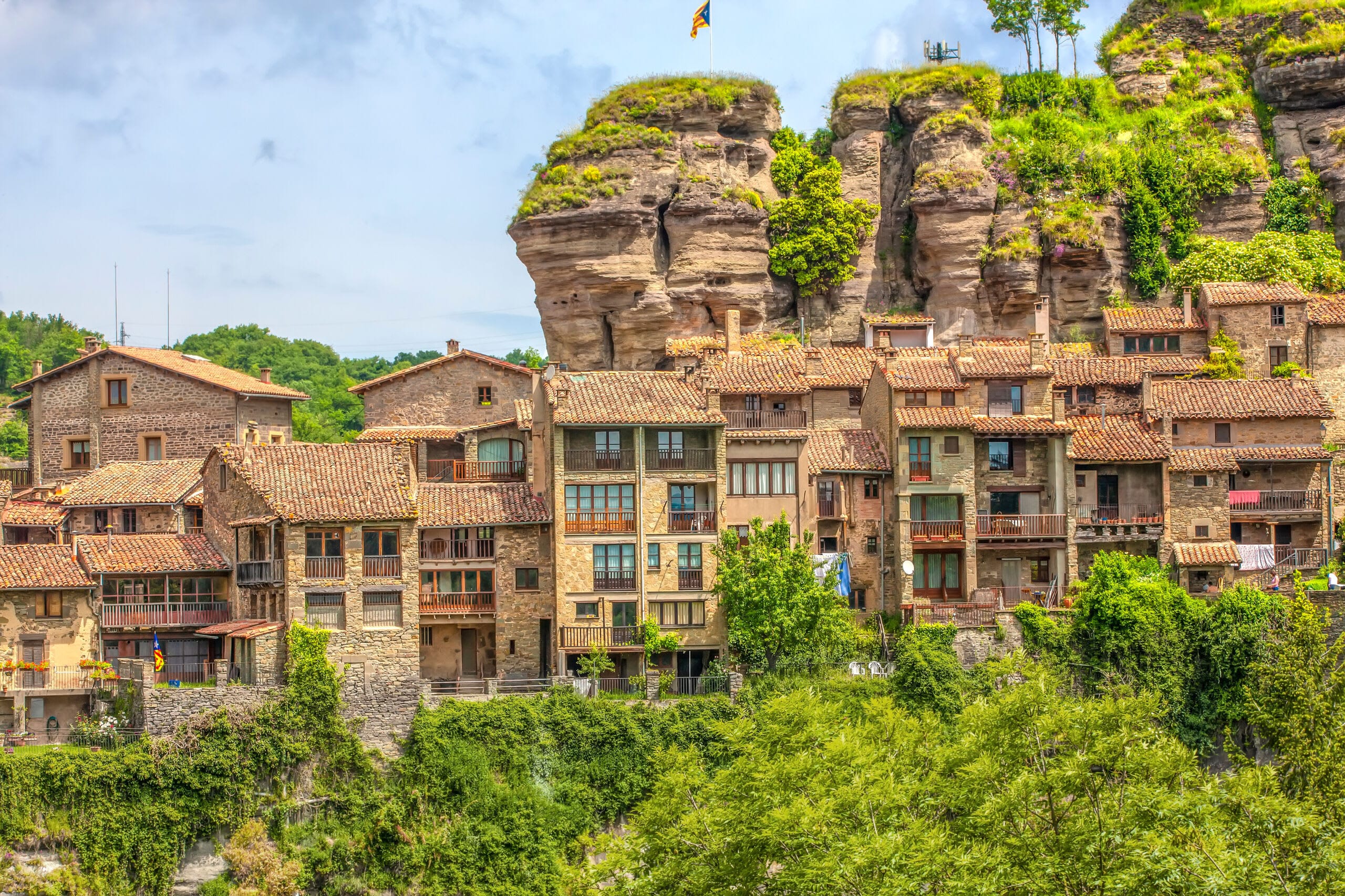
The Catalan slope of the Pyrenees suits winter skiing, at Baqueira-Beret in the Val d'Aran, and summer hiking. The Aigüestortes National Park and its Sant Maurici lake concentrate high-altitude lakes and peaks. The Boi valley keeps nine UNESCO-listed Romanesque churches with tower belfries. The road-free Vall de Nuria is reached by a rack railway from Ribes de Freser and serves as a base for walks to the glacial cirques.

Montserrat, the Penedes and the interior

An hour from Barcelona, the Montserrat mountain raises its pinnacles above a Benedictine monastery where the Black Madonna is venerated and the Escolania, one of Europe's oldest choirs, sings. To the south, the Penedes produces most of Spain's cava, tasted in the cellars of Sant Sadurni d'Anoia. Inland, Vic holds one of Catalonia's finest markets, and the Valls area celebrates the calçotada, a meal of grilled sweet onions, from January to March.

Cities to visit in Catalonia

Featured destinations appear first.
Coming soon.

Catalonia in pictures

Must-see sights in Catalonia

The essentials of Barcelona, the coast, the Dali museums and the Pyrenees.

The Sagrada Familia

Gaudi's unfinished basilica, under construction since 1882, whose towers are due to be completed in the coming years.

Park Guell

A terraced garden above Barcelona, with the mosaic salamander and the wavy bench of the main terrace.

Casa Batllo

A house in the Eixample reworked by Gaudi, with a scale-like facade and mask-shaped balconies.

The Dali Theatre-Museum

In Figueres, the museum the artist built on the ruins of a theatre, topped by a geodesic dome and giant eggs.

The Montserrat monastery

A Benedictine sanctuary set in a mountain of pinnacles, home to the Moreneta and the Escolania boys' choir.

Cap de Creus

The tip of the Iberian peninsula, a natural park of tortured rock loved by Dali, with Cadaques at its foot.

The Roman complex of Tarraco

The amphitheatre, circus, forum and aqueduct of the former provincial capital of Tarragona, a World Heritage Site.

The Medes Islands

A small archipelago off L'Estartit, a protected marine reserve and the best dive site on the Catalan coast.

Similar regions

Other regions you might like as much as Catalonia.

Similar destinations

Other countries you might like as much as Catalonia.

Frequently asked questions about Catalonia

How many days in Barcelona before seeing the rest of Catalonia?
Three full days for Barcelona, then two to four depending on what follows: the Costa Brava, Girona and Figueres, or the Pyrenees. A week lets you combine the city and one of the three, ten days for two of them.
Do you need to book the Sagrada Familia in advance?
Yes, absolutely. The ticket is date- and time-stamped, and daytime slots often sell out three to five days ahead in high season. Tower access, an extra cost, books out even earlier and is by lift then stairs.
How do you get to Cadaques and Dali's house from Barcelona?
Without a car, train to Figueres then the Sarfa bus to Cadaques, about an hour of mountain road. Dali's house at Portlligat is visited only by named reservation, in small groups, and is often full weeks ahead.
Can you visit the Costa Brava without a car?
Partly: buses link Girona to Palafrugell, Begur or L'Estartit, and local shuttles reach the beaches in summer. But to string together coves and villages, a car for two or three days is far more practical.
Where was Game of Thrones filmed in Catalonia?
Mainly in Girona: the cathedral steps, the Sant Domenec climb and the ramparts stood in for King's Landing and Braavos in season 6. Peralada and Santa Pau, in the Garrotxa, were also used.
Can you ski in Catalonia and where?
Yes, mainly at Baqueira-Beret in the Val d'Aran, the largest resort in the Spanish Pyrenees, open December to April. La Molina and Vall de Nuria, closer to Barcelona, work for a day or a weekend.

Plan your trip to Catalonia

Day-by-day itinerary, budget, bookings and packing in a single app.
Aperçu de l'application PlanTripNow