Iguaçu

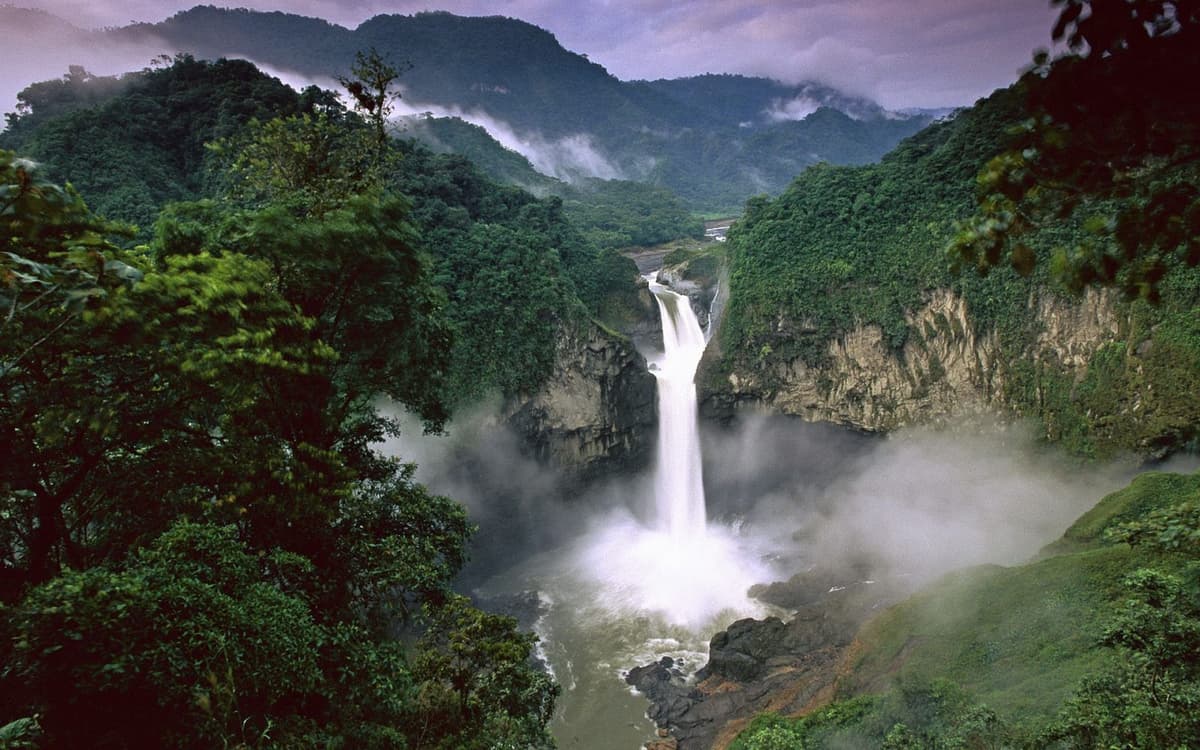
Made up of nearly 275 individual falls spread across almost three kilometers, on the border between Brazil and Argentina, Iguaçu Falls unleash a power and scale that make them one of South America's most famous natural sites.

Why visit Iguaçu?

Iguaçu Falls form one of the most spectacular waterfall systems in the world, set within a rainforest recognized as a UNESCO World Heritage site. The site offers complementary viewpoints on the Brazilian and Argentine sides, along with preserved wildlife and plant life unique to this ecosystem.

What to discover at Iguaçu?

Iguaçu National Park, on the Brazilian side, features a system of walkways offering a sweeping view of the falls, culminating at the Devil's Throat, where water plunges with striking power. The visit is rounded out by watching local wildlife, including coatis and a wide variety of tropical birds.
The city of Foz do Iguaçu, the main gateway, serves as a base for exploring the site on both sides of the border, with the Argentine side offering closer views of the falls. The region is also home to the Itaipu Dam, one of the largest hydroelectric structures in the world, which can be visited alongside a stay in the region.

Cities to visit in Iguazu

Featured destinations appear first.
Coming soon.

Iguazu in pictures

Highlights of Iguaçu

A few essentials to help plan your discovery of the site.

Devil's Throat

The most striking point of the falls, where water plunges with spectacular force.

Brazilian-side walkways

A developed trail offering a panoramic view of the entire falls system.

Iguaçu National Park

A UNESCO-listed rainforest, home to preserved wildlife and plant life.

Wildlife watching

Coatis, toucans and butterflies inhabit the areas around the falls and trails.

Itaipu Dam

One of the largest hydroelectric structures in the world, near Foz do Iguaçu.

Triple frontier

The meeting point of Brazil, Argentina and Paraguay, visible from certain viewpoints.

Practical information

Gateway city
Foz do Iguaçu (Paraná state)
Park area
About 185,000 hectares on the Brazilian side
Population of Foz do Iguaçu
About 260,000 inhabitants
Language
Portuguese
Currency
Brazilian Real (BRL)
Time zone
UTC-3
Climate
Humid subtropical, hot in summer
Best season
April to September

Frequently asked questions about Iguaçu

How many days should I plan for Iguaçu?
One day is enough for the Brazilian side, but 2 to 3 days allow you to also explore the Argentine side and the Itaipu Dam.
What is the best time to visit Iguaçu?
The April to September period offers milder weather, while the falls' flow is generally higher after the rainy season.
Should you visit both sides of the falls?
The Brazilian side offers a sweeping view, while the Argentine side allows you to get closer to the falls; the two perspectives complement each other.
Do you need a visa to visit Iguaçu?
Entry requirements depend on the traveler's nationality; it is recommended to check applicable requirements before departure.
How do you get around Iguaçu?
Flying connects Foz do Iguaçu to major Brazilian cities, while bus or taxi service reaches the national park from town.
Is Iguaçu suitable for families?
Yes, the developed walkways and accessible trails make the site suitable for visitors of all ages.

Plan your trip to Iguazu

Day-by-day itinerary, budget, bookings and packing in a single app.
Aperçu de l'application PlanTripNow