Mexico travel guide: when to go, budget and itineraries

Mexico lines up three millennia of pre-Columbian cities, 68 living indigenous languages, deserts in the north and jungles in the south. Travellers come for Chichén Itzá and the cenotes, for the food of Oaxaca or the Caribbean beaches, bearing in mind the country is vast and each region needs its own time.
  • 8 cities · 3 regions

Why visit Mexico?

Mexico holds 35 UNESCO World Heritage sites, more than any other country in the Americas, from the pyramids of Teotihuacán to the colonial towns of the Bajío. Its cuisine is itself UNESCO-listed. The dry season runs from November to April across most regions, and a comfortable long-distance bus network links the major cities. Chiapas, in the south, adds jungle and indigenous highlands.

What to see in Mexico

The Yucatán peninsula and the Riviera Maya

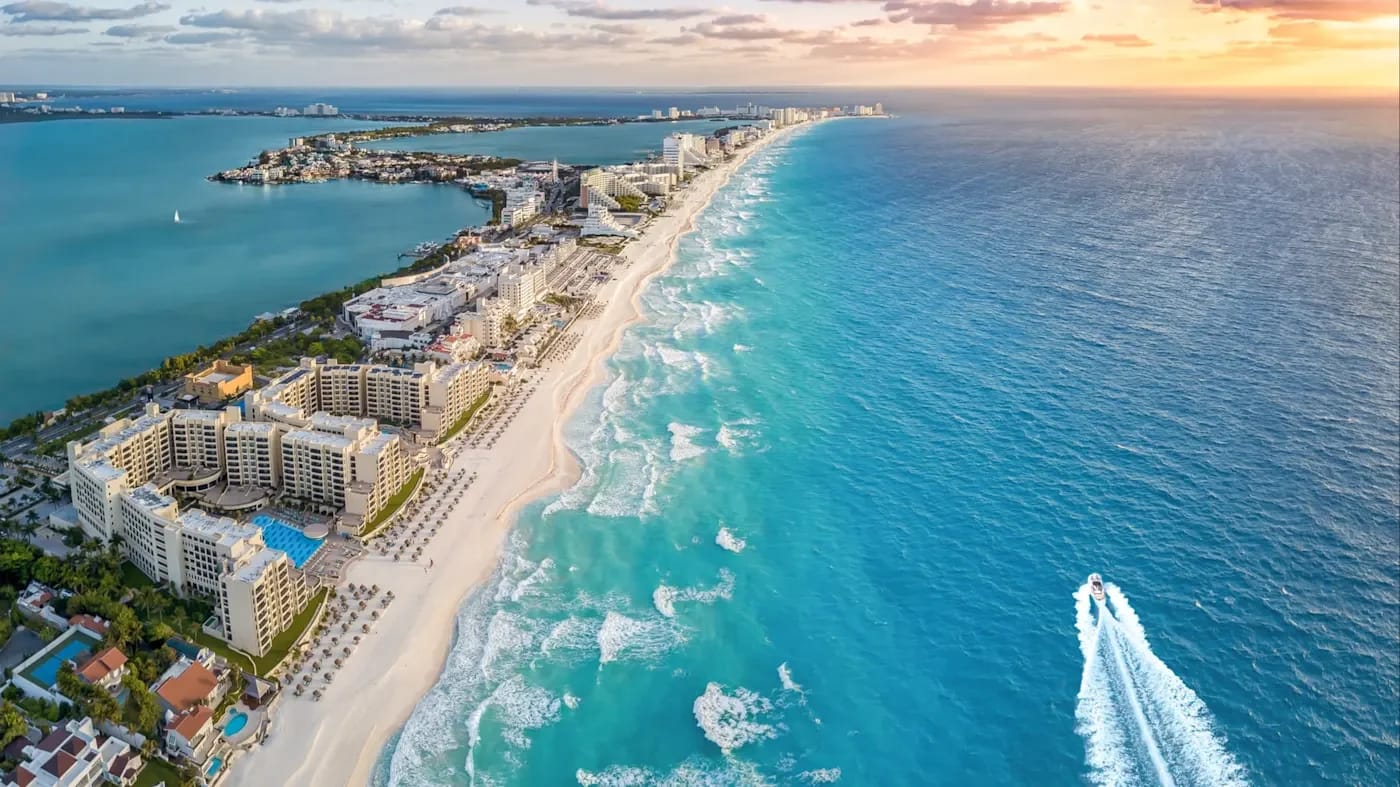
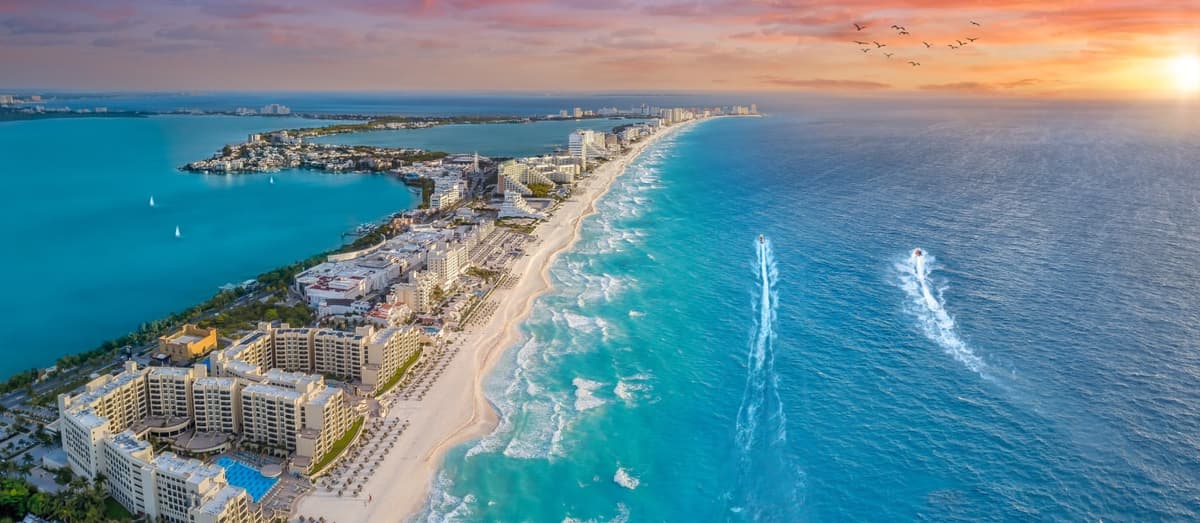
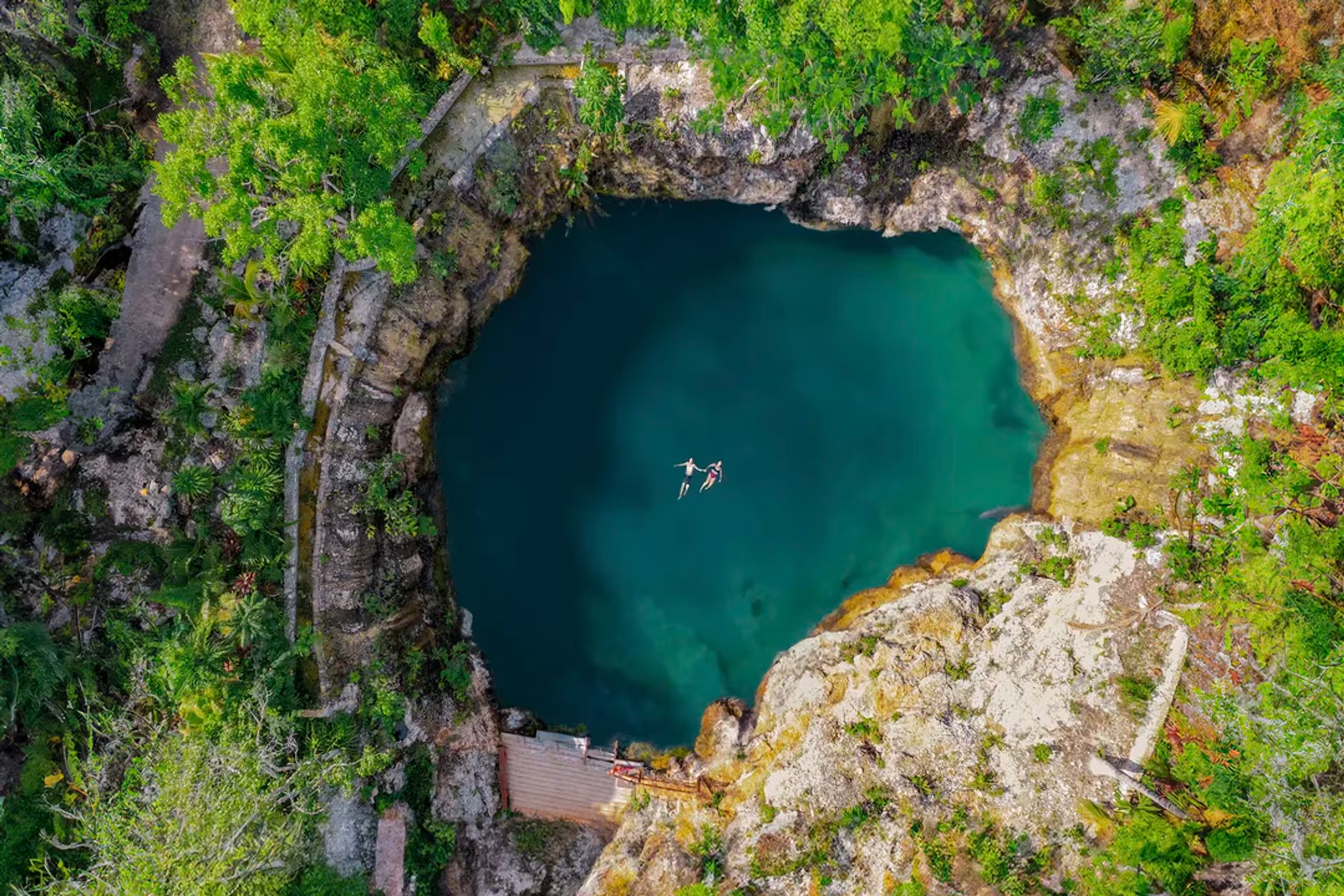
This is the busiest gateway, served by Cancún airport. The Caribbean coast strings together Playa del Carmen, Tulum with its cliff-top ruins, and then the Bacalar lagoon. Inland, Mérida and Valladolid work as bases for Chichén Itzá, Uxmal and hundreds of cenotes, the freshwater sinkholes you can swim in. Allow seven to ten days for the peninsula without rushing. The sargassum season, May to August, can hit exposed beaches; the hurricane season runs from June to November.
Mexico City and the central valley

The capital, at 2,240 m, deserves three full days: the historic centre and its Zócalo, the National Museum of Anthropology, the Coyoacán district and Frida Kahlo's house, which must be booked online. An hour north, Teotihuacán lines up its Pyramids of the Sun and Moon along the Avenue of the Dead. Puebla and Cholula, two hours away, add colonial baroque and the largest pyramid in the world by volume. The altitude needs a day or two of adjustment.

Oaxaca and the indigenous south

Oaxaca de Juárez is the country's culinary capital: seven moles, covered markets, mezcal workshops in Santiago Matatlán. Around it, the Zapotec site of Monte Albán overlooks the valley, the Tule tree has the widest trunk in the world, and the petrified pools of Hierve el Agua sit above the countryside. The Day of the Dead, around 1 and 2 November, is especially alive here. Plan four nights, more during the festivities when everything books months ahead.

Chiapas, jungle and highlands

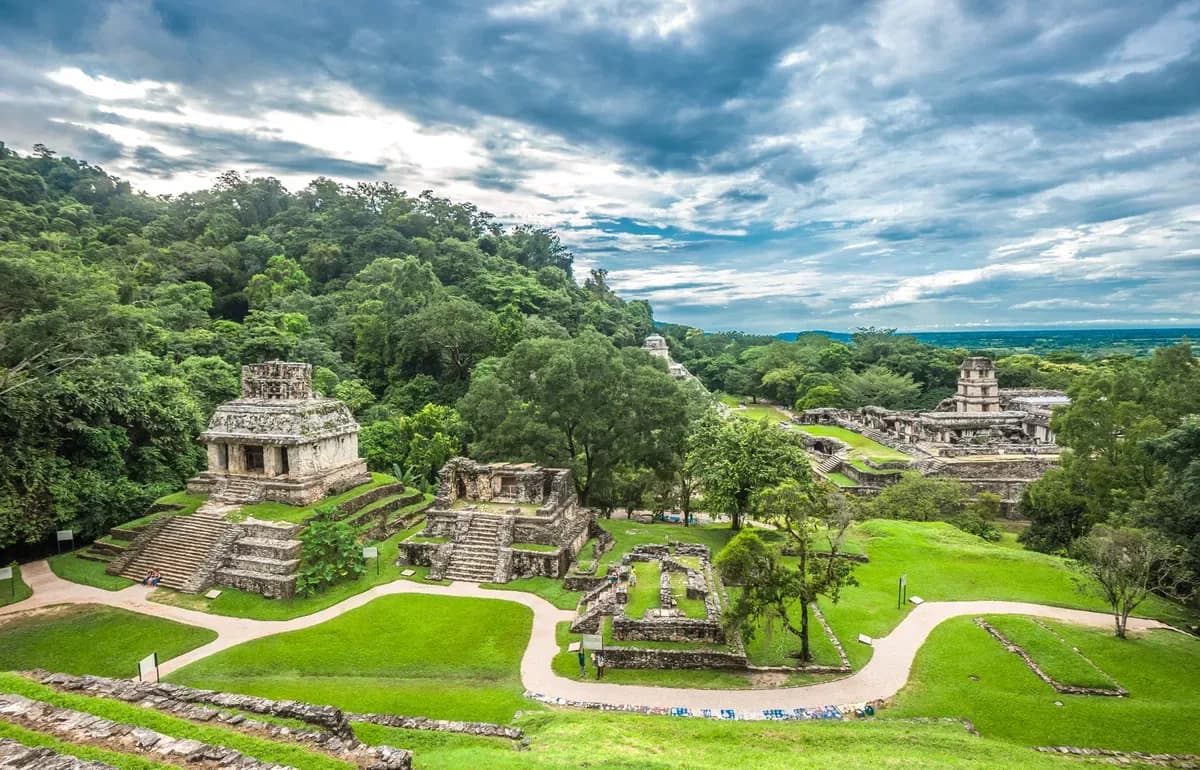
The southernmost state combines the Maya city of Palenque, buried in rainforest, the Agua Azul falls and the Sumidero canyon, run by boat below 1,000 m walls. San Cristóbal de las Casas, at 2,200 m, is the base for the Tzotzil villages of San Juan Chamula and Zinacantán. Mountain roads are slow: allow five hours by bus between Palenque and San Cristóbal. Evenings are cool all year round.

The Bajío and the colonial towns

In the centre of the country, silver-mine wealth built Guanajuato, Zacatecas, San Miguel de Allende and Querétaro, all UNESCO-listed. Guanajuato stacks its coloured houses in a maze of alleys and tunnels; San Miguel draws a large community of North American artists and retirees. The climate is temperate and dry most of the year. Three to four days are enough to string together two or three of these towns by bus, one to two hours apart.

Baja California and the Pacific

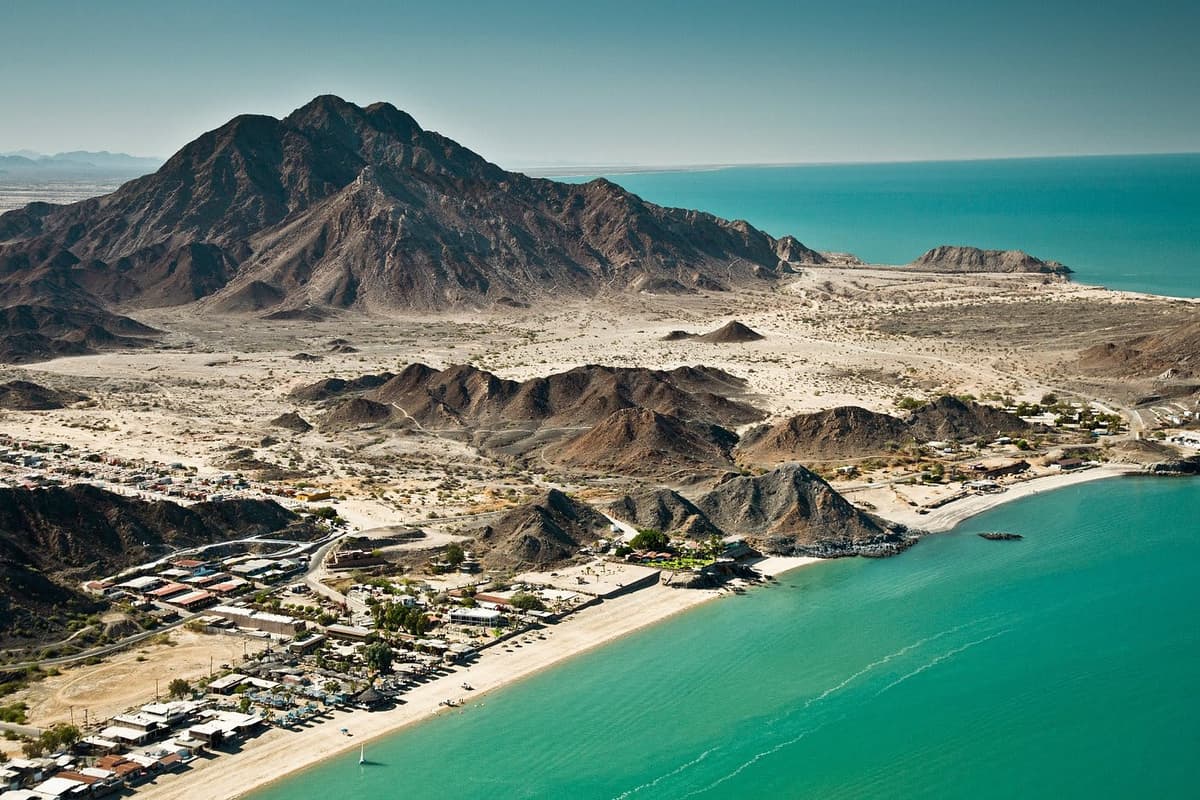
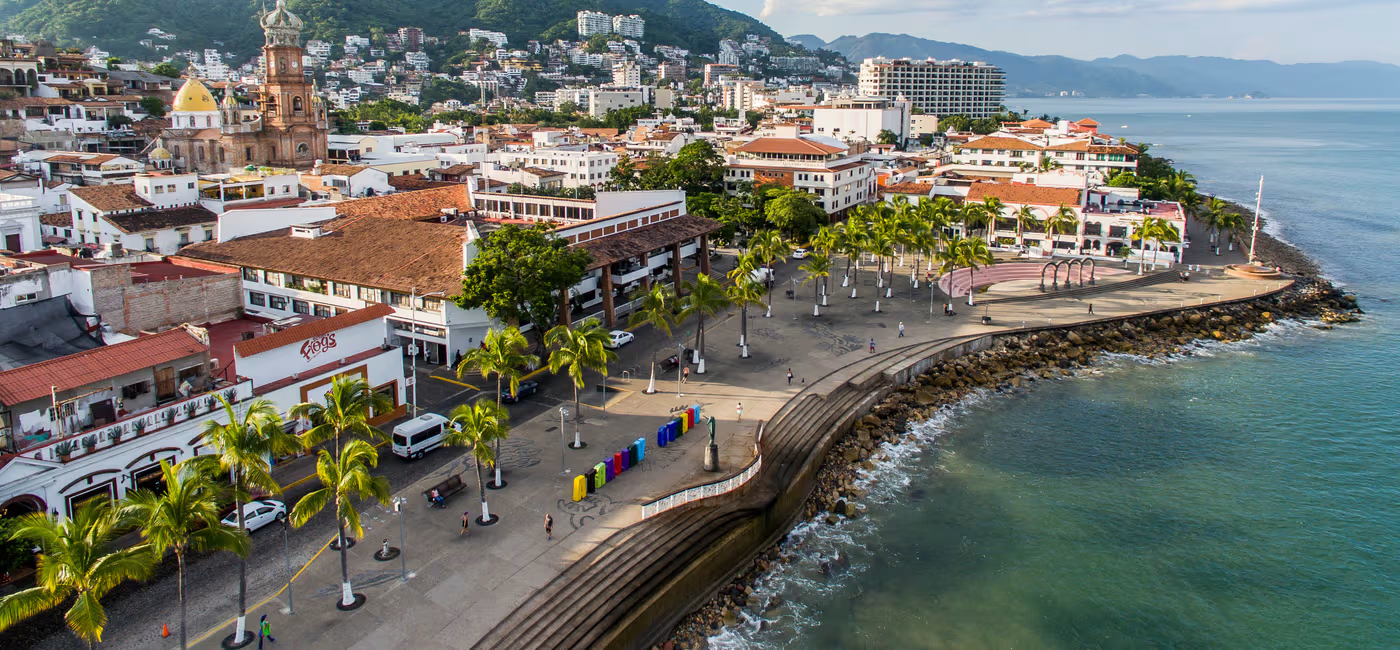
The long Baja California peninsula, bordering the United States, lives by the Sea of Cortez: grey-whale watching at Guerrero Negro and San Ignacio from January to March, diving at Cabo Pulmo, the beaches of La Paz. On the mainland, Puerto Vallarta and Sayulita open onto the Pacific and its surf. Distances are long, often 300 km between stops, and this region combines badly with the south on one trip.

Cities to visit in Mexico

Featured destinations appear first.

Regions to explore in Mexico

Featured destinations appear first.

Mexico in pictures

Must-sees in Mexico

Eight sites that shape an itinerary, from the great pre-Columbian cities to natural wonders.

Chichén Itzá

A Maya city in the Yucatán with its Kukulcán pyramid, UNESCO-listed. Open at 8 a.m. to beat the crowds and the midday heat.

Teotihuacán

A vast city predating the Aztecs, near Mexico City, with the Pyramids of the Sun and Moon linked by the Avenue of the Dead.

Palenque

Maya ruins in the Chiapas rainforest, known for the Temple of the Inscriptions and the tomb of king Pakal.

Monte Albán

The former Zapotec capital set on a levelled ridge above the Oaxaca valley, with its ball court.

Yucatán cenotes

Turquoise freshwater sinkholes formed in the limestone, open or underground. Most charge admission and are reached by bike or colectivo.

Sumidero Canyon

A Chiapas gorge with walls close to 1,000 m, run by boat on the Grijalva river from Chiapa de Corzo.

Hierve el Agua

Petrified waterfalls and mineral pools on a cliff edge in the Oaxaca valley. Swimming is possible early before the tour groups.

Monarch reserves

High-altitude forests of Michoacán where millions of monarch butterflies overwinter from November to March.

Similar destinations

Other countries you might like as much as Mexico.

Similar regions

Other regions you might like as much as Mexico.

Frequently asked questions about Mexico

Is it better to visit Chichén Itzá from Cancún or from Mérida?
From Valladolid, 45 minutes away, you arrive at opening at 8 a.m. before the Cancún buses. From Mérida it is a 1 hr 45 drive. On a day tour from Cancún you only reach the site mid-morning, in the heat and the crowds.
How many days to see the Yucatán without rushing?
Seven to ten days: two in Playa del Carmen or Tulum, two in Valladolid for Chichén Itzá and Ek Balam, three in Mérida for Uxmal and Celestún, plus one or two in Bacalar. Less than that and travel and heat eat into the visits.
Do cenotes charge admission and do you need to book?
Most charge from 3 to 25 EUR depending on their facilities and fame. The best known, like Ik Kil or Suytun, fill up by midday; go at opening. Community-run cenotes are cheaper and paid in cash on site.
Is altitude sickness in Mexico City a real problem?
At 2,240 m, most travellers mainly feel short of breath on exertion and tired for the first two days. Skip alcohol on arrival, drink plenty, and keep demanding visits like Teotihuacán for the third day.
Can you drink a margarita with ice safely?
In tourist bars and restaurants, the ice is made with purified water and is fine. The doubt is about street stalls and small rural places. Juices pressed with tap water are the more common risk.
Do sargassum really spoil the beaches of Tulum?
From May to August, brown seaweed can pile up on the exposed Caribbean coast, including Tulum and Playa del Carmen. Cozumel, the west coast of Isla Mujeres and Holbox are usually spared. Daily tracking sites show beach conditions.
Do you need to rent a car to visit Chiapas?
Not essential: shared shuttles link Palenque, San Cristóbal and Tuxtla, and trips to the Sumidero or the Tzotzil villages leave from San Cristóbal. A car saves time on the remote waterfalls, but mountain roads are slow and winding.
When is the Day of the Dead in Oaxaca and should you book ahead?
Celebrations focus on 31 October to 2 November, with vigils in the Xoxocotlán and Atzompa cemeteries. Oaxaca accommodation books three to six months ahead, and prices double over this period.
Is it risky to take a night bus in Mexico?
On the main tourist routes of the centre and south, companies like ADO run at night without particular trouble. In the northern states and Guerrero, daytime travel is advised. Keep valuables in the cabin with you.
Does the Maya Train change how you get around the Yucatán?
Opening in stages, it links Cancún, Mérida, Campeche, Palenque and other peninsula towns. Stations are sometimes far from the centres, and the bus is often more direct between two nearby sites like Valladolid and Chichén Itzá.

Plan your trip to Mexico

Day-by-day itinerary, budget, bookings and packing in a single app.
Aperçu de l'application PlanTripNow