Travel to Africa: when to go, budget and itineraries

From Sahara dunes to Kenyan reserves, Africa packs an unmatched diversity of landscapes and cultures across 54 countries. Safaris, medinas, Indian Ocean beaches: a vast continent whose sharply contrasting climate zones deserve careful, region-by-region planning before departure.
  • 32 countries and 1 territory

Why visit Africa?

Africa holds the world's largest concentration of protected wildlife, some of its vastest deserts, and some of its oldest civilizations. Each region, from the Maghreb to Southern Africa, has its own best travel window.

What to discover in Africa?

East Africa and its safaris

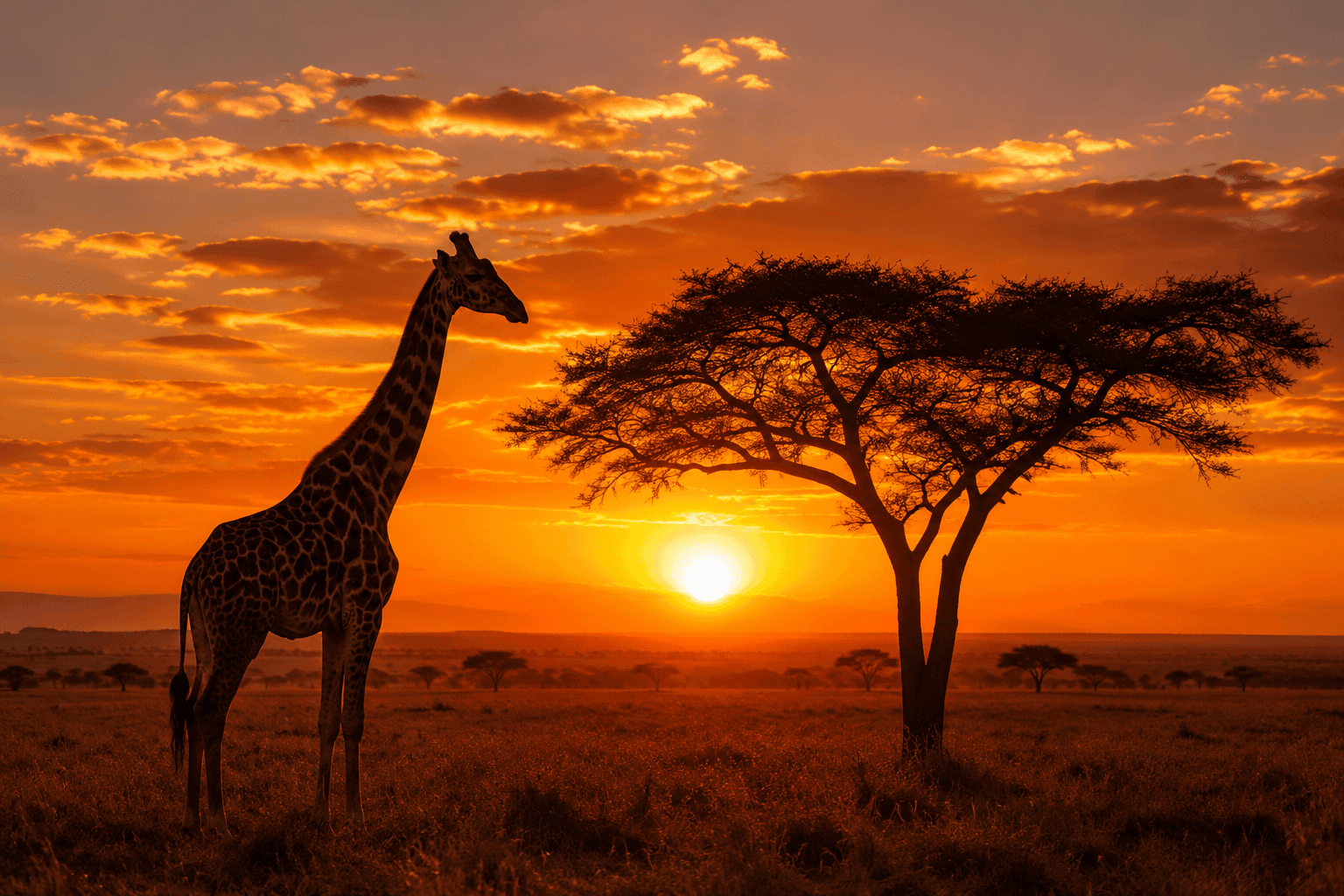
Kenya and Tanzania host the most visited parks: Masai Mara, Serengeti, Ngorongoro Crater. The great wildebeest migration crosses the border river mainly from July to October, the busiest and most expensive period. Budget 200 to 400 dollars per day for a mid-range lodge safari, and plan 7 to 10 days to cover two parks without excessive transfers. Kenya remains the easiest entry point with direct flights from Europe.

The Maghreb, a fast gateway

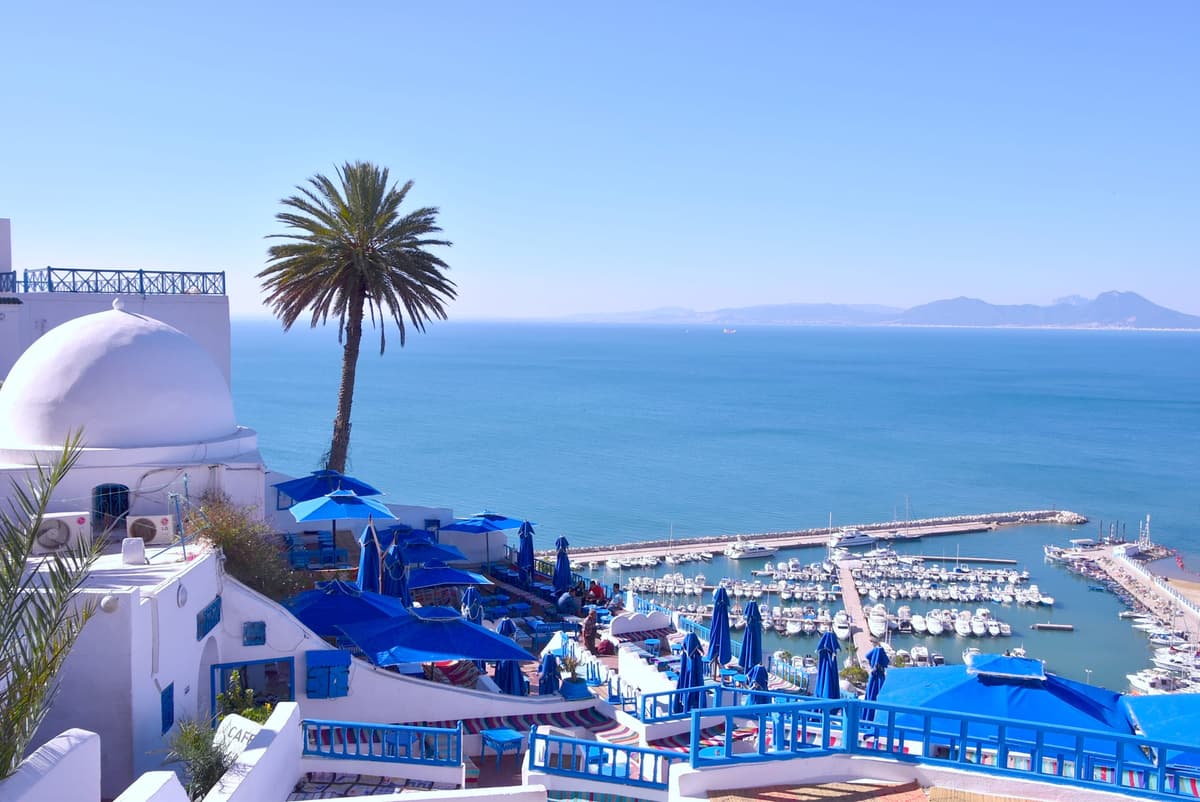
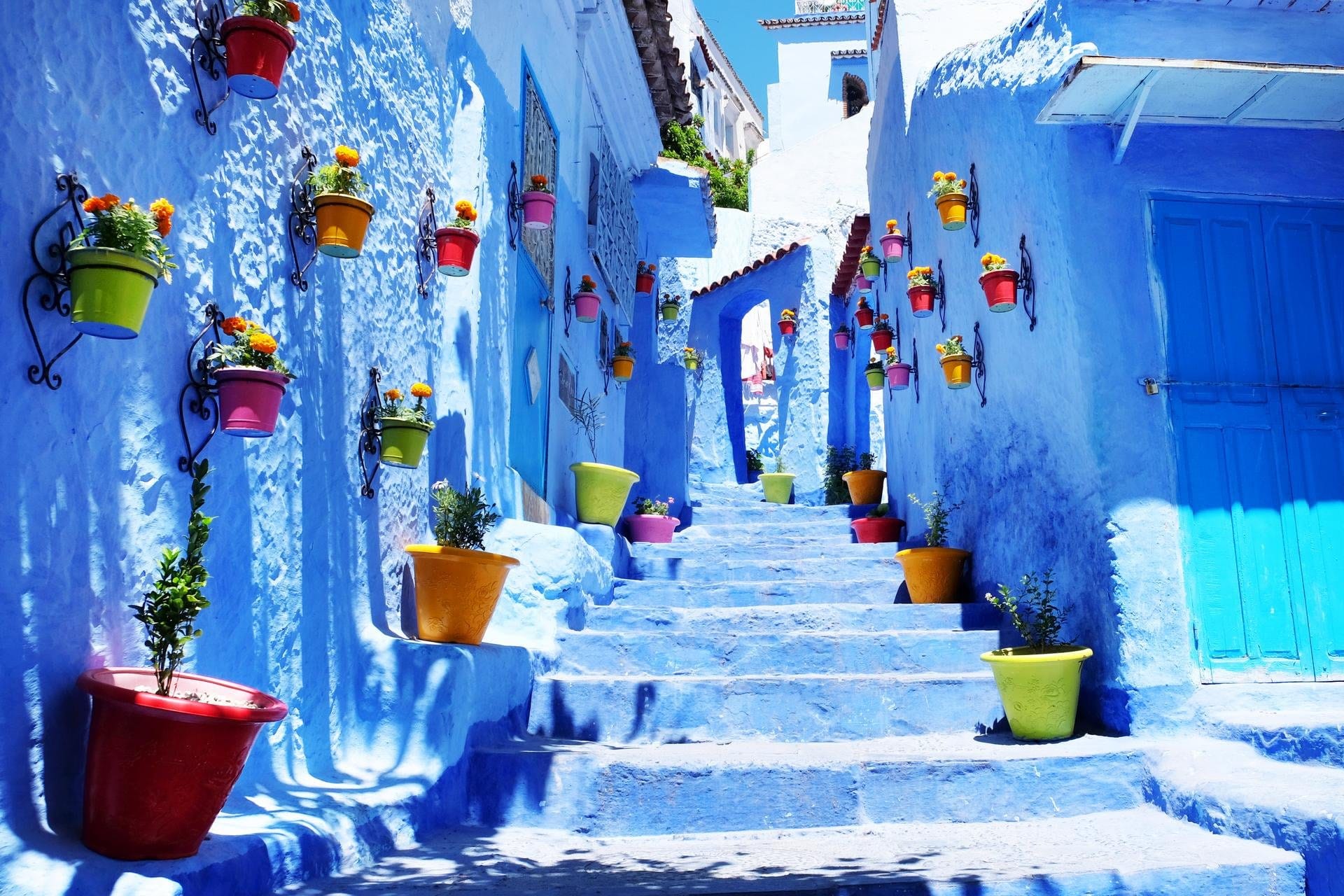
Less than 3 hours from Paris, Morocco and Tunisia offer medinas, desert and Atlantic coast with no time difference. Marrakech is best visited October to April, as summer regularly exceeds 40°C in the shade. A 10-day loop can link Marrakech, the Dades Gorges, the Draa Valley and the Merzouga dunes, alternating riad nights with desert camps. Tunisia, smaller, can be covered in a week between Sidi Bou Said, the El Jem amphitheater and Djerba island.

Southern Africa

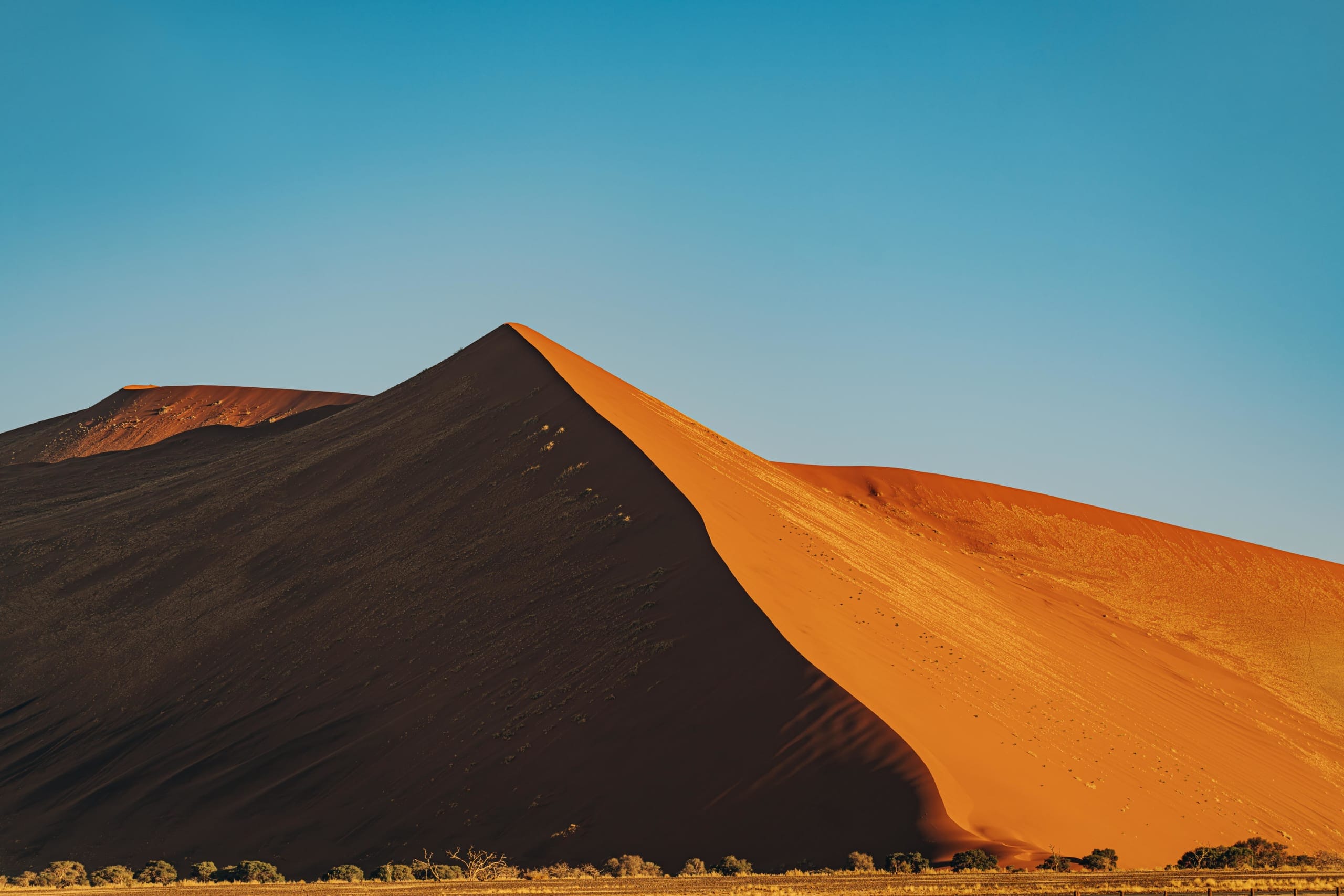
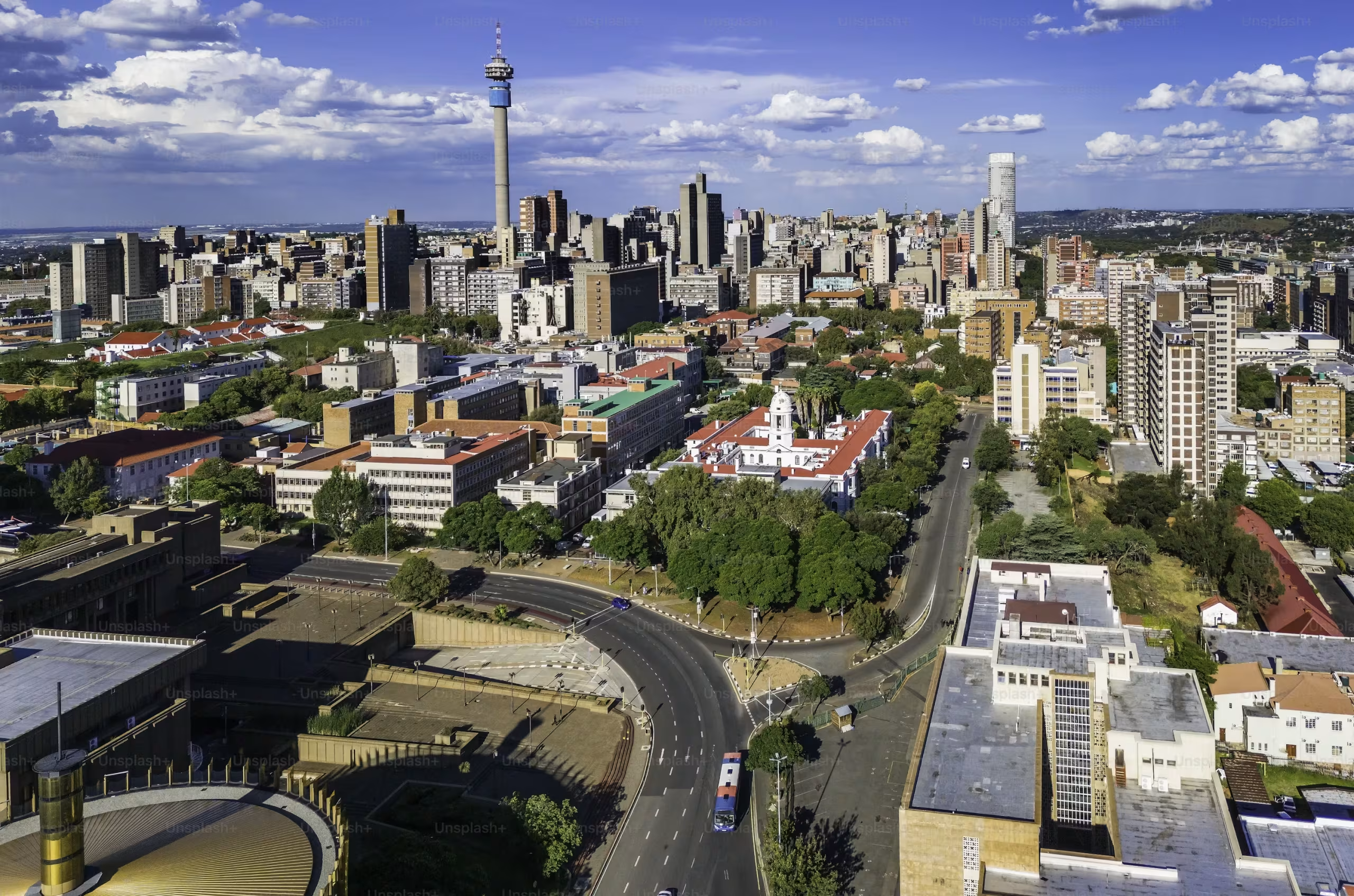
South Africa combines Cape Town, the Cape wine route and Kruger's parks. The best wildlife-watching season is the southern winter, May to September, when thinner vegetation makes sightings easier and animals gather around remaining waterholes. A 15 to 20-day trip allows combining city, nature and the Garden Route between Cape Town and Port Elizabeth. Neighboring Namibia rounds out the itinerary with the red dunes of Sossusvlei and vast desert expanses.

West Africa, off the beaten path

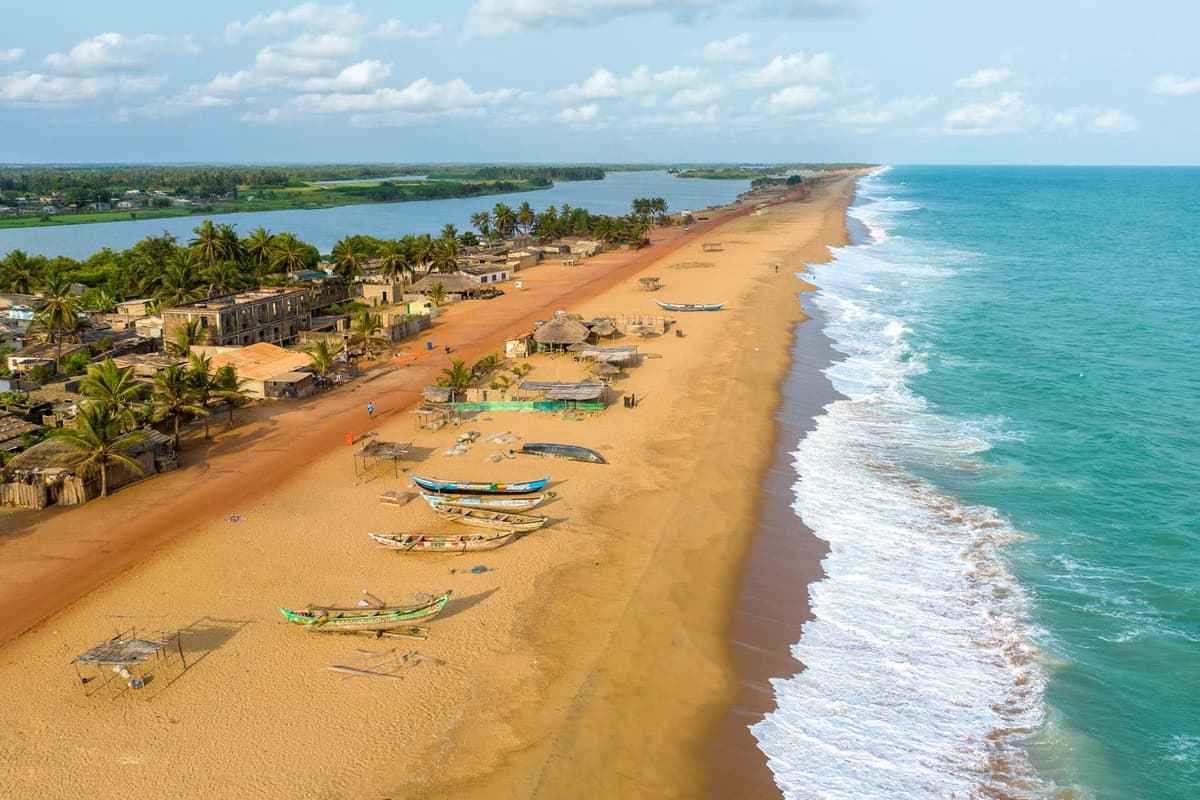
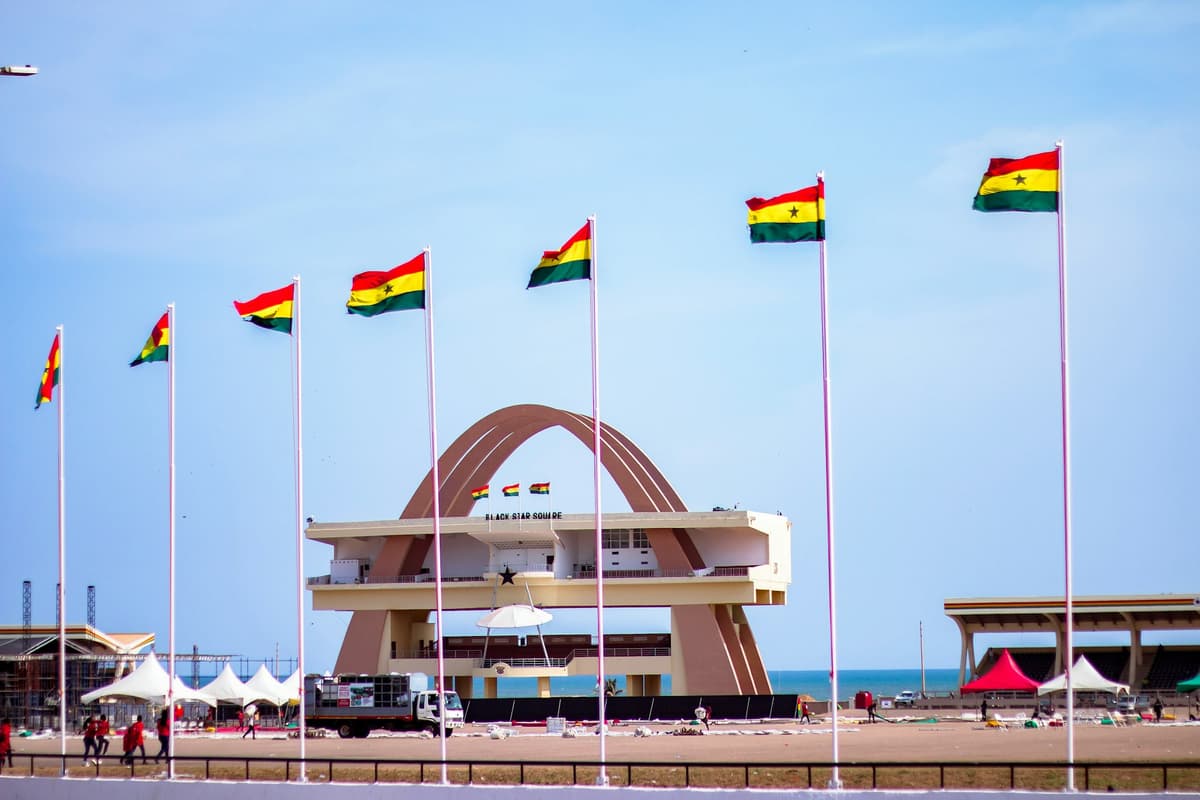
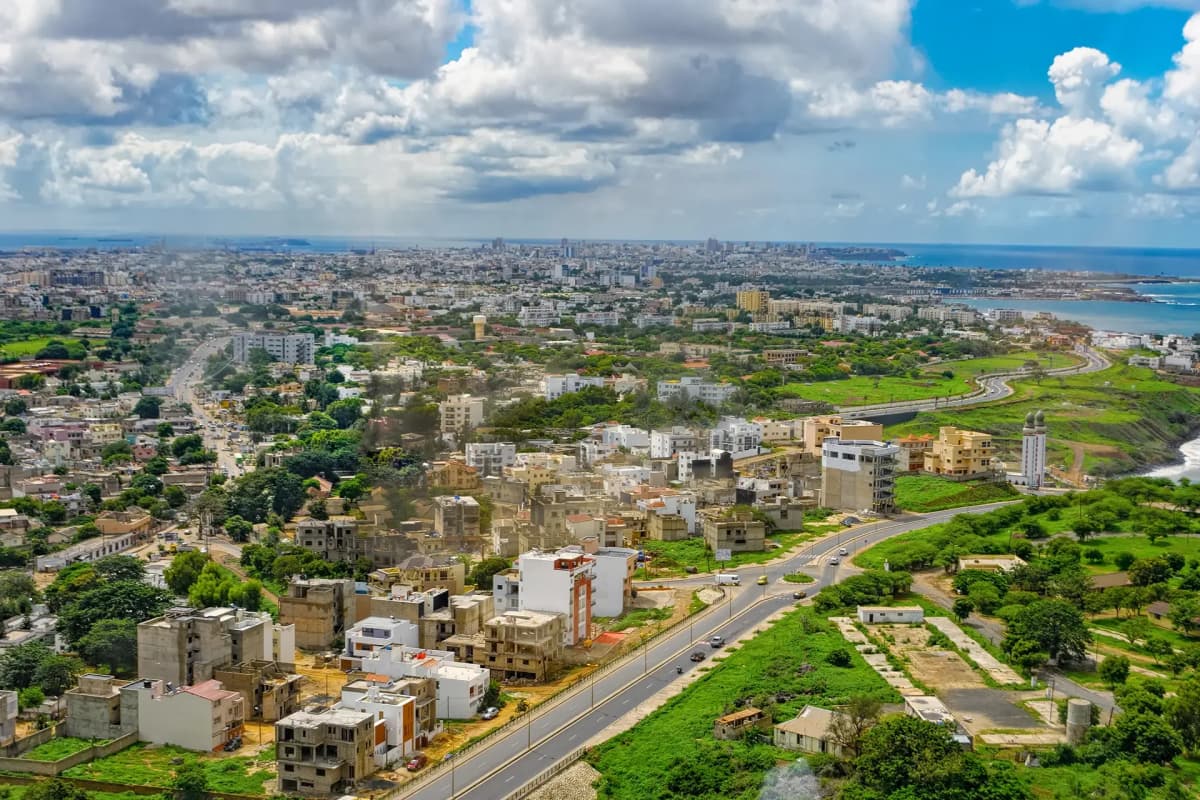
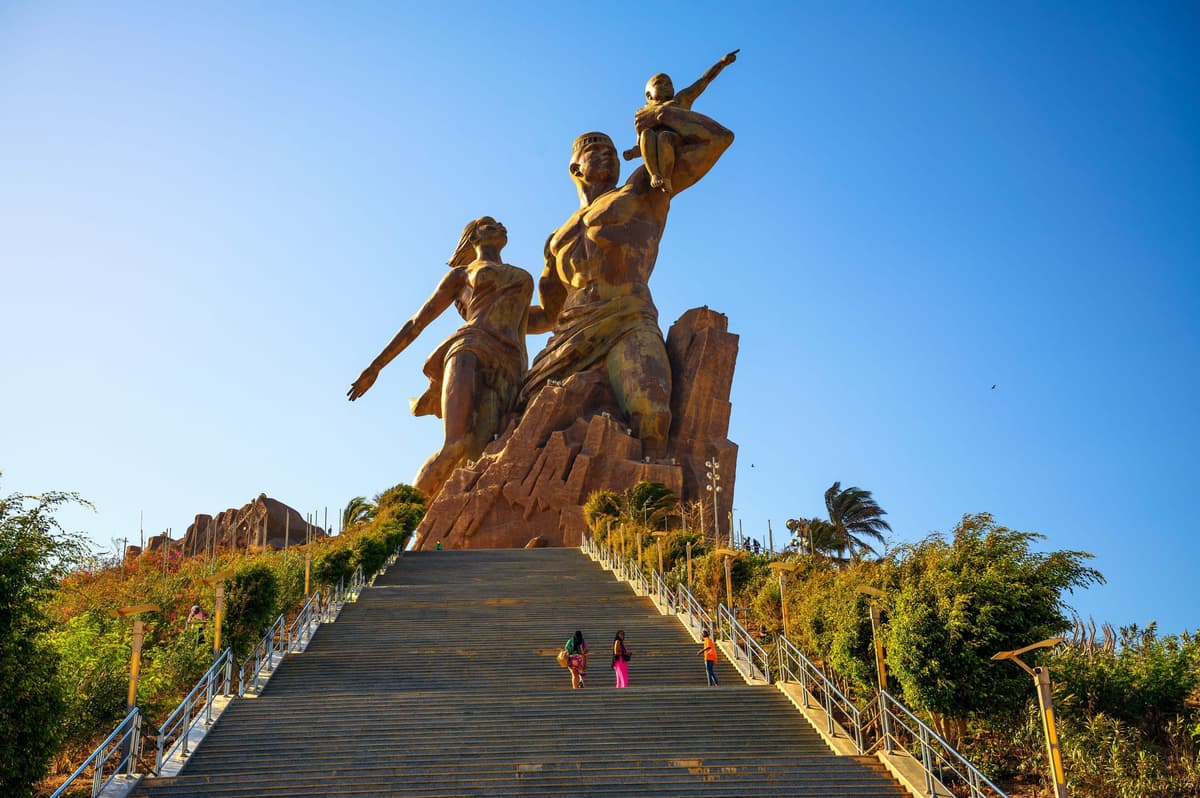
Senegal, Ghana and Benin draw visitors for their history tied to the slave trade, with Gorée Island off Dakar and Ghana's coastal forts, plus a lively music and craft scene. The dry season from November to May remains the most comfortable for getting around, as humidity and rain make dirt roads difficult in summer. Plan 10 to 12 days to link several neighboring countries, since land borders remain easy to cross in French-speaking West Africa.

The African Indian Ocean

Madagascar, with its endemic lemurs and unique forests, plus nearby islands such as Zanzibar or the Seychelles round out the continent's beach offering. Cyclone season, January to March, should be avoided for Madagascar and northern Mozambique, as dirt roads become impassable and some domestic flights get cancelled. The best window runs April to November, with a peak in crowds and prices in July-August on the beaches of Zanzibar and Nosy Be.

Budget and planning a cross-continent trip

Crossing several African countries often means costly domestic flights and visas obtained separately for each border: it is usually better to focus on one sub-region rather than several climate zones in a single two or three-week trip. Budget 40 to 60 euros per day for independent travel in West Africa or the Maghreb, versus 200 euros or more per day on an organized safari in East or Southern Africa, lodge and transfers included.

Countries of Africa

From Morocco to South Africa via Kenya and Senegal, explore the continent's destinations.

Regions and territories of Africa

Regions and territories to explore, each linking to its cities.

Cities to visit in Africa

Featured destinations appear first.

Africa in pictures

Continent highlights

A glimpse of the experiences that define a trip to Africa.

Masai Mara

Kenyan reserve famous for the wildebeest migration and free-roaming lions.

Sahara Desert

Nights under a Berber tent among the dunes of Merzouga or Erg Chebbi in Morocco.

Victoria Falls

One of the world's largest waterfalls, straddling Zambia and Zimbabwe.

Table Mountain

Panoramic view over Cape Town and the ocean from the iconic summit.

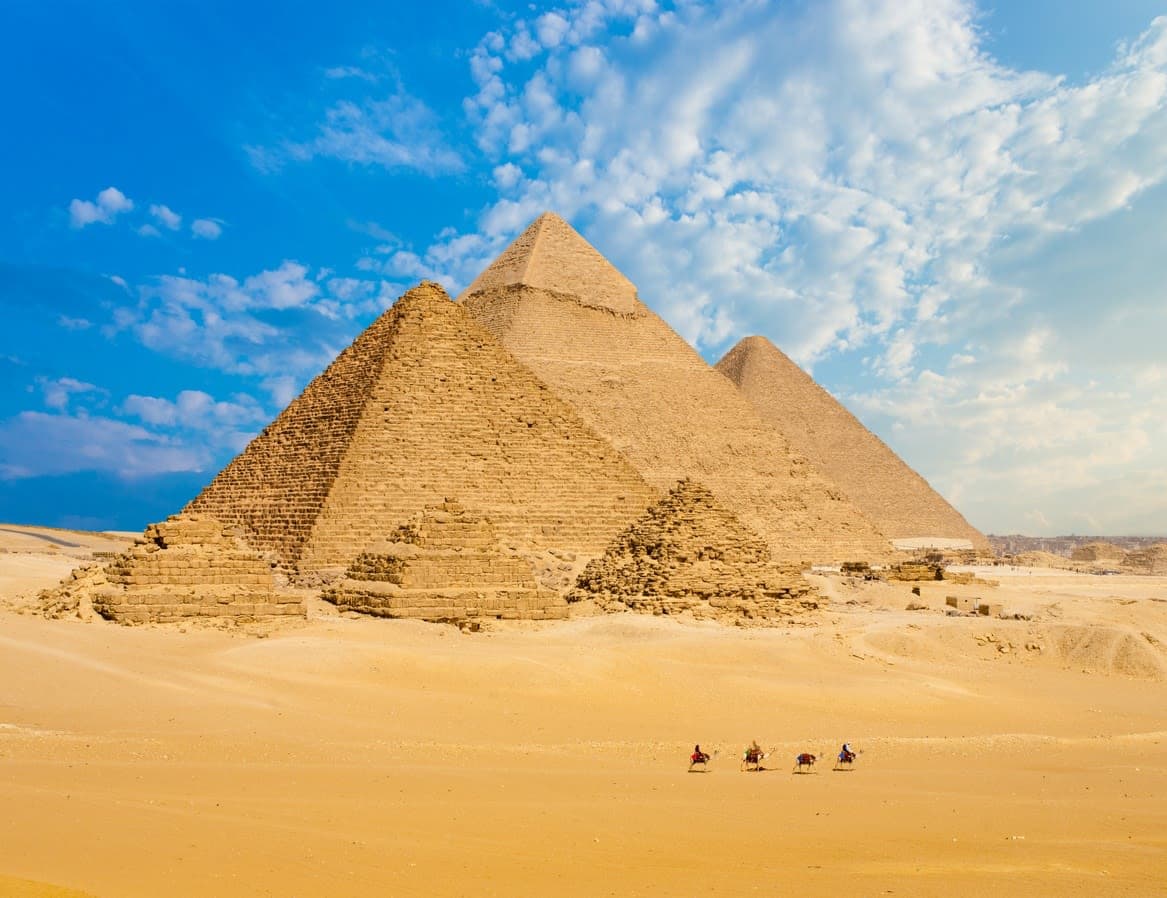
Pyramids of Giza

The last standing wonder of the ancient world, at the gates of Cairo.

Gorée Island

Slave trade memorial off the coast of Dakar, UNESCO listed.

Serengeti

Tanzania's endless plains and the Ngorongoro Crater, a biodiversity sanctuary.

Zanzibar

White sand beaches and the historic lanes of Stone Town.

Madagascar's lemurs

Unique endemic wildlife in the forests of the red island.

Marrakech medina

Souks, Jemaa el-Fna square and historic palaces below the Atlas.

Practical info

Number of countries
54
Recommended vaccines
Yellow fever mandatory in several countries, malaria prophylaxis depending on the zone
Time difference
From +0 to +3h vs Paris depending on the region
Best season, Southern Africa
May to September for safaris
Best season, Maghreb
October to April, summer too hot
Visas
Highly variable: e-visa in Kenya, visa-free in Morocco for many nationalities, paid visa elsewhere
Currency
No single currency, exchange needed country by country
Tap water
Avoid in most countries, prefer capped bottled water

Frequently asked questions

Do I need the yellow fever vaccine for Africa?
It is mandatory to enter several sub-Saharan African countries (Kenya, Ghana, Ivory Coast) and strongly recommended elsewhere. Check the exact requirements of your destination at least 3 weeks before departure at an approved vaccination center.
Can I combine a Kenya safari with Zanzibar beaches?
Yes, this is a classic combination: a flight of under an hour connects Nairobi to Zanzibar via Mombasa or directly depending on the airline. Many travelers pair 5 days of safari with 5 days on the beach.
Is Morocco safe for a first trip to Africa?
Yes, it is often the most accessible African destination for a first visit: geographic proximity, developed tourism infrastructure, a reliable bus and train network, and no mandatory vaccination for travelers coming from Europe.
What's the difference between a Tanzania and a Kenya safari?
Tanzania's Serengeti is larger and less crowded than Kenya's Masai Mara, but Kenya's infrastructure, lodge density and direct flights from Europe often make it simpler and cheaper to organize for a first safari.
When can you see the wildebeest migration?
The great migration crosses the Mara river between the Serengeti and Masai Mara mainly from July to October, which is also peak season and the period with the highest lodge rates.
Do I need a visa to visit Mauritius or the Seychelles?
No, most Western nationalities do not need a visa for a tourist stay in the Seychelles or Mauritius, only a valid passport, proof of accommodation and a return ticket are required on arrival.
What language is spoken in French-speaking West Africa?
French is the official language in Senegal, Ivory Coast, Benin or Mali, coexisting with many local languages such as Wolof or Bambara, which makes things noticeably easier for French-speaking travelers than for English speakers.
Is Madagascar accessible outside cyclone season?
The best period runs from April to November. Cyclone season, January to March, complicates travel across the island, can make some roads impassable toward the south, and sometimes causes domestic flights out of Antananarivo to be cancelled.
Can you travel Africa on a limited budget?
Yes, West Africa and the Maghreb allow independent travel at 40-60 euros per day using local accommodation and public transport, unlike East African safaris, which remain structurally more expensive due to park fees and lodge costs.

Explore the other continents

Continue your trip around the world and discover more destinations.

Ready to plan your trip to Africa?

Compare the continent's regions, plan your safari or desert circuit, create your itinerary and manage your whole trip in a single app.
Aperçu de l'application PlanTripNow