Uruguay

Tucked between Argentina and Brazil, Uruguay charms visitors with unspoiled Atlantic beaches, traditional estancias and quiet human-scale cities, offering a South American trip away from the bustle of its larger neighboring metropolises, steeped in gaucho culture and easy living along the Río de la Plata.

Why visit Uruguay?

Uruguay offers a quieter alternative to South America's larger destinations, with long Atlantic beaches, the colonial town of Colonia del Sacramento listed as a World Heritage site, and a living gaucho tradition still found on estancias in the countryside.

What to discover in Uruguay?

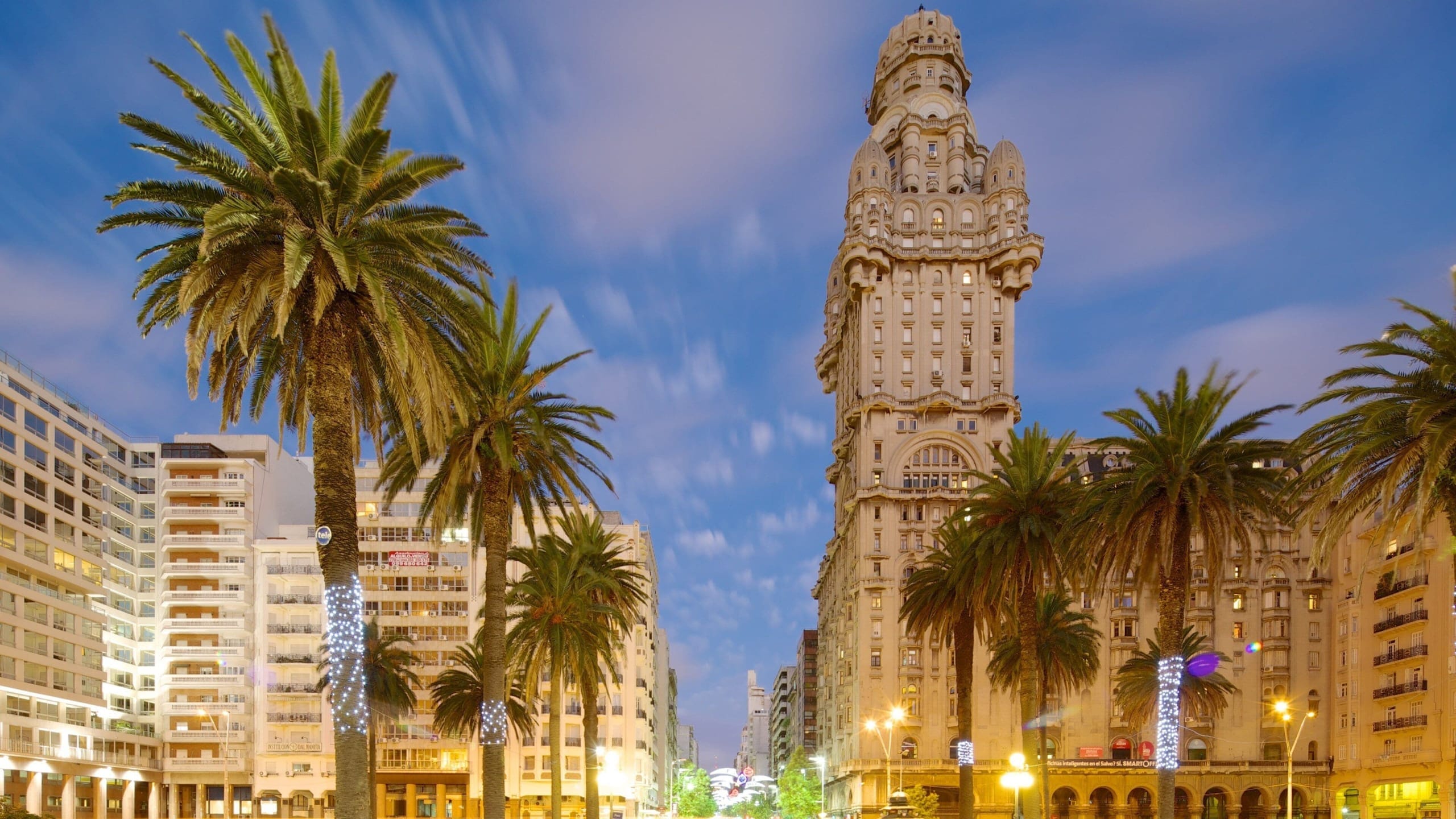
Uruguay is best discovered first in Montevideo, its capital on the Río de la Plata, where Art Deco architecture, covered markets and a long coastal promenade come together, popular with locals for sport and relaxation at the end of the day. An hour's drive away, Colonia del Sacramento charms visitors with its cobblestone streets of Portuguese origin, listed as a World Heritage site.
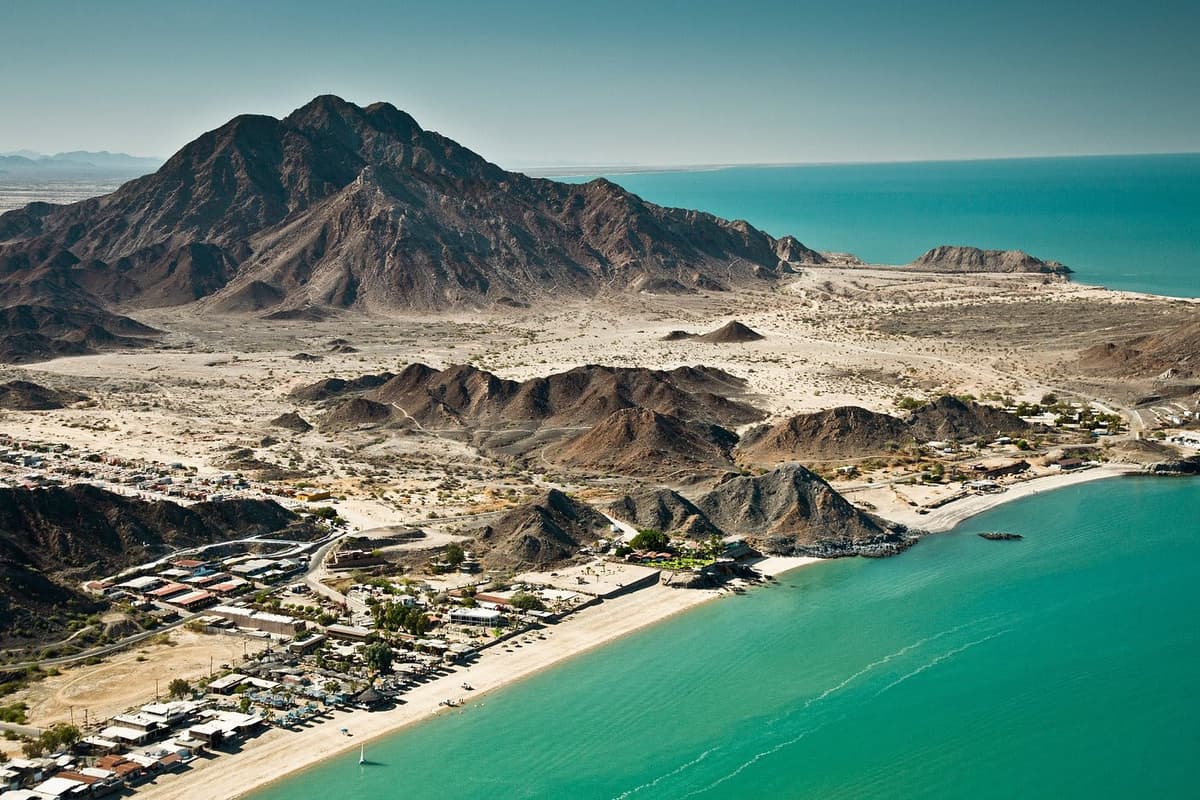
The Atlantic coastline holds most of the country's beach appeal, from lively Punta del Este and its beaches to the wilder stretches of Cabo Polonio, reachable only by off-road vehicle. Inland, traditional estancias offer a window into gaucho culture, between cattle ranching, horseback riding and grilled-meat cuisine. Bordering Argentina, Uruguay combines easily with a wider South American trip thanks to regular ferry and road connections to Buenos Aires, making it simple to extend the itinerary without needing to fly and easily reach other regions of the continent.

Cities to visit in Uruguay

Featured destinations appear first.
Coming soon.

Uruguay in pictures

Highlights

A few emblematic experiences that capture the spirit of Uruguay.

Colonia del Sacramento

A colonial town of Portuguese origin with cobblestone streets, listed as a World Heritage site for its preserved architecture.

Punta del Este beaches

A well-known beach resort famous for its lively beaches, marina and nightlife during the peak summer season.

Cabo Polonio

An isolated village without public electricity, reachable by off-road vehicle, known for its dunes and sea lion colony.

Traditional estancias

Typical ranches where visitors discover gaucho culture, including horseback riding, cattle ranching and shared barbecue meals.

Montevideo's Rambla

The capital's long coastal promenade, a daily gathering place for sport, socializing and sunsets over the river.

Mercado del Puerto

Montevideo's historic covered market, known for traditional grilled dishes and a lively, convivial atmosphere.

Practical information

Capital
Montevideo
Area
About 176,000 km²
Population
About 3.4 million
Language
Spanish
Currency
Uruguayan peso (UYU)
Time zone
UTC-3
Climate
Temperate, warm summers and mild winters
Best season
December to March

Frequently asked questions

What is the best time to visit Uruguay?
The southern summer, from December to March, offers warm weather ideal for enjoying the Atlantic beaches and countryside estancias.
Do I need a visa to visit Uruguay?
Many nationalities can enter Uruguay visa-free for short tourist stays; it is advisable to check requirements before departure.
What language is spoken in Uruguay?
Spanish is the official language, spoken with an accent close to that of neighboring Argentina, particularly around Montevideo.
Is Uruguay easy to combine with Argentina?
Yes, regular ferry connections link Montevideo and Colonia del Sacramento to Buenos Aires in just a few hours.
What is an estancia in Uruguay?
An estancia is a traditional ranch, often open to visitors, offering a glimpse of gaucho culture, horseback riding and local cuisine.
Is Uruguay a safe country to travel in?
Uruguay is generally considered one of the safest and most stable countries in South America for travelers.

Plan your trip to Uruguay

Day-by-day itinerary, budget, bookings and packing in a single app.
Aperçu de l'application PlanTripNow