Skip to content

Switzerland Travel Guide: When to Go, Budget and Itineraries

Between alpine lakes, panoramic trains and mountain villages, Switzerland works as a one-week trip focused on Lake Geneva or a full two-week loop through Graubünden and Ticino. Plenty of ground to build a trip that actually fits your pace, without getting lost on mountain passes.
  • 5 cities

At a glance

Currency
Swiss Franc
Time difference
UTC+1
Visa
None
Tourist stay of up to 90 days
7-day budget
€2,576
Per person, comfort profile, excluding international flights.

Why visit Switzerland?

Switzerland packs train-accessible Alps, four distinct language regions and a rail network that reaches mountain summits into one compact country. Landscapes and languages shift within just a few hours of travel.

When to visit Switzerland

Temperatures, rainfall and crowds month by month, to pick your window.
When to visit Switzerland
MonthTemperaturesRainCrowdsVerdict
January-1 to 4 °C10 dBusyPeak ski season in the Alps, but fog is common on the Plateau and prices stay high after the holidays.
February-1 to 5 °C9 dBusySchool winter break across several cantons: alpine resorts fill up, book well ahead.
March2 to 10 °C10 dModerateSki season winds down at altitude while Zurich and Geneva see their first mild days, still few city visitors.
April5 to 15 °C11 dQuietQuiet, affordable month for the cities, but high alpine passes are still closed and snow remains possible up top.
May9 to 19 °C13 dModerateWaterfalls swollen by snowmelt and alpine meadows turning green, but this is the wettest month of the year.
June13 to 22 °C12 dBusyHigh-altitude hiking trails open and the lakes warm enough for a swim, just before the July-August rush.
July15 to 24 °C12 dPackedAbsolute peak season: trains need booking well ahead and alpine lodging hits its highest prices.
August14 to 24 °C12 dPackedLate-afternoon summer storms are common in the Alps, but long daylight hours keep the high trails clear.
September11 to 19 °C10 dModerateThe best trade-off of the year: autumn light, summer crowds gone, and mountain trails still open.
October7 to 14 °C10 dQuietGrape harvest in Valais and Ticino, though the first snow can already close mountain passes by month's end.
November3 to 8 °C10 dVery quietThe quietest, cheapest month of the year: persistent fog on the Plateau, with Christmas markets not yet open.
December0 to 4 °C11 dBusyChristmas markets and opening ski slopes drive crowds from mid-December, with prices rising sharply.
Source: Valeurs cadrées sur Zurich et le Plateau suisse (altitude ~400-550 m), normales 1991-2020 de MeteoSwiss recoupées avec Climates to Travel, relevé septembre 2026. Le pays étant très étagé (Plateau, Jura, Alpes), la montagne suit un calendrier propre : ski de décembre à mars au-dessus de 1500 m, randonnée de juin à septembre, signalé dans les verdicts concernés. Aucune côte maritime : pas de température de mer.

What to see in Switzerland?

Geneva and Lake Geneva

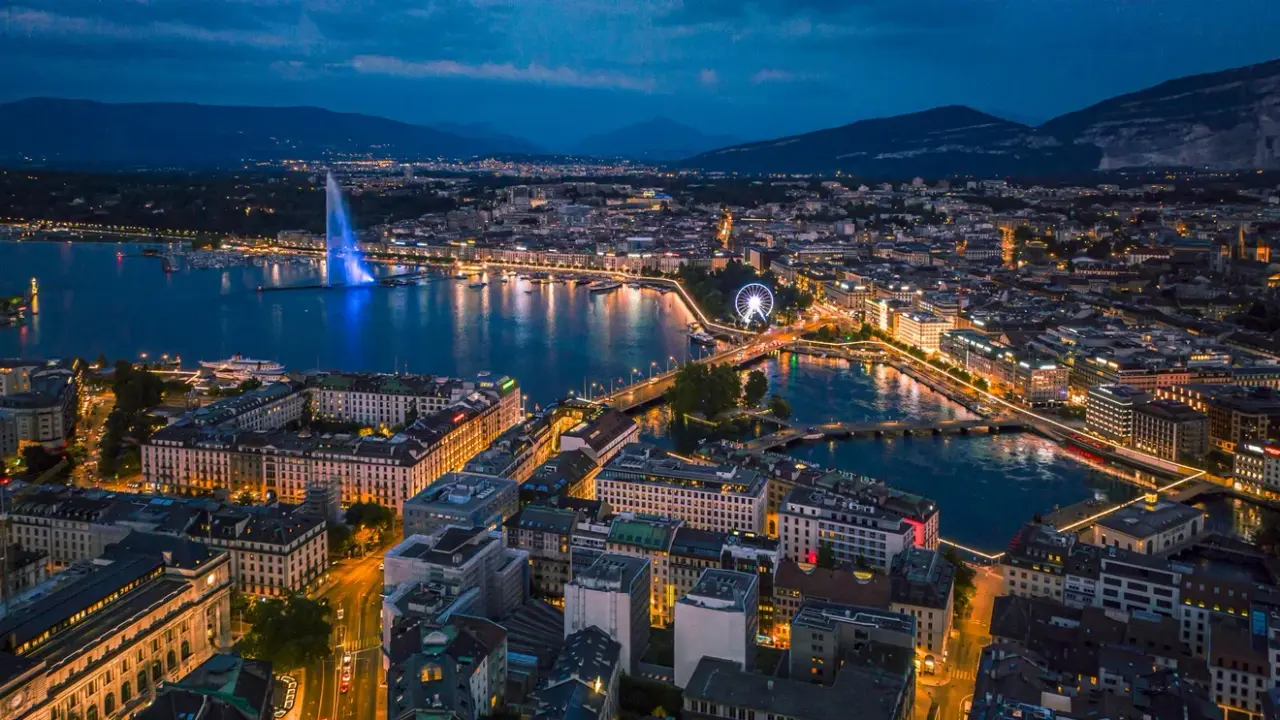
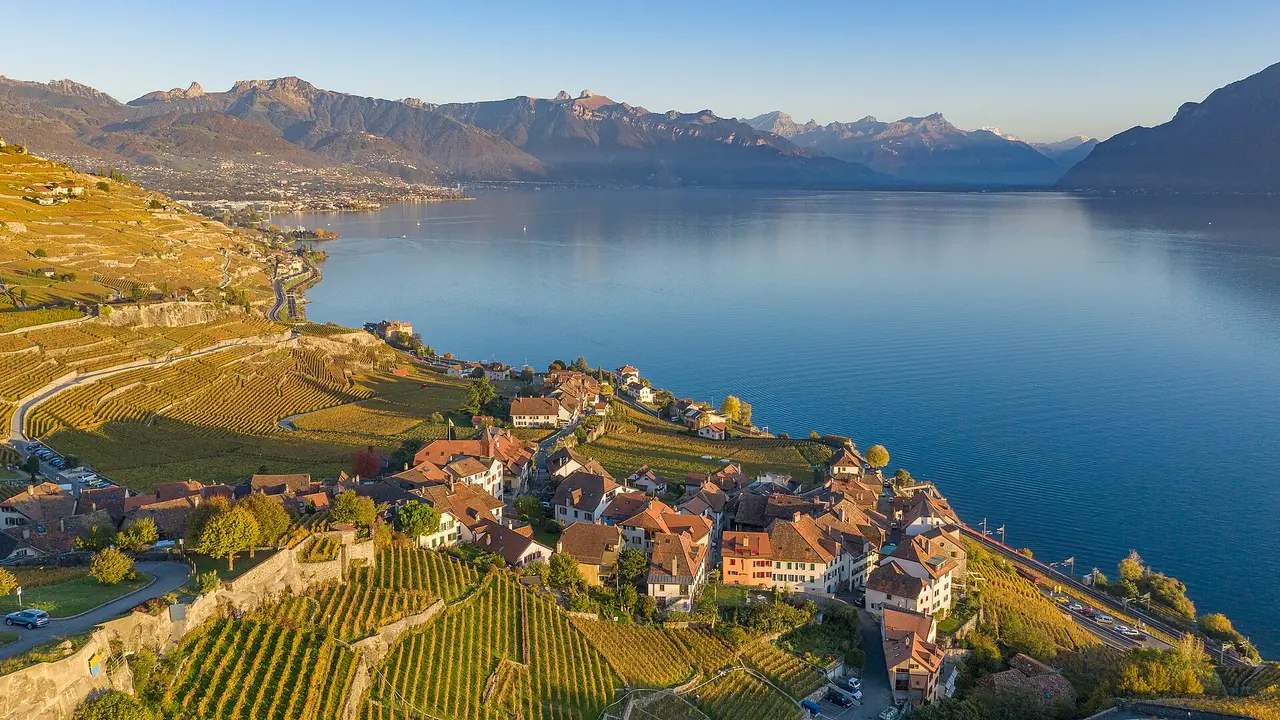
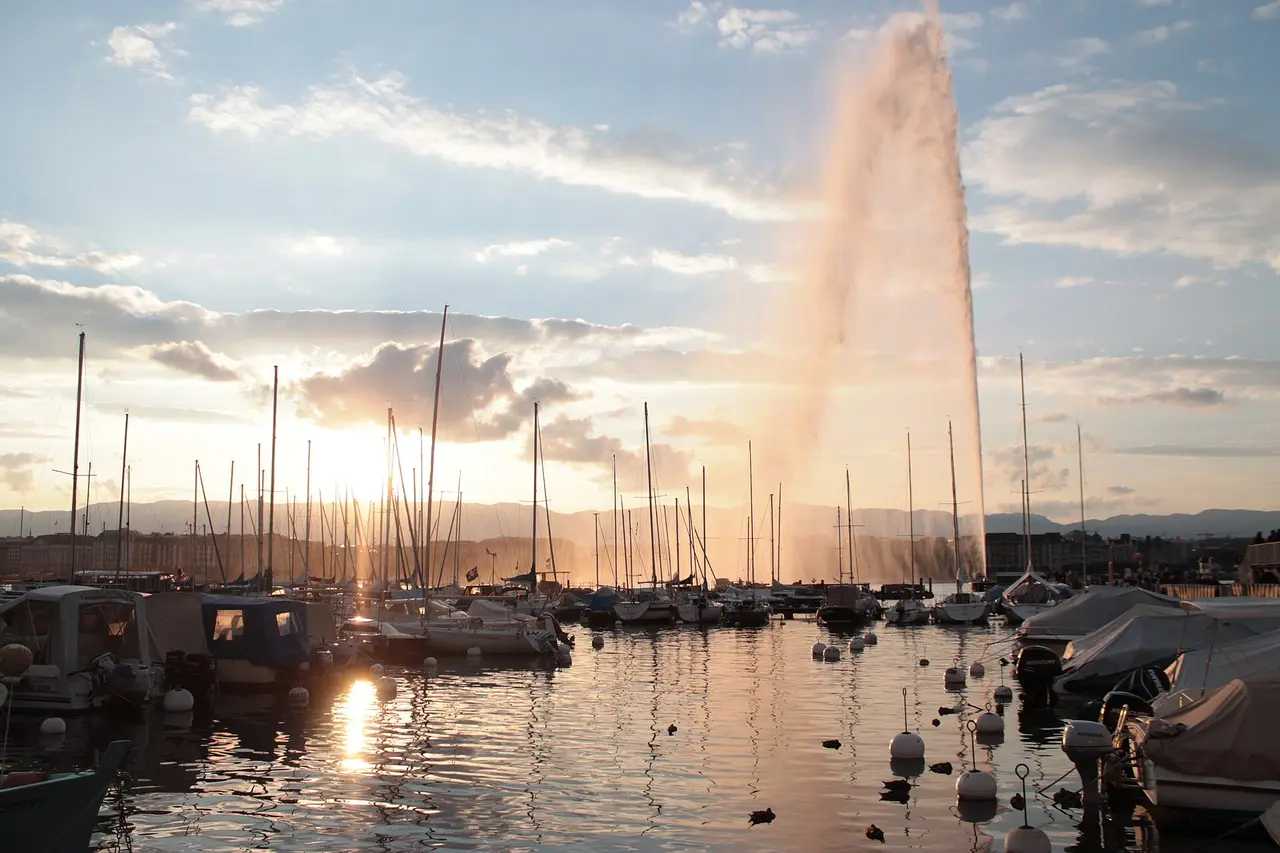
French-speaking Switzerland is built around Lake Geneva: Geneva and its Jet d'Eau, Lausanne and its Olympic Museum 40 minutes away by train, Montreux and Chillon Castle. Between them, the UNESCO-listed Lavaux vineyard terraces can be walked in half a day from Lausanne. Just across the border, neighbouring France explains the local accent, and the region's hotel prices, among the highest in the country.
Zurich and German-speaking Switzerland

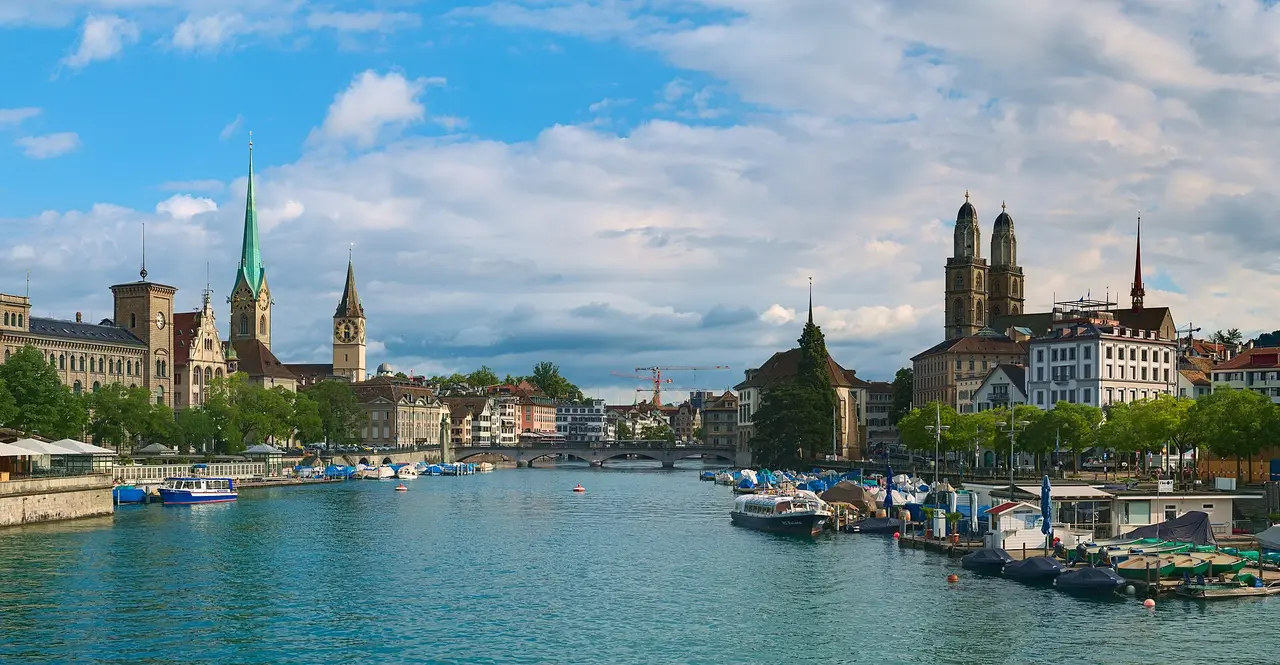
Two-thirds of the country speaks German, and Zurich, its leading economic city, shows it best: an old town along the Limmat river, the National Museum, a lake open for summer swimming. A 45-minute train ride away, the Rhine Falls near Schaffhausen form Europe's largest waterfall by volume. The border with Germany is only an hour's drive north, and it shows in the local cuisine and dialect.

The Bernese Oberland and the Alps

From Interlaken, sitting between two lakes, a cogwheel train climbs to the Jungfraujoch at 3,454 metres, Europe's highest railway station; booking a day ahead in summer avoids sold-out trains and long queues. The country claims over 65,000 kilometres of marked trails, walkable from June to September at high altitude, before the first mountain passes close by late October. Hikers can easily spend a full week in this region alone.

Graubünden and the Engadine

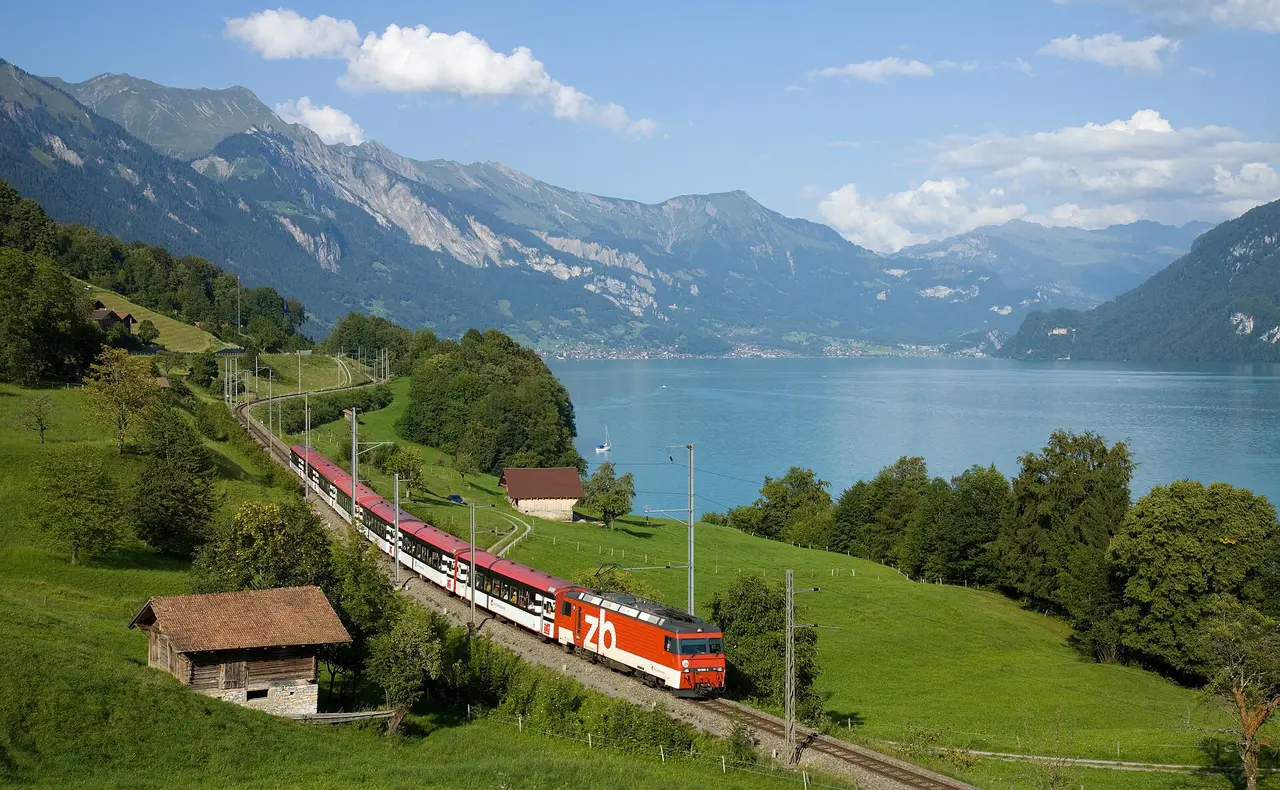
The Glacier Express links Zermatt to St. Moritz in about 8 hours, crossing the Landwasser Viaduct on one of the UNESCO-listed rail lines. St. Moritz, the Engadine's upscale resort town, runs on skiing in winter and hiking in summer, with lakes above 1,800 metres frozen for much of the year. The region also borders Austria and northern Italy, which shows in a cuisine that sits between the two.

Ticino, Switzerland's Italian side

South of the Alps, past the Gotthard tunnel, Lugano and Locarno feel almost Mediterranean, palm trees included, with an Italian atmosphere that carries through to the food and the café terraces. The Monte San Salvatore funicular in Lugano takes half a day round trip and rewards with views over the lake and Prealps. The border with Italy is under an hour's train ride from Lugano, and Milan just over an hour.

Food and rural traditions

Cheese fondue and raclette dominate winter menus, while summer alpine pastures give way to artisan dairies open for visits, notably in Gruyère and the Emmental. Swiss chocolate, from Lindt to Toblerone, can be tasted at factory museums near Zurich or Bern, some with free entry. In Appenzell's villages, painted facades and traditional costumes still come out for spring festivals, a rare glimpse of rural Switzerland away from the ski resorts.

Cities to visit in Switzerland

Featured destinations appear first.

How much it costs

Per person per day, excluding international travel.
Budget
101 €/ day
1 644 € for 2 people, 7 days, return flights included
Accommodation
44 €
Food
32 €
Local transport
18 €
Sights and activities
7 €
Comfort
368 €/ day
5 382 € for 2 people, 7 days, return flights included
Accommodation
210 €
Food
74 €
Local transport
42 €
Sights and activities
42 €
Premium
693 €/ day
9 932 € for 2 people, 7 days, return flights included
Accommodation
360 €
Food
148 €
Local transport
69 €
Sights and activities
116 €
Prices checked: Relevé septembre 2026. Vol aller-retour Paris-Genève à partir de 98 EUR (95-148 EUR hors vacances scolaires, Air France/easyJet via Google Flights et lastminute.com) et Paris-Zurich à partir de 130 EUR (125-195 EUR, Air France), moyenne retenue 115 EUR par personne. Coûts locaux en francs suisses convertis en euros au taux du 13/09/2026 (1 CHF = 1,056 EUR, wechselstube.ch), postes cadrés sur Genève, Zurich et Lucerne : hébergement (hostelz.com : dortoir 35-65 CHF, hôtel 3 étoiles double 180-280 CHF, 4-5 étoiles 280-450+ CHF), repas (Coop/Migros 12-18 CHF vs restaurant 20-30 CHF, tour-switzerland.ch), transport local (Half Fare Card amorti en backpacker, Swiss Travel Pass 2e classe en comfort, 1re classe en premium), activités (randonnée gratuite en backpacker, musées et excursions en montagne à tarif réduit ou plein tarif en comfort/premium). La Suisse restant hors zone euro, ces montants sont indicatifs et varient avec le taux de change.

Getting there

Airports serving Switzerland, from main hubs to secondary ones.
  • GVAGeneva International AirportGenevaMain
  • ZRHZürich AirportZurichMain
  • ACHSankt Gallen Altenrhein AirportSt. GallenSecondary
  • BRNBern AirportBernSecondary
  • EMLEmmen Air BaseEmmenSecondary
  • LUGLugano AirportAgnoSecondary

Entry, health and safety

For FR travellers

Entry requirements

No visa for a tourist stay

Aucun visa pour un séjour touristique. La Suisse fait partie de l'espace Schengen : carte nationale d'identité valide, ou périmée depuis moins de 5 ans si délivrée entre le 1er janvier 2004 et le 31 décembre 2013, ou passeport valide.

Stay allowed for up to 90 days.

Health

Vaccinations à jour recommandées comme partout en Europe ; hausse des cas de rougeole signalée en 2026 par France Diplomatie. Les frais de secours non couverts par l'assurance (hélicoptère Rega, sauvetage en montagne) sont à la charge du blessé et peuvent atteindre plusieurs milliers d'euros : une assurance rapatriement/accident est fortement conseillée, en particulier pour la randonnée et le ski.

Safety

Normal precautions

Emergency

112

Checked in juillet 2026 against the official source. Entry rules change: check the official source before you travel, it alone is authoritative.

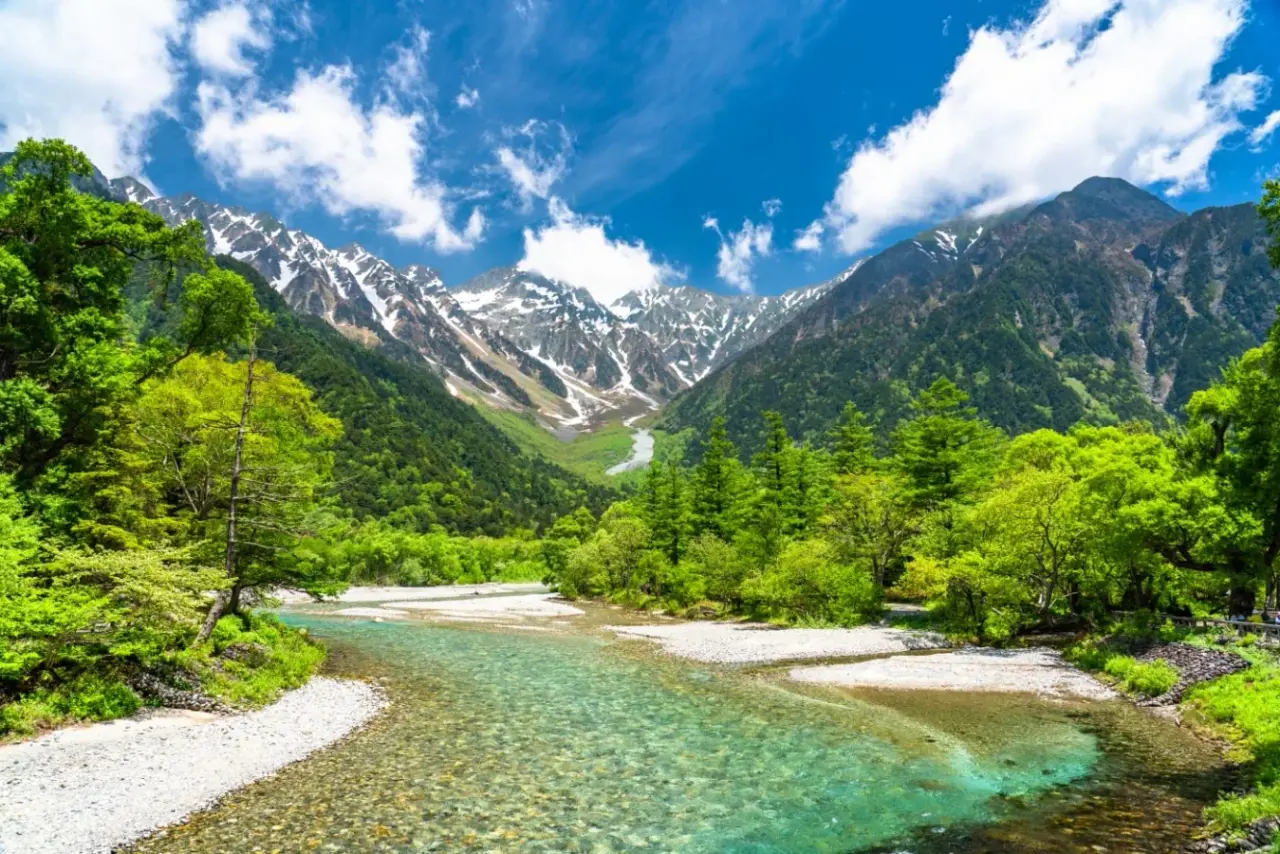
Switzerland in pictures

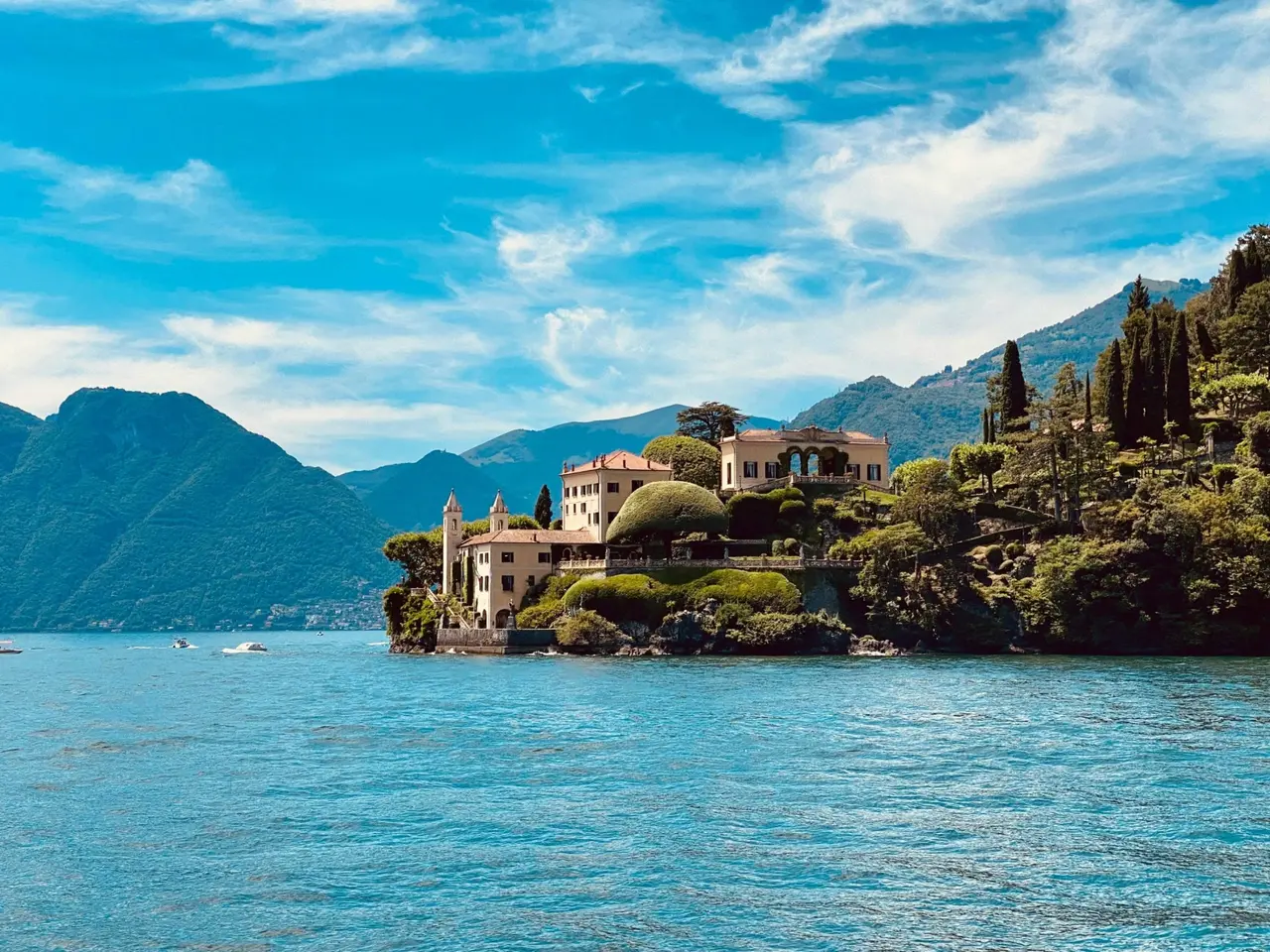
Photo credits : Lorenz Poffet, CC BY-SA 4.0, Wikimedia Commons ; NOTE: This image is a panorama consisting of multiple frames that were merged or stitched in software. As a re, CC BY-SA 4.0, Wikimedia Commons ; August Geyler, CC BY-SA 4.0, Wikimedia Commons ; Kabelleger / David Gubler, CC BY-SA 4.0, Wikimedia Commons ; Tobias Alt, Tobi 87, CC BY-SA 4.0, Wikimedia Commons

Switzerland's must-sees

Ten sites that sum up the country's range, from mountain peaks to historic old towns.

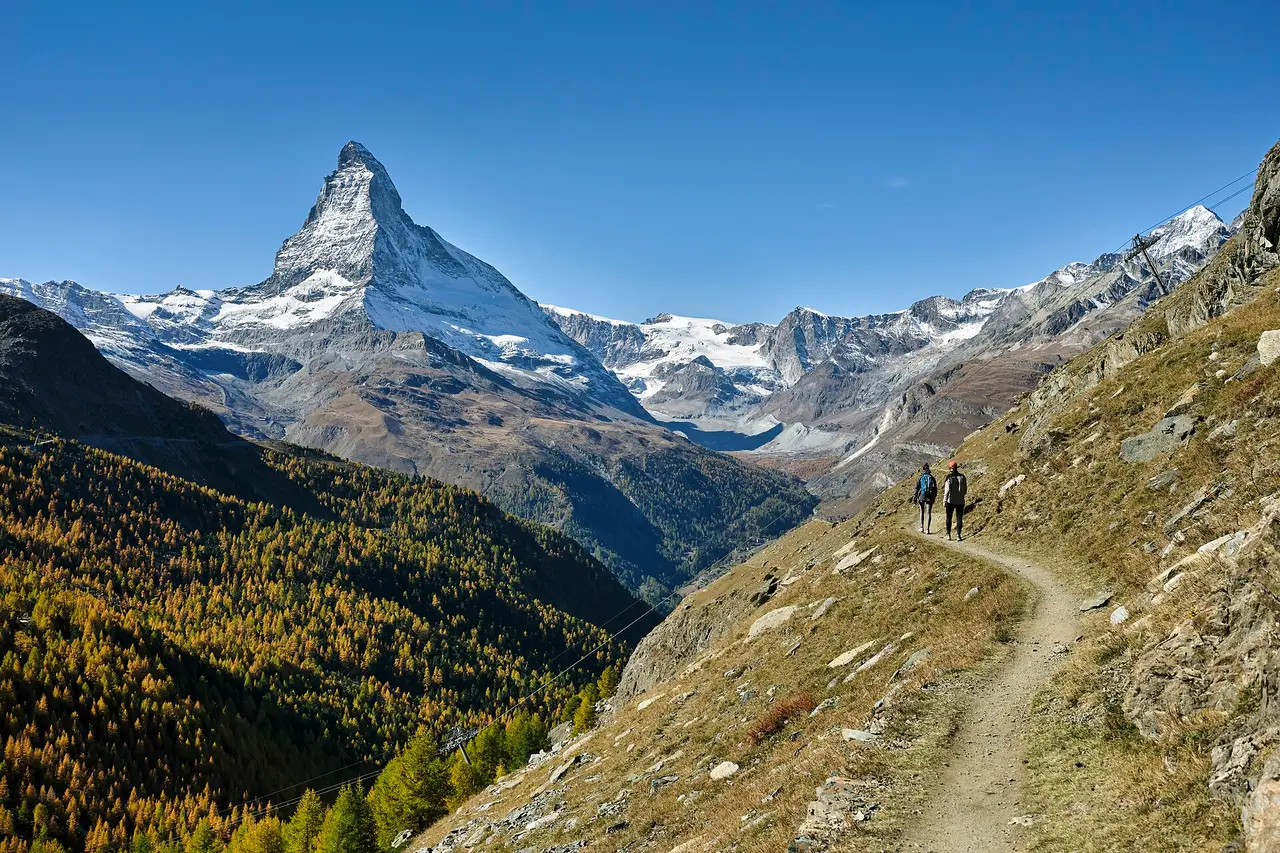
The Matterhorn

The most photographed peak in the Alps, visible from Zermatt and the Gornergrat funicular.

The Jungfraujoch

Europe's highest railway station at 3,454 metres, reached by cogwheel train from Interlaken.

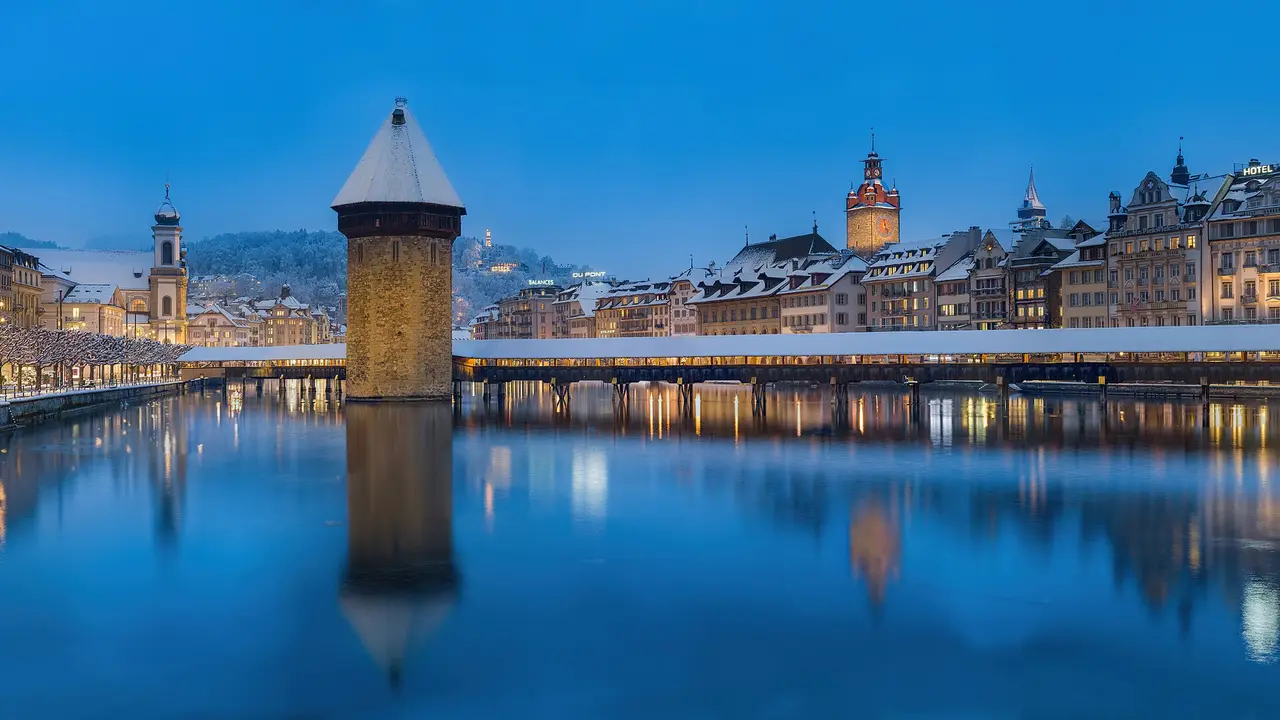
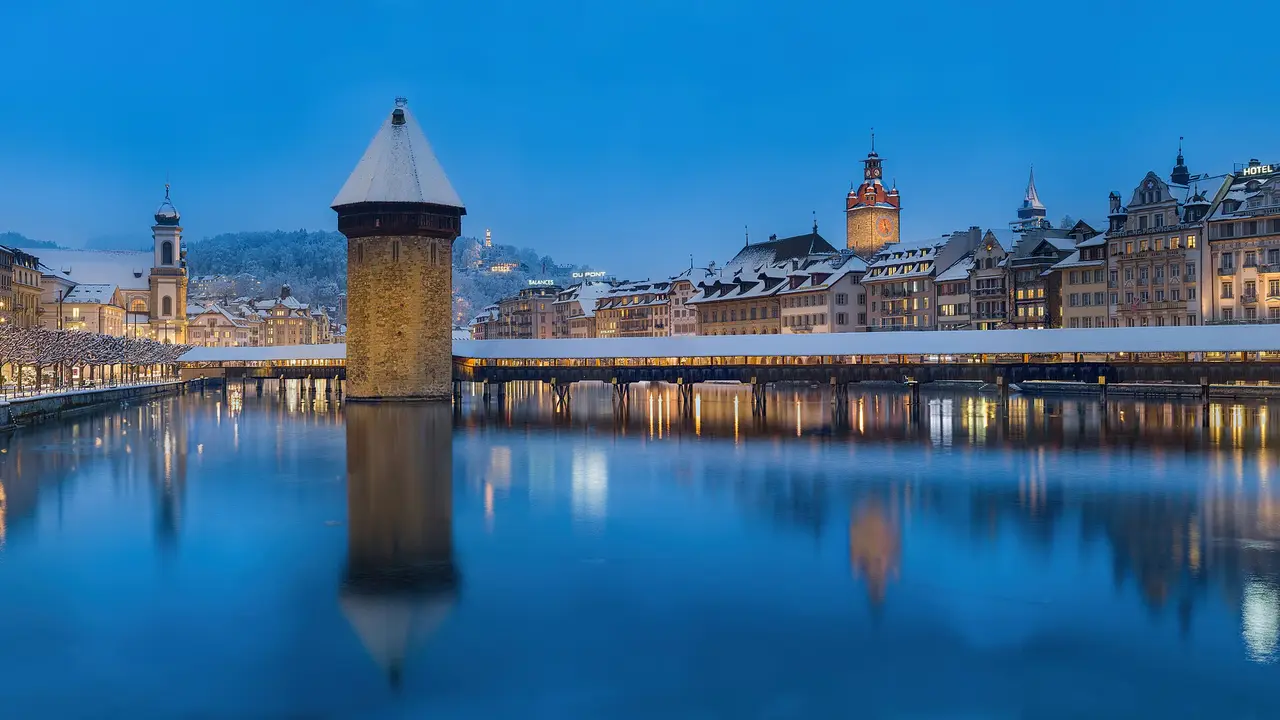
The Chapel Bridge

A 14th-century covered wooden bridge with its octagonal water tower, the symbol of Lucerne's old town.

Chillon Castle

A medieval fortress set on a rocky islet in Lake Geneva, near Montreux.

The Glacier Express

Eight hours of panoramic rail travel between Zermatt and St. Moritz via the Landwasser Viaduct.

Geneva's Jet d'Eau

A 140-metre water column visible from across the bay, the city's symbol on Lake Geneva.

The Rhine Falls

Europe's largest waterfall by volume, near Schaffhausen, 45 minutes by train from Zurich.

Bern's old town

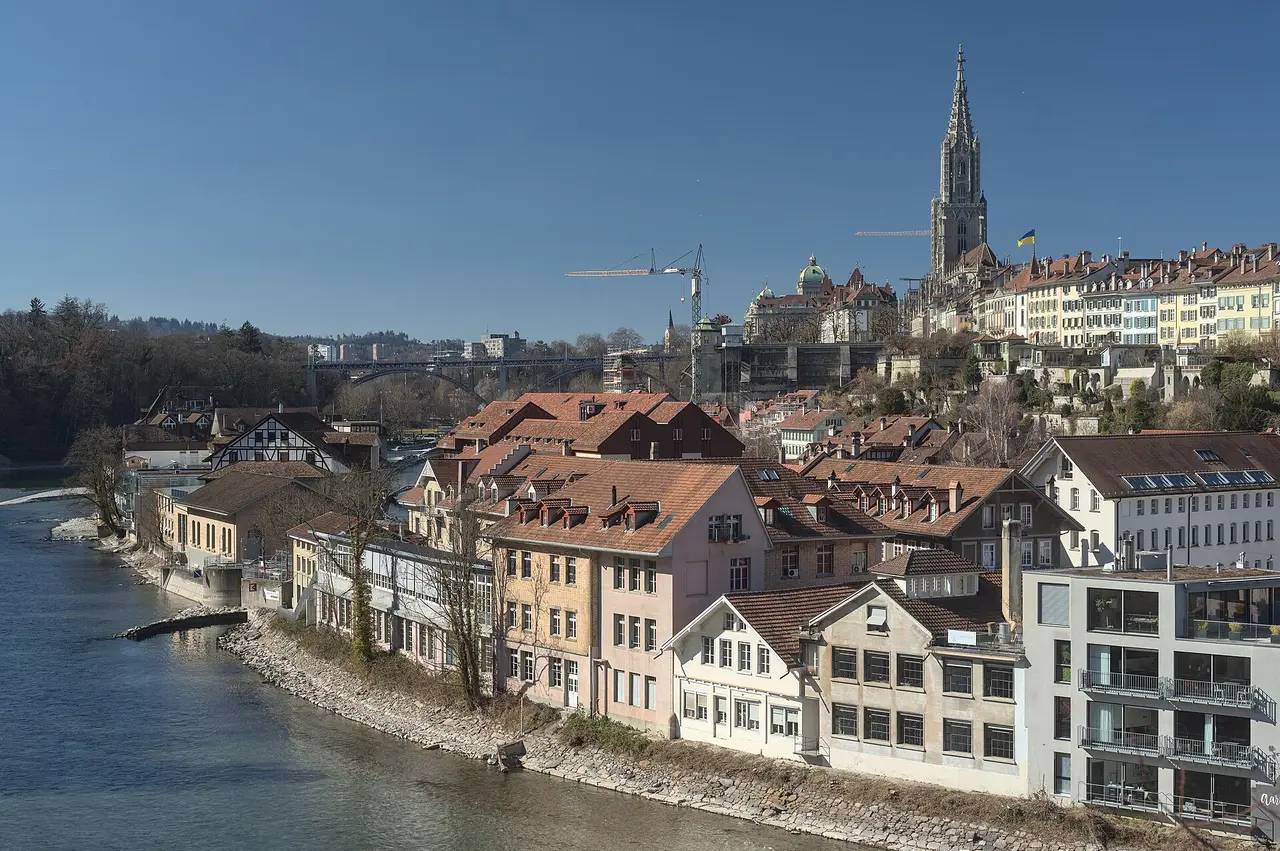
A UNESCO-listed historic centre with medieval arcades and the bear pits along the Aare river.

Lugano and Monte San Salvatore

A Mediterranean-feeling lakeside, reached by funicular for views over the Ticino Prealps.

The Lavaux vineyards

UNESCO-listed terraced vineyards between Lausanne and Montreux, walkable facing Lake Geneva.

Practical information

Currency
Swiss franc (CHF); despite its central location, the country is not in the eurozone
Tipping
Service is included by law; rounding up is appreciated but never expected
Power outlets
Type J (3 round pins), 230V; an adapter is needed for most non-Swiss plugs
Payments
Cards and Twint are accepted almost everywhere, even for a coffee or a bus ticket
Tap water
Safe to drink nationwide, including from the many public fountains in towns
Languages
Four national languages depending on the region: German, French, Italian and Romansh
Trains
One of the world's most punctual rail networks; a Swiss Travel Pass pays off quickly on a multi-city trip
Mountain insurance
Strongly recommended: uncovered mountain rescue costs, helicopter included, are billed to the injured party
Closing day
Many museums close on Mondays, worth checking before a short city trip

Similar destinations

Other countries you might like as much as Switzerland.

Similar regions

Other regions you might like as much as Switzerland.

Frequently asked questions

Do I pay in Swiss francs or euros?
The official currency is the Swiss franc. Euros are sometimes accepted in tourist areas but change is given in francs, often at a poor rate: paying by card or withdrawing francs works better.
Do I need to book the Glacier Express well ahead?
A seat reservation is mandatory and booked separately from the train ticket, especially in summer when the most popular sections sell out several days before departure, sometimes even a week ahead.
Can Switzerland be visited on a tight budget?
Yes: staying in dorms, cooking with groceries from Coop or Migros, and favouring free hiking over cable cars keeps daily costs manageable despite the country's expensive reputation, especially outside the big cities.
Is the Matterhorn visible year-round from Zermatt?
The peak is visible whenever the sky is clear, in any season, but clouds often build up by early afternoon: an early morning trip up the Gornergrat gives the best chance of a clear, unobstructed view.
How many days for Geneva and Lake Geneva?
Three to four days are enough for Geneva, Lausanne, Montreux and a morning in the Lavaux vineyards, without rushing through everything or spending most of the short trip sitting on trains.
Is Switzerland really more expensive than its neighbours?
Yes: accommodation and dining often cost twice the European average, though prices vary sharply between a major city like Zurich and a small country town, where the gap narrows considerably.
Do I need a car to see the country?
No: Switzerland's rail network reaches nearly every tourist destination, including mountain resorts, often more simply and more reliably than driving winding mountain-pass roads that can close without notice in bad weather.

Plan your trip to Switzerland

Day-by-day itinerary, budget, bookings and packing in a single app.
Aperçu de l'application PlanTripNow