Plan a trip to Spain: when to go, budget and itineraries

From the excess of Barcelona to the patios of Cordoba, from the green peaks of Asturias to the beaches of the Canaries, Spain changes face every two hundred kilometres. A network of fast trains links its major cities, making a first tour easy to organise in one to two weeks.
  • 11 cities · 6 regions

Why visit Spain?

Spain is one of the most visited countries in Europe, thanks to a rare density of sites: three great civilisations, Roman, Muslim and Christian, left monuments less than an hour apart by train. The climate lets you travel year-round by switching regions, and street life, tapas and terraces, runs late into the evening.

What to discover in Spain?

Madrid and the cities of Castile

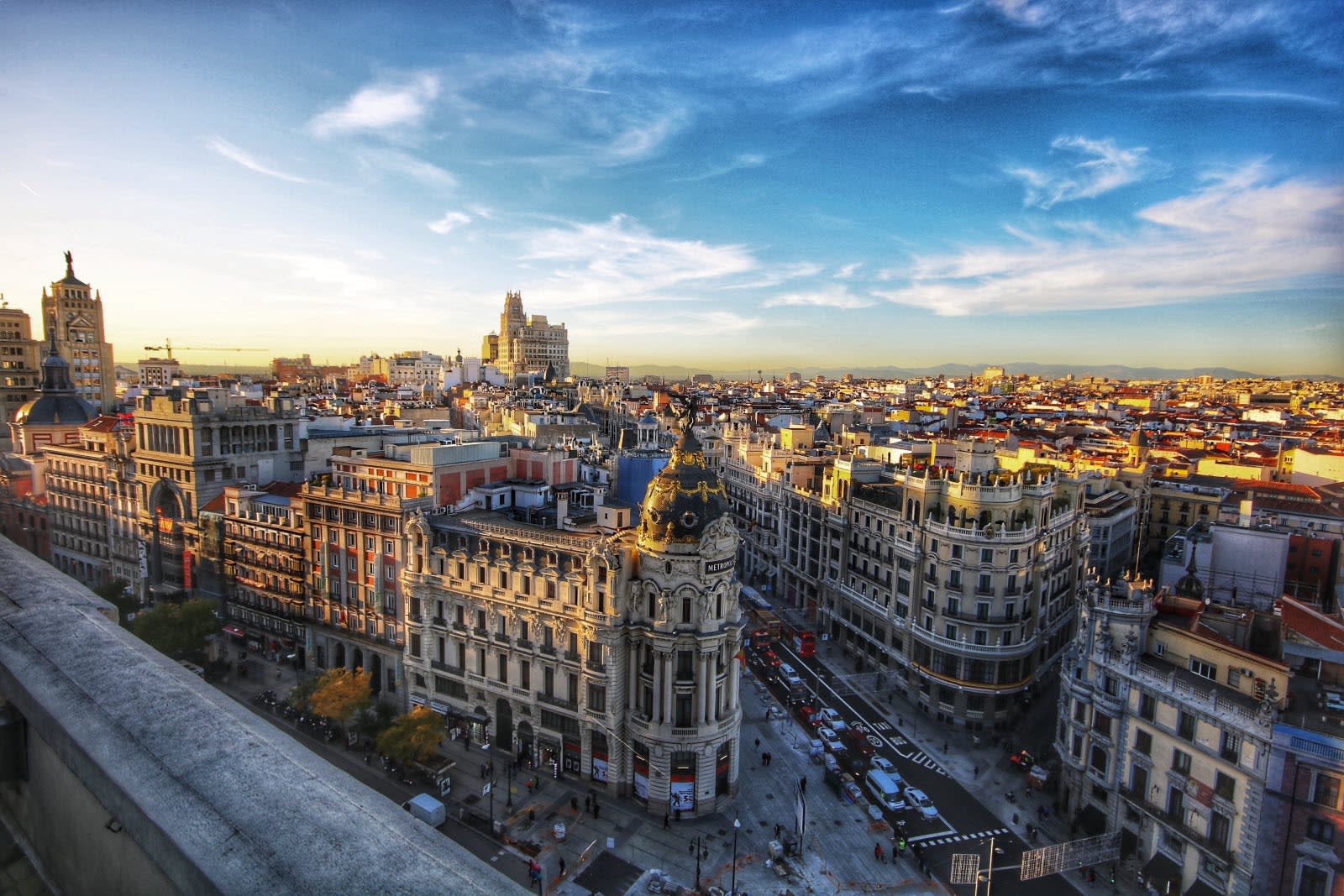
The centre of the country is explored from Madrid, whose museum triangle, Prado, Reina Sofia and Thyssen, needs two full days. Around it, the AVE and regional trains put Toledo 33 minutes away, Segovia 30 and Salamanca 1h40: all feasible as day trips to UNESCO-listed old towns. Allow three nights in Madrid to combine museums, the Retiro, the Royal Palace and a tapas night in La Latina, busiest on Sunday around the Rastro flea market.
Catalonia and the Mediterranean coast

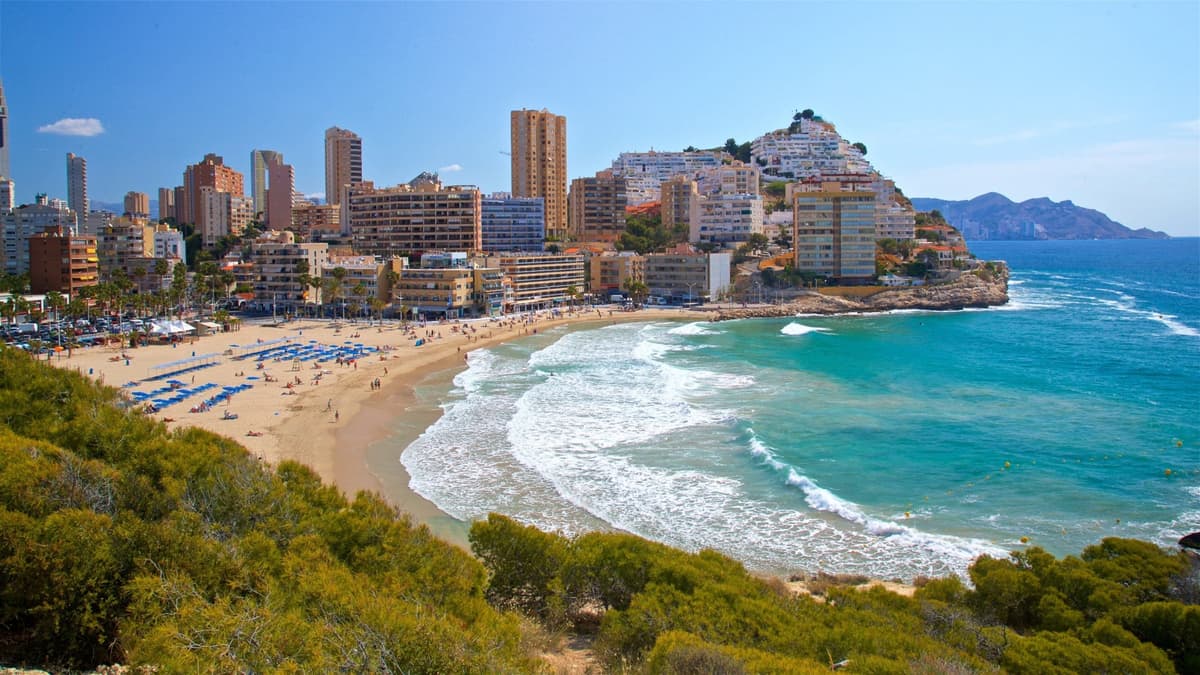
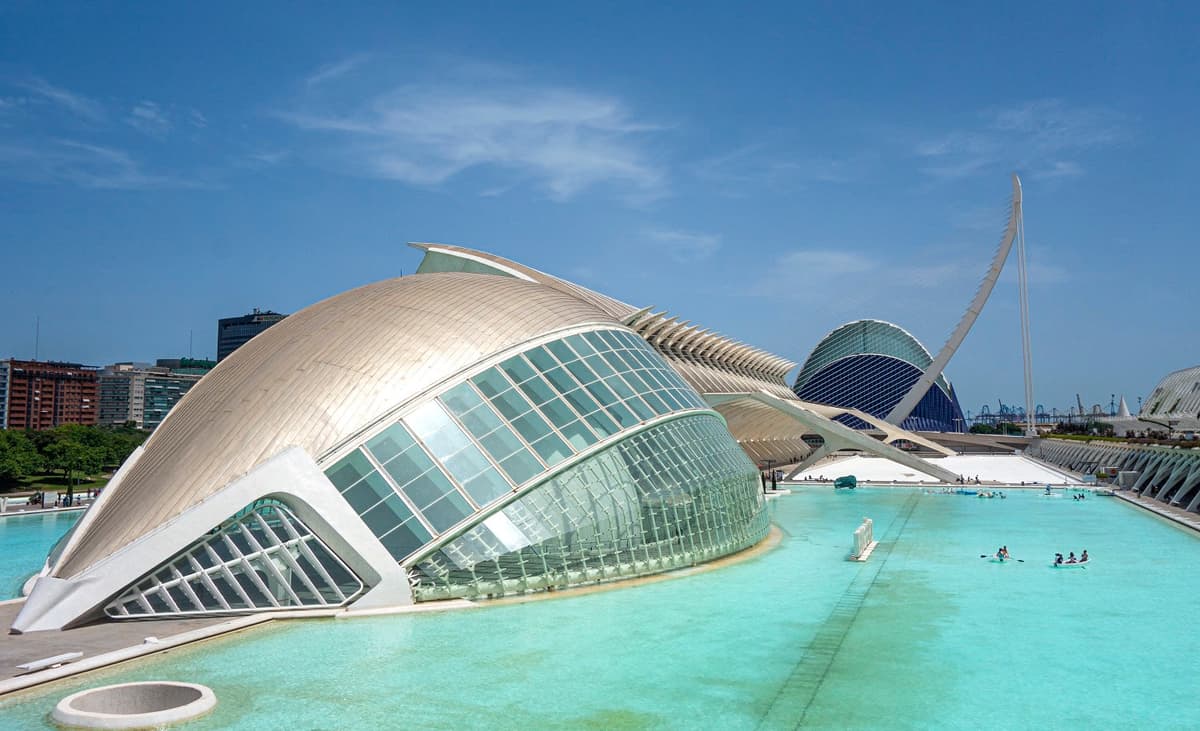
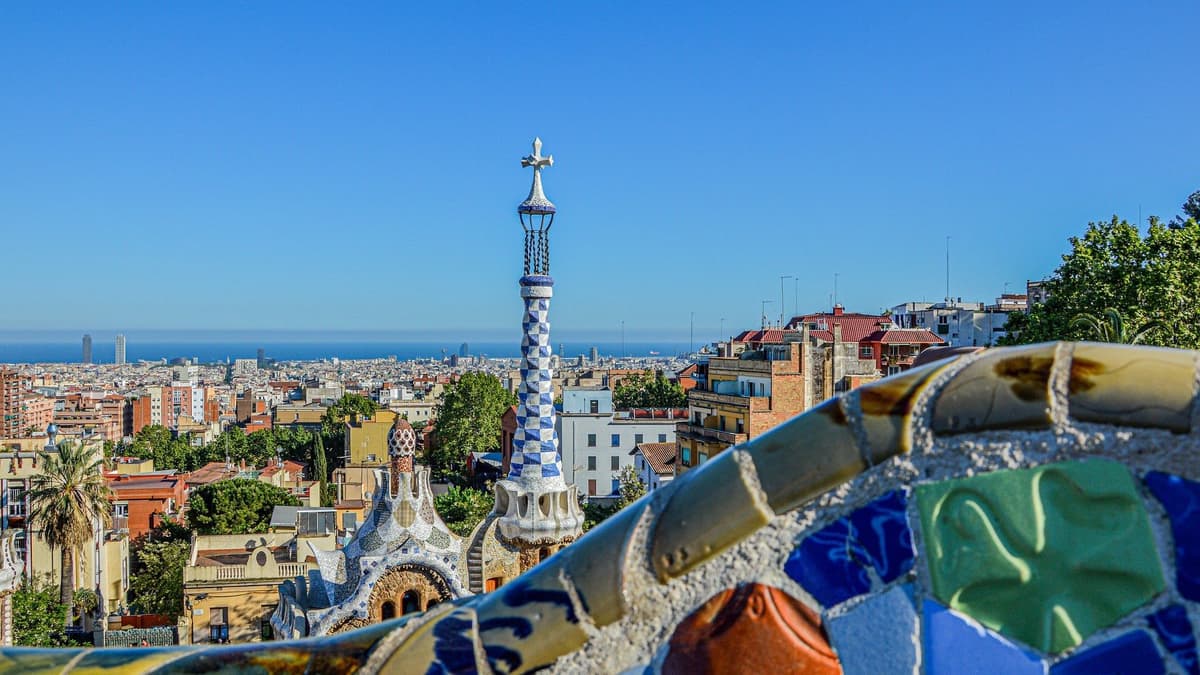
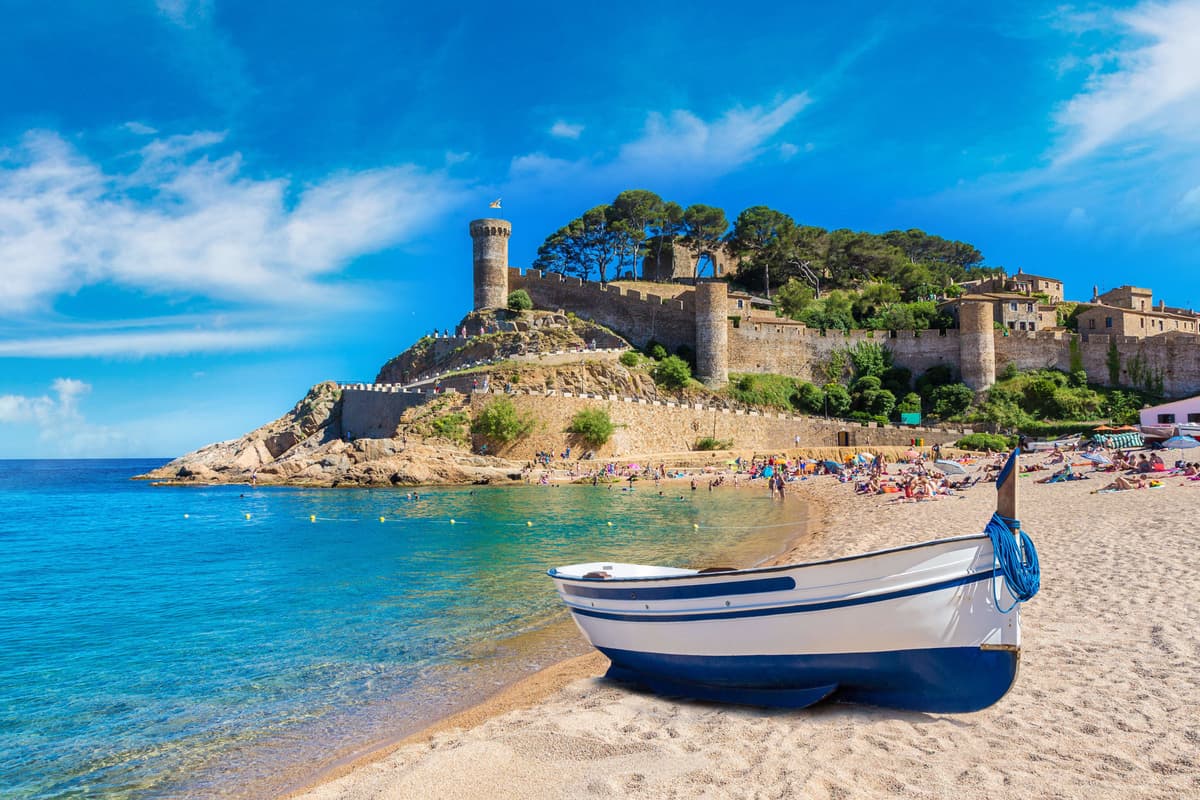
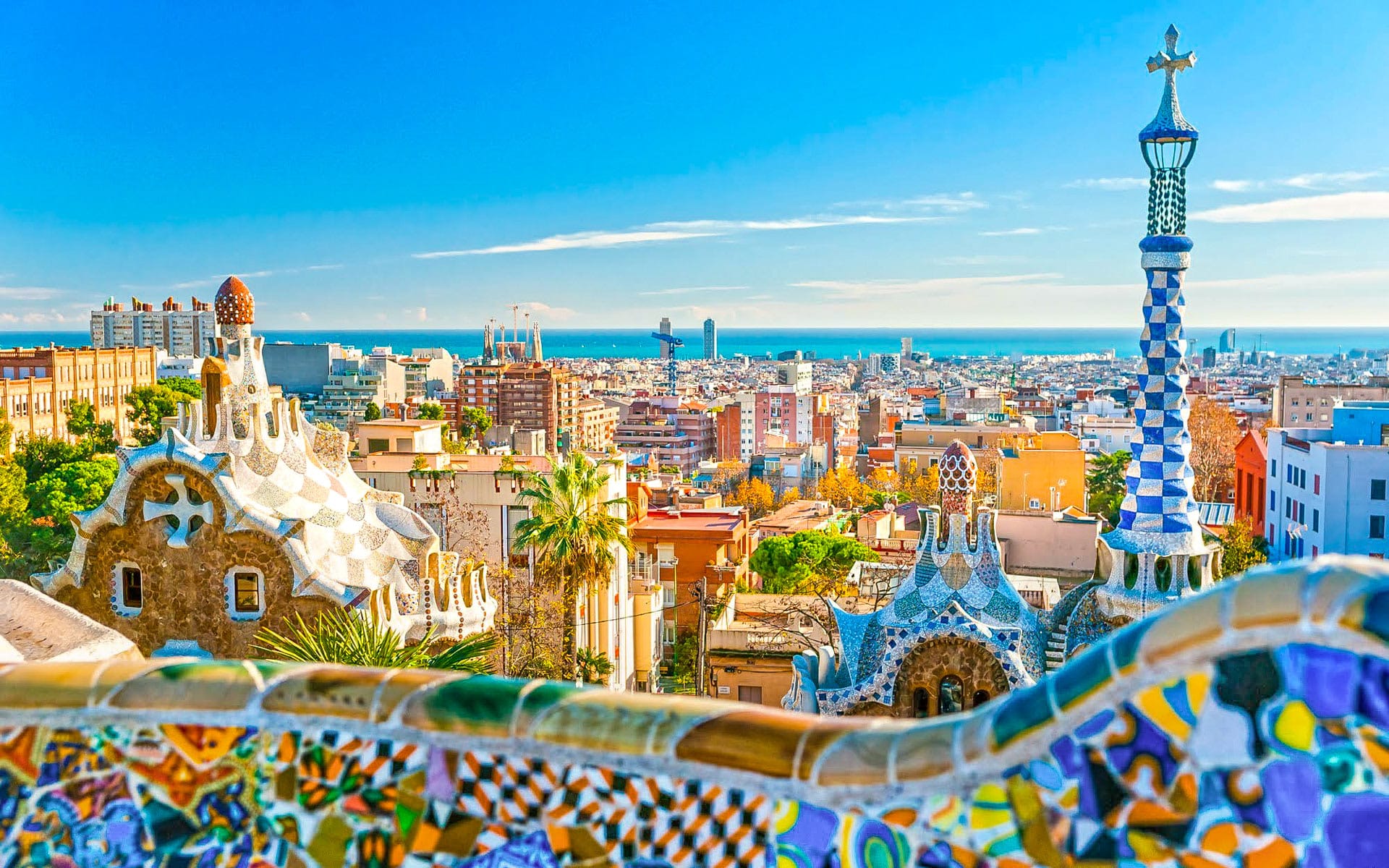
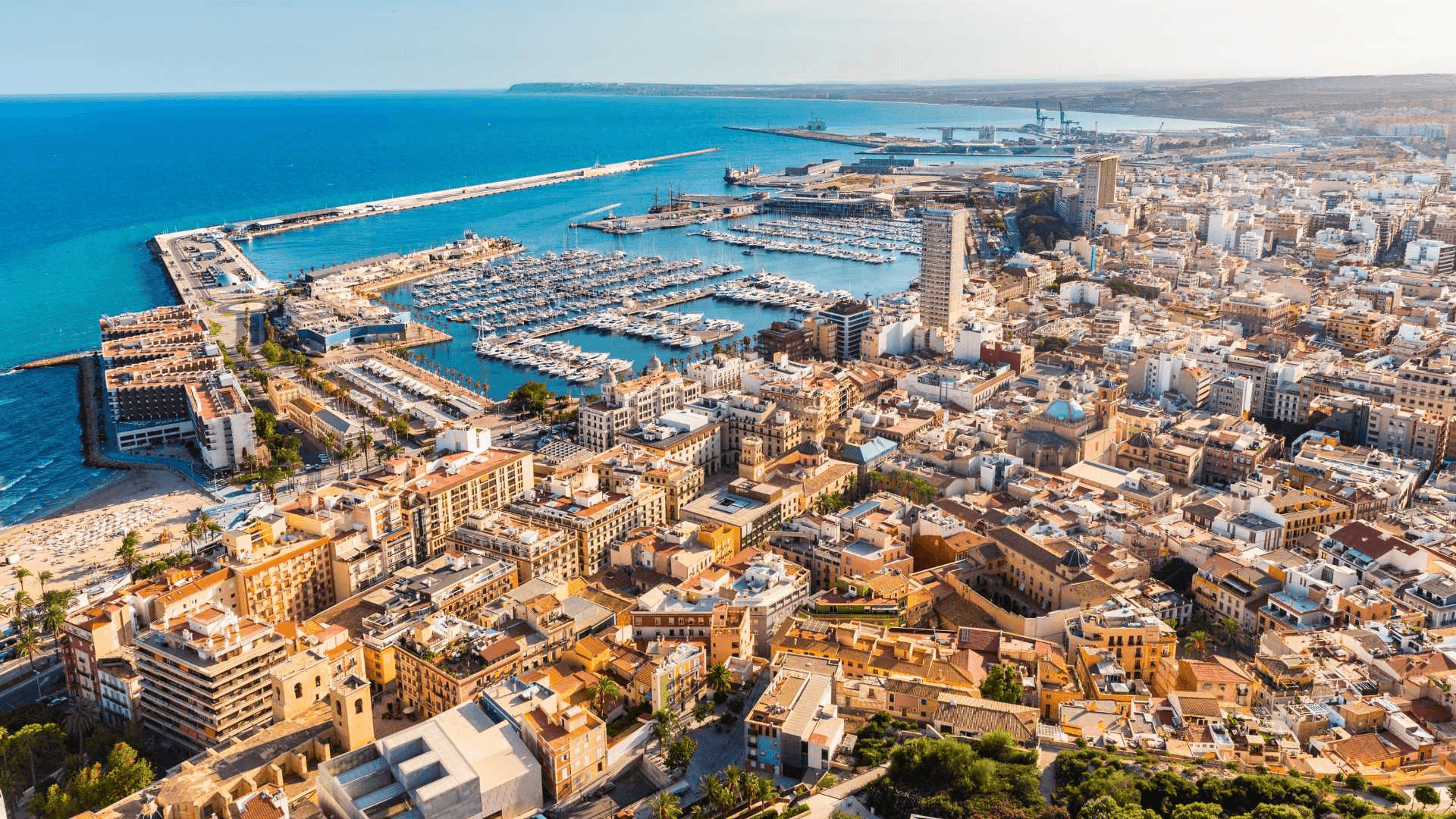
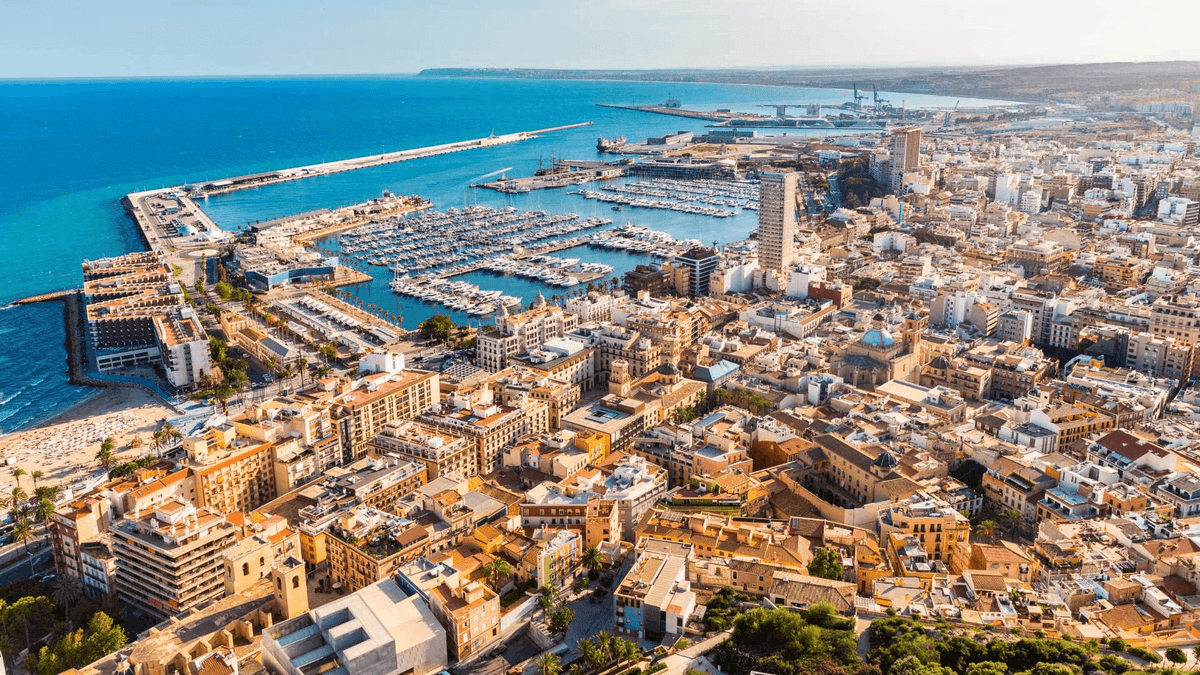
Barcelona concentrates Gaudi's work, the Sagrada Familia and Park Guell on a booked time slot, the Gothic quarter and the Barceloneta city beaches; three to four nights are enough. To the north, Catalonia, where Catalan is co-official, opens onto the coves of the Costa Brava, reachable in 1h30 by train to Girona. Further south, Valencia lines up the City of Arts and Sciences, an art-nouveau central market and the paella of the Albufera, three hours from Barcelona by direct train.

Moorish Andalusia

Seville, Cordoba and Granada form the country's most requested circuit, linked by the high-speed line: 45 minutes between Seville and Cordoba, a little more towards Granada. Allow at least five days for Seville's Alcazar, the Mezquita and the Alhambra, whose Nasrid palace tickets sell out weeks ahead. From Tarifa or Algeciras, a ferry reaches Morocco in one to two hours, letting you add Tangier to an Andalusian trip.

The green north: Basque Country, Cantabria, Galicia

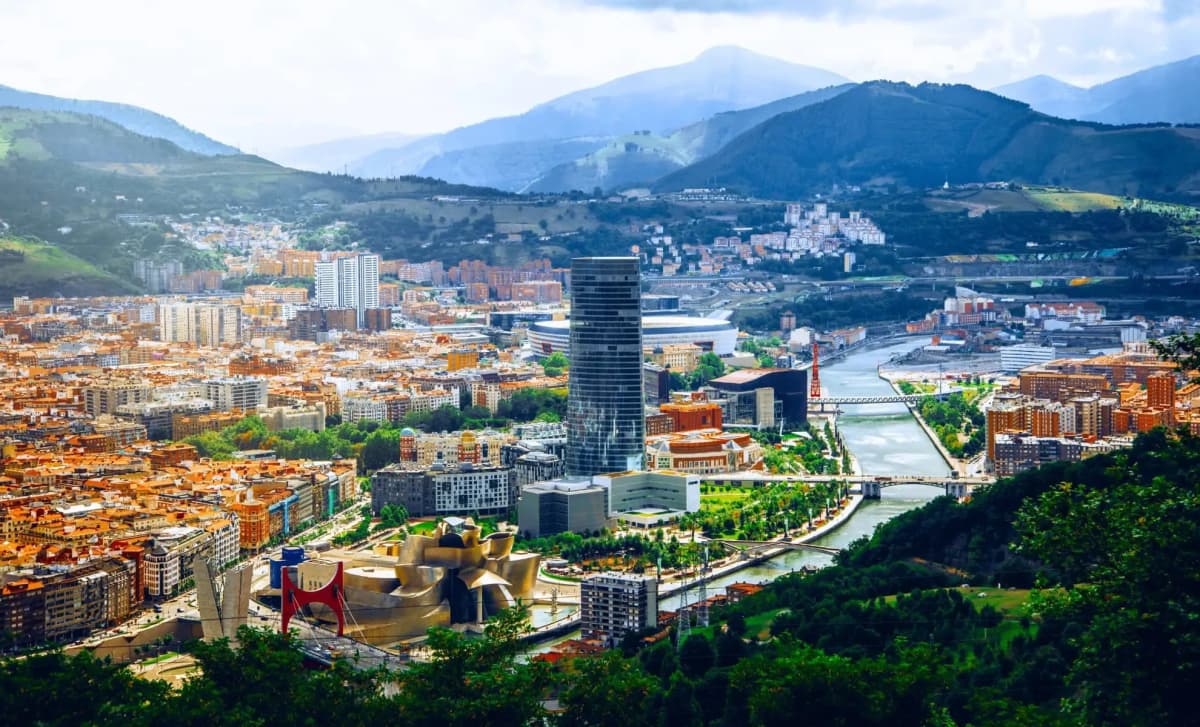
The Atlantic coast shows a very different face: rainy, mountainous and food-focused. Bilbao is worth a day for the Guggenheim and its old town, San Sebastian for its pintxos and its bay. Further west, the Picos de Europa offer day hikes, and the Camino de Santiago crosses all of Galicia; the final stage from Sarria, about 100 kilometres, is the most walked.

The archipelagos: Balearics and Canaries

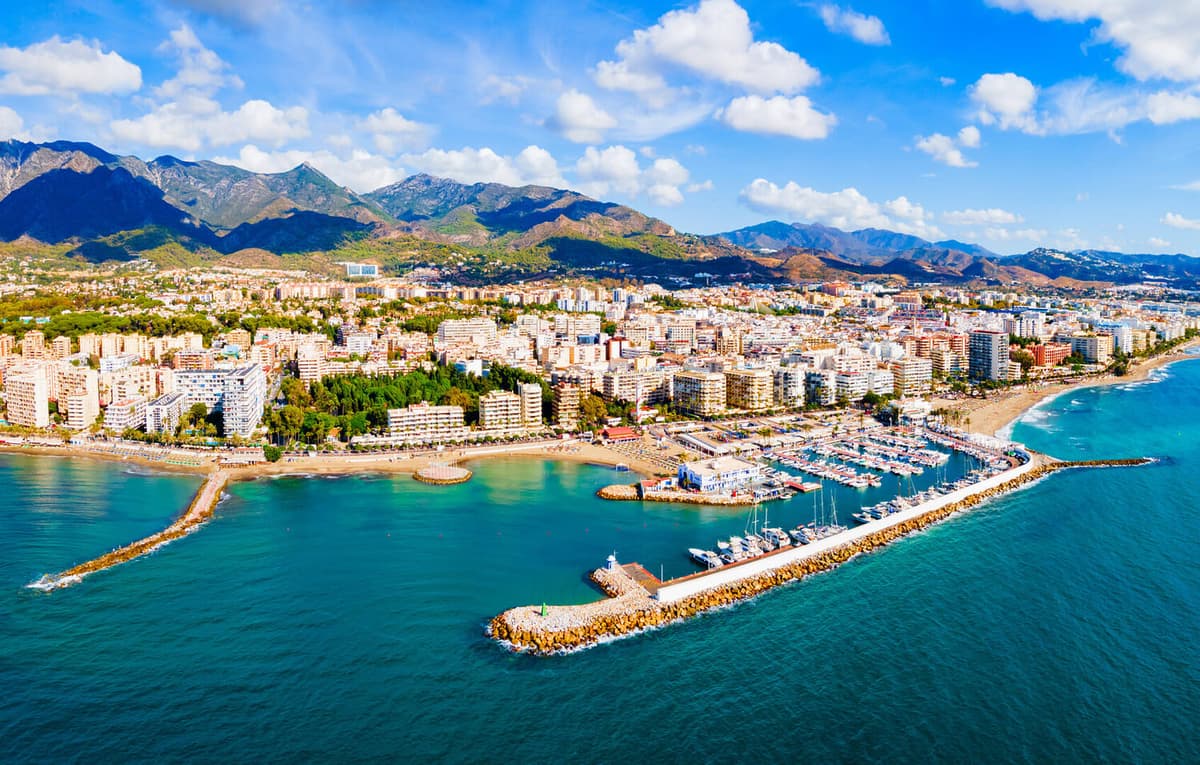
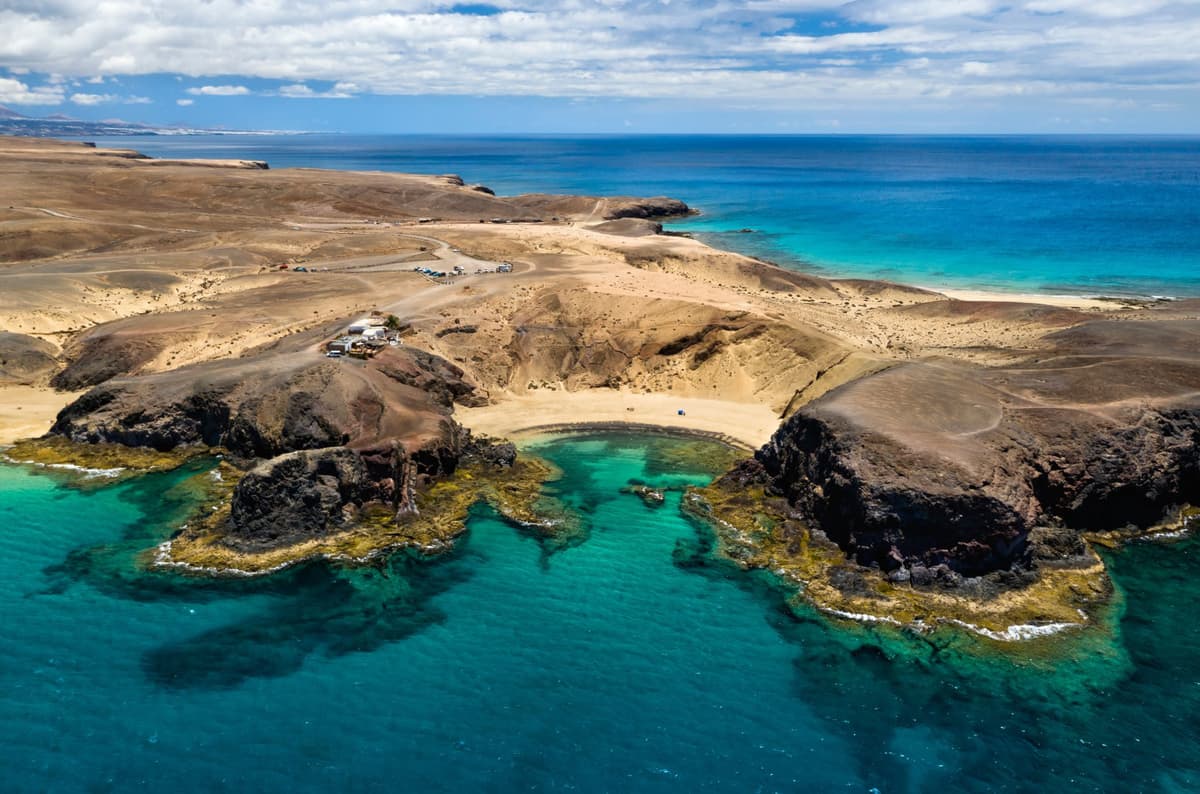
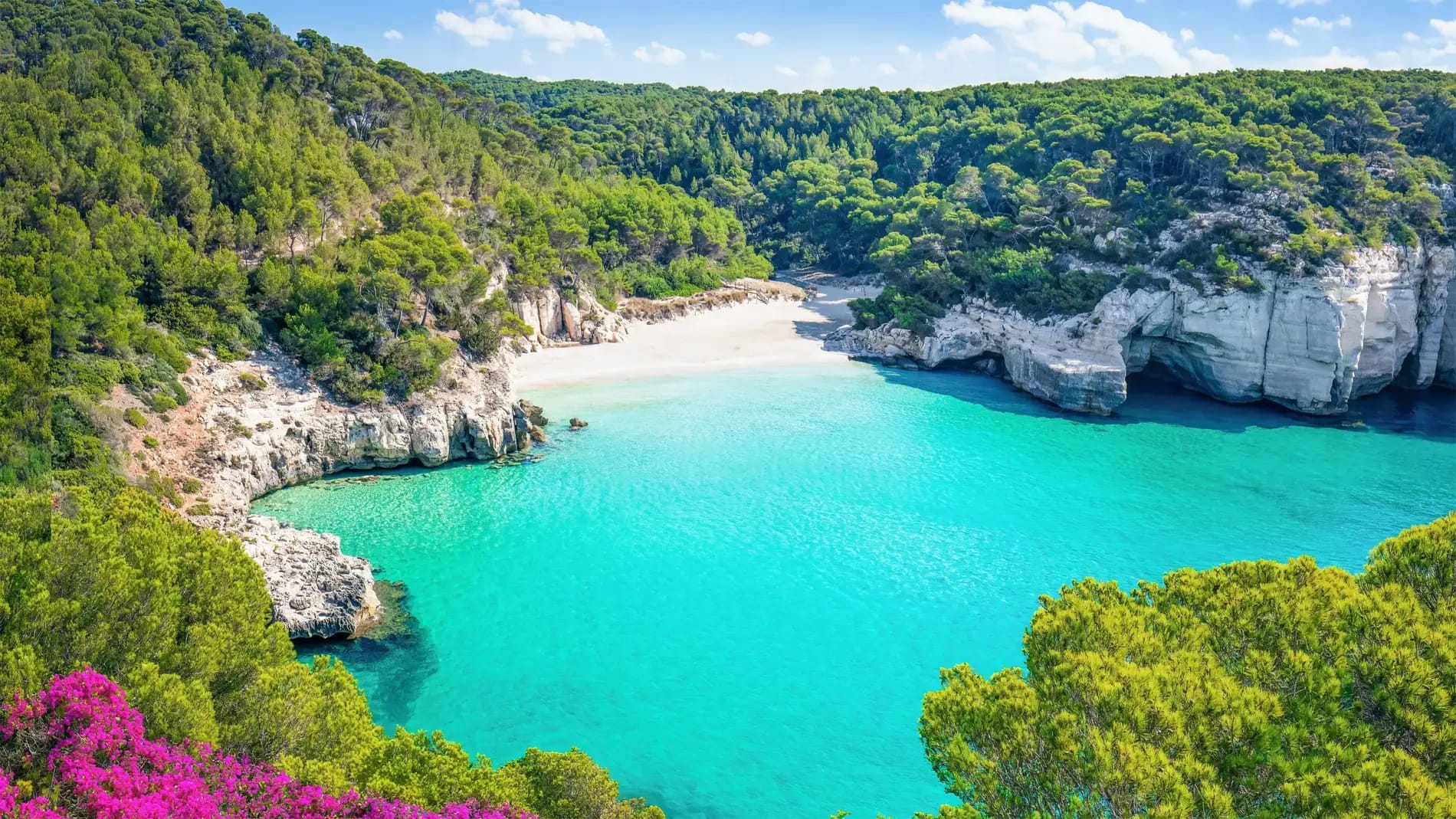
The Balearics, Mallorca, Menorca, Ibiza and Formentera, are a 40-minute flight from Barcelona and run on Mediterranean time: high season June to September, calm and cheap in spring. The Canaries, off Morocco, hold 20 to 24 degrees year-round; they are one hour behind the mainland. You can pair a mainland week with a Canaries week, but rarely on the same ticket: plan a separate domestic flight.

Festivals, food and the daily rhythm

The Spanish calendar shapes trips: Holy Week in late March or early April, Seville's Feria right after, Valencia's Fallas in mid-March, San Fermin in Pamplona in July, the Tomatina near Valencia in late August. At the table, each region has its speciality, iberico ham in Extremadura, octopus in Galicia, gazpacho in Andalusia. Meals are late, lunch around 2pm, dinner rarely before 9pm, and many museums open for free late in the day.

Cities to visit in Spain

Featured destinations appear first.

Regions to explore in Spain

Featured destinations appear first.

Spain in pictures

Spain's must-see sights

Nine places that alone justify a first trip, spread from the north to the south and out to the archipelagos.

Sagrada Familia

Gaudi's unfinished basilica in Barcelona, whose nave of tree-like columns is visited on a pre-booked timed ticket.

Alhambra of Granada

Nasrid palaces and gardens below the Sierra Nevada; palace tickets sell out several weeks before the visit.

Mezquita of Cordoba

A former great mosque turned cathedral, with its forest of red-and-white arches; free entry early on weekday mornings.

Prado Museum

One of the world's great picture galleries in Madrid, Velazquez, Goya, El Greco; free on weekdays from 6pm to 8pm.

Guggenheim Bilbao

Frank Gehry's museum that revived the whole city, titanium curves along the river; visited in half a day.

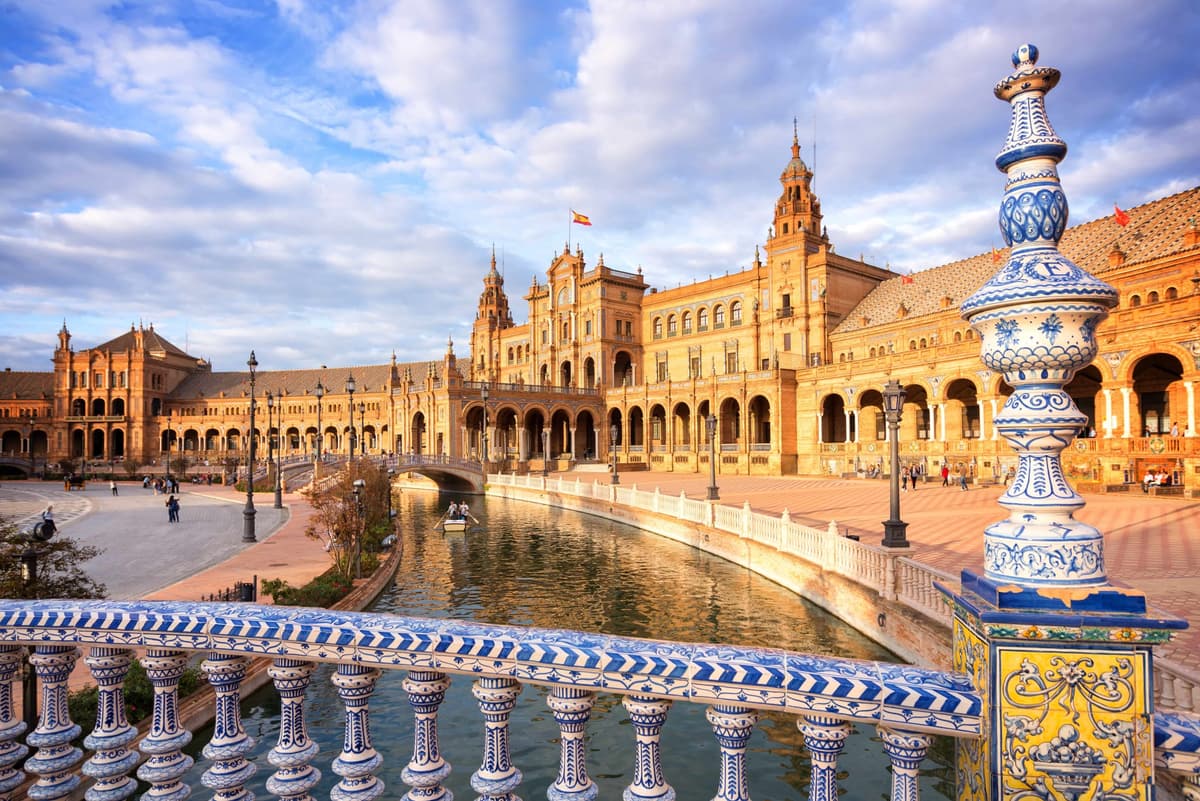
Plaza de Espana

A vast ceramic hemicycle built in Seville for the 1929 exposition, spectacular at dawn before the tour groups.

City of Arts and Sciences

Calatrava's futuristic complex in Valencia, in the former Turia riverbed turned into a 9-kilometre park.

Camino de Santiago

A network of pilgrimage routes converging on Santiago; the final stage from Sarria, 100 km, is the most walked.

Park Guell

Gaudi's terraced garden overlooking Barcelona, trencadis mosaics; the monumental zone is ticketed and pre-booked.

Similar destinations

Other countries you might like as much as Spain.

Similar regions

Other regions you might like as much as Spain.

Frequently asked questions about travelling in Spain

Do I need to book the Alhambra in Granada in advance?
Yes, absolutely. The daily number of Nasrid palace tickets is capped and slots often sell out weeks ahead, more so in spring and autumn. Without a booked ticket carrying a set time, you will only see the Generalife gardens and the Alcazaba.
How many days do you need for Andalusia?
Five days cover the essentials: two nights in Seville, one in Cordoba on the AVE line, two in Granada. A week lets you add Malaga, Ronda or the white villages. Below four days you will spend more time travelling than sightseeing.
Madrid or Barcelona for a first trip?
Barcelona if you want the sea, modernist architecture and quick access to the Costa Brava. Madrid if you prefer great museums, nightlife and day trips to Toledo and Segovia. A ten-day tour can include both, linked in 2h30 by train.
Is the AVE worth it between the big cities?
Yes on the long routes: Madrid-Seville or Madrid-Barcelona in 2h30 beat flying once airports are factored in. Tickets are cheaper booked early and low-cost operators, Ouigo and Iryo, run the main lines. Reservations are always for a named passenger.
Should I avoid Seville during Holy Week?
It depends what you want. Holy Week, late March or early April depending on the year, brings spectacular processions but packed streets, full hotels and doubled rates. To visit the monuments calmly, come in May or October.
Can you combine the Canaries with mainland Spain?
Yes, but plan a 2h to 2h30 domestic flight from Madrid or Barcelona, rarely included on the same ticket as the international flight. The Canaries are enough on their own for a week and are one hour behind the mainland.
Is it true that people eat very late in Spain?
Yes. Restaurant kitchens rarely open before 8.30pm and fill up around 10pm. To eat earlier, head for tapas bars, which serve continuously, or the lunchtime menu del dia, a fixed-price full meal served between 1pm and 4pm.

Plan your trip to Spain

Day-by-day itinerary, budget, bookings and packing in a single app.
Aperçu de l'application PlanTripNow